
These articles explore the body, the mind, the environment, and the systems that shape human health. Each piece is written to make complex ideas easier to understand, whether the topic is training, nutrition, sleep, stress, digestion, symptoms, physiology, disease, or the way modern life affects how we feel and function.
Strength, Health, & the Art of Living Well
Our Bones Impact Insulin Sensitivity
Most people think of the skeleton as structure. Bones hold us upright, protect organs, give muscles leverage, and allow us to move through the world. In that sense, the skeleton is usually imagined as a kind of living scaffolding.
But research has shown that the skeleton may be far more active than that.
In 2007, groundbreaking research published in Cell revealed that the skeleton, through the vitamin K2-dependent protein osteocalcin, has a significant impact on the body’s production of insulin and sensitivity to insulin. This finding changed the way scientists understood bone. Instead of seeing the skeleton as inert support tissue, the research suggested that bone also functions as a dynamic endocrine organ.
That is a major shift.
An endocrine organ produces signaling molecules that influence other systems in the body. We usually think of endocrine function in relation to glands such as the thyroid, pancreas, adrenals, or reproductive organs. But this research suggested that bone also communicates with metabolism.
The key player is osteocalcin, a protein produced within bone. Osteocalcin is vitamin K2-dependent, meaning vitamin K2 plays an important role in its function. According to the researchers, osteocalcin has the capacity to improve glucose tolerance and influence insulin production and insulin sensitivity.
That matters because insulin resistance is one of the defining features of type 2 diabetes. When the body becomes resistant to insulin, glucose regulation becomes impaired. Blood sugar stays elevated more easily, the pancreas has to work harder, and metabolic dysfunction begins to develop over time.
If bone-derived osteocalcin helps regulate insulin production and sensitivity, then bone health is not only about fractures, posture, or density. It is also connected to metabolic health.
This makes vitamin K2 important in a way many people do not fully appreciate. Vitamin K2 is often discussed in relation to calcium metabolism and bone health, but its relationship with osteocalcin connects it to a much larger conversation. If osteocalcin influences glucose tolerance and insulin sensitivity, then supporting vitamin K2 status may be relevant to the prevention of insulin-resistant diabetes.
The larger point is that the body is not a collection of disconnected parts. Bone affects metabolism. Nutrients affect hormones. Hormones affect blood sugar. The skeleton communicates with the pancreas, energy regulation, and glucose handling.
This is why reductionist thinking often fails in health. When we think of bones only as structure, we miss their role in signaling. When we think of insulin resistance only as a blood sugar problem, we may miss the other tissues and nutrients involved in metabolic regulation.
The 2007 discovery made a strong case that the skeleton should be understood as part of the endocrine system. Bone is not just something the body carries around. It is metabolically active tissue that participates in whole-body regulation.
Our bones do more than hold us up. They help communicate with the systems that determine how well we produce insulin, respond to insulin, and manage glucose.
That means bone health and metabolic health are more connected than most people realize.
Reference
Lee, N. K., Sowa, H., Hinoi, E., et al. “Endocrine Regulation of Energy Metabolism by the Skeleton.” Cell 130, no. 3, 2007, 456–469. https://doi.org/10.1016/j.cell.2007.05.047
Calcium
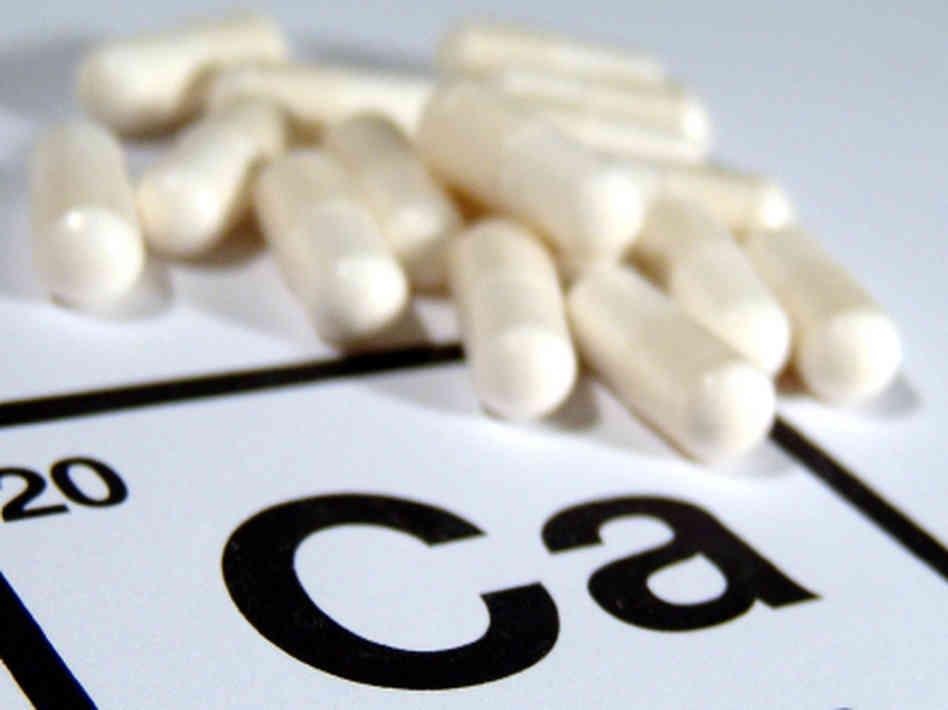
The recommendation of calcium for the prevention of osteoporosis is one of a multitude of examples of how often the current practice of mainstream medicine is missing the mark. Many people are deficient in calcium because the standard acidic processed diet is high in hidden phosphates from processed foods which inhibit the absorption of calcium. In addition, by eating large quantities of meats and sweets, this makes the body acidic. This acid requires a huge amount of buffering. When the plasma buffer reserves are exhausted, the body calls upon calcium from the bone to buffer. Hence, eating phosphate laden processed foods causes calcium loss from bones.
To build bone, calcium is laid down in bone only when enough of the complementary minerals are present, such as zinc, copper, boron, and magnesium. When these are not present in optimal amounts, taking extra calcium merely deposits the calcium in the toxic waste heap of the body, the blood vessel wall. So instead of building bone, the calcium is used to accelerate arteriosclerosis, aging and disease.
In other words, by haphazardly recommending calcium to a nation of people who are already consuming vast quantities of cheese, milk, ice cream and meats, and without measuring the blood levels of zinc, copper, magnesium, we are potentiating the development of vascular calcifications instead of bone calcification. We are enhancing the deposition of extra calcium in the vessels of the heart and brain that hastens coronary artery disease, arteriosclerotic and nutrient-deficient depression, and senile brain disease.
Beware if you are supplementing with Calcium as it cannot get into the bone unless you have enough of the other minerals needed to incorporate it and hold it in the bone. These include magnesium, manganese, selenium, molybdenum, zinc, copper, etc. Taking calcium without assessing and correcting for deficiencies of these minerals, forces the calcium into the arteries of the body in the brain and in the heart. When you are deficient in the minerals that hold calcium in the bone, calcium cannot be taken up into the bone. SO instead it gets taken up by the toxic waste site; the cholesterol patches of damaged arteries. Hence the term hardening (calcification) of the arteries.