
These articles explore the body, the mind, the environment, and the systems that shape human health. Each piece is written to make complex ideas easier to understand, whether the topic is training, nutrition, sleep, stress, digestion, symptoms, physiology, disease, or the way modern life affects how we feel and function.
Strength, Health, & the Art of Living Well
Book Notes: Balance Your Hormones, Balance Your Life by Claudia Welch
“If you can’t explain a concept to a six year old, you don’t fully understand it” — Einstein

PART ONE
Hormones — Ambassadors of Yin and Yang
if we can understand yin and yang, we have a simple framework for understanding the function of any hormone in the body and specifically the complex stress hormones (yang) and sex hormones (yin)… Whether we are talking about a liver cell, heart cell, fingernail cell, brain cell, or carbon molecule, each has form and substance. This is Yin. Each also has an energy that organizes, transforms, and directs the substance. This is Yang. Yin is mostly about mass, yang is mostly about energy. Yin is the thing operated on, yang is the operating force.
Women’s dominant sex hormones, like estrogen and progesterone, have a predominantly yin influence in the body, whereas stress hormones, like adrenaline or cortisol, have a predominantly yang influence.
we are affected physically and emotionally by every quality with which we come into contact. The general rule is: like increases like.
Sex Hormones — The Ambassadors of Yin
estrogen is more yin than progesterone
These are the three main estrogens and their glads of origin:
Estradiol is produced in the ovaries and in the adrenal glands. It is considered the most potent of the three main estrogens. After about the age of 50, or after surgery to remove the ovaries, it becomes the job of our adrenal glands to supply some of our estrogen, in the amounts we require (or to provide the biochemical precursors that our bodies can use to synthesize estrogen)
Estrone is produced by the placenta during pregnancy, by fat tissue, and to a much lesser extent by muscle tissue. Estrone is the major estrogen for post-menopausal women, even though they will not be growing placentas, because the liver can transform estrone into estradiol and vice versa
Estriol is produced by the placenta and, to a lesser extent, by the liver. It is some times called the “pregnancy estrogen” and is not a major player after menopause
Progesterone, testosterone and other hormones can serve as estrogen precursors. These precursor hormones are synthesized in the ovaries, adrenal glands, and throughout the entire body in fat, bones, muscle, skin, brain, and other tissue. Thus precursor hormones, body tissues, and even ovaries continue to provide estrogen after menopause. In fact, it is possible for an overweight woman to have more estrogen after menopause than a thin woman has before menopause, simply because of the amount of estrogen in her ample fat tissues.
To make estrogen, we also require aromatase and estrogen receptors. Aromatase is an enzyme that can instantaneously transform even precursor hormones, like testosterone, into estrogen. Like estrogen, aromatase decreases after menopause; but happily, it also becomes more potent. Also like the estrogen precursors, aromatase is widely available in our bodies before and after menopause. It is found mostly in fat and muscle tissue, but also in bones, blood vessels, brain tissue, and breasts.
If we have too little estrogen (yin), we may get vaginal dryness, dry skin, hot flashes and night sweats
“Good vs Bad” Estrogen
We have seen that estradiol is the most potent estrogen produced in our bodies. It is created in the ovaries and adrenal glands. From there the body converts it to ether good estrogen (2-hydroxyestrone) or toxic estrogen (16-apha-hydroxyestrone). I have not encountered an explanation in Western medicine about why the body would choose to convert it to bad estrogen. According to Eastern medicine, whether the conversion is to good or bad estrogen depends on whether the liver, the body metabolic processes, and the body’s qi are functioning optimally. Bad estrogens are longer lived than good ones and stimulate breast cell proliferation, so they can be a factor in developing breast cancer, which is associated with an increased rate of cell production. There is also some indication that when estrogen is not metabolized in our bodies in a timely manner, it stagnates and becomes problematic or “bad” estrogen
Progesterone: Yang within Yin
the yin hormone that is more yang than estrogen. Progesterone prepares the uterus for the fertilized egg and maintains pregnancy, but perhaps its main function is to keep estrogen in check in a woman. It is produced in the ovaries until after menopause, in the adrenal glands of both men and women, and in the testes of men…
estrogen follows progesterones lead. for example, the body can make estrogen from progesterone, but it can’t make progesterone from estrogen
estrogen stimulates the growth of uterine lining, progesterone serves to hold the lining in place
Excess estrogen increases body fat, fluid retention, blood clotting and great cancer, and creates other problems — each of which progesterone serves to counteract
if progesterone levels are low, we may experience some symptoms similar to those of estrogen deficiency. This may be because there is not enough progesterone for the body to use as raw material to make estrogen.
Estrogen can be made in any tissue in the body and serves to build and nourish us both before and after menopause. Progesterone serves to support estrogen and to act as the check in nature’s check and balance system, so that estrogen’s influence does not become dominant.
Stress Hormones — The Ambassadors of Yang
Sex Hormones are the major yin hormones; stress hormones are the major yang hormones.
Adrenaline and cortisol are the two major players of yang
DHEA — a prohormone that balances cortisol much like progesterone balances estrogen
Adrenaline and cortisol are closely related. In fact whenever adrenaline increases, cortisol levels rise. Adrenaline provides a short term stress response and decreases quickly. Cortisol increases when adrenaline does, but stays active longer
If high stress becomes a way of life, cortisol becomes a permanent guest in the bloodstream.
there are substances that serve to counteract the effects of cortisol. One is DHEA, the “yin within the yang” and balances the negative effects of cortisol
two other yang hormones are Oxytocin and Prolactin
Cortisol: Yang within Yin
Cortisol is a yang stress hormone produced in the outer portion of the adrenal glands. It controls the metabolism of carbohydrates, fats and protein and plays an important role in infection fighting, blood sugar balance, immune response, thinking, and other healthy functions. In excess, cortisol can cause problems. It is a risk factor for depression, osteoporosis, weight loss or gain problems in the cardiovascular system, high blood pressure, and a host of other issues. There is a strong link between increased cortisol and depression and solid evidence of lower bone mineral density in women with increased cortisol.
If a woman is pregnant, another source of stress can come from her developing child. Studies have shown that an unborn baby’s adrenal glands may enlarge substantially in utero to supply its mother with the stress hormones that her body is demanding. This can create problems for the mother and for the child. If a child is born with already overtaxed adrenal glands, Eastern medicine would suspect that she may have a naturally lower tolerance for stress and be especially prone to a hypersensitive nervous system and its related hormonal dysfunction from her day of birth onward.
the more cortisol we have in the bloodstream, the more sensitive we become to stressful events
too much cortisol circulating in the body leads to overall hormone resistance, including thyroid resistance. This means that the body becomes desensitized to these hormones and more may be required to do the same job. Eastern medicine would suggest that this winds up taxing the organs or glands that produce these hormones. Excess cortisol also hinders the optimal function of many other essential hormones, such as sex hormones. Further, it promotes the breakdown of all yin in the body, including the bones, skin, muscles, and brain. In excess it can lead to protein breakdown, which in turn leads to muscle-wasting and osteoporosis, and blocks progesterones ability to support bone density. And it decreases libido. Many women mistakenly think that excess cortisol is directly responsible for their weight gain. This is not the case. Cortisol by itself actually breaks down tissue and can cause weight loss, but it can hinder the optimum function of insulin in a process that leads to the weight gain around the waist that many women find so heard to lose.
If cortisol is too high for too long, it causes accelerated aging, even when normal amounts of estrogen and progesterone are circulating in the body. When cortisol is high, it relegates the body’s resources to the extremities and keeps them on standby so that the body can be ready to run or fight. This starves the body’s vital organs of energy and compromises the immune system. This process contributes to increased blood sugar, high cholesterol, heart disease, memory loss, and osteoporosis. A weakened immune system can also play a role in the development of cancer and recurring infections, especially of the respiratory system.
After a time, or after a particularly traumatic experience, this process exhausts the adrenal glands. Rather than responding to stressors by secreting stress hormones they collapse and can no longer produce enough cortisol. Now or cortisol is too low rendering us lethargic numb achy and vulnerable to infections, viruses, and other malignant influences. We may also develop allergies and diabetes. Put colloquially, we may feel like shit when our cortisol is either too low or too high and or hormonal balance is subsequently disturbed
DHEA: Yin within Yang
DHEA serves to buffer, balance, or antidote increased cortisol in the body. Like cortisol, it is also made primarily in the adrenals. It can act as a weak estrogen and can be used to make estrogen or testosterone. It is said to reduce “bad” cholesterol, increase muscle mass and energy, and build and repair protein. These are all qualities that are yin in nature and balance the negative effects of increased cortisol in the body, which we can consider the main job of DHEA
Oxytocin and Prolactin
Oxytocin and Prolactin are naturally occurring hormones in both men and women, but are found in higher levels in women, which allow us to have different options for stress response than men. Although both men and women experience a fight or flight response to stress, women have these bonus hormones that offer an alternative plan of action.
Understanding How Yin and Yang Hormones Interact
Survival Always comes First
Basically, the body works the way a hospital does. Emergencies get priority. Comfort is nice, but it’s secondary to survival. This means that although the body enjoys the nourishing influence of yin hormones, it grants priority to yang stress hormones that will help us survive a crisis—run away from a lion. We must first survive in order to reproduce. The bottom line is: sex hormones are nice but stress hormones are essential. As you can imagine, immediate survival is a far greater priority than having supple skin, plump breasts, or even a healthy, non irritable bowel. This is how our body’s natural intelligence views things. If we run low on sex hormones or stress hormones or both, and there’s not enough raw material available to make both, a choice must be made. and the body makes it. It prioritizes stress hormones.
We have seen that progesterone can be used to make estrogen when needed, but it can also be used to make cortisol. This is not a reciprocal relationship. Stress hormones cannot return progesterones’s favor by shape-shifting into progesterone when the body requires more sex hormones. This reflects the body’s priorities. When we are under chronic or extreme stress, any available resources are allocated to support the body’s stress response instead of its reproductive function.
This strategy of putting the needs of our survival systems first might work as a short-term arrangement, but for many of us, it becomes a way of life. Herein lies the problem. The adrenal glands have already had to work overtime to produce all the stress hormones getting triggered buy our modern lives. Then they have to pump our sex hormones or DHEA to reestablish the balance between yin and yang, which was thrown out of whack by all the stress hormones in the first place
Little by little, we deplete both our sex hormones and our stress hormones. And because all these hormones—estrogen, progesterone, HDEA, and cortisol—are produced directly or indiscreetly in the adrenal glands or ovaries, it is not surprising that these organs burn out. They are not bottomless reservoirs that can subsidize a stressful lifestyle indefinitely without consequence. They have limitations, as do the rest of the endocrine organs, like the thyroid gland and the pancreas, for example. All endocrine glands secrete hormones, and when stress hormones are too high for too long all the endocrine glands are at risk. When they burn out the result is that or bodies cannot produce enough sex or stress hormones. The stage is then set for difficulties and discomfort. This is true at any age, but is especially pronounced during and after menopause.
At age 35, progesterone naturally begins to decline. At around 50, sex hormones decrease significantly. A postmenopausal woman produces 40-60% of the sex hormones that she did before menopause. Additionally, by the time she is 80, a woman has only 10-25% of the stress tampering DHEA that a 20 year old does.
Take Home Messages from Part One
Eastern medicine considers that there are two fundamental operating principles of nature around us and within us: (1) a nourishing and calming principle called yin and (2) an energizing, mobilizing, and activating principle called yang.
within our bodies sex hormones are predominately yin and stress hormones are predominantly yang
both yin and yang hormones are essential to the maintenance and preservation of our bodies as well as or species
Living a life that has a good balance between yin and yang—this is between nourishment and activity—leads to balances hormone levels before, during and after menopause
too much yin or too much yang throws off the balance in our minds, bodies and hormones
when we live too stressful a life we put a great demand on our yang stress hormones and the main organs or glands that generate or secrete them. this creates a relative increase of yang in relation to yin
when our stress hormones are in danger of running low our sex hormones can snap shift into stress hormones to meet the demand. this drains our sex hormones and results in hormone imbalance.
chronic hormone imbalance of this sort is at the root of most health problem women have, both pre and post menopause
synthetic hormones, whether in the form of hormone replacement therapy or birth control pills, increase the risk of breast cancer heart attack stroke and all forms of dementia.
bioidentical hormones may not carry the same risks but are still best used as a stopgap measure while improving one’s diet, lifestyle and stress management.
PART TWO
Feeling Crummy—Our Best Early Warming System
Considerations
Avoid eating too many flour products, especially ones made form refined white flour. Many of us begin our day with toast and cold cereal made from flour, have a sandwich for lunch, eat cookies or a pastry for a snack and for dinner have pasta and a flour based dessert, such as cake. Although flour is a convenient quick way to satisfy craving and appetite, having a lot of it tends to clog the digestive system and smother the digestive ability.
In addition to lowering your intake of white flour, avoid alcohol, refined sugar and more than one caffeinated beverage (8 to 12 ounces) daily. These items often hinder the digestive process or aggravate the nervous system and end up acting like poison in the body.
If you drink coffee, buy organic
Make a list of the processed foods you now eat. See which can be most easily eliminated or can be replaced by a whole grain substitute. IF you do buy processed foods like cookies and breads, at least read the ingredients list. The fewer ingredients the better. The more mystery ingredients—the ones that sounds like chemicals instead of food—the less the chance that you are purchasing anything that could be called “whole"
Buy organic meat and dairy products. Buy organic produce and grains whenever possible
Top 10 foods to buy organic: any meat, any dairy, celery, peaches, strawberries, apples, blueberries, spinach, kale, and potatoes. The Environmental Working Group [EWG] regularly updates their “dirty dozen” list of fruits and veggies with the most pesticide residue: LINK
Avoid hydrogenated fats (lard, shortening, margarine) and never eat trans fats
Artificial sweeteners are okay—for killing ants
Avoid iced drinks with meals as they hinder the digestive process.
Improve Your Lifestyle
Wake as early as you can
Slow down in general. Stop multitasking. It dissipates energy. Studies have shown that multitasking has a detrimental effect on mental processes even when you are not engaged in it. Do one thing at a time. This will encourage focused calmer energy.
Menstruation
Why We Have Cycles
When yin and yang are out of balance in quantity or quality, she may suffer painful, heavy, scanty or irregular periods, headaches, skin breakouts, or extreme emotions accompanying her cycle
Menstrual blood is rich in immune cells and is the only blood in the body that doesn’t clot. This means that when menstrual blood flows, it freely bathes and cleanses the uterus, cervix and vagina with its antibacterial, antiviral properties.
Eliminating Cycles
the more cycles a woman has in her life, the greater her overall exposure to monthly surges in estradiol
Side Effects of Eliminating Cycles
Depo-Provera (form of birth control through injection of synthetic progestin) causes bones to leak calcium, possibly predisposing a woman to osteoporosis after menopause. Don’t take longer than 2 years
Eastern Medicines Take on Menstruation
Western medicine believes it can control a woman’s cycles and health better than nature can. From an Eastern perspective, intentionally stopping a woman’s period will lead to stagnation in her reproductive organs and to adulteration of the natural intelligence of the body—both conditions that lead to health concerns ranging from irregular heavy bleeding to endometriosis, tumors, and endocrine disorders.
If a woman’s yang hormones are balanced her cyclic timing is regular. When her yin hormones are balanced, she has both good quality and quantity yin and her cycle is neither scanty or too heavy.
Traditional Chinese Medicine and Ayurveda agree that a woman’s cycle should naturally be about 28 days from the first day of her period to the first day of her next period. Her cycle should be three to five days and have healthy, moderately bright red blood in a moderate amount. She should have no cramps or discomfort and no emotional upset before, during or after her cycle.
Menstrual Difficulties
Scanty or Absent Periods
as yin relates to substance, a scanty cycle usually indicates a lack of good quality yin—or good quality nutrition most commonly due to not eating enough or exercising too much
it is well documented that a woman’s period may become scanty or irregular, or even disappear if she engages in strenuous athletic activities or if she has insufficient nutrition. Intense physical training consumes a lot of yin. It is important for a woman to replace that yin, otherwise her nourishment in general and her sex hormones in particular will diminish
When estrogen is reduced due to excessive exercise over a prolonged period, it not only affects the menstrual cycle but may also contribute to increased risk of heart disease and dangerously low bone density
Eastern Medicine on Scanty Periods
a scanty menstrual flow is usually an indication of blood deficiency. Chinese medicine sees blood as a subset of yin, so we say that there is insufficient yin to support a woman’s menstrual flow. A woman will usually develop insufficient yin for one of two reasons. The first is that she is not consuming enough. The second is that she is burning through food, drink, and rest faster than she is replenishing it.
What Should You Do?
nourishing herbs that promote yin
Ayurvedic: shatavari, vidari, or ashwagandha
TCM: dang gui, shan yao, sheng di huang, and shu di huang
Heavy or Painful Periods
when menstrual flow is too heavy or painful, conventional medicine may diagnose uterine fibroids, endometriosis, or dysfunctional uterine bleeding.
Uterine Fibroids
Uterine fibroids are hard or soft masses of muscle tissue that can appear in any layer of the uterus and are most always benign. They may exist without any symptoms, or can cause abdominal, back or menstrual pain; a feeling of wight or pressure in the lower abdomen or bladder; frequent urination; constipation; infertility; and most commonly heavy or irregular menstrual bleeding.
Uterine fibroids range from microscopic in size to 3 pounds or even larger, expanding the uterus as if there was a full term pregnancy. If they are small, that may cause not problems, however if they are large or in a crucial spot they can block fallopian tubes, prevent implantation of the embryo or otherwise hinder conception. As many as 80% of women may get uterine fibroids, and the risk is increased by obesity—a sign of excess, poor quality yin. Fibroids are estrogen dependent and hormone sensitive, and their growth can be stimulated by estrogens and even by progestins (synthetic progesterone hormones) designed to counter some of the negative effects of estrogen.
Endometriosis
a condition whereby cells that belong to the uterus lining migrate outside the uterus, invading local tissues and organs and sometimes migrating as far as the lungs or even the nose. When a woman’s uterine lining sloughs off each month, creating her cycle, endometrial cells that have migrated outside of the uterus do so too, but unlike the cells inside the uterus, they don’t have an ext path. The resulting internal bleeding can cause inflammation, cramping and sometimes incapacitating pain and scarring that may lead to infertility. Endometriosis is stubborn. It can even recur after a hysterectomy, so it is useful to try to resolve it without surgery. It is exacerbated by estrogen and exposure to estrogen like pollutants like dioxin.
a german study showed that women with endometriosis were more likely to have higher levels of PCBs
Eastern Medicine on Heavy Bleeding
When we are stressed out, we often hold our breath and clench our bodies. Where we clench varies. Some women hold their stress in their shoulders, others in their abdomen and other sin their reproductive organs. Eastern medicine teaches us that bodily tissues will coalesce around what the body’s energy is doing. IF your life force is flowing smoothly, your blood and tissues will be healthy and supple. If it stagnates, blood will stagnate and you will get ischemic muscles (muscles with decreased blood flow). The longer qi and blood stagnate the more stubborn the pain will be and greater the chance that masses, fibroids, or endometriosis will develop. In case of reproductive stagnation, a woman may have a pattern of holding stress in that area or there may be something in her life that is encouraging stagnation there.
Castor oil has an astounding ability to penetrate through the tissue, dissolve obstructive masses and relax and open vessels. In this case, castor oil packs, can break up the stagnation in and around the uterus, relax the tissues and blood vessels and support free movement of qi.
What Can You Do?
Herbal formulas
Yong jing wan is a good common formula.
Tailor a formula from tian san qi, churn xiong, hong hua, shan yao, and dang gui
Eastern Medicine on Irregular or Missed Cycles
If qi stagnates in the reproductive organs, there will be an obstructive influence in the channels of blood or qi, and we would treat it similarly to how we treat heavy bleeding. If deficient yin is the problem, we would ensure that the woman’s diet and lifestyle support proper nourishment, and we would treat it similarly to how we treat scanty periods
Birth Control
Breast Cancer — one study showed that after less than a year of using synthetic progestin only pills, there was a 60% greater risk of breast cancer. If a woman develops breast cancer before age 44, the chances are good that she has used combined oral contraceptives, meaning synthetic estrogen combined with progestin. If she uses the Pill before age 20, her risk of breast cancer may double.
Higher Levels of CRP — Higher levels of C-reactive Protein have been linked to women’s taking oral contraceptives. Higher levels of CRP are associated with increased risk of heart disease. When the liver detects inflammation in the system, it produces CRP, which is not found in the blood under normal circumstances… If birth control is taken before a woman is 20, there is evidence that birth control pills reduce levels of important vitamins such as b6 and folic acid and increase the risk of breast cancer
Books for further reading
Taking Charge of Your Fertility: The definitive Guide to Natural Birth Control by Weschler
The Pill: Are you sure its for you by Bennett
Fertility and Conception — Four Crucial Elements
a woman’s cycle and therefore her fertility are negatively affected by exposure to environmental toxins, low sperm counts, infection-related scarring in the reproductive organs, hormonal irregularities, diet, low body fat, smoking, drug and alcohol use.
A team of scientists at the University of Rochester found that even minimal exposure to numerous chemicals was linked to higher risk of genital abnormalities in baby boys. The team, which examined 134 boys, found that women with higher levels of phthalate-related chemicals in their blood were more likely to give birth to boys with undescended or small testicles, small penises or a shorter distance that usual between the genitals and the anus
A study at the University of Missouri has experts concerned that chemicals in oral contraceptives and some man-made chemicals, like ethinylestradiol and bisphenol A may lead to fetuses having damaged prostates and urethras.
Between 1938 and 1991, men’s sperm counts in 21 countries including the united states plunged an average of 50%, while testicular cancer tripled… this is due to the men having exposure in utero and as newborns to estrogen like chemicals in their mothers blood and milk
A Canadian study in 2002 revealed that mice living in a polluted environment passed on twice as many DNA mutations to their offspring as did mice that lived in cleaner environments
The Reproductive System
if a woman doesn’t have enough stored energy in the form of good quality yin, she may have difficulty ovulating, lose her period altogether, or be unable to sustain a pregnancy. If she has excess poor-quality yin, problems such as obesity or blocked passageways may hinder the conception process
poorly digested food are considered poor quality yin
unsaturated fats increase insulin sensitivity and calm inflammation in the body, trans fats do the opposite
Good quality sleep and relaxation promote a calm spirit and support nourishment essential to health and conception but too much sleep or lounging may serve to increase yin beyond a healthy level, if there is already adequate yin
Eastern Medicine on Conception
Panchakarma is a unique aspect of Ayurvedic medicine. It is a detoxification regimen designed to rid the body of toxic material
Breast Health
Estrogen like pollutants, aptly called endocrine disruptors have detrimental effects in the body
breast tissue is rife with estrogen receptors and so may be particularly vulnerable to the nasty effects of chemical pollutants
If reducing avoidable exposures to xenoestrogens [by-products of industrial or chemical processing that have estrogen-like effects] were to make it possible to avert even 20% of breast cancers every year (four times more than are caused by inheritance of flawed genes), at least 36,000 women — and those who care about them — would be spared this difficult disease
Alcohol
One of the ways that alcohol leads to an increased cancer risk is that it interferes with estrogen metabolism. Healthy kidneys and liver (which is taxed by alcohol consumption) are vital to maintain a proper estrogen balance. A healthy liver break down excess estrogen in the blood and sends it to the kidneys, which flush it from the body. If alcohol compromises liver health, the liver may not break down excess estrogen efficiently. Instead, the excess estrogen will get reabsorbed into the blood and continue to circulate.
Radiation (Mammograms)
The US Preventive Services Task Force is an independent panel of experts that analyzes data and then advises the medical community on appropriate medical protocol. From 2002 until November 2009, they encouraged women to have yearly mammograms beginning at age 40. Their message was heavy on the “early detection saves lives” line. In November 2009, after analyzing the most current data available, they reversed their recommendations. Now regular mammograms are recommended only for women fifty and over, and even then only every other year instead of annually. The task force concluded that although these new recommendations would provide nearly the same protective benefits as the old ones, the negative effects would be roughly halved. The negative effects cited are the increased risk of unnecessary treatments, such as biopsies and treatment of cancers that are so slow growing they would never threaten a woman’s life and the significant anxiety and physical discomfort related to such procedures and treatments.
Additionally you can do nothing or opt for Self Breast Examination, but upon further analysis it is not clear that the SBE method is particularly helpful. In fact, it may present more problems than solutions. In a trial in China, conducted over about 10 years, 266,000 women were randomly assigned to one of two groups. One groups received regular periodic instruction in the SBE method and frequent reminders to practice it. The control croup received no instruction or reminders. After 10 years, the number of deaths due to breast cancer was almost identical. The group that practiced SBE had more women who had benign breast biopsies. This would seem stop show that women did find more lumps, but the lumps were benign and it might have been preferable not to find them in the first place than be subjected to the subsequent sometimes costly and ultimately unnecessary fear-inducing procedures that determined their benign status
Synthetic Hormones
for most women, the most important risk factor for breast cancer is lifetime exposure to estrogen. With each menstrual cycle, a woman is exposed to a surge in estradiol, the most potent of the three main types of estrogen. Therefore, the more cycles she has in her lifetime, the greater her overall exposure to estradiol. This means that the later a woman’s menarche, the earlier her menopause, the more pregnancies she has, and the more she nurses, the less she is exposed to the surges in estradiol that accompany her cycle. Indeed, less breast cancer is seen in these women than their sisters with early menarche, late menopause, fewer pregnancies and less nursing.
Eastern Medicine on Breast Health
Toxic Sludge (Ama) — Ama is a sticky, toxic sludge created from poorly digested matter. It is also a by product of exposure to pollutants… Ama arises from toxic external chemicals that have an affinity with breast tissue, from ingested chemicals that have the same affinity from poor-quality food, or from poorly digested food. In each case, ama circulates in the bloodstream and lodges in the breasts if there is stagnation in the chest area.
Healthy digestion and elimination reduces the amount of ama that circulates in the bloodstream, and hence the levels of ama that are available to pollute breast tissue.
Soy is easier to digest if it is cooked well, consumed as warm soy milk, tamarin, tofu, miso, or tempeh and preferably eaten with fresh ginger.
Stagnation — we encourage stagnation by hold our breath, breathing shallowly and not having physical movement of our breast tissue
We rarely get cancer of the biceps, the hearth or other muscles. Eastern medicine would explain this by observing that energy and blood get pumped through muscles on a regular basis, bringing nutrition and acting as an efficient waste removal system. For example, even if we are not bench pressing weights, the muscles in our arms get used multiple times every day and blood pumps through them, brining nutrition and removing waste debris. This self cleaning system is not as efficient in breast tissue, which has less blood flow because unlike muscles our breasts are only mostly comprised of the more passive adipose (fat) tissue.
Throughout our lives breast tissue remains relatively stagnant compared to muscles. To further ensure a lack of healthy flow of prank through our breasts, we should our breath, pack our breast into bras (often underwire — which serves to hinder the flow of prank to them), apply antiperspirants that hinder the flow of prank and sweat and we get massaged by masseurs who avoid touching our breasts. We rarely perform the tidy, finger-tipped breast self exams we are taught and when we do they are hardly stimulating. Aside from a little foreplay our breasts may never see much action. With one notable exception: breastfeeding.
Getting Rid of Stagnant Sludge
Panchakarma — ayruvedic detoxification — studies have shown that within a few days about 50% reduction in fat-soluble toxins associated with chemical pollutants were seen without negative effects. Fats and lipids in the body store fat soluble lipophilic toxins, whose half-lives may be several years, but panchakarma practices use healthy fats in such a manner as to loosen and remove those toxins.
Additionally, it is important to ensure that diet, lifestyle and stress level are appropriate for each of us so that the digestive fire is strong. Then further ama formation is not fostered and any ama is eliminated from the body, little by little over time.
What to Do
Avoid use of antiperspirants. Deodorants my be fine, but antiperspirants discourage toxins from exiting the skin in the armpits, thereby causing an undue concentration of toxic material near the breast. Be sure your deodorant doesn[t contain triclosan or phthalates (Fragrance is often code for phthalate!!)
Avoid caffeine, especially coffee. If you have coffee, make sure it is organic and try to limit it to one cup daily made with half decaf. Coffee is grown in places outside the US that use very strong pesticides and chemicals, which are estrogenic in nature and so are not good for women’s reproductive and breast health. Coffee itself, even organic coffee, tends to have an affinity with breast tissue and often has a negative effect on it and other reproductive tissue. When you couple this natural affinity with the malefic effects of the chemical residue associated with nonorganic coffee, it is likely to be an unhealthy brew… haha
Massage your breast. Because breasts are mostly adipose tissue, they do not have at the quantity of blood flow available in many other parts of our bodies where there is more muscle tissue with blood pumping through. So the ama that has collected in the tissue over time is allowed to stagnate and putrefy, or the tissue simply becomes denser.
Keep a bottle of castor oil, Banyan Botanical’s Breast Balm, untested sesame oil or other appropriate massage oil in the shower. Each time you take a shower, warm some oil or balm in your hands and massage it vigorously into the breast tissue and around the area of the breasts including the armpits. In general if your breasts are lumpy, castor oil is better. If not, Breast Balm is particularly pleasant
if you have any lumps, it is best to avoid massaging them until you determine with your health care practitioner that it is safe to do so
Then follow up with a self exam of the breasts as taught by a qualified healthcare practitioner. This works in the oil further, as well as allows you to become familiar with the feel of your breast tissue at different times of the month
Then let the hot water of the shower rinse off the oil. Don’t use soap. Ayurveda teaches that it is good to leave a little oil on the skin.
Perimenopause and Menopause
Menopause is when it has been a year since our last period, and it is driven and accompanied by more dramatic changes with our sex hormones. Perimenopause is considered to last anywhere from a couple years to twelve or more before menopause and although this is not implicitly stated the term tends to be applied more to women who are experiencing discomfort with the transition
At menopause there is a more drastic change in our levels of sex hormones, but this isn’t necessarily a problem. Since we not longer make and bear babies, we no longer need to maintain the potential to nourish another being. We still require nourishment ourselves, however and provided we have not consumed too much yin in our earlier years by plowing through life’s obstacles our bodies can still provide us with what we need. Postmenopausal women still produce 40 to 60% of their premenopausal levels of hormones, that estrogen falls only 40 to 50% at menopause, and that we have the ability to synthesize sex hormones sufficient for our natural postmenopausal needs via the adrenal glands and our various bodily tissues. We have also seen that to make estrogen, we need estrogen precursors and aromatase — the enzyme necessary to convert precursors into estrogen — and we have both of these just about everywhere in our bodies even after menopause. SO we have great potential to synthesize sufficient estrogen.
Estrogen deficiency may simply be due to a long term excess of stress hormones draining our sex hormones. Adding more estrogen via hormone replacement therapy without calming the stress in our lives is like pouring water into a bucket with a hole in it.
Stress renders us less responsive to normal amounts of hormones and pretty much ensures hormonal imbalance. For example, a woman with excess cortisol but normal amounts of estrogen may get hot flashes or other symptoms typically associated with estrogen deficiency. IF this woman were to treat these symptoms with estrogen replacement therapy, she would possibly then develop estrogen dominant symptoms such as weight gain, water retention, and mood swings. This is also the case with other sex hormones (or thyroid hormone) and if this goes unchecked long enough it creates a general resistance to our own hormones…. The main problem is, by the time we reach menopause many of us have already drained our reserves of yin sex hormones in the service of our yang stress hormones. Now when our ovaries are producing a smaller quantity of sex hormones, our adrenal glands are supposed to kick in and produce more of the hormones and hormone precursors we need. But what if these glands are already burnt out from producing lots of stress hormones to manage our stressful lives over the last 20 years and by producing the DHEA required to assuage the effects of excess cortisol? Answer: They will be tapped and tired out and unable to deliver our postmenopausal hormonal requirements.
If yin is deficient we may not have enough nourishing qualities to keep us grounded, cool calm and lubricated.
Hot flashes are a good indicator of hormonal imbalance. About 80% of menopausal women will experience at least one hot flash, making this a significant symptom accompanying menopause. Generally the more intense they symptoms of menopause the more out of balance the hormones are.
Eastern Medicine on Perimenopause and Menopause
if you focus on treating insomnia, for example, without addressing its cause (hormonal imbalance due to excess stress), you will have to treat it forever.
As we age, our yin hormones decrease. Menopause marks the most dramatic drop. From this point onward, a woman has less of a buffer against physical or emotional stress
Ayurveda considers that menopause marks a major turning point for a woman. Its a time of transition when she is naturally suited to begin an inner journey. Up to now in her life, it was natural for her to educate herself, raise a family, develop her profession and engage fully in the world. Menopause is the time to reverse the momentum of her involvement in the activities of the world, turn this energy inward and begin to plumb the depth of her soul.
What to Do
herbal supplements:
shatavari, 3 to 5 parts (unless you have uterine fibroids or fibrocystic changes in your breasts, in which case I would omit it)
vidari, 3 to 5 parts
dang gui, 3 to 5 parts
shan yao, 3 to 5 parts
licorice, 2 to 3 parts (unless the woman has high blood pressure
sheng ma, 1 to 3 parts
if you suffer from insomnia, try taking two tablets of Banyan Botanical’s I Sleep Soundly an hour before bed
Heart Health
Women’s vs Men’s Heart Health
One study found that the top six signs of a heart attack in women are unexplained or debilitating fatigue that doesn’t go away with sleep, difficulty sleeping, shortness of breath, indigestion, nausea, and tightness and pain in the back arms jaw or neck
women's heart disease is often different from men’s. Women can be more likely, for example, to have clear coronary arteries but have microvascular disease, where there is a constriction or stiffening of the smaller arteries that nourish the heart, leading to oxygen deprivation to the heart muscle
women who took an estrogen-progestin supplement had a 26% higher risk of heart disease. And estrogen replacement therapy alone instead of reducing the incidence of congestive heart disease as hoped, increases the risk of gallbladder diseases and clot related problems such as stroke and pulmonary embolism
Eastern medicine would say that Nancy (who had it all. was slim, ran five miles a day, never smoked had “perfect” blood pressure, a family history of longevity, watcher her diet and was only 39, yet developed microvascular disease and was prescribed four heart medications) not only had it all but had too much. Too much ambition too much pushing beyond her natural limits. In general she had too much activity that depleted her yin, the nourishing element in life.
running is one of the exercises that can deplete yin
One good way to build yin is to nap — Occasional napping carried a 12%lower mortality rate, whereas regular nappers enjoyed a 37% decreased risk.
How could yin deficiency lead to microvascular stiffness? Generally, insufficient yin in the body can lead to a reduction in the flexibility of blood vessels, increased heat that dries and stiffens vessels, or constriction of vessels.
Inflammation and Heart Health
inflammation occurs when the body detects infection and dispatches white blood cells to the site. For example, white blood cells may respond to deposits on blood vessel walls as a threat and arrive on the scene to remove them. Inflammation is a natural defense mechanism of the body, but is not meant to be on the job 24/7
Stress
when we experience physical or emotional stress, stress hormones are increased in the body and sympathetic nervous system is overstimulated. When this happens, hormone-like substances called eicosanoids also become imbalanced. Their imbalance is associated with tissue inflammation.
Ongoing Low Level Inflammation
C-Reactive Protein, a protein not found in the blood under normal circumstances. The liver produces CRP when it detects inflammation in the system. Chronic low grade infections associated with such conditions as gum disease, hypertension, rheumatoid arthritis, chronic tissue injuries, or colitis increase CRP.
In women, CRP seems to be a better predictor of cardiovascular disease, including heart attacks and strokes, than LDL cholesterol. Persistent inflammation may lead not only to heart attacks but possibly to colon cancer, Alzheimer’s and many other diseases as well.
Environmental Toxins
One substance that has been shown to block the body’s inflammatory process is delta-9-tetrahydrocannabinol (THC), which is found in marijuana. HOWEVER, before you run out to score some weed to protect your heart, it is important to know that the study was on mice that were fed THC. Smoking cannabis may actually damage the heart.
Exercise
Can you touch your toes? If you can, your cardiac arteries are likely more flexible than those of someone who can’t. Why would that matter? because supple arteries allow blood to move more freely through the body than stiff ones, which require the heart to work much harder, possibly leading to a greater risk for heart attack and stroke.
Emotions
The heart is a remarkable organ. Modern medicine is only beginning to realize its importance and relationship to stress and emotions. In 1983, the heart was reclassified as an endocrine organ because it produces and releases a number of mood-altering hormones, including dopamine, oxytocin, norepinephrine and atrial natriuretic factor, which affects blood vessels, the kidneys, adrenal glands and the brain. Remarkably, we find oxytocin levels in the heart as high as concentrations in the brain. Our thoughts become biology as these hormones have far-reaching effects in physiology.
Alcohol
A 2006 Danish study including 27,000 men and nearly 30,000 women determined that although men reduced their chances of heart disease with one drink daily, women did better with one drink weekly.
Osteoporosis
A woman’s risk increases if she has vision problems (especially with depth perception), if she is tall or weighs less in her fifties than she did at age 25, or if she has had broken any bones (wrists, ankles, hips) after age 20. Her risk also increases if her mother experienced broken bones. If a woman has a hip fracture before she turns 80, chances that her daughter may suffer a similar fate increase roughly threefold
the most critical time to precent bone loss is during the first 5 years after menopause. This is the time in a woman’s life when she will lose bone mass most quickly, between 1 and 2% per year. In general, women gain bone mass until they are 25 years old, level off until age 35, then lose about a half a percent per year until menopause. After the 5 year post menopausal drop, bone loss slows down to about 1% per year and back to half a percent again after age seventy.
There are 2 major reasons for excessive bone loss. The first involves a process whereby specialized cells called osteoclasts dissolve the old bone cells too fast. This process is catalyzed by too much yang, which occurs when the body is marinated in stress hormones. The second is an insufficient number of fresh, healthy bone cells —osteoblasts— coming in to rebuild the bones. Eastern medicine would say that this is a result of not enough yin, or substance (i.e. bone mass) relative to yang.
Hormones and Bone Loss
Stress hormones are crucial for survival: however, in excess they promote the breakdown of all yin in the body, that is, all structural material including the bones, skin, muscles, and brain. This leads to a double assault on bone health. First bone mass is decreased by high levels of cortisol. Second, many tissues that produce estrogen are depleted, resulting in decreased production of estrogen. Estrogen slows the development of osteoporosis, and it has been common for doctors to prescribe synthetic estrogen (balanced with a progestin if the woman has a uterus) to combat osteoporosis.
Calcium, Diet, Exercise
The origin of calcium is not milk, it’s in the soil and it gets taken up through the root systems of plants, which are then eaten by cows. So, to get enough calcium, what we really need to eat are plants.
Some sources show that increased protein hinders calcium absorption.
We need hydrochloric acid and vitamin D to get calcium from the stomach to the blood stream. Then we need micronutrients, progesterone or testosterone, and exercise to get it from the blood into our bones. If nutrients are available but don’t get circulated via the bloodstream and absorbed into the body and its deeper tissues, they are wasted.
Yin (structural material, like nutrients) and Yang (movement and exercise) support each other
When women engaged in simple strength training exercises designed by the Tufts scientists, they gained about 1% bone density in their hips and spine over the course of a year, their balance improved and bone fractures were prevented.
Osteoporosis Drugs
When taking a bisphosphonate pill, it is important to drink a full glass of water and to sit or stand for a while afterward so the medication doesn’t irritate, ulcerate, or otherwise damage the esophagus. Esophageal troubles caused by bisphosphonates may lead to other problems and end up all but incapacitating women who had been otherwise active and healthy. When we are elderly, we can be especially vulnerable to a pattern where initial harmful evens trigger a whole series of negative reactions
this drug has the potential to affect anyone’s digestion in a negative way, leading to poor-quality yin in the body. If poor-quality yin feeds the bones, the resulting bone quality will be inferior as well
Alzheimer’s Disease and Dementia
although modern science does not know what causes Alzheimer’s disease, it does know that people with Alzheimer’s have protein deposits in the spaces between their nerve cells (called plaque) or within the nerve cells (called tangles). Plaque or tangles may hinder free communication between nerve cells or directly affect their health.
if we change our behavior, our bodies and minds change too
Eastern Medicine on Alzheimer's
there are at least two major causes for buildup of plaque or angels (which Ayurveda would include under the umbrella term ama, or toxic sludge in the body). One cause is underlying heat or inflammation, which causes the body to create a buffer to protect its tissues from being affected. This buffer can be ama. Another cause is the inefficient digestion of all that we ingest—food, drink, and environmental pollutnats such as insecticides and pesticides. The resulting ama circulates in the body and lodges in the heart, brain and other vulnerable tissues. In either case, the ama can manifest as plaque, tangles or other sticky material. Western medicine is beginning to suspect that plaques and tangles exist in response to other factors
PART III
Importance of Diet and Lifestyle
A recent study of the effect of lifestyle and diet on longevity revealed an interesting connection with an enzyme called telomerase, which guards against age related cellular damage. Telomerase repairs and lengthens the protective ends (called telomeres) of our chromosomes. If these catlike ends shorten, they leave our chromosomes more susceptible to damage or death, which quickens the aging process. Factors like smoking, obesity, and sedentary lifestyles are known to be associated with shorter telomeres, and evidence suggests that telomeres and lower telomerase levels are risk factors for heart disease and cancer. Appropriate diet and lifestyle appears to increase telomerase levels by about 29%
Quality and Quantity of Food
Pippali, a common herb in Ayurveda, related to the black pepper we use in cooking is warming and supports digestive function if there isn’t enough heat in the body
In Ayurveda, digestive capacity and strength (or “fire”) is called agni and is very yang.
Ayurveda says that it is desirable to have a good appetite because that means our digestive fire is strong enough to transform what we eat into the energy and refined biological substances that our body needs to maintain health. Poor appetite indicates low digestive fire, which means that when we do eat, our food will not be well digested and become ama and excess, poor quality fat.
There is also an Ayuvedic remedy to increase the digestive fire and create true appetite: Take a slice of fresh ginger about an eighth of an inch thick. Put a pinch of rock salt on it, with a few drops of lime juice. Chew this about 30 minutes before meals.
Food, Medicine, and Poison
He that takes medicine and neglects diet wastes the skills of the physician —chinese proverb
Ayurveda teaches us that food—nourishment—is anything we ingest that is digested well, nourishes us, and passes through the body without any negative effects. Medicine is that which enhances digestive ability and poison is that which hinders it. IF we can’t digest what we are eating even if it is the organically sprouted and juiced nectar of the gods, then it is considered poison to us.
It is more important to know what sort of person has a disease than to know what sort of disease a person has — Hippocrates
Ama, or Toxic Sludge
How does poor digestion lead to the formation of ama and subsequently to disease? We ingest stuff. It gets broken down into smaller and smaller particles, is absorbed into the blood stream and does to nourish and build our tissues. If what we ingest is digested well and completely, the molecules absorbed are high-quality, refined, biologically useful building material for strong, healthy tissues. If either what or how we eat is problematic, the food stuff will be poorly digested and the resulting molecules are sticky, toxic sludge molecules
The vulnerable areas of the body are called khavaigunyas in Ayurveda
Ayurveda teaches us that if digestion is weak, it affects not only the transformation process in the digestive tract, but also the transformation going on in other tissues in the body, such as the muscles, bones and organs. Either our own digestive and transformative processes are strained due to a history of poor dietary or lifestyle choices or we have been over exposed to toxic chemicals.
Eat in a Calm environment — A full third of the nervous system is associated with the guts. IT is impossible to digest our food well when we are stressed out. When we are calm, our digestive organs are relaxed. When relaxed, they are more likely to function optimally.
What to Eat
Enzymes and compounds in fruits and veggies
Phytochemicals, such as lutein, beta-carotene, allicin (in garlic), isoflavones (in soybeans), lycopene (in tomatoes), flavanoids (in green and black teas), sulforaphane glusosinolate (SGS; in broccoli and especially in broccoli sprouts), and lignans (in flaxseeds)
Inducers (eg sulforaphane) of enzymes that do useful things like detoxifying carcinogens
Glucosinolates, which are found in cruciferous vegetables, especially broccoli sprouts but also Brussel sprouts, cabbage and cauliflower
Vitamins, minerals, antioxidants
High fiber, which may prevent colorectal cancer and cardiovascular disease
Eastern medicine focuses on whole foods rather than any particular component of that food (focusing on the benefits on any individual vitamin, mineral, antioxidant that a given whole food has is more of a sales tactic to generate revenue than anything else)
Chocolate
The Journal of the American Medical Association has reported the healthy effects of dark chocolate (however, white chocolate and even dark chocolate with milk didn’t make the grade.) It’s plant phenols — specifically the cocoa phenols — seem to be responsible for lowering blood pressure and delivering megadoses of antioxidants
A daily does of Triphala (a mixture of 3 herbs) is a common practice in Ayurveda, and can help maintain a healthy digestive tract, provided you have no acute illness or diarrhea, are not preggers, do not have your period or have other contraindicated conditions. Trifle helps support a healthy gastrointestinal tract and provides a very gentle daily detox to counteract exposure to unavoidable environmental pollutants. (available at banyanbotanicals.com)
Meat
I’ve often thought there out to be a manual to hand to little kids… called “Welcome to Earth” and one thing I would … tell them about is cultural relativity… A first grader should understand that his or her culture isn’t a rational invention; that there are thousands of other cultures and they all work pretty well; that al cultures function on faith rather than truth; that there are lots of alternatives to our own society… Cultural relativity is defensible, attractive. It’s a source of hope. It means we don’t have to continue this way if we don’t like it. — Kurt Vonnegut Jr.
If someone is weak, it is often due to a weak digestive system that dos not digest or absorb food completely or well.
meat contains substances that cause an increase in homocysteine levels, which in turn is associated with increased risk of heart disease. High homocystine levels irritate the linings of arteries, increasing the likelihood that they will clog, whereas the folate and vitamin b6 found in vegetables and grains reduce homocysteine levels — another reason to minimize the meat and maximize the veggies is that meat is a source of excessive phosphorous which causes a loss of calcium in the body.
Blood follows qi (energy) and qi follows shen (spirit). If spirit is disturbed, energy will become disturbed and then the body will immediately or ultimately become disturbed.
What Not to Eat
many fast foods have high levels of acrylamide, a substance the EPA defines as colorless, crystalline solid that is probably a human carcinogen. It induces gene mutations and stomach cancer in animal tests and is known to cause damage to the central and peripheral nervous system.
the New York Times reported on a study by researchers at the University of Connecticut School of Medicine, wherein it was demonstrated that the cardioprotective effects of fresh garlic on rats were decreased if the garlic was crushed and left two days to dry. The drying process allowed volatile chemicals to dissipate, apparently diluting their potency
When we feed ourselves substandard edibles and process them in extreme ways, we provide our guts with substandard building blocks of nutrition. Poor quality building blocks lead to construction of poor tissues. Poor tissues construct a feeble body.
Acai berries are said to have 10 times the amount of anthocyanin (antioxidant pigments) that red wine has and yerba mate is sed to contain more antioxidants than red wine.
Cola — the phosphoric acid in cola beverages binds to calcium in the but and prevents it from being absorbed
It is curious to note that much of the practice of using pesticides and insecticides can be traced back to WWII. During the war, chemicals were developed for use in chemical warfare. After the war, when they could no longer be used toward such a sinister purpose, the companies were able to find a new use for the chemicals: insecticides and pesticides. This Allowed them not to waste the chemicals and instead to find financial reward in their continued use. Using the same chemicals that were designed to cause human beings suffering to spray on what they eat seems like an odd logic
Essential Elements of a Healthy Lifestlyle
Wake Up Routine
Wake early ( at the same time every day)
Clear your face, teeth and mouth. Brush your teeth, scrape your tongue and gargle with warm water. The tongue accumulates bacteria overnight. This helps diminish their numbers.
Drink a glass of warm water. This stimulates a bowel movement and cleanses the gastrointestinal tract
Eliminate
Apply cooling salve or cool water to the eyes. This refreshes the eyes
Gargle with salt water and use a net pot to irrigate the nail cavities with salt water. These steps should only take bout 3 minutes. Put 1/4 teaspoon of nonionized sea salt in the bottom of your net pot, fill with warm water and follow the clear directions that come with the pot. We are all exposed to a multitude of pathogens everyday especially if we work or live with a lot of other people. Being exposed to pathogens is not the problem. The problem is problemeration of the pathogens, which often occurs in the nasal passages or throat. Rinsing the nasal passages and gargling with salt water helps us avoid proliferation of bacteria and viruses that we are exposed to and prepares us nicely for doing some breaking exercises.
Meditate, engage in quit contemplation or read inspiration material for 15 to 60 minutes. If
Sleep — too little sleep contributes to diminished yin. It creates a relative excess of yang, leading to excess circulating of stress hormones
Improving sleep:
make sure to exercise at the same time every day and outdoors if possible. This is helpful in aligning with natures rhythms and may benefit the pineal gland functions which support our natural biorhythms
Apply warm bhringraj oil to the soles of your feet and your scalp before bed.
Environment
Since WWII, environment polluting chemical many of which are termed endocrine disruptors have become increasingly widespread in our environment, in certain pesticides, drugs, fuels, stain resistant clothing and furniture treatments, lawn care products, personal care items, cleansing products and plastics among other sources. As DuPont used to say about Teflon, “its everywhere”… And probably in everyone too. In one survey of 27 body burden studies (body burden is the term to describe the amount of environmental pollutants that are found in a persons body) every single participant was found to have PCB’s and organochlorine pesticides in their bodies, even people who were born after PCB’s were banned. Even unborn babies where found to have “hundreds of chemicals in their little bodies.” It turns out that the human body is like a sponge, soaking up water is permeating its environment.
Pesticides and Chemicals
Some that are more commonly heard of are 2, 4 dichlorophenoxyacetic acid (also called 2,4-D, this is a pesticide used on lawns and an active ingredient in Agent Orange); phthalates (used as plastic softeners and cosmetics, among other things); DDT (now banned); ozone destroying CFCs (chlorofluorocarbons); bisphenol A (BPA); various chlorinated and brominated compounds such as polybrominated biphenyls (PBBs, used as fire retardants and close cousins of PCBs); dioxin, triclosan (an ingredient in many antibacterial products) and many others. Some like POPs (persistent organic pollutants) include many halogen (chlorine, bromine, fluorine, or iodine) atoms that have long half-lives (between 2 and 10 years) in the bodies of animals and humans and in the environment.
When the US began to phase out leaded gasoline in the 1960s, one of its additives —ethylene dibromide (EDB)— needed a new home. So Great Lakes Chemical Corporation, the largest supplier of EDB, began to supply it to farmers as a pesticide. When the EPA abruptly suspended all agricultural uses of EDB in 1983 because of evidence that it was carcinogenic and a mutagen that was contaminating groundwater, EDB was reincarnated as a flame retardant. Back in the day, flame retardants were marketed as protection against the dangers of fire due to cigarette smoking. Flame retardants have increased in use ever sine. So now they’re ubiquitous. They’re on our clothes, furniture, car upholstery or otherwise in contact with our bodies. EDB is not the only chemical used as a flame retardant, nor is it the only toxic one.
Many of these chemical can cause inflammation in the body. When the liver detects this inflammation in the system it produces C-Reactive Protein. High levels of CRP are an indicator of increased risk for heart disease.
Endocrine disruption caused by these chemicals can result in decreased follicle stimulating hormone (FSH), decreased natural progesterone, and blocked function of aromatase and decreased estradiol levels
Modern science knows that the higher an organism is on the food chain the more concentrated these chemicals become in its body. For example, small fish exposed to chemicals in plant food are algae are eaten by bigger fish. They in turn are eaten by even bigger fish. Then a human consumes this bigger fish so that the pollutants are most highly concentrated in the human at the top of the food chain. The only organism higher in the good chain that this human being is the breastfed infant. Breastmilk can be a concentrated delivery system for environmental toxins. For Example in 1970 the Environmental Defense Fund found that the levels of DDT in great milk were up to 7 times greater than in cow’s milk sold in stores.
Avoiding Chemicals
try to use pots and pans and utensils that are made of stainless steel, cast iron, heat resistant ceramic, glass or wood, to avoid leading out toxic chemicals into hot food and liquids
avoid nonstick cookware
avoid using plastic “to go” cups, especially with hot liquids
always read labels
don’t put anything on your skin that you wouldn’t put in your mouth. The skin is the largest organ in the body and will absorb chemicals as well as anything else applied to it
store food in glass, stainless steel or ceramic containers
avoid using plastic wrap, especially on hot food
if you are a meat eater, buy organic
buy organic food and drinks whenever possible
avoid canned soft drinks — they are lined with BPA
Avoid PVC products (vinyl plastics or polyvinyl chloride) or products that are associated with phthalates. PVC products are often identified with the number 3, the letter V or the letters PVC inside or underneath the universal recycling triangle. They also may have a distinct odor, like that of vinyl shower curtains.
Try cloth shower curtain rather than PVC vinyl ones
if it smells toxic it probably is — whether it contains PVC, phthalates or some other chemical and therefore try to minimize smelly stuff in your building and living choices as well as in choices related other aspects of your environment
Go green, literally with plants: English ivy, Gerbera daisies, Madagascar dragon tree, potted mums, and variegated snake plant are just some examples
Avoid personal care products that list “fragrance” or “parfum” as an ingredient
Stress Management
Stress has at least 3 readily observable causes. The first cause is a mixture of multitasking, too much ambition and too much activity. This combination robs us of time for contemplation, relaxation, and cooking healthy food. The second cause is related to the first. It’s the illusion that we are in control of everything and that if we don’t keep juggling all the ball, the show will end in humiliation and disaster. This self-imposed perspective leads to an overblown sense of responsibility and tremendous fear of impending doom. A third sources of stress is unavoidable external circumstances, like some illness, accidents, or the sickness or death of parent or children.
Basic Deep Breathing
lie on your back with a pillow under your knees. Place your hands on your lower abdomen. Breathe through your nose throughout the entire exercise. Close your eyes. Imagine your torso is like a vase. Just when you fill a vase with water, the water fills the bottom of the vase first and gradually and fills the middle and then the upper portions of the vase, feel your breath filling first your lower abdomen then middle and then upper body.
Breath will follow prana and prana will follow your focus. They are as inseparable as a show from a tree. As breath fills your lower abdomen, prana irrigates the organs of elimination and reproduction. As it fills the middle portion of your torso, prana irrigates the digestive organs. As it fills your upper torso, it irrigates the lower, middle and upper lobes of the lungs and heart
as you inhale your breath very slowly fills first the lower, then the middle then the upper portions of your torso, and finally rises to about 8-10 inches above your head. Keep the attention here for a few seconds and then allow your exhale (through the nose) to very slowly surrender your breath back down the path it took on its way up. Prana will follow the breath back down through the upper, then middle portions of the torso and return to the lower abdomen.
Continue breath like this for about 5 minutes, keep your hands on your lower torso. You should feel your lower abdomen rise as you begin your inhale. As your breath fils your middle torso, it will rise too. When it fills your upper torso, your entire torso should feel expanded. Likewise each section should relax as you exhale your prana down through each section
If you feel any tight areas in your body as you are breathing, you can try “breathing into” those areas until they feel free and easy. If you don’t experience the feeling of “breathing into” an area, place your hand over that tight areas and imagine there is a straw that reaches into that area from outside your body. Imagine that you are not breathing through your nose but through that straw directly into that tight area. As the breath enters the tight area, the area quickly releases and becomes free. Engage in this releasing process for about 5 minutes. Then go back to breathing fully through the entire torso. If emotions come up, continue to focus on the breath, rather than on the emotions
Allow your breath to return to normal. Bring your attention back to the room you are in and slowly open your eyes.
Changing Lifestyles, Changing Lives
Scientists once thought brain damage was irreversible and that memory loss and metal atrophy were an inevitable side effect of again. In recent years however, breakthroughs in the field of neuroplasticity have revealed the brain’s ability to form new nerve connections to compensate for disease or injury, to rewire, repeater and adapt to new or changed environments
Some mentors are fond of saying: “it is wise to live with reality, otherwise reality will certainly come to live with you.” If we are constantly trying to change what is, constantly pushing for things to be different, we can injure ourselves. Many of us are the habit of chasing our ambitions, for example, even beyond the point where the body has reached its limits. We push and push and being to get headaches; we take painkillers and push on. We begin to get constipated; we take some laxatives and keep on. We get anxious; we take Prozac or St. John’s wort, and press on. We ignore the body’s SOS signals to stop whatever it is we are doing to damage it. Renaissance physician Paracelsus said, “Man is ill because he is never still.” Some of us need to hit the wall — have some significant crisis or illness — before we respond. Even when we finally turn our attention toward healing body and spirit, we may do so reluctantly.
“Perhaps more souls are lost to heaven by the sense of duty to earth than by downright sin and evil” — Kirpal Singh
Take Home Messages About Diet
eat meals at regular times everyday
eat in a calm, clean environment. if you are upset or distracted you could eat perfect goods yet not digest them well
eat only when hungry. if you never have a true appetite, increase your exercise, especially in the early morning, and take the following remedy a half hour before meals: thoroughly chew a then slice of fresh ginger with a pinch of rock salt and a spray of lime juice
eat right quantity of food. Eat almost to the point of satisfaction so the digestive fire is never overly taxed
Chew food thoroughly. Take a deep breath and a moment of quit after swallowing your last bite and before you go on to your next activity
eat most foods warm. cold food is more difficult to digest. if you are going to eat raw or cold food or drinks, it is best to consume them at midday or in hot weather, when the warmth of the atmosphere can support you digestive fire
enjoy drinks at room temperature, warm or hot. cold drinks hinder digestive capacity
consume organic foods and drinks whenever possible
eat simple food when life is complicated. the more complicated your physical or emotional life, the more simple your food should be.
Enjoy mostly whole, freshly cooked foods including cooked grains, beans, veggies, and some fruit. If you are too thin, favor more nourishing heavy dense foods like yams, squashes, stews, some beans, dairy — if you can tolerate it, and whole grains. If you re too heavy, favor more lightening motivating foods like greens, light soups some spices some beans and less grains.
enjoy beans which are equally nourishing and motivating. They are often difficult to digest if not prepared well. To make them more digestible ask them in cool water overnight and then cook them until they are mushy, preferable with a piece of kombu and spices like cumin, coriander or ginger, and a pinch of asafetida (also called hing), which aids digestion. When the beans are finished cooking you can discard the seaweed if you don’t like the taste or texture.
In general, when you eat heavy foods like grains, beans dairy, or mashed potatoes or squashes, consider adding some turmeric, black pepper, and ginger to them in the cooking process. Cumin, coriander, and fennel are also suitable for most people. Considering that as you may well be eating grains, legumes, or dairy on a regular basis, you will also be reaping the benefits of these amazing spices
be a vegetarian that eats a first size portion of organic, grass fed, or wild caught meant. Be sure it is organic as any meat concentrates environmental pollutants more than dairy and much more than vegetables and fruits. When eating meat, you should consume it in a form that is easily digestible, such as in a soup
Eat lost of veggies
Veggie sprouts, especially broccoli sprouts are packed with vitality. Have two to three tablespoons of broccoli sprouts daily, if you have access to them and can digest them. If you can’t digest them well raw, you can add them to stir-fried veggies, steamed veggies and soups, when they are finished cooking
Eat some dark chocolate daily, if you know you can tolerate it. Having a small square or a piece the size of a truffle, except when you are sick or have poor digestion. Skip it if it give you migrants, menstrual pain or any other uncomfortable symptom
Drink unrefined or “cloudy” varieties of fruit juice at least three times a week.
Use extra virgin olive oil and other cold pressed high quality oil.
Use pots, pans, and utensils made of stainless steel, cast iron, heat-resistant ceramic, glass, and or wood to avoid toxic chemicals leaching into hot food and liquids
store your food in glass, ceramic, or stainless-steel containers instead of plastic, to avoid estrogenic chemicals leaching into your food
Diet Related things to Avoid:
foods that cause you to have uncomfortable digestive symptoms. If you have gas, bloating, heartburn, intestinal noise, diarrhea, or constipation, you are not digesting well. You will need to change fighter what or how you are eating.
frozen, canned, or leftover food. It is considered old and harder to digest than freshly cooked foods
refined sugar. there is nothing inherently wrong with the sweet taste. It is nourishing for the body, provided it is associated with naturally sweet foods like apples, yams, grains, or natural sweeteners like raw honey, maple syrup or barley malt, and it is taken in moderation. But refined sugar is highly processed and like other highly processed foods, comes with nasty side effects. For example: over the past 20 years, the US per capita consumption of sugar has increased from 26 to 135 pounds a year. No surprisingly, diabetes has increased 70% in the past decade alone.
Cold food is harder to digest than warm foods. Some cold food, like ice cream or salad is okay in the middle of the day or in warm weather when environmental heat supports your internal digestive fire. This is why we tend to enjoy salads and ice cream more in the summer, and hot chocolate and soups in the winter
Cold or carbonated drinks tend to hinder digestive capability
Raw food (fruits, veggies, salads) especially 9in the morning and evening. They are okay to have in the middle of the day or in summer
Highly processed or fast foods, and products made with refined white flour such as pasta, white bread, cakes, pastries, cookies, and breakfast cereals.
Highly processed or cold forms of soy, like soy isolate powered ( especially if it is consumed cold), soy shakes, soy based fake meats or soy ice cream. Especially avoid these in the morning, evening or cold weather, when there is no environmental heat to support the capacity of your digestive fire, as they are difficult to digest. Also avoid them in you have symptoms of estrogen dominance, like uterine fibroids or fibrocystic breasts.
Saturated fat and trans fat. Avoid deep fried foods. It is heavy to digest
Caffeine, especially in coffee. If you do drink coffee, be sure it is organic. Non organic coffee is grown with chemicals that can disturb hormonal balance
Alcohol. It interferes with calcium metabolism, healthy breasts and sound sleep. It is also associated with increased risk of many cancers, including breast cancer.
Phosphates. They decrease calcium absorption. Foods that contain phosphates include cola, root beer, alcohol, coffee, and meats.
Non organic meat, fish, and dairy. Meat contains the highest concentration of estrogen-like chemicals. The higher on the food chain, the more true this is. Dairy contains lower concentration than meat, but more that fruits and vegetables.
Non organic food in general, especially if you are pregnant or nursing. The estrogen like chemicals that go into its production cause hormone sensitive disorder in the body, and fetuses and infants are especially vulnerable to their damaging effects.
Freaking out if you have to eat nonorganic foods sometimes. The stress of being rigid and fearful may well outweigh the negative effect of a little nonorganic food
Eating while anxious, upset, emotional, bored or distracted. It disturbs digestion.
Eating on the go. IT also disturbs digestion.
Excessively spicy foods, unless you are positive that you are someone for whom this is a healthy practice
Heating, eating or storing food or drink — especially if they are hot — in plastic or styrofoam containers or plastic “to go” cups, because estrogenic chemicals may leach into your food and drink. IF you have to use plastic containers or lids, be sure your food is at room temperature before covering or storing it.
Using plastic wrap on your food, especially hot food.
Lifestyle
emphasize overall health over symptom management.
Have a daily routine. This allows the nervous system to relax. Your routine should incorporate all the important elements of your life. Try to include the most important ones early in the day, before other events of life obstruct your efforts
Have an exercise routine that is appropriate for your current condition. Start by learning how to feel qi or prana. Then choose a 20 min daily exercise routine that is good for you. In general, if you are too thin, a mental stretch from of yoga, tai chi, qi gong or other mental routine is best. If you are too heavy, more vigorous forms of exercise like strenuous forms of yoga or logging are more appropriate. Look to improve or maintain your flexibility so that at a minimum, if you are sitting on the floret your legs strain in from of you you can bend from your hips and touch your toes. In addition to your regular exercise routine, add a brisk 20-30min outdoor walk at the same time every day. Outdoor exercise is beneficial to support your internal natural rhythms.
Include at least a little meditation or quite contemplation in your daily routine. This allows a minimum of a few minutes a day when you feel free of responsibility. It also affords a sense of communion with yourself and the divine.
If you are extra stressed, and have no contraindications, practice some mental pranayama (breathing exercises) daily. Like abhyanga, it has a quieting effect on the nervous system, and a balancing effect on the mind and hormones.
Learn how and when it is okay to cheat on your diet or in your lifestyle habits. As a general rule, cheat only a little and only when you feel healthy and rested. We can least afford to learn on vices when we most want to. In times of stress, we need to eat and live as well as possible.
Use disciple to achieve balance and then employ awareness to keep it there. Don’t trust your craving until you are balanced and healthy.
Educate yourself on your current condition and the appropriate lifestyle and dietary choices of you.
Digest emotions as you do food. Buried, denied or unprocessed emotions become mental ama in the same way that undigested food becomes physical ama.
End or improve any toxic or strained relationships, including the relationship with yourself.
Eliminate any poisons in your life, to the extent possible. If this means pharmaceutical drugs, first improve your diet and lifestyle, then look to eliminating or lessening medications.
Respect your body’s natural urges. When you are truly hungry, eat. When you are truly thirsty , drink. When you are truly tired, rest. Surrender the pace and needs of your body
Laugh
Engage in mentally stimulating burt not stressful activities
Do less multitasking and give more full attention to one thing at a time.
Watch less than 10 hours of TV a week
Avoid environmental pollutants like PVC, BPA, phthalates, and dioxins
Avoid organic chemicals that have “cholera” as part of their name, such as chlorophenol weed killers (e.g. 2,4-D, which is used by some commercial lawn services)
If you have to be exposed to environmental pollutants, surround yourself with houseplants like English ivy, gerber daises, Madagascar dragon trees, pot chrysanthemums, and variegated snake plants.
Only put on you skin what you would consider putting in your mouth. Avoid chemical-packed lotions from major department stores.
For additional resources for Hormone Testing check out Testing.com.
Detoxing Estrogens
Generally women are interested in losing fat on the buttocks and hips. These areas are often associated with a malfunction of the various mechanisms of estrogen detoxification.
Coaches, and nutritionists alike who are aware of this phenomenon will often resort to dietary supplements to solve this problem. Some are excellent, others less so, especially the cheap imitations. This strategy should be part of a broader set of interventions which include curtailing certain life habits and specifically on improving nutritional habits.
Most people often forget the basics, it is far easier to have an expert tell you to take 2 capsules per meal of product x than it would be to use a method that is less fashionable, like taking fiber.
Fiber, for a better butt?!? Yes
The body produces hormones which in turn must be recovered or excreted (out of the body). In the case of estrogen, most are excreted in the stool and the availability of fiber is part of the process. Think of it as a kind of magnet for your body to rid itself of unneeded hormones. Without a good intake of fiber you cannot receive the full benefits from supplements such as DIM or Calcium-D-Glucarate.
The best way to approach this, just as with any weight loss process, is through the diet. We know that vegetables from the brassica family are not only rich in fiber, but most contain a host of beneficial molecules for overall optimal health. Therefore the first step should be to gradually increase the consumption of brassica vegetables which will facilitate a greater supply of fiber, thus eliminating unwanted accumulation of fat.

High Protein Diet Has No Harmful Effects

Many people are under the impression that high protein diets are evil and cause all types of diseases, however a recent study says that notion is nonsense.
A study published in the Journal of Nutrition and Metabolism found that in resistance-trained men that consumed a high protein diet (~2.51–3.32 g/kg/d) for one year, there were no harmful effects on measures of blood lipids as well as liver and kidney function. In addition, despite the total increase in energy intake during the high protein phase, subjects did not experience an increase in fat mass.
A High Protein Diet Has No Harmful Effects: A One-Year Crossover Study in Resistance-Trained Males
Why We Need to Supplement
The word is out—it pays to take your vitamins.
In 2002, the American Medical Association (AMA) reversed its long-held anti-vitamin stance and began to encourage all adults to supplement daily with a multi-vitamin. A landmark review of 38 years of scientific evidence by Harvard researchers, Dr. Robert Fletcher and Dr. Kathleen Fairfield convinced the conservative Journal of the American Medical Association (JAMA) to rewrite its policy guidelines regarding the use of vitamin supplements. In two reports, published in the June 19, 2002 edition of JAMA, the authors concluded that the current US diet, while sufficient to prevent acute vitamin deficiency diseases, such as scurvy and pellagra, is inadequate to support long-term health.
Insufficient vitamin intake is apparently a cause of chronic diseases. Recent evidence has shown that suboptimal levels of vitamins (below standard), even well avocet those causing deficiency syndromes, are risk factors for chronic diseases such as cardiovascular disease, cancer and osteoporosis. A large portion of the general population is apparently at increased risk for this reason. — Dr. Fletcher and Dr. Fairfield
In the study, the authors examined several nutrients, including vitamins A, B6, B12, C, D, E, K, folic acid and several of the carotenoids (including alpha and beta carotene, cryptoxanthin, zeaxanthin, lycopene and lutein). Among their conclusions, they noted:
- folic acid, vitamin b6 and B12 are required for proper homocysteine metabolism, and low levels of these vitamins are associated with increased risk of heart disease (homocysteine is a sulphur-containing amino acid that, at high blood levels, can damage the cardiovascular system);
- inadequate folic acid status increases the risk of neural tube defects and some cancers (a neural tube defect is an incomplete closing of the spinal cord that occurs early in fetal development);
- vitamin E and lycopene (the red pigment found in ripe tomatoes) appears to decrease the risk of prostate cancer;
- vitamin D is associated with a decreased risk of osteoporosis and fracture when taken with calcium (osteoporosis is a hollowing out of the bones caused by the loss of calcium);
- inadequate vitamin B12 is associated with anaemia and neurological disorders (anaemia is a decrease in number of red blood cells or a lack of hemoglobin in the blood);
- low dietary levels of carotenoids, the brightly colored pigments in peppers, carrots and fruits, appear to increase the risk of breast, prostate and lung cancers (carotenoids belong to the family of nutrients called bioflavonoids);
- inadequate vitamin C is associated with increased cancer risk; and
- low levers of vitamin A are associated with vision disorders and impaired immune function
In a striking departure from JAMA’s long held anti-vitamin stance, the authors concluded that, given our modern diet, supplementation each day with a multi-vitamin is a prudent preventive measure against chronic disease. The researchers based their guidance on the fact that more than 80% of the American population does not consume anywhere near the five servings of fruits and vegetables required each day for optimal health.
JAMA’s previous comprehensive review of vitamins, conducted in the 1980’s, concluded that people of normal health do not need to take a multivitamin and can meet all their nutritional needs through diet alone. Since that time, nutritional science has compiled an impressive wealth of studies affirming the health benefits of supplementation as an adjunct to a healthy diet. The American Medical Association’s about-face in light of the Fairfield-Fletcher studies, and its public declaration that supplementation is now deemed important to your health, underscores the strength of the scientific evidence that now prevails.
The Case for Supplementation
We now have convincing evidence that the lifetime risk of cancer; heart disease; stroke; diabetes; neurological disorders, such as multiple sclerosis and amyotrophic lateral sclerosis (Lou Gehrig’s disease); macular degeneration; osteoporosis; Alzheimer’s disease and other forms of dementia can be reduced by providing the cells of the body with sufficient amount of the right nutrients.
One of the first human studies to substitute the benefits of vitamin supplements was announced in 1992 and showed that men who took 800 mg/day of vitamin C lived six years longer than those who consumed the US Food and Nutrition Board’s recommended daily allowance of 60 mg/day. Published in the journal Epidemiology, this ten year follow-up study showed that high vitamin C intake extended average lifespan and reduced mortality from both cardiovascular disease and cancer.
A compelling report that high-potency supplements extend human lifespan was published in August 1996, in the American Journal of Clinical Nutrition. The study involved 11,178 elderly people who participated in trial to establish the effects of vitamin supplements on mortality. Supplementation with vitamin E, alone, reduced the risk of overall mortality by 34% and reduced the risk of coronary disease mortality by 47%. However, when vitamin C and E were used together, overall mortality was reduced by 42% and coronary mortality dropped by 53%, demonstrating the synergistic effects of multiple vitamin therapy. What made these findings of even greater significance was that the study compared people who took low potency one-a-day multivitamins to those who took higher potency vitamin C and E supplements. Only those participants taking high-dose vitamin C and E supplements benefitted.
A 1997 study published by the British Medical Journal evaluated 1,605 healthy men with no evidence of pre-existing heart disease. Those men deficient in vitamin C were found to have a 350% increased incidence of sudden heart attacks compared to those who were not deficient in vitamin C. The authors concluded that vitamin C deficiency, as measure by low blood levels of ascorbate, is a significant risk factor for coronary heart disease.
A massive cohort study, published in 1998, investigated the risk for colon cancer in 88,756 nurses who took folic acid (a B-complex vitamin) as part of a daily multivitamin supplement.
The study found that intakes of 400 mg/day or more of folate, compared to intakes of 200 mg/day or less, were strongly related to lowered risk. While no significant protective effects were noted over shorter periods, an inverse relationship between folate intake and cancer risk became apparent after five years of use. After 15 years, a remarkable 75%reduction in the risk of colon cancer was noted among those women taking the supplements containing the B-complex vitamin. The authors concluded that longterm use of multivitamins might substantially reduce the risk for colon cancer, an effect likely related to the folic acid contained in these products.
In this same study, nurses who took multivitamins containing vitamin B6 also reduced their risk of heart attack by 30%. The evidence revealed that the more vitamin B6 they took, the lower the risk was of suffering a sudden cardiac event. These finding support those of another cohort study conducted in Norway that demonstrated a combination of folic acid and vitamin B6 can reduce homocysteine levels by up to 32% in healthy individuals. Homocysteine, a harmful amino acid at high blood levels, can markedly increase the level of inflammation and oxidative stress in blood vessels, which can precipitate both heart attack and stroke.
In 2005, an international coalition led by Canadian researchers at McMaster University, Ontario, provided evidence that a comprehensive ‘cocktail’ of nutritional supplements can significantly improve lifespan in animal models. The nutrient mixture, containing 31 nutrients common to many better quality broad-spectrum supplements available on the market, targeted key factors in the again process, including the proliferation of reactive oxygen species (ROS aka free radicals), inflammatory processes, insulin resistance and mitochondrial dysfunction. In the study, the treatment group of mice exhibited an 11% increase in lifespan compared to normal mice who did not receive the supplement cocktail. Previously, the same researcher established that the supplement cocktail completely abolished severe cognitive decline expressed by aging untreated mic. The results from these animal-model experiments demonstrate that broad-spectrum dietary supplements may be effective in ameliorating the effects of again and age-related pathologies where simpler formulation have generally failed.
The benefits of supplementation with n-3 polyunsaturated fatty acids (omega-3 fats) after a heart attack are well documented. Omega-3 fatty acids, commonly found in cold-water fish, nuts and grains, dramatically reduce the risk of premature death in high-risk individuals. A 2008 study on post-myocardial infarction (heart attack) patients revealed a significantly lowered likelihood of dangerous cardiac arrhythmia and an 85% reduction in the risk of premature death by simply maintain an optimal level of omega-3 fats in the diet. Moreover, these protective effects are also seen in healthy populations. In healthy people with no evidence of heart disease, men and women appear to achieve the same level of protection against premature death by supplementing with omega-3 oils from fish and nuts. In a 2010 Norwegian study, elderly men with no evidence of overt heart disease who supplemented with fish oil experience a 47% reduction in the risk of premature death compared to those who did not supplement. Similarly, a large Australian study found that women with the highest levels of omega-3 consumption from nuts and fish had a 44% reduction in the risk of premature death from inflammatory disease. The protective effect was dose-related to the level of omega-3 intake. The ability of omega-3 fats to reduce the level of systemic inflammation through the production of anti-inflammatory prostaglandins (primitive cell signaling hormones) appears to be the source of their protective talents.
A 19-year study of colorectal cancer rates found the relative risk in men with poor vitamin D status was almost triple that of men with sufficient vitamin D. In a meta-analysis conducted on research worldwide from 1966 to 2004, researchers from the University of California concluded that 1,000 IU/day of vitamin D lowers an individual’s risk of developing colorectal cancer by as much as 50%. A 2006 review of vitamin D status and cancer risk in the northeastern United States concluded that efforts to improve vitamin D status through vitamin D supplementation could markedly reduce cancer incidence and mortality at low cost and with few or no adverse effects. A 2008 review of current research findings on the cancer-protective effects of vitamin D concluded that intakes of between 1000 and 4000 IU per day protect against cancers of the breast, colon, prostate, ovary, lungs and pancreas. Lastly, a 2009 review on ultraviolet radiation, vitamin D and cancer concluded that circulating levels of vitamin D play an important role in determining the outcomes of several cancers. According to the authors of this review, support for the sunlight/vitamin D/cancer link is scientifically strong enough to warrant the use of vitamin D in cancer prevention and treatment protocols.
These studies and their finding are but a few of the thousands of independent scientific reports confirming the efficacy of supplementation with high quality nutritional supplements as a prudent, preventative measure for optimal health and disease prevention.
The Other Side of the Coin
To be certain, the premise of life extension and disease prevention through supplementation does not have universal support amongst the scientific community. As is inevitably the case, in an evidence based discipline there will arise conflicting studies that cast doubt on the evidence. Many researchers argue that supplements provide a convenient and effective means for supplying the optimal intakes of essential nutrients required to support long-term health; others counter that there is no conclusive proof that supplements provide any real health benefits at all.
Unfortunately, much of the debate is framed by a media more interested in selling newspapers than in ferreting out the truth. Sloppy reporting, distorted editorial sensationalism, and conflicts of interest by researchers and publishers have unnecessarily alarmed the public and have treated to destroy its trust in complementary health care. Health conscious consumers and medical practitioners alike have become frustrated at the mixed messages promulgated through the headlines: one day we are told something is good for us and the next day we are told it is bad for us. Why do so many recently published studies appear to refute the prevailing scientific evidence about the benefits of natural approaches to wellness? How can vitamin E be good for us one day and bad for us the next? For once, why can’t the experts just get it straight?
If it is of any consolation, it may be helpful to understand that science never progresses smoothly—there will always be new findings that appear to refute long established theories. Controversy is the crucible for change and paves the road that science must travel to arrive at a final truth. Unfortunately, media bias and conflicts of interest place unnecessary detours along the way.
Firstly, the consumer must understand that out of 100 clinical studies that investigate a particular effect, probability dictates that five of these studies—no matter how well designed—will show results that are not real. There will always be a statistical fluke in the bunch.
Secondly, about one-fifth of clinical trials investigating a particular effect will not have the needed number of subjects to show a statistically significant result. This occurs because in most clinical trials the probability of finding a real result, known as the power of a test, is set at a minimum of 80%. Consequently, there is up to a 20% chance of missing your mark and failing to find a different when one actually exists. This is merely the gremlin of probability at work.
Thirdly, some investigations are just bad science, improperly conducted, poorly reported and inadequately reviewed. Unfortunately, as has been the case in several recent studies, their findings attract an inordinate amount of attention from a media hungry for headlines.
Except from NutriSearch's Comparative Guide to Nutritional Supplements, 5th Professional Edition.
Questions Concerning Soy Safety

While there are those out there who continue to praise soy as some kind of miracle food, evidence continues to emerge which exposes its many faults and raises questions about its safety.
Soy and other foods and herbs with estrogen-mimicking properties are often recommended to menopausal and post-menopausal women because high consumption may lead to amelioration of some of the symptoms associated with the natural decline in estrogen levels. They are also sometimes included in protocols designed to reduce the effects of excess estrogen in women with “estrogen dominance” and elevated levels of the estrogen fractions associated with higher rates of breast cancer. Phytoestrogens bind to estrogen receptors in the human body, thereby blocking the binding of the body’s natural estrogen. And since these plant estrogens have a much milder effect than true estrogen, they are believed to help with some of the symptoms associated with excess estrogen. Soy seems to play both sides of the coin: it has estrogenic effects, but can also be used to lessen estrogenic effects. Head spinning yet? Perhaps this is why the results of studies looking at soy and female health are so mixed.
Soy is also touted as a good source of protein, because it is one of the only complete proteins among plant foods (meaning it contains all the essential amino acids; although like all legumes, it is low in methionine). However, what is often not mentioned in the same sentence when soy is being touted as a plant-based protein source is that soy is also notorious for interfering with digestion of the very protein it provides. Soy contains trypsin inhibitors—compounds that reduce the efficacy of digestive enzymes—and these hardy anti-nutrientswithstand a high level of processing, so they’re still present in most commercial soy foods.
While Asian diets—commonly cited for being more health-promoting than Western diets—do contain soy products, they are usually prepared by traditional fermentation methods that reduce the potency of the digestive inhibitors and anti-nutrients. Moreover, soy sauce, miso, natto, and edamame are consumed in small quantities, and sometimes only as a garnish. Soy consumption in Asia is a world apart—no pun intended—from soy consumption in the modern United States, where vegetarians and vegans following plant-based diets can sometimes be better referred to as “soytarians.” They consume unprecedented amounts of soy, largely in the form of highly refined, puffed, extruded, and otherwise processed foods, such as soy milk, soy-based breakfast cereal, soy “chicken,” soy “cheese,” textured vegetable protein, and other soy-based foods marketed as imitation meat and dairy products.
Adults who have made a deliberate decision to consume a lot of soy aren’t the only ones affected by soy’s potentially adverse effects. With 25% of infant formula in the U.S. being soy-based, developing babies can be unwitting participants in an experiment that may have negative consequences for their long-term health.
A recent study sheds light on a possible connection between increased seizure rates in autistic children fed soy formula, as compared to those fed dairy formulas. The author also found an association between soy formula consumption and epilepsy. The study identified a comorbidity of autism and epilepsy of 1.6–3.8%, which is higher than in the general population. Within that, among soy-fed infants there was a 3.6% rate of epilepsy, which is over twice as high as the 1.7% among non-soy fed infants. These numbers might seem very small, but as the author points out, “These may be considered by some readers as small percentages in each group who had seizures, but the two-fold or greater differences between soy and non-soy diets are statistically significant. Pharmaceutical interventions that reduced the incidence of febrile seizures or epilepsy by 2-fold would be in demand.”
It’s important to note that these were associations, and they do not necessarily imply causality. However, similar findings relate soy consumption to seizures in other populations, as shown in an animal model of neurological diseases. Nevertheless, although the study was small and retrospective, it raises concerns which, when combined with other studies that sound the alarm, suggest people should be more cautious when ingesting large amounts of soy products that may have adverse effects on the body’s endocrine and neurological functions—particularly in populations as vulnerable as developing infants.
For more information check out the Whole Soy Story
Calcium Supplements May Damage the Heart
After analyzing 10 years of medical tests on more than 2,700 people in a federally funded heart disease study, researchers at Johns Hopkins Medicine and elsewhere conclude that taking calcium in the form of supplements may raise the risk of plaque buildup in arteries and heart damage, although a diet high in calcium-rich foods appears be protective.
In a report on the research, published Oct. 10 in the Journal of the American Heart Association, the researchers caution that their work only documents an association between calcium supplements and atherosclerosis, and does not prove cause and effect.
But they say the results add to growing scientific concerns about the potential harms of supplements, and they urge a consultation with a knowledgeable physician before using calcium supplements. An estimated 43 percent of American adult men and women take a supplement that includes calcium, according the National Institutes of Health.
“When it comes to using vitamin and mineral supplements, particularly calcium supplements being taken for bone health, many Americans think that more is always better,” says Erin Michos, M.D., M.H.S., associate director of preventive cardiology and associate professor of medicine at the Ciccarone Center for the Prevention of Heart Disease at the Johns Hopkins University School of Medicine. “But our study adds to the body of evidence that excess calcium in the form of supplements may harm the heart and vascular system.”
The researchers were motivated to look at the effects of calcium on the heart and vascular system because studies already showed that “ingested calcium supplements — particularly in older people — don’t make it to the skeleton or get completely excreted in the urine, so they must be accumulating in the body’s soft tissues,” says nutritionist John Anderson, Ph.D., professor emeritus of nutrition at the University of North Carolina at Chapel Hill’s Gillings School of Global Public Health and a co-author of the report. Scientists also knew that as a person ages, calcium-based plaque builds up in the body’s main blood vessel, the aorta and other arteries, impeding blood flow and increasing the risk of heart attack.
For more information be sure to look at the article on Johns Hopkins Medical site.
Getting the Most Out of Your Workout
Pre-workout supplements have never been more popular. They provide you with increased energy and endurance for your workout; however, there are several issues to consider when choosing the best approach for yourself or your patients.
One of the most important things to consider when evaluating your options is that many popular pre-workout supplements are loaded with stimulants. There is nothing wrong with a little caffeine, but most of the pre-workout products on the market contain as much caffeine as five cups of coffee. In addition, many also contain food dyes and artificial sweeteners, with most powders being sweetened with sucralose. While food manufacturing companies and global health authorities have deemed sucralose safe for consumption, most health care providers know that this is not the case. According to a recent study in theJournal of Toxicology and Environmental Health, sucralose is a biologically active compound that decreases the number and balance of beneficial bacteria in the gastrointestinal tract; causes epithelial scarring, the depletion of goblet cells and glandular disorganization in the colon; and alters insulin, blood glucose, and glucagon-like peptide 1 (GLP-1) levels.1
I started weight training 16 years ago and have been a competitive powerlifter for the past four years. I know the importance of nutrients for supporting focus, energy, and endurance. The challenge is finding good, health-promoting products that do not have excessive amounts of caffeine, while also being free of artificial sweeteners and food dyes.
These are some nutrients that I have personally found to be effective and safe to take prior to training:
Creatine has been heavily researched for the past 20 years and is ideal for people who are sensitive to stimulants. Creatine supplementation can increase tissue concentrations of this nutrient to a level that is unobtainable through the diet alone. However, it is important to use a creatine supplement in a stabilized, alkaline form so it does not raise creatinine (a metabolite of creatine). Many of the side effects of taking high-dose creatine supplementation are not from the creatine itself, but are actually from creatinine.
Acetyl L-carnitine is one of the most extensively researched brain nutrients with a proven ability to enhance mental energy. Most people associate acetyl L-carnitine with preventing age-related memory decline and slowing Alzheimer's; however, it is also very effective when used pre-workout for increasing mental focus and energy.
Glycerophosphocholine (GPC) is an activated form of choline that crosses the blood brain barrier. GPC is another brain nutrient commonly used for age-related brain conditions and brain recovery from stroke or trauma. GPC also has other benefits, such as enhancing growth hormone secretion. According to a study in Nutrition, plasma growth hormone secretion was increased significantly 60 minutes after taking GPC, whereas no significant change was observed with the placebo.2
L-Arginine is a non-essential amino acid that is important for many cellular functions. It is a precursor to nitric oxide, which increases blood flow, thereby raising the supply of oxygen and nutrients to muscles.
Medium chain triglycerides (MCTs) provide a great energy source for weight lifters. MCTs are quickly converted into energy, sparing amino acids from being used as fuel. This is essential for athletes restricting their carbohydrate intake, intermittent fasting, carb back-loading, or following the "warrior diet.”
Caffeine is definitely beneficial but not a lot is needed to get the job done. It also depends on the time of day that you are training. I prefer to mix coconut oil in tea (coffee may be preferable to many, but I myself do not drink coffee) prior to training. A good alternative is to use an MCT oil supplement containing coconut and palm oils.
Choosing the right supplements can have a large impact on what you are able to get out of your workouts, but sifting through the stimulants, dyes and unhealthy sweeteners can be discouraging. This list presents safe and beneficial nutrients that support athletic performance, as well as some brain nutrients that are often not thought of when formulating a pre-workout regimen, yet can be extremely helpful for focus and mental energy in athletes. I can honestly say that I feel and see the difference in my workouts now.
by Michael Jurgelewicz, DC, DACBN, DCBCN
Fat is Good. Animal Fat is Best.
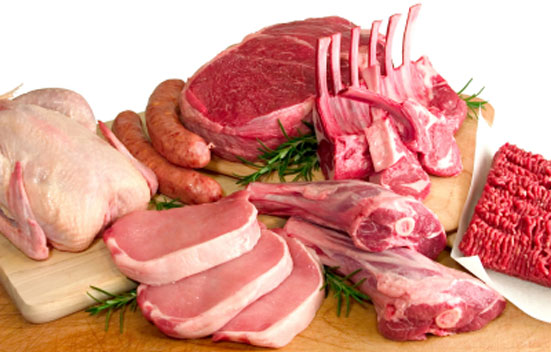
The most important fats which should be consumed daily and which should constitute the bulk of all fat consumption, are animal fats: fats in fresh meats, fats rendered from meats, dairy fats (butter, cream and ghee) and fats in egg yolks. Animal fats contain largely saturated and monounsaturated fatty acids.
I’m sure you’re begging to ask the questions: What about the “deadly” saturated fats? Don’t they cause heart disease? Aren’t animal fats all saturated? Well, this is the result of the relentless efforts made by the food industry to fight their competition. What is their competition? The natural fats, of course. There is not much profit to be made from the natural fats, while processed oils and fats bring very good profits. So, it is in the food industry’s interest to convince everybody that natural fats are harmful for health, while their processed fats, hydrogenated and cooking oils are good for us. We have been subjected to this propaganda for almost a century, so it is little wonder that many of us have succumbed to it.
The saturated fats in particular were singled out by the food industry. How did this happen? Dr. Mary Enig, an international expert to lipid biochemistry, explains: “In the late 1950s, an American researcher, Ancel Keys, announced that the heart disease epidemic was being caused by the hydrogenated vegetable fats; previously this same person had introduced the idea that saturated fat was the culprit. The edible oil industry quickly responded to this perceived threat to their products by mounting a public relations campaign to promote the belief that it was only the saturated fatty acid component in the hydrogenated oils that was causing the problem … From that time on, the edible fats and oils industry promoted the twin idea that saturates (namely animal and dairy fats) were troublesome, and polyunsaturates (mainly corn oil and later soybean oil) were health-giving.”
The wealthy food giants spend billions on employing an army of “scientists” to provide them with “scientific proof” of their claims. In the meantime the real science was, and is, providing us with the truth. However, it is the food giants who have the money to advertise their “science” in all the popular media. Real science is too poor to spend money on that. As a result, the population only hears what the commercial powers want them to hear.
So let us dive into the truth that real science has provided us:
Processed fats, hydrogenated fats and cooking vegetable oils cause atherosclerosis, heart disease and cancer. This is a fact, proven overwhelmingly by real science.
Animal fasts have nothing to do with heart disease, atherosclerosis and cancer. Our human physiology needs these fats; they are important for us to eat on a daily basis.
Saturated fats are heart protective: they lower the Lp(a) in the blood (Lp(a) is a very harmful substance which initiates atherosclerosis in the blood vessels), reduce calcium deposition in the arteries and are the preferred source of energy for the heart muscle. Saturated fats enhance our immune system, protect us from infection and are essential for the body to be able to utilize the unsaturated omega-3 and omega-6 fatty acids. One of the most saturated fats that Nature has provided is coconut oil. It has been shown to be wonderfully healthy and therapeutic in most degenerative conditions.
Animal fats contain a variety of different acids, not just saturated ones. Pork fat is 45% monounsaturated, 11% polyunsaturated and 44% saturated. Lamb fat is 38% monounsaturated, 2% polyunsaturated and 58% saturated. Beef fat is 47% monounsaturated, 4% polyunsaturated and 49% saturated. Butter is 30% monounsaturated, 4% polyunsaturated and 52% saturated. This is the natural composition of animal fats and our bodies use every bit. Including the saturated part. If you want to understand how important every bit of the animal fat is for us let us have a look at the composition of human breast milk. The fat portion of the breast milk is 33% monounsaturated, 16% polyunsaturated and 48% saturated. Our babies thrive beautifully on this composition of fats and the largest part of it is saturated.
We need all the natural fats in natural foods, and saturated and monounsaturated fats need to be the largest part of our fat intake.
The simplistic idea that eating fat makes you fat is completely wrong. Consuming processed carbohydrates causes obesity. Dietary fats got into the structure of your body: your brain, bones, muscles, immune system, etc. -- every cell in the body is made out of fats to a large degree.
These are the facts which real science has provided. Unfortunately, as already mentioned, most of us do not hear about the discoveries of real science. Spreading any information in this world costs money. So, the population at large mostly gets information that serves somebody with a fat wallet. In order to get the real, true information on any subject, we have to search for it, rather than relying on news reports of “scientific breakthroughs” unleashed on us by the popular media.
Directing our attention back to the fat composition of human breast milk again we remember it is 33% monounsaturated, 16% polyunsaturated and 48% saturated. Mother Nature does not do anything without good reason. Human breast milk is the best and the only suitable food for a human baby. Human physiology does not change as babies grow, so our requirements for a particular fat composition in food stay about the same throughout our lives: 33% monounsaturated, 16% polyunsaturated and 48% saturated. This is what we need as it is what Mother Nature intended. The only foods with this composition of fats are animal products: meats, eggs and dairy; and these are the foods that should provide us with the bulk of all fats we consume.
Fats which plants contain have a very different fatty acid composition, they are largely polyunsaturated. Polyunsaturated fatty acids are very fragile, they are easily damaged by heat, light and oxygen. That is why Mother Nature has locked them up and protected them very well in the complex cellular structure of seeds and nuts. When we eat seeds and nuts in their whole natural state we get the fatty acids in their natural state, unchanged and beneficial to health. When we extract oils from seeds and nuts in our big factories, we damage fragile polyunsaturated fatty acids and make them harmful to health. But the most important point is this: when we consume whole natural seeds and nuts, we get their polyunsaturated oils in small amounts, amounts which are compatible with our human physiology. We do not need a lot of polyunsaturated fats, the bulk of our fat consumption should be saturated and monounsaturated fatty acids. When we consume vegetable and cooking oils, we consume their polyunsaturated fatty acids in excess, far too much for healthy human physiology. It is excessive omega-6 polyunsaturated fatty acids from vegetable and cooking oils that are to a large degree causing an epidemic of inflammatory degenerative conditions in our modern world, from heart disease and various autoimmune problems to cancer.
Except from Gut and Psychology Syndrome
Food Manufacturers Are Fooling You

Fact: The unhealthiest foods you could possibly eat often have the most health claims on the label. Ironic, isn't it? Think about most breakfast cereals. You're basically eating a bowl of sugar and flour. But the front of the box is packed with health claims:
- Low fat!
- Heart healthy!
- High fiber!
- Gluten-free!
- Reduced sodium!
- Made with whole grains!
Flip that box around like a smart grown-up and take a look at the ingredient list: sugar, flour, sugar in another form, sugar in a different color, sugar with a pretty name, etc. It's Type-2 diabetes in a bright box featuring a cartoon character selling love handles and loneliness.
And now they have a new marketing angle: a clever blend of childhood nostalgia and "fat acceptance." They tell us to eat what we want and love our body no matter what it looks like. Presumably, this is because they've finally recognized that the only people still eating cereal for breakfast have already given up on their health and body composition.
Funny thing is, when looking at the evidence, it's clear that there were never really health benefits in the first place to back up all these "healthy" labels. Here's how many of them originated and why they're wrong.
1 – Low Fat
It's taken over 40 years to officially call BS on the fraudulent claims about fat. The fear of dietary fat started in the 60's and 70's and immediately moved breakfast cereal into the "healthy" category. Hey, sugar is fat free! Bacon, eggs, and butter were out. Low-fat indigestible roughage was in because the research of the time was suggesting that saturated fat was clogging our arteries and increasing our risk of heart disease.
And despite the various top-notch review studies disproving this myth today, the cereal killers, sugar-water sellers, and big pharma phonies continue to lobby government officials, pay off medical and fitness professionals, and fund bogus research studies to keep it alive.
A low-fat diet isn't a benefit because eating fat doesn't cause disease. NOT eating it probably does, and we now know the body even needs some saturated fat to function optimally.
2 – High Fiber
Once you understand the origins of the low-fat guidelines it's easy to see how the advice to eat more fiber came about.
Denis Burkitt was the man behind the 1970's research linking high-fiber diets to lower rates of disease (colorectal cancer specifically). Just like Ancel Keys (the fat fraud), his evidence was awful. He basically claimed that African tribesman were healthier than Westerners because they ate their grains whole (with the fibrous outer shell). He conveniently failed to include a number of disease-free tribes thriving on starch-less diets high in saturated fat and animal protein, like the Masai.
Nonetheless, the bran we were throwing in the garbage became a prized possession, Burkitt wrote a best-selling book, and the "high-fiber" stamp fit perfectly next to the "low-fat" one on our breakfast bowl of blood sugar and body fat. It remains there today, right along with the misconception that whole grains are healthier than refined grains and that more fiber is a good thing, regardless of the source.
Meanwhile, the only study looking at the long-term impact of eating a high-fiber diet (DART, 1989) found an INCREASED risk of heart disease (23%) and mortality (27%). Those studies looking at colorectal cancer saw no benefit to upping our fiber intake:
"Our data do not support the existence of an important protective effect of dietary fiber against colorectal cancer or adenoma." (Fuchs CS et al. NEJM, 1999)
"In this large pooled analysis... high dietary fiber intake was not associated with a reduced risk of colorectal cancer." (Park Y et al. JAMA, 2005.)
3 – Cholesterol
The "lipid hypothesis" suggests that elevated cholesterol is associated with heart disease. And when we add it to what high-fiber, low-fat fanatics tell us, it's no wonder we think the way we do and fall for bogus health claims.
Right around the time all this low-fat, high-fiber evidence was surfacing, doctors and scientists were convinced they'd found the underlying cause of atherosclerosis – the narrowing and hardening of arteries. Nearly every doctor was on board with the theory. In the early 80's the National Institute of Health gathered 14 experts who voted unanimously that, "Lowering elevated blood cholesterol levels will reduce the risk of heart attacks caused by coronary heart disease."
They did so despite the fact that a causal relationship was never established, there's a library of evidence disproving it, and the original experiments used rabbits (herbivores that can't process dietary cholesterol) and a chemically prepared bare-cholesterol, which tends to oxidize.
But along came the prescription statins, and all of a sudden the questions and doctors aggressively opposing the theory disappeared. This created an environment where we dish out damaging side effects to more than 32 million Americans to lower the thing that's NOT associated with heart disease and does nothing to prevent it.
If cholesterol were associated with heart disease, there would be fewer heart attacks in those on statins and those with lower cholesterol, but there aren't. And there would be more heart attacks in those not on statins with higher cholesterol, but there aren't. The two variables aren't even related.
What we do see is statins causing mitochondrial and hormonal dysfunction, and lower cholesterol levels associated with cognitive and neurological impairment (Alzheimer's, Parkinson's, depression). This shouldn't come as a surprise when you understand that cholesterol is a building block for cell membranes, precursor to steroid hormones and essential nutrients, and fuel provider to neurons who can't generate it on their own.
"Our finding that low plasma cholesterol is associated with depressive symptoms in elderly men is compatible with observations that a very low total cholesterol may be related to suicide and violent death." (Morgan RE, et al. 1993, Lancet.)
Cereal fiber's ability to lower cholesterol is more of a detriment than a benefit. And realistically, the people getting heart attacks are the ones with elevated triglycerides, low HDL cholesterol, and excess small-dense (oxidizable) LDL particles – the same thing eating less saturated fat, more high-glycemic carbs, and vegetable oil-filled boxes of stuff claiming to "lower cholesterol" provides.
4 – Sodium
Heard the one about the obese, pre-diabetic guy with high triglycerides? Doc told him to eat less salt!
That's a joke. Or at least it should be. Salt doesn't make you fat and it's probably the last thing the average person needs to be worrying about when it comes to health.
High blood pressure is the fourth and final phase that turns Syndrome X into the Deadly Quartet. When you have metabolic syndrome, eating less salt won't do anything to solve the real problem.
- 2 weeks – insulin resistance (hyperinsulinemia)
- 2 months – elevated triglycerides (hyperlipidemia)
- 6 months – obesity (high bodyfat)
- 12 months – high blood pressure (hypertension)
People with high blood pressure don't need to eat less salt. They need to stop drinking liquid fructose and start driving-past instead of driving-thru.
More importantly, trying to abide by the FDA and AHA's recommendations to keep salt intake below 2400 mg per day (1tsp) increases cardiovascular disease risk and mortality from a heart attack or stroke. Ironically, this appears to be the result of elevated triglycerides and reductions in insulin sensitivity – the same thing driving the high blood pressure in the first place.
"The inverse association of sodium to CVD mortality seen here raises questions regarding the likelihood of a survival advantage accompanying a lower sodium diet." (Cohen HW, et al. AJM, 2006)
Therefore, one could say that your low-salt food is a double-whammy since you're consuming the food that's elevating the cause of high blood pressure and opting for the "lowers blood pressure" variety that's making it worse.
5 – Gluten
The gliadin proteins in wheat can be damaging to many people because of those proteins' ability to induce inflammation and increase intestinal permeability. Wheat itself may also cause cravings and interfere with your appetite-regulating mechanisms.
However, this doesn't mean all products with a "gluten-free" stamp of approval are suddenly health foods. Pizza is still pizza, pancakes are still pancakes, and a slab of pound cake beside your coffee is and always will be a bad choice... gluten-free or not. This should be common sense, but millions are willingly fooled every day because it's pretty easy to convince us that a delicious junk food is fine when it has an official-looking health claim on the box.
Just like we were tricked into selecting low-fat and low-sodium packaged products because of their apparent health benefit, food marketers have simply found another way to convince you that their bag or box of garbage is healthy.
Gluten-free cereal may be better than gluten-filled cereal, but it's still cereal. And you'd be better off leaving both for the birds.
References
- La Berg AF. 2008. How the Ideology of Low Fat Conquered America. J Hist Med Allied Sci 63(2):139-177.
- Siri-Tarino PW, et al. 2010. Meta-analysis of prospective cohort studies evaluating the association of saturated fat with cardiovascular disease. Am J Clin Nutr 91(3):535-46.
- Skeaff CM and Miller J. 2009. Dietary fat and coronary heart disease: summary of evidence from prospective cohort and randomised controlled trials. Ann Nutr Metab 55(1-3):173-201.
- Yamagishi K, et al. 2010. Dietary intake of saturated fatty acids and mortality from cardiovascular disease in Japanese: the Japan Collaborative Cohort Study for Evaluation of Cancer Risk (JACC) Study. Am J Clin Nutr 92(4):759-65.
- Mente A, et al. 2009. A systematic review of the evidence supporting a causal link between dietary factors and coronary heart disease. Arch Intern Med 169(7):659-69.
- Limb M. 2014. Tougher action is needed to address "alarming" levels of overweight and obesity, says England's chief medical officer. BMJ 348:g2438.
- Burkitt DP. 1971. Epidemiology of cancer of the colon and rectum. Cancer 28(1):3-13.
- Mann GV, et al. 1971. Atherosclerosis in the Masai. Am J Epidemiol 95 (1): 26-37.
- Burr ML, et al. 1989. Diet and reinfarction trial (DART): design, recruitment, and compliance. Eur Heart J 10(6):558-67.
- Fuch CS, et al. 1999. Dietary fiber and the risk of colorectal cancer and adenoma in women. N Engl J Med 340(3):169-76.
- Park Y, et al. 2005. Dietary Fiber Intake and Risk of Colorectal Cancer: A Pooled Analysis of Prospective Cohort Studies. JAMA 294(22):2849-2857.
- Steinberg D. 2006. Thematic review series: the pathogenesis of atherosclerosis. An interpretive history of the cholesterol controversy, part V: the discovery of the statins and the end of the controversy. J Lipid Res 47(7):1339-51.
- Kellner A. 1952. Lipid Metabolism and Atherosclerosis: The Ludwig Kast Lecture. Bull N Y Acad Med 28(1):11-27.
- Stehbens WE. 2001. Coronary heart disease, hypercholesterolemia, and atherosclerosis. I. False premises. Exp Mol Pathol 70(2):103-19.
- Golomb BA and Evans MA. 2008. Statin adverse effects : a review of the literature and evidence for a mitochondrial mechanism. Am J Cardiovasc Drugs 8(6):373-418.
- Krumholz HM, et al. 1994. Lack of Association Between Cholesterol and Coronary Heart Disease Mortality and Morbidity and All-Cause Mortality in Persons Older Than 70 Years. JAMA 272(17):1335-1340.
- Braunwald E. 1997. Cardiovascular Medicine at the Turn of the Millennium: Triumphs, Concerns, and Opportunities. N Engl J Med 337:1360-1369.
- Prior IA. 1981. Cholesterol, coconuts, and diet on Polynesian atolls: a natural experiment: the Pukapuka and Tokelau island studies. Am J Clin Nutr 34(8):1552-61.
- Superko HR, et al. 2002. Small LDL and its clinical importance as a new CAD risk factor: a female case study. Prog Cardiovasc Nurs 17(4):167-73.
- Kendrick M. 2007. The Great Cholesterol Con: The Truth About What Really Causes Heart Disease and How to Avoid It. John Blake.
- Corona G, et al. 2010. The effect of statin therapy on testosterone levels in subjects consulting for erectile dysfunction. J Sex Med 7(4 Pt 1):1547-56.
- West R, et al. 2008. Better memory functioning associated with higher total and low-density lipoprotein cholesterol levels in very elderly subjects without the apolipoprotein e4 allele. Am J Geriatr Psychiatry 16(9):781-5.
- Huang X, et al. 2008. Low LDL cholesterol and increased risk of Parkinson's disease: prospective results from Honolulu-Asia Aging Study. Mov Disord 23(7):1013-8.
- de Lau LM, et al. 2006. Serum cholesterol levels and the risk of Parkinson's disease. Am J Epidemiol 164(10):998-1002.
- Shin JY, et al. 2008. Are cholesterol and depression inversely related? A meta-analysis of the association between two cardiac risk factors. Ann Behav Med 36(1):33-43.
- Perez-Rodriguez MM, et al. 2008. Low serum cholesterol may be associated with suicide attempt history. J Clin Psychiatry 69(12):1920-7.
- Seneff S. 2009. APOE-4: The Clue to Why Low Fat Diet and Statins may Cause Alzheimer's
- Morgan RE, et al. 1993. Plasma cholesterol and depressive symptoms in older men. Lancet 341(8837):75-9.
- Brown L, et al. 1999. Cholesterol-lowering effects of dietary fiber: a meta-analysis. Am J Clin Nutr 69(1):30-42.
- Swain JF, et al. 1990. Comparison of the Effects of Oat Bran and Low-Fiber Wheat on Serum Lipoprotein Levels and Blood Pressure. N Engl J Med 322:147-152.
- Barnard RJ, et al. 1998. Diet-induced insulin resistance precedes other aspects of the metabolic syndrome. J Appl Physiol 84(4):1311-1315.
- Alderman MH, et al. 1998. Dietary sodium intake and mortality: the National Health and Nutrition Examination Survey (NHANES I). 351(9105):781-785.
- Jurgens G and Graudal NA. 2003. Effects of low sodium diet versus high sodium diet on blood pressure, renin, aldosterone, catecholamines, cholesterols, and triglyceride. Cochrane Database Syst Rev 1:CD004022.
- Garg R. 2011. Low-salt diet increases insulin resistance in healthy subjects. Metabolism 60(7):965-968.
- Cohen HW, et al. 2006. Sodium Intake and Mortality in the NHANES II Follow-up Study. Am J Med 119(3):275e7-275e14.
- Fasano A, et al. 2003. Prevalence of celiac disease in at-risk and not-at-risk groups in the United States: a large multicenter study. Arch Intern Med 163(3):286-92.
- Troncone R and Jabri B. 2011. Coeliac disease and gluten sensitivity. J Intern Med 269(6):582-590.
- Fasano A. 2011. Zonulin and its regulation of intestinal barrier function: the biological door to inflammation, autoimmunity, and cancer. Physiol R 91(1):151-75.
- Fasano A. 2012. Zonulin, regulation of tight junctions, and autoimmune diseases. Ann N Y Acad Sci 1258(1):25-33.
Grains - The Real Cereal Killer
By Dr. Mercola
The persistent myth that dietary fat causes obesity and promotes heart disease has undoubtedly ruined the health of millions of people. It's difficult to know just how many people have succumbed to chronic poor health from following conventional low-fat, high-carb recommendations, but I'm sure the number is significant.
In the featured documentary, Cereal Killers, 41-year-old Donald O'Neill turns the American food pyramid upside-down—eliminating sugars and grains, and dramatically boosting his fat intake. In so doing, he improves his health to the point of reducing his hereditary risk factors for heart disease to nil.
Watching people's reactions to his diet brings home just how brainwashed we've all become when it comes to dietary fat. Most fear it. Yet they will consume sugar in amounts that virtually guarantee they'll suffer all the devastating health consequences they're trying to prevent by avoiding fat, and then some!
Fat versus Carbs—What Really Makes You Pack on the Pounds?
The fact is, you've been thoroughly misled when it comes to conventional dietary advice. Most dietary guidelines have been massively distorted, manipulated, and influenced by the very industries responsible for the obesity epidemic in the first place—the sugar and processed food industries.
Shunning the evidence, many doctors, nutritionists, and government health officials will still tell you to keep your saturated fat below 10 percent, while keeping the bulk of your diet, about 60 percent, as carbs.1 This is madness, as it's the converse of a diet that will lead to optimal health.
A recent Time Magazine2 article highlighted a report by the Environmental Working Group (EWG), which showed that many breakfast cereals contain more than 50 percent sugar by weight! Cereals marketed specifically to children are among the worst offenders. Kellogg's Honey Smacks and Mom's Best Cereals Honey-Ful Wheat topped the list with 56 percent sugar by weight. If you're looking for alternatives for your family you could try Snackimals from Barbara's. Snackimals is not on the EWG's list because it is a newer product. All of their flavors have only 7 grams of sugar per serving.
Even diabetes organizations promote carbohydrates as a major component of a healthy diet—even though grains break down to sugar in your body, and sugar promotes insulin resistance, which is the root cause of type 2 diabetes in the first place.
As noted in the film: "If we could get all diabetics to eat a high-fat, high-protein, low-carbohydrate diet, we would cut the insulin requirement so dramatically that it's been estimated that six pharmaceutical companies would go out of business tomorrow."Contrary to popular belief, you do not get fat from eating fat. You get fat from eating too much sugar and grains.
Refined carbohydrates promote chronic inflammation in your body, elevate low-density LDL cholesterol, and ultimately lead to insulin and leptin resistance. Insulin and leptin resistance, in turn, is at the heart of obesity and most chronic disease, including diabetes, heart disease, cancer, and Alzheimer's—all the top killers in the US.
Don't Fear the Fat
In the film, O'Neill switches over to a diet where 70 percent of his calories come from healthy fat—most of it in the form of macadamia nuts (my personal favorite)—and the remaining 30 percent of his caloric intake is divvied up between protein and fibrous fruits and vegetables. Over the course of 28 days, O'Neill:
- Loses weight and body fat
- Increases his lean muscle mass
- Feels more energetic and improves his athletic performance
- Increases his resting metabolic rate
- Improves his blood pressure, cholesterol, and other measurements to the point that he no longer has any risk factors for heart disease, which he's genetically predisposed for
Of particular importance here is that O'Neill's total cholesterol and LDL levels wentup, which initially caused significant concern. However, once they tested the LDL particle numbers, the results showed that his LDL particles were the largest species known, and he had virtually no small LDL particles at all.
This is phenomenal, as it's the small, dense LDL particles that cause inflammation. Large particles do not. Also, the markers for inflammation were virtually nonexistent, showing that he has no inflammation in his body at all. All in all, his one-month long high-fat, no-carb diet experiment proved that:
- Eating fat helps you lose fat
- Eating saturated fat decreases your risk factors for heart disease
- Regardless of your genetic predisposition your diet is, ultimately, the determining factor
I would also add that his results show the benefits of a high-fat, low-carb diet for athletes, many of whom are still convinced that this type of diet will make them heavy and sluggish. On the contrary, O'Neill breaks his own athletic record during his experiment, and refers to his renewed sense of vigor as feeling like a "spring lamb."
This high and sustained energy is a hallmark of ketogenesis, where your body is burning fat rather than sugar as its primary fuel. When your body burns fat, you don't experience the energy crashes associated with carbs.
Saturated Fat and Cholesterol Are Both Necessary for Optimal Health
Contrary to popular belief, saturated fats from animal and vegetable sources provide a number of important health benefits, and your body requires them for the proper function of your:

Cholesterol—another wrongly vilified dietary component—also carries out essential functions within your cell membranes, and is critical for proper brain function and production of steroid hormones, including your sex hormones. Vitamin D is also synthesized from a close relative of cholesterol: 7-dehydrocholesterol.
Your body is composed of trillions of cells that need to interact with one another. Cholesterol is one of the molecules that allow for these interactions to take place. For example, cholesterol is the precursor to bile acids, so without sufficient amounts of cholesterol, your digestive system can be adversely affected. It's also critical for synapse formation in your brain, i.e. the connections between your neurons, which allow you to think, learn new things, and form memories. In fact, there's reason to believe that low-fat diets and/or cholesterol-lowering drugs may cause or contribute to Alzheimer's disease.3
Replacing Refined Carbs with Healthy Fat—The Answer to Most of Your Health Concerns
Underlying most chronic diseases, including obesity, type 2 diabetes, heart disease, and cancer are inflammation and insulin/leptin resistance. When you eat carbohydrates, your blood sugar, insulin, and leptin will all temporarily rise, and these spikes are very pro-inflammatory. Where you have inflammation, disease and dysfunction follows. An excellent editorial in the journal Open Heart4 reviews the cardiometabolic consequences of replacing saturated fats with carbohydrates, which includes the following:

The answer, then, lies in avoiding these inflammatory spikes in blood sugar, insulin and leptin, and reversing insulin and leptin resistance. To do this, you need to:
- Avoid refined sugar, processed fructose, and grains. This means avoiding processed foods, as they are chockfull of these ingredients, along with other chemicals that can wreak metabolic havoc
- Eat a healthful diet of whole foods, ideally organic, and replace the grain carbs you cut out with:
- Moderate amounts of high-quality protein from organic, grass-fed or pastured animals (this is to ensure you're not getting the antibiotics, genetically engineered organisms, and altered nutritional fat profile associated with factory farmed animals)
- High amounts of high-quality healthful fat as you want (saturated and monounsaturated). Many health experts now believe that if you are insulin or leptin resistant, as 85 percent of the US population is, you likely need anywhere from 50 to 85 percent of your daily calories in the form of healthful fats for optimal health. Good sources include coconut and coconut oil, avocados, butter, nuts (particularly macadamia), and animal fats. Avoid all trans fats and processed vegetable oils (such as canola and soy oil). Also take a high-quality source of animal-based omega-3 fat, such as krill oil.
- As many vegetables as you can muster. Juicing your vegetables is a good way to boost your vegetable intake
Another "add-on" suggestion is to start intermittent fasting, which will radically improve your ability to burn fat as your primary fuel. This too will help restore optimal insulin and leptin signaling.
What's the Deal with Protein?
Dr. Rosedale, who was one of my primary mentors on the importance of insulin and leptin, was one of the first professionals to advocate both a low-carb and moderate protein (and therefore high-fat) diet. This was contrary to most low-carb advocates who were, and still are, very accepting of using protein as a replacement for the carbs.
The problem is that, along with grains, most Americans tend to eat far too much protein. While your body certainly has a protein requirement, there's evidence suggesting that eating more protein than your body needs could end up fueling cancer growth.
Dr. Rosedale advises limiting your protein to one gram of protein per kilogram of lean body mass (or 0.5 grams per pound of lean body weight). For most people, this means cutting protein down to about 35-75 grams per day. Pregnant women and those working out extensively need about 25 percent more. I believe this theory is worthy of consideration. The key though is to add healthy fat to replace the carb and protein calories you're cutting out of your diet. Again, sources of healthy fat include:

Your Health Is Within Your Control
Groundbreaking research by the likes of Dr. Robert Lustig and Dr. Richard Johnson (author of the books, The Sugar Fix and The Fat Switch) clearly identifies the root cause of obesity, diabetes, heart disease, and numerous other chronic diseases, and it's notfat. It's refined sugar—particularly fructose—consumed in excessive amounts. Their research, and that of others, provides us with a clear solution to our current predicament. In short, if you want to normalize your weight and protect your health, you need to address your insulin and leptin resistance, which is the result of eating a diet too high in sugars and grains.
For a comprehensive guide, see my free optimized nutrition plan. Generally speaking though, you'll want to focus your diet on whole, ideally organic, unprocessed or minimally processed foods. For the best nutrition and health benefits, you'll also want to eat a good portion of your food raw.
Sugar is highly addictive, and if you're like most people, you're no stranger to carb cravings. Just know that once your body gets used to burning fat instead of sugar as its primary fuel, those cravings will vanish. Many cereals and other grain products would not be quite as harmful if they didn't also contain so much added sugar. Even many organic brands contain excessive amounts. This is unfortunate, since many (Americans in particular) are really indoctrinated to eat cereal for breakfast. I've been working on a low-sugar cereal line for some time now, to provide a healthier alternative for those who really don't want to give up their breakfast cereal. I hope to have it ready sometime this summer.
Last but not least, for those of you still concerned about your cholesterol levels, know that 75 percent of your cholesterol is produced by your liver, which is influenced by your insulin levels. Therefore, if you optimize your insulin level, you will automatically optimize your cholesterol, thereby reducing your risk of both diabetes and heart disease.
Also, remember that even if a high-fat, low-carb diet was to raise your total cholesterol and LDL, it doesn't automatically mean that your diet is increasing your risk factors for heart disease. As O'Neill did in this film, you need to test your LDL particle number. Large-sized particles are good, while the smaller, denser particles can penetrate the lining of your arteries and stimulate the plaque formation associated with heart disease. The former does NOT increase your heart disease risk, while the latter one will. To learn more about LDL particle numbers and how to test them, please see my previous interview with Chris Kresser, L.Ac., which goes into this in some detail.
Too Much Protein??
Media sources often report, “too much protein stresses the kidney.” What does science say? Martin and colleagues reviewed the available evidence regarding the effects of protein intake on kidney function with a particular emphasis on kidney disease. The researchers found: “Although excessive protein intake remains a health concern in individuals with preexisting renal disease, the literature lacks significant research demonstrating a link between protein intake and the initiation or progression of renal disease in healthy individuals.” In addition “At present, there is not sufficient proof to warrant public health directives aimed at restricting dietary protein intake in healthy adults for the purpose of preserving renal function.” Protein restriction is common treatment for people with kidney problems.
Protein: The Facts, the Myths, and the Real Science
Everyone has an opinion about protein, and the myths surrounding it are rampant. That's why sorting the facts from the crap will lead to better choices regarding your own diet and protein intake. Answer the questions below and see if you've been falling for the myths.
Fact or Myth?
The RDA (Recommended Dietary Allowance) protein suggestions are just fine for people who work out.
Hint: The RDA guideline for protein is 0.8 grams per kilogram of bodyweight per day. So if you weigh 190 pounds (86 kilograms) you'd need about 69 grams of protein.
The Answer: Lifters and athletes concerned with their performance or physique require more protein than what's recommended by the RDA. So it's a myth (and a joke) that the RDA protein recommendations are adequate for ass-kicking individuals.
Here's Why: RDA protein recommendations are too low for certain groups. Those recommendations were never intended for people attempting to enhance performance, maintain, or gain muscle. In fact, a higher protein intake may have positive benefits regarding different health ailments including obesity, type 2 diabetes, osteoporosis, heart disease and muscle wasting.
The RDA guideline reflects the minimum daily needs of protein required to maintain short-term nitrogen balance in healthy, moderately active people. Nitrogen balance compares the amount of nitrogen coming into the body (from dietary protein) to the amount being lost. It's often used as a measurement of protein balance since protein is 16 percent nitrogen.
If you're consuming the same amount of nitrogen that you're losing, you're in nitrogen balance. If you're consuming more than you're losing, you're in positive nitrogen balance. If you're losing more than you're consuming, you're in negative nitrogen balance and are losing protein.
Nitrogen balance studies often involve examining urinary nitrogen levels. Approximately 90 percent of the nitrogen in urine is urea and ammonia salts – the end products of protein metabolism. The remaining nitrogen is accounted for by other nitrogen-containing compounds.
This nitrogen balance method is useful, but it has problems: Urine collections tend to underestimate nitrogen losses, dietary intake tends to be overestimated, miscellaneous skin and hair losses are prone to error, and the response to increased protein intake varies tremendously.
The Really Geeky Stuff
- In a review published in the International Journal of Sports Nutrition, researchers concluded, "Those involved in strength training might need to consume as much as 1.6 to 1.7 grams of protein per kilogram per day (approximately twice the current RDA) while those undergoing endurance training might need about 1.2 to 1.6 grams per kilogram per day (approximately 1.5 times the current RDA)."
- In another article published in Nutrition & Metabolism, researcher Donald Layman argued that the dietary guidelines should be improved and reflect new understandings about protein requirements. According to him, "During the past decade a growing body of research reveals that dietary protein intakes above the RDA are beneficial in maintaining muscle function and mobility." Diets with increased protein have been shown to improve adult health when it comes to treatment or prevention of obesity, type 2 diabetes, osteoporosis, heart disease and muscle wasting.
- A review published in the International Journal of Sport Nutrition and Exercise Metabolism was conducted to evaluate the effects of dietary protein on body composition in energy-restricted resistance-trained athletes, and to provide protein recommendations for these athletes.
The researchers concluded that "...the range of 2.3 to 3.1 grams per kilogram of FFM (fat free mass) is the most consistently protective intake against losses of lean tissue." In other words, for every kilogram on your body that's not fat, you should be consuming 2-3 grams of protein in order to preserve lean tissue. So if you have 190 pounds of lean tissue, up to 258 grams of protein would be optimal for you.
In addition, the goal of the athlete should be considered. Leaner athletes or those having a primary goal of maintaining maximal FFM should aim toward intakes approaching the higher end of this range. Even higher levels of protein than those recommended in the review are not uncommon in exercising individuals. It's unlikely that negative health consequences will follow from higher levels of intake, assuming there are no related health problems that would suggest limiting intake.
Fact or Myth?
The thermic effect of protein is the same as it is for carbs and fat.
Hint: The thermic effect of feeding or diet induced thermogenesis (DIT) is the amount of energy your body has to expend in order to digest and assimilate food. So picture a lean chicken breast (mostly protein), a bowl of rice (mostly carb), and tablespoon of butter (mostly fat). Which do you think your body will have to work hardest to digest?
The Answer: Among the three macronutrients, protein ranks highest in diet induced thermogenesis. So it's a myth that they're all equal in terms of their thermic effect. That means it'll cost you more calories to digest and absorb protein than it would fat and carbohydrate.
Here's Why: The consumption of protein requires an expenditure of 20-30% of the calories derived from protein. So, if 200 calories of protein are eaten, 40-60 calories are burned during digestion. DIT from carbohydrate is 15-20% and 2-5% for fat.
Fact or Myth?
Protein is more satiating (filling) than fat or carbohydrate.
Hints: Protein has an influence on CCK (cholecystokinin) and ghrelin. Protein may stimulate cholecystokinin (CCK) and decrease ghrelin. CCK is secreted mostly from the inner layer of the gastrointestinal tract has been shown to act as a satiety signal. The satiating effect of CCK was first demonstrated when administering CCK to rats. It "dose dependently" reduced meal size. Ghrelin is produced primarily in the stomach and has appetite increasing properties. Ghrelin levels are relatively high prior to a meal and they decrease after a meal.
The Answer: It's a fact that protein is usually more satiating than fat or carbs. When comparing protein, fat, and carbohydrate, protein is generally reported as the most satiating (satisfying to a point of full or beyond) and fat as the least satiating.
Here's Why: Research indicates that one of the primary factors involved with the satiating effects of protein is the thermic effect of feeding, mentioned above. Though protein's influence on ghrelin and CCK may play a large role in its satiating effects, more research needs to be conducted in these areas, as findings have been indecisive. Future research should concentrate on different levels of protein, different types of protein, and consumption of proteins in short and long term.
The Really Geeky Stuff
- A review published in Nutrition & Metabolism reported that protein induced thermogenesis has an important effect on satiety. "Protein plays a key role in body weight regulation through satiety related to diet-induced thermogenesis."
- A study published in Physiology & Behavior investigated the relative satiating effect of the macronutrients in lean women. On four separate occasions, the composition of an iso-caloric lunch "preload" was controlled in 12 lean women. Macronutrient composition had a significant effect on short-term hunger – the women were less hungry after the protein preload compared to the preloads with the other macronutrients. They also ate less after the protein preload.
- A study published in the American Journal of Clinical Nutrition tested the prediction that increasing protein while maintaining the carb content of a diet lowers body weight due to decreased appetite and decreased calorie intake. The study showed when increasing the protein intake from 15% of diet to 30% of diet (while eating the same amount of carbs) there was a decrease in appetite and fewer calories were consumed.
- The Journal of Clinical Endocrinology & Metabolism published a study that compared the effect of different proteins and carbohydrates on indicators of appetite and appetite regulatory hormones. CCK level was one of the primary outcomes measured.
Calorie intake was higher after the glucose preload compared with lactose and protein preloads. CCK level was higher 90 minutes after the protein preloads compared with glucose and lactose level. Researchers concluded that "acute appetite and energy intake are equally reduced after consumption of lactose, casein, or whey compared with glucose."
One Quick Caveat
The research sometimes gets a little messy. For example, some studies are indecisive when it comes to protein intake and ghrelin levels. This is why you need to rely on your own reasoning, logic, and experience while gathering info from the research.
References
- Blom, A.M., Lluch, A., Stafleu, A., Vinoy, S., Holst, J., Schaafsma, G., & Hendriks, H. (2006). Effect of high-protein breakfast ont he postprandial ghrelin response. The American Journal of Clinical Nutrition, 83(2), 211-220.
- Bowen, J., Noakes, M., Trenerry, C., & Clifton, P.M. (2006).Energy intake, Ghrelin, and Cholecystokinin after Different Carbohydrate and Protein Preloads in Overweight Men. The Journal of Clinical Endocrinology & Metabolism, 91(4).
- Helms, E., Zinn, C., Rowlands, D.S., & Brown, S.R. (2014). A Systematic Review of Dietary Protein During Caloric Restriction in Resistance Trained Lean Athletes: A Case for Higher Intakes. International Journal of Sport Nutrition and Exercise Metabolism, 24, 127-138.
- Layman, D.K.(2009). Dietary Guidelines should reflect new understandings about adult protein needs. Nutrition & Metabolism, 6(12), Lemon, P. (1998). Effects of exercise on dietary protein requirements. International Journal of Sports Nutrition, 8(4), 426-447.
- Lucas, M, & Heiss C.J.(2005) Protein needs of older adults engaged in resistance training: A review. Journal of Aging and Physical Activity, 13(2), 223-236.
- Moran, L.J., Luscombe-Marsh, N.D., Noakes, M., Wittert, G.A., Keogh, J.B., & Clifton, P.M. (2005). The Satiating Effect of Dietary Protein Is Unrelated to Postprandial Ghrelin. The Journal of Clinical Endocrinology & Metabolsim, 90(9).
- Poppitt, S.D., McCormack, D., & Buffenstein, R. (1998).Short-term effects of macronutrient preloads on appetite and energy intake in lean women. Physiology & Behavior, 64(3), 279-285.
- Weigle, D.S., Breen, P.A., Matthys, C.C., Callahan, H.S., Meeuws, K.E., Burden, V.R., & Purnell, J.Q. (2005). A high-protein diet induces sustained reductions in appetite, ad libitum caloric intake, and body weight despite compensatory changes in diurnal plasma leptin and ghrelin concentrations. The American Journal of Clinical Nutrition, 82(1), 41-48.
- Westerterp, K.R. (2004). Diet induced thermogenesis. Nutrition & Metabolism, 1, 1-5
Low Zinc / B6
Takeaway: If you're low in zinc, you will not have enough GABA to combat excess levels of norepinephrine. And if you are low in B6, you are likely to have problems with the same neurotransmitter.
The Importance of Zinc

The human body absorbs approximately 400kg zinc over the average 70-year lifespan and at any one time there should be 2-4 gm zinc in the body. It is the second most abundant mineral ion ( Magnesium is the first) in the body and is the only metal that appears in all enzyme classes The body absorbs 20-40% of zinc in food, zinc from animal foods being more readily absorbed (twice as much ) than zinc from plant foods. Zinc is also more readily absorbed with a protein meal and although the body cannot store zinc and it is needed every day in small amounts (50mg or less), it may be held in metallothionine reserves and transferred in metal transporter proteins. Metallothionines in the intestinal cells are capable of adjusting the absorption of zinc by 15-40%. Thus control of cellular zinc homeostasis is maintained by zinc proteins and zinc binding metallothioneines. Zinc is needed for over 300 enzymes in the body and makes up part of 3000 different proteins in the body. Muscles (60%) and bones (30%) contain 90% of the body’s zinc. High concentrations of zinc are found in the prostate gland and semen and the choroid of the eye.
If bone is reabsorbed or muscle is broken down then some zinc can be reutilised and in cases of zinc depletion changes in immune status alter before any decrease in levels of plasma zinc. There is a small exchangeable pool of zinc (100-200mg ) that depends on recently absorbed zinc and the intestinal excretion of zinc. As with Magnesium, the efficiency of absorption of zinc is inversely related to the amount of zinc present in the body. The greater the level of body zinc, the less absorption occurs. Zinc, Magnesium Calcium and Iron all compete for transporters in the intestine for uptake above a threshold of approximately 800mg so consuming these minerals together below this level should not interfere with uptake Zinc is found in all cells in the body and the daily requirement is dependent on age and activity.
Zinc deficiency is due to
Soil deficiency.
Some drugs deplete zinc.
Vegetarian and vegan diets may be deficient.
High cereal based diets, containing high phytate foods which can bind with zinc and impair absorption.
Cooking with water can result in leaching of up to 50% of zinc levels of the food.
Refined processing of wheat and baked goods can result in up to 75% zinc loss
Tetracycline and quinolone antibiotics react with zinc in the intestines inhibiting the absorption of both the antibiotic and zinc. The antibiotic should be taken 2 hours or more before or at least 4-6 hours after the zinc supplement to avoid this.
In short over 300 enzymes are zinc dependent, including enzymes involved in the synthesis of certain proteins such as collagen and wound healing. Also needed for thymic hormone activation and maintaining a normal immune system, testosterone and oestrogen, fertility and reproduction including cell division. It is involved in gene regulation, maintaining acid/base balance in the body and normal carbohydrate, fat and protein metabolism. It is needed for normal bones, skin, hair and nails and normal brain function including maintenance of normal vision. It can also act as an antioxidant, protecting DNA, lipids and proteins in the body.
Zinc Contributes to
Normal DNA synthesis. Although the exact role of zinc in DNA synthesis is not fully understood but it does play a structural role in zinc fingers, which are finger shaped proteins. Due to their shape, these proteins can bind to DNA and RNA allowing them to function in Gene expression. These proteins are the most common transcription factors in living organisms, transcription factors are proteins that bind to DNA and control the transfer of genetic information to RNA Put simply Zinc is needed for reading genetic instructions and lack of zinc may mean that instructions get misread or not read at all.
Normal acid/base metabolism. Acid/Base balance is the balance between acid and alkaline to keep body fluids as close to a neutral pH (pH7) as possible. Carbon dioxide and water are rapidly converted to bicarbonate and water (and back again) to maintain acid base balance in the blood and other tissues. The enzyme responsible for this is the zinc dependent enzyme Carbonic Anhydrase. Studies have shown that dietary deficiency of zinc reduces red blood cell carbonic anhydrase activity
Normal carbohydrate metabolism. Deficiency of zinc results in a drop of metabolic rate. Zinc dependent messenger RNA is needed to synthesise the enzymes required for carbohydrate metabolism so zinc deficiency may result in lack of these enzymes. Zinc may also interact with insulin by controlling the uptake of glucose by adipocytes (fat cells). Zinc deficiency results in impaired carbohydrate metabolism.
Normal cognitive function Zinc is highly concentrated in the cerebral cortex, pineal gland and hippocampus and zinc deficiency is associated with impaired memory formation and mood disorders. In the hippocampus zinc can reach concentrations of 8% of the total brain zinc. Zinc ions are also NDMA (N-methyl-D –aspartate) antagonists (NDMAs control memory function and excessive NDMA activation results in cell death due to excess calcium influx into neuronal cells ) so zinc becomes important for normal neuronal function and memory and delaying brain cell death . Normal fertility and reproduction. Steroid hormones such as testosterone and oestrogen are derived from cholesterol and zinc plays an important role in cholesterol metabolism. Low dietary zinc is associated with low concentrations of several hormones including testosterone.
Testosterone. Circulating testosterone and free testosterone appears to increase with oral zinc intake. In one study supplementing with 250 mg zinc sulphate for 6 weeks increased testosterone by 85% in people on hemodialysis.
Free Testosterone is converted to DHT (dehydrotestosterone) by the enzyme 5alpha-reductase ) primarily in the prostate gland, testes , adrenal glands and hair follicles. DHT is increased in infertile men and as it has an affinity for the hair follicles can result in male pattern baldness. Zinc has been shown to inhibit ( up to 98%)the enzyme 5 alpha reductase.
Semen: Semen is very rich in zinc. Sperm count, motility and physical characteristics of sperm increase and improve with some groups of infertile men.
Zinc deficiency has also been associated with increased expression of oestrogen receptors. The enzyme aromatase converts testosterone to oestrogen and zinc decreases aromatase activity so preventing excessive conversion of testosterone to oestrogen. Zinc deficiency can cause testicular cell death, increase protein oxidation in the testes, dysregulating other enzymes and proteins resulting in degeneration of testicular structures and impaired testosterone secretion.
Why should I Take A Zinc Supplement?
Normal macronutrient metabolism. Macronutrients are carbohydrates, fats and proteins. Zinc is needed for the enzymes that metabolise carbohydrates, fats and proteins
Normal metabolism of fatty acids- zinc is needed for the conversion of linoleic acid to Gamma Linolenic acid (GLA) and for the synthesis of prostaglandins series 1 ( Anti inflammatory prostaglandins) Zinc also plays an essential role in maintaining a balance between to different forms of prostaglandins.
Maintenance of normal serum testosterone concentrations, so involved in fertility and reproduction. Zinc plays a role in cell signalling, influencing hormone release and nerve function.
Normal metabolism of vitamin A. Zinc is necessary to maintain normal concentrations of vitamin A in the plasma, being essential for normal mobilization of Vitamin A from the liver. Zinc deficiency decreases the synthesis of Retinol Binding protein (RBP) in the liver leading to lower levels of RBP in the plasma.It influences the absorption, transport and utilisation of Vitamin A. . Zinc is also required for the enzyme Alcohol dehydrogenase , responsible for converting retinol to retinal, essential for eye function.
Normal protein synthesis. One of the important zinc dependent proteins is Gustin which is involved in taste and smell. Poor or absent gustin levels results in impaired taste and smell. Other important zinc containing enzymes are carboxopeptidase which helps break down protein. Zinc deficiency also impairs the synthesis of the protein Opsin, the precursor of Rhodopsin, which if decreased, results in abnormal dark adaptation of the eye. Zinc is also required for the enzyme alcohol dehydrogenase , responsible for converting retinol to retinal, essential for eye function. Haemoglobin is a protein and zinc s important in haemoglobin synthesis.
Maintenance of normal bones. Zinc regulates the secretion of calcitonin from the thyroid gland and therefore influences bone turnover. Zinc appears to regulate the bone matrix calcification in osteoblasts. Zinc deficiency decreases the activity of matrix proteins, type 1 collagen and alkaline phosphatase decreasing Calcium and Phosphorus accumulation. Therefore zinc deficiency may become a risk factor for poor extra cellular matrix calcification.
Maintenance of normal hair and nails Zinc is needed for building keratin and formation of collagen and for facilitating cell division that makes hair growth possible.
Maintainance of normal skin. Collagen in skin is produced by zinc dependent enzymes , the collagenases. Type 1 collagen is produced in the skin and is a structural long lived protein produced by fibroblasts. Collagen constitutes 70% skin mass and give the skin its structure and resistance to traction and strains. Total collagen decreases 1% a year resulting in decreased elasticity and aging skin. Zinc is essential not only for the enzymes producing collagen but also the cross linking that give collagen its stability. Human studies have shown that decreased zinc resulted in decreased total collagen.
Maintenance of normal vision Zinc supplementation alone significantly reduced the risks of developing AMD in subjects at higher risk. Zinc deficiency also impairs the synthesis of the protein Opsin, the precursor of Rhodopsin, which if decreased, results in abnormal dark adaptation of the eye. Zinc is also required for the enzyme alcohol dehydrogenase , responsible for converting retinol to retinal, essential for eye function.
Contributes to normal function of the immune system. Plays a central role in the immune system affecting cellular and humoral immunity. It is essential for thymic dependent T cells . Zinc deficiency results in decreased levels of all types of white blood cells. It is also required for the production of Thymulin (thymic hormone) Zinc ions also exhibit direct anti microbial activity.
Contributes to protecting the cells from oxidative damage, protecting the DNA, lipids and proteins . Loss of zinc from biological membranes increases their susceptibility to oxidative damage. Zinc is also necessary for the antioxidant enzyme Super Oxide Dismutase (SOD)and low levels of zinc supplementation resulted in increased levels of glutathione peroxidase , SOD and decreased lipid peroxidation.
The process of cell division. Zinc contributes to normal DNA synthesis and cell division. Zinc appears to be essential for Insulin like growth factor (IGF) which induces cell proliferation. Reduced zinc availability appears to affect membrane signalling and secondary messengers that coordinate cell proliferation. Ref : The Role of Zinc in Growth and Cell Proliferation by Ruth MacDonald published In The American Society for Nutritional Sciences Reference
What Are The Symptoms Of A Mild Zinc Deficiency?
Loss of appetite.
Poor growth.
Weight loss.
Diminished taste or smell.
Poor wound healing.
Skin problems, acne, psoriasis atopic dermatitis.
Poor vision, night blindness.
White spots on finger nails.
Depression, apathy.
What Are The Symptoms Of A Severe Zinc Deficiency?
Delayed sexual and bone maturation
Skin lesions
Diarrhoea
Loss of appetite
Hair loss
Increased susceptibility to infections
Behavioural changes
The passage of zinc into the body
Studies involving direct comparison of bioavailability of different forms of zinc in humans are few. The important fact is that the form of zinc needs to become dissociated into zinc ions which then bind to ligands ( proteins ) that transport the zinc into the cells of the small intestine. There are specific transport proteins that carry zinc across the cell membrane into the portal circulation where it is transported directly to the liver before being released into the circulation for delivery to all tissues. Approximately 70% of zinc is bound to serum albumin ( a plasma protein ) and factors altering serum albumin in turn affect serum zinc levels. Serum zinc has a rapid turnover to meet tissue demands.
Zinc is lost through the skin and kidneys (combined loss of 0.5-0.8mg/day) , more zinc being lost when the body sweats more, as in hot climates and during strenuous exercise. Approximately half of all zinc eliminated from the body is lost through the shedding of epithelial cells in the gastro intestinal tract (0.5- 3mg/day) and although a considerable amount is secreted through both biliary and intestinal secretions, most of the secretions are reabsorbed regulating the zinc balance. Starvation and muscle breakdown also increase zinc loss through the urine.
As already mentioned, protein enhances the absorption of zinc and a phytate rich diet (from cereals, grains, corn and rice) inhibit the absorption of zinc.
There is a very fine balance between zinc and copper. Zinc reduces the amount of copper your body absorbs because copper competes with zinc to bind with metallothionein, the binding protein that brings zinc into the intestinal cells. The ratio of zinc : copper is arguably more important than the concentration of either copper or zinc, a common problem being excessive copper in water from copper pipes or copper cookware.
Zinc also competes with iron to bind with blood transferring, illustrating the importance of a balance of these minerals. The ECRDA for zinc is 10 mg less is required for babies, children and teenagers and more for pregnant and breastfeeding ladies.
Recommended Daily Allowance For Zinc Supplements

Bioavailability Of Different Forms Of Zinc Supplements
There are many forms of zinc compounds.
Zinc Picolinate 20%
Zinc Ascorbate 15%
Zinc Chloride 48%
Zinc Sulphate 22%
Zinc Carbonate 52%
Zinc Citrate 31%
Zinc Bisglycinate 25%
There is not much substantial evidence of greater effectivity of one form of zinc over another as absorption of zinc in the body is subject to so many variables.
However, a small research study (15 healthy young adults in a randomised, double blind three way cross over study, receiving 10mg of elemental zinc as a supplement without food just published (20 November 2013) found that the bioavailability of zinc citrate was 61.3% , of zinc gluconate was 60.9% and of zinc oxide was 49.9 % Previous zinc intake may affect zinc bioavailability studies. Variables include;
Existing zinc status of the individual. The lower the zinc status of the individual, the greater the absorption of zinc.
People that sweat a lot are subject to more zinc loss, for example athletes, those in hot climate, menopausal ladies experiencing night sweats.
Dosage of zinc- as zinc intake in dosages is increased , percentage absorption decreases probably due to the saturation of the transport mechanisms.
Zinc absorption appears to be decreased in the elderly.
Zinc absorption is increased with dietary protein intake.
The type of protein in a meal affects zinc bioavailability. Animal protein enhances absorption.
Phytates in cereals and soy inhibit absorption of zinc by binding with it ( except zinc bisglycinate found in Metabolics zinc formula).
Caesin in milk and calcium inhibit absorption by binding with zinc ions.
Iron inhibits absorption of zinc.
Copper ( in high amounts ) inhibits Zinc absorption. In studies using 15mg zinc combined with 2mg copper no inhibition of absorption was found.
Cadmium- toxic levels of cadmium can inhibit zinc absorption
Conclusion
Types of zinc supplements may remain a personal preference, although generally zinc should not be taken on an empty stomach (as it can result in nausea) should be taken with an animal protein meal , away from cereals and taken in conservative doses to increase absorption. Long term zinc intake is recommended with copper (see zinc formula) as this is zinc bisglycinate, the only form not affected by phytates and balanced with a small amount of copper.
Enter coupon code: SSSCZinc to save 10%
Understanding Methylation
Methylation is a key biochemical process that is essential for the proper function of almost all of your body’s systems. It occurs billions of times every second; it helps repair your DNA on a daily basis; it controls homocysteine (an unhealthy compound that can damage blood vessels); it helps recycle molecules needed for detoxification; and it helps maintain mood and keep inflammation in check.
To keep methylation running smoothly you need optimal levels of B vitamins. Without enough B vitamins methylation breaks down, and the results can be catastrophic. In these cases we see more birth defects like spina bifida, more cases of Down’s syndrome, and more miscarriage.
A breakdown in methylation also puts you at higher risk for conditions like osteoporosis, diabetes, cervical dysplasia and cancer, colon cancer, lung cancer, depression, pediatric cognitive dysfunction ( mood and other behavioral disorders), dementia, stroke and may put you at a higher risk of heart disease.
To avoid all of these problems, the key is to maximize methylation. That means avoiding the things that cause your methylation to break down, testing to find out how well your methylation is working, and including the things that support proper methylation. Let’s look at how to do that.
8 Factors that Affect Your Methylation Process
- Genetics – Like an estimated 20 percent of us, you could be genetically predisposed to high homocysteine
- Poor diet – The word “folate” comes from “foliage.” You need to eat plenty of leafy greens, beans, fruit, and whole grains to get adequate levels of vitamins B6 and B12, betaine, and folate. Egg yolks, meat, liver, and oily fish are the main dietary sources of vitamin B12 — so long-term vegan diets can be a problem. Plus, certain compounds can raise levels of homocysteine and deplete the B vitamins. These include excess animal protein, sugar, saturated fat, coffee, and alcohol. Irradiation of food depletes nutrients, so foods treated this way may be lower in B vitamins, too
- Smoking – The carbon monoxide from cigarette smoke inactivates vitamin B6
- Malabsorption – Conditions like digestive diseases, food allergies, and even aging can reduce absorption of nutrients
- Decreased stomach acid – Aging and other conditions can reduce stomach acid — and therefore absorption of vitamin B12
- Medications – Drugs like acid blockers, methotrexate (for cancer and arthritis and other autoimmune diseases), oral contraceptives, HCTZ (for high blood pressure), and Dilantin (for seizures) can all affect levels of B vitamins
- Other conditions – These include hypothyroidism, kidney failure or having only one kidney, cancer, and pregnancy
- Toxic exposures – Some toxins can interfere with vitamin production
Watch out for these factors and you will go a long way toward protecting your methylation.
Measuring Your Own Methylation Process
To find out if your methylation process is optimal, ask your doctor for the following tests:
- Complete blood count – Large red blood cells or anemia can be a sign of poor methylation. Red blood cells with a mean corpuscular volume (MCV) greater than 95 can signal a methylation problem
- Homocysteine – This is one of the most important tests you can ask for. The normal level is less than 13, but the ideal level is likely between 6 and 8
- Serum or urinary methylmalonic acid – This is a more specific test for vitamin B12 insufficiency. Your levels may be elevated even if you have a normal serum vitamin B12 or homocysteine level
- Specific urinary amino acids – These can be used to look for unusual metabolism disorders involving vitamins B6 or B12 or folate, which may not show up just by checking methylmalonic acid or homocysteine
12 Tips to Optimize Your Methylation Process
Just as there are many causes of poor methylation, there are lots of things that support its proper functioning. Here’s how to maximize methylation — and prevent conditions like heart disease, cancer, dementia, depression, and more.
- Eat more dark, leafy greens – You want to eat l cup a day of vegetables like bok choy, escarole, Swiss chard, kale, watercress, spinach, or dandelion, mustard, collard, or beet greens. These are among the most abundant sources of the nutrients needed for optimal methylation
- Get more Bs in your diet – Good food sources include sunflower seeds and wheat germ (vitamin B6); fish and eggs (vitamin B6 and B12); cheese (B12); beans and walnuts (vitamin B6 and folate); leafy dark green vegetables; asparagus, almonds, and whole grains (folate); and liver (all three)
- Minimize poor quality animal protein, sugar, and saturated fat – Animal protein directly increases homocysteine. Sugar and saturated fat deplete your body’s vitamin stores
- Avoid processed foods and canned foods – These are depleted in vitamins
- Avoid caffeine – Excess amounts can deplete your B vitamin levels
- Limit alcohol to 3 drinks a week – More than this can deplete your B vitamin levels
- Don’t smoke – As noted above, smoking inactivates vitamin B6
- Avoid medications that interfere with methylation – See notes on this above
- Keep the bacteria in your gut healthy – Take probiotic supplements and use other measures to make sure the bacteria in your gut are healthy so you can properly absorb the vitamins you do get
- Improve stomach acid – Use herbal digestives (bitters) or taking supplemental HCl
- Take supplements that prevent damage from homocysteine –Antioxidants protect you from homocysteine damage. Also make sure you support methylation with supplements like magnesium and zinc
- Supplement to help support proper homocysteine metabolism – Talk to your doctor to determine the best doses and forms for you. Here are a few suggestions:
Folate (folic acid): Amounts can vary based on individual needs from 200 mcg to 1 mg. Some people may also need to take preformed folate (folinic acid or 5 formylTHF) to bypass some of the steps in activating folic acid
Vitamin B6: Take 2 to 5 mg a day. Some people may need up to 250 mg or even special “active” B6 (pyridoxyl-5-phosphate) to achieve the greatest effect. Doses higher than 500 mg may cause nerve injury
Vitamin B12: Doses of 500 mcg may be needed to protect against heart disease. Oral vitamin B12 isn’t well absorbed; you may need up to 1 or 2 mg daily. Ask your doctor about B12 shots
Betaine: This amino acid derivative is needed in doses from 500 to 3,000 mg a day, depending on the person
Understanding Cholesterol
Cholesterol is one of the least understood molecules and truly gets a "bad rap." Although people understand that cholesterol is only present in animal-based foods, what many do not know is that we produce cholesterol just like any other animal, and it is a very necessary molecule used to form all of the cell membranes in the body. Cholesterol is also the building-block molecule from which all of the steroid hormones are made. If there is more cholesterol in the diet than is needed, then the body synthesizes less. If the diet does not provide enough cholesterol then the body makes more.
Since cholesterol is used by the body to manufacture hormones such as cortisol, we can look at what cortisol is and make some logical connections. Cortisol is widely regarded as a "stress hormone" since the body needs and produces more of it in response to stress. This stress response takes many forms; one of them is lowering inflammation--useful if your version of stress involves hand-to-hand combat with large carnivores or fighting for your life. The lowering of inflammation is why the pharmaceutical versions of cortisol (Hydrocortizone and other glucocorticoids) are used to reduce inflammation in cases of massive trauma or major surgery. Other effects of cortisol are the elevation of blood pressure, release of glucose from the liver, inhibition of the immune system, retaining of water/reducing kidney function (probably useful if the combat with the large carnivores leads to bleeding form flesh wounds, as retaining water would help to maintain blood volume when bleeding profusely) and other effects. Taken together, when stress levels remain high, lots of cortisol is produced. It would then make sense that making a lot of cortisol requires a lot of what is made from, which is cholesterol. Therefor, during periods of high stress (a lifetime for many people), the levels of cholesterol can become very elevated. When the stress is long-term, the stress will end up raising the inflammation level through other mechanisms; effectively, stress reduces inflammation in the short-term only. Cholesterol has many other uses in the body, including the formation of myelin--the insulating/speeding sheath that wraps around the nerves, like rubber coating surrounding a copper wire, that increases their conduction velocity (and is damaged in multiple sclerosis).
Dietary modifications to reduce cholesterol has been met with mixed results. Some people can follow a strict no-cholesterol diet and achieve a lowering of their plasma cholesterol levels, while other are not able to accomplish this. This failure of dietary regimen to achieve the desired goal may be because of the body's production of cholesterol to meet the necessary levels for the amount of stress the individual is experiencing. The failure may also be because of reduced utilization of cholesterol. The gut bacteria play a role here also with Lactobacillus bacteria actively consuming cholesterol. Lactobacillus not only consumes cholesterol, but it makes bile acids that aid in the digestion of fats out of the cholesterol that it consumes. It therefore makes sense that if a person has altered gut bacteria demographies and Lactobacillus are in the minority, that person will not use up as much cholesterol and the cholesterol levels may accumulate. Elevated levels of stress reduce the levels of Lactobacillus, providing the pathway for stress to reduce the beneficial effects of a healthy diet. The same imbalance may also predispose the person to inflammation, which is the real cause of heart disease.
The use of probiotics in dairy products to control cholesterol greatly predates modern science, as the Maasai tribe in Kenya use a probiotic fermented milk in their diet. The Maasai diet is composed almost entirely of meat, milk and blood. This diet includes several times the recommended level of cholesterol, and yet the Maasai have no problems with atherosclerosis or other degenerative diseases that could be related to their diet. What has been found is that their fermented milk (no refrigeration, so it all gets fermented if not immediately consumed!) contains probiotic bacterial population s that help to consume and lower cholesterol. Other sources of probiotics, such as yogurt, have been found to lower cholesterol levels also.
Many people incorporate yogurt into their diet because they like it or they think that it is healthy--but what makes it healthy? Much of the yogurt on store shelves has no bacterial colony whatsoever, so it is important to read the ingredients! If it has no "live active cultures," then it has little if any health benefit to our good bacteria and subsequent immune function.
Eggs have often been the poster child of high cholesterol food, if the yolk is used. However, consuming eggs may not have as much to do with elevated cholesterol level as initially thought. Similarly, fats were implicated in the disease process, as it has been observed that people with high triglycerides (fats) in their blood are at increased risk of developing heart disease. There are other variables in this equation, as is often the case. For example, abnormal populations of gut bacteria promote atherosclerosis by causing inflammatory changes and altered metabolism of lipids. The presence of abnormal gut bacteria that cause irritable bowel syndrome is directly linked to the development of thickening of the wall of arteries, which is of course the actual structural change that is at the center of what we call atherosclerosis.
Excerpt from The Symboint Factor by Richard Matthews DC DACNB FACFN
Avoid the Worst Ingredients
Flavor enhancers, preservatives, sweeteners, synthetic colors and manmade fats and chemicals commonly hide out in the ultra-processed foods we eat. If you want to stay away from putting harmful chemicals on your table, it’s necessary to learn how to identify the worst ingredients and find healthier alternatives. Let’s take a look at how to get started.
1. Identify and avoid these seriously dangerous additives
It’s not easy to remember all of the worst ingredients to steer clear of, but learning to avoid the most toxic ones commonly found in the food supply can drastically improve your health. A common food additive is monosodium glutamate (MSG) that is very dangerous and affects human body in a variety of ways. Headache, nausea, vomiting, pain in the back of the neck, numbness and heart palpitations are common side-effects of consuming MSG. Monosodium glutamate is an excitotoxin that overexcites the cells in your body to the extent where they are so heavily damaged that they die. MSG also leads to a range of neurological diseases on prolonged exposure. (1, 2)
It’s not easy to find processed foods that are completely free of MSG. Other food ingredients often mask the presence of MSG, including:
- autolyzed yeast
- hydrolyzed protein
- hydrolyzed vegetable protein
- sodium caseinate
- yeast nutrient or yeast extract
- Torulo yeast
- natural flavoring
- glutamic acid
Soy sauce, seasonings, powdered milk, stock, malt, maltodextrin, pectin and anything protein often contain MSG.
2. Avoid the toxic heart attack ingredient
Trans fats are very harmful. These artificial trans fatty acids lower the level of good cholesterol (HDL) and increase the level of bad cholesterol (LDL) in your body. Primarily used in processed foods, trans fats are formed when food manufacturers add hydrogen to liquid oil to solidify it. (They do this to increase shelf life.) Unfortunately, trans fats have been blamed for up to 50,000 premature heart attack deaths a year. (3)
In the hydrogenation process, oil is heated to an extremely high temperature of about 500 to 1000 degree Celsius. Hydrogenated oil is a fabulous preservative because all the natural enzymes are destroyed by the high heat, rendering the end product as an unhealthy sludge. If you see terms like hydrogenated oil, partially hydrogenated oil or fractionated oil on food label, do not buy the products.
3. Steer clear of metabolism-sinking sweeteners
Artificial sweeteners may seem like a good choice if you’re watching your calories, but science shows us it’s really one of the worst ingredients when it comes to your metabolic health. High-fructose corn syrup (HFCS) is a sweetener that leads to weight gain, heart complications and obesity.
Some artificial sweeteners result in headaches and mood swings as well. Aspartame, saccharin and sucralose are widely used artificial sweeteners and can exert a bigger load on your metabolic system than plain old sugar. They also trick your brain into feeling less full, prompting you to eat more, which in turn can lead to weight gain. So monitor your intake of artificial sweeteners to stay fit.
4. Beware of these 3-letter cancer causers
Butylated hydroxyanisole (BHA) and Butylated hydroxytoluene (BHT) are processed food preservatives that have been found to have carcinogenic properties by the International Agency for Research on Cancer. BHA has been declared safe by FDA, but it is termed ‘reasonably anticipated to be a human carcinogen’ by U.S. Department of Health and Human Services. (4, 5)
BHA has been shown to act as an endocrine disruptors, interfering with healthy hormone production, too. (6) BHA and BHT preservatives are commonly found in cereals, potato chips, chewing gum and cereal snack mixes. (Read your cosmetics labels, too. They often hide out in personal care products.)
5. Don’t assume soy is safer
Is soy bad for you? In the majority of cases, particularly as it pertains to soy as an ingredient in processed foods, it is unhealthy. While many of us think that soy and soy products as healthy and protein-rich, this is not always true. A majority of soy used in processed food products is genetically engineered. That means the crop has been tinkered with on a genetic level to receive applications of glyphosate, the main ingredient in Roundup weedkiller, without killing the plant. This has led to “excessive” levels of glyphosate turning up in the food we eat. (7) In 2015, the World Health Organization declared glyphosate “probably carcinogen to humans.” That makes conventional soy one of the worst ingredients.
Consuming GMO ingredients in considerable quantity over a long period of time is suspected to lead to infertility, gluten disorders, allergies and even cancer. Though the jury is still out on this controversial topic, with several studies showing that GMO ingredients are safe, I suggest practicing the precautionary principle, meaning it’s always best to consume processed foods that rely the least on GMO ingredients, staying as natural as possible. (8)
Pre Workout Supplements: Hypertrophy Priority
Here are some supplement recommendations for athletes seeking to maximize Hypertrophy. With Hypertrophy we are trying to maximize the acidic environment to induce as much damage, cell swelling and hyperemia as possible. What can we take preworkout to help this along?
Primarily, we will want to look at things that shuttle nutrients and blood into the muscle.
- Citruline Malate: reduces fatigue and improves muscle endurance. More effective than Arginine. Arginine actually decreases GH during your workout when taken pre exercise. Arginine is best used before bed.
- Antioxidants : Alpha Lipoic Acid, grape seed extract and CoQ10 improve mitochondrial function and will allow for more blood flow to muscles during training.
- Beet Root Powder: Vasodilator, will induce a pretty gnarly pump.
- Neurotransmitter boosters: these will be important for anyone that has a hard time getting amped up to train. I advise against taking caffeine as a pre workout before Hypertrophy sessions because caffeine is a vaso constrictor. That means that taking caffeine with nutrients to chase the pump is a bit futile. There is a trade off for sure. If training without caffeine leads to a shit workout, then it may be worth your while to take caffeine instead of some of the vasodilators. Taking both at the same time though, to me, is a waste of money.
- BCAAs: provides energy and will prevent muscle protein breakdown during training.
- Creatine: will help sustain energy levels throughout your sessions and get more fluid into the muscles.
