
These articles explore the body, the mind, the environment, and the systems that shape human health. Each piece is written to make complex ideas easier to understand, whether the topic is training, nutrition, sleep, stress, digestion, symptoms, physiology, disease, or the way modern life affects how we feel and function.
Strength, Health, & the Art of Living Well

The Importance of Strength Training in Combat Sports
Strength is an attribute that cannot be significantly improved through the practice of participating in Combat Sports, therefore it makes strength training a wise investment, particularly if you want to win. The purpose of increasing strength is to develop physical capacities necessary to handle the unpredictable nature and stressors of the sport. Athletes need to be prepared for all aspects of physical combat including punching, kicking, takedowns, takedown defense, arm bars, guillotine, grappling, and clinching, not to mention proper conditioning and muscle endurance. A simpler way to say it would be, to achieve victory an athlete needs to be faster, more explosive and last longer than their opponent. Also, let me make it clear before I go any further, strength does not replace technique — wrestlers should prioritize wrestling, just as martial artists should ultimately work to perfect their discipline — but improving strength will transfer to better technical performance (e.g., technique) on the mat or in the cage.

As a Strength Coach I look at strength training as a way to improve performance by increasing strength, whereas those who participate in Combat Sports look to improve performance through perfecting technique. Classically, there has been little crossover combining the two disciplines — with the exception of people like Bruce Lee, who found technique more useful in concert with strength — however, as Combat Sports like Wrestling and Mixed Martial Arts (MMA) continue to grow in popularity, attracting ever more skilled fighters, the sole focus on advancing technique without increasing strength is misguided. There will plenty of people who disagree, yet for those, I challenge you to find one detriment that comes with being stronger. I couldn’t find any, which is why I believe that strength is the mother of all qualities.
“Helen Maroulis defeated Saori Yoshia to win a gold medal in Women’s Wrestling at the 2016 Olympics in Rio after incorporating strength training into her regimen. Yoshia hadn’t lost in 10 years prior to her match with Maroulis; upon walking off the mat after her loss, she was overheard as saying “[Helen] is too strong for me.” Only six months prior, Maroulis was unable to do something as fundamental as a pull-up. Despite advancing to the highest level in her sport — US Olympic Wrestling Team — her technical skill lacked the expression of strength, which was her literal weakness and the one thing holding her back from success on the world’s highest stage.”
Strength is an attribute that cannot be significantly improved through the practice of participating in Combat Sports, therefore it makes strength training a wise investment, particularly if you want to win. The purpose of increasing strength is to develop physical capacities necessary to handle the unpredictable nature and stressors of the sport. Athletes need to be prepared for all aspects of physical combat including punching, kicking, takedowns, takedown defense, arm bars, guillotine, grappling, and clinching, not to mention proper conditioning and muscle endurance. A simpler way to say it would be, to achieve victory an athlete needs to be faster, more explosive and last longer than their opponent. Also, let me make it clear before I go any further, strength does not replace technique — wrestlers should prioritize wrestling, just as martial artists should ultimately work to perfect their discipline — but improving strength will transfer to better technical performance (e.g., technique) on the mat or in the cage.
Traditionally, combat sport athletes have defined their approach to strength training through one of the following misplaced excuses:
“I don’t want to lift weights because I will get too big and bulky, it will make me slow”
Avoiding the weightroom for fear of it making you big, bulky and slow, fly’s in the face of basic physiology. This misguided idea has lead to a heavy reliance on bodyweight exercises or kettlebell circuit training as their primary methods of physical preparation. This style of training works primarily against strength and power development by prioritizing slow-twitch/endurance based muscle fibers at the expense of fast-twitch/explosive muscle fiber development which would provide the power to deliver a knockout or the explosiveness to execute a takedown.
“I don’t want to lift weights because I only need to prioritize my cardio”
Improving strength makes all imposed demands easier, this includes those placed upon the cardiovascular system. Simply put, having stronger muscles allows the athlete to complete any task with less effort (i.e., less energy) and therefore have more reserve. More specifically, when developing the cardiovascular system it is necessary to understand that energy systems are optimized given the demands of the sport. Prioritizing only one energy system with long-slow distance running works against high threshold muscle fibers making explosive movements more taxing and decreases the ability to withstand a blow to the head due to losses in strength. Furthermore, the over-reliance on easy work generally comes with a sacrificing of quality for quantity, further increasing injury risk. A study on American Boxers published in 1990 concluded that an association could be made between lower body overuse injuries and the jogging and rope jumping the boxer did for preparation.
“I don’t want to lift weights because it will decrease my flexibility”
Flexibility is passive, what difference does it make if you’re athlete can stretch themselves in to a position. What really matters is that an athlete is able to demonstrate strength throughout the entire range of motion. You can spend hours doing static stretching or you can perform full range of motion exercises during your strength training. With proper range of motion and antagonistic muscle group training an athlete can optimize range of motion throughout a joint as there is equal balance between muscle groups.
“I don’t want to lift weights because I can get hurt”

Guess what, you’re in a full contact sport! Seriously though, many sport-related injuries stem from muscular imbalances — discrepancies in strength between opposing muscle groups — due to the repetitive stress of consistently overloading the same patterns without addressing the importance of structural balance. There is an optimal balance of strength between muscle groups that control a joint, but if the muscles on one side of the joint are disproportionately stronger than muscle on the opposing side, injury risk can increase. For more on structural balance, check out: Importance of Structural Balance for Injury Prevention.
“I don’t want to lift weights because it is not sport’s specific”
Many people get into trouble by thinking traditional strength training exercises and methods don’t translate well into improving performance because they don’t use the same movements that are part of an athletes technique and skill. Somewhere along the line “functional training” became interchangeable with “specificity” or “sport’s specific training” which tries to replicate the specific motor patterns and skill from the sport and add some component of resistance or instability to it. They argue that such efforts are necessary to make an exercise more transferable to on the mat performance. While goodhearted, this is a misguided attempt. For example Boxing Strength Coach Moritz Klatten had the following to say about using bands to simulate punching movements…
it is a terrible idea because the bands provide the most tension at the end of the movement, and as such they will negatively impact coordination patterns by decelerating the arms toward the end of the movement rather than the biceps. When the fighter goes back to punching without bands, they often decelerate too early or late — deceleration too late causes harmful hyperextension of the elbow, and too early reduces punching power.
The last thing you want to do as a Strength Coach is to work against the progress of your athlete or increase risk of injury. The same logic can be applied to the flawed theories behind unstable surface training or the belief that ladder drills will make an athlete more agile (see Ladder Drills Do Not Increase Sport Performance).
We need to get away from the idea that “sport specific” exercises are necessary for Combat Sport training — or most sports, for that matter — because the only sports where specific exercises directly translate to performance are Olympic Weightlifting (Snatch and Clean & Jerk), Gymnastics (Pull-Ups and Dips) and Powerlifting (Squat, Bench and Deadlift). It is important to understand that while slight variabilities in origin or insertions may exist from person to person, muscles function fundamentally the same across all populations, whether you are an elite UFC fighter or an office worker. Therefore, improving a combat athlete’s performance with strength training is not a matter of finding the best “functional” exercise to replicate a “sport’s specific movement,” but instead it is developing a proper understanding of biomechanics and applying that knowledge towards a strength training program that selects exercises to train muscles in the best way possible… for this fundamentals work best.
Push. Pull. Hinge. Extend. Rotate. Carry. Sprint.
While wrestling requires greater isometric strength because of the holds, Judo requires greater eccentric strength to complete throws and Boxing/MMA requires powerful concentric contractions for striking, the fundamentals are undeniably the best place to start. The following are a fundamental list of exercises that will better prepare the Combat Sport athlete for their next competition:
Push: Incline Press
The Incline Press is key to building strength in the chest and elbow extensors. Pressing motions are necessary for the development of punching power as they are powerful internal rotators of the Humerus (as well as the Lats!). and assisting with defense movements.
Primary muscle groups worked: Chest Musculature, Elbow Extensors, Deltoids
Pull: Pull-Up
The Pull-Up is one of the best upper body exercises to develop strength. Pulling motions are important when trying to controlling an opponent as Lats are used in pulling to pass guard.
Primary Muscles groups worked: Latissimus Dorsi, Biceps Brachii (long head, short head), Brachioradialis, Forearm Flexors
Hinge: Conventional Deadlift
The Conventional Deadlift is the best bang for your buck exercise as it trains the most muscles in the body out of all exercises. It preferentially works the muscles of the Posterior Chain — Hamstrings, Spinal Erectors, Lats, Traps — which is where power is derived from. Traps are used in the shrugging of your shoulders to defend against a rear naked choke.
Primary muscle groups worked: Hamstrings, Gluteal musculature, Spinal Erectors, Latissimus Dorsi, Rhomboids, Trapezius (upper and mid fibers), Core Musculature (Transversus abdominis, Multifidus, Internal and External obliques, Rectus abdominis), Forearm Flexors
Extend: Back Squat
The Back Squat trains the entirely of the legs, hips as well as the low back and core. Anytime you extend your hips or knees, you are using some percentage of what you can squat – Hips extend to apply force on the elbow in an arm bar.
Primary muscle groups worked: Quadriceps, Adductors, Gluteal Musculature, Spinal Erectors, Core Musculature (Transversus abdominis, Multifidus, Internal and External obliques, Rectus abdominis), Gastrocnemius, Soleus
Rotate: External Rotation
The External Rotation exercise is often overlooked but necessary for optimal Structural Balance of the shoulder. Optimal ratios of strength across musculature can improve punching power and the isometric contraction of a clinch.
Primary muscles works: Infraspinatus and Teres Minor
Carry: Heavy Carry
The Heavy Carry challenges the body to move under load. Remaining upright under a heavy load forces strength adaptations in the lower back and core musculature that translate to holding your position on the mat or in the cage. Additionally, grip strength is developed from carrying the weight enabling an athlete to easily establish wrist control.
Primary muscle groups worked: Trapezius (upper and mid fibers), Core Musculature (Transversus abdominis, Multifidus, Internal and External obliques, Rectus abdominis), Spinal Erectors, Forearm Flexors, Gluteal Musculature
Sprint
The Sprint helps to build explosive power through repeated effort. Combat sports revolve around the ability to execute a powerful movement, followed by a brief “rest” usually under an isometric contraction, they deliver another quick movement. While endurance is necessary for this exchange, long-slow distance is not the way to optimally train for such an event. Sprints of long, medium and short distance should be utilized in 400m, 200m, 60m respective.
Primary Energy Systems used: ATP-PC and Lactic
Whether it be pushing, pulling, or extending from a standing position to the same biomechanical patterns from a laying position, combat sport athletes cannot have any weak muscle groups. The stronger athlete with better technique and stamina will win. Therefore, the future of combat sports is not going to be dictated by past practices of bodyweight exercises or distance running, but by those who seek to optimize power and performance as well as injury prevention through structural balancing by adopting a strength training program that allows them to elevate the expression of their technical expertise in a way the competition isn’t ready for… Besides no one ever lost because they said they were “too strong.”
Success Stories

Kristy Wolterbeek - Amateur MMA Fighter

Wantuir Spenciere - PanAm World Champion & Amateaure MMA Figther

Herica Tibrucio - Pro Invicta Fighter
Deep Thoughts, Even Deeper Squats
Are deep squats bad for my knees? The prevailing wisdom on this topic would lead you to believe that squatting below parallel will cause injury to your knees by placing an unusual strain on your ligaments leaving the knee unstable and prone to injury. This theory was brought to light in the late 1950’s when Dr. Karl Klein was trying to understand why there happened to be a rise in the number of colligate football players sustaining serious knee injuries. He suspected it was due to the use of full ROM squats in university strength programs so he crafted a special instrument to analyze the knees of several of these football players who frequently performed deep squats.
In 1961, Dr. Klein released his findings, which recommended the squat be limited to a parallel depth. His reasoning stated that the use of deep squatting is detrimental to athletic development and “should be discouraged from the standpoint of its debilitative effect on the ligamental structures of the knee.” The following year, Dr. Klein’s findings were picked up by Sports Illustrated which became the catalyst to spread the fear of deep squatting. Next the American Medical Association weighed in on the topic cautioning against the use of deep squatting. It went so far as the Marine Corps even eliminated the squat-jumper exercise from its physical conditioning programs.
There has been a lot of pushback on this theory ever since its inception almost 60 years ago. Dr. Klein’s findings have failed clinical replication, even with the use of his special instrument. Fortunately, now in the present day we can use the advancement in exercise science and biomechanics research to settle this debate once and for all.
When we squat, our knee sustains two inversely related forces – shear and compressive – meaning that when the knee flexes during the squat, compressive forces increase while shear forces decrease. These shear forces are measured by how much our bones – femur and tibia – want to slide over one another in opposite directions. These forces challenge the small ligaments of ACL and PCL to hold our knees together and limited excessive forward and backward movement. In contrast, compressive force is determined by the amount of pressure the body is pushing on two parts. There are two areas that sustain this compressive force; 1) the meniscus as it absorbs the opposing stress between the tibia and the femur, and 2) the backside of the patella (kneecap) as pressure increases through the descent of a squat.
Science tells us that the ligaments inside our knees are under very little stress at the bottom of a squat due to the mechanics of this inverse relationship. Harmful shear forces are dramatically decreased due to an increase in compression and it seems that the deeper we squat the safer it is on the ligaments of the knee. The most well-known ligament, the ACL (Anterior Cruciate Ligament), is under little stress in the bottom of a squat. In fact the stress to the ACL during a squat is actually highest during the first four inches of the squat decent (around 15-30° of knee flexion)* and continues to decrease the deeper the descent. The lesser known ligament, the PCL (Posterior Cruciate Ligament) sustains it’s max forces just above a parallel squat (around 90° of knee flexion).
It seems that Dr. Klein’s detrimental claims of the deep squat stretching out our ligaments, ultimately leaving them unstable is but a myth that just wont die. Science has since shown repeatedly that squatting deep may have a protective effect on our knees by increasing stability. In 1986, researchers compared knee stability among powerlifters, basketball players and runners. After a heavy squat workout, the powerlifters actually had more stability in their knees than did the basketball players did. In 1989, another group of researchers were able to show that competitive weightlifters and powerlifters had knee ligaments that were less lax than those who never squatted. The prevailing research continues to show that the deep squat is a sage exercise to include in a healthy athlete’s training program.
-Adapted from The Squat Bible by Aaron Horschig

LADDER DRILLS DO NOT INCREASE SPORT PERFORMANCE
Good luck being able to see a defender coming while you are staring at your superb footwork!
Ladder drills have become hailed as a top training tool for producing athleticism, but do the claims about creating faster feet really equal more speed and greater agility?
Ladder training typically involves following a set footwork pattern – moving the feet inside and outside the rungs of a ladder that is laid flat on the ground – where the goal becomes to increase speed while maintaining the pattern. These drills have become hailed as a top tool for producing athleticism, from youth leagues to the pros, yet the science of creating faster feet does not equal more speed or greater agility come game time. In fact, drills using speed and agility ladders under the guise of increasing on-field performance is counterproductive.
Before we dive in, let’s all agree that…
Everything done in a gym should be seen as physical preparation for sports not performed in the gym. Any attempt to correlate athletic performance to any drill is futile due to the chaotic nature of sports and the processing of multiple variables in any instant of gameplay.
For any training modality to work effectively, it has to replicate or produce similar benefits of the end goal. This means the given exercise or tool used should closely replicate the speed, force application, change of direction, as well as the metabolic and neural demands of the activity. If it doesn’t, then it will not produce the desired results.
And when it comes to youth or beginner, everything works in the trainers favor to improve all aspects of strength, endurance, quickness, etc. (However, it could be argued that doing body weight squats would have the same benefit.) Additionally, ladders can be a great tool for developing neuromuscular coordination and provide an excellent multi-planar dynamic warm-up at any sporting level.
That said, this article is aimed at addressing why ladder drills do not increase athleticism or on-field performance by improving speed and agility. It should be seen that producing speed is more than the ability to move your feet fast, just as agility is more than the proficiency of learning footwork patterns. If we think about the ground as a springboard from which we draw speed, it is not how fast you can dance over it, but how much force goes into it, and how an athlete overcomes inertia to generate a powerful movement; then we can see how ladder drills do not increase performance in your sport of choice, unless it happens to be salsa dancing. Therefore we need to have a better understanding of speed and agility:
Speed is defined by the following equation: (Stride Length x Stride Frequency) / Time. Research has shown that the fastest athletes are not faster because they take more strides, but because they cover more ground with each stride. This is possible because they put more force into the ground enabling them to cover a given distance in a shorter amount of time. It is a matter of power generation; driving the foot against the ground, enables the extensor mechanism from the hip extensors (the all-powerful glutes and hamstrings), the knee extensors (quadriceps), and the plantar flexors of the ankle to propel the body in a forward motion. When you apply greater force into the ground with a forward lean and at a horizontal angle in a smaller time, you generate more speed. As that force increases there is an inverse relationship between ground contact and distance covered. Taking steps that are more powerful than your competitor, will ultimately allow you to outrun them, at least in a straight line. An example would be how Usain Bolt can complete a 100 meter sprint with a stride count of 42, while everyone else in the field managed to 46-48; his stride length was much higher (force) but his stride frequency was about the same.
Agility is the ability to decelerate one’s momentum, stop, overcome inertia and accelerate one’s body mass in another direction in as little time as possible. Essentially, if you’re running straight forward and a defender jumps out of the bushes, you want to be able to create a powerful movement that allows you to turn or change direction in a split second. The most effective way to change direction involves having the legs move outside of vertical alignment of the center of mass, and driving them into the ground at as horizontal of an angle as possible to create a strong impulse against the pull of momentum to continue in another direction. From a physics perspective, momentum along with impulse and inertia, are critical components of agility. The ability to decelerate and stop one’s momentum in as short distance/period of time as possible requires great amount of relative unilateral strength and power, particularly in the extensor mechanism musculature of the lower extremities. Equally important, impulse can be found in the period of time where switching from eccentric action (deceleration) to concentric action (acceleration) occurs. Thus, the quicker an athlete can decelerate, overcome inertia, shift impulse momentum and propel in another direction the more agile an athlete is seen to be.
Given the above description on speed and agility it should be seen that performance is inherently predicated on the application of speed in concert with the impulse of agility. The ability to generate forward momentum/force is equally as important as being able to act and react to the chaotic unpredictability of an outside stimulus. With this understanding of performance we can see that any drill that is directed toward constricting an athlete to tip-toe through a series of 15 x 15 inch boxes without posing a challenge to displacement of an athlete’s center of mass or an effort in creating forward momentum through the development of proper mechanics will only serve as a deterrent to the claims of improving performance.
There is very little to gain with the incorporation of ladder drills, as such drills are merely displays of an already present athleticism. Natural athletes learn skills quickly and replicate movement efficiently within a very short period. Within a few weeks of practicing with a ladder, an athlete can become very proficient in the drill, yet when it comes to performing in the game there is very little transfer. Why? Because ladder drills are learned patterns without the influence of an outside stimulus, like a ball or a defender coming at you, and all the hours and effort spent learning how to tip-toe properly while staring at the ground is only working against the athlete who needs to see and react. When athletes who use these drills as a main focus are required to respond in a chaotic environment like a game, their own muscle memory could work against them—tip-toeing gracefully around a defender instead of creating a quick and powerful movement, only to get blasted by a guy the athlete didn’t see because they’ve been trained to staring at the ground. Simply put, fast feet do nothing if you don’t go anywhere. Getting better at predetermined movement patterns is not indication of on-field performance as there is very little transfer from a learned movement to a chaotic gametime environment. In the end, there is no way to practice the perfect pattern for football, soccer, hockey, ultimate frisbee, or any other sport for that matter. It is a requirement to react powerfully and quickly, and there certainly isn’t any benefit to staring at the ground.
Instead of wasting precious time on ladder drills, a strong focus on strength and power development with emphasis on both bilateral and unilateral movements are the best approach, not only for performance but injury prevention as well. An example would be the following:
Bilateral Strength – Squats and Deadlift variations
Bilateral Power – Olympic lifts, Box Jumps and Depth Jumps
Unilateral Strength – Split Squat variations and Step-Ups
Unilateral Power – Olympic lifts, Sprints and Penta-Hops
Thinking of the springboard example used earlier, the ground is where we draw speed, how much force we apply to it is the amount of speed we are going to get out of it. Elite-level sprinters can produce over 360 pounds of force per leg when moving at top speed. Good luck tip-toeing your way to those numbers. Force into the ground equals forward motion, this is because speed is a matter of force production and being agile is the ability to react, absorb and overcome inertia, therefore the ability to maintain strength and generate power is the real solution to generating more speed and creating better agility. Once an athlete has corrected any structural imbalances, increased relative strength and reactive/ballistic ability, then and only then is it acceptable to place emphasis on drills utilizing the ladder. However it is important to remember that no drill is a better substitute than having the athlete play their specific sport, as the ladder will never juke one way or try to cross you over.
Recommended Reading:



Fixing the Flaws: A Look at the Ten Most Common Biomechanical Weak Links in Athletes
Written on January 31, 2008, by Eric Cressey
Even the best athletes are limited by their most significant weaknesses. For some athletes, weaknesses may be mental barriers along the lines of fear of playing in front of large crowds, or getting too fired up before a big contest. Others may find that the chink in their armor rests with some sport-specific technique, such as shooting free throws. While these two realms can best be handled by the athletes’ head coaches and are therefore largely outside of the control of a strength and conditioning coach, there are several categories of weak links over which a strength and conditioning specialist can have profound impacts. These impacts can favorably influence athletes’ performance while reducing the risk of injury. With that in mind, what follows is far from an exhaustive list of the weaknesses that strength and conditioning professionals may observe, especially given the wide variety of sports one encounters and the fact that the list does not delve into neural, hormonal, or metabolic factors. Nonetheless, in my experience, these are the ten most common biomechanical weak links in athletes:
1. Poor Frontal Plane Stability at the Hips: Frontal plane stability in the lower body is dependent on the interaction of several muscle groups, most notably the three gluteals, tensor fascia latae (TFL), adductors, and quadratus lumborum (QL). This weakness is particularly evident when an athlete performs a single-leg excursion and the knee falls excessively inward or (less commonly) outward. Generally speaking, weakness of the hip abductors – most notably the gluteus medius and minimus – is the primary culprit when it comes to the knee falling medially, as the adductors, QL, and TFL tend to be overactive. However, lateral deviation of the femur and knee is quite common in skating athletes, as they tend to be very abductor dominant and more susceptible to adductor strains as a result. In both cases, closed-chain exercises to stress the hip abductors or adductors are warranted; in other words, keep your athletes off those sissy obstetrician machines, as they lead to a host of dysfunction that’s far worse that the weakness the athlete already demonstrates! For the abductors, I prefer mini-band sidesteps and body weight box squats with the mini-band wrapped around the knees. For the adductors, you’ll have a hard time topping lunges to different angles, sumo deadlifts, wide-stance pull-throughs, and Bulgarian squats.
2. Weak Posterior Chain: Big, fluffy bodybuilder quads might be all well and good if you’re into getting all oiled up and “competing” in posing trunks, but the fact of the matter is that the quadriceps take a back seat to the posterior chain (hip and lumbar extensors) when it comes to athletic performance. Compared to the quads, the glutes and hamstrings are more powerful muscles with a higher proportion of fast-twitch fibers. Nonetheless, I’m constantly amazed at how many coaches and athletes fail to tap into this strength and power potential; they seem perfectly content with just banging away with quad-dominant squats, all the while reinforcing muscular imbalances at both the knee and hip joints. The muscles of the posterior chain are not only capable of significantly improving an athlete’s performance, but also of decelerating knee and hip flexion. You mustn’t look any further than a coaches’ athletes’ history of hamstring and hip flexor strains, non-contact knee injuries, and chronic lower back pain to recognize that he probably doesn’t appreciate the value of posterior chain training. Or, he may appreciate it, but have no idea how to integrate it optimally. The best remedies for this problem are deadlift variations, Olympic lifts, good mornings, glute-ham raises, reverse hypers, back extensions, and hip-dominant lunges and step-ups. Some quad work is still important, as these muscles aren’t completely “all show and no go,” but considering most athletes are quad-dominant in the first place, you can usually devote at least 75% of your lower body training to the aforementioned exercises (including Olympic lifts and single-leg work, which have appreciable overlap).
Regarding the optimal integration of posterior chain work, I’m referring to the fact that many athletes have altered firing patterns within the posterior chain due to lower crossed syndrome. In this scenario, the hip flexors are overactive and therefore reciprocally inhibit the gluteus maximus. Without contribution of the gluteus maximus to hip extension, the hamstrings and lumbar erector spinae muscles must work overtime (synergistic dominance). There is marked anterior tilt of the pelvis and an accentuated lordotic curve at the lumbar spine. Moreover, the rectus abdominus is inhibited by the overactive erector spinae. With the gluteus maximus and rectus abdominus both at a mechanical disadvantage, one cannot optimally posteriorly tilt the pelvis (important to the completion of hip extension), so there is lumbar extension to compensate for a lack of complete hip extension. You can see this quite commonly in those who hit sticking points in their deadlifts at lockout and simply lean back to lock out the weight instead of pushing the hips forward simultaneously. Rather than firing in the order hams-glutes- contralateral erectors-ipsilateral erectors, athletes will simply jump right over the glutes in cases of lower crossed syndrome. Corrective strategies should focus on glute activation, rectus abdominus strengthening, and flexibility work for the hip flexors, hamstrings, and lumbar erector spinae.
3. Lack of Overall Core Development: If you think I’m referring to how many sit-ups an athlete can do, you should give up on the field of performance enhancement and take up Candyland. The “core” essentially consists of the interaction among all the muscles between your shoulders and your knees; if one muscle isn’t doing its job, force cannot be efficiently transferred from the lower to the upper body (and vice versa). In addition to “indirectly” hammering on the core musculature with the traditional compound, multi-joint lifts, it’s ideal to also include specific weighted movements for trunk rotation (e.g. Russian twists, cable woodchops, sledgehammer work), flexion (e.g. pulldown abs, Janda sit-ups, ab wheel/bar rollouts), lateral flexion (e.g. barbell and dumbbell side bends, overhead dumbbell side bends), stabilization (e.g. weighted prone and side bridges, heavy barbell walkouts), and hip flexion (e.g. hanging leg raises, dragon flags). Most athletes have deficiencies in strength and/or flexibility in one or more of these specific realms of core development; these deficiencies lead to compensation further up or down the kinetic chain, inefficient movement, and potentially injury.
4. Unilateral Discrepancies: These discrepancies are highly prevalent in sports where athletes are repetitively utilizing musculature on one side but not on the contralateral side; obvious examples include throwing and kicking sports, but you might even be surprised to find these issues in seemingly “symmetrical” sports such as swimming (breathing on one side only) and powerlifting (not varying the pronated/supinated positions when using an alternate grip on deadlifts). Obviously, excessive reliance on a single movement without any attention to the counter-movement is a significant predisposition to strength discrepancies and, in turn, injuries. While it’s not a great idea from an efficiency or motor learning standpoint to attempt to exactly oppose the movement in question (e.g. having a pitcher throw with his non-dominant arm), coaches can make specific programming adjustments based on their knowledge of sport-specific biomechanics. For instance, in the aforementioned baseball pitcher example, one would be wise to implement extra work for the non-throwing arm as well as additional volume on single-leg exercises where the regular plant-leg is the limb doing the excursion (i.e. right-handed pitchers who normally land on their left foot would be lunging onto their right foot). Obviously, these modifications are just the tip of the iceberg, but simply watching the motion and “thinking in reverse” with your programming can do wonders for athletes with unilateral discrepancies.
5. Weak Grip: – Grip strength encompasses pinch, crushing, and supportive grip and, to some extent, wrist strength; each sport will have its own unique gripping demands. It’s important to assess these needs before randomly prescribing grip-specific exercises, as there’s very little overlap among the three types of grip. For instance, as a powerlifter, I have significantly developed my crushing and supportive grip not only for deadlifts, but also for some favorable effects on my squat and bench press. Conversely, I rarely train my pinch grip, as it’s not all that important to the demands on my sport. A strong grip is the key to transferring power from the lower body, core, torso, and limbs to implements such as rackets and hockey sticks, as well as grappling maneuvers and holds in mixed martial arts. The beauty of grip training is that it allows you to improve performance while having a lot of fun; training the grip lends itself nicely to non-traditional, improvisational exercises. Score some raw materials from a Home Depot, construction site, junkyard, or quarry, and you’ve got dozens of exercises with hundreds of variations to improve the three realms of grip strength. Three outstanding resources for grip training information are Mastery of Hand Strength by John Brookfield, Grip Training for Strength and Power Sports by accomplished Strongman John Sullivan, and www.DieselCrew.com.
6. Weak Vastus Medialis Oblique (VMO): The VMO is important not only in contributing to knee extension (specifically, terminal knee extension), but also enhancing stability via its role in preventing excessive lateral tracking of the patella. The vast majority of patellar tracking problems are related to tight iliotibial bands and lateral retinaculum and a weak VMO. While considerable research has been devoted to finding a good “isolation” exercise for the VMO (at the expense of the overactive vastus lateralis), there has been little success on this front. However, anecdotally, many performance enhancement coaches have found that performing squats through a full range of motion will enhance knee stability, potentially through contributions from the VMO related to the position of greater knee flexion and increased involvement of the adductor magnus, a hip extensor (you can read a more detailed analysis from me here. Increased activation of the posterior chain may also be a contributing factor to this reduction in knee pain, as stronger hip musculature can take some of the load off of the knee stabilizers. As such, I make a point of including a significant amount of full range of motion squats and single-leg closed chain exercises (e.g. lunges, step-ups) year-round, and prioritize these movements even more in the early off-season for athletes (e.g. runners, hockey players) who do not get a large amount of knee-flexion in the closed-chain position in their regular sport participation.
7 & 8. Weak Rotator Cuff and/or Scapular Stabilizers: I group these two together simply because they are intimately related in terms of shoulder health and performance.
Although each of the four muscles of the rotator cuff contributes to humeral motion, their primary function is stabilization of the humeral head in the glenoid fossa of the scapula during this humeral motion. Ligaments provide the static restraints to excessive movement, while the rotator cuff provides the dynamic restraint. It’s important to note, however, that even if your rotator cuff is completely healthy and functioning optimally, you may experience scapular dyskinesis, shoulder, upper back, and neck problems because of inadequate strength and poor tonus of the muscles that stabilize the scapula. After all, how can the rotator cuff be effective at stabilizing the humeral head when its foundation (the scapula) isn’t stable itself? Therefore, if you’re looking to eliminate weak links at the shoulder girdle, your best bet is to perform both rotator cuff and scapular stabilizer specific work. In my experience, the ideal means of ensuring long-term rotator cuff health is to incorporate two external rotation movements per week to strengthen the infraspinatus and teres minor (and the posterior deltoid, another external rotator that isn’t a part of the rotator cuff). On one movement, the humerus should be abducted (e.g. elbow supported DB external rotations, Cuban presses) and on the other, the humerus should be adducted (e.g. low pulley external rotations, side-lying external rotations). Granted, these movements are quite basic, but they’ll do the job if injury prevention is all you seek. Then again, I like to integrate the movements into more complex schemes (some of which are based on PNF patterns) to keep things interesting and get a little more sport-specific by involving more of the kinetic chain (i.e. leg, hip, and trunk movement). On this front, reverse cable crossovers (single-arm, usually) and dumbbell swings are good choices. Lastly, for some individuals, direct internal rotation training for the subscapularis is warranted, as it’s a commonly injured muscle in bench press fanatics. Over time, the subscapularis will often become dormant – and therefore less effective as a stabilizer of the humeral head – due to all the abuse it takes.
For the scapular stabilizers, most individuals fall into the classic anteriorly tilted, winged scapulae posture (hunchback); this is commonly seen with the rounded shoulders that result from having tight internal rotators and weak external rotators. To correct the hunchback look, you need to do extra work for the scapular retractors and depressors; good choices include horizontal pulling variations (especially seated rows) and prone middle and lower trap raises. The serratus anterior is also a very important muscle in facilitating scapular posterior tilt, a must for healthy overhead humeral activity. Supine and standing single-arm dumbbell protractions are good bets for dynamically training this small yet important muscle; scap pushups, scap dips, and scap pullups in which the athlete is instructed to keep the scapulae tight to the rib cage are effective isometric challenges to the serratus anterior.
Concurrently, athletes with the classic postural problems should focus on loosening up the levator scapulae, upper traps, pecs, lats, and anterior delts. One must also consider if these postural distortions are compensatory for kinetic chain dysfunction at the lumbar spine, pelvis, or lower extremities. My colleague Mike Robertson and I have written extensively on this topic here. Keep in mind that all of this advice won’t make a bit of difference if you have terrible posture throughout the day, so pay as much attention to what you do outside the weight room as you do to what goes on inside it.
9. Weak Dorsiflexors: It’s extremely common for athletes to perform all their movements with externally rotated feet. This positioning is a means of compensating for a lack of dorsiflexion range of motion – usually due to tight plantarflexors – during closed-chain knee flexion movements. In addition to flexibility initiatives for the calves, one should incorporate specific work for the dorsiflexors; this work may include seated dumbbell dorsiflexions, DARD work, and single-leg standing barbell dorsiflexions. These exercises will improve dynamic postural stability at the ankle joint and reduce the risk of overuse conditions such as shin splints and plantar fasciitis.
10. Weak Neck Musculature: The neck is especially important in contact sports such as football and rugby, where neck strength in all planes is highly valuable in preventing injuries that may result from collisions and violent jerking of the neck. Neck harnesses, manual resistance, and even four-way neck machines are all good bets along these lines, as training the neck can be somewhat awkward. From a postural standpoint, specific work for the neck flexors is an effective means of correcting forward head posture when paired with stretches for the levator scapulae and upper traps as well as specific interventions to reduce postural abnormalities at the scapulae, humeri, and thoracic spine. In this regard, unweighted chin tucks for high reps throughout the day are all that one really needs. This is a small training price to pay when you consider that forward head posture has been linked with chronic headaches.
Closing Thoughts
A good coach recognizes that although the goals of improving performance and reducing the risk of injury are always the same, there are always different means to these ends. In my experience, one or more of the aforementioned ten biomechanical weak links is present in almost all athletes you encounter. Identifying biomechanical weak links is an important prerequisite to choosing one’s means to these ends. This information warrants consideration alongside neural, hormonal, and metabolic factors as one designs a comprehensive program that is suited to each athlete’s unique needs.
Pearls of Wisdom
Pearls of Training Wisdom from Ed Coan, Charles R. Poliquin and Matt Wenning
Bench Press
Correct Grip Width
Grip width is a function of your biomechanics and needs to be set according to this. Biomechanics change from athlete to athlete due to shoulder width, length of the humerus and length of the forearms. A simple way to figure this out is to go into your natural push-up position, the body automatically selects the grip width you’re the strongest in and feels the best. That’s your competitive bench press grip. Just because you´re allowed to grip wider doesn´t mean it’s good for you.
Bench More with Structural Balance
Train your rotator cuff muscles and scapular retractors for a big bench and healthy shoulders. How are you supposed to bench big weights if you can´t even stabilize them? That’s like putting a Lamborghini engine into a Civic while still relying on the Civic’s breaking system. You´re just begging for an injury.
Drive your head into the bench on the concentric phase of the lift
This activates your neck extensors and puts another 2-7 kg on your bench. Strong neck extensors potentiate every upper body lift.
Squat
Always keep your Sternum high
And pick a spot somewhere in front of you that’s slightly above to look at. This ensures that your head is high at all times. Your eyes dictate where the body goes. Look down and you’ll round forward.
Warm up your weak and/or inactive muscles before you train
Pick 3 exercises to address them and try to get those muscles working. Don’t smash yourself on the warm up, just potentiate those muscles. If you sit on your ass the whole day your glutes are most likely inactive and the lower back will take over a large portion of the work. I´m sure you experienced this at some point: your lower back is completely fatigued after squatting. That’s because your glutes are not firing.
60-70% of your total training volume should be traction based exercises for your spine
Heavy squatting and deadlifting always compress your spine so make sure you decompress it when doing your accessory work for more longevity.
Deadlift
The deadlift has a disadvantage to the bench press and the squat
This is because there´s no eccentric movement preceding the concentric phase. In the other two lifts it´s possible to correct your form on the way down but with deadlifts you can’t. That’s why the starting position is most important.
Deadlift cycles are the shortest due to their demand on the nervous system
Stretch your hip flexors statically before deadlifting
This will put another 5-15 kg on your deadlift. Tight hip flexors inhibit the strength of your hip extensors.
Endurance vs. Conditioning
The statement is simple – Endurance is the most overrated of all sports specific qualities. Why Because endurance is neither necessary nor the limiting factor in most sports. Conditioning is. Where is the difference?
Definition of Endurance and Conditioning as follows:
Endurance is the ability to maintain a certain effort with minimal fatigue – A classic example is a marathon. At a marathon it´s crucial to run 2+ h in one go with minimal fatigue.
Conditioning is the ability to repeat a certain effort with minimal fatigue – Classic examples are team sports like Soccer, American Football, Basketball and Ice hockey. In those sports it is crucial to keep fatigue between the first and the last sprint (and all the others in between) as minimal as possible.
Most Olympic, Team- and Combat Sports are cyclical, that means certain efforts must be repeated. A 100m sprinter has to repeat his performance in heats, semi-finals and finals. A thrower has 6 attempts per competition and an olympic weightlifter has 3 per discipline. If the performance decreases too much from attempt to attempt then his conditioning is the limiting factor.
A more extensive example is soccer. Depending on the position of a player he runs about 8-12km per game. From which he runs 400-1200m above 85% of his top speed. The remaining 8-10km are walking, trotting and hardly relevant for the game.
These 400-1200m are crucial. The average sprinting distance is about 17m. Sprints over 30m, thats the distance between mid- and penalty line, are very rare.
The critical distance is 0-5 m. That´s the famous “one step faster”. Based on player statistics of the English Premier League, players with the highest salary, regardless of their position have one thing in common, they are the fastest over 0-5m.
At an average sprinting distance of about 17m and a game-relevant total distance of 400-1200m those are about 24 to 70 sprints per game. Assuming a uniform load density, it is a load of 2-3 seconds followed by a 1:20-4:00 minute break. I sprints are repeated with minimal rest its more than 3 in a row before the ball is out of sight.
So what is critical for a game in this case in terms of physical qualities?
Endurance or Conditioning?
Critical are those 24 to 70 sprints in under 90 minutes game time and their repetition with minimal fatigue, not endurance. Endurance isn´t relevant in soccer because of the short bursts of sprints they do.
To run 10-60 minutes at once has very poor correlation with the ability to repeat 24 to 70 sprints in 90 minutes with minimal fatigue.
2 FORMS OF ENDURANCE
Endurance at high intensity – that is the ability to maintain a stress of high intensity upright with minimal fatigue. A good example is a 100m sprinter. A sprinter reaches his top speed after 60-70m. From 60-70m the critical factor becomes maintaining the top speed as long as possible without getting tired. In this case we speak of speed endurance. Usain Bolt is a great example for this. His greatest advantage over his opponents, and the reason why he is even more dominant over 200m than over 100m, is his exceptional speed endurance, the ability to maintain his top speed with minimal fatigue and leave all his opponents behind after 60-70m.
Endurance at low intensity – that is the ability to maintain a stress of low intensity upright with minimal fatigue. A good example is the marathon. In a marathon it´s crucial to maintain a performance for 2+ h with minimal fatigue. In one go and without interruptions.
Intensity – definition: Intensity is the load of a performance in relation to the maximal performance. A performance at high intensity for example is a sprint over 50 meters at maximum speed or BB Back Squats for 3 reps with 90 % of 1RM. In contrast to this, a performance of low intensity is a run over 10000m at maximum speed or squats for 25 reps with 50 % of 1RM. That means intensity is not defined on the subjective level of effort but correlates performance with maximum power/effort.
Both forms of endurance, especially the last one, are not relevant in most Olympic-, Team- and Combat Sports because the duration of the load in those sports is far lower.
In most Olympic-, Team- and Combat sports conditioning is critical. The ability to repeat a performance with minimal fatigue.
2 FORMS OF CONDITIONING
Conditioning at high volume – the ability to repeat a certain performance very often with minimal fatigue. The best example is soccer, where depending on the position of the player the average sprinting distance has to be repeated up to 70 times per game with minimal fatigue.
Conditioning at low volume – the ability to repeat a certain performance a few times with minimal fatigue. Best example is Olympic Weightlifting. There you only have to repeat an attempt 3 times per discipline and competition – so 3 Reps of the Snatch and 3 Reps of the Clean & Jerk, thats it.
The lower the volume, the more critical becomes the performance during the attempt itself. It is not that crucial to repeat that performance often.
The higher the volume, the more critical is the ability to repeat it. Therefore in weightlifting the ability to repeat a performance is less important than the absolute performance, namely to move maximal weight. In comparison with weightlifting soccer players need lower maximal- and explosive strength level than weightlifters – but higher levels of conditioning. As the ability to repeat maximal Sprinting Speed for the 90 minute game is critical.
TRAINING ENDURANCE VS. CONDITIONING
The training for Endurance and Conditioning is obviously very different.
The Training of Endurance basically includes a higher volume of total work, a lower -if any – number and duration of breaks and lower average intensity of effort. While the training of conditioning basically comprises a lower total volume of work and an increased number and duration of breaks at higher average intensity of effort.
51 rounds divided into 3 blocks á (9 rounds, 3 minutes pause, 5 rounds, 3 minutes pause, 3 rounds) with 10 minute pauses between the blocks. The rounds have to be executed with minimal 85% of world record time.
That´s a solution for a 1500m short track speed skater whose limiting factor is endurance over 1500m. That means he fatigues too much in the last 3-5 rounds of the 1500m race which is 14,5 rounds.
This is a program written by the legendary short track speed skating Coach Yves Nadeau, whose athletes won 204 medals at World Championchips and the Olympic Games since 1983.
Sample training program for Conditioning in Soccer
This is a modified strongman medley used to condition a soccer player
A1 Forward Sleddrag, 20m, 5s rest
A2 Prowler Push, High Handle, elbows extended, 20m, 5s rest
A3 Sprint, 20m, 120s rest
Repeat 4-10 times depending on the current Conditioning Level of the Athletes
This is a solution for a player or a team whose physically limiting factor is fatigue in the latter part of the game.
The ability to repeat multiple blocks of three 20m efforts with minimal rest has clearly a higher correlation to soccer-specific performance than 10-60min straight jogging. To train the sprinting power, speed and conditioning at the same time a combination of strength- and condititoning training in the weightroom can also be utilized. To see how it looks in detail, here is an example of a squat training program for conditioning in Ju Jitsu.
Sample training program for Conditioning in Ju Jitsu
12 sets of 4 reps of BB Back Squats with a 30X0 tempo and 60s rest.
From workout to workout increase the average- and maximal weight used.
That´s a solution for a fighter whose physical limiting factor is fatiguing from effort to effort. The higher intensity and resistance on the squats allow for training conditioning and power of a single action at the same time.
This is the program used for preparation of YPSI Athlete Romy Korn for the Ju Jitsu World Championship 2014 in Paris where she became World Champion in the 70+ kg weightclass at a bodyweight of 71,2kg with all her opponents outweighing her by 15+kg.
Conclusion: For a coach it is crucial to identify whether endurance and/or conditioning are necessary for a certain sports and disciplines. And to assess which the limiting factor of the individual athlete is. So the training program can be specifically tailored to the needs of the individual sport and the limiting factor of the individual athlete. To maximise the efficiency of training and therefore increase pPerformance on the field, court, ice or mat.
Hamstrings Development

The evidence is mounting that a range of exercises are necessary, if athletes want to achieve complete hamstrings development.
This new study shows that 4 different exercises produced very different responses in each of the 4 hamstrings muscles and 3 main regions (proximal, middle, and distal) when measured using MRI from pre- to post-exercise.
This suggests that both hip extension exercises (e.g. Russian belt deadlift and hip extension conic pulley, as in this study) as well as knee flexion exercises (e.g. Nordic curl and flywheel leg curl, as in this study) are necessary to achieve increases in muscular strength and size of all hamstrings muscles and regions.
Smart Abdominal Training
Although you are regularly bombarded with exercises claiming to tone and strengthen the abdominal muscles, many of these exercises are inadequate and ineffective. Some exercises may actually lead to lower back pain, and do little to strengthen the abdominals.
The ‘villains’ of abdominal training are the hip flexors, which bring the legs and trunk toward each other. Muscles that flex the hip include the psoas major, illiacus, rectus femoris, pectineus and sartorius. Full sit-ups involve the hip flexors, which may cause the lower back to arch and unwanted back pain, particularly in individuals with relatively weak abdominals. Leg-raising exercises in a supine position challenge the hip flexors with limited involvement of the abdominals. Frequently, there is a muscle imbalance between the weaker abdominals and the stronger hip flexors in trunk flexing movements. The goal of abdominal training is to maximize the involvement of the abdominals, while minimizing the involvement of the hip flexors.
Importance of Structural Balance for Injury Prevention
What is the Science Behind Structural Balance Assessments?
The concept of structural balance is that a muscle’s ability to develop force is a function of the strength of the opposing muscle group and its stabilizers. Many training and sports-related injuries are often the result of muscular imbalances – strength discrepancies between opposing and synergist muscle groups or even between limbs. These structural imbalances are often caused by a combination of the repetitive motions involved in many sports and/or a lack of exercise variety in training.
A Structural Balance Analogy:
Another way to understand structural balance to imagine you are building a house. In construction, the term “footing” describes the concrete support that the foundation is built upon. The footing also spreads the weight of the structure evenly over a wider area. The walls of the house are then built on the foundation. However, if the footing is poorly developed it compromises the stability of the foundation, which in turn, compromises the structural integrity of the entire house.
Each of the body’s joints are similar to the above analogy in that the joint is the house and the muscles and tendons controlling that joint are the foundation and footing. Viewed as a whole, if the stability of one joint is compromised it will affect the structural integrity of the entire body.
This is the proverbial “only as strong as the weakest link” axiom.
A joint is controlled by two primary sets of opposing muscle groups; one set of muscles flexes the joint and the other extends it. Synergistic muscles help the respective primary muscle perform its action. While one primary muscle group and its synergists are moving the joint, the opposing muscle group and it synergists are stabilizing it from the opposite side.
There is an optimal balance of strength between these muscle groups that control a joint, but if the muscles on one side of the joint are disproportionately stronger than the muscles on the opposing side it creates joint instability, which increases the risk of injury to that joint.
The take away point here is balance is important and vital to injury prevention.
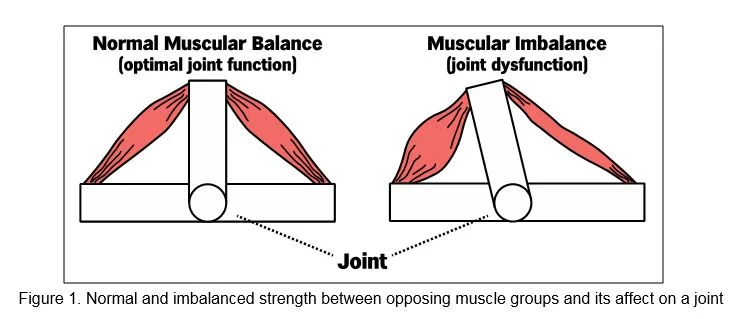
Figure 1: Notice the difference between normal and imbalanced strength and its impact on a joint.
When the central nervous system senses joint instability, it reduces the ability to continue strengthening the muscles that are already too strong. This an effective safety mechanism the body utilizes to protect itself from injury.
However, this safety mechanism can be “overridden” by attempting to force the already too strong muscles to get even stronger — many injuries occur under these conditions. If you place more strain on the weakest link than it can tolerate, the chain breaks.
While unpredictable accidents will still occur, a thorough structural balance assessment can:
- Identify muscle weaknesses that leave a joint vulnerable to injury and compromise performance;
- Faulty movement patterns that cause misalignment of the body, which results in distorted movement;
- Muscle tightness that can result in strained or torn muscles, and;
- Provide the blueprint from which your initial training program is developed.
A structural balance assessment also provides a starting point for your training. Your initial training program is developed based on the results of your assessment and aimed at correcting your weaknesses, faulty movement patterns, and tight muscles through a progression of corrective and remedial exercises. This approach expedites your results and helps ensure continuous progress.
A thorough structural assessment should be the first step of anyone’s training program whether you are a competitive athlete from any level of competition, an avid CrossFitter, or someone who wants to look better and improve your health.
Excerpt from Athletic Strength Institute
Stuart McGill on Abdominal Training
The science of spine stability: Effective spine stabilization approaches must begin with a solid understanding of what stability is. From a spine perspective it has little to do with the ability to balance on a gym ball. This is simply the ability to maintain the body in balance which is important but does not address the unstable spine. In fact, in many instances the unstable spine is also flexion intolerant and with associated intolerance to compression. Sitting on an exercise ball performing movement exercises increases spine compression to a flexed spine. This retards progress – it is generally a poor choice of back exercise until quite late in a therapeutic progression. True spine stability is achieved with a “balanced” stiffening from the entire musculature including the rectus abdominis and the abdominal wall, quadratus lumborum, latissimus dorsi and the back extensors of longissimus, ilioicostalis and multifidus. Focusing on a single muscle generally does not enhance stability but creates patterns that when quantified result in less stability. It is impossible to train muscles such as transverse abdominis or multifidus in isolation – people cannot activate just these muscles. Do not perform abdominal hollowing techniques as it reduces the potential energy of the column causing it to fail at lower applied loads (McGill, 2009). Interestingly a recent clinical trial (Koumantakis et al, 2005) compared the efficacy of many of the exercises that I quantified and published in Physical Therapy (McGill 1998), with the same exercises combined with specific transverse abdominis isolation (hollowing etc.). Adding the specific transverse abdominis training reduced efficacy! Instead, the abdominal brace (contracting all abdominal muscles) enhances stability. Target contraction levels for bracing and training techniques are described in McGill (2006). Finally, some provocative tests, such as a shear test, will help reveal which classification of patient is best suited for a stabilization approach (Hicks et al, 2005).
Linking Anatomy with Function: Consider the usual and popular approach to train the abdominal wall muscles by performing situps or curl-ups over a gym ball for example. But consider the rectus abdominis where the contractile components are interrupted with transverse tendons giving the “six pack” look. The muscle is not designed for optimal length change but rather to function as a spring. Why have these transverse tendons in rectus abdominis? The reason is that when the abdominals contract, “hoop stresses” are formed by the oblique muscles that would split the rectus apart. In addition to the spring-like architecture of the muscle consider how it is used. People rarely flex the rib cage to the pelvis shortening the rectus in sport or everyday activity. Rather they stiffen the wall and load the hips or shoulders – if this is performed rapidly such as in a throw or movement direction change, the rectus functions as an elastic storage and recovery device. When lifting weights it stiffens to efficiently transmit the power generated at the hips through the torso. Those individuals who do actively flex the torso (think of cricket bowlers and gymnasts) are the ones who suffer with high rates of disc damage and pain. Now revisit the common training approach of curling the torso over a gym ball that replicates the injury mechanics while not creating the athleticism that enhances performance. This is a rather poor choice of exercise for most situations. Yet many clients will expect that a gymball be used. Play a trick on these clients and retain the gymball but change the exercise from a spine breaking curlup to a plank where the elbows are placed on the ball. Now “stir the pot” to enhance the spring and spare the spine – this is a much superior exercise for most people.
gluteal muscle activation retraining based primarily on the original work of Professor Janda has been honed in our own lab (see figure 4). This cannot be accomplished with traditional squat training (McGill, 2007). Chronic back pain tends to cause hip extension using the hamstrings and subsequent back extension using the spine extensors creating unnecessary crushing loads. Gluteal muscle reintegration helps to unload the back.
Finally consider exercises such as the squat. Interestingly when we measure world class strongmen carrying weight, NFL footballers running planting the foot and cutting – neither of these are trained by the squat. This is because these exercises do not train the quadratus lumborum and abdominal obliques which are so necessary for these tasks. In contrast, spending less time under a bar squatting and redirecting some of this activity with asymmetric carries such as the farmers walk (or bottoms-up kettlebell carry – see figure 7) builds the athleticism needed for higher performance in these activities in a much more “spine friendly” way. The core is never a power generator as measuring the great athletes always shows that the power is generated in the hips and transmitted through the stiffened core. They use the torso muscles as anti-motion controllers, rarely motion generators (of course there are exceptions for throwers etc but the ones who create force pulses with larger deviations in spine posture are the ones who injure first). Many more progressions to enhance athleticism in a spine sparing way are provided in my text “Ultimate back fitness and performance”
A comment on Flat Feet:
When the arches of the feet collapse, a lot of bad things happen. First, consider that the arch of the foot is supposed to flex and absorb shock. If the arch is flat, the foot lacks shock absorbency, and stress is transferred to the knees, hips, and lower back. This is why many of the advertisements for orthotics claim that they can resolve back pain.
With fallen arches, the bones of the ankle are not optimally aligned with the foot, increasing the risk of ankle injuries. According to the National Institute of Arthritis and Musculoskeletal and Skin Diseases, approximately one million people in the US are treated for ankle injuries every year. It’s also estimated that athletes who injure an ankle are five times more likely to injure that ankle again.
Fallen arches also cause the bones of both the upper legs and lower legs to internally rotate. This rotation increases stress on the ACL. The ACL is a ligament that connects the upper and lower leg bones and provides stability to the knee, making the ACL critical for dynamic movements. Approximately 300,000 ACL injuries occur annually in the US, and the risk of injury is greater to athletes and women. Also consider that only 30 percent of ACL injuries are a result of direct contact, which suggests that an important step to preventing ACL injuries is to address the structure and function of the foot.
Another consequence of fallen arches is that the inward rotation of the upper legs increases the arch in the lower back, a condition technically referred to as lumbar hyperlordosis. Lumber hyperlordosis reduces the ability of the spine to absorb shock. The result is an increased risk of back injury and pain.
The most common method of correcting flat feet is orthotics. Orthotics don’t permanently correct fallen arches – they only work while the user is wearing them. Also, the pressure of the orthotic on the arch can also cause the arch to become weaker.
Solutions include corrective exercises to strengthen muscles that support the arch. One such muscle is the extensor hallucis longus, which creates lateral tension on the foot and also strengthens and stretches the two major calf muscles (gastrocnemius and soleus).
Simpleton Guide to Poliquin Training
Part I
Sometimes, when I'm talking to Coach Poliquin about training methodologies, muscle fiber ratios, and all the assorted high-tech, laboratory aspects of weight training, my eyes start to glaze over?not because I'm bored or anything?but because he has lost me; lost me as surely as if he had driven me out to the desert in the back of his four-wheel-drive Jeep of knowledge, kicked me out naked into the midst of scorpions, rattlers, and cacti without so much as a bottle of Evian water, and left me to flounder out under the searing sun where I start to slowly bake and fricassee.
He'll continue expounding on the intricacies of what he knows better than any one alive, and I'll find myself playing little games to make him think we're still sharing the same planet: "Yes Charles, yes, it's so clear?why didn't I see it before?" Meanwhile, I'm staring at his nose, or fantasizing about that blonde I saw on the beach the other day, the one with that metallic thong that split her declivities so deftly in two as she bounded toward the surf, her bottom as brown as a berry and just as juicy... "Yes Charles, yes, don't stop, don't stop!"
Don't get me wrong; I'm not exactly a lightweight when it comes to the science of weight training. I've read more than my share of studies, articles, and books, in addition to having years and years of practical experience. And, I've played Sherman to Charles Poliquin's Peabody for practically longer than anyone else. I'm sort of a Poliquin clone; a juvenile, ill-formed, way-down-on-the-evolutionary-scale clone, but a clone nonetheless. Still, I'll never know everything Charles knows, regardless of how much I tag along with him like some sort of loyal hound dog.
The point of all this is that I can now formulate my own, Poliquin-esque workout routines without too much wailing and gnashing of teeth. What I've done is taken seven of his principles and committed them to memory, so much so that I can't do a single exercise without taking them into consideration. It's kind of like that best-selling business book, Seven Habits of Highly Effective People, but instead, I prefer the less elegant, more humble title, "A Simpleton's Guide to Charles Poliquin's Training Principles".
If you learn these seven principles and apply them to your workout routines, you'll have the next best thing to getting Charles to design your own, individualized programs. What's more, you'll more than likely experience more progress in your training in a short period than you have in the previous five years. Here, in a nutshell, are the seven principles I've adopted (I also gave them my own descriptive names):
The Borg Principle
Anybody who's ever watched the newer versions of "Star Trek" knows about the Borg. They're the bad-ass creatures who can't be beaten using conventional methods. Blast them or their ship with phasers, and they adapt. The only way to keep them off balance is to set your weapons on a constantly shifting frequency so they can't adapt.
Well, your body is the Borg. It's designed to adapt. When you keep doing the same exercises in the same order, for the same amount of reps, using the same hand grip or foot stance, the body adapts. In effect, the nervous system becomes ""hardwired" to that particular routine and consequently, fewer muscle fibers are recruited, less energy is used, and fewer demands in general are made on the body. You become an expert at that routine, and after a surprisingly short time, you stop making progress.
If, however, you keep shaking things up, "changing the frequency," so to speak, the nervous system does not adapt. Instead, what happens is that the body?the muscles?grow stronger and bigger to survive the onslaught of your attack. Research (by Poliquin and others) shows that, in most cases, the body begins to adapt after having performed a particular routine 6 times. After that, it's time to shake things up again.
Yes, to the Borg, resistance if futile, but in weight training, resistance to becoming stale is mandatory.
The Principle of Shifting Rep Ranges
Most trainers are hopelessly mired in the old 8-10 rep range scheme. It's as automatic for them as putting two spoonfuls of sugar in their morning coffee; getting a monthly haircut from Rudy, the gay stylist; or watching Dawson's Creek on Tuesdays and wondering what that Joey chick is going to look like when she gets a little bit older. It's largely habit. True, there's a lot of evidence that doing midrange reps is maybe the best compromise between rep ranges designed to build strength (between, say, 3 and 5) and rep ranges designed to build endurance (anything above 12 or so). However, to maximize results, you should work your muscles in all 3 rep ranges.
Muscle fibers are "typed" according to their oxidative capacities and how fast they fatigue. Historically, fast-twitch fibers (the ones best suited for growth) are worked by a combination of lower-rep, lower set routines. Fine. Except that muscles are also made up of slow-twitch fibers. You can't very well ignore them if you want to maximize gains.
Therefore, you should juggle low-rep training (from 4 to 6 reps), intermediate-rep training (8-10), and high-rep training (12-15, or even 15-18) to make the best progress.
The II-B or Not II-B Principle
We just got done talking about fiber types. Well, true muscle physiology types (the kind that wear lab coats with the sleeves torn off) refer to these fibers using cute little alphanumeric terms, like II-A or II-B. These numbers refer to their oxidative capacity. Now, type II-B fibers are generally known as fast-twitch fibers and are the ones called on to do very heavy lifting. When you experience strength failure, much of it's due to the fact that these type II-B fibers have petered out?they just don't have the endurance of the other muscle fibers. They're like the fat truck driver who lives down the street; huge SOB, real strong, but can't run more than 10 feet without kissing the pavement.
After these fibers are fatigued, it's hard to engage them fully in subsequent exercises. However, the other fibers, the type II-A guys, will still be fresh, and they're best stimulated with reps of between ten and twelve.
The point here is that you should do your heavy weight, low-rep movements first in the workout. Then, after those fibers are baked, go on to your higher-rep movements.
The Rest Principle
Somewhere along the way, taking short breaks between sets got confused as "intensity". If, after all, you're breathing heavy like a high school kid at a Tracy Lord film festival, you must be working intensely, right? Wrong, Viagra breath. In weight lifting, intensity refers to how close the weight you're using is to your one-rep maximum. If I lift 200 pounds ten times, regardless of how much I huff and puff, I'm not engaging in a high-intensity set. If, however, I push 300 pounds up only 3 times, my intensity level is very high.
With that in mind, let me say that people tend to rush between heavy sets in order to maintain a high heart rate. Heart rate has nothing to do with your goal here. If you want aerobic capacity, run 10-miles a day and turn into one of those pairs of lungs with some sinew attached that you see whipping along the parkway every morning wearing T-shirts that say something like, "Greater Orlando 225K Grapefruit Extravaganza Race".
The more intense the set, the more rest is needed between sets to allow for neural recuperation. If you don't rest long enough between intense sets, it's a safe bet that your lactate levels will still be high and that they'll interfere with your performance on the next set.
Typically, if you're working heavy, you should rest between two and three minutes in-between sets. On less intense sets, you can rest anywhere from 45 seconds to 90 seconds.
The Time-Under-Tension Principle
Muscle growing isn't just about reps and rest periods. It all comes down to something called "time under tension". In some circles, time-under-tension refers to the amount of time you spend tailgating that Ford Pinto that's doing about 45 in the fast lane. It also refers to the time your muscles are actually working and weight, sets, and reps all play a part in the equation. For instance, if you do a set of 10 reps, but you pistoned them up and down like the pelvic thrusts of one of those horny baboons in a National Geographic special, your total time under tension was about two seconds. Muscle is not going to grow when your time under tension is inordinately low (see the next principle for more info on "time under tension").
Typically, and depending largely on your muscle fiber ratio (some people have more fast-twitch fibers than slow or vice versa), your time under tension should be anywhere from 30 seconds to about 70. Any more or any less is counterproductive over the long run. (Determining your exact muscle fiber make-up is probably a little more complicated than we want to get into here in this article).
As you progress from one set to another and you tire, you have one of two choices: reduce the weight, or reduce the number of reps. Given that choice, you should always reduce the weight and keep the rep range the same or roughly the same. In other words, if you just did 8 reps at 200, you'll need to reduce the weight about 4 or 5% on the next set in order to do 8 reps again.
The Change the Beat Around Principle
In the previous principle, we talked about time under tension and we mentioned the wisdom of keeping the duration of a set somewhere in the 30 to 70 second range. How do you do that without doing 30 to 70 reps? The answer is something called tempo. For instance, if I'm doing sets of dumbbell bench presses for sets of 4 to 6 reps, my time under tension is going to be something like 15 seconds if I do them at "normal" speed. However, if I slow them down, particularly on the eccentric, or lowering part of the movement, I'll increase time under tension.
Whenever you look at a Poliquin workout sheet, you'll see numbers that look like 302, or 501, or something similar. They do not refer to different styles of Levi's jeans. Instead, they refer to tempo, and the first number indicates how many seconds you should take to perform the eccentric portion of that particular lift. For instance, a "5" means you should take a count of five to lower the weight. The next number refers to the pause taken between the eccentric and the concentric portion of the movement, while the last number refers to how long it should take you to raise the weight.
Okay, so what this means is that if you're working in a 4-6 rep range, you have to adjust the tempo in order for that set's time under tension to reach at least 30 seconds. Along the same lines, if you're working in the 8-10 rep range, the tempo should be a little quicker so that you won't exceed the 30 to 70 second time-under-tension frame.
The Yin and Yang Principle
Muscle builders always talk about the endocrine system; the muscular system; or even the cardiovascular system. But, they hardly ever talk about the neurological system and that's a big mistake. Consequently, neural recuperation is ignored.
Ever wonder why 99 out of a 100 trainees do multiple sets of a particular exercise in succession? For instance, they'll do one set of bench press, followed by another set of bench press, followed by another set of bench press. In between, they'll pretend to pull a loose thread on their toe-jammy socks while sneaking a peak at Ms. Hooters while she's doing dumbbell flyes. This supposedly allows the athlete to recuperate in-between sets.
Well, amazingly, research has shown that you'll achieve better recuperation by performing a set for an antagonistic body part in-between sets. For instance, if you do a set of dumbbell bench presses, do a set for your lats in-between and then go back to your next set of dumbbell bench presses. You'll experience less of a drop in strength in between sets. No one is sure why, but you can bet it has to do with the neurological system.
Some of you who are new to Charles' workouts may have noticed that he often labels his exercises as "A1" and "A2" or "B1" and "B2". This refers to the order of exercises. "A1" is usually the first exercise for a particular set for a particular body part, while "A2" refers to the second exercise and that exercise is almost always for a dissimilar body part. After completing A2, the trainee rests for the predetermined amount of time and then goes back to his second set of A1.
Other examples include doing a set of barbell curls, followed by a set of triceps extensions; or a set of squats followed by a set of leg curls.
There are plenty of other Poliquin Principles, but my feeble brain can only digest so much. It's like buying panties for my wife out one of those big Victoria's Secrets clearance bins: they all look so nice, but I can only fit so many in my wheel barrow.
Anyhow, these are the ones that I use to formulate my workout programs. Next week, I'll show you how I use them to constantly formulate new, incredibly effective workouts without rupturing too many brain cells.
Part II
In Part I of this article, I carefully picked out seven of Charles Poliquin's principles and tried to make them a little easier to understand. Of course, as I mentioned, picking out only seven was a little like trying to pick my top seven favorite Hanson songs?okay, bad analogy. Trying to pick seven was like trying to choose which seven of my family or friends would get to go into the shelter with me when one of those Hollywood-movie asteroids blows up my town. Should I pick my dear, dear, grandmother, or that girl walking by who I've never met but who has a perfectly glorious rack? Anyhow, I made my choices based partly on cold logic and partly on emotion, picking some that worked particularly well for me or that suited my personality.
Hopefully, I made some of them easier to understand, especially if you're new to Charles Poliquin's ideas. Regardless of how well I explained them, though, they're essentially worthless unless they can be incorporated into a workable routine.
In the beginning, I practically had to book some time on a Craig Supercomputer to help me figure out a Poliquin workout for myself. I mean, geez, with all the other things I had to factor in like speed of contraction and muscle fiber types, etc., etc., I was lucky if I didn't get confused and mistakenly devise an elaborate tap-dance routine: De Camptown Ladies sing this song, oh da-doo-da-dey?.
Anyhow, I eventually got pretty good at it, but I found that I'm a little too goal-oriented and compulsive and I found that a completely pre-planned workout was causing me too much anxiety. I looked at the whole thing as a checklist and I couldn't relax and enjoy myself until I had methodically gone through the whole thing. It felt too much?like work.
So, I adapted. I devised a system using the Poliquin principles listed above and made a workout that had some structure, but was variable enough to suit my personality.
First, I arranged a seemingly logical split:
Day 1: Chest and Back
Day 2: Biceps and Triceps
Day 3: Off
Day 4: Quads, hams, calves
Day 5: Off*
*I don't work shoulders directly?I know that sounds nuts, but I think that anyone who habitually works chest and back is already getting plenty of shoulder work. My aim is to keep my shoulders healthy so that when I'm eighty, I can still throw lumps of stale bread at the pigeons that congregate around my park bench.
As I mentioned, I don't do well with set-in-stone structure. I need a little leeway to do what I want to do occasionally, or to have another choice or two in case the machine or weight I want is being used by some yutz who's telling his entire life story to his personal trainer in-between sets.
Therefore, I combine structure and spontaneity. Before I go into the gym, I've mapped out the first exercise (using the appropriate Poliquin Principles) for each body part I'm going to work that day and only the first exercise. As an example, the "written-down" portion of my chest and back workout will look like this:
A1) Incline Barbell Bench Press Weight Used Sets(4) Reps(4-6) Tempo(402) Rest(120secs)
1)
2)
3)
4)
A2) Wide-Grip Chin-Ups Weight Used** Sets(4) Reps(4-6) Tempo(402) Rest(120secs)
1)
2)
3)
4)
**With chins, I'd strap some additional weight onto my waist.
Again, these are the only two exercises that are set in stone for this particular workout. More on that later, but let's take a look at the parts of this exercise prescription and see which principles they employ:
The exercises themselves: Note the "A1" and "A2" designation? For you Poliquin neophytes, that simply means I'll do one set of the A1 exercise (the incline presses), rest two minutes, and then go on to the A2 exercise (the chins). I'll rest for another two minutes and then go on to the second set of the A2 exercise. This incorporates the "Yin and Yang" principle explained in Part I of this article which, in a nutshell, says that you experience better recuperation when you do another set for the antagonistic body part in-between sets. So, you might consider pairing chest and back; biceps and triceps; and quads and hams.
Reps: Sets of relatively low reps target the type IIB muscle fibers, and these are the fibers that have the least endurance. Therefore, I do these low-rep sets early in the workout while these particular muscle fiber types are still fresh (the "IIB or not IIB" principle).
Tempo: Note the 402 tempo indicated in my example workout. This tells me that I should take 4 seconds to lower the weight, no pause, followed by a 2-second concentric or lifting phase. By doing these slow, controlled reps, I'll ensure that my time under tension will be close to 30 seconds, which again suits these muscle fibers best (the "time under tension" principle, and the "change the beat around" principle).
Rest: Again, different muscle fiber types respond better to different rest periods, and type IIB fibers?which are being targeted here in my first group of exercises?respond better to longer rest periods. It may be difficult for traditional muscle builders to wait this long between sets, but it's the absolute correct thing to do if you're after additional strength and size.
Now, I'll record my weights and reps achieved for this workout, and I'll continue to do so for the next five workouts. Remember the "Borg Principle," the one that says your body becomes "hard-wired" to a particular routine? Well, it's true, and you really shouldn't do the same exercise or group of exercises more than 6 times in a row. After that sixth workout, I'll pick two new movements for chest and back. For instance, my "A1" movement might even be dips, doing 4 sets of one rep each, with a tempo of 15015 (that's right, 15 seconds on the way up and 15 seconds on the way down). Likewise, my "A2" movement might be close-grip chins for a 15015 tempo.
You're probably wondering why I record these first two exercises and no others. Well, as mentioned, the completely structured, completely-planned-beforehand workout doesn't work with me, mentally. I find myself thinking about the next set while I'm still doing the current one. But, by keeping careful records of the first movement for each body part, I can determine if my workouts continue to be effective. For instance, if I fail to either increase the weight or the reps on each subsequent workout, I know I'm not hitting it hard enough on the subsequent movements.
You, however, may prefer a lot of structure. If that's the case, simply write out your entire program beforehand using Chuck's principles. Just make sure you change your program after every 6th workout or so (that's every 6 workouts for that particular body part or parts).
Let me reiterate that the above exercise combo isn't my entire chest and back workout. Hardly. But after this, I free-wheel it, doing a combination of exercises that employ the Poliquin Principles but change constantly from workout to workout. This keeps me amazingly fresh (mentally) and allows me to keep making far more progress than I might have had I stuck to a completely pre-determined workout.
For instance, after I've done these first two low-rep exercises, I'll want to do some mid-range rep training (approximately 8-10). Consequently, I'll often do two exercises that:
A) Work the muscle slightly differently, i.e., flat-bench dumbbell presses instead of incline barbell presses, and bent-over rows instead of chin-ups.
B) Incorporate a slightly faster tempo. Since I'm doing 8 to 10 reps, I don't want to do incredibly slow reps because that will bring my total time-under-tension beyond the 30-70 second range I've established for myself. Consequently, my tempo will probably be about 202 or somewhere in that range.
C) Require less rest. Since, by doing higher reps, I'm working the fiber types that have greater recuperative abilities, I'll rest only about 60 seconds in-between sets.
Okay, so we've done a few sets in the low-rep range and the middle-rep range. That means that a good portion of your total number of muscle fibers have been recruited and put to work. That leaves your slow-twitch fibers. They've barely broken a sweat and they're laughing at all the low-endurance fibers that are gasping, wheezing, and massaging their bruised sarcomeres. Time to put these high-resistance fibers to work with some high-range rep training.
I've got several options here for doing high-rep sets, but generally, I'll throw out the Yin and Yang principle when I do them. In other words, I'll do the same exercise for three consecutive sets without bouncing back and forth between two exercises for two antagonistic muscle groups. Sure, the Yin and Yang principle is designed to allow for greater recuperation of a muscle groups, but given that you're doing work specifically for muscle fiber types that have great endurance, we can temporarily ignore the Yin and Yang principle during high-rep sets.
For instance, I might do three sets of dumbbell flyes for 12 to 15 (or even 15 to 18) reps each, with only 45 to 60 seconds of rest in-between sets. Then, after I've completed all three sets of flyes, I might do three sets of one-arm dumbbell rows, again doing 12-15 reps (per arm) and taking only 45-60 seconds of rest in-between sets.
There are other options, too. I might, on occasion, do three sets of vertical bench presses (machine), doing a 6,6,6, rep-scheme where I do 6 reps to failure, wait 10 seconds, reduce the weight, do 6 more reps, wait ten seconds again, and reduce the weight and do a final 6 reps. After resting for 45 seconds to 60 seconds, I'd do the next set. In this just-mentioned scenario, I'm using heavier weights than I might for a straight-out set of 15-18, but I'm still fatiguing the high-threshold slow-twitch muscle fibers.
Obviously, there are as many exercise possibilities as there are walrus bones in the dumpster of an Eskimo diner, but the key is, at least for me, to employ as many of the Poliquin principles as I can in each workout. Rules, of course, are occasionally meant to be broken, and I don't always hold fast to every principle 100% of the time. The key to being successful in this and any endeavor is to be creative. Experiment, but keep the basics in mind. Deciding to use hedge clippers to remove an ingrown toenail certainly falls under the category of creative, but it just isn't going to work that well, is it?
Charles Poliquin on the Five Percent Solution
You may or may not be a mystery reader. Regardless, you've probably heard of the greatest sleuth of all time, Sherlock Holmes. Unfortunately, Holmes had a little habit that, today, would likely have qualified him as a Jeopardy answer in the category, "Guys Who Have Bunked With Dan Duchaine in Prison." You see, Holmes was an opium addict, and he was partial to a very precise mixture which he called the seven percent solution.
Well, I too have my own version of the seven percent solution, only it has nothing to do with illegal opiates. Instead, it has to do with rep schemes. I call it my Five Percent Solution. Let me elaborate.
There are a lot of effective rep schemes, but the fact is, they're only as good as the time it takes you to adapt to them. For beginners, a particular workout, coupled with a particular rep scheme, might guarantee progress for 4 to 6 weeks. After that, they'd be performing the exercise equivalent of getting stuck in a revolving door. Advanced athletes, on the other hand, might have to change their programs every week. Some even have to change their program every single workout!
Although some experts promise a lifetime of continuous results from doing the same routine day after day, ad nauseum, it's a cruel lie. Not only will your body adapt, but you'll probably quit because you'd be bored silly. For instance, one infamous trainer exhibits a fanatical obsession with one training method — his — to the exclusion of all others. His system requires only a fraction of the time required by most other programs, but it's difficult to do it for more than a few weeks because it requires that the trainee be either mentally disturbed or addicted to amphetamines in order to keep up the degree of effort required.
I recommend variety, of course, but there are some set-rep schemes that I tend to favor over others. I like them because they're mentally stimulating and physically challenging. Moreover, I like them because they're effective. One in particular is the aforementioned Five Percent Solution. It's effective regardless of where you are in the bodybuilding hierarchy. You can be a rank beginner, or master of the universe. In short, it gets your heart rate going and your muscles growing.
A Closer Look...
The Five Percent Solution involves a set pattern of progression. In a nutshell, you'll increase the amount of resistance by 4 to 5% each workout, while simultaneously reducing the number of reps by one each time. After you recover from the sixth workout, you'll have increased your strength in each lift by approximately 10%!
People in the know in the field of strength training realize that the number of reps is the loading parameter to which an individual adapts the fastest, and the Five Percent Solution takes advantage of this fact. I'm sure people like Tony Little have no idea what I'm talking about, but no matter. The Five Percent Solution is based on the principle, "success breeds success". Whenever people achieve goals, whether it's in business or athletics, testosterone levels rise. When T levels rise, your recovery ability improves. And, because you recover more quickly, you make more gains. Because you have more gains, you have more success and you make more testosterone, and so on and so on.
Before I give examples of the workout, let's talk about the loading parameters of the Five Percent Solution.
The Intensity Zone
Select a 3-rep bracket to start the cycle. The number of reps should fall between 3 and 8. For instance, choose to do sets of 3-5 reps, 4-6 reps, 5-7 reps, or 6-8 reps. The decision is somewhat arbitrary; just make sure you write down the rep bracket you selected and stick with if for the duration of the program.
Tempo
The tempo (the time it takes you to complete one rep) should be the same throughout the 6 workouts of the phase. Depending on your goal, the total time under tension per set determines the chosen tempo. For example, if mass is your goal, the set should last at least 40 seconds. If relative strength is the desired goal, the total length of the set shouldn't exceed 20 seconds.
Let's say the rep bracket you selected is 4 to 6 reps and your goal is to build mass. That means that it should take at least 40 seconds to do your 4 to 6 reps. Therefore, a suitable tempo for a set of six might be 412, where 4 is the number of seconds it takes to lower the weight; 1 is the number of seconds you pause; and 2 is the number of seconds it takes to raise the weight. Therefore, each rep would take about 7 seconds and since you'd be doing 6 reps, 6x7 equals 42. That means your total time under tension would be 42 seconds for that particular set.
Rest Interval
In order to allow the phosphagens to replenish and give the central nervous system enough time to recover and be able to activate the high-threshold fibers again, you need to rest 3 to 4 minutes between sets.
It may be difficult for many of you to take that much rest, but believe me, your discipline will pay big dividends in the long run. In fact, failure to take adequate rest between sets will negate the positive effects of this program. I recommend using a stopwatch that beeps after the rest interval is over. As a note, strength athletes generally rest between 4 and 5 minutes after sets of the Power Clean or other Olympic lifts. The technical element of these lifts is much greater than that of conventional lifts; thus the demands on the nervous system are much greater.
Number of Exercises
I don't recommend doing more than 1 to 2 exercises per body part because you'll be doing a high number of total sets. Of course, the odd genetic freak or the steroid assisted athlete might be able to handle 3 exercises.
Exercise Selection
I recommend that you select compound exercises that recruit a lot of muscle mass. Therefore, exercises like rows, squats, deadlifts, or presses are the best choices for this method. Hopefully, you can use at least 100 pounds in a given exercise because it makes the math easier. It also makes it easier to change the weight since 1 1/4 pound plates are a rarity. Of course if your strength levels are low, you can always use PlateMates or Record Disks to meet the 4 to 5% weight increase.
Frequency
Work every body part once every 4 to 5 days. Here's one possible split:
Day 1: Chest and Back
Day 2: Legs and Abs
Day 3: Off
Day 4: Shoulders and Arms
Day 5: Off
Duration
This program is designed to be used for 6 workouts per body part.
Overload Mechanism
Do your initial workouts with the chosen number of reps and the predetermined weight. You'll then increase the load by 4 to 5% every workout for two workouts in a row. Concurrently, you'll also reduce the target reps by one rep for every weight increase. Then, after the third workout, you'll reduce the weight 4 to 5% but bring the number of reps back to the original starting point. If you've done this correctly, you'll have increased your strength by 5%.
If you're confused, I don't blame you, so let me offer an example:
The Five Percent Solution
Let's say you have a weak brachialis muscle and you want to improve your reverse curl strength. And, for the sake of this example, we'll say your best performance for the reverse curl is 100 pounds for 7 reps. This is what your rep/set cycle would look like:
Workout 1:
4-5 sets x 7 reps at 100 pounds
Workout 2:
Increase the weight from the last workout by 4-5 percent and do 1 rep less per set: 4-5 sets x 6 reps at 105 pounds
Workout 3:
Increase the weight from the last workout by 4-5 percent and do 1 rep less per set: 4-5 sets x 5 reps at 110 pounds
Workout 4:
Use the load you used in workout #2 for the workout #1 rep target. In this case, you're shooting for: 4-5 sets x 7 reps at 105 pounds
NOTE: If you achieve your goal, it means you're already 5% stronger!
Workout 5:
Use the load used in workout #3 for the workout #2 rep target: 4-5 sets x 6 reps at 110 pounds
Workout 6:
Increase the weight from the last workout by 4-5 percent and do 1 rep less per set: 4-5 sets x 5 reps at 115 pounds
By logical extension, if you did workout 7, you'd now be able to do 7 RM (repetitions maximum) with 110 pounds! That's a 10% percent increase in strength over 6 workouts, and that's excellent! (I don't actually map out the seventh workout because it would just be an exercise in vanity-the nervous system typically adapts to any workout program in 6 workouts and after that, it's time to move on to another type of program.)
Obviously, because of neuromuscular fatigue, you won't be able to achieve your rep target every set, but as long as you hit your goal on the first set of every workout, you're doing fine.
The Five Percent Solution Applied to Squats
Biomechanists have determined that when you do a squat, you're in fact squatting 75% of your bodyweight, plus the load on the barbell (Although it seems like you're squatting all of your bodyweight, you're not. After all, the legs are lifting the upper body; they're not lifting themselves off the ground). Keep that in mind when you adjust your squat poundages up by 5%. For instance, let's say you weigh 200 pounds and you're squatting 350 pounds for 5 reps. When increasing the weight five percent from workout to workout, the load increases would look like this:
Weight increase: 5% (load of barbell + (75% x bodyweight))
Weight increase: 5% (350 pounds + (75% x 200 pounds))
Weight increase: 5% (350 pounds + 150 pounds)
Weight increase: 25 pounds
So, in this particular case, a 5% increase would bring our hypothetical 200-pound bodybuilder's load to 375 pounds for his sets of 4 in his next workout.
Tips for the Five Percent Solution
In order to perform this program properly, I strongly urge you to keep a detailed journal of the exact number of sets and reps performed, load used, and rest interval taken. Furthermore, only count the reps done in strict form. Go ahead and do forced reps for the last rep of every third workout, but don't count them as complete reps.
Wrap Up
I hope that the Five Percent Solution isn't too confusing. I think that you'll find it well-worth all the head scratches and furrowed brows it took to figure it out, though. If enough of you find that you like it, let me know and I'll fill you in on the Advanced Five Percent Solution.
In any event, if there's such a thing as one singly unifying theory of training as Mike Mentzer claims, it's that the best system is the one that constantly changes. As your body adapts, its recovery ability increases and higher levels of volume and intensity of training are needed to ensure further growth.
Difference Between Lactic Acid & Lactate
By Andrea Cespedes
You'll hear "lactic acid" and "lactate" used interchangeably by trainers, coaches and other sports experts. Colloquially, people assume you mean the same thing when you use either term, but they are technically different. Lactate is produced by your body in response to aerobic exercise and serves as a fuel for the muscles, delays fatigue and prevents injury. Lactic acid contains one additional proton and is not produced by the body at all during exercise.
One Proton
The technical difference between lactate and lactic acid is chemical. Lactate is lactic acid, missing one proton. To be an acid, a substance must be able to donate a hydrogen ion; when lactic acid donates its proton, it becomes its conjugate base, or lactate. When you're talking about body's lactate production and lactate or lactic acid threshold, the difference is largely a matter of semantics. But, the body produces and uses lactate -- not lactic acid.
What Is Lactate?
During hard exercise, from running a race to surfing the waves, your breathing rate increases to deliver more oxygen to the working muscles. Some exercises are so intense -- such as lifting a heavy dumbbell or swimming away from a shark -- that your body cannot use oxygen fast enough as a source to create fuel. For these quick, intense bursts of activity, your body needs to move into anaerobic mode -- during which the stored energy in your body is broken down into a compound called pyruvate.
When you don’t have enough oxygen to perform activity, your body turns pyruvate into lactate to fuel the muscles. Fit folk can utilize this form of energy production for one to three minutes.
High Levels of Lactate
As the muscles work at intense levels, they become more acidic, which interferes with firing. Lactate isn't the cause of this acidity; it's actually an antidote to this muscle failing. As your muscles lose power and energy, lactate swoops in to help counteract the depolarization of the cells. This is the familiar burn in the muscles you feel when you just can’t do another rep. Lactate production is a protective mechanism that prevents the body from hurting itself. When lactate production can't continue to the levels needed to prevent the complete failure of the muscles, you reach your threshold.
High levels of lactate -- or, as it is sometimes called, lactic acid -- were once blamed for delayed-onset muscle soreness. Lactic acid or lactate are not responsible for the soreness. Rather, researchers believe it is due to micro tears in the muscles that occur during strenuous exercise.
A Measure of Athletic Success
Lactate is essential to the exercising process. It helps bolster the mitochondria, energy powerhouses inside each of your muscle cells. Increase the number of mitochondria in your cells, and you'll improve your stamina and strength. High-intensity interval training in which you do short bouts of very strenuous exercise at or near your lactate threshold followed by recovery is especially effective in developing your lactate threshold. The better able you are to process lactate, the greater your ability to push high levels of performance.
About 75 percent of the lactate you produce during exercise is used as this moderating energy source; the other 25 percent leaks into the blood, which is how scientists test lactate levels during exercise. At one time, it was thought that high-level athletes produced less lactate; it's more likely that these athletes are better able to utilize the lactate they produce and leak less into the bloodstream, so their tests show lower amounts.
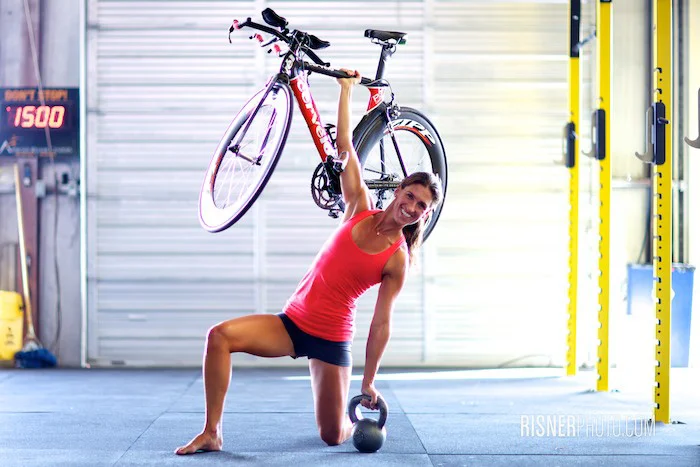
Resistance Training’s Effect on Endurance Performance

Research shows that the appropriate integration of resistance training into the endurance athlete’s training can result in significantly better performance when compared to classic endurance training plans that focus only on aerobic endurance.
The following is an exclusive excerpt from the book Developing Speed, part of the NSCA’s Science of Strength and Conditioning Series with Human Kinetics.
Endurance athletes who are stronger can generally perform at a much higher level.
This suggests that training modalities that stimulate increases in muscular strength without compromising endurance capacity may be beneficial for the endurance athlete. Support for this contention can be found in the scientific literature; research shows that the appropriate integration of resistance training into the endurance athlete’s training plan can result in significantly better performance when compared to classic endurance training plans that focus only on aerobic endurance training.
When looking closely at endurance performance, several key factors—including the athlete’s maximal aerobic power (V˙ O2max), lactate threshold, and movement efficiency—contribute to performance (see figure 7.1). The training modality selected influences these factors by inducing changes to the athlete’s aerobic power and capacity, anaerobic capabilities, and neuromuscular function.

Aerobic training exerts a strong influence on both aerobic power and capacity, but it does not exert a great impact on the athlete’s anaerobic or neuromuscular abilities.
Conversely, resistance training exerts a strong influence on the athlete’s neuromuscular function and a moderate influence on anaerobic power and capacity, while offering only a minimal influence on aerobic power and capacity. By influencing the athlete’s anaerobic abilities as well as neuromuscular function, resistance training can elevate the athlete’s lactate threshold, movement efficiency, and ability to engage in high-intensity activities.
The ability of resistance training to improve endurance performance is likely related to several key factors, including the specific physiological and mechanical adaptations that are stimulated by the resistance training regimen. The integration of resistance training into the overall training plan appears to be central to creating these specific performance-enhancing adaptations.
Traditionally, endurance athletes and coaches have believed that resistance training either does not affect or negatively affects endurance performance. However, this view may be partially explained by a design flaw in many of the training programs that include both resistance and endurance training. The flaw is that resistance training is simply added to the endurance training plan. Athletes who undertake this approach often experience excessively high levels of fatigue that can negatively affect overall performance.
If athletes reduce their endurance training load to account for the addition of resistance training, then resistance training has a positive effect on the athletes’ endurance performance. The athlete who performs both resistance and endurance training in an integrated and appropriately planned fashion will perform at a higher level than the athlete who performs only classic endurance training.
Factors in Non-Contact ACL Injuries
A short animation of typical conditions leading to a non-contact ACL injury.
Pre Workout Supplements: Hypertrophy Priority
Here are some supplement recommendations for athletes seeking to maximize Hypertrophy. With Hypertrophy we are trying to maximize the acidic environment to induce as much damage, cell swelling and hyperemia as possible. What can we take preworkout to help this along?
Primarily, we will want to look at things that shuttle nutrients and blood into the muscle.
- Citruline Malate: reduces fatigue and improves muscle endurance. More effective than Arginine. Arginine actually decreases GH during your workout when taken pre exercise. Arginine is best used before bed.
- Antioxidants : Alpha Lipoic Acid, grape seed extract and CoQ10 improve mitochondrial function and will allow for more blood flow to muscles during training.
- Beet Root Powder: Vasodilator, will induce a pretty gnarly pump.
- Neurotransmitter boosters: these will be important for anyone that has a hard time getting amped up to train. I advise against taking caffeine as a pre workout before Hypertrophy sessions because caffeine is a vaso constrictor. That means that taking caffeine with nutrients to chase the pump is a bit futile. There is a trade off for sure. If training without caffeine leads to a shit workout, then it may be worth your while to take caffeine instead of some of the vasodilators. Taking both at the same time though, to me, is a waste of money.
- BCAAs: provides energy and will prevent muscle protein breakdown during training.
- Creatine: will help sustain energy levels throughout your sessions and get more fluid into the muscles.

Why do partial squats not transfer very well to sport?
By Chris Beardsley, S&C Research columnist
Partial squats make you stronger at partial squats, but do not transfer to full squats. On the other hand, full squats make you stronger at full squats and also make you stronger at partial squats (although usually not quite as well as partial squats).
This is probably because the mechanisms that produce joint angle-specific strength gains are different after training at long muscle lengths, compared to training at short muscle lengths. Training at longer muscle lengths involves more regional hypertrophy, which seems to transfer better to strength across the whole range of motion.
Even so, many coaches have noted that the joint angles in partial squats are similar to the joint angles in the stance phase of running gait, or during jumping. Because of this similarity between joint angles, they suggest that partial squats should transfer better to sport than full squats, as they should produce the greatest gains in strength exactly where we need them.
And this makes a lot of sense.
On the other hand, most research shows that full squats are superior compared to partial squats for improving athletic performance in many respects, particularly jumping.
So what mechanism could be causing this disparity?
What is the background?
You should be able to follow this article without too many problems if you remember that we are normally stronger at one joint angle compared to all the rest, which we call the angle of peak torque.
This angle of peak torque can be changed in different ways, by different types of training.
Training programs using full ranges of motion, using long muscle lengths, or eccentrically all tend to move the angle of peak torque to a joint angle corresponding to a longer muscle-tendon length. In contrast, training programs using a partial range of motion, or short muscle lengths, tend to move the angle of peak torque to a joint angle corresponding to a shorter muscle-tendon length.
And most importantly, changing the angle of peak torque is very likely one of the main mechanisms that causes joint angle-specific gains in strength.
However, angles of peak torque are normally measured using isometric tests, and they might differ during dynamic contractions, particularly at higher speeds.
So does this happen?
Do angles of peak torque differ with angular velocity?
Full range of motion exercises might transfer better to sport than partial range of motion exercises if the angles of peak torque are different when we measure them at different speeds.
This will be particularly relevant if our exercises are traditional, heavy squats, as they involve much slower movement speeds than jumping or sprinting.
And this does happen!
The angle of peak torque is seen at joint angles corresponding to shorter muscle-tendon lengths as angular velocity increases (Moffroid et al. 1969; Knapik et al. 1983; Kannus & Jarvinen, 1991; Yoon et al. 1991; Khalaf et al. 1997; Khalaf et al. 2001; Khalaf & Parnianpour, 2001; Anderson et al. 2007; Ripamonti et al. 2008), although this effect is not always observed consistently in every study, and is much less marked above 180 degrees/s (Frey-Law et al. 2012).
The following charts derived from data reported by Yoon et al. (1991) show how the angle of peak torque alters with increasing angular velocity. Each line represents a different angular velocity moving through the same joint angle range of motion.
Here is knee flexion (contracting from left to right):

As you can see, as the movement speed increases, two things happen.
Firstly, the lines shift downwards, because force reduces as angular velocity increases (because of the force-velocity relationship).
Secondly, the angle of peak torque moves further to the right as angular velocity increases. This means that the angle of peak torque occurs at progressively shorter and shorter muscle-tendon lengths as angular velocity increases.
Here is knee extension (contracting from left to right):

Why do angles of peak torque differ with changing speed?
As you can see from the charts, the angle of peak torque moves to a joint angle that corresponds to shorter and shorter muscle-tendon lengths, with increasing speed.
This probably happens because even though the muscle-tendon lengths are the same at each joint angle, the muscle and tendon do not change length in the same way at different contraction speeds (don’t forget that tendons always lengthen to a greater or lesser extent when a muscle contracts, even when the contraction is purely a concentric contraction that involves a shortening of the muscle-tendon unit).
Fast contractions involve small muscle forces, which cause a smaller amount of tendon elongation at the start of the contraction.
The smaller amount of tendon elongation in fast contractions means that the muscle stays lengthened for longer in the concentric phase of the contraction. This allows the muscle to stay on the plateau of the length-tension curve for longer. Therefore, the angle of peak torque is shifted to much later in the overall joint angle range of motion (Murray et al. 1980).
Slow contractions involve high muscle forces, which cause much more tendon elongation at the start of the contraction.
This greater tendon elongation means that the muscle does not remain lengthened for very long during the concentric contraction. So it drops off the plateau of the length-tension curve quickly. Therefore, the angle of peak torque is seen earlier on in the overall joint angle range of motion (Murray et al. 1980). And isometric contractions are the slowest, strongest contractions of all.
Why is this important?
Why is contraction speed important for the angle of peak torque?
There are two key implications.
Firstly, it means that the angle of peak torque in dynamic movements is always at joint angles corresponding to shorter muscle-tendon lengths compared to the isometric angle of peak torque.
Secondly, it means that sporting movements at very high angular velocities have angles of peak torque at joint angles corresponding to very short muscle-tendon lengths. However, even when measured in the same person, these are not the same angles of peak torque as slower, barbell exercises or isometric tests. Those angles of peak torque occur at much longer muscle-tendon lengths.
This may be why full range of motion heavy resistance training exercises transfer better than similarly-loaded partial range of motion exercises to many high-velocity athletic movements.
What does this mean for jumping?
The quadriceps are key for jumping, and most jumping requires an angle of peak torque at moderate quadriceps lengths, as neither jumpers nor team sports athletes bend their knees down to the levels seen during a full squat before take-off.
This has led some coaches to assume that partial squats might be helpful, as they seem to involve a peak contraction around the same sort of joint angle.
But although this sounds logical, it ignores how the angle of peak torque changes with movement speed.
During a slow, heavy squat, the angle of peak torque will be observed at long muscle lengths. On the other hand, a jump is clearly a very fast movement and so the corresponding angle of peak torque will be at a much shorter muscle length.
If we train at long quadriceps muscle lengths, such as in the deep squat, we shift the angle of peak torque towards a longer muscle length. Because increasing movement speed moves angles of peak torques towards shorter muscle lengths, however, this will correspond to an angle of peak torque at moderate muscle lengths when we measure it at a fast velocity.
This is exactly where we need them for the jump.
If we train at short-to-moderate quadriceps muscle lengths, such as in the partial squat, we shift the angle of peak torque towards a shorter muscle length. Because increasing movement speed moves angles of peak torques towards shorter muscle lengths, however, this will correspond to an angle of peak torque at very short muscle lengths when we measure it at a fast velocity.
This is not where we want them for the jump.
And this is why deep squats transfer much better to jumping than partial squats (Weiss et al. 2000; Hartmann et al. 2012; Bloomquist et al. 2013).
Although there is less research available for sprinting, the same principles will apply.
Conclusions
Some people have proposed that partial squats should transfer better to sport than full squats because of the similar joint angles involved. However, full squats are definitely superior, and this is very clear in relation to jumping.
The reason for this discrepancy is that the angle of peak torque changes with movement speed. The angle of peak torque is found at shorter muscle-tendon lengths when measured at fast speeds, compared to when measured at slow speeds.
This is likely because even though the muscle-tendon lengths are the same at each joint angle, the muscle and tendon do not lengthen to the same extent at different speeds, and the amount of tendon elongation is less during fast contractions, which allows the muscle to remain on its length-tension plateau for longer.
Heavy, slow exercises such as full squats produce peak contractions at long muscle-tendon lengths. Because of differences in the amount that the tendon changes length, these angles of peak torque correspond very well to the peak contractions in athletic movements at joint angles corresponding to shorter muscle-tendon lengths, such as in jumping.
References
- Anderson, D. E., Madigan, M. L., & Nussbaum, M. A. (2007). Maximum voluntary joint torque as a function of joint angle and angular velocity: model development and application to the lower limb.Journal of Biomechanics, 40(14), 3105-3113.
- Bloomquist, K., Langberg, H., Karlsen, S., Madsgaard, S., Boesen, M., & Raastad, T. (2013). Effect of range of motion in heavy load squatting on muscle and tendon adaptations. European Journal of Applied Physiology, 113(8), 2133-2142.
- Frey-Law, L. A., Laake, A., Avin, K. G., Heitsman, J., Marler, T., & Abdel-Malek, K. (2012). Knee and elbow 3d strength surfaces: peak torque-angle-velocity relationships. Journal of Applied Biomechanics, 28(6), 726-737.
- Hartmann, H., Wirth, K., Klusemann, M., Dalic, J., Matuschek, C., & Schmidtbleicher, D. (2012). Influence of squatting depth on jumping performance. Journal of Strength & Conditioning Research, 26(12), 3243.
- Kannus, P., & Jarvinen, M. (1991). Knee Angles of Isokinetic Peak Torques in Normal and Unstable Knee Joints. Isokinetics and Exercise Science, 1(2), 92-98.
- Khalaf, K. A., Parnianpour, M., Sparto, P. J., & Simon, S. R. (1997). Modeling of functional trunk muscle performance: Interfacing ergonomics and spine rehabilitation in response to the ADA.Journal of Rehabilitation Research and Development, 34(4), 459.
- Khalaf, K. A., Parnianpour, M., & Karakostas, T. (2001). Three dimensional surface representation of knee and hip joint torque capability. Biomedical Engineering: Applications, Basis and Communications, 13(02), 53-65.
- Khalaf, K. A., & Parnianpour, M. (2001). A normative database of isokinetic upper-extremity joint strengths: towards the evaluation of dynamic human performance. Biomedical Engineering: Applications, Basis and Communications, 13(02), 79-92.
- Knapik, J. J., Wright, J. E., Mawdsley, R. H., & Braun, J. (1983). Isometric, isotonic, and isokinetic torque variations in four muscle groups through a range of joint motion. Physical Therapy, 63(6), 938-947.
- Moffroid, M., Whipple, R., Hofkosh, J., Lowman, E., & Thistle, H. (1969). A study of isokinetic exercise. Physical Therapy, 49(7), 735.
- Murray, M. P., Gardner, G. M., Mollinger, L. A., & Sepic, S. B. (1980). Strength of Isometric and isokinetic contractions knee muscles of men aged 20 to 86. Physical Therapy, 60(4), 412-419.
- Ripamonti, M., Colin, D., & Rahmani, A. (2008). Torque–velocity and power–velocity relationships during isokinetic trunk flexion and extension. Clinical Biomechanics, 5(23), 520-526.
- Weiss, L. W., Fry, A. C., Wodd, L. E., Relya, G. E., & Melton, C. (2000). Comparative Effects of Deep Versus Shallow Squat and Leg-Press Training on Vertical Jumping Ability and Related Factors. The Journal of Strength & Conditioning Research, 14(3), 241-247.
- Yoon, T. S., Park, D. S., Kang, S. W., Chun, S. I., & Shin, J. S. (1991). Isometric and isokinetic torque curves at the knee joint. Yonsei Medical Journal, 32(1), 33-43.
Is physical strength a virtue?
Judging by the way so many people revere elite athletes, it seems arguable that physical strength is a virtue in the ancient sense of that word, i.e. a human excellence, or an excellence in a human being who possesses it. Or at least it is commonly regarded that way.
That’s controversial enough, but could it even be an excellence with moral or ethical significance? That sounds like a very strange notion to modern ears, but Aristotle would (arguably) have thought so, and the idea can be developed as part of a sophisticated ethical theory that deals with at least the most obvious objections on the ground of absurdity, etc. This would obviously have consequences for current debates about human enhancement technologies.
In the current issue of The Journal of Evolution and Technology, Kyle Oskvig broaches this tricky subject. He does not offer a full defense of Aristotle, but he does show that an evolved, reconstructed version of Aristotelian ethics can make such ideas seem much less crazy than we moderns are inclined to think. Check it out!
Chocolate Milk For Post-Workout: A Look at the Research

Over recent years, there has been a massive initiative to promote chocolate milk as “the best” drink for post-training recovery. Milk advertisers use very high level athletes as spokespersons to sell a product to people who are indeed active, but often very far from the training level of an Olympic athlete.
Nautilus Plus is participating to this initiative: “Whether you are a professional athlete or a weekend sports enthusiast, recover from your next training faster with the Ultimate Chocolate Milk®.”(1) Do we really need to fill ourselves with all this added sugar after our training?
One litre of chocolate milk contains up to 100 to 110 g of sugar!!! The quantity of sugar that the body can absorb is limited. In fact, the sugar will be stored in the liver and muscles in the form of glycogen, which only represents 5 % of the body’s total energy reserves (2). If your objective is, as for the majority of people, to lose fat, you need to remember this: to allow yourself to consume a supplement rich in carbohydrates after your training, you will have to have emptied or seriously depleted your glycogen stores in order for the extra sugar absorbed to be used to renew your glycogen stores. And if you absorb more sugar than you need to renew your reserves, it will be transformed into fat (3).
Scientific studies
Many scientific studies have been done on sports nutrition supplements and some included chocolate milk. The purpose of these studies was to determine which mixture of molecules, and in what proportion, best promotes post-training recovery as well as athletic performance. Almost all these studies followed this particular protocol:
- Study participants were subjected to intense exercise at 70 to 85% of their VO2 max during 1 to 3 hours. The purpose of this step was to considerably reduce the muscle and hepatic glycogen stores since 70 to 80% of the energy spent at 85% VO2 max is derived from glycogen. Under 65% of VO2 max, mostly fatty acids are used (4, 5).
- A recovery period between 4 and 8 hours followed to allow the participants to replenish their glycogen stores with the various sports nutrition supplements covered in the study.
- Participants were then subjected to a second high intensity exercise (VO2 max between 70 and 85%) until exhaustion (loss of 85 to 95% of their hepatic glycogen and 65 to 85 % of their muscle glycogen) (6). The difference in time or distance between the performances will determine which sports nutrition supplements helped the athlete the most to recuperate between the two sessions.
.
The role of these sports nutrition supplements is therefore to replenish as quickly and efficiently as possible the glycogen stores which were SIGNIFICANTLY depleted during the first training, in order to allow a second intense performance within 4 to 8 hours.
This situation is certainly frequent among Olympic athletes or athletes from the Tour de France who train several times per day or several days in a row at extreme intensities, but what about other people? Is chocolate milk a good supplement for “weekend athletes” or people who train leisurely, three of four times per week?
After your leisure strength training?
For a person who does resistance strength training, the glycogen stores will fall by 25 to 40 % after an intense strength training (7 to 12), which is relatively little. The glycogen stores lost during the training will be rebuilt through normal nutrition, WITHOUT ANY SUPPLEMENTS, within 24 hours of the training. However, some people consider it very important to MAXIMIZE the production of lean muscle mass. So the rapid intake of PROTEIN supplements after the training (within 1 hour if possible, up to 3 hours later) is important since it promotes maximum muscle synthesis(13 to 33). Recently, a research team questioned this principle claiming that it would be the total quantity of proteins ingested each day that would prevail over the moment at which they are ingested (34, 35). The same team also mentioned that if a “window” for taking a protein supplement and maximizing the production of lean muscle mass does exist, it would rather span over a 4 to 6 hour period following the strength training.
According to various recent studies, 20 to 25g of proteins would be the recommended amount to take after a resistance training (25, 33, 36). Witard et al., 2014 consider that 20 g of whey protein containing approximately 2 g of leucine optimally stimulates muscle synthesis (33). A litre of chocolate milk contains approximately 30g of proteins, including 80% of micellar casein and 20% of whey (37). Studies on post-training muscle synthesis clearly show the very poor efficiency of micellar casein for this purpose (26, 28, 38, 39, 40) because it precipitates in the stomach and the absorption of amino acids responsible for muscle synthesis is therefore very slow (26, 41, 42, 43). One argument that is often used by chocolate milk advocates is that milk (skim) is more efficient than soy protein or casein to promote muscle synthesis (23, 24). That’s true! It is actually the 20% of whey proteins contained in the milk that makes it efficient for muscle regeneration (26, 28, 40). What they don’t say is that purified whey protein (concentrate or isolate) is the best all around for lean muscle mass gain (26, 28, 40, 44, 45, 37) and, consequently, is better than milk. Whey protein is very rich in BCAA and is quickly absorbed by the intestine, as opposed to casein which is absorbed slowly. Therefore, why take a milk supplement if a whey protein shake is more efficient? Not only does chocolate milk contain large quantities of casein, but it can also contain saturated fat (if it’s full fat) as well as a large quantity of added simple sugars, on top of the lactose. So, is it useful to add all this sugar to the proteins (which are already not optimal) to maximize muscle synthesis after my resistance training?
Some studies show that carbohydrates (CHO) could inhibit muscle breakdown caused by training (10, 46, 47, 48, 49). A few groups claim that a carbohydrate/protein (CHO:PRO) supplement would facilitate a better muscle synthesis since it would inhibit muscle breakdown (15, 32, 46, 48, 50, 51). Nevertheless, some of these studies did not include a control group for the proteins (PRO) only. So it is difficult to evaluate whether adding CHO to PRO provides an advantage or not over PRO taken separately. As for the few studies that included a control group for the PRO, the quantity used was sub-optimal and was given in the form of amino acids (46, 48, 50). However, when a control group taking PRO optimally is included in the study, adding CHO to PRO did not show any advantage in terms of lean muscle mass gain (49, 52 to 57). CHO: PRO ratios used in the studies on resistance training varied between 1:1 and 3:1 whereas chocolate milk offers a ratio between 3:1 and 4:1. That is a lot of unnecessary sugar!
In turn, adding CHO to protein supplements can be necessary when several INTENSIVE resistance trainings are planned during the same day. In such a case, the athlete must quickly renew its glycogen stores (58, 59). To this end, 1g/kg of weight of CHO should be added to the proteins and consumed immediately after the training; moreover, a meal should follow 2 hours after the training (59, 60). So you must weigh at least 220 lbs and must train intensely more than once a day to allow yourself a litre of chocolate milk. Even then, you won’t achieve optimal results because of the casein, which constitutes 80% of the total proteins, and because of the 2:1:0.46 (glucose:fructose:galactose) ratio of the various sugars present in the chocolate milk (61).
The fructose contained in chocolate milk comes from high fructose corn syrup (which has a very bad reputation) and from sucrose (1 glucose +1 fructose). In 2004, Bray GA et al. suggested that the obesity epidemic in the United-States was related to the HFCS found everywhere and in large quantities in our nutrition (62). However, the new report published by The International Journal of Obesity, 2015 (63) suggests that this epidemic cannot be linked to HFCS due to the lack of evidence demonstrating that HFCS would be worse than table sugar (sucrose) (63, 64, 65). Yet, chocolate milk contains both of these additives. The fructose contained in almost equal quantities in both these additives could be linked to obesity (66, 67). Some scientists are reluctant to establish such a link (63, 64). A small quantity of fructose consumed every day, such as normal consumption of fruits, is harmless. Unfortunately, fructose is now added in almost all processed food. So it’s easy to exceed the healthy daily quantities of “natural” fructose. The body metabolises fructose differently from glucose. The liver metabolises 70% of the blood fructose (compared to 15 to 30% for the glucose) (38) and will leave the remaining 30% to the other tissues, namely the kidneys, the testicles, the fatty tissues, the brain and the skeletal muscle (69). So the muscles will absorb a negligible amount of fructose (68). A large consumption of fructose can contribute to the development of the metabolic syndrome, consisting in weight gain, increased resistance to insulin, hypertension, and elevated triglyceride in the blood stream (67, 69). High quantities of fructose are also associated to increased cholesterol, LDL particles and visceral obesity (69).
After an intense cardiovascular training, such as a marathon, when the glycogen stores in the liver are low, the fructose present in a sports nutrition supplement will be used to replenish the hepatic stores. Furthermore, for marathon runners performing at high intensities for a long period of time, the intake of fructose in the form of supplements DURING performance at a ratio of 2:1 (glucose/maltodextrin:fructose), offers a definite advantage because it allows faster absorption of sugars through the intestines since different transporters are used for these two sugars. The supplement would also improve gastro-intestinal comfort and would increase these athletes’ performance (70 to 76). If, however, the quantity of fructose consumed is higher than what is needed to replenish the hepatic stores, the surplus could potentially be converted into fat (66). So for people who do resistance training, consuming fructose is of no value. Conclusion? If you need CHO to perform well during your second strength training, you should add glucose/maltodextrin to your whey proteins, in order to avoid consuming fructose unnecessarily.
Finally, at the beginning of 2015, Stuart M. Phillips’ team established that drinking 500ml of chocolate milk every day (18g of proteins) as a supplement, while following a resistance program three times per week over a period of twelve weeks, has no effect on muscle hypertrophy or on strength gain compared to a control group taking no supplements (77).
What about after leisure endurance training?
Many active people do endurance training several times per week such as jogging, spinning, swimming, etc. for one hour. The extent of the muscle and hepatic glycogen loss will vary according to the effort expended. To consume glycogen as a primary source of energy, the level of effort intensity must reach 70% and must be maintained for an extended period of time (4, 5, 78). Laboratory experiments have shown that glycogen stores decline by 50 to 75% after 3 hours of cycling at 70% of VO2max (79, 80). By increasing the effort to 80% of VO2max, you can continue your activity for 2 hours before running out of glycogen. Another example is that the glycogen stores depletion of marathon runners occurs, for 40% of them, around the 34th kilometre, commonly called “the wall”, when they sustain an effort of approximately 80% of VO2max(81, 82, 83) during more than 2h30. Do you think you will be burning as much glycogen during your hour of spinning?
The glycogen stores lost during the training, even if this loss is significant, will be rebuilt through normal nutrition, WITHOUT ANY SUPPLEMENTS, within 24 hours of the training (84,85). Moreover, the meal frequency will have no incidence if the post-exercise recovery happens over more than 24 hours (85, 86, 87). It is unnecessary for someone coming out of an hour of spinning or jogging to ingest all the added sugars contained in chocolate milk since the subsequent meals will contain sufficient carbohydrates (CHO) to replenish the poorly depleted glycogen stores. Therefore, the person will be ready for the next training a few days later.
Without being Olympic athletes, some people will train intensely and frequently during a week. In such case, the quantity of CHO these people consume every day must be adjusted, spread throughout their meals according to the frequency and intensity of their training. Burke et al. 2011 recommend to take a quantity of CHO every day, depending on the type of training performed (intensity and duration) to allow for a good glycogen resynthesis during the 24 hours following the training (88).
If the objectives of the person doing endurance training don’t include maximum muscular development, the muscle regeneration following an effort, namely the replenishment of glycogen stores, will occur normally with the proteins contained in the subsequent meal, when taken in sufficient quantity.
Supplements are necessary when training sessions are very intense and close together (a few hours) and require to quickly replenish the glycogen stores (in less than 24 hours).
What about high level athletes? (1.3% of the American population are athletes and of which 0.006% are professional athletes) (89).
Although chocolate milk is not intended for Olympic athletes, choosing such athletes as spokesperson to promote chocolate milk as a post-training supplement is almost an obligation; indeed, practically only these athletes could ultimately use chocolate milk as a sports nutrition supplement. Moreover, most studies carried out on the subject are done in a top level training context. But is chocolate milk, as alleged by the television commercials, a good choice for this 1% of the population ?
The purpose of a supplement is to promote fast recovery between two trainings done very close together, mainly by QUICKLY regenerating the glycogen stores. So the muscle glycogen resynthesis speed is important. It was established that this synthesis is faster when CHO are taken right after the training (90, 91, 92) and can be maintained during 6 hours with frequent intake of this supplement (69, 90, 93). Delaying the intake of CHO by 2 hours decreases the resynthesis speed by 50% (16,90). This is particularly important for a fast recovery but is unnecessary for recovery over 24 hours or more (87). OPTIMALLY, the quantity of CHO should be 1.0 to 1.2g/kg of weight/h (94, 95, 96), consumed at 15 to 30 min intervals (97). At this volume and frequency, CHO alone are sufficient to ensure an optimal glycogen synthesis. Sure! But chocolate milk doesn’t only contain CHO!
Is it useful to add proteins to CHO? (98)
To determine which supplement is the best one, we need to compare the different supplements. It is difficult to compare the studies that analyze the effect of adding proteins to a CHO supplement because several variables differ: 1) intensity (% of VO2max) and duration of the first exercise that aims at reducing the glycogen stores 2) choice of exercise (jogging or cycling) 3) various types of supplements consumed (isocaloric or not, as well as the chosen sugars and proteins) 4) control groups used (lack of placebo or other control groups) 5) carbohydrates:protein ratios (CHO:PRO) will vary between 2:1 (Berardi et al. 2006/2008) (99, 100) and 6.2:1 (Betts et al. 2005) (101) 6) duration and intensity of the second performance (% of VO2max).
Nonetheless, it’s possible to draw certain conclusions.
1: Importantly, the drinks studied must be isocaloric (must contain the same amount of calories) :
Some studies show a performance improvement post-recovery when proteins (PRO) are added to CHO versus a control group taking only CHO (102 to 105). However, the quantity of calories between the two drinks was not adjusted, so it wasn’t possible to determine if the performance improvement could be attributed to the addition of proteins or to the aaddition of energy.
2: It is important to compare the CHO+PRO supplement to a control group taking CHO optimally (1.0 to 1.2g/kg of weight/h) AND which is isocaloric:
Some studies show that the addition of proteins to the CHO supplement improves the second performance when compared to a control group taking a CHO only supplement. But this supplement was given sub-optimally during recovery (96, 102, 104, 106, 107). When the control group took the CHO supplement OPTIMALLY, the studies did not show any improvement in the second performance when proteins were added to the mix, even with variable ratios. (95, 96, 101 to 115, 116). A study showed, however, an advantage (100) (see the “Ratio” section).
So the athlete can chose between taking a mix of CHO + PRO, when it is impossible to optimally take a CHO supplement during recovery (1.2g/kg/h every 30 min during 3 to 4 hours) (94, 95, 96, 117). This indeed makes for a lot of CHO to ingest. But at which ratio must the athlete take its proteins?
3: Ratio
Advocates of chocolate milk allege that a ratio of 4:1 is best to support athletic recovery. This belief comes from one of the early studies done on the subject and which showed that a sports nutrition supplement, Endurox R4, containing 4:1 CHO: PRO offered a performance advantage when compared to a control group taking CHO, namely Gatorade (102). However, Endurox R4 contained two and a half times more CHO than Gatorade, in addition to the whey proteins, which gave it almost four times more calories than the Gatorade supplement consumed SUB-OPTIMALLY by the participants. It is obvious that in these conditions, Endurox R4 improved performance compared to Gatorade given the significant difference in CHO and energy consumed between the two drinks. Since the ratio used in this study was 4:1, which is the same as the chocolate milk ratio, the dairy industry took the opportunity to pretend it was the best ratio. Nonetheless, research continued and more recent studies show that ratios containing less sugar are as efficient, if not more, than a 4:1 ratio. Berardi et al. 2008 show an advantage on the second performance with the CHO: PRO mix at a ratio of 2:1 (CHO: 0.8kg/kg/hand PRO: 0.4kg/kg/h), over the control group taking the CHO supplement optimally (100, 117). So why add more sugar than necessary with a ratio of 4:1 if it offers no advantage?
Studies done on chocolate milk (McLellan TM et al. 2014 (98)) :
There are 5 major studies comparing chocolate milk to a few other sports drinks during a short term recovery between two performances. (118, 119, 120, 121, 122)
- None of these 5 studies explained how the chocolate milk taste was reproduced for the control groups. If the athletes know which type of supplement they are given, it can certainly influence the results; in such a case, the study is no longer “blind”.
- Some studies did not include a placebo or a sub-optimal CHO supplement for the control group (118, 122).
- 4 studies on 5 did not administer the supplement optimally (118, 119, 120, 121). The fifth study did so for the first recovery hour only (122).
- Pritchett et al. 2009 show that chocolate milk (3.8:1) offers no advantage for the second performance over Endurox R4 (3.8:1, isocaloric and same quantity of CHO) (118).
- The other four studies indicated that chocolate milk presented an advantage for the second performance compared to the other drinks studied (119, 120, 121, 122). On the other hand, the studies also present other shortfalls:
For Karp et al. 2006 and Thomas et al. 2009, the glycogen stores reduction protocol was not standardized during the first training(119, 120). That means that the energy expenditure varies a lot from one person to another, even for each individual, from one training session to another. So some groups used more glycogen than others before starting the recovery phase. For Karp et al. 2006 for example, (similar to Thomas et al. 2009), the chocolate milk group (60.8 min) had trained 16% less than the CHO + PRO control group taking Endurox R4 (72.6 min), but equally to the Gatorade group (sub-optimal). These differences can explain the superior performance of the chocolate milk group during the second training. Furthermore, we must report that the study by Karp et al. 2006 was partly financed by the Dairy and Nutrition Council Inc (119).
In the study by Lunn et al. 2012, chocolate milk is compared to a control group taking CHO optimally during the first hour of recovery (122). Despite the fact that the regeneration of the glycogen stores was equal between the two groups, the performance of the chocolate milk group was superior to that of the CHO control group during the second performance (difference of a few seconds). However, the intensity of the second performance was at 100% VO2max and lasted a very short time (203 vs 250 sec). In these very high intensity and very short duration conditions, the more or less important level of muscle glycogen stores before the effort don’t seem to influence performance (123, 124, 125, 126), as opposed to a lower intensity and longer duration performance. So optimally replenishing the glycogen stores is probably not that important in this case. Even the authors admit that the type of test used and the inability to mask the taste of the chocolate milk may have influenced the results. The authors challenge this by emphasizing that the purpose of their study was to show that chocolate milk promotes a better muscle synthesis compared to CHO alone (122). Milk contains proteins whereas the CHO of the control group contained none. So it is not surprising that the results show that chocolate milk increases muscle synthesis. A control group also taking proteins would have certainly given results similar to the chocolate milk, and possibly even better results if whey protein would have been used.
The study by Furguson-Stegall et al. 2011 compared a chocolate milk ratio smaller than 3:1 to an isocaloric CHO drink and to a placebo (water) (121). The drinks were given sub-optimally. The performance of the chocolate milk group was superior by a few minutes during the second training (40km of cycling) compared to the CHO control group. Nonetheless, the glycogen resynthesis was better with the CHO control group, a result that is slightly contradictory. This study was financed by a Chair established by The National Dairy Council, as well as The National Fluid Milk Processor Promotion Board.
Therefore, the contradictory results, the lack of control groups, the questionable protocols and the inability to obtain blinded studies, do not allow to claim without any doubt that chocolate milk is the best supplement compared to the other supplements studied. The number of serious studies on chocolate milk will have to be considerably larger. Furthermore, these studies will have to be done more independently (not financed by the dairy industry, for example) to achieve more conclusive results.
It should be noted that chocolate milk has not been compared to a supplement offering a ratio of 2:1 previously shown to offer better performances than a CHO supplement taken optimally by Berardi et al. 2008 (100). For comparison purposes, a 200lbs (90kg) man who ingests a supplement offering a ratio of 2:1 will consume 72g of CHO/h instead of 85g/h for a chocolate milk supplement taken optimally. So this represents approximately 40g less of added sugar consumed, during a 3 hour recovery, to achieve the same result, if not better.
The composition of the supplement used by Berardi et al. 2008 is also very different from that of chocolate milk; it contained 33% of maltodextrin, 33% of glucose and 33% of whey (100). So in addition to the ratio, the choice of nutrients is important.
4: CHO
Maltodextrin (MD) seems to be the ideal sugar for muscle glycogen resynthesis after an intense effort. Piehl-Aulin et al. 2000 have shown that a supplement containing very high molecular weight polyglucosides such as maltodextrin would be 25% more efficient for muscle glycogen synthesis than a low molecular weight glucose, maltose or oligomer supplement (127). This would be due to the faster absorption rate of sugars by the intestines, as well as an increased rate of gastric emptying. As seen previously, while the addition of fructose to MD (ratio 2:1, MD: FRU) represents a major advantage DURING a long performance (more than 2h30) such as a marathon(128), it seems that for the rapid muscle glycogen resynthesis between two performances, the addition of fructose or galactose to MD offers no advantage (129). Regarding sucrose (glucose: fructose), no advantage was observed concerning glycogen resynthesis when compared to glucose alone (69, 129, 130, 131, 132), nor during the second performance (129 to 131). Again, we notice that the fructose and galactose portion found in chocolate milk is not useful for the post-training recovery.
5: Proteins
As for strength training, the type of proteins added to the CHO as a post-training supplement is important. However, few studies compare the different types of proteins and their effects on the glycogen resynthesis speed during a short term recovery. Morifuji et al. 2010 have shown, in rats, that adding whey hydrolysate to CHO is more efficient for glycogen synthesis than the CHO control group, followed by non-hydrolysed whey and BCAA. Casein ranked dead last, having no significant effect on glycogen synthesis compared to the intake of glucose alone (133). A large proportion of studies on athletic recovery used hydrolysed or non-hydrolysed whey protein isolate as a source of proteins in their mixes. The advantage over the chocolate milk proteins (mainly consisting of casein) is that in addition to being absorbed faster, the whey protein allows a higher protein concentration mix while restricting the volume to be consumed. It is a non-negligible advantage for the athletes as well as for achieving ratios of 2:1, for example.
Lactose
Milk contains 25g of lactose per 500ml. The capacity to break down lactose into glucose and galactose molecules depends on the presence of the lactase enzyme in the small intestine. “Normally” in humans, the presence or activity of lactase is very strong at the beginning of childhood and starts declining after the child is weaned until it almost disappears in adulthood. The person is then unable to digest lactose for the rest of his or her life (134, 135, 136). Between 65 and 70% of the world population is unable to digest lactose once they reach adulthood (137, 138). So only 30 to 35% of the population can actually digest lactose. Why? During the human evolution, four different mutations occurred, namely a major one that occurred in Europe, which kept the lactase gene active and thus allowing some Caucasians to digest lactose during all their life(137 to 139). These European Caucasians travelled, reached America and gave their descendants the possibility to also carry this mutation. Despite this, approximately 21% of North Americans who have problems digesting lactose are Caucasians (140). The ability to digest lactose is directly linked to the quantity of lactase produced by the intestine (134 to 136) and this quantity varies from one person to another. So some people have more difficulty than others to digest this sugar even though it may not be a true intolerance, rather an incomplete digestion that can sometimes be asymptomatic (140 to 143).
Making up 50% of the sugar contained in chocolate milk, we must seriously question the lactose digestion capacity to quickly regenerate the glycogen stores post-training, if we take into account the differences in the quantities of lactase present in the intestines of each individuals. It was shown that adding sugar (144, 145, 146, 147), fat (147) or chocolate (144, 145) in milk slows down the digestion process. This slowing down certainly promotes a better digestion of the lactose by the lactase present in various amounts, but does make digestion more efficient ? Since it can be very difficult for some people, around the world, to digest lactose, chocolate milk could only be used by a very small portion of athletes, which already represent a tiny portion of the population.
Who promotes chocolate milk?
Besides dairy producers in Quebec and Canada, many nutritionists promote chocolate milk as an ideal post-training supplement. The most relevant comment made to this effect by a nutritionist is the comment from Isabelle Charêt, coach and triple medallist in speed skating at the 1994, 1998 and 2002 winter Olympics (148). She says that chocolate milk would be a lot more useful to people who train intensively: “Someone who goes to the gym three times a week has plenty of time to recover. But I still recommend to drink chocolate milk because people in general don’t drink enough milk.” Ah! But that’s the issue! We have to drink milk!
I will not go into further detail on this subject, but very recently (2013), a team from Harvard University acknowledged publicly the need to decrease to less than two portions per day, or to stop all together, our milk consumption (149, 150). The powerful dairy industry lobby, which represents a third of Quebec’s agriculture and 5 billion dollars of Canadian GDP, imposed itself to maintain the dominant position dairy products hold in the Canadian food guide (151). Nonetheless, the following question remains: is it necessary to include chocolate milk in our diet? Many scientists seem to think that it’s not (149, 150, 151, 152).
Conscious of the extent of the damages caused by the overconsumption of added sugars to human health, how can we encourage the consumption of such sugars just to impose a supplement that is increasingly considered as unnecessary to our health?
Conclusion? If you enjoy a glass of chocolate milk once in a while, as a treat, it’s no big deal! But if milk commercials encourage you to drink one after each of your trainings, and you are not an Olympic athlete (and even then…), I hope you’ll think twice about it.
You know the saying: When it seems too good to be true…
References :
1. http://www.nautilusplus.com/courriel/e-magazine/avril2011/pdf/Chronique_Saputo_fr.pdf
2. McArdle W, Katch, F & Katch. V. (2001). Carbohydrates, lipids, and proteins. In P. Darcy (Ed.), Exercise physiology (Vol. 5, pp. 11-13). Baltimore, MD: Lippincou Williams & Wilkins.
3. Charkas A & Golota S. (2014). An intermittent exhaustion of the pool of glycogen in the human organism as a simple universal health promoting mechanism. Medical hypotheses. 82 : 387-389
4. Romijn JA, Coyle EF, Sidossis et al. (1993). Regulation of endogenous fat and carbohydrate metabolism in relation to exercise intensity and duration. Am J Physiol Endocrinol Metab. 265, E380-E391.
5. Holloszy JO & Hohrt WM. Regulation of carbohydrate and fat metabolism during and after exercise. Annu Rev Nutr. 16, 121-138. 1996
6. Gregory Tardie, Ph.D. U.S. Sports Academy in Sports Coaching, Sports Exercise Science, Sports Studies and Sports Psychology. http://thesportjournal.org/article/glycogen-replenishment-after-exhaustive-exercise/
7. Tesch PA, Colliander EB, Kaiser P. (1986). Muscle metabolism during intense, heavy-resistance exercise. Eur J Appl Physiol Occup Physiol. 55(4) :362-6
8. Essen-Gustavsson B, Tesch PA. (1990). Glycogen and triglyceride utilization in relation to muscle metabolic characteristics in men performing heavy-resistance exercise. Eur J Appl Physiol Occup Physiol. 61(1-2) :5-10.
9. Robergs RA, Pearson DR, Costill DL et al. (1991). Muscle glycogenolyse during differing intensities of weight-resistance exercise. J Appl Physiol. 70(4) :1700-1706.
10. Roy BD, Tarnopolsky MA, MacDougall JD et al. (1997). Effect of glucose supplement timing on protein metabolism after resistance training. J Appl Physiol. 82 :1882-1888
11. MacDougall JD, Ray S, McCartney N, et al. (1999). Muscle substrate utilization and lactate production during weight lifting. Can J Appl Physiol. 24(3) :209-215.
12. Haff GG, Koch AJ, Potteiger JA, Kuphal KE, et al. (2000). Carbohydrate supplementation attenuates muscle glycogen loss during acute bouts of resistance exercise. Int J Sport Nutr Exerc Metab. 10 : 326-339.
13. Phillips SM, Tipton KD, Aarsland A et al. (1997). Mixed muscle protein synthesis and breakdown after resistance exercise in human. Am J Physiol. 273 :E99-E107.
14. Tipton KD, Ferrando AA, Phillips SM et al. (1999). Postexercise net protein synthesis in human muscle from orally administered amino acids. Am J Physiol. 276 : E628-E634.
15. Rasmussen BB, Tipon KD, Miller SE, Wolf RR. (2000). An oral essential amino acid-carbohydrate supplement enhances muscle protein anabolism after resistance exercise. J Appl Physiol. 88 :386-392.
16. Levenhagen DK, Gresham JD, Carlson MG et al (2001). Post-exercise nutrient intake timing in humans is critical to recovery of leg glucose and protein homeostasis. Am J Physiol Endocrinol Metab. 280, E982-E993
17. Esmarck B, Andersen JL, Olsen S et al. (2001). Timing of postexercise protein intake is important for muscle hypertrophy with resistance training in elderly humans. J Physiol. 15 :535 :301-11
18. Tipton KD, Rasmussen BB, Miller SL et al. (2001). Timing of amino acid-carbohydrate ingestion alters anabolic response of muscle to resistance exercise. Am J Physiol Endocrinol Metab. 281 : E197-E206
19. Borsheim E, Tipton KD, Wolf SE, Wolfe RR(2002). Essential amino acid and muscle protein recovery from resistance exercise. Am J Physiol Endocrinol Metab. 283 :48-57
20. Lemon PW, Berardi JM, Noreen EE. (2002). The role of protein and amino acid supplements in the athlete’s diet : does timing of ingestion matter ? Curr Sport Med Rep. 1(4) :214-221.
21. Volek JS. (2004). Influence of nutrition on responses to resistance training. Med Sci Sports Exer. 36 :689-96
22. Cribb PJ, Hayes A. (2006). Effect of supplement timing and resistance exercise on skeletal muscle hypertrophy. Med Sci Sport Exerc. 38 :1918-1925.
23. Wilkinson S, Tarnopolsky M, MacDonald M, et al. (2007). Consumption of fluid skim milk promotes greater muscle protein accretion after resistance exercise than does consumption of an isonitrogenous and isoenergetic soy-protein beverage. Am J Clin Nutr. 85 (4) :1031-40
24. Hartman J, Tang JE, Wilkinson S, Tarnopolsky M, et al. (2007). Consumption of fat-free fluid milk after resistance exercise promotes greater lean mass accretion than does consumption of soy or carbohydrate in young, novice, male, weightlifters. Am J Clin Nutr. 86 (2) :373-81
25. Moore DR, Robinson MJ, Fry JL, Tang JE, et al.(2009). Ingested protein dose response of muscle and albumin protein synthesis after resistance exercise in young men. Am J Clin Nutr. 89(1):161-8.
26. Tang JE, Moore DR, Kujbida G, Tarnopolsky M, Phillips S. (2009). Ingestion of whey hydrolysate, casein, or soy protein isolate : effect on mixed muscle protein synthesis at rest and following resistance exercise in young men. J Appl Physiol .107(3) :987-92.
27. West DW, Burd NA, Coffey VG et al. (2011) Rapid aminoacidemia enhances myofibrillar protein synthesis and anabolic intramuscular signalling responses after resistance exercise. Am J Clin Nutr. 94 : 795-803.
28. Burd N, Yan Y, Moore DR, Tang JE, et al. (2012). Greater stimulation of myofibrillar protein synthesis with ingestion of whey protein isolate v. micellar casein at rest and after resistance exercise in eldery men. Br J Nutr. 108 :958-62.
29. Churchward-Venne TA, Burd NA, Mitchell CJ, West DW, et al. (2012). Supplementation of a suboptimal protein dose with leucine or essential amino acids: effects on myofibrillar protein synthesis at rest and following resistance exercise in men. J Physiol. 1;590(Pt 11):2751-65.
30. Churchward-Venn TA, Burd NA, Phillips SM et al. (2012). Nutritional regulation of muscle protein synthesis with resistance exercise : strategies to enhance anabolism. Nutr Metab. 9 :40.
31. Tipton KD, Phillips SM. (2013). Dietary protein for muscle hypertrophy. Nestlé Nutr Inst Workshop Ser. Vol 76 :73-84
32. Mori H. (2014). Effect of timing of protein and carbohydrate intake after resistance exercise on nitrogen balance in trained and untrained young men. J Physiol Anthropol. 33 :24
33. Witard OC, Jackman SR, Breen L, et al. (2014). Myofibrillar muscle protein synthesis rates subsequent to a meal in response to increasing doses of whey protein at rest and after resistance exercise. Am J Clin Nutr. 99(1):86-95
34. Schoenfeld BJ, Aragon AA Krieger JW. (2013). The effect of protein timing on muscle strength and hypertrophy : a meta-analysis. J Int Soc Sports Nutr. 10(1):53.
35. Aragon AA, Schoenfeld BJ. (2013) Nutrient timing revisited : is there a post-exercise anabolic window ? J Int Soc Sports Nutr. 10 (1):10-15.
36. Churchward-Venne T, Breen L, Di Donato D et al. (2014). Leucine supplementation of a low protein mixed macronutriment beverage enhances myofibrillar protein synthesis in young men : a double-blind, randomized trial. Am J Clin Nutr. 99(2) :276-86.
37. Devries MC & Phillips SM. (2015). Supplemental protein in support of muscle mass and health : Advantage Whey. Journal of Food Science. Vol 80, S1.
38. Cribb PJ, Williams AD, Hayes A, Carey MF. (2006). The effect of whey isolate on strength, body composition and plasma glutamine. Int J Sport Nutr exer Metab. 16 :494-509.
39. Koopman R., Crombach N., Gijsen, A.P., Walrand, S et al. (2009). Ingestion of a protein hydrolysate is accompanied by an accelerated in vivo digestion and absorption rate when compared with its intact protein. Am J Clin Nutr. 90. 106-115.
40. Penning B, Boirie Y, Senden J, Gijsen A, Kuipers H, van Loon L. (2011). Whey protein stimulates postprandial muscle protein accretion more effectively than do casein and casein hydrolysate in older man. Am J Clin Nutr. 93(5) :997-1005
41. Boirie Y, Dangin M, Gachon P, Vasson M, et al. (1997). Slow and fast dietary proteins differently modulate postprandial protein accretion. Proc Nath Acad, Sci USA. 94 :14930-5.
42. Mahe S, Roos N, Benamouzig R, Davin, L, et al. (1996). Gastrojejunal kinetics and the digestion of [15N]beta-lactoglobulin and casein in humans: the influence of the nature and quantity of the protein. Am J Clin Nutr. 63: 546–552.
43. Bos C, Metges CG, C, Petzke K, et al. (2003). Postprandial kinetics of dietary amino acids are the main determinant of their metabolism after soy or milk protein ingestion in humans. J Nutr. 133 :1308-15
44. Yang Y, Churchward-Venn T, Burd N, Breen L, et al. (2012). Myofibrillar protein synthesis following ingestion of soy protein isolate at rest and after resistance exercise in elderly men. Nutr Metab. (Lond) 9 :57
45. Volek JS, Volk BM, Gómez AL, et al. (2013). Whey protein supplementation during resistance training augments lean body mass. J Am Coll Nutr. 32(2):122-35
46. Miller SL, Tipton KD, Chinkes DL et al. (2003) Independent and combined effect of amino acids and glucose after resistance exercise. Med. Sci Sports Exerc. (35); 3 :449-455
47. Børsheim E, Cree MG, Tipton KD, et al. (2004) Effect of carbohydrate intake on net muscle protein synthesis during recovery from resistance exercise. J Appl Physiol. (1985). 96(2): 674-8.
48. Bird SP, Tarpenning KM, Marino FE. (2006). Independent and combined effects of liquid carbohydrate/essential amino acid ingestion on hormonal and muscular adaptations following resistance training in untrained men. Eur J Appl Physiol. 97(2) :225-38.
49. Glynn EL, Fry CS, Drummond MJ et al. (2010). Muscle protein break-down has a minor role in the protein anabolic response to essential amino acid and carbohydrate intake following resistance exercise. Am J Physiol. 299 : R533-40.
50. Rasmussen BB, Phillips SM. (2003). Contractile and nutritional regulation of human muscle growth. Exerc Sport Sci Rev. 31 :127-131.
51. Borsheim E, Aarsland A, Wolfe RR. (2004). Effect of an amino acid, protein, and carbohydrate mixture on net muscle protein balance after resistance exercise. Int J Sport Nutr Exerc Metab. Jun;14(3):255-71.
52. Cribb PJ, Williams AD, Hayes A. (2007). Creatine-protein-carbohydrate supplement enhance response to resistance training. Med Sci Sport Exerc. 39 :1960-8.
53. Koopman R, Beelen M, Stellingwerff T, Pennings B, et al. (2007). Coingestion of carbohydrate with protein does not further augment postexercise muscle protein synthesis. Am J Physiol Endocrinol Metab. 293(3) :E833-E842.
54. Staples AW, Burd NA, West DW, Currie KD, et al. (2011). Carbohydrate does not augment exercise-induced protein accretion versus protein alone. Med Sci Sports Exerc. 43(7) :1154-1161.
55. Glynn EL, Fry CS, Timmerman KL, Drummond MJ, Volpi E, Rasmussen BB. (2013). Addition of carbohydrate or alanine to an essential amino acid mixture does not enhance skeletal muscle protein anabolism. J Nutr. 143(3) :307-314.
56. Gorissen SHM, Burd NA, Henrike M et al. (2014). Carbohydrate coingestion delays dietary protein digestion and absorption but does not modulate prostprandial muscle protein accretion. J Clin Endocrinol Metab. 99(6) :2250-2258.
57. Pasiakos SM, McLellan TM, Lieberman HR. (2015). The effects of protein supplements on muscle mass, strength, and aerobic and anaerobic power in healthy adults : A systematics review. Sports Med. 45 :111-131.
58. Pascoe DD, Costill DL, Fink WJ et al. (1993). Glycogen resynthesis in skeletal muscle following resistive exercise, Med Sci Sports Exerc. 25 :349-354.
59. Roy BD, Tarnopolsky. (1998). Influence of different macronutrient intakes on muscle glycogen resynthesis after resistance exercise. J Appl Physiol. 72 :1854-1859.
60. Ivy JL, Ferguson LM. (2010). Optimizing Resistance exercise Adaptations through the timing of post-exercise Carbohydrate-protein supplementation. Strength and Conditioning Journal. Vol 32, No1, 30-36.
61. http://voluntocracy.org/Fructose/
62. Bray GA, Nielsen SJ, Popkin BM. (2004). Consumption of high-fructose corn syrup in beverages may play a role in the epidemic of obesity. Am J Clin Nutr. 79(4):537-43.
63. White JS , Hobbs LJand Fernandez S. (2015). Fructose content and composition of commercial HFCS-sweetened carbonated beverages. International Journal of Obesity. 39, 176–182
64. Moeller SM, Fryhofer SA, Osbahr AJ 3rd,et al. (2009). The effect of high fructose syrup. J Am Coll Nutr. 28(6) :619-626
65. White JS. (2008). Straight talk about high-fructose corn syrup : what it is and what it ain’t. Am J Clin Nutr. 88 (suppl) :1716S-21S.
66. Parks EJ, Skojan LE, Timlin MT et al. (2008). Dietary sugars stimulate fatty acid synthesis in adults. J Nutr. 138 :1039-46.
67. Tappy L, Lê KA, Tran C, Paquot N. (2010) Fructose and metabolic diseases : New finding, new questions. Nutrition. 26 : 1044-1049.
68. Kolderup A & Svihus B (2015). Fructose Metabolism and Relation to Atherosclerosis, Type 2 Diabetes, and Obesity. Journal of Nutrition and Metabolism. 1-12
69. Charrez B, Qiao L and Hebbard L. (2015) The role of fructose in metabolism and cancer. Horm Mol Biol Clin Invest. 22(2): 79–89
70. Jentjens RL, Moseley L, Waring RH et al. (2004). Oxidation of combined ingestion of glucose and fructose during exercise. J Appl Physiol. 96 :1277-1284.
71. Jeukendrup AE, moseley L, Mainwaring GI et al. (2006). Exogenus carbohydrate oxidation during ultra endurance exercise. J Appl Physiol. 100 :1134-41.
72. Rowlands DS, Thorburn MS, Thorp RM et al. (2008). Effect of graded fructose coingestion with maltodextrine on exogenous 14C-fructose and 13C-glucose oxidation efficiency and high-intensity cycling performance. J Appl Physiol. 104 :1709-1719.
73. Currell K & Jeukendrup AE. (2008). Superior endurance performance with ingestion of multiple transportable carbohydrates. Med Sci Sports Exerc. 40 :275-281.
74. O’Brien WJ, Rowlands DS. (2011). Fructose-maltodextrin ratio in a carbohydrate-electrolyte solution differentially affects exogenous carbohydrate oxidation rate, gut comfort, and performance. Am J Physiol Gastrintest Liver Physiol. 300: G181-G189
75. Jeukendrup AE. (2013). Multiple transportable carbohydrates and their benefits. Sports Sci Exchange. 26 (108) : 1-5
76. Robert JD, Tarpey MD, Kass LS, et al. (2014). Assessing a commercially available sports drink on exogenous carbohydrate oxidation, fluid delivery and sustained exercise performance. Journal International Society Sports Nutrition. 11 ;8 : 1-14
77. Mitchell CJ, Oikawa SY, Ogborn DI, Nates NJ, et al. (2015). Daily chocolate milk consumption does not enhance the effect of resistance training in young and old man : a randomized controlled trial. Appl. Physiol. Nutr. Metab. 40 : 1-4
78. Hultman E & Sjöholm H. (1983). Energy metabolism and contraction force of human skeletal muscle in situ during electrical stimulation. J Physiol. 345 : 525-32
79. Bosch AN, Dennis SC & Noakes TD (1994). Influence of carbohydrate ingestion on fuel substrate turnover and oxidation during prolonged exercise. Journal of Applied Physiology (Bethesda, Md.), 76(6). 2364-2372.
80. Bosch AN, Weltan SM, Dennis SC & Noakes TD. ( 1996). Fuel substrate turnover and oxidation and glycogen sparing with carbohydrate ingestion in non-carbohydrate- loaded cyclists. Pflugers Archiv. 432(6), 1003-1010.
81. Buman MP, Brewer BW, Cornelius AE et al. (2008). Hitting the wall in the marathon : Phenomenological characteristics and associations with expectancy, gender, and running history. Psychol Sports Exerc. 9 :177-190.
82. Buman MP, Brewer BW, Cornelius AE. (2009). A discrete-time hazard model of hitting the wall in recreational marathon runners. Psychol Sports Exerc. 10 :662-666.
83. Rapoport BI. (2010). Metabolic factors limiting performance in marathon runners. PLOS Computational Biology. 6: 10: 1-13.
84. Burke LM, Collier GR, Beasley SK, et al. (1995). Effect of coingestion of fat and protein with carbohydrate feeding on muscle glycogen storage. J Appl Physiol (1985). 78(6):2187-2192.
85. Costill DL, Sherman WM, Fink WJ et al. (1981). The role of dietary carbohydrate in muscle glycogen resynthesis after strenuous running. Am J Clin Nutr. 34 :1831-36.
86. Burke LM, Collier GR, Davis PG et al. (1996). Muscle glycogen storage after prolonged exercise : effect of the frequency of carbohydrate feedings. Am J Clin Nutr. 64 :115-119.
87. Parkin JAM, Carey MF, Martin IK et al. (1997). Muscle glycogen storage following prolonged exercise : effect of timing of ingestion of high glycemic index food. Med Sci Sports Exerc. 29 :220-224.
88. Burke LM, Hawley JA, Wong SH, et al. (2011). Carbohydrates for training and competition. J Sports Sci. 29(suppl. 1), S17-S27.
89. http://www.answers.com/Q/What_percentage_of_the_US_population_are_professional_athletes,
90. Ivy JL, Katz AL, Cutler CL et al. (1998). Muscle glycogen synthesis after exercise : Effect of time of carbohydrate ingestion. J Appl Physiol. 64,1480-1458.
91. Price TB, Rothman DL, Taylor R et al. (1994), Human muscle glycogen resynthesis after exercise : insulin-dependent and –independent phases. J Appl Physiol. 76, 104-111.
92. Fallowfield JL, Williams C, Singh R. (1995). The influence of ingesting a carbohydrate-electrolyte beverage during 4h of recovery on subsequent endurance capacity. Int J Sport Nutr Exerc Metab. 5 :285-99
93. Ivy JL, Lee MC, Brozinick JT et al. (1988). Muscle glycogen storage after different amount of carbohydrate ingestion. J Appl Physiol. 65, 2018-2023
94. Ivy JI. (2001). Dietary strategies to promote glycogen synthesis after exercise. Can J Appl Physiol. 26(Suppl.) S236-S245.
95. Jentjens RL, van Loon LJ, Mann CH et al. (2001) Addition of protein and amino acids to carbohydrate does not enhance postexercise muscle glycogen synthesis. J Appl Physiol. 91,839-846.
96. van Loon LJ, Saris WH, Kruijshoop M, et al. (2000) Maximazing postexercise glycogen synthesis : carbohydrate supplementation and the application of amino acids or protein hydrolysate mixtures. Am J Clin Nutr. 72, 106-111
97. Jentjens R, & Jeukendrup A. (2003). Determinants of post-exercise glycogen synthesis during short-term recovery. Sports Médicine (Auckland N.Z.). 33(2). 117-144.
98. McLellan TM, Pasiakos SM, Lieberman HR. (2014). Effect of protein in combination with carbohydrate supplements on acute or repeat endurance exercise performance : a systematic review. Sports Med. 44 :353-550.
99. Berardi JM, Price TB’ Noreen EE, et al. (2006). Postexercise muscle glycogen recovery enhanced with a carbohydrate-protein supplement. Med Sci Sport Exerc. 38 :1106-13.
100. Berardi JM, Noreen EE, Lemon PWR. (2008). Recovery from a cycling time trial is enhanced with carbohydrate protein supplementation vs isoenergetic carbohydrate supplementation. J Int Soc Sports Nutr. 5 :24.
101. Betts JA, Stevenson E, Williams C, et al. (2005). Recovery of endurance running capacity : effect of carbohydrate-protein mixtures. Int J Sport Nutr Exerc Metab. 15 :590-609.
102. Williams MB, Raven PR, Fogt DL, et al. (2003). Effects of recovery beverage on glycogen restoration and endurance exercise performance. J strength Cond Res. 17 :12-9.
103. Ivy JI, Res PT, Sprague RC, et al. (2003). Effect of a carbohydrate-protein supplement on endurance performance during exercise of varying intensity. Int J Sport Nutr exerc Metab. 13 :382-95.
104. Saunders MJ, Kane MD, Todd KM. (2004). Effects of a carbohydrate-protein beverage on cycling endurance and muscle damage. Med Sci Sports Exerc. 36 :1233-8
105. Saunders MJ, Luden ND, Herrick JE. (2007) Consumption of an oral carbohydrate-protein gel, improves cycling endurance and prevents post-exercise muscle damage. J Strength Cond Res. 21 :378-84.
106. Zawadzki KM, Yaspelkis BB, Ivy JL (1992) Carbohydrate-protein complex increases the rate of muscle glycogen storage after exercise. J Appl Physiol. 72,1854-1859.
107. Ivy JI, Goforth HW, Damon BM, et al. (2002). Early postexercise muscle glycogen recovery is enhanced with a carbohydrate-protein supplement. J Appl Physiol. 93 :1337-44.
108. van Hall G, Shirreffs AM, Calbert JAL (2000) Muscle glycogen resynthesis during recovery from cycle exercise : no effect of additional protein ingestion. J Appl Physiol. 88, 1631-1636
109. Carrithers JA, Williamson DL, Gallagher PM et al. (2000) Effects of postexercise carbohydrate-protein feeding on muscle glycogen restoration. J Appl Physiol. 88, 1976-1982
110. Romano-Ely BC, Todd MK, Saunders MJ et al. (2006). Effect of an isocaloric carbohydrate-protein-antioxydant drink on cycling performance. Med Sci Sports Exerc. 38 :1608-16.
111. Betts J, Williams C, Duffy K, et al. (2007). The influence of carbohydrate and protein ingestion during recovery from prolonged exercise on subsequent endurance performance. J Sports Sci. 25 :1449-60,
112. Millard-Stafford M, Warren GL, Thomas LM, et al. (2005). Recovery from run training : efficacy of carbohydrate-protein beverage ? Int J Sport Nutr Exerc Metab. 15 :610-24.
113. Rowlands DS, Thorp RM, Rossler K, et al. (2007). Effect of protein-rich feeding on recovery after intense exercise. Int J Sport Nutr Exerc Metab. 17 :521-43.
114. Rowlands DS, Rössler K, Thorp RM, et al. (2008). Effect of dietary protein content during recovery from high-intensity cycling on subsequent performance and markers of stress, inflammation, and muscle damage in well-trained men. Appl Physiol Nutr Metab. 33 :39-51.
115. Howarth, K.R., Moreau, N.A., Phillips, S.M., & Gibala, M.J. (2009). Coingestion of protein with carbohydrate during recovery from endurance exercise stimulates skeletal muscle protein synthesis in humans. Journal of Applied Physiology {Bethesda, Md.), 106(4), 1394-1402.
116. Rowlands DS, Wadsworth DP. (2011). Effect of high-protein feeding on performance and nitrogen balance in female cyclist. Med Sci Sport Exerc. 43 :44-53.
117. Beelen M, Cermak NM, van Loon LJ, (2015). Performance enhancement by carbohydrate intake during sport : effects of carbohydrate during and after high-intensity exercise. Ned Tijdschr Geneeskd. 159(0) :A7465.
118. Pritchett K, Bishop P, Pritchett R, et al. (2009) Acute effects of chocolate milk and a commercial recovery beverage on postexercise recovery indices and endurance cycling performance. Appl Physiol Nutr Metab. 34 :1017-22.
119. Karp JR, Johnson JD, Tecklenburg S, et al. (2006). Chocolate milk as a post-exercise recovery aid. Int J Sport Nutr Exerc Metab. 16 :78-91.
120. Thomas K, Morris P, Stevenson E. (2009). Improved endurance capacity following chocolate sport drinks. Appl Physiol Nutr Metab. 34 :78-82.
121. Ferguson-Stegall L, Mc Cleave EL, Ding Z, et al. (2011). Postexercise carbohydrate-protein supplementation improves subsequent exercise performance and intracellular signalling for protein synthesis. J Strength Cond Res. 25 :2110-1224.
122. Lunn WR, pasiakos SM, Colletto MR et al. (2012). Chocolate milk and endurance exercise recovery : protein balance, glycogen, and performance. Med Sci Sports Exerc. 44 :682-91.
123. Sahlin K, Broberg S, Katz A. (1989). Glucose formation in human skeletal muscle. Influence of glycogen content. Biochem J. 258 :911-913.
124. Ren JM, Gulve EA, Cartee GD et al. (1990). Influence of reduced glycogen level on glycogenolysis during short-term stimulation in man. Acta Physiol Scand. 139 :467-474.
125. Spriet LL, Berardinucci L, Marsh DR et al. (1990). Glycogen content has no effect on skeletal muscle glycogenolysis during short-term tetanic stimulation. J Appl Physiol. 68 :1883-1888.
126. Spencer MK & Katz A. (1991). Role of glycogen in control of glycolysis and IMP formation in human muscle during exercise. Am J Physiol. 260 :E859-E864.
127. Piehl-Aulin K, Söderlund K, Hultman E (2000) Muscle glycogen resynthesis rate in humans after supplementation of drinks containing carbohydrates with low and high molecular masses. Eur J Appl Physiol. 81, 346-351.
128. Rowlands DS, Swift M, Ros M et al. (2012). Composite versus single transportable carbohydrate solution enhances race and laboratory cycling performance. Appl Physiol Nutr Metab. 37 :425-36
129. Wallis GA, Wittekind A. (2013). Is there a specific role for sucrose in sports and exercise performance? Int J Sport Nutr Exerc Metab. 23(6):571-83
130. Moriarty KT, Mcintyre DG, Bingham K et al. (1994). Glycogen resynthesis in liver and muscle after exercise : measurement of rate of resynthesis by 13C magnetic resonance spectroscopy. Magma. 2 :429-432.
131. Casey A, Mann R, Banister et al. (2000). Effect of carbohydrate ingestion on glycogen resynthesis in human liver and skeletal muscle, measured by 13C MRS. Am J Physiol Endocrinol Metab. 278, E65-E75.
132. Bowtell JL, Gelly K, Jackman ML et al. (2000). Effect of different carbohydrate drinks on whole body carbohydrate storage after exhaustive exercise. J Appl Physiol. (1985). 88(5) :1529-1536.
133. Morifuji M, Kanda A, Koga J, et al. (2010) Post-exercise carbohydrate plus whey protein hydrolysates supplementation increases skeletal muscle glycogen level in rats. Amino Acids. 38, 1109-1115.
134. Sahi T (1994). Genetics and epidemiology of adult-type hypolactasia. Scand J Gastroenterol. 29 Suppl202:7-20.
135. Evidence Report/Technology Assessment Number 192. (2010). Lactose intolerance and health. AHRQ Publication No. 10-E004
136. Rienzo TD, D’Angelo G, D’Aversa F, et al. (2013). Lactose intolerance: from diagnosis to correct management. Eur Rev Med Pharmacol Sci. 17(Suppl2):18-25.
137. Ingram CJE, Mulcare CA, Itan Y, Thomas MG, Swallow DM. (2009). Lactose digestion and the evolutionary genetics of lactase persistance. Hum. Gen. 124, 579-591.
138. Itan Y, Jones BL, Ingram CJ, Swallow DM, Thomas MG. (2010). A worldwide correlation of lactase persistance phenotype and genotype. BMC Evol. Biol. 10, 36.
139. TishkoV SA, Reed FA, Ranciaro A, Voight BF, et al. (2007) Convergent adaptation of human lactase persistence in Africa and Europe. Nat Genet. 39:31– 40
140. Scrimshaw NS, Murray EB. (1988). The acceptability of milk and milk products in populations with high prevalence of lactose intolerance. Am J Clin Nutr. 48(Suppl):1079-1159
141. Rosado JL, Allen LH, Solomons NW. (1987). Milk consumption, symptoms response and lactose digestion in milk intolerance. Am J Clin Nutr. 45:1457-1460
142. Carraccio A, Montalto G, Cavera G, Notarbatolo A. (1998). Lactose intolerance and self-reported milk intolerance: Relationship with lactose maldigestion and nutrient intake. J Am Coll Nutr. 17:631- 636
143. Peuhkuri K, Teuri U, Vapaatalo H, Korpela R. (2000). Lactose intolerance – a confusing clinical diagnosis. Am J Clin Nutr. 71:600-602
144. Welsh JD, Hall WH. (1977) Gastric emptying of lactose and milk in subjects with lactose malabsorption. Dig Dis. 22:1060-1063.
145. Dehkordi N, Rao DR, Warred AP, Chawan CB. (1995). Lactose malabsorption as influenced by chocolate milk, skim milk, sucrose, whole milk, and lactic cultures. J Am Diet Assoc. 95:484-486.
146. Vesa TH, Marteau P, Briet FB, Flourie B, et al. (1997). Effects of milk viscosity on gastric emptying and lactose intolerance in lactose maldigesters. Am J Clin Nutr. 66:123-126.
147. Vesa TH, Marteau PR, Briet FB, Boutron-Ruault MC, Rambaud J-C. (1997). Raising milk energy content retards gastric emptying of lactose in lactose intolerant humans with little effect on lactose digestion. J Nutr. 127:2316-2320.
148. La Presse, 22 juillet 2008, par Stéphane Champagne d’Isabelle Charêt. http://www.lapresse.ca/vivre/200809/08/01-651558-la-face-cachee-du-lait-au-chocolat.php
149. Ludwing DS & Willet WC. (2013) Three daily serving of reduced-fat milk, an evidence-base recommendation ? JAMA Pediatr. 167(9) :788-789
150. Davis C. (Dep. of Nutr. Harvard School of public health). (2010). Comment on report of the Dietary guidelines advisory committee on the dietary guideline for américans,
151. L’épicerie. Épisode 5, 29 octobre 2014. http://ici.tou.tv/l-epicerie/S2014E05?lectureauto=1
152. Lagacé-Simard, Jacqueline. Ph.D. (2011). Comment j’ai vaincu la douleur et l’inflammation chronique par l’alimentation. Montréal, Québec : Fides