
These articles explore the body, the mind, the environment, and the systems that shape human health. Each piece is written to make complex ideas easier to understand, whether the topic is training, nutrition, sleep, stress, digestion, symptoms, physiology, disease, or the way modern life affects how we feel and function.
Strength, Health, & the Art of Living Well
Is physical strength a virtue?
Judging by the way so many people revere elite athletes, it seems arguable that physical strength is a virtue in the ancient sense of that word, i.e. a human excellence, or an excellence in a human being who possesses it. Or at least it is commonly regarded that way.
That’s controversial enough, but could it even be an excellence with moral or ethical significance? That sounds like a very strange notion to modern ears, but Aristotle would (arguably) have thought so, and the idea can be developed as part of a sophisticated ethical theory that deals with at least the most obvious objections on the ground of absurdity, etc. This would obviously have consequences for current debates about human enhancement technologies.
In the current issue of The Journal of Evolution and Technology, Kyle Oskvig broaches this tricky subject. He does not offer a full defense of Aristotle, but he does show that an evolved, reconstructed version of Aristotelian ethics can make such ideas seem much less crazy than we moderns are inclined to think. Check it out!
12 Clinical Pearls from Dr. Rakowski
1. People who thrive are the ones that make and metabolize acids correctly. Acid can be your friend if you manage it properly.
2. Here is a pearl from Dr. Rakowski, he showed a scientific paper on B12 absorption and brain aging. If you don't absorb B12, your brain ages 617% faster! As I have stated before, the greatest impact of not testing your HCl levels is compromising your brain health.
3. Growth hormone is a significant anti-depressant. Deep sleep is the real way to achieve optimal growth hormone levels.
4. The major benefit of using Arginine is boosting growth hormone during effort, besides boosting NO2.
5. Only fat people make too much estrogen.
6. People who have elevated triglycerides have low levels of growth hormone.
7. The body ignores constant stimuli. Changing everything constantly is one of the keys to success whether we are talking about training, diet, or supplements.
8. Brain derived neurotrophic factor is a strong anti-depressant produced by exercise that induces lactic acid production.
9. Learning improves 20% after exercise. Why are we canning Physical Education classes?
9. Charlie Chaplin fathered a child when he was 80. Sexual dysfunction is rampant because people are simply unhealthy.
10. Low-grade systemic inflammation (metaflammation) is associated with obesity, insulin resistance and chronic disease (Brithish Journal of Nutrition (2009) 102, 1238-1242
11. Friends do not let friends get fat.
12. Sleep is your most powerful anti-inflammatory agent
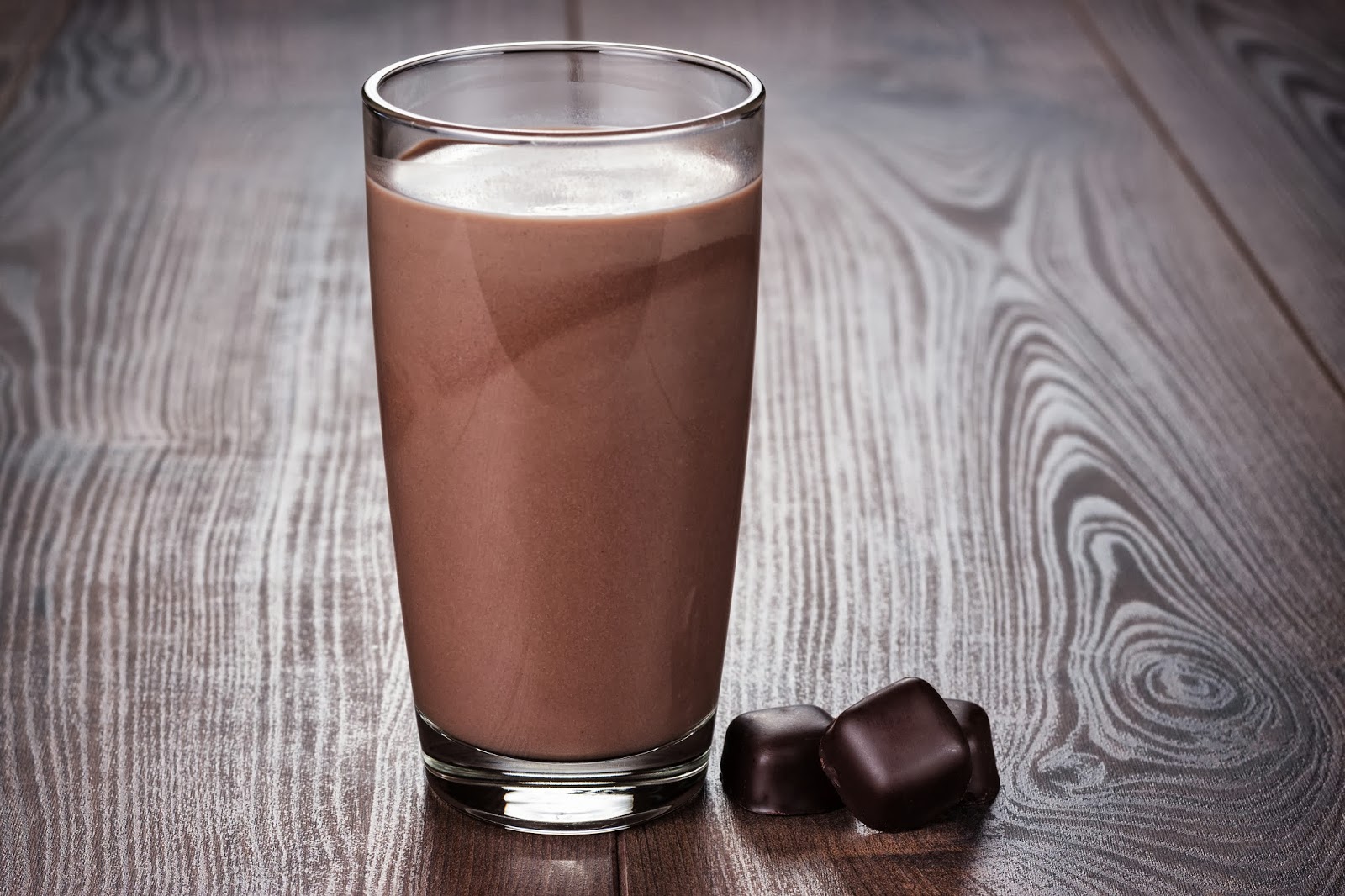
Chocolate Milk For Post-Workout: A Look at the Research

Over recent years, there has been a massive initiative to promote chocolate milk as “the best” drink for post-training recovery. Milk advertisers use very high level athletes as spokespersons to sell a product to people who are indeed active, but often very far from the training level of an Olympic athlete.
Nautilus Plus is participating to this initiative: “Whether you are a professional athlete or a weekend sports enthusiast, recover from your next training faster with the Ultimate Chocolate Milk®.”(1) Do we really need to fill ourselves with all this added sugar after our training?
One litre of chocolate milk contains up to 100 to 110 g of sugar!!! The quantity of sugar that the body can absorb is limited. In fact, the sugar will be stored in the liver and muscles in the form of glycogen, which only represents 5 % of the body’s total energy reserves (2). If your objective is, as for the majority of people, to lose fat, you need to remember this: to allow yourself to consume a supplement rich in carbohydrates after your training, you will have to have emptied or seriously depleted your glycogen stores in order for the extra sugar absorbed to be used to renew your glycogen stores. And if you absorb more sugar than you need to renew your reserves, it will be transformed into fat (3).
Scientific studies
Many scientific studies have been done on sports nutrition supplements and some included chocolate milk. The purpose of these studies was to determine which mixture of molecules, and in what proportion, best promotes post-training recovery as well as athletic performance. Almost all these studies followed this particular protocol:
- Study participants were subjected to intense exercise at 70 to 85% of their VO2 max during 1 to 3 hours. The purpose of this step was to considerably reduce the muscle and hepatic glycogen stores since 70 to 80% of the energy spent at 85% VO2 max is derived from glycogen. Under 65% of VO2 max, mostly fatty acids are used (4, 5).
- A recovery period between 4 and 8 hours followed to allow the participants to replenish their glycogen stores with the various sports nutrition supplements covered in the study.
- Participants were then subjected to a second high intensity exercise (VO2 max between 70 and 85%) until exhaustion (loss of 85 to 95% of their hepatic glycogen and 65 to 85 % of their muscle glycogen) (6). The difference in time or distance between the performances will determine which sports nutrition supplements helped the athlete the most to recuperate between the two sessions.
.
The role of these sports nutrition supplements is therefore to replenish as quickly and efficiently as possible the glycogen stores which were SIGNIFICANTLY depleted during the first training, in order to allow a second intense performance within 4 to 8 hours.
This situation is certainly frequent among Olympic athletes or athletes from the Tour de France who train several times per day or several days in a row at extreme intensities, but what about other people? Is chocolate milk a good supplement for “weekend athletes” or people who train leisurely, three of four times per week?
After your leisure strength training?
For a person who does resistance strength training, the glycogen stores will fall by 25 to 40 % after an intense strength training (7 to 12), which is relatively little. The glycogen stores lost during the training will be rebuilt through normal nutrition, WITHOUT ANY SUPPLEMENTS, within 24 hours of the training. However, some people consider it very important to MAXIMIZE the production of lean muscle mass. So the rapid intake of PROTEIN supplements after the training (within 1 hour if possible, up to 3 hours later) is important since it promotes maximum muscle synthesis(13 to 33). Recently, a research team questioned this principle claiming that it would be the total quantity of proteins ingested each day that would prevail over the moment at which they are ingested (34, 35). The same team also mentioned that if a “window” for taking a protein supplement and maximizing the production of lean muscle mass does exist, it would rather span over a 4 to 6 hour period following the strength training.
According to various recent studies, 20 to 25g of proteins would be the recommended amount to take after a resistance training (25, 33, 36). Witard et al., 2014 consider that 20 g of whey protein containing approximately 2 g of leucine optimally stimulates muscle synthesis (33). A litre of chocolate milk contains approximately 30g of proteins, including 80% of micellar casein and 20% of whey (37). Studies on post-training muscle synthesis clearly show the very poor efficiency of micellar casein for this purpose (26, 28, 38, 39, 40) because it precipitates in the stomach and the absorption of amino acids responsible for muscle synthesis is therefore very slow (26, 41, 42, 43). One argument that is often used by chocolate milk advocates is that milk (skim) is more efficient than soy protein or casein to promote muscle synthesis (23, 24). That’s true! It is actually the 20% of whey proteins contained in the milk that makes it efficient for muscle regeneration (26, 28, 40). What they don’t say is that purified whey protein (concentrate or isolate) is the best all around for lean muscle mass gain (26, 28, 40, 44, 45, 37) and, consequently, is better than milk. Whey protein is very rich in BCAA and is quickly absorbed by the intestine, as opposed to casein which is absorbed slowly. Therefore, why take a milk supplement if a whey protein shake is more efficient? Not only does chocolate milk contain large quantities of casein, but it can also contain saturated fat (if it’s full fat) as well as a large quantity of added simple sugars, on top of the lactose. So, is it useful to add all this sugar to the proteins (which are already not optimal) to maximize muscle synthesis after my resistance training?
Some studies show that carbohydrates (CHO) could inhibit muscle breakdown caused by training (10, 46, 47, 48, 49). A few groups claim that a carbohydrate/protein (CHO:PRO) supplement would facilitate a better muscle synthesis since it would inhibit muscle breakdown (15, 32, 46, 48, 50, 51). Nevertheless, some of these studies did not include a control group for the proteins (PRO) only. So it is difficult to evaluate whether adding CHO to PRO provides an advantage or not over PRO taken separately. As for the few studies that included a control group for the PRO, the quantity used was sub-optimal and was given in the form of amino acids (46, 48, 50). However, when a control group taking PRO optimally is included in the study, adding CHO to PRO did not show any advantage in terms of lean muscle mass gain (49, 52 to 57). CHO: PRO ratios used in the studies on resistance training varied between 1:1 and 3:1 whereas chocolate milk offers a ratio between 3:1 and 4:1. That is a lot of unnecessary sugar!
In turn, adding CHO to protein supplements can be necessary when several INTENSIVE resistance trainings are planned during the same day. In such a case, the athlete must quickly renew its glycogen stores (58, 59). To this end, 1g/kg of weight of CHO should be added to the proteins and consumed immediately after the training; moreover, a meal should follow 2 hours after the training (59, 60). So you must weigh at least 220 lbs and must train intensely more than once a day to allow yourself a litre of chocolate milk. Even then, you won’t achieve optimal results because of the casein, which constitutes 80% of the total proteins, and because of the 2:1:0.46 (glucose:fructose:galactose) ratio of the various sugars present in the chocolate milk (61).
The fructose contained in chocolate milk comes from high fructose corn syrup (which has a very bad reputation) and from sucrose (1 glucose +1 fructose). In 2004, Bray GA et al. suggested that the obesity epidemic in the United-States was related to the HFCS found everywhere and in large quantities in our nutrition (62). However, the new report published by The International Journal of Obesity, 2015 (63) suggests that this epidemic cannot be linked to HFCS due to the lack of evidence demonstrating that HFCS would be worse than table sugar (sucrose) (63, 64, 65). Yet, chocolate milk contains both of these additives. The fructose contained in almost equal quantities in both these additives could be linked to obesity (66, 67). Some scientists are reluctant to establish such a link (63, 64). A small quantity of fructose consumed every day, such as normal consumption of fruits, is harmless. Unfortunately, fructose is now added in almost all processed food. So it’s easy to exceed the healthy daily quantities of “natural” fructose. The body metabolises fructose differently from glucose. The liver metabolises 70% of the blood fructose (compared to 15 to 30% for the glucose) (38) and will leave the remaining 30% to the other tissues, namely the kidneys, the testicles, the fatty tissues, the brain and the skeletal muscle (69). So the muscles will absorb a negligible amount of fructose (68). A large consumption of fructose can contribute to the development of the metabolic syndrome, consisting in weight gain, increased resistance to insulin, hypertension, and elevated triglyceride in the blood stream (67, 69). High quantities of fructose are also associated to increased cholesterol, LDL particles and visceral obesity (69).
After an intense cardiovascular training, such as a marathon, when the glycogen stores in the liver are low, the fructose present in a sports nutrition supplement will be used to replenish the hepatic stores. Furthermore, for marathon runners performing at high intensities for a long period of time, the intake of fructose in the form of supplements DURING performance at a ratio of 2:1 (glucose/maltodextrin:fructose), offers a definite advantage because it allows faster absorption of sugars through the intestines since different transporters are used for these two sugars. The supplement would also improve gastro-intestinal comfort and would increase these athletes’ performance (70 to 76). If, however, the quantity of fructose consumed is higher than what is needed to replenish the hepatic stores, the surplus could potentially be converted into fat (66). So for people who do resistance training, consuming fructose is of no value. Conclusion? If you need CHO to perform well during your second strength training, you should add glucose/maltodextrin to your whey proteins, in order to avoid consuming fructose unnecessarily.
Finally, at the beginning of 2015, Stuart M. Phillips’ team established that drinking 500ml of chocolate milk every day (18g of proteins) as a supplement, while following a resistance program three times per week over a period of twelve weeks, has no effect on muscle hypertrophy or on strength gain compared to a control group taking no supplements (77).
What about after leisure endurance training?
Many active people do endurance training several times per week such as jogging, spinning, swimming, etc. for one hour. The extent of the muscle and hepatic glycogen loss will vary according to the effort expended. To consume glycogen as a primary source of energy, the level of effort intensity must reach 70% and must be maintained for an extended period of time (4, 5, 78). Laboratory experiments have shown that glycogen stores decline by 50 to 75% after 3 hours of cycling at 70% of VO2max (79, 80). By increasing the effort to 80% of VO2max, you can continue your activity for 2 hours before running out of glycogen. Another example is that the glycogen stores depletion of marathon runners occurs, for 40% of them, around the 34th kilometre, commonly called “the wall”, when they sustain an effort of approximately 80% of VO2max(81, 82, 83) during more than 2h30. Do you think you will be burning as much glycogen during your hour of spinning?
The glycogen stores lost during the training, even if this loss is significant, will be rebuilt through normal nutrition, WITHOUT ANY SUPPLEMENTS, within 24 hours of the training (84,85). Moreover, the meal frequency will have no incidence if the post-exercise recovery happens over more than 24 hours (85, 86, 87). It is unnecessary for someone coming out of an hour of spinning or jogging to ingest all the added sugars contained in chocolate milk since the subsequent meals will contain sufficient carbohydrates (CHO) to replenish the poorly depleted glycogen stores. Therefore, the person will be ready for the next training a few days later.
Without being Olympic athletes, some people will train intensely and frequently during a week. In such case, the quantity of CHO these people consume every day must be adjusted, spread throughout their meals according to the frequency and intensity of their training. Burke et al. 2011 recommend to take a quantity of CHO every day, depending on the type of training performed (intensity and duration) to allow for a good glycogen resynthesis during the 24 hours following the training (88).
If the objectives of the person doing endurance training don’t include maximum muscular development, the muscle regeneration following an effort, namely the replenishment of glycogen stores, will occur normally with the proteins contained in the subsequent meal, when taken in sufficient quantity.
Supplements are necessary when training sessions are very intense and close together (a few hours) and require to quickly replenish the glycogen stores (in less than 24 hours).
What about high level athletes? (1.3% of the American population are athletes and of which 0.006% are professional athletes) (89).
Although chocolate milk is not intended for Olympic athletes, choosing such athletes as spokesperson to promote chocolate milk as a post-training supplement is almost an obligation; indeed, practically only these athletes could ultimately use chocolate milk as a sports nutrition supplement. Moreover, most studies carried out on the subject are done in a top level training context. But is chocolate milk, as alleged by the television commercials, a good choice for this 1% of the population ?
The purpose of a supplement is to promote fast recovery between two trainings done very close together, mainly by QUICKLY regenerating the glycogen stores. So the muscle glycogen resynthesis speed is important. It was established that this synthesis is faster when CHO are taken right after the training (90, 91, 92) and can be maintained during 6 hours with frequent intake of this supplement (69, 90, 93). Delaying the intake of CHO by 2 hours decreases the resynthesis speed by 50% (16,90). This is particularly important for a fast recovery but is unnecessary for recovery over 24 hours or more (87). OPTIMALLY, the quantity of CHO should be 1.0 to 1.2g/kg of weight/h (94, 95, 96), consumed at 15 to 30 min intervals (97). At this volume and frequency, CHO alone are sufficient to ensure an optimal glycogen synthesis. Sure! But chocolate milk doesn’t only contain CHO!
Is it useful to add proteins to CHO? (98)
To determine which supplement is the best one, we need to compare the different supplements. It is difficult to compare the studies that analyze the effect of adding proteins to a CHO supplement because several variables differ: 1) intensity (% of VO2max) and duration of the first exercise that aims at reducing the glycogen stores 2) choice of exercise (jogging or cycling) 3) various types of supplements consumed (isocaloric or not, as well as the chosen sugars and proteins) 4) control groups used (lack of placebo or other control groups) 5) carbohydrates:protein ratios (CHO:PRO) will vary between 2:1 (Berardi et al. 2006/2008) (99, 100) and 6.2:1 (Betts et al. 2005) (101) 6) duration and intensity of the second performance (% of VO2max).
Nonetheless, it’s possible to draw certain conclusions.
1: Importantly, the drinks studied must be isocaloric (must contain the same amount of calories) :
Some studies show a performance improvement post-recovery when proteins (PRO) are added to CHO versus a control group taking only CHO (102 to 105). However, the quantity of calories between the two drinks was not adjusted, so it wasn’t possible to determine if the performance improvement could be attributed to the addition of proteins or to the aaddition of energy.
2: It is important to compare the CHO+PRO supplement to a control group taking CHO optimally (1.0 to 1.2g/kg of weight/h) AND which is isocaloric:
Some studies show that the addition of proteins to the CHO supplement improves the second performance when compared to a control group taking a CHO only supplement. But this supplement was given sub-optimally during recovery (96, 102, 104, 106, 107). When the control group took the CHO supplement OPTIMALLY, the studies did not show any improvement in the second performance when proteins were added to the mix, even with variable ratios. (95, 96, 101 to 115, 116). A study showed, however, an advantage (100) (see the “Ratio” section).
So the athlete can chose between taking a mix of CHO + PRO, when it is impossible to optimally take a CHO supplement during recovery (1.2g/kg/h every 30 min during 3 to 4 hours) (94, 95, 96, 117). This indeed makes for a lot of CHO to ingest. But at which ratio must the athlete take its proteins?
3: Ratio
Advocates of chocolate milk allege that a ratio of 4:1 is best to support athletic recovery. This belief comes from one of the early studies done on the subject and which showed that a sports nutrition supplement, Endurox R4, containing 4:1 CHO: PRO offered a performance advantage when compared to a control group taking CHO, namely Gatorade (102). However, Endurox R4 contained two and a half times more CHO than Gatorade, in addition to the whey proteins, which gave it almost four times more calories than the Gatorade supplement consumed SUB-OPTIMALLY by the participants. It is obvious that in these conditions, Endurox R4 improved performance compared to Gatorade given the significant difference in CHO and energy consumed between the two drinks. Since the ratio used in this study was 4:1, which is the same as the chocolate milk ratio, the dairy industry took the opportunity to pretend it was the best ratio. Nonetheless, research continued and more recent studies show that ratios containing less sugar are as efficient, if not more, than a 4:1 ratio. Berardi et al. 2008 show an advantage on the second performance with the CHO: PRO mix at a ratio of 2:1 (CHO: 0.8kg/kg/hand PRO: 0.4kg/kg/h), over the control group taking the CHO supplement optimally (100, 117). So why add more sugar than necessary with a ratio of 4:1 if it offers no advantage?
Studies done on chocolate milk (McLellan TM et al. 2014 (98)) :
There are 5 major studies comparing chocolate milk to a few other sports drinks during a short term recovery between two performances. (118, 119, 120, 121, 122)
- None of these 5 studies explained how the chocolate milk taste was reproduced for the control groups. If the athletes know which type of supplement they are given, it can certainly influence the results; in such a case, the study is no longer “blind”.
- Some studies did not include a placebo or a sub-optimal CHO supplement for the control group (118, 122).
- 4 studies on 5 did not administer the supplement optimally (118, 119, 120, 121). The fifth study did so for the first recovery hour only (122).
- Pritchett et al. 2009 show that chocolate milk (3.8:1) offers no advantage for the second performance over Endurox R4 (3.8:1, isocaloric and same quantity of CHO) (118).
- The other four studies indicated that chocolate milk presented an advantage for the second performance compared to the other drinks studied (119, 120, 121, 122). On the other hand, the studies also present other shortfalls:
For Karp et al. 2006 and Thomas et al. 2009, the glycogen stores reduction protocol was not standardized during the first training(119, 120). That means that the energy expenditure varies a lot from one person to another, even for each individual, from one training session to another. So some groups used more glycogen than others before starting the recovery phase. For Karp et al. 2006 for example, (similar to Thomas et al. 2009), the chocolate milk group (60.8 min) had trained 16% less than the CHO + PRO control group taking Endurox R4 (72.6 min), but equally to the Gatorade group (sub-optimal). These differences can explain the superior performance of the chocolate milk group during the second training. Furthermore, we must report that the study by Karp et al. 2006 was partly financed by the Dairy and Nutrition Council Inc (119).
In the study by Lunn et al. 2012, chocolate milk is compared to a control group taking CHO optimally during the first hour of recovery (122). Despite the fact that the regeneration of the glycogen stores was equal between the two groups, the performance of the chocolate milk group was superior to that of the CHO control group during the second performance (difference of a few seconds). However, the intensity of the second performance was at 100% VO2max and lasted a very short time (203 vs 250 sec). In these very high intensity and very short duration conditions, the more or less important level of muscle glycogen stores before the effort don’t seem to influence performance (123, 124, 125, 126), as opposed to a lower intensity and longer duration performance. So optimally replenishing the glycogen stores is probably not that important in this case. Even the authors admit that the type of test used and the inability to mask the taste of the chocolate milk may have influenced the results. The authors challenge this by emphasizing that the purpose of their study was to show that chocolate milk promotes a better muscle synthesis compared to CHO alone (122). Milk contains proteins whereas the CHO of the control group contained none. So it is not surprising that the results show that chocolate milk increases muscle synthesis. A control group also taking proteins would have certainly given results similar to the chocolate milk, and possibly even better results if whey protein would have been used.
The study by Furguson-Stegall et al. 2011 compared a chocolate milk ratio smaller than 3:1 to an isocaloric CHO drink and to a placebo (water) (121). The drinks were given sub-optimally. The performance of the chocolate milk group was superior by a few minutes during the second training (40km of cycling) compared to the CHO control group. Nonetheless, the glycogen resynthesis was better with the CHO control group, a result that is slightly contradictory. This study was financed by a Chair established by The National Dairy Council, as well as The National Fluid Milk Processor Promotion Board.
Therefore, the contradictory results, the lack of control groups, the questionable protocols and the inability to obtain blinded studies, do not allow to claim without any doubt that chocolate milk is the best supplement compared to the other supplements studied. The number of serious studies on chocolate milk will have to be considerably larger. Furthermore, these studies will have to be done more independently (not financed by the dairy industry, for example) to achieve more conclusive results.
It should be noted that chocolate milk has not been compared to a supplement offering a ratio of 2:1 previously shown to offer better performances than a CHO supplement taken optimally by Berardi et al. 2008 (100). For comparison purposes, a 200lbs (90kg) man who ingests a supplement offering a ratio of 2:1 will consume 72g of CHO/h instead of 85g/h for a chocolate milk supplement taken optimally. So this represents approximately 40g less of added sugar consumed, during a 3 hour recovery, to achieve the same result, if not better.
The composition of the supplement used by Berardi et al. 2008 is also very different from that of chocolate milk; it contained 33% of maltodextrin, 33% of glucose and 33% of whey (100). So in addition to the ratio, the choice of nutrients is important.
4: CHO
Maltodextrin (MD) seems to be the ideal sugar for muscle glycogen resynthesis after an intense effort. Piehl-Aulin et al. 2000 have shown that a supplement containing very high molecular weight polyglucosides such as maltodextrin would be 25% more efficient for muscle glycogen synthesis than a low molecular weight glucose, maltose or oligomer supplement (127). This would be due to the faster absorption rate of sugars by the intestines, as well as an increased rate of gastric emptying. As seen previously, while the addition of fructose to MD (ratio 2:1, MD: FRU) represents a major advantage DURING a long performance (more than 2h30) such as a marathon(128), it seems that for the rapid muscle glycogen resynthesis between two performances, the addition of fructose or galactose to MD offers no advantage (129). Regarding sucrose (glucose: fructose), no advantage was observed concerning glycogen resynthesis when compared to glucose alone (69, 129, 130, 131, 132), nor during the second performance (129 to 131). Again, we notice that the fructose and galactose portion found in chocolate milk is not useful for the post-training recovery.
5: Proteins
As for strength training, the type of proteins added to the CHO as a post-training supplement is important. However, few studies compare the different types of proteins and their effects on the glycogen resynthesis speed during a short term recovery. Morifuji et al. 2010 have shown, in rats, that adding whey hydrolysate to CHO is more efficient for glycogen synthesis than the CHO control group, followed by non-hydrolysed whey and BCAA. Casein ranked dead last, having no significant effect on glycogen synthesis compared to the intake of glucose alone (133). A large proportion of studies on athletic recovery used hydrolysed or non-hydrolysed whey protein isolate as a source of proteins in their mixes. The advantage over the chocolate milk proteins (mainly consisting of casein) is that in addition to being absorbed faster, the whey protein allows a higher protein concentration mix while restricting the volume to be consumed. It is a non-negligible advantage for the athletes as well as for achieving ratios of 2:1, for example.
Lactose
Milk contains 25g of lactose per 500ml. The capacity to break down lactose into glucose and galactose molecules depends on the presence of the lactase enzyme in the small intestine. “Normally” in humans, the presence or activity of lactase is very strong at the beginning of childhood and starts declining after the child is weaned until it almost disappears in adulthood. The person is then unable to digest lactose for the rest of his or her life (134, 135, 136). Between 65 and 70% of the world population is unable to digest lactose once they reach adulthood (137, 138). So only 30 to 35% of the population can actually digest lactose. Why? During the human evolution, four different mutations occurred, namely a major one that occurred in Europe, which kept the lactase gene active and thus allowing some Caucasians to digest lactose during all their life(137 to 139). These European Caucasians travelled, reached America and gave their descendants the possibility to also carry this mutation. Despite this, approximately 21% of North Americans who have problems digesting lactose are Caucasians (140). The ability to digest lactose is directly linked to the quantity of lactase produced by the intestine (134 to 136) and this quantity varies from one person to another. So some people have more difficulty than others to digest this sugar even though it may not be a true intolerance, rather an incomplete digestion that can sometimes be asymptomatic (140 to 143).
Making up 50% of the sugar contained in chocolate milk, we must seriously question the lactose digestion capacity to quickly regenerate the glycogen stores post-training, if we take into account the differences in the quantities of lactase present in the intestines of each individuals. It was shown that adding sugar (144, 145, 146, 147), fat (147) or chocolate (144, 145) in milk slows down the digestion process. This slowing down certainly promotes a better digestion of the lactose by the lactase present in various amounts, but does make digestion more efficient ? Since it can be very difficult for some people, around the world, to digest lactose, chocolate milk could only be used by a very small portion of athletes, which already represent a tiny portion of the population.
Who promotes chocolate milk?
Besides dairy producers in Quebec and Canada, many nutritionists promote chocolate milk as an ideal post-training supplement. The most relevant comment made to this effect by a nutritionist is the comment from Isabelle Charêt, coach and triple medallist in speed skating at the 1994, 1998 and 2002 winter Olympics (148). She says that chocolate milk would be a lot more useful to people who train intensively: “Someone who goes to the gym three times a week has plenty of time to recover. But I still recommend to drink chocolate milk because people in general don’t drink enough milk.” Ah! But that’s the issue! We have to drink milk!
I will not go into further detail on this subject, but very recently (2013), a team from Harvard University acknowledged publicly the need to decrease to less than two portions per day, or to stop all together, our milk consumption (149, 150). The powerful dairy industry lobby, which represents a third of Quebec’s agriculture and 5 billion dollars of Canadian GDP, imposed itself to maintain the dominant position dairy products hold in the Canadian food guide (151). Nonetheless, the following question remains: is it necessary to include chocolate milk in our diet? Many scientists seem to think that it’s not (149, 150, 151, 152).
Conscious of the extent of the damages caused by the overconsumption of added sugars to human health, how can we encourage the consumption of such sugars just to impose a supplement that is increasingly considered as unnecessary to our health?
Conclusion? If you enjoy a glass of chocolate milk once in a while, as a treat, it’s no big deal! But if milk commercials encourage you to drink one after each of your trainings, and you are not an Olympic athlete (and even then…), I hope you’ll think twice about it.
You know the saying: When it seems too good to be true…
References :
1. http://www.nautilusplus.com/courriel/e-magazine/avril2011/pdf/Chronique_Saputo_fr.pdf
2. McArdle W, Katch, F & Katch. V. (2001). Carbohydrates, lipids, and proteins. In P. Darcy (Ed.), Exercise physiology (Vol. 5, pp. 11-13). Baltimore, MD: Lippincou Williams & Wilkins.
3. Charkas A & Golota S. (2014). An intermittent exhaustion of the pool of glycogen in the human organism as a simple universal health promoting mechanism. Medical hypotheses. 82 : 387-389
4. Romijn JA, Coyle EF, Sidossis et al. (1993). Regulation of endogenous fat and carbohydrate metabolism in relation to exercise intensity and duration. Am J Physiol Endocrinol Metab. 265, E380-E391.
5. Holloszy JO & Hohrt WM. Regulation of carbohydrate and fat metabolism during and after exercise. Annu Rev Nutr. 16, 121-138. 1996
6. Gregory Tardie, Ph.D. U.S. Sports Academy in Sports Coaching, Sports Exercise Science, Sports Studies and Sports Psychology. http://thesportjournal.org/article/glycogen-replenishment-after-exhaustive-exercise/
7. Tesch PA, Colliander EB, Kaiser P. (1986). Muscle metabolism during intense, heavy-resistance exercise. Eur J Appl Physiol Occup Physiol. 55(4) :362-6
8. Essen-Gustavsson B, Tesch PA. (1990). Glycogen and triglyceride utilization in relation to muscle metabolic characteristics in men performing heavy-resistance exercise. Eur J Appl Physiol Occup Physiol. 61(1-2) :5-10.
9. Robergs RA, Pearson DR, Costill DL et al. (1991). Muscle glycogenolyse during differing intensities of weight-resistance exercise. J Appl Physiol. 70(4) :1700-1706.
10. Roy BD, Tarnopolsky MA, MacDougall JD et al. (1997). Effect of glucose supplement timing on protein metabolism after resistance training. J Appl Physiol. 82 :1882-1888
11. MacDougall JD, Ray S, McCartney N, et al. (1999). Muscle substrate utilization and lactate production during weight lifting. Can J Appl Physiol. 24(3) :209-215.
12. Haff GG, Koch AJ, Potteiger JA, Kuphal KE, et al. (2000). Carbohydrate supplementation attenuates muscle glycogen loss during acute bouts of resistance exercise. Int J Sport Nutr Exerc Metab. 10 : 326-339.
13. Phillips SM, Tipton KD, Aarsland A et al. (1997). Mixed muscle protein synthesis and breakdown after resistance exercise in human. Am J Physiol. 273 :E99-E107.
14. Tipton KD, Ferrando AA, Phillips SM et al. (1999). Postexercise net protein synthesis in human muscle from orally administered amino acids. Am J Physiol. 276 : E628-E634.
15. Rasmussen BB, Tipon KD, Miller SE, Wolf RR. (2000). An oral essential amino acid-carbohydrate supplement enhances muscle protein anabolism after resistance exercise. J Appl Physiol. 88 :386-392.
16. Levenhagen DK, Gresham JD, Carlson MG et al (2001). Post-exercise nutrient intake timing in humans is critical to recovery of leg glucose and protein homeostasis. Am J Physiol Endocrinol Metab. 280, E982-E993
17. Esmarck B, Andersen JL, Olsen S et al. (2001). Timing of postexercise protein intake is important for muscle hypertrophy with resistance training in elderly humans. J Physiol. 15 :535 :301-11
18. Tipton KD, Rasmussen BB, Miller SL et al. (2001). Timing of amino acid-carbohydrate ingestion alters anabolic response of muscle to resistance exercise. Am J Physiol Endocrinol Metab. 281 : E197-E206
19. Borsheim E, Tipton KD, Wolf SE, Wolfe RR(2002). Essential amino acid and muscle protein recovery from resistance exercise. Am J Physiol Endocrinol Metab. 283 :48-57
20. Lemon PW, Berardi JM, Noreen EE. (2002). The role of protein and amino acid supplements in the athlete’s diet : does timing of ingestion matter ? Curr Sport Med Rep. 1(4) :214-221.
21. Volek JS. (2004). Influence of nutrition on responses to resistance training. Med Sci Sports Exer. 36 :689-96
22. Cribb PJ, Hayes A. (2006). Effect of supplement timing and resistance exercise on skeletal muscle hypertrophy. Med Sci Sport Exerc. 38 :1918-1925.
23. Wilkinson S, Tarnopolsky M, MacDonald M, et al. (2007). Consumption of fluid skim milk promotes greater muscle protein accretion after resistance exercise than does consumption of an isonitrogenous and isoenergetic soy-protein beverage. Am J Clin Nutr. 85 (4) :1031-40
24. Hartman J, Tang JE, Wilkinson S, Tarnopolsky M, et al. (2007). Consumption of fat-free fluid milk after resistance exercise promotes greater lean mass accretion than does consumption of soy or carbohydrate in young, novice, male, weightlifters. Am J Clin Nutr. 86 (2) :373-81
25. Moore DR, Robinson MJ, Fry JL, Tang JE, et al.(2009). Ingested protein dose response of muscle and albumin protein synthesis after resistance exercise in young men. Am J Clin Nutr. 89(1):161-8.
26. Tang JE, Moore DR, Kujbida G, Tarnopolsky M, Phillips S. (2009). Ingestion of whey hydrolysate, casein, or soy protein isolate : effect on mixed muscle protein synthesis at rest and following resistance exercise in young men. J Appl Physiol .107(3) :987-92.
27. West DW, Burd NA, Coffey VG et al. (2011) Rapid aminoacidemia enhances myofibrillar protein synthesis and anabolic intramuscular signalling responses after resistance exercise. Am J Clin Nutr. 94 : 795-803.
28. Burd N, Yan Y, Moore DR, Tang JE, et al. (2012). Greater stimulation of myofibrillar protein synthesis with ingestion of whey protein isolate v. micellar casein at rest and after resistance exercise in eldery men. Br J Nutr. 108 :958-62.
29. Churchward-Venne TA, Burd NA, Mitchell CJ, West DW, et al. (2012). Supplementation of a suboptimal protein dose with leucine or essential amino acids: effects on myofibrillar protein synthesis at rest and following resistance exercise in men. J Physiol. 1;590(Pt 11):2751-65.
30. Churchward-Venn TA, Burd NA, Phillips SM et al. (2012). Nutritional regulation of muscle protein synthesis with resistance exercise : strategies to enhance anabolism. Nutr Metab. 9 :40.
31. Tipton KD, Phillips SM. (2013). Dietary protein for muscle hypertrophy. Nestlé Nutr Inst Workshop Ser. Vol 76 :73-84
32. Mori H. (2014). Effect of timing of protein and carbohydrate intake after resistance exercise on nitrogen balance in trained and untrained young men. J Physiol Anthropol. 33 :24
33. Witard OC, Jackman SR, Breen L, et al. (2014). Myofibrillar muscle protein synthesis rates subsequent to a meal in response to increasing doses of whey protein at rest and after resistance exercise. Am J Clin Nutr. 99(1):86-95
34. Schoenfeld BJ, Aragon AA Krieger JW. (2013). The effect of protein timing on muscle strength and hypertrophy : a meta-analysis. J Int Soc Sports Nutr. 10(1):53.
35. Aragon AA, Schoenfeld BJ. (2013) Nutrient timing revisited : is there a post-exercise anabolic window ? J Int Soc Sports Nutr. 10 (1):10-15.
36. Churchward-Venne T, Breen L, Di Donato D et al. (2014). Leucine supplementation of a low protein mixed macronutriment beverage enhances myofibrillar protein synthesis in young men : a double-blind, randomized trial. Am J Clin Nutr. 99(2) :276-86.
37. Devries MC & Phillips SM. (2015). Supplemental protein in support of muscle mass and health : Advantage Whey. Journal of Food Science. Vol 80, S1.
38. Cribb PJ, Williams AD, Hayes A, Carey MF. (2006). The effect of whey isolate on strength, body composition and plasma glutamine. Int J Sport Nutr exer Metab. 16 :494-509.
39. Koopman R., Crombach N., Gijsen, A.P., Walrand, S et al. (2009). Ingestion of a protein hydrolysate is accompanied by an accelerated in vivo digestion and absorption rate when compared with its intact protein. Am J Clin Nutr. 90. 106-115.
40. Penning B, Boirie Y, Senden J, Gijsen A, Kuipers H, van Loon L. (2011). Whey protein stimulates postprandial muscle protein accretion more effectively than do casein and casein hydrolysate in older man. Am J Clin Nutr. 93(5) :997-1005
41. Boirie Y, Dangin M, Gachon P, Vasson M, et al. (1997). Slow and fast dietary proteins differently modulate postprandial protein accretion. Proc Nath Acad, Sci USA. 94 :14930-5.
42. Mahe S, Roos N, Benamouzig R, Davin, L, et al. (1996). Gastrojejunal kinetics and the digestion of [15N]beta-lactoglobulin and casein in humans: the influence of the nature and quantity of the protein. Am J Clin Nutr. 63: 546–552.
43. Bos C, Metges CG, C, Petzke K, et al. (2003). Postprandial kinetics of dietary amino acids are the main determinant of their metabolism after soy or milk protein ingestion in humans. J Nutr. 133 :1308-15
44. Yang Y, Churchward-Venn T, Burd N, Breen L, et al. (2012). Myofibrillar protein synthesis following ingestion of soy protein isolate at rest and after resistance exercise in elderly men. Nutr Metab. (Lond) 9 :57
45. Volek JS, Volk BM, Gómez AL, et al. (2013). Whey protein supplementation during resistance training augments lean body mass. J Am Coll Nutr. 32(2):122-35
46. Miller SL, Tipton KD, Chinkes DL et al. (2003) Independent and combined effect of amino acids and glucose after resistance exercise. Med. Sci Sports Exerc. (35); 3 :449-455
47. Børsheim E, Cree MG, Tipton KD, et al. (2004) Effect of carbohydrate intake on net muscle protein synthesis during recovery from resistance exercise. J Appl Physiol. (1985). 96(2): 674-8.
48. Bird SP, Tarpenning KM, Marino FE. (2006). Independent and combined effects of liquid carbohydrate/essential amino acid ingestion on hormonal and muscular adaptations following resistance training in untrained men. Eur J Appl Physiol. 97(2) :225-38.
49. Glynn EL, Fry CS, Drummond MJ et al. (2010). Muscle protein break-down has a minor role in the protein anabolic response to essential amino acid and carbohydrate intake following resistance exercise. Am J Physiol. 299 : R533-40.
50. Rasmussen BB, Phillips SM. (2003). Contractile and nutritional regulation of human muscle growth. Exerc Sport Sci Rev. 31 :127-131.
51. Borsheim E, Aarsland A, Wolfe RR. (2004). Effect of an amino acid, protein, and carbohydrate mixture on net muscle protein balance after resistance exercise. Int J Sport Nutr Exerc Metab. Jun;14(3):255-71.
52. Cribb PJ, Williams AD, Hayes A. (2007). Creatine-protein-carbohydrate supplement enhance response to resistance training. Med Sci Sport Exerc. 39 :1960-8.
53. Koopman R, Beelen M, Stellingwerff T, Pennings B, et al. (2007). Coingestion of carbohydrate with protein does not further augment postexercise muscle protein synthesis. Am J Physiol Endocrinol Metab. 293(3) :E833-E842.
54. Staples AW, Burd NA, West DW, Currie KD, et al. (2011). Carbohydrate does not augment exercise-induced protein accretion versus protein alone. Med Sci Sports Exerc. 43(7) :1154-1161.
55. Glynn EL, Fry CS, Timmerman KL, Drummond MJ, Volpi E, Rasmussen BB. (2013). Addition of carbohydrate or alanine to an essential amino acid mixture does not enhance skeletal muscle protein anabolism. J Nutr. 143(3) :307-314.
56. Gorissen SHM, Burd NA, Henrike M et al. (2014). Carbohydrate coingestion delays dietary protein digestion and absorption but does not modulate prostprandial muscle protein accretion. J Clin Endocrinol Metab. 99(6) :2250-2258.
57. Pasiakos SM, McLellan TM, Lieberman HR. (2015). The effects of protein supplements on muscle mass, strength, and aerobic and anaerobic power in healthy adults : A systematics review. Sports Med. 45 :111-131.
58. Pascoe DD, Costill DL, Fink WJ et al. (1993). Glycogen resynthesis in skeletal muscle following resistive exercise, Med Sci Sports Exerc. 25 :349-354.
59. Roy BD, Tarnopolsky. (1998). Influence of different macronutrient intakes on muscle glycogen resynthesis after resistance exercise. J Appl Physiol. 72 :1854-1859.
60. Ivy JL, Ferguson LM. (2010). Optimizing Resistance exercise Adaptations through the timing of post-exercise Carbohydrate-protein supplementation. Strength and Conditioning Journal. Vol 32, No1, 30-36.
61. http://voluntocracy.org/Fructose/
62. Bray GA, Nielsen SJ, Popkin BM. (2004). Consumption of high-fructose corn syrup in beverages may play a role in the epidemic of obesity. Am J Clin Nutr. 79(4):537-43.
63. White JS , Hobbs LJand Fernandez S. (2015). Fructose content and composition of commercial HFCS-sweetened carbonated beverages. International Journal of Obesity. 39, 176–182
64. Moeller SM, Fryhofer SA, Osbahr AJ 3rd,et al. (2009). The effect of high fructose syrup. J Am Coll Nutr. 28(6) :619-626
65. White JS. (2008). Straight talk about high-fructose corn syrup : what it is and what it ain’t. Am J Clin Nutr. 88 (suppl) :1716S-21S.
66. Parks EJ, Skojan LE, Timlin MT et al. (2008). Dietary sugars stimulate fatty acid synthesis in adults. J Nutr. 138 :1039-46.
67. Tappy L, Lê KA, Tran C, Paquot N. (2010) Fructose and metabolic diseases : New finding, new questions. Nutrition. 26 : 1044-1049.
68. Kolderup A & Svihus B (2015). Fructose Metabolism and Relation to Atherosclerosis, Type 2 Diabetes, and Obesity. Journal of Nutrition and Metabolism. 1-12
69. Charrez B, Qiao L and Hebbard L. (2015) The role of fructose in metabolism and cancer. Horm Mol Biol Clin Invest. 22(2): 79–89
70. Jentjens RL, Moseley L, Waring RH et al. (2004). Oxidation of combined ingestion of glucose and fructose during exercise. J Appl Physiol. 96 :1277-1284.
71. Jeukendrup AE, moseley L, Mainwaring GI et al. (2006). Exogenus carbohydrate oxidation during ultra endurance exercise. J Appl Physiol. 100 :1134-41.
72. Rowlands DS, Thorburn MS, Thorp RM et al. (2008). Effect of graded fructose coingestion with maltodextrine on exogenous 14C-fructose and 13C-glucose oxidation efficiency and high-intensity cycling performance. J Appl Physiol. 104 :1709-1719.
73. Currell K & Jeukendrup AE. (2008). Superior endurance performance with ingestion of multiple transportable carbohydrates. Med Sci Sports Exerc. 40 :275-281.
74. O’Brien WJ, Rowlands DS. (2011). Fructose-maltodextrin ratio in a carbohydrate-electrolyte solution differentially affects exogenous carbohydrate oxidation rate, gut comfort, and performance. Am J Physiol Gastrintest Liver Physiol. 300: G181-G189
75. Jeukendrup AE. (2013). Multiple transportable carbohydrates and their benefits. Sports Sci Exchange. 26 (108) : 1-5
76. Robert JD, Tarpey MD, Kass LS, et al. (2014). Assessing a commercially available sports drink on exogenous carbohydrate oxidation, fluid delivery and sustained exercise performance. Journal International Society Sports Nutrition. 11 ;8 : 1-14
77. Mitchell CJ, Oikawa SY, Ogborn DI, Nates NJ, et al. (2015). Daily chocolate milk consumption does not enhance the effect of resistance training in young and old man : a randomized controlled trial. Appl. Physiol. Nutr. Metab. 40 : 1-4
78. Hultman E & Sjöholm H. (1983). Energy metabolism and contraction force of human skeletal muscle in situ during electrical stimulation. J Physiol. 345 : 525-32
79. Bosch AN, Dennis SC & Noakes TD (1994). Influence of carbohydrate ingestion on fuel substrate turnover and oxidation during prolonged exercise. Journal of Applied Physiology (Bethesda, Md.), 76(6). 2364-2372.
80. Bosch AN, Weltan SM, Dennis SC & Noakes TD. ( 1996). Fuel substrate turnover and oxidation and glycogen sparing with carbohydrate ingestion in non-carbohydrate- loaded cyclists. Pflugers Archiv. 432(6), 1003-1010.
81. Buman MP, Brewer BW, Cornelius AE et al. (2008). Hitting the wall in the marathon : Phenomenological characteristics and associations with expectancy, gender, and running history. Psychol Sports Exerc. 9 :177-190.
82. Buman MP, Brewer BW, Cornelius AE. (2009). A discrete-time hazard model of hitting the wall in recreational marathon runners. Psychol Sports Exerc. 10 :662-666.
83. Rapoport BI. (2010). Metabolic factors limiting performance in marathon runners. PLOS Computational Biology. 6: 10: 1-13.
84. Burke LM, Collier GR, Beasley SK, et al. (1995). Effect of coingestion of fat and protein with carbohydrate feeding on muscle glycogen storage. J Appl Physiol (1985). 78(6):2187-2192.
85. Costill DL, Sherman WM, Fink WJ et al. (1981). The role of dietary carbohydrate in muscle glycogen resynthesis after strenuous running. Am J Clin Nutr. 34 :1831-36.
86. Burke LM, Collier GR, Davis PG et al. (1996). Muscle glycogen storage after prolonged exercise : effect of the frequency of carbohydrate feedings. Am J Clin Nutr. 64 :115-119.
87. Parkin JAM, Carey MF, Martin IK et al. (1997). Muscle glycogen storage following prolonged exercise : effect of timing of ingestion of high glycemic index food. Med Sci Sports Exerc. 29 :220-224.
88. Burke LM, Hawley JA, Wong SH, et al. (2011). Carbohydrates for training and competition. J Sports Sci. 29(suppl. 1), S17-S27.
89. http://www.answers.com/Q/What_percentage_of_the_US_population_are_professional_athletes,
90. Ivy JL, Katz AL, Cutler CL et al. (1998). Muscle glycogen synthesis after exercise : Effect of time of carbohydrate ingestion. J Appl Physiol. 64,1480-1458.
91. Price TB, Rothman DL, Taylor R et al. (1994), Human muscle glycogen resynthesis after exercise : insulin-dependent and –independent phases. J Appl Physiol. 76, 104-111.
92. Fallowfield JL, Williams C, Singh R. (1995). The influence of ingesting a carbohydrate-electrolyte beverage during 4h of recovery on subsequent endurance capacity. Int J Sport Nutr Exerc Metab. 5 :285-99
93. Ivy JL, Lee MC, Brozinick JT et al. (1988). Muscle glycogen storage after different amount of carbohydrate ingestion. J Appl Physiol. 65, 2018-2023
94. Ivy JI. (2001). Dietary strategies to promote glycogen synthesis after exercise. Can J Appl Physiol. 26(Suppl.) S236-S245.
95. Jentjens RL, van Loon LJ, Mann CH et al. (2001) Addition of protein and amino acids to carbohydrate does not enhance postexercise muscle glycogen synthesis. J Appl Physiol. 91,839-846.
96. van Loon LJ, Saris WH, Kruijshoop M, et al. (2000) Maximazing postexercise glycogen synthesis : carbohydrate supplementation and the application of amino acids or protein hydrolysate mixtures. Am J Clin Nutr. 72, 106-111
97. Jentjens R, & Jeukendrup A. (2003). Determinants of post-exercise glycogen synthesis during short-term recovery. Sports Médicine (Auckland N.Z.). 33(2). 117-144.
98. McLellan TM, Pasiakos SM, Lieberman HR. (2014). Effect of protein in combination with carbohydrate supplements on acute or repeat endurance exercise performance : a systematic review. Sports Med. 44 :353-550.
99. Berardi JM, Price TB’ Noreen EE, et al. (2006). Postexercise muscle glycogen recovery enhanced with a carbohydrate-protein supplement. Med Sci Sport Exerc. 38 :1106-13.
100. Berardi JM, Noreen EE, Lemon PWR. (2008). Recovery from a cycling time trial is enhanced with carbohydrate protein supplementation vs isoenergetic carbohydrate supplementation. J Int Soc Sports Nutr. 5 :24.
101. Betts JA, Stevenson E, Williams C, et al. (2005). Recovery of endurance running capacity : effect of carbohydrate-protein mixtures. Int J Sport Nutr Exerc Metab. 15 :590-609.
102. Williams MB, Raven PR, Fogt DL, et al. (2003). Effects of recovery beverage on glycogen restoration and endurance exercise performance. J strength Cond Res. 17 :12-9.
103. Ivy JI, Res PT, Sprague RC, et al. (2003). Effect of a carbohydrate-protein supplement on endurance performance during exercise of varying intensity. Int J Sport Nutr exerc Metab. 13 :382-95.
104. Saunders MJ, Kane MD, Todd KM. (2004). Effects of a carbohydrate-protein beverage on cycling endurance and muscle damage. Med Sci Sports Exerc. 36 :1233-8
105. Saunders MJ, Luden ND, Herrick JE. (2007) Consumption of an oral carbohydrate-protein gel, improves cycling endurance and prevents post-exercise muscle damage. J Strength Cond Res. 21 :378-84.
106. Zawadzki KM, Yaspelkis BB, Ivy JL (1992) Carbohydrate-protein complex increases the rate of muscle glycogen storage after exercise. J Appl Physiol. 72,1854-1859.
107. Ivy JI, Goforth HW, Damon BM, et al. (2002). Early postexercise muscle glycogen recovery is enhanced with a carbohydrate-protein supplement. J Appl Physiol. 93 :1337-44.
108. van Hall G, Shirreffs AM, Calbert JAL (2000) Muscle glycogen resynthesis during recovery from cycle exercise : no effect of additional protein ingestion. J Appl Physiol. 88, 1631-1636
109. Carrithers JA, Williamson DL, Gallagher PM et al. (2000) Effects of postexercise carbohydrate-protein feeding on muscle glycogen restoration. J Appl Physiol. 88, 1976-1982
110. Romano-Ely BC, Todd MK, Saunders MJ et al. (2006). Effect of an isocaloric carbohydrate-protein-antioxydant drink on cycling performance. Med Sci Sports Exerc. 38 :1608-16.
111. Betts J, Williams C, Duffy K, et al. (2007). The influence of carbohydrate and protein ingestion during recovery from prolonged exercise on subsequent endurance performance. J Sports Sci. 25 :1449-60,
112. Millard-Stafford M, Warren GL, Thomas LM, et al. (2005). Recovery from run training : efficacy of carbohydrate-protein beverage ? Int J Sport Nutr Exerc Metab. 15 :610-24.
113. Rowlands DS, Thorp RM, Rossler K, et al. (2007). Effect of protein-rich feeding on recovery after intense exercise. Int J Sport Nutr Exerc Metab. 17 :521-43.
114. Rowlands DS, Rössler K, Thorp RM, et al. (2008). Effect of dietary protein content during recovery from high-intensity cycling on subsequent performance and markers of stress, inflammation, and muscle damage in well-trained men. Appl Physiol Nutr Metab. 33 :39-51.
115. Howarth, K.R., Moreau, N.A., Phillips, S.M., & Gibala, M.J. (2009). Coingestion of protein with carbohydrate during recovery from endurance exercise stimulates skeletal muscle protein synthesis in humans. Journal of Applied Physiology {Bethesda, Md.), 106(4), 1394-1402.
116. Rowlands DS, Wadsworth DP. (2011). Effect of high-protein feeding on performance and nitrogen balance in female cyclist. Med Sci Sport Exerc. 43 :44-53.
117. Beelen M, Cermak NM, van Loon LJ, (2015). Performance enhancement by carbohydrate intake during sport : effects of carbohydrate during and after high-intensity exercise. Ned Tijdschr Geneeskd. 159(0) :A7465.
118. Pritchett K, Bishop P, Pritchett R, et al. (2009) Acute effects of chocolate milk and a commercial recovery beverage on postexercise recovery indices and endurance cycling performance. Appl Physiol Nutr Metab. 34 :1017-22.
119. Karp JR, Johnson JD, Tecklenburg S, et al. (2006). Chocolate milk as a post-exercise recovery aid. Int J Sport Nutr Exerc Metab. 16 :78-91.
120. Thomas K, Morris P, Stevenson E. (2009). Improved endurance capacity following chocolate sport drinks. Appl Physiol Nutr Metab. 34 :78-82.
121. Ferguson-Stegall L, Mc Cleave EL, Ding Z, et al. (2011). Postexercise carbohydrate-protein supplementation improves subsequent exercise performance and intracellular signalling for protein synthesis. J Strength Cond Res. 25 :2110-1224.
122. Lunn WR, pasiakos SM, Colletto MR et al. (2012). Chocolate milk and endurance exercise recovery : protein balance, glycogen, and performance. Med Sci Sports Exerc. 44 :682-91.
123. Sahlin K, Broberg S, Katz A. (1989). Glucose formation in human skeletal muscle. Influence of glycogen content. Biochem J. 258 :911-913.
124. Ren JM, Gulve EA, Cartee GD et al. (1990). Influence of reduced glycogen level on glycogenolysis during short-term stimulation in man. Acta Physiol Scand. 139 :467-474.
125. Spriet LL, Berardinucci L, Marsh DR et al. (1990). Glycogen content has no effect on skeletal muscle glycogenolysis during short-term tetanic stimulation. J Appl Physiol. 68 :1883-1888.
126. Spencer MK & Katz A. (1991). Role of glycogen in control of glycolysis and IMP formation in human muscle during exercise. Am J Physiol. 260 :E859-E864.
127. Piehl-Aulin K, Söderlund K, Hultman E (2000) Muscle glycogen resynthesis rate in humans after supplementation of drinks containing carbohydrates with low and high molecular masses. Eur J Appl Physiol. 81, 346-351.
128. Rowlands DS, Swift M, Ros M et al. (2012). Composite versus single transportable carbohydrate solution enhances race and laboratory cycling performance. Appl Physiol Nutr Metab. 37 :425-36
129. Wallis GA, Wittekind A. (2013). Is there a specific role for sucrose in sports and exercise performance? Int J Sport Nutr Exerc Metab. 23(6):571-83
130. Moriarty KT, Mcintyre DG, Bingham K et al. (1994). Glycogen resynthesis in liver and muscle after exercise : measurement of rate of resynthesis by 13C magnetic resonance spectroscopy. Magma. 2 :429-432.
131. Casey A, Mann R, Banister et al. (2000). Effect of carbohydrate ingestion on glycogen resynthesis in human liver and skeletal muscle, measured by 13C MRS. Am J Physiol Endocrinol Metab. 278, E65-E75.
132. Bowtell JL, Gelly K, Jackman ML et al. (2000). Effect of different carbohydrate drinks on whole body carbohydrate storage after exhaustive exercise. J Appl Physiol. (1985). 88(5) :1529-1536.
133. Morifuji M, Kanda A, Koga J, et al. (2010) Post-exercise carbohydrate plus whey protein hydrolysates supplementation increases skeletal muscle glycogen level in rats. Amino Acids. 38, 1109-1115.
134. Sahi T (1994). Genetics and epidemiology of adult-type hypolactasia. Scand J Gastroenterol. 29 Suppl202:7-20.
135. Evidence Report/Technology Assessment Number 192. (2010). Lactose intolerance and health. AHRQ Publication No. 10-E004
136. Rienzo TD, D’Angelo G, D’Aversa F, et al. (2013). Lactose intolerance: from diagnosis to correct management. Eur Rev Med Pharmacol Sci. 17(Suppl2):18-25.
137. Ingram CJE, Mulcare CA, Itan Y, Thomas MG, Swallow DM. (2009). Lactose digestion and the evolutionary genetics of lactase persistance. Hum. Gen. 124, 579-591.
138. Itan Y, Jones BL, Ingram CJ, Swallow DM, Thomas MG. (2010). A worldwide correlation of lactase persistance phenotype and genotype. BMC Evol. Biol. 10, 36.
139. TishkoV SA, Reed FA, Ranciaro A, Voight BF, et al. (2007) Convergent adaptation of human lactase persistence in Africa and Europe. Nat Genet. 39:31– 40
140. Scrimshaw NS, Murray EB. (1988). The acceptability of milk and milk products in populations with high prevalence of lactose intolerance. Am J Clin Nutr. 48(Suppl):1079-1159
141. Rosado JL, Allen LH, Solomons NW. (1987). Milk consumption, symptoms response and lactose digestion in milk intolerance. Am J Clin Nutr. 45:1457-1460
142. Carraccio A, Montalto G, Cavera G, Notarbatolo A. (1998). Lactose intolerance and self-reported milk intolerance: Relationship with lactose maldigestion and nutrient intake. J Am Coll Nutr. 17:631- 636
143. Peuhkuri K, Teuri U, Vapaatalo H, Korpela R. (2000). Lactose intolerance – a confusing clinical diagnosis. Am J Clin Nutr. 71:600-602
144. Welsh JD, Hall WH. (1977) Gastric emptying of lactose and milk in subjects with lactose malabsorption. Dig Dis. 22:1060-1063.
145. Dehkordi N, Rao DR, Warred AP, Chawan CB. (1995). Lactose malabsorption as influenced by chocolate milk, skim milk, sucrose, whole milk, and lactic cultures. J Am Diet Assoc. 95:484-486.
146. Vesa TH, Marteau P, Briet FB, Flourie B, et al. (1997). Effects of milk viscosity on gastric emptying and lactose intolerance in lactose maldigesters. Am J Clin Nutr. 66:123-126.
147. Vesa TH, Marteau PR, Briet FB, Boutron-Ruault MC, Rambaud J-C. (1997). Raising milk energy content retards gastric emptying of lactose in lactose intolerant humans with little effect on lactose digestion. J Nutr. 127:2316-2320.
148. La Presse, 22 juillet 2008, par Stéphane Champagne d’Isabelle Charêt. http://www.lapresse.ca/vivre/200809/08/01-651558-la-face-cachee-du-lait-au-chocolat.php
149. Ludwing DS & Willet WC. (2013) Three daily serving of reduced-fat milk, an evidence-base recommendation ? JAMA Pediatr. 167(9) :788-789
150. Davis C. (Dep. of Nutr. Harvard School of public health). (2010). Comment on report of the Dietary guidelines advisory committee on the dietary guideline for américans,
151. L’épicerie. Épisode 5, 29 octobre 2014. http://ici.tou.tv/l-epicerie/S2014E05?lectureauto=1
152. Lagacé-Simard, Jacqueline. Ph.D. (2011). Comment j’ai vaincu la douleur et l’inflammation chronique par l’alimentation. Montréal, Québec : Fides
Tips for Optimal Leanness
#1: Take Control of What You Put In Your Mouth
When people let their emotions drive their eating, they end up feeling out of control and always hungry. Instead, try making informed choices about what and how you eat. By taking control of what you put in your mouth you avoid the pitfalls of emotional eating and can be empowered by your decisions.
#2: Get Fat Adapted
Most people don’t have the metabolic machinery to effectively burn body fat. Instead they run on carbs all day. The solution is to restrict carbohydrates in favor of protein and fat for your first two meals of the day (or at least for breakfast) in order to force the body to fat. Anaerobic exercise such as weight lifting or sprinting will also improve your body’s ability to burn fat.
#3: Eat The Most High-Quality Proteins—10 Grams of EAAs At Every Meal
High-quality protein includes fish, meat, poultry, eggs, and Greek yogurt. Planning meals around these foods blunts appetite and keeps you full, while also preserving lean mass during fat loss;. Protein also keeps blood sugar steady and and increases resting energy expenditure because protein is the most metabolically costly food for the body to digest.
#4: Ruthlessly Take Care of Your Gut Health
The microflora that live in your gut play a pivotal role in establishing your body composition, cholesterol profile, and long-term heart health. Support it by eating foods with fermented probiotics and lots of plant foods. Studies of groups that eat traditional diets have excellent gut health due to the high intake of root tubers, leafy vegetables, fruit, and nuts.
#5: Eat Fats That Are Good For You
Healthy fats are necessary for optimal hormone function and they provide bioavailable nutrients that will support a lean, muscular body composition. They are also delicious and filling. Good fats include those from olive and coconut oil, nuts, avocados, eggs, dairy, wild fish, and organic meat.
#6: Eat. Real. Food.
Most processed foods are engineered to trigger food intake and make you eat more calories. Processed foods also have a lower thermic effect than whole foods, meaning that if you eat a processed meat sandwich with white bread, your body will burn fewer calories during digestion than if you ate the same amount of calories from chicken breast, rice, and sweet potatoes.
#7: Favor Plants Over Grains.
Favoring vegetables instead of grains is an easy way to fill you up and increase nutritional density, but with fewer calories. Grain-based foods, whether it's good bread, crackers, rice, or cereal are very easy to overeat and they tend to crowd out other more nutritious foods.
#8: Save Higher Carb Foods For Dinner/Post-Workout
After working out your muscles are starving for nutrition. They are extra sensitive to insulin so that any carbs you eat will be stored as glycogen instead of fat. This makes post-workout the perfect time to enjoy higher carb foods. Further, including complex carbs at dinner will help lower cortisol and raise serotonin for restful sleep.
#9: Invest In Organic Meat, Eggs & Dairy
Organic meat, eggs, and dairy are significantly more nutritious than conventional versions and they help you avoid growth hormones and pesticides that may have estrogenic activity. High chemical estrogen intake is associated with higher body fat and worse health.
#10: Strength Train & Do Sprints—Proper Exercise Makes Everything Better
Don’t let lack of exercise be your blind spot. Exponentially greater benefits will come if you combine training and the optimal diet. Find a way to make it fun so that you enjoy movement—it’s what you were put on this earth to do!
The Promise of (Omega-3) DHA
From heart disease to joint pain, the conditions shown to benefit from increased omega-3 fatty acid intake are diverse. The cardioprotective and anti-inflammatory benefits of omega-3s are well established in scientific literature. The heavy skewing of polyunsaturated fats toward omega-6 in relation to omega-3 in the modern Western diet is a contributing factor that exacerbates many chronic conditions regularly seen in clinical practice. With docosahexaenoic acid (DHA) serving as a structural component of cell membranes—particularly in the brain—and also recognized as a precursor to inflammation-resolving molecules, sufficient intake of DHA via marine foods or supplements can have far-ranging effects. Obvious and well-documented benefits from DHA are conditions involving inflammation, chronic pain, and ocular health. However, recent research is bringing to light new potential for this fatty acid.
A promising study in rats demonstrated that DHA may minimize neuronal damage due to traumatic brain injury (TBI). Researchers gave test animals DHA doses equivalent to 3, 12, and 40mg/kg for 30 days before inducing TBI. They observed that DHA at the highest dose resulted in positive changes to all markers of axonal and cellular injury studied. Lower doses had more selective effects on individual markers, but were still beneficial. The same researchers had also shown that omega-3 supplements can be helpful for repair following a TBI, but the former study is one of the first to suggest that DHA might actually have prophylactic effects when serum levels are replete prior to injury. Considering how devastating the physical, emotional, and financial effects of TBI can be for the military’s ‘wounded warriors’ and their families, researchers have suggested the Department of Defense prioritize research into regular supplementation with omega-3 fatty acids to establish a protective baseline for those at greatest risk for TBI. The same beneficial effects could also be expected to carry over to others at risk for head injuries, such as young athletes engaged in contact sports.
Another expanding role for DHA is in sleep quality. In a study from Oxford University, children ages 7-9 who were given a 600mg DHA supplement (from algae) for 16 weeks slept close to one hour longer than children taking a placebo. They also had fewer episodes of waking during the night, which could positively impact learning and academic performance. The authors suggest this could be because omega-3 status—especially DHA—seems to influence melatonin production and pineal gland function.
DHA repletion has also been shown to benefit learning and behavior in children. This makes sense, given DHA’s key role in the physical structure of the brain, but in light of the newer research, perhaps it’s also the result of improved sleep quality. Although the study subjects were children, most adults are only too aware that insufficient sleep makes it difficult to focus and retain new information. Children given 600mg DHA/day showed improvement in reading ability as measured on standardized tests, and improvement in behavior (attention, impulsivity, opposition, hyperactivity) as rated by parents.
Correlation Between Food and Joint Pain
Patients with autoimmune diseases such as, rheumatoid arthritis, systemic lupus erythematosus, or Sjogren’s disease are typically given protocol-driven treatments with limited success because the symptoms are treated instead of the underlying problem.
The problem with this is everyone has their own unique biochemical individuality. This is a common problem with almost all autoimmune diseases. There is endless research on intestinal permeability, aka leaky gut. The gastrointestinal tract is 80% of our immune system. When inflammation is present, the tight junctions and intestinal mucosa can become damaged, causing gaps or “pores” in the lining of intestinal mucosa. Toxic byproducts in the digestive tract are then absorbed into the bloodstream and transported on to the liver. The molecules of food and toxins are “leaked” through the GI lining and then eventually affect systems throughout the body, causing inflammation in our joints and expressing toxins in autoimmune conditions and food sensitivities.
Patients with rheumatoid arthritis (RA) often have an association between food intake and rheumatoid disease severity. In 2008, in looking at this immunological link between gut immunity and RA, food IgG, IgA and IgM antibodies were measured. In the intestinal fluid of many RA patients, all three immunoglobulin classes showed increased food specific activities, including gliadin antibodies.
There are some tests to consider for those with an autoimmune disease, as great strides have been made in regards to what labs can test for today. There are labs that assess food sensitivities, which is different than the IgE RAST test performed by traditional allergists. There is also a lab that can test for intestinal permeability. Through the serum they are able to detect antibodies to LPS, occludin/zonulin and the actomyosin network to identify the breakdown of a healthy intestinal barrier. In addition, a comprehensive digestive stool analysis is essential for healing the gut.
It is also very important to check vitamin D levels and to test for gluten-associated antibodies and cross-reactive foods since they play a large role in inflammatory and autoimmune processes.
Dangers of NOT Detoxing
One of the world´s leading health and fitness experts, Charles Poliquin talks to Ninka-Bernadette Mauritson, founder of www.thedetoxtribe.com about the dangers of NOT doing a detox. Every year.
Hormones and Chronic Stress
Underlying Causes of Adrenal/Hormone Problems
Unhealthy lifestyle habits (poor diet, inadequate exercise, insufficient sleep, lack of relaxation, and internalizing emotional stress) are sources of chronic stress that may be underlying causes of adrenal fatigue and hormone imbalance. Other common sources of chronic stress include: food sensitivities, heavy metals, environmental toxins, radiation exposure, and regular use of prescription drugs. Chronic stress slowly erodes health and compromises longevity.
Under chronic stress, the adrenal glands increase their output of cortisol—often referred to as the “stress hormone.” The principal hormones produced by the adrenal glands—cortisol, DHEA, aldosterone, testosterone, estrogens, and progesterone—share a common precursor, the master hormone pregnenolone. When under stress, the adrenal glands are hyperstimulated and pregnenolone is diverted (stolen) from other pathways to produce cortisol.
Pregnenolone Steal
This increase in the production of cortisol (and the resulting diversion ofpregnenolone) causes fatigue and the general aches and pains associated with chronic stress. However, with time, pregnenolone steal has a much broader damaging effect on health. It exacerbates any developing or existing health problems because pregnenolone is not being adequately converted to other essential hormones. Refer to the following chart to see the dynamic of pregnenolone steal:

What stresses have become chronic, causing the body to divert pregnenolone to provide for the production of cortisol? The sooner you identify and deal with the offenders, the sooner you restore your patients’ health. Consider the following sources as a logical starting point:
- Lifestyle: Diet, Sleep, Exercise, Mental
- Environmental: Pathogen infections, chemicals, heavy metals, food sensitivities, mold, radiation.
The Agility Training Fallacy
This video explains why foot turnover speed is impressive but has no transfer of training to agility. Here it is explained in depth so as to put an end to pointless ladder drills that are not making you a better athlete. Video courtesy of Sport Science Collective
If you enjoyed the video check out this article: LADDER DRILLS DO NOT INCREASE SPORT PERFORMANCE UNLESS PERFORMANCE IS YOUR SPORT
Adrenal Fatigue is Not a Recognized Disease
A doctor's acute skills of observation, physical examination and deductive reasoning, which used to be considered his most essential diagnostic tool, have now been replaced by reliance on narrowly interpreted lab-tests and lists of numerical diagnoses allowable by insurance plans. The health insurance industry has forced the entire practice of medicine to restrict itself to pre-approved numbered codes for both the diagnosis and the treatment of all health conditions. Drugs or even surgery are usually the only therapies offered by modern medicine, even when they are inappropriate. So if an illness does not show up clearly on a lab test or fit a diagnostic code, and if there is no known surgical or drug treatment for the symptoms, then it is as though the problem is not real.
Medical doctors of today are constricted by medical licensing boards, the health insurance and pharmaceutical industries, and their patients' expectation of quick recovery. As a result of these influences and a certain bias in their training, they think and practice primarily pharmaceutical medicine, seeking to prescribe the appropriate drug for the condition. Because of the ever-present threat of a malpractice suit and the conservative influence of peer review boards, medical doctors have become much less willing and able to try something different to help their patients...
...In addition to the fact that medical training is now dependent on huge pharmaceutical corporation for funding, modern medicine is currently in the stranglehold of insurance companies. Under our present medical system, most physicians' incomes come primarily from insurance companies. Paperwork created by the insurance industry and licensing boards that required of therapists, physicians, clinics and hospitals demands that each patient be given what is called an "ICD" (International Classification of Disease) code for their medical condition. This ICD code puts a name on your disease or condition. No one can fit in the cracks. You must have an ICD code to classify your illness. Despite the fact that it is absurd to assume that all patients will fit into a description found in some pre-designed code-book, everyone is required to have an ICD. If there is no ICD the financial medicine wheel quickly comes to a halt for that patient and for the doctor treating them. Records are incomplete without codes and bills cannot be submitted to insurance companies without them. Consequently, physicians must identify the patient's with an ICD code or the insurance companies will not pay for them.
Because adrenal fatigue is not a recognized disease, it is not in the ICD code book and is often misdiagnosed.
Speed Notes
Speed is king for athletic performance, and the development of power is crucial. The athlete must “close the gap” between their maximal force output and their limit strength, and the faster they can achieve this, the more explosively they can perform. This can be achieved by utilizing Dr. Hatfield’s C.A.T. (Compensatory Acceleration Training) method. Essentially, this means completing reps explosively throughout the entire range of motion, so as leverages become more advantageous, the trainee continues to move the bar as fast and as hard as they can. A rep performed in this manner should not take more than ¾ of a second and one should use at least 60% of their 1RM, but not be so heavy as to slow down the rep speed.
How does Histamine aid in the secretion of gastric acid?
This is a very interesting question. As I’m sure you are aware, the regulation of stomach acid/enzyme production and secretion is a necessarily complex subject. The stomach has to be able to be turned off when we aren’t eating, but be rapidly turned on when we do eat a meal. In short, histamine acts to increase hydrochloric acid (HCl) secretion by cells in the stomach lining called parietal cells. The story is a little more involved though.
There are lots of cells that make up the lining of the stomach. One kind of cell is the G cell. The G cells are directly innervated by the vagus nerve (one of the cranial nerves). Special nerve fibers in the vagus nerve secrete a chemical called gastrin-releasing peptide. This tells the G cells to release a paracrine (a chemical reeased by one cell that affects cells nearby) hormone called gastrin. The gastrin is detected by enterochromaffin-like (ECL) cells by receptors on their membranes (one of these receptors is the CKK2 receptor). When they detect the gastrin they begin to synthesize and release histamine. Parietal cells then come into play. They have several different kinds of receptors on their surface. One, the H2 receptor, detects histamine. When the ECL cells flood the lining of the stomach with histamine, the parietal cells are cued to release HCl. They also have receptors for gastrin (the same chemical released by the G cells) and acetylcholine, a neurotransmitter. Any of these chemicals can stimulate the parietal cells to secrete HCl into the stomach. The website links below offer some great illustrations of this admittedly complex pathway.
Like many activities our body must carry out, stomach acid production is highly regulated. Many stomach diseases (such as ulcers and GERD) are either directly or indirectly caused by a lack of regulation of HCl in the stomach. In this way, stomach acidity can be decreased by blocking vagus nerve stimulation, by blocking gastrin- releasing peptide release, by blocking gastrin release, or by blocking histamine release. Neat, huh?
Links (Reputable):
A. K. Sandvik and H. L. Waldum. "CCK-B (gastrin) receptor regulates gastric histamine release and acid secretion." Am J Physiol Gastrointest Liver Physiol, Jun 1991; 260: 925 - 928.
Erik Lindström, Duan Chen, Per Norlén, Kjell Andersson and Rolf Håkanson. "Control of gastric acid secretion:the gastrin-ECL cell- parietal cell axis." Comparative Biochemistry and Physiology - Part A: Molecular & Integrative Physiology. Volume 128, Issue 3 , March 2001, Pages 503-511
R. Bowen. Enterochromaffin-Like (ECL) Cells. The Stomach. A: 15 January 2007, P: 31 January 2003.http://www.vivo.colostate.edu/hbooks/pathphys/digestion/stomach/ecl_cells.html.
Histamine Intolerance
It Feels Like Allergy ... It Looks Like Allergy ... But It’s Not An Allergy! Dr Dr Janice Joneja reveals a histamine intolerance case study, and has some advice for sufferers.
Dr Joneja will also answer any questions you may have on the condition. (See here for her answers to other questioners.) Please email FoodsMatter with your queries and we will pass them on to her.Laura is a 37 year old teacher, who came to me with the following problem:
“About two years ago I started to break out in hives, and my face became red and puffy, mostly after I ate in restaurants. Now I am often itchy, and break out in hives for no reason. Sometimes I get hives and a swollen face after eating; sometimes I wake up in the morning with my eyes swollen and my whole body itches. I seem to have heart palpitations, even when I am not particularly active. My heart races and I feel hot and clammy as if I might have a heart attack, or perhaps I’m having a panic attack. I also seem to have headaches more often than before. I thought I was allergic to food so I went for allergy testing, but everything came back negative. I have never had allergies, but I wonder what is happening? – and why now when I am 37 years old and have always been healthy except for a bad infection I had about 3 years ago.”
This was my answer:
The symptoms you describe, and the type of pattern of onset, seems to suggest that you are dealing with histamine excess. Excessive histamine, from a variety of different sources, will result in symptoms often indistinguishable from allergy. This is not surprising since the early symptoms of an allergic reaction are mediated by the histamine released during the progress of the allergic response. The question is, of course, why are you experiencing symptoms of histamine excess now?
The key to your problem is possibly the “bad infection” you had about three years ago. I assume you had at least one course of antibiotics, although you do not give details of the infective micro-organism and the treatment you received. It is possible that the infective organism, and/or any antibiotics you may have taken at the time, caused a change in the bacteria that inhabit your large bowel. The bacteria now in your intestines may be the types that make histamine from incompletely digested food materials that pass into the bowel. This can result in more histamine entering your body than previously, and augmenting both your natural histamine (that we require for a various functions in the brain and digestive tract as well as processes in the immune system), and histamine in your diet.
Of course, there may be a number of other reasons why you are suddenly faced with excessive histamine in your body – a situation that we sometimes refer to as “histamine intolerance”. It is a complex process, and we are only just beginning to understand the various aspects of the problem, but I’ll explain what we know so far, and what you can do to help your symptoms.
Let us start at the beginning with the question ...
What is Histamine?
Histamine is an extremely important bioactive chemical (a natural chemical that acts in the body) that is indispensable in the efficient functioning of many body systems. It is a neurotransmitter (a chemical that conveys messages between cells of the nervous system) and is involved in the regulation of stomach (gastric) acid, the permeability of blood vessels, muscle contraction, and brain function. Histamine appears in various concentrations in a range of mammalian tissues. In humans, the highest histamine concentrations are found in the skin, lung, and stomach, with smaller amounts in the brain and heart.
Histamine is also essential in defending the body against invasion by potentially disease-causing agents such as bacteria, viruses and other foreign bodies.
Histamine is made and stored within white blood cells (leukocytes) such as mast cells in tissues and basophils that circulate in blood. When the immune system is activated in response to foreign material entering the body, histamine is the first "defense chemical", or more correctly, inflammatory mediatorreleased in the process called inflammation. Inflammation is the clinical evidence that the immune system is responding to a potential threat to the body. Histamine is always present when inflammation occurs, and excess histamine will result in symptoms that resemble inflammation.
In addition to its role in controlling vital body processes and defending against foreign invaders, histamine is a key mediator in the symptoms of an allergic reaction. Since allergy is essentially an inflammatory reaction, histamine, together with other protective inflammatory mediators is released in response to the allergen. Allergens are components of living cells that in themselves are harmless, such as plant pollens, animal dander, mould spores, dust particles, dust mites, and foods. An allergic reaction to these "foreign but harmless" substances occurs when the immune system mistakes these innocuous materials for a potential threat.
How Much Histamine is Excessive?
Histamine levels of 0.3 to 1.0 nanograms per millilitre (ng/mL) in plasma are considered to be normal. Everyone has a level of histamine that they tolerate without symptoms. Exceeding that level (called a person’s “limit of tolerance” or “tolerance threshold”) can result in symptoms. Even healthy persons may develop severe headache, or flushing as a result of consuming massive amounts of histamine in a meal, but if ingested at lower concentrations only a few sensitive individuals will experience an adverse reaction. It has been speculated that the differences in the level of histamine that people can tolerate may be of genetic origin. In addition, disease, various abnormal physiological conditions, hormone changes, especially in women at various stages in the menstrual cycle and at menopause, and medications, can reduce the tolerance threshold of any individual. People with a low tolerance threshold are designated “histamine intolerant”.
What Causes an Individual to be Histamine Intolerant?
Several abnormal physiological conditions may lead to histamine intolerance, in particular a defect in the process of histamine breakdown (called catabolism). Under normal physiological conditions excess histamine is degraded by two enzyme systems: histamine N-methyl transferase (HMT), and in the intestine by the mucosal enzyme diamine oxidase (DAO). Of the two systems, it is deficiency in the DAO enzyme system that has received most attention as the probable cause of "histamine intolerance".
Under normal conditions, when histamine levels from any source rise above a certain level, these enzymes rapidly degrade the excess. However, when the rate of breakdown of excess histamine is insufficient to deal with the excess, the total level of histamine in the body rises. At a certain critical level, signs and symptoms occur that are the result of histamine coupling with histamine receptors on specific cells, producing a clinical picture that is often indistinguishable from allergy.
Symptoms of Histamine Excess
Whatever the source of histamine, when the total body level exceeds the enzymes' capacity to break it down, symptoms of histamine excess occur. Histamine intolerance manifests itself in a variety of signs and symptoms such as:
- Pruritus (itching especially of the skin, eyes, ears, and nose)
- Urticaria (hives) (sometimes diagnosed as “idiopathic urticaria”)
- Tissue swelling (angioedema) especially of facial and oral tissues and sometimes the throat, the latter causing the feeling of “throat tightening” (sometimes diagnosed as “idiopathic angioedema”)
- Hypotension (drop in blood pressure)
- Tachycardia (increased pulse rate, “heart racing”)
- Symptoms resembling an anxiety or panic attack
- Chest pain
- Nasal congestion and runny nose
- Conjunctivitis (irritated, watery, reddened eyes)
- Some types of headaches that differ from those of migraine
- Fatigue, confusion, irritability
- Very occasionally loss of consciousness usually lasting for only one or two seconds
- Digestive tract upset, especially heartburn, "indigestion", and reflux
Not all of these symptoms occur in any single individual, and the severity of symptoms varies, but the pattern of symptoms seems to be consistent for each person.
Histamine and Eczema
In addition to the symptoms listed above, excess histamine can make some existing conditions worse. Eczema is an example. Eczema is an inflammatory condition in the skin, sometimes called atopic (allergic) dermatitis. When high histamine foods are consumed, people with less than efficient histamine tolerance may experience an increase in the severity of their eczema.
Histamine and Anaphylaxis
There is some evidence to suggest that people who are prone to recurrent anaphylactic (severe allergic) reactions may be experiencing histamine intolerance in addition to their allergies. In such situations the histamine released in the allergic response quickly rises to a dangerously high level, leading to a situation that may be life-threatening.
Histamine and Hormones
Histamine-intolerant women often suffer from the symptoms listed above, especially headaches and menstrual pain, during certain phases of their menstrual cycle. Histamine levels tend to fluctuate with the level of hormones, especially oestrogen, at ovulation and just prior to the onset of menstruation. In contrast, many women with both allergies and histamine intolerance find significant relief of their symptoms during pregnancy; this is because the placenta makes a great deal of DAO, the enzyme that breaks down histamine. The result is that the level of histamine no longer exceeds the woman’s tolerance threshold, and she remains blissfully free from her symptoms throughout her pregnancy. Unfortunately, the symptoms tend to recur once the DAO from the placenta is no longer available after the birth of her child.
Histamine and Medications
Some medications can release histamine; others can reduce the effectiveness of the enzyme (diamine oxidase) that breaks down histamine. As a result, the level of histamine rises and may cause symptoms, even in a person who has shown no signs of histamine intolerance in the past. Common pain killers such as aspirin, non-steroidal anti-inflammatory drugs (NSAIDs), some diuretics (“water pills”), antibiotics, and antidepressants are among the medications that can affect the functioning of DAO. A list of medications that either release histamine, or decrease the effectiveness of DAO can be found in Reference 6.
How Can Histamine Intolerance be Distinguished from Food Allergy?
Food allergy is a hypersensitivity reaction of the immune system that is caused when antibodies of the IgE type are produced against a specific food protein, called an allergen. When the allergenic food is consumed by the person who is sensitised to it (i.e. whose immune system has produced IgE to the food on a previous occasion in an inappropriate attempt to protect the body from a perceived threat), inflammatory mediators (chemicals that cause or mediate inflammation) are immediately released. This results in the onset of symptoms usually within minutes of the food entering the body. So an allergic reaction to a food leads to the immediate appearance of symptoms, and in response to the mere presence of the allergen, however small the dose might be. In contrast, symptoms of histamine intolerance, although they may be the same in type, take time to appear and are not evident immediately after histamine-rich foods and beverages are consumed. This is because the level of histamine needs to reach a certain critical level before the tissues respond. Thus, a small amount of histamine will not cause a response – it is the total amount of histamine in the body, in excess of the body’s requirements, that causes the reaction. It is like filling a bucket with water. Everything is fine until the water level reaches the top of the bucket and overflows. Then your feet get wet! It is the overflowing of histamine that results in the symptoms. For this reason, tests designed to provoke and measure an immediate response, such as the “gold standard for allergy”, the double-blind, placebo-controlled food challenge (DBPCFC), will not detect histamine intolerance. Often symptoms will appear several hours after consumption of histamine-rich foods, as the total level of histamine in the body gradually rises and overwhelms the enzymes’ capacities to break it down. Thus the association between cause and effect is often difficult to demonstrate in histamine intolerance.
Where Does Histamine Come From?
Body Cells and Systems (Intrinsic histamine)
Histamine is a biogenic amine (sometimes referred to asa vasoactive amine) that, in mammals, including humans, is produced primarily by the action of the enzyme histidine decarboxylase on the amino acid histidine. Histidine is one of the 20 or so amino acids that combine together to make a protein. Histidine decarboxylase is present in large quantities in leukocytes known as granulocytes (granule-containing cells), especially tissue mast cells and blood basophils. In these cells it converts histidine to histamine. The newly formed histamine is then stored in structures within the cell (the intracellular granules) in readiness for release in response to signals from a variety of body systems. In inflammation, whether produced in defending the body from injury or infection, or as a result of an allergic reaction, these signals come from lymphocytes, cytokines and antibodies. However, this is not the only source of histamine in our bodies.
Microorganisms in the Large Bowel
There are a large number of microorganisms that are capable of producing histamine. Many of the bacteria that live in the human large bowel produce histidine decarboxylase and are capable of converting the histidine in any protein that enters the bowel into histamine. Therefore, the more microorganisms that produce histidine decarboxylase that are present in the colon, and the greater the amount of protein material that enters the bowel, the higher the level of histamine in the digestive tract. From here, histamine can be conveyed through the bowel wall to various sites in the body.
Histamine in Natural Foods (Extrinsic histamine)
Another source of pre-formed histamine is the food we eat. Microorganisms capable of converting histidine to histamine exist ubiquitously in nature, so histamine can arise from various sources. For example, histidine decarboxylase-producing bacteria colonise the gut of fish. As soon as a fish dies, the gut bacteria start to break down the tissue proteins, releasing histidine, which is then rapidly converted to histamine. Since bacteria multiply rapidly, it is possible that the level of histamine in the ungutted fish can double every twenty minutes. The longer a fish remains ungutted after it dies, the higher the level of histamine in its tissues. Furthermore, since shellfish are not gutted after harvesting, the bacteria in their gut will produce histamine as long as the fish remain uncooked. Many a reaction to fish or shellfish has been blamed on allergy, when in reality it was a reaction to an exceedingly high level of histamine in an incorrectly processed fish.
Histamine in Manufactured Foods
There are a number of food manufacturing processes that depend on the production of amines and similar chemicals for the flavour and nature of the food. Any process that requires microbial fermentation will result in the production of relatively high levels of amines, especially histamine. Cheese of all types, alcoholic beverages, vinegar, fermented vegetables such as sauerkraut, fermented soy products such as soy sauce, and processed meats such as pepperoni, bologna, salami, and frankfurters that are produced by a process of fermentation, all contain substantial levels of histamine.
Other Food Sources of Histamine
Certain foods seem to contain high levels of histamine in conditions where microbial fermentation is an unlikely event. Histamine has been consistently detected in fruits such as citrus fruits, berries such as strawberry and raspberry, tomatoes, several types of tree fruits such as apricot, cherry and plums, and some vegetables, particularly aubergine, and pumpkin. Some preliminary research studies have indicated that histamine may be produced during ripening in tomatoes, and it may be that some, if not all fruits that go through a similar process produce histamine in the course of ripening. It remains for future research to explain this phenomenon.
Histamine derived from foods by unknown mechanisms
Traditionally, certain foods have been said to have "histamine-releasing" properties because ingestion of the food tends to result in symptoms of histamine. For example, egg white is a food that is frequently referred to as "histamine-releasing", separate and distinct from its activity as an allergen. Strawberries, raspberries and shellfish were previously similarly designated, but more recent research has uncovered evidence of physiological and biochemical processes as the origin of histamine from these foods (see above). However, a non-allergic mechanism of histamine release by egg white remains to be determined.
Another mode of histamine release associated with food materials is suggested by research into the mechanisms of intolerance associated with food additives. Azo (nitrogen-containing) food dyes such as tartrazine, and preservatives such as benzoates, sorbates, and possibly sulphites have been suggested to release histamine by as yet undisclosed processes. Clinical experiments have demonstrated that persons sensitive to these chemicals experience an increase in plasma histamine that remains elevated long after histamine levels in the non-reactive person have returned to normal. Again, an understanding of the way in which histamine is released in such reactions will depend on future research.
How Can Diet Help in Reducing Excess Histamine?
The degree of improvement or resolution of the symptoms of histamine excess that can be achieved by diet alone will depend on whether the food sources of histamine can be reduced below a person's limit of tolerance. The histamine-restricted diet detailed below is designed to exclude all known food sources of histamine. However, some people will not achieve relief by diet alone because even by excluding all of the histamine-rich foods their total level of histamine still exceeds their enzymes’ capacity to break it down. In these cases taking antihistamines often helps.
A person with histamine intolerance will typically experience a constant fluctuation in the signs and symptoms of histamine excess in response to changing conditions. For example, when a person is experiencing allergy to air-borne allergens such as seasonal pollens, the histamine released in the allergic response alone might put them into the symptom range. In such a case, avoiding histamine-associated foods will no longer relieve their symptoms because their total level of histamine will remain above their limit of tolerance. This explains the observation that during their "pollen allergy season" many people find themselves reacting to foods (usually histamine-rich foods) that they could normally eat with impunity.
As a result of the multiple factors contributing to excess histamine, combined with each individual's capacity to deal with histamine excess, symptoms of histamine intolerance are constantly changing in incidence and severity. Unlike an allergy in which the presence of the antigen results in an immediate immunological response and development of typical symptoms, histamine intolerance is frequently baffling because a specific food does not always result in clinical symptoms. Therefore, it is not possible to eliminate just those foods that cause a reaction. It is necessary to restrict a person's intake of histamine-associated foods to a total that remains below their personal limit of tolerance. This usually requires following the histamine-restricted diet for the long term if a histamine-intolerant person wishes to remain symptom-free.
The guidelines for the histamine-restricted diet are provided in the Table. It is important for anyone following a diet that restricts important nutrients to obtain complete balanced nutrition by substituting foods of equal nutritional value to those restricted. It is a good idea to enlist the help of a registered dietitian in this process. Full details of the histamine-restricted diet with suggestions for substitutions can be found in Reference 4.
Provided that the issue is an excess of histamine rather than an allergy to it, DAO supplements may also be helpful. You can buy them under the trade namesDAOSiN and Histame in the UK and Swanson's DAOSiNin the US.
The Histamine Restricted Diet
DO NOT EAT THE FOLLOWING FOODS
Meat, Poultry, Fish
Fish and shellfish whether fresh, frozen, smoked, or canned, if processing is unknown
- If the fish is freshly caught, gutted and cooked within ½ hour, it may be eaten
Egg
- a small quantity of cooked egg in a baked product such as pancakes, muffins, cakes is allowed
Meat
- Processed, smoked and fermented meats such as luncheon meat, sausage, wiener, bologna, salami, pepperoni, smoked ham, cured bacon
- Avoid left-overs: freeze any uneaten protein-based food. Bacteria will quickly act on protein at room and refrigerator temperatures, resulting in histamine production
Milk and Milk Products
All fermented milk products, including:
- Cheese: any kind of fermented cheese such as Cheddar, Cheshire, Colby, Blue cheese, Brie, Camembert, Feta, Romano, etc.
- Cheese products such as processed cheese, cheese slices, cheese spreads
- Cottage cheese
- Ricotta cheese
- Yoghurt
- Buttermilk
- Kefir
Fruit
- Orange, grapefruit, lemon, lime, cherries, grapes, strawberries, apricots
- Raspberries, pineapple
- Cranberries, prunes
- Loganberries, Dates
- Raisins, currants (fresh or dried)
Vegetables
- Tomatoes, tomato sauces, ketchup, soy and soy products
- Spinach, red beans
- Eggplant, olives in vinegar or brine
- Pumpkin, avocado
- Pickles, relishes and other foods containing vinegar
Food Additives
- Tartrazine and other artificial food colours
- Preservatives, especially Benzoates and Sulphites
Note: Many medications and vitamin pills contain these additives; ask your physician or chemist to recommend additive-free supplements and medications
Seasonings
- Cinnamon, cloves, vinegar
- Chilli powder, anise
- Curry powder, nutmeg
Miscellaneous
- Fermented soy products (such as soy sauce, miso)
- Fermented foods (such as sauerkraut)
- Tea (regular or green)
- Chocolate, cocoa, and cola drinks
- Alcoholic beverages of all types
- “Dealcoholised” beverages (e.g. beer, ale, wine, etc)
First published in March 2010; updated 2015
This article occurs by the kind permission of Action Against Allergy in whose newsletter it first appeared.
You can buy all of Dr Joneja's books here in the UK orhere in the US and you can buy DAO supplements here in the UK or here in the US.
If you found this article interesting you can find a number of other articles on histamine intolerance both by Dr Joneja and others here, reports on histamine research here and a Q & A section on histamine with Dr Joneja here.
For many, many other articles on every type of food allergy and intolerance click here; for coeliac disease and other food related conditions, go here.
References
1. Dyer J, Warren K, Merlin S, Metcalfe DD, Kaliner M. Measurement of plasma histamine: description of an improved method and normal values. J Allergy Clin Immunol 1982;70:82-87
2. Hershko AY, Dranitzki Z, Ulmanski R, Levi-Schaffer F, Naparstek Y. Constitutive hyperhistaminaemia: a possible mechanism for recurrent anaphylaxis. Scand J Clin Lab Invest 2001;61:449-452
3. Jarisch R, Wantke F. Wine and headache. Int Arch Allergy Immunol 1996;110:7-12
4. Joneja, J.M.Vickerstaff Biogenic Amines Intolerance; Histamine. In: Dealing with Food Allergies: A Practical Guide to Detecting Culprit Foods and Eating a Healthy, Enjoyable Diet Bull Publishing Company, Boulder, Colorado. May 2003 ISBN 0-923521-64-X Pages 233-246
5. Joneja JMV and Carmona Silva C. Outcome of a histamine-restricted diet based on chart audit. Journal of Nutritional and Environmental Medicine 2001;11(4):249-262
6. Maintz L, Novak N. Histamine and histamine intolerance. Am J Clin Nutr 2007;85:1185-1196
7. Wohrl S, Hemmer W, Focke M, Rappersberger K, Jarisch R. Histamine intolerance-like symptoms in healthy volunteers after oral provocation with liquid histamine. Allergy and Asthma Proc 2004;25(5):305-311
8. Worm M, Fiedler EM, Dolle S, Schink T, Hemmer W, Jarisch R, Zuberbier T. Exogenous histamine aggravates eczema in a subgroup of patients with atopic dermatitis. Acta Derm Venereol 2009;89(1):52-56


Alcohol & Weight Loss
Alcohol & Weight Loss | After Your First Two Drinks
After your first drink, your body starts to get rid of the alcohol quickly using the alcohol dehydrogenase (ADH) pathway.1 In this pathway, ADH converts the alcohol into acetaldehyde, which gets further broken down to acetate. These by-products (acetaldehyde and acetate) are considered to be highly reactive and can increase oxidation throughout the body, but especially in the liver.
Because your body sees these by-products as dangerous, it wants to use them as fuel.This means your body will significantly blunt fat-burning close to 75% after just one and a half drinks.2 And it will stop using carbs for energy. Therefore, although very little alcohol will be stored as fat (less than 5%), the fat and carbs you are eating have an increased risk of being stored as fat.
Your liver can process these toxins through the increased use of certain vitamins, such as the water soluble vitamins B1, B3, B6, folate and C, while also possibly depleting some of the fat-soluble vitamins, A, E and K1. Over-time these decreases in vitamins can play a secondary role in loss of motivation, energy, and well-being.
After your first couple of drinks, your brain also starts to increase its usage of GABA. GABA is an inhibitory neurotransmitter in the brain and is a large reason why alcohol is known as a “depressant.” Over time, the GABA receptors get used to the effects of alcohol, which is a reason why people may need more and more alcohol to feel the effects from alcohol consumption.3 GABA is also the neurotransmitter, principally responsible for allowing you to stay asleep. Therefore when your brain uses more of it before you go to sleep, you have less while you’re actually sleeping, causing a disruption in restful sleep.
Alcohol also affects the higher processing areas of the brain, the cerebral cortex, while leaving the lower areas of the brain somewhat unaffected. This leaves you more emotional than you would normally be. If you’ve ever experienced “drunk logic” while doing or saying things you would never think to do sober, then you’ve experienced the inhibitory effects of having your cerebral cortex taken out of the equation.
While your body has started to use the alcohol as energy, your body releases anti-diuretic hormone (ADH) to help your body rid itself of the alcohol. This basically means that your urine volume increases significantly (about 100 ml per 10 grams of alcohol).4 If you’ve ever “broken the seal,” you know that the more you continue to drink, the more frequently you use the restroom.
Since your kidneys are working over-time, your body releases an increase in certain minerals and electrolytes especially calcium, magnesium, copper, selenium and manganese. All of these play important roles not only in blood volume, but in bone health, blood pressure and the anti-oxidant pathways.
In addition to everything above, a small increase in cortisol typically occurs with moderate drinking while testosterone levels will drop about 6.8% in men (not so much in women).5 Aromatase will also increase. Aromatase is an enzyme that helps to convert testosterone to estrogen and is obviously not something that is welcomed by many guys.
Alcohol & Weight Loss | After Six to Eight Plus Drinks
If you’re drinking a moderate amount of alcohol, those things listed above are the main effects, at least short-term. If you drink heavily and drink often, another system called the Microsomal Ethanol-Oxidizing System (MEOS) system kicks in at the point when the ADH pathway becomes overwhelmed.
This system is interesting because it causes your body to generally burn off more energy as useless heat and probably saves your life from too high of a blood alcohol level. It is primarily controlled by a special enzyme that plays an important role in utilizing certain medications and the metabolism of fatty acids. This increased rate of medication breakdown can decrease their effectiveness, while the incomplete breakdown of fatty acids can cause an increase in oxidation. This increase in oxidation becomes exacerbated as the body’s main anti-oxidant (glutathione) is also impaired, decreasing your ability to fight the oxidation.
As your drinking levels continue to increase, testosterone levels drop from 6.8% with 4 drinks to 23% with 8 drinks.6 This drop, combined with a slowdown in protein synthesis, can cause havoc when trying to recover from a workout.
In addition to that, fluid loss will generally become more significant, causing dehydration that might affect you for days afterwards. Finally, with heavy drinking, the breakdown of alcohol can occur for up to 48 hours after your last drink. This means less glucose is reaching your brain and working muscles, making you both more tired and quicker to fatigue if you do exercise.
If You’re Going to Drink Alcohol, Drink in Moderation and Not Too Often
You would think after listing all that happens in your body after consuming alcohol, the no-brainer suggestion would be to not drink. What is missing though are some of the benefits from consuming moderate amounts of alcohol.
Alcohol is shown to increase insulin sensitivity, which basically means that your body needs less insulin to do its job. In addition to that, research has shown that women who drink a moderate amount will have the same or slightly lower BMI, as those who don’t drink.7 The same effect is not seen in men. Those who moderately drink are also at less risk of dying from heart disease and cancer while decreasing one’s risk of Alzheimer’s8and even slightly improving your immune system.9
In other words, complete abstinence may not be needed while trying to lose fat as long as it’s done in moderation and not very often (think one time per week). If you don’t drink, obviously don’t start, but if you want to have a couple of drinks on the weekend, there is nothing necessarily wrong with having one or two. In future articles, I will list some of the best and worst drinks to have when going out and 5 strategies you can implement to decrease the deleterious effects of having a night of heavy drinking.
Alcohol & Weight Loss | Wrapping It Up
In any fat loss plan, there are three main components that should be priority: Diet, Exercise, and Sleep.
As stated throughout the article, a moderate amount of alcohol can increase total calories, decrease your motivation for exercise, and negatively affect your sleep. Despite this, many people can enjoy a drink or two, without throwing those three components completely out of whack.
On the other hand, drinking heavily can significantly derail energy levels, has a larger influence on dehydration, negatively impacts hormonal levels, and can significantly disrupt your sleep. Therefore, limit your overall levels of alcohol and put yourself in the best position to reap some of the benefits of alcohol consumption, while not derailing your overall progress.
Eat the Whole Egg

An egg is superior to the same quantity of any other kind of food. People who order egg-white-only omelets are missing out on the most nutritious part of the egg: the yolk. Dr. Chris Masterjohn points out that of all the nutrients in an egg, the yolk contains 100% of the fat-soluble vitamins (A, E, D, and K) essential fatty acids DHA and AA, and carotenoids. The yolk contains over 80% of the nine nutrients (calcium, iron, phosphorus, zinc, thiamine, folate, B6, B12 and pantothenic acid), whereas the white contains over 80% of just three nutrients (magnesium, sodium and niacin). Six other nutrients are split more evenly between the two. Of course, the yolk also contains 99% of the fat, which is why people avoid it. Despite the widespread fear of cholesterol, eating eggs has not been shown to cause cardiovascular disease. Egg yolks from pastured hens are a deep orange, unlike the pale yellow of conventional yolks, and are richer in nutrients. as well as tasting better.