These articles explore the body, the mind, the environment, and the systems that shape human health. Each piece is written to make complex ideas easier to understand, whether the topic is training, nutrition, sleep, stress, digestion, symptoms, physiology, disease, or the way modern life affects how we feel and function.
Strength, Health, & the Art of Living Well
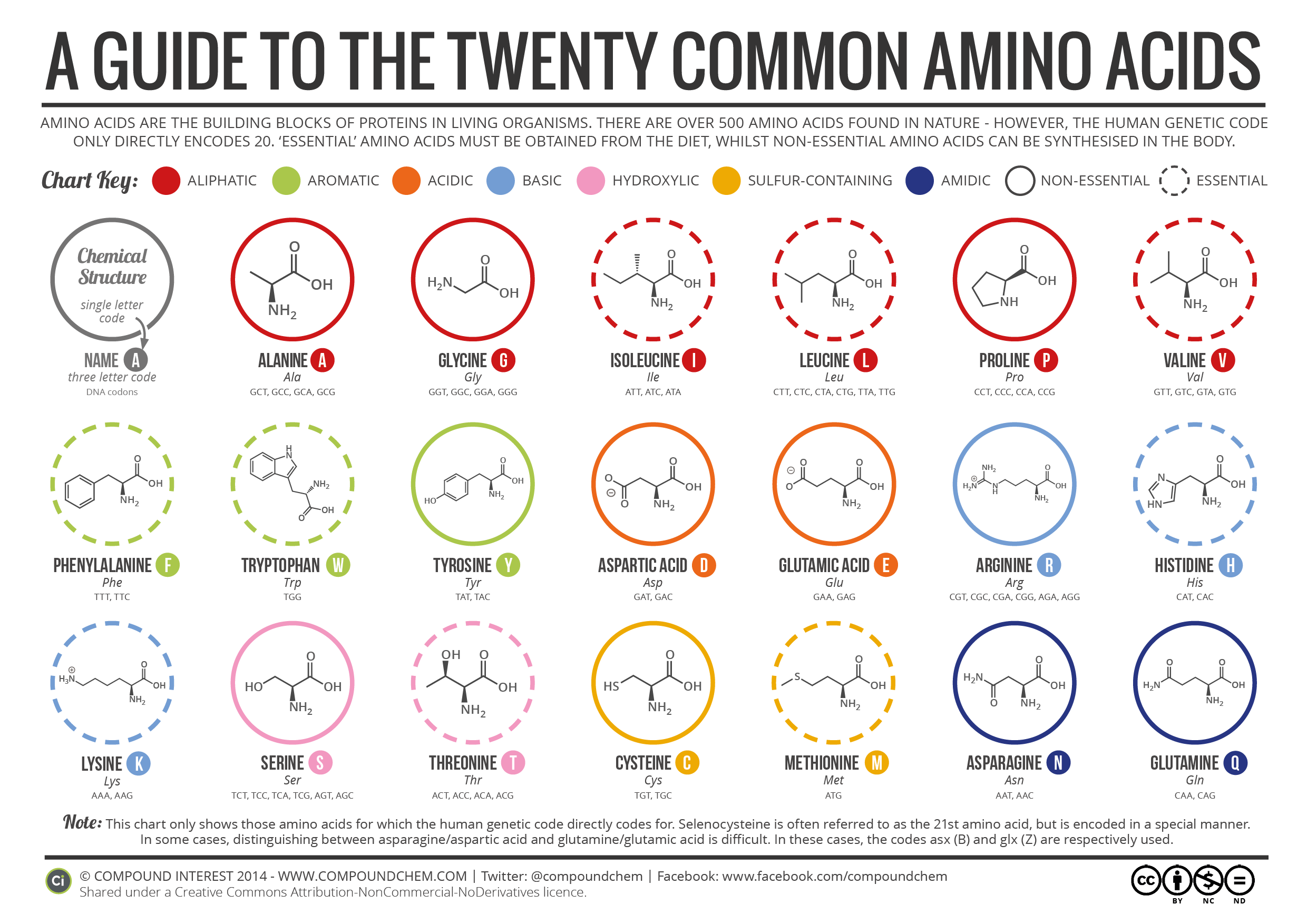
Weapons of Mass Construction: Amino Acids

Adapted from Eric Braverman's The Healing Nutrients Within
What do carnivores, vegetarians and omnivores all have in common? They all require protein in order to sustain and optimize life. Protein is the second most abundant substance in our bodies after water. It constitutes ¾ of the dry weight of most body cells. It is involved in the biochemical structure of genes, blood, tissue, muscle, collagen, skin, hair, and nails, and is a major constituent of all the many hormones, enzymes, nutrient carriers, infection-fighting antibodies, neurotransmitters and other chemical messengers in the body. This continuous process of building and regeneration is necessary for life and requires a non-stop supply of protein.
All protein is made up of different combinations of amino acids – essential or nonessential – that are consumed as part of our diet. The body breaks down these dietary proteins into individual amino acids and then reassembles them to build the specific structures needed within the body. Like carbohydrates and fat, protein is composed of hydrogen, oxygen and carbon, Yet, protein also contains nitrogen, which provides it with the ability of bodily repair and construction.
People do not realize how busy the human body is and to make it worse the need for quality protein intake often goes unrecognized in our hypercaloric environment. To illustrate, every second bone marrow makes 2.5 million red cells; every four days the lining of the gastrointestinal tract is renewed; and every 24 days a person has the equivalent of new skin. All this continuous repair work requires the building blocks of protein; amino acids.
The liver has the ability to produce about 60% of the amino acids we need, while the remaining 40% must be obtained from our diet. At present, the Recommended Dietary Allowance (RDA) for protein is between 44 to 56 grams per day. Yet, in America most people eat two to three times that amount and even vegetarians consume upwards of 80 to 100 grams a day!
So one would think that as long as we are eating adequate amounts of protein, containing the essential amino acids, we should be covered, right? The answer to that question is dependent on the individual person. The body’s requirement for essential amino acids is determined by our age group, degrees of stress, energy requirements, digestive capabilities, infection, trauma, environmental pollution, processed foods and one’s personal habits such as smoking and drinking. All these factors influence the need and availability of protein and its amino acid constituents. Additionally, one has to factor in nutrient deficiencies as there are multiple vitamins, namely pyridoxine (vitamin B6), riboflavin (vitamin B2) and niacin (vitamin B3), that act as cofactors (a substance important for the activity of the enzyme) which are instrumental in the metabolism of amino acids.
It is for these reasons that while we adequately meet our recommended daily amount of protein, it may by no means be broken down and used efficiently. This is extremely important to recognize when we understand that each amino acid is designed for a specific purpose and cannot be interchanged. If our diet fails to provide, or our lifestyle uses up, any given essential amino acid problems can arise. The following list is taken from Eric Braverman’s The healing Nutrients Within to illustrate how different amino acids play a large role in our overall health and wellness:
- Arginine has been shown to act similar to and in some cases replace viagra for restoring erectile function and a sagging libido. It has also been found to increase sperm count
- New research measuring the breakdown products of bone in hydroxyproline may prove more advantageous for assessing bone loss than the standard bone density test
- Scientific evidence shows that boosting energy levels in the brain with phenylalanine and tyrosine is key to weight loss
- Melatonin and tryptophan have established themselves as multipurpose nutrients to improve sleep, defuse anxiety and slow down the aging process. Recent studies show promise for the use of tryptophan in the treatment of autism
- Homocysteine has gained recognition as a major independent risk indicator for cardiovascular disease. New research suggests it may also pretend neural tube defects, sickle cell disease, rectal polyps, and liver failure, and may contribute to depression, dementia and loss of brain function in the elderly
- Tyrosine can help cocaine and alcohol abusers kick their habits and combat the effects of stress, narcolepsy, chronic fatigue, and ADD
- Amino acid blood levels are increasingly serving as important indicators of physical and mental illnesses. They provide major nutritional and biochemical clues for more effective treatment
- Carnitine has been shown to offer significant protection against the common side effects of Depakote (a popular drug used for seizures and psychotic disorders). Its derivative N-acetyl-carnitine may surpass the metabolic potency of carnation in the brain, where it has been found to slow the progression of Alzheimer’s disease
- Scientific evidence continues to mount showing N-acetyl cysteine… to be perhaps the most powerful detoxifier in the body. It is now found in every emergency room as an antidote to overdose cases and as well can render harmless everyday environmental toxins.
- New, modified GABA compounds such as gabapentin (Neurotin) and tigabine (Gabitril) are producing improved uptake in the brain and appear to be important products in the control of seizures and anxiety disorders. Early studies indicate GABA may also be correlated to a decrease in benign prostatic hypertrophy.
- Research with serine compounds show that blocking serine metabolism may serve to prevent autoimmune activity present in psychoses
- Glutamic and Aspartic acids create additional neurotoxic damage in the brain following stroke. New drugs that block the action of the excretory amino acid transporters (EAATs) have recently been approved.
- BCAAs promote optimal muscle growth and improve performance… additionally they also offer promise for staving off muscle loss as we age.
As the research in the area of amino acid therapy continues to grow we can firmly apply the idea of Pfeiffers Law: if a drug can be found to do the job of medical healing, a nutrient can be found to do the same job.
Refining Your Tune Through Movement
The ease with which we can transition into and out of the various Archetypal Postures of squatting, kneeling and cross-legged positions – as discussed in Why We Should Sit on the Floor – is related to our biomechanical tune. These postures serve as a corrective mechanism to preserve a harmony of movement between our muscles, fascia and sinew, without which we can find ourselves at odds with the freedom of movement. For example; knee joint crepitus (the crackling noise associated with joint movement) can be directly associated with the loss of ease in the Archetypal Postures. When you cannot squat (heals down, knees over toes, with arches lifted) the knee experiences intra-compartmental pressure that are malignly altered so that wear and tear on the joint is accelerated. Over the year, being out of tune will gradually distort your musculoskeletal structure and lead to premature again of the legs and lower back in particular.
Why can’t I stretch my way to tune, like we used to do in gym class? Before you bend over to touch your toes, listen to what former U.S. National Gymnastics coach and author of Building the Gymnastic Body, Christopher Sommers has to say; “flexibility can be passive, whereas mobility requires that you can demonstrate strength throughout the entire range of motion.” The individual muscle concept presented in traditional anatomy class gives a purely mechanical model of movement by separating things into discrete, executable functions that fail provide an accurate picture of the seamless integration seen in a living body – when one part moves, the body responds as a whole. Thus, the ability to transition into and out of a squat requires more than any one muscle being flexible. The approach to mobility parallels biomechanical tune, in that they engender a systemic or whole-body foundation. Efficient structural relationships, therefore, must be exposed and resolved within the individual so that one can grow out of a the dysfunctional pattern.
We can achieve better biomechanical tune by:
1. Enacting a healthy load upon the system that will positively remodel its architecture. Regular loading (read: floor-sitting and rising) within the healthy limits of an individual induces a muscle and it’s surrounding tissues to remodel elasticity on a progressive basis. A lack of loading not only reduces the mobility surrounding a set of muscle and tissue, but will also reduce the available recoil native to that muscle. In other words, a sedentary person leaving the couch will face a much greater challenge getting into and out of any given Archetypal Posture
2. Training the body to react to a variety of postures. Working on isolated groups may stretch that muscle well, but it can leave out many fascial tissues necessary for a healthy body’s functional movement. For instance, tight hamstrings are often thought to be the cause of low back pain and as such individuals will proceed to do the standard hamstring stretch to little benefit. As stated before, no movement isolates a single muscle. Our body’s all work by things pulling in different directions with an appreciable balance, so why not work on mobility the same way. Moving the body to the floor and back up again, while experiencing the varieties of squatting, kneeling and cross-legged postures not only builds elasticity within tissues but the strength in the muscle and sinew allowing for greater coordination of movement.
How can I get better at any given posture? The answer is fairly simple… move into and out of a variety of postures as often as you can. Here’s how:
Start here if you're a beginner:
If you have not lived on the floor since you learned how to walk, then you will need to reestablish your foundation. Have a solid chair present that will allow you to make your way down to the floor. Do it step-by-step, respecting any pains you encounter. From a cross-legged posture, use your arms to reach out for the chair to help you twist up to a toe-sitting posture. Twisting your way up and down from the floor is the most biomechanically efficient way of transitioning. Once you are in a toe-sitting posture, bring one leg through so that the foot is flat on the floor and the knee is at a forward angle – make sure the knee doesn’t fall inside the line of the big toe, but maintains a steady position over the smaller toes. To get up you will need to push from the back foot, transitioning the balance of your weight onto the front foot as you rise. Help yourself by using your arms if needed.
Complementary Exercises: Leg Swings
Intermediate Level:
If you are comfortable on the floor in most of the Archetypal Postures then you will want to work on strengthening your erector muscles (those that help you rise) by repeating transitions from floor-to-standing through a variety of techniques and repetitions. Start with 10 times up/down using the exercise mentioned above, alternating the forward leg with each subsequent transition. If possible, do not use your arms for assistance as it makes a big difference. Try transitioning all the way up 10 times form a supine position by rolling to either side and then twisting to a sitting position, then fully erect. There is no right way to rise, ancestral cultures have adapted to many different styles so allow your body to find its way. That said, do remember to keep good form. If you get tired and your form deteriorates, then you should stop. Injuring yourself and collapsing to the floor does not count toward reestablishing a solid relationship with the floor.
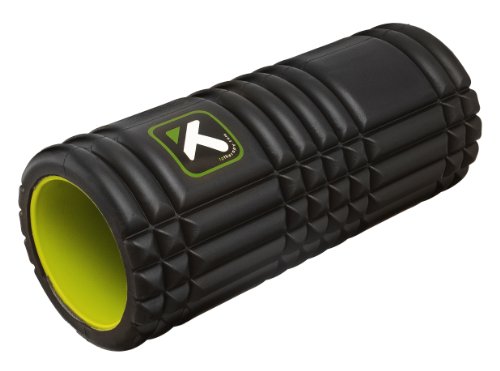
Complementary Exercises: Foam Rolling & Walking Spider-man's
Advanced Level:
If you have perfected your technique and are capable of repeated transitions with good form then you may want to increase the difficulty (and fun!) of the exercise. From a fully supine position try to rise without utilizing a twisting motion. By brining your knees to your chest to gain momentum, roll back and go straight into a full squat and rise straight up. Repeat 10 times. From a standing position, drop down into a full squat (heals down, knees over smaller toes, with arches lifted) and rise back up, keep arms out in front as a counter-balance if necessary. Repeat 10 times with arms out, then 10 times with arms in. From a cross-legged posture, bring your feet in close and spring straight up, untwisting your legs as you stand fully erect. Repeat 10 times. From the toe-sitting posture you can explode out of the position by pushing your hips forward and landing in a full squat position. Repeat 10 times. Again, there is no right way to move. Have fun and be safe with your erections.
Complementary Exercises: Cossask Squat & Overhead Squat
These exercises, or erectorsices, are a fundamental movement pattern. They have naturally emerged from floor living, so return to them often when you eat your meals, read your books or visit with your friends.
The Interplay Between the Gut and Brain

The classic approach to understanding the gut is that it is simply a collection of organs designed to digest, absorb, and assimilate the food we eat. While this isn’t incorrect, it does not provide the full picture. The gut is full of organisms all working on a wide variety of physiologic actions that help to regulate immune system functioning, detoxification, inflammation, neurotransmitter production and hormone signaling. Without proper maintenance we can have negative effects to our mood, libido, sleep, metabolism, immunity and even our perception of the world and clarity of our thoughts.
Ok, so how do things get out of hand? The overall health of our mind and body is dependent on a diverse population of good organisms in our gut, when populations fall and bad organisms take control we get ill. A loss of diversity in microbial species can be attributed to a culture that favors an unbalanced diet low in plant fibers, the overuse of antibiotics as well as overly sanitizing everything. Understanding this may help to explain why we suffer from rising rates of “western” illnesses that are not seen nearly as much in traditional, mostly agrarian cultures.
Depression, ADHD, obesity, autism, psoriasis, rheumatoid arthritis, cardiovascular disease, Crohn’s disease, asthma and Alzheimer’s have been linked to inflammation in the gut. The causes of gut inflammation vary from person to person but generally stem from poor dietary choices and chronic stress. Consuming a diet high in sugar elevates blood sugar levels which stirs up inflammation in the bloodstream as excess sugar can be toxic if it isn’t swept up and used by the cells. It also triggers a reaction called glycation – the process by which sugar binds to proteins and certain fats, resulting in deformed molecules that function inefficiently. The body recognizes these molecules as abnormal and sets off an inflammatory reaction. In the brain, these structures contribute to degeneration of the brain and its functioning.
The degenerative effects of our dietary choices do not stop at sugar. The ratio of omega-6 to omega-3 fats also come into play. Omega-6 fats dominate the western diet; these pro-inflammatory fats are found in the many vegetable oils used for manufacturing of all processed foods and have been linked to an increased risk for brain disorders. Omega-3 fats, on the other hand – ones found in olive oil, fish, flaxseed and grass-fed animals – boost cognitive function, help to thwart inflammation and can actually counterbalance the detrimental effects of high consumption of omega-6. Anthropological research has revealed that our ancestors consumed a ratio of omega-6 to omega-3 fats at roughly 1:1. Presently, the average western diet is made of as much as 10-20 times more omega-6 fats than what our ancestor ate.
Inflammation due to poor diet elevates a stress hormone called cortisol, which causes some damaging effects on the gut. These elevated levels have the ability to change the mix of bacteria, increase the permeability of the gut lining, and enhance the production of inflammatory chemical coming from immune cells, called cytokines. These cytokines ramp up inflammation in the gut leading to further permeability and also directly and negatively affect the brain making it more susceptible to mood disorders. This effect was studied by Japanese researchers who looked at mice that lacked a microbiome (germ-free mice), it was found that these mice overreacted to stressful situations stemming from an exaggerated HPA (hypothalamus-pituitary-adrenal) response. In other words, the lack of beneficial organisms in the gut can lead to a more damaging outflow of cortisol, thus leading affected individuals to perceive certain events as more stressful than those who have a healthy gut.
Cortisol is also uniquely tied to our circadian rhythm – the ebb and flow of hormones through the 24-hour day that factors into our biology and whether or not we’re feeling alert or tired. Insomnia is a common symptom in mood related disorders and its now known to be linked to the health of our gut. Without optimal health in our gut environment we cannot produce adequate levels of serotonin – an inhibitory neurotransmitter necessary for sleep and mood regulation. Roughly 80% of the amount of serotonin in the body is manufactured by the nerve cells in your gut and many neurologists and psychiatrists are beginning to realize that medications are often less effective in treating sleep and mood disorders than dietary changes are. Interestingly, it is thought that the actual mechanism for modern antidepressants may have nothing to do at all with their effect on serotonin and everything to do with decreasing inflammation.
Another widespread brain disorder linked to the gut is ADHD. The inhibitory neurotransmitter GABA is seen as being largely deficient in the brains of ADHD children. Deficiencies in GABA activity would mean that areas of the brain would be put into overdrive. So what’s triggering this lack of GABA, and how can we increase brains levels? GABA is manufactured in the body from the amino acid glutamine, but the conversion of glutamine requires the presence of what are called cofactors – chemicals necessary for a specific reaction to take place. Specifically, this conversion demands the affected body to be able to absorb and assimilate both zinc and pyroxine (vitamin B6) through food sources, yet without healthy gut flora these cofactors cannot be processed efficiently thus leading to the observed deficiency.
At one point in time it was largely thought that the instance of a “gut feeling” was nothing more than some ambiguous association between the interworking’s of our gut and brain, however upon further investigation it has been shown that there is, in fact, a distinct connection governing this relationship. Serving as a direct link, the vagus nerve that controls impulses and relays information from our gut to our brain and it is for this reason that the health of our gut plays a large role in cognitive function. By understanding that there is a connection, we can find a better way to promote health and prevent diseases.

LADDER DRILLS DO NOT INCREASE SPORT PERFORMANCE
Good luck being able to see a defender coming while you are staring at your superb footwork!
Ladder drills have become hailed as a top training tool for producing athleticism, but do the claims about creating faster feet really equal more speed and greater agility?
Ladder training typically involves following a set footwork pattern – moving the feet inside and outside the rungs of a ladder that is laid flat on the ground – where the goal becomes to increase speed while maintaining the pattern. These drills have become hailed as a top tool for producing athleticism, from youth leagues to the pros, yet the science of creating faster feet does not equal more speed or greater agility come game time. In fact, drills using speed and agility ladders under the guise of increasing on-field performance is counterproductive.
Before we dive in, let’s all agree that…
Everything done in a gym should be seen as physical preparation for sports not performed in the gym. Any attempt to correlate athletic performance to any drill is futile due to the chaotic nature of sports and the processing of multiple variables in any instant of gameplay.
For any training modality to work effectively, it has to replicate or produce similar benefits of the end goal. This means the given exercise or tool used should closely replicate the speed, force application, change of direction, as well as the metabolic and neural demands of the activity. If it doesn’t, then it will not produce the desired results.
And when it comes to youth or beginner, everything works in the trainers favor to improve all aspects of strength, endurance, quickness, etc. (However, it could be argued that doing body weight squats would have the same benefit.) Additionally, ladders can be a great tool for developing neuromuscular coordination and provide an excellent multi-planar dynamic warm-up at any sporting level.
That said, this article is aimed at addressing why ladder drills do not increase athleticism or on-field performance by improving speed and agility. It should be seen that producing speed is more than the ability to move your feet fast, just as agility is more than the proficiency of learning footwork patterns. If we think about the ground as a springboard from which we draw speed, it is not how fast you can dance over it, but how much force goes into it, and how an athlete overcomes inertia to generate a powerful movement; then we can see how ladder drills do not increase performance in your sport of choice, unless it happens to be salsa dancing. Therefore we need to have a better understanding of speed and agility:
Speed is defined by the following equation: (Stride Length x Stride Frequency) / Time. Research has shown that the fastest athletes are not faster because they take more strides, but because they cover more ground with each stride. This is possible because they put more force into the ground enabling them to cover a given distance in a shorter amount of time. It is a matter of power generation; driving the foot against the ground, enables the extensor mechanism from the hip extensors (the all-powerful glutes and hamstrings), the knee extensors (quadriceps), and the plantar flexors of the ankle to propel the body in a forward motion. When you apply greater force into the ground with a forward lean and at a horizontal angle in a smaller time, you generate more speed. As that force increases there is an inverse relationship between ground contact and distance covered. Taking steps that are more powerful than your competitor, will ultimately allow you to outrun them, at least in a straight line. An example would be how Usain Bolt can complete a 100 meter sprint with a stride count of 42, while everyone else in the field managed to 46-48; his stride length was much higher (force) but his stride frequency was about the same.
Agility is the ability to decelerate one’s momentum, stop, overcome inertia and accelerate one’s body mass in another direction in as little time as possible. Essentially, if you’re running straight forward and a defender jumps out of the bushes, you want to be able to create a powerful movement that allows you to turn or change direction in a split second. The most effective way to change direction involves having the legs move outside of vertical alignment of the center of mass, and driving them into the ground at as horizontal of an angle as possible to create a strong impulse against the pull of momentum to continue in another direction. From a physics perspective, momentum along with impulse and inertia, are critical components of agility. The ability to decelerate and stop one’s momentum in as short distance/period of time as possible requires great amount of relative unilateral strength and power, particularly in the extensor mechanism musculature of the lower extremities. Equally important, impulse can be found in the period of time where switching from eccentric action (deceleration) to concentric action (acceleration) occurs. Thus, the quicker an athlete can decelerate, overcome inertia, shift impulse momentum and propel in another direction the more agile an athlete is seen to be.
Given the above description on speed and agility it should be seen that performance is inherently predicated on the application of speed in concert with the impulse of agility. The ability to generate forward momentum/force is equally as important as being able to act and react to the chaotic unpredictability of an outside stimulus. With this understanding of performance we can see that any drill that is directed toward constricting an athlete to tip-toe through a series of 15 x 15 inch boxes without posing a challenge to displacement of an athlete’s center of mass or an effort in creating forward momentum through the development of proper mechanics will only serve as a deterrent to the claims of improving performance.
There is very little to gain with the incorporation of ladder drills, as such drills are merely displays of an already present athleticism. Natural athletes learn skills quickly and replicate movement efficiently within a very short period. Within a few weeks of practicing with a ladder, an athlete can become very proficient in the drill, yet when it comes to performing in the game there is very little transfer. Why? Because ladder drills are learned patterns without the influence of an outside stimulus, like a ball or a defender coming at you, and all the hours and effort spent learning how to tip-toe properly while staring at the ground is only working against the athlete who needs to see and react. When athletes who use these drills as a main focus are required to respond in a chaotic environment like a game, their own muscle memory could work against them—tip-toeing gracefully around a defender instead of creating a quick and powerful movement, only to get blasted by a guy the athlete didn’t see because they’ve been trained to staring at the ground. Simply put, fast feet do nothing if you don’t go anywhere. Getting better at predetermined movement patterns is not indication of on-field performance as there is very little transfer from a learned movement to a chaotic gametime environment. In the end, there is no way to practice the perfect pattern for football, soccer, hockey, ultimate frisbee, or any other sport for that matter. It is a requirement to react powerfully and quickly, and there certainly isn’t any benefit to staring at the ground.
Instead of wasting precious time on ladder drills, a strong focus on strength and power development with emphasis on both bilateral and unilateral movements are the best approach, not only for performance but injury prevention as well. An example would be the following:
Bilateral Strength – Squats and Deadlift variations
Bilateral Power – Olympic lifts, Box Jumps and Depth Jumps
Unilateral Strength – Split Squat variations and Step-Ups
Unilateral Power – Olympic lifts, Sprints and Penta-Hops
Thinking of the springboard example used earlier, the ground is where we draw speed, how much force we apply to it is the amount of speed we are going to get out of it. Elite-level sprinters can produce over 360 pounds of force per leg when moving at top speed. Good luck tip-toeing your way to those numbers. Force into the ground equals forward motion, this is because speed is a matter of force production and being agile is the ability to react, absorb and overcome inertia, therefore the ability to maintain strength and generate power is the real solution to generating more speed and creating better agility. Once an athlete has corrected any structural imbalances, increased relative strength and reactive/ballistic ability, then and only then is it acceptable to place emphasis on drills utilizing the ladder. However it is important to remember that no drill is a better substitute than having the athlete play their specific sport, as the ladder will never juke one way or try to cross you over.
Recommended Reading:


Fixing the Flaws: A Look at the Ten Most Common Biomechanical Weak Links in Athletes
Written on January 31, 2008, by Eric Cressey
Even the best athletes are limited by their most significant weaknesses. For some athletes, weaknesses may be mental barriers along the lines of fear of playing in front of large crowds, or getting too fired up before a big contest. Others may find that the chink in their armor rests with some sport-specific technique, such as shooting free throws. While these two realms can best be handled by the athletes’ head coaches and are therefore largely outside of the control of a strength and conditioning coach, there are several categories of weak links over which a strength and conditioning specialist can have profound impacts. These impacts can favorably influence athletes’ performance while reducing the risk of injury. With that in mind, what follows is far from an exhaustive list of the weaknesses that strength and conditioning professionals may observe, especially given the wide variety of sports one encounters and the fact that the list does not delve into neural, hormonal, or metabolic factors. Nonetheless, in my experience, these are the ten most common biomechanical weak links in athletes:
1. Poor Frontal Plane Stability at the Hips: Frontal plane stability in the lower body is dependent on the interaction of several muscle groups, most notably the three gluteals, tensor fascia latae (TFL), adductors, and quadratus lumborum (QL). This weakness is particularly evident when an athlete performs a single-leg excursion and the knee falls excessively inward or (less commonly) outward. Generally speaking, weakness of the hip abductors – most notably the gluteus medius and minimus – is the primary culprit when it comes to the knee falling medially, as the adductors, QL, and TFL tend to be overactive. However, lateral deviation of the femur and knee is quite common in skating athletes, as they tend to be very abductor dominant and more susceptible to adductor strains as a result. In both cases, closed-chain exercises to stress the hip abductors or adductors are warranted; in other words, keep your athletes off those sissy obstetrician machines, as they lead to a host of dysfunction that’s far worse that the weakness the athlete already demonstrates! For the abductors, I prefer mini-band sidesteps and body weight box squats with the mini-band wrapped around the knees. For the adductors, you’ll have a hard time topping lunges to different angles, sumo deadlifts, wide-stance pull-throughs, and Bulgarian squats.
2. Weak Posterior Chain: Big, fluffy bodybuilder quads might be all well and good if you’re into getting all oiled up and “competing” in posing trunks, but the fact of the matter is that the quadriceps take a back seat to the posterior chain (hip and lumbar extensors) when it comes to athletic performance. Compared to the quads, the glutes and hamstrings are more powerful muscles with a higher proportion of fast-twitch fibers. Nonetheless, I’m constantly amazed at how many coaches and athletes fail to tap into this strength and power potential; they seem perfectly content with just banging away with quad-dominant squats, all the while reinforcing muscular imbalances at both the knee and hip joints. The muscles of the posterior chain are not only capable of significantly improving an athlete’s performance, but also of decelerating knee and hip flexion. You mustn’t look any further than a coaches’ athletes’ history of hamstring and hip flexor strains, non-contact knee injuries, and chronic lower back pain to recognize that he probably doesn’t appreciate the value of posterior chain training. Or, he may appreciate it, but have no idea how to integrate it optimally. The best remedies for this problem are deadlift variations, Olympic lifts, good mornings, glute-ham raises, reverse hypers, back extensions, and hip-dominant lunges and step-ups. Some quad work is still important, as these muscles aren’t completely “all show and no go,” but considering most athletes are quad-dominant in the first place, you can usually devote at least 75% of your lower body training to the aforementioned exercises (including Olympic lifts and single-leg work, which have appreciable overlap).
Regarding the optimal integration of posterior chain work, I’m referring to the fact that many athletes have altered firing patterns within the posterior chain due to lower crossed syndrome. In this scenario, the hip flexors are overactive and therefore reciprocally inhibit the gluteus maximus. Without contribution of the gluteus maximus to hip extension, the hamstrings and lumbar erector spinae muscles must work overtime (synergistic dominance). There is marked anterior tilt of the pelvis and an accentuated lordotic curve at the lumbar spine. Moreover, the rectus abdominus is inhibited by the overactive erector spinae. With the gluteus maximus and rectus abdominus both at a mechanical disadvantage, one cannot optimally posteriorly tilt the pelvis (important to the completion of hip extension), so there is lumbar extension to compensate for a lack of complete hip extension. You can see this quite commonly in those who hit sticking points in their deadlifts at lockout and simply lean back to lock out the weight instead of pushing the hips forward simultaneously. Rather than firing in the order hams-glutes- contralateral erectors-ipsilateral erectors, athletes will simply jump right over the glutes in cases of lower crossed syndrome. Corrective strategies should focus on glute activation, rectus abdominus strengthening, and flexibility work for the hip flexors, hamstrings, and lumbar erector spinae.
3. Lack of Overall Core Development: If you think I’m referring to how many sit-ups an athlete can do, you should give up on the field of performance enhancement and take up Candyland. The “core” essentially consists of the interaction among all the muscles between your shoulders and your knees; if one muscle isn’t doing its job, force cannot be efficiently transferred from the lower to the upper body (and vice versa). In addition to “indirectly” hammering on the core musculature with the traditional compound, multi-joint lifts, it’s ideal to also include specific weighted movements for trunk rotation (e.g. Russian twists, cable woodchops, sledgehammer work), flexion (e.g. pulldown abs, Janda sit-ups, ab wheel/bar rollouts), lateral flexion (e.g. barbell and dumbbell side bends, overhead dumbbell side bends), stabilization (e.g. weighted prone and side bridges, heavy barbell walkouts), and hip flexion (e.g. hanging leg raises, dragon flags). Most athletes have deficiencies in strength and/or flexibility in one or more of these specific realms of core development; these deficiencies lead to compensation further up or down the kinetic chain, inefficient movement, and potentially injury.
4. Unilateral Discrepancies: These discrepancies are highly prevalent in sports where athletes are repetitively utilizing musculature on one side but not on the contralateral side; obvious examples include throwing and kicking sports, but you might even be surprised to find these issues in seemingly “symmetrical” sports such as swimming (breathing on one side only) and powerlifting (not varying the pronated/supinated positions when using an alternate grip on deadlifts). Obviously, excessive reliance on a single movement without any attention to the counter-movement is a significant predisposition to strength discrepancies and, in turn, injuries. While it’s not a great idea from an efficiency or motor learning standpoint to attempt to exactly oppose the movement in question (e.g. having a pitcher throw with his non-dominant arm), coaches can make specific programming adjustments based on their knowledge of sport-specific biomechanics. For instance, in the aforementioned baseball pitcher example, one would be wise to implement extra work for the non-throwing arm as well as additional volume on single-leg exercises where the regular plant-leg is the limb doing the excursion (i.e. right-handed pitchers who normally land on their left foot would be lunging onto their right foot). Obviously, these modifications are just the tip of the iceberg, but simply watching the motion and “thinking in reverse” with your programming can do wonders for athletes with unilateral discrepancies.
5. Weak Grip: – Grip strength encompasses pinch, crushing, and supportive grip and, to some extent, wrist strength; each sport will have its own unique gripping demands. It’s important to assess these needs before randomly prescribing grip-specific exercises, as there’s very little overlap among the three types of grip. For instance, as a powerlifter, I have significantly developed my crushing and supportive grip not only for deadlifts, but also for some favorable effects on my squat and bench press. Conversely, I rarely train my pinch grip, as it’s not all that important to the demands on my sport. A strong grip is the key to transferring power from the lower body, core, torso, and limbs to implements such as rackets and hockey sticks, as well as grappling maneuvers and holds in mixed martial arts. The beauty of grip training is that it allows you to improve performance while having a lot of fun; training the grip lends itself nicely to non-traditional, improvisational exercises. Score some raw materials from a Home Depot, construction site, junkyard, or quarry, and you’ve got dozens of exercises with hundreds of variations to improve the three realms of grip strength. Three outstanding resources for grip training information are Mastery of Hand Strength by John Brookfield, Grip Training for Strength and Power Sports by accomplished Strongman John Sullivan, and www.DieselCrew.com.
6. Weak Vastus Medialis Oblique (VMO): The VMO is important not only in contributing to knee extension (specifically, terminal knee extension), but also enhancing stability via its role in preventing excessive lateral tracking of the patella. The vast majority of patellar tracking problems are related to tight iliotibial bands and lateral retinaculum and a weak VMO. While considerable research has been devoted to finding a good “isolation” exercise for the VMO (at the expense of the overactive vastus lateralis), there has been little success on this front. However, anecdotally, many performance enhancement coaches have found that performing squats through a full range of motion will enhance knee stability, potentially through contributions from the VMO related to the position of greater knee flexion and increased involvement of the adductor magnus, a hip extensor (you can read a more detailed analysis from me here. Increased activation of the posterior chain may also be a contributing factor to this reduction in knee pain, as stronger hip musculature can take some of the load off of the knee stabilizers. As such, I make a point of including a significant amount of full range of motion squats and single-leg closed chain exercises (e.g. lunges, step-ups) year-round, and prioritize these movements even more in the early off-season for athletes (e.g. runners, hockey players) who do not get a large amount of knee-flexion in the closed-chain position in their regular sport participation.
7 & 8. Weak Rotator Cuff and/or Scapular Stabilizers: I group these two together simply because they are intimately related in terms of shoulder health and performance.
Although each of the four muscles of the rotator cuff contributes to humeral motion, their primary function is stabilization of the humeral head in the glenoid fossa of the scapula during this humeral motion. Ligaments provide the static restraints to excessive movement, while the rotator cuff provides the dynamic restraint. It’s important to note, however, that even if your rotator cuff is completely healthy and functioning optimally, you may experience scapular dyskinesis, shoulder, upper back, and neck problems because of inadequate strength and poor tonus of the muscles that stabilize the scapula. After all, how can the rotator cuff be effective at stabilizing the humeral head when its foundation (the scapula) isn’t stable itself? Therefore, if you’re looking to eliminate weak links at the shoulder girdle, your best bet is to perform both rotator cuff and scapular stabilizer specific work. In my experience, the ideal means of ensuring long-term rotator cuff health is to incorporate two external rotation movements per week to strengthen the infraspinatus and teres minor (and the posterior deltoid, another external rotator that isn’t a part of the rotator cuff). On one movement, the humerus should be abducted (e.g. elbow supported DB external rotations, Cuban presses) and on the other, the humerus should be adducted (e.g. low pulley external rotations, side-lying external rotations). Granted, these movements are quite basic, but they’ll do the job if injury prevention is all you seek. Then again, I like to integrate the movements into more complex schemes (some of which are based on PNF patterns) to keep things interesting and get a little more sport-specific by involving more of the kinetic chain (i.e. leg, hip, and trunk movement). On this front, reverse cable crossovers (single-arm, usually) and dumbbell swings are good choices. Lastly, for some individuals, direct internal rotation training for the subscapularis is warranted, as it’s a commonly injured muscle in bench press fanatics. Over time, the subscapularis will often become dormant – and therefore less effective as a stabilizer of the humeral head – due to all the abuse it takes.
For the scapular stabilizers, most individuals fall into the classic anteriorly tilted, winged scapulae posture (hunchback); this is commonly seen with the rounded shoulders that result from having tight internal rotators and weak external rotators. To correct the hunchback look, you need to do extra work for the scapular retractors and depressors; good choices include horizontal pulling variations (especially seated rows) and prone middle and lower trap raises. The serratus anterior is also a very important muscle in facilitating scapular posterior tilt, a must for healthy overhead humeral activity. Supine and standing single-arm dumbbell protractions are good bets for dynamically training this small yet important muscle; scap pushups, scap dips, and scap pullups in which the athlete is instructed to keep the scapulae tight to the rib cage are effective isometric challenges to the serratus anterior.
Concurrently, athletes with the classic postural problems should focus on loosening up the levator scapulae, upper traps, pecs, lats, and anterior delts. One must also consider if these postural distortions are compensatory for kinetic chain dysfunction at the lumbar spine, pelvis, or lower extremities. My colleague Mike Robertson and I have written extensively on this topic here. Keep in mind that all of this advice won’t make a bit of difference if you have terrible posture throughout the day, so pay as much attention to what you do outside the weight room as you do to what goes on inside it.
9. Weak Dorsiflexors: It’s extremely common for athletes to perform all their movements with externally rotated feet. This positioning is a means of compensating for a lack of dorsiflexion range of motion – usually due to tight plantarflexors – during closed-chain knee flexion movements. In addition to flexibility initiatives for the calves, one should incorporate specific work for the dorsiflexors; this work may include seated dumbbell dorsiflexions, DARD work, and single-leg standing barbell dorsiflexions. These exercises will improve dynamic postural stability at the ankle joint and reduce the risk of overuse conditions such as shin splints and plantar fasciitis.
10. Weak Neck Musculature: The neck is especially important in contact sports such as football and rugby, where neck strength in all planes is highly valuable in preventing injuries that may result from collisions and violent jerking of the neck. Neck harnesses, manual resistance, and even four-way neck machines are all good bets along these lines, as training the neck can be somewhat awkward. From a postural standpoint, specific work for the neck flexors is an effective means of correcting forward head posture when paired with stretches for the levator scapulae and upper traps as well as specific interventions to reduce postural abnormalities at the scapulae, humeri, and thoracic spine. In this regard, unweighted chin tucks for high reps throughout the day are all that one really needs. This is a small training price to pay when you consider that forward head posture has been linked with chronic headaches.
Closing Thoughts
A good coach recognizes that although the goals of improving performance and reducing the risk of injury are always the same, there are always different means to these ends. In my experience, one or more of the aforementioned ten biomechanical weak links is present in almost all athletes you encounter. Identifying biomechanical weak links is an important prerequisite to choosing one’s means to these ends. This information warrants consideration alongside neural, hormonal, and metabolic factors as one designs a comprehensive program that is suited to each athlete’s unique needs.
Dr. Chris Bump: Magnesium—The King of Minerals
In this presentation Dr Christopher J Bump discusses the value of magnesium supplementation for those individuals who experience anxiety, poor quality of sleep and acute joint pain. Magnesium is critical to muscle relaxation, energy metabolism and protein synthesis and in the US over 55% of adults are deficient in magnesium.
Link to Video Presentation
Why You Should Sit on the Floor

Adapted from Philip Beach's Muscles and Meridians
We as a society need to spend more time on the floor. All humans, all cultures, throughout the ages have spent all our resting and much of our working lives on the ground in variations of a squat, kneeling or cross-legged position. Humans had found ease getting into and out of these primary floor postures until we created the comforts of modernity, which has led us to dis-ease in both form and function. Dr. Mel Siff stated in his book, Facts and Fallacies of Fitness; “Many aboriginal folk squat many times a day while carrying out their daily chores, while the Japanese sit on the floor with their knees folded fully flexed beneath them bearing all their body weight for prolonged periods daily.” We share the same functional heritage as all ancestral cultures, yet with modern amenities we have lost much of our capacity to move pain free simply because we fail to practice these archetypal postures.
All well constructed systems develop a corrective mechanism to preserve harmony between the many hierarchical levels within the system. The practice of Archetypal Postures as a form of repose should be seen as a self-tuning mechanism for the body whereby removing these modes for self-correction is asking for trouble as it is necessary to preserve our biomechanical tune, without which we are met with the prevalence of issues like plantar fasciitis, low-back pain and even neck and shoulder pain. The dense network of muscle, joints, and fascia fail to reach appropriate tune if not adequately placed in our Archetypal Postures. And it should come as no surprise as to why….
In the modern world, we rise out of an elevated bed, waddle to a toilet that is again elevated. Breakfast is eaten either standing or sitting in a chair; work is generally completed in the same fashion, either sitting or standing. On a good day we can make it into the gym but many exercises are based on machines that are constructed so that people can, AGAIN, sit and exercise. After sitting or standing all day, we return home to sit for dinner, followed by more sitting in front of the television on a couch in roughly the same position that we have existed in throughout the entirety of our day. Most people, day after day, fail to make any transition from the standing to the floor, failing to place the musculoskeletal and fascial system through a full range of movement thus compromising biomechanical tune.
Tune is not optional. It is the point and purpose of a well functioning system. The interaction of hundreds of muscles and joints in such a way that internal friction and dissonance are kept to a minimum is not a task that is congruent with spending your life in a chair. Suppose you are a musician who is about to go on stage and your assistant offers you a choice of two instruments – one is well-crafted and aesthetically pleasing but is hand-made, the other is cheap and naturally weathered by time but is in tune. As a musician you have no choice but to take the instrument that is in tune because no amount of aesthetics is going to win-over a crowd primed for harmony. Whether it is an instrument or a biomechanical system, tune appreciates; for rhythm imposes unanimity upon the divergent and melody imposes continuity upon the disjointed.
Achieving better tune, thus less pain and freer movement, is as easy as adopting a floor based lifestyle, just like those used by our ancestors. Instead of sitting on a chair or couch while watching television, transition to sitting on the floor. Floor sitting encourages normal movement patterns across the biggest joints and muscles of the biomechanical system. Archetypal postures are also valuable to use in a post-exercise setting, as the body finds the usual 30-second calf stretch to be an insignificant task of little benefit after running up a hill for the last 30-minutes. Returning to the floor in various archetypal postures will reestablish fundamental relationships between muscle compartments as they cool and set. After exercise go back to the floor as people have always done.
The following are the Archetypal Postures that you should try:
Full Squat (Figure 11) - the ideal squat has the feet near parallel, the heels on the ground and the knees over the second toe with no collapse of the medial arch of the feet. The tibias anterior is relaxed as body weight has moved over the ankles center of gravity. Ease in full squat tunes the relationship between the muscles of the anterior and posterior compartments of the lower leg. When dorsiflexion is limited the anterior compartment muscles have to work against the stronger posterior compartment muscles so conditions such as shin splints are more likely to manifest.
Toe Sitting/Standby Posture (Figure 102) - most people find this a difficult posture to maintain, as the muscles and fascia of the sole of the foot are too tight to allow the metatarsal heads of the feet to fully rest on the floor. The toes do not fully extend and so they take too much body weight. If the posture is held and the toes become more painful the natural movement pattern is to use the quadriceps to sit up and raise the shoulders to lift away from he pain. Ease in the toe sitting posture normalized deep relationships between the posterior compartment muscles of the calf, the plantar fascia, and the toes that are the sensitive end point of all the muscles of the leg. All the limb musculature expresses itself via the fingers and toes. In systems theory, you look for control points that are able to initiate or correct the system. Tuning the toes and feet is much more than just a local increase in flexibility.
Kneeling (Figure 103) - when the quads are too tight and the buttocks cannot rest on or between the heels it is indicative of an extensor pattern that is too primed
Long Sitting (Figure 70) - to sit with a straight back in this posture is difficult if the hamstrings are too tight. IF the low back is stressed in flexion by this posture it is better to slightly flex both knees to take the pressure off the low back. Sitting in these postures builds a functional core strength as the abdominal wall is interacting with the powerful muscles of the hip joints
Cross-Legged (Figure 80) - people who find these cross-legged postures easy often do so because they are stiff in the more linear postures
Butterfly Posture (Figure 89.5) - the sartorial muscle is often associated with this posture as it externally rotates the leg and flexes the knee
Side Saddle (Figure 106,107,108)
Cowboy (Figure 129,129,130)
Additional research…
new research reveals that adopting a wide variety of sitting postures can help to control blood sugar and development of tendinopathies. Reference: Leon Chaitow, Naturopathic Physical Medicine: Theory and Practice for Manual Therapists and Naturopaths, 1st Edition (London: Churchill Livingstone, 2008), E-ISBN: 9780702037016, https://www.elsevier.com/books/naturopathic-physical-medicine/chaitow/978-0-443-10390-2; Arkiath Veettil Raveendran, Anjali Deshpandae, and Shashank R. Joshi, “Therapeutic Role of Yoga in Type 2 Diabetes,” Endocrinology and Metabolism 33, no. 3 (September 2018): 307–317, https://doi.org/10.3803/enm.2018.33.3.307; Matthew Wallden and Mark Sisson, “Biomechanical Attractors – A Paleolithic Prescription for Tendinopathy & Glycemic Control,” Journal of Bodywork and Movement Therapies 23, no. 2 (April 2019): 366–371, https://doi.org/10.1016/j.jbmt.2019.03.004
Image Credit:
World Distribution of Postural Habits
Further Reading:
Sit and Move Better
Stay Mobile - Restore Archetypal Postures
Follow Up Article: Refining Your Tune Through Movement
Lazy: A Manifesto
By Tim Kreider

If you live in America in the 21st century you've probably had to listen to a lot of people tell you how busy they are. It's become the default response when you ask anyone how they're doing: "Busy!" "So busy." "Crazy Busy." It is, pretty obviously, a boast disguised as a complaint. And the stock response is a kind of congratulation: "That's a good problem to have," or "Better than the opposite."
This frantic, self-congratualtory busyness is a distinctly upscale affliction. Notice it isn't generally people pulling back-to-back shifts in the ICU, taking care of their senescent parents, or holding down three minimum-wage jobs they have to commute to by bus who need to tell you how busy they are; what those people are is not busy but tired. Exhausted. Dead on their feet. It's most often said by people whose lamented busyness is purely self-imposed: work and obligations they've taken on voluntarily, classes and activities they're "encouraged" their kids to participate in. They're busy because of their own ambition or drive or anxiety, because they are addicted to busyness and dread what they might have to face in its absence.
Almost everyone I know is busy. They feel anxious and guilty when they aren't working or doing something to promote their work. They schedule in time with their friends the way 4.0 students make sure to sign up for some extracurricular activities because they look good on college applications. I recently wrote a friend asking if he wanted to do something this week, and he answered that he didn't have a lot of time but if something was going on to let him know and maybe he could ditch work for a few hours. My question was not a preliminary heads-up to some future invitation: This was the invitation. I was hereby asking him to do something with me. But his busyness was like some vast churning noise through which he as shouting out at me, and I gave up trying to shout back over it.
I recently learned a neologism that, like political correctness, man cave, and content-provider, I instantly recognized as heralding an ugly new turn in the culture: planshopping. That is, deferring committing to any one plan for an evening until you know what all your options are, and then picking the one that's most likely to be fun/advance your career/have the most girls at it -- in other words, treating people like menu options or products in a catalog.
Even children are busy now, scheduled down to the half hour with enrichment classes, tutorials, and extracurricular activities. At the end of the day they come home as tired as grownups, which seems not just sad but hateful. I was a member of the latchkey generation, and had three hours of totally unstructured, largely unsupervised time every afternoon, time I used to do everything from scouring The World Book Encyclopedia to making animated movies to convening with friends in the woods in order to chuck dirt clods directly into one another's eyes, all of which afforded me knowledge, skills, and insights that remain valuable to this day.
The busyness is not a necessary or inevitable condition of life; it’s something we’ve chosen, if only by our acquiescence to it. I recently Skyped with a friend who had been driven out of New York City by the rents and now has an artist’s residency in a small town in the South of France. She described herself as happy and relaxed for the first time in years. She still gets her work done, but it doesn’t consume her entire day and brain. She says it feels like college — she has a circle of friends there who all go out to the cafe or watch TV together every night. She has a boyfriend again. (She once ruefully summarized dating in New York: “Everyone is too busy and everyone thinks they can do better.”) What she had mistakenly assumed was her personality — driven, cranky, anxious, and sad — turned out to be a reformative effect of her environment, of the crushing atmospheric pressure of ambition and competitiveness. It’s not as if any of us want to live like this, any more than any one person wants to be part of a traffic jam or stadium trampling or the hierarchy of cruelty in high school; it’s something we collectively force one another to do. It may not be a problem that’s solvable through any social reform or self-help regimen; maybe it’s just how things are. Zoologist Konrade Lorenz calls “the rushed existence into which industrialized, commercialized man has precipitated himself” and all its attendant afflictions — ulcers, hypertension, neuroses, etc. — an “inexpedient development,” or evolutionary maladaptation, brought on by our ferocious intraspecies competition. He likens us to birds whose alluringly long plumage has rendered them flightless, easy prey.
I can’t help but wonder whether all this histrionic exhaustion isn’t a way of covering up the fact that most of what we do doesn’t matter. I once dated a woman that interned at a magazine where she wasn’t allowed to take lunch hours out, lest she be urgently needed. This was an entertainment magazine whose raison d’etre had been obviated when Menu buttons appeared on remotes, so it’s hard to see this pretense of indispensability as anything other than a form of institutional self-delusion. Based on the volume of my email correspondence and the amount of Internet ephemera I am forwarded on a daily basis, I suspect that most people with office jobs are doing as little as I am. More and more people in this country no longer make or do anything tangible; if your job wasn’t performed by a cat or a boa constrictor or a worm in a Tyrollean hat in a Richard Scarry book I’m not convinced it’s necessary. Yes, I know we’re all very busy, but what, exactly, is getting done? Are all those people running late for meetings and yelling on their cell phones stopping the spread of malaria or developing feasible alternatives to fossil fuels or making anything beautiful?
The busyness serves as a kind of existential reassurance, a hedge against emptiness: Obviously your life cannot possibly be silly or trivial or meaningless if you are so busy, completely booked, in demand every hour of the day. All this noise and rush and stress seem contrived to drown out or over up some fear at the center of our lives. I know that after I’ve spent a whole day working or running errands or answering emails or watching movies, keeping my brain busy and distracted, as soon as I lie down to sleep all the niggling quotidian worries and Big Picture questions I’ve successfully kept at bay come crowding into my brain like monsters swarming out of the closet the instant you turn off the nightlight. When you try to meditate, your brain suddenly comes up with a list of a thousand urgent items you should be obsessing about rather than simply sit still. One of my correspondents suggests that what we’re all so afraid of is being left alone with ourselves.
I’ll say it: I am not busy. I am the laziest ambitious person I know. Like most writers, I feel like a reprobate who does not deserve to live on any day that I do not write, but I also feel like 4 or 5 hours is enough to earn my stay on the planet for one more day. On the best ordinary days of my life, I write in the morning, go for a long bike ride and run errands in the afternoon, and see friends, read or watch a movie in the evening. The very best days of my life are given over to uninterrupted debauchery, but these are, alas, undependable and increasingly difficult to arrange. This, it seems to me, is a sane and pleasant pace for a day. And if you call me up and ask whether I won’t maybe blow off work and check out the new American Wing at the Met or ogle girls in Central Park or just drink chilled pink minty cocktails all day long, I will say, “What time?"
But just recently, I insidiously started, because of professional obligation to become busy. For the first time in my life I was able to tell people, with a straight face, that I was “too busy” to do this or that thing they wanted me to do. I could see why people enjoy this complaint: It makes you feel important, sought-after, and put-upon. It’s also an unassailable excuse for declining boring invitations, shirking unwelcome projects, and avoiding human interaction. Except that I hated actually being busy. Every morning my inbox was full of emails asking me to do things I did not want to do or presenting me with problems that I had to solve. It got more and more intolerable, until finally I fled town to the Undisclosed Location from which I’m writing this.
Here I am largely unmolested by obligations. There is no TV. To check email I have to drive to the library. I go a week at a time without seeing anyone I know. I’ve remembered about buttercups, stinkbugs, and the stars. I read a lot. And I’m finally getting some real writing done for the first time in months. It’s hard to find anything to say about life without immersing yourself in the world, but it’s also just about impossible to figure out what that might be, or how best to say it, without getting the hell out of it again. I know not everyone has an isolated cabin to flee to. But not having cable or the Internet turns out to be cheaper than having them. And nature is still technically free, even if human beings have tried to make access to it expensive. Time and quiet should not be luxury items.
Idleness is not just a vacation, an indulgence, or a vice: It is an indispensable to the brain as vitamin D is to the body, and deprived of it we suffer a mental affliction as disfiguring as rickets. The space and quiet that idleness provides is a necessary condition for standing back from life and seeing it whole, for making unexpected connections and waiting for the wild summer lightning strikes of inspiration — it is, paradoxically, necessary to getting any work done. “Idle dreaming is often the essence of what we do,” writes Thomas Pynchon in his essay on Sloth. Archimedes’ “Eureka” in the bath, Newton’s apple, Jekyll and Hyde, the benzine ring: history is full of stories of inspiration that came in idle moments and dreams. It almost makes you wonder whether loafers, goldbrickers, and no-accounts aren’t responsible for more of the world’s great ideas, inventions, and masterpieces than the hardworking.
"The goal of the future is full unemployment, so we can play. That’s why we have to destroy the present politico-economic system.” This may sound like the pronouncement of some bong-smoking anarchist, but it was in fact Arthur C. Clarke, who found time between scuba diving and pinball games to write Childhood’s End and think up communications satellites. Ted Rall recently wrote a column proposing that we divorce income form work, giving each citizen a guaranteed paycheck, which sounds like the kind of lunatic notion that’ll be a basic human right in about a century, like abolition, universal suffrage, and 8-hour workdays. I know how heretical it sound in America, but there’s really no reason we shouldn’t regard drudgery as an evil to rid the world of if possible, like polio. It was the Puritans who perverted work into a virtue, evidently forgetting that God invented it as a punishment. Now that the old taskmaster is out of office, maybe we could all take a long smoke break.
I suppose the world would soon slide to ruin if everyone behaved like me. But I would suggest that an ideal human life lies somewhere between my own defiant indolence and the rest of the world’s endless frenetic hustle. My own life has admittedly been absurdly cushy. But my privileged position outside the hive may have given me a unique perspective on it. It’s like being the designated driver at a bar: When you’re not drinking, ou can see drunkenness more clearly than those actually experiencing it. Unfortunately the only advice I have to offer the Busy is as unwelcome as the advice you’d give to the Drunk. I’m not suggesting everyone quit their jobs — just maybe take the rest of the day off. Go play some see-ball. Fuck in the middle of the afternoon. Take your daughter to a matinee. My role in life is to be a bad influence, the kid standing outside the classroom window making faces at you at your desk, urging you to just this once to make some excuse and get out of there, come outside and play.
Even though my own resolute idleness has mostly been a luxury rather than a virtue, I did make a conscious decision, a long time ago, to choose time over money, since you can always make more money. And I’ve always understood that the best investment of my limited time on earth is to spend it with people I love. I suppose it’s possible I’ll lie on my deathbed regretting that I didn’t work harder, write more, and say everything I had to say, but I think what I’ll really wish is that I could have one more round of Delanceys with Nick, another long late-night talk with Lauren, one last hard laugh with Harold. Life is too short to be busy.
Can You Retrain Your Taste?
Sugar consumption and your tastebuds
A 2016 study published in the American Journal of Clinical Nutrition examined the effect of reduced simple sugar intake on a group of “healthy” men and women. The study broke the participants up into two groups, with one group assigned a low-sugar diet and the other group continuing to eat their usual high-sugar diet. After 3 months of this, both groups were left to eat however they pleased for yet another month. Each month during the study, participants were asked to rate the sweetness and “pleasantness” of vanilla puddings and raspberry beverages that varied in sugar concentration.
After the third month of dieting, the low-sugar group rated the pudding to be around 40 percent sweeter than the control group, regardless of how much sugar the pudding contained. The conclusion was simple: “changes in consumption of simple sugars influence perceived sweet taste intensity.” Meaning that the less sugar you eat over the long term, the more things taste sweeter and, therefore, tastier.
Researchers found that the low-sugar group took on average two months for their tastebuds to recognize any difference in sweetness and pleasantness—and yet another month for that sweetness to intensify.
The takeaway here? A little patience will yield long-term dividends.
But what about salt addiction?
If you’re a bit of a salt junkie, you might be keen on learning how to break the habit. It’s a perfectly reasonable goal to have, particularly if you’ve been diagnosed with hypertension. (You might want to find out if you’re among the “salt-sensitive” in the population—about 50% of those with hypertension by some estimates— before chalking up your high blood pressure to salt intake.)
Similar to sugar, lowering intake of sodium-rich foods has been shown to decrease your reliance on salt. An impressively long 1-year study found that “reduction in sodium intake and excretion accompanied a shift in preference toward less salt.” Researchers surmised that the mechanisms behind this reduction in salt addiction were varied, and included physiological, behavioral, and context effects. Not the ultra-conclusive reasoning you were hoping for, but it looks as if particularly overzealous salt cravings should drop significantly when you switch to a naturally salt-moderated, low processed-food diet.
Still, let’s not neglect some stubborn truths.
While the health and scientific community continues to hate on salt, very few studies have examined the importance of salt for maintaining a healthy body. While these studies may be relatively few, evidence suggests that salt may play an essential role in excreting cortisol (the “stress hormone”) from the body, thereby improving recovery time from stressful events and situations.
Salt has also been shown to decrease strain during exercise by increasing hydration. Studies indicate that knocking back a sodium-rich beverage prior to exercising increases plasma volume, which in turn reduces the strain on your body during exercise and helps you reach higher levels of performance.
And all those other clever uses…
And then there’s the point that salt just makes food taste better…. Just make a point of sticking with the good stuff—high quality sources like Himalayan pink salt, Real Salt, and Celtic sea salt. These natural, unrefined versions provide all of the taste of salt and, unlike table salt, still include all the essential minerals your body needs to rehydrate those cells and help to evenly distribute all that sodium.
The factors behind taste
If your body has been inundated with sugar-intensive processed foods for the last few years/decades, it may be a little confused as to what it actually wants to taste. Rewiring your tastebuds, then, is no small task for both your brain and your digestive system.
Luckily, all that’s required of you is to stay the course of good eating. That said, it’s helpful as always to understand the bigger picture.
Gut Health
There isn’t much it seems the gut isn’t involved in, and taste is no exception apparently. A team at the Department of Neuroscience at Mount Sinai School of Medicine discovered that the taste receptor T1R3 and the G protein gustducin are located in the gut, as well as the mouth. These taste receptors are essential to tasting sweetness in the foods we eat, and we now know that they play an important role in sensing glucose within our gastrointestinal tract.
This role goes far beyond simply “tasting” carbohydrates and other sugary or sweet foods within your gut. When you eat these foods, the sweet-sensing taste receptors in your large intestine activate the release of hormones that promote insulin secretion and regulate appetite. This means that if your gut health is lacking, its ability to sense carbs and produce insulin may be impaired.
Obesity
A 2012 study published in the British Medical Journal found that obese kids develop an insensitivity to taste. Researchers examined close to 200 children between the ages of 6 and 18, half of whom were a normal weight and half classified as obese. Each of the participants was asked to place 22 taste strips on their tongue, simulating each of the five levels of taste at varying intensities.
Obese children found it significantly more difficult to differentiate between the different taste sensations, and were particularly insensitive to salty, umami and bitter tastes. Children who were obese also gave lower intensity ratings to sweet foods, meaning they needed more sugar in foods to achieve the same sensation of sweetness.
The take-away is simple: the more weight we put on, the less likely we are to enjoy the food we eat or to recognize the mounting sugar or salt levels we likely take in for the same taste experience. There may be more of a lag time in rejuvenating full taste sensitivity if we’re reversing obesity as well as shifting our diets, but the end point is the same.
By Mark Sission
The Gut is Not Like Vegas
The intestinal epithelium is the largest mucosal surface providing an interface between the external environment and the mammalian host. Its exquisite anatomical and functional arrangements and the finely-tuned coordination of digestive, absorptive, motility, neuroendocrine and immunological functions are testimonial of the complexity of the gastrointestinal system. Also pivotal is the regulation of molecular trafficking between the intestinal lumen and the submucosa via the paracellular space. Under physiological circumstances, this trafficking is safeguarded by the competency of intercellular tight junctions (TJ), structures whose physiological modulation is mediated, among others, by the TJ modulator zonulin. The structural and functional characteristics of intercellular TJ and the protean nature of the intestinal content suggest that the gut mucosa represent the “battlefield” where friends (i.e., nutrients and enteric microflora) and foes (i.e., pathogenic microorganisms and their toxins) need to be selectively recognized to reach an ideal balance between tolerance and immune response to non- self antigens. This balance is achieved by selective antigen trafficking through TJ and their sampling by the gut associated lymphoid tissue. If the tightly regulated trafficking of macromolecules is jeopardized, the excessive flow of non-self antigens in the intestinal submucosa can cause autoimmune disorders in genetically susceptible individuals.
This new paradigm subverts traditional theories underlying the development of autoimmunity, which are based on molecular mimicry and/or the bystander effect, and suggests that the autoimmune process can be arrested if the interplay between genes and environmental triggers is prevented by re-establishing intestinal barrier competency.
Nutrient Depletions from Prescription Drugs
Prescription drugs have side effects. That is, they have effects which are besides the intended effect. This can vary from person to person.
The intended effects of drugs are mostly to stop a process in the body, hence the “anti-” designation: anti-inflammatory, anti-biotic, anti-hypertensive. These altered processes are most likely produced as the body’s compensation for an imbalance somewhere. When you stop a natural process with a drug, like the stomach producing acid, there are consequences. The symptom – heartburn – may be gone, but the body does not function the same, and over time will result in compromised health.
One way to understand some of these side effects is that the drugs cause certain nutritional deficiencies when taken over time. Prescription drugs can deplete nutrients through many mechanisms, including impaired nutrient absorption, storage, transport, metabolism, or even excretion.
There are a large number of studies in medical literature which report the nutrient depletion of certain drugs. I’m sure your drug package insert does not list these, and most doctors who prescribe the drugs are not aware of them. I believe that everyone would serve themselves by becoming informed health consumers.
To that end, here is a list of nutrient depletions for common prescription drugs. This is meant to simply be a starting point, with common brand names of drugs listed. There are several handbooks (see resources at the end), so you can look it up in more detail. If you feel that it is in your best interest to take your prescribed drug, then you will probably have a better health outcome and reduce the risk of the drug’s side effects by supplementing with the listed nutrients.
5-Aminosalycyclic acid (for bowel inflammation)
Sulfasalazine, Colaza1, Mesalamine
Depletes: Folic acid
Anemia
Aranesp, Epogen, Procrit, Neulasta
Depletes: None reported
Antacids (H2 Blockers, Proton Pump Inhibitors)
Nexium, Prevacid, Protonix, Maalox, Mylanta,Tagamet, TUMS, Pepcid, Zantac
Depletes: Calcium, Vitamin B12, Phosphorus, Vitamin D, Folic acid, Iron, Zinc, Vitamin B1
Antibiotics
Amoxicillin, Ampicillin, Pennicillin, Tetracycline, Cephalosporin, Ciprofloxacin
Depletes: Bifidobacteria, Lactobaccillus, Biotin, Potassium, Vitamins B1, B2, B3, B6, B12, Vitamins C, E, K, Inositol, Magnesium, Zinc
Anticoagulants
Warfarin
Depletes: None reported
Anti-Depressants (SSRI)
Lexapro, Zoloft, Prozac, Paxil
Depletes: Folic acid, Vitamins B6, B12, D, Essential Fatty Acids, Sodium
Anti-Diabetics
Actos, Metformin, Glucotrol, Avandia
Depletes: CoQ10, Folic Acid, Vitamin B12
Low magnesium levels may predispose to this condition.
Anti-histamines
Singulair, Zyrtec
Depletes: Essesential Fatty Acids
Anti-Hypertensives (ACE inhibitors, Beta-Blockers)
Toprol-XL, Norvasc, Lisinopril, Furosemide, Chlorthalidone, Clonidine, Propanolol
Depletes: CoQ10, Phosphorus, Potassium, Sodium, Zinc, Calcium, Magnesium, Vitamin B1
Anti-Inflammatories
Aspirin, Acetaminophen, Ibuprofen, Naproxen
Depletes: Folic acid, Iron, Potassium, Sodium, Vitamin C, Glutathione
Bronchodilators
Advair Diskus, Singulair, Albuterol
Depletes: Potassium
Cholesterol-Lowering (STATINS)
Lipitor, Zocor, Pravachol, Cholestyramine, Colesevelam, Fenofibrate
Depletes: CoQ10, Beta-carotene, Calcium, Folic acid, Iron, Magnesium, Phosphorus, Vitamins A, B12, D, E, K
Corticosteriods
Prednisone, Hydrocortisone, Prednisole, Bethamethasone
Depletes: Calcium, Folic acid, Magnesium, Potassium, Selenium, Vitamins A, B6, C, D, K, ZInc
Diuretics
Furosemide, Hydorchlorothiazide, Triamterene
Depletes: Calcium, Magnesium, Potassium, Sodium, Vitamins B1, B6, C, Zinc, CoQ10, Folic acid
Gout
Colchicine
Depletes: Vitamins A, D, B12, Folic acid, Iron, Potassium
Hormone Replacement Therapy
Estrace, Premarin, Prempro, Alora
Depletes: Vitamins B1, B2, B6, B12, C, Magnesium, Biotin, Pantothenic acid
Laxatives
Metamucil, FiberCon, Citrucel, Colace, Glycolax, Milk of magnesia, Dulcolax
Depletes: Vitamins A, D, E, Calcium, Sodium, Potassium
Oral Contaceptives
Ortho Cyclen, Ortho Novum, Ortho TriCyclen, Triphasil, Seasonale, Yasmin, Ethinyl Estradiol plus Norgestrel
Depletes: Beta-Carotene, Vitamins B1, B2, B3, B6, B12, C, Folic acid, Biotin, Pantothenic acid, Magnesium, Zinc, Tryptophan, Tyrosine
Psychotherapeutics
Seroquel, Risperdal, Zyrexa, Haldol, Amitriptyline
Depletes: Vitamin B2, CoQ10
Rheumatoid Arthritis
Enbrel, Remicade, Methotrezate
Depletes: Folic acid
Sleep Aids
Ambien, Lunesta, Restoril, Sonata
Depletes: None reported, but those that act on the GABA-A receptor may deplete Biotin, Calcium, Folic acid, Vitamins B1, B12, D, K
Thyroid
Synthroid, Levothryoxine sodium
Depletes: Iron
All drugs have a hidden side effect that is rarely mentioned. They use up and deplete nutrients. Since they are a chemical, they use up vitamins, minerals, amino acids, essential fatty acids, and other nutrients in the works of metabolizing and detoxifying the drug. Therefore, all drugs cause nutrient depletion. And they rob us of nutrients that we could have used to heal our body.
Fundamentals of Food
Fundamentally speaking, food is energy and we use the calories in food along with vitamins and minerals to carry out specific tasks like digestion, regeneration and repair (sleep), detoxification as well as managing our stress. All these things require energy to power their actions which is why when it comes to sitting down to a meal, thinking about what you're eating is such a profound aspect of your decision making process. It would be best to have a diet tailored to you specifically but not everyone has access to a professional to undergo a consultation. Therefore it is my intent to give you a guideline of how best to make decisions that optimize your health when it comes to deciding what to eat.
What will it do to my blood sugar?
When we eat a food containing carbohydrates, the digestive system will break them down into sugar allowing it to enter the blood. This causes our blood sugar to rise and in response the pancreas secretes insulin, a hormone that prompts cells to absorb blood sugar for energy. When this happens we blunt our ability to burn fat and instead use the easily accessible energy within our blood.
Sugar is the biggest offender especially if it enters the blood stream as glucose, which doesn't need to be broken down by enzymes, so it's absorbed immediately. Starch can be in the same boat when it comes to offending blood sugar, sometimes worse if it's in the form of gluten-containing, nutrient-depleted grains. So where does that leave us?
The best choices are always based upon the following criteria: Low starch vegetables (baby corn, jicama, kohlrabi, rutabaga, water chestnuts, cauliflower, mushrooms, onions, turnips, green beans, cucumber, bean sprouts, brussel sprouts, asparagus, artichokes, okra, zucchini, green peppers) have a high ratio of fiber and nutrients compared to the content of carbs present. Moderate starch veggies like sweet potato, beets, or carrots are still reasonable but it is wise to watch the serving size. Low-sugar/low-fructose fruitssuch as Kiwifruit, Blueberries and raspberries, Grapefruit/lemons/limes, melons, pear with skin, and coconuts are decent choices that have their place in a season context, however avoiding fructose altogether is likely a safe bet for most people especially those who are obese. Lastly some gluten-free grains are acceptable for people who have the genetic ability to process carbs, but grains often irritate the digestive systemas well as blood sugar control mechanisms for a significant amount of people.
Does it contain quality protein?
Many foods from both animal and plant origin contain protein, but not all protein is created equal. Protein from high quality animals, think grass-fed, free-range or wild-caught, contain a superior nutrient profile containing essential amino acids as well as essential nutrients like B-12, Omega 3's and Carnitine that are often lacking in a vegetarian diet but are necessary for optimal health.
Protein is broken down into organic compounds called amino acids. There are 13 essential, meaning they cannot be produced from other substances and must be consumed, and there are 12 that are considered nonessential. A protein is considered complete when it has the appropriate quantities of amino acids for optimal absorption. Meat and fish are considered complete proteins; foods such as rice and beans are considered incomplete proteins because they are lacking in certain amino acids. As such vegetarians need to pay special attention to combining their foods so they their amino acid profiles complement each other -- an example of a good combo would be rice combined with beans or chickpeas.
This is whymeat consumption becomes superior as most forms of vegetable proteins are needed to be accompanied by large quantities of carbohydrates to achieve complete protein status. Getting quality protein at every meal is important to not only maintain healthy blood sugar levels but to supply your body the amino acids needed for structural repair.
What kind of dietary fat does it supply?
This is generally the most misunderstood aspect of optimizing your diet. To give you the basics there are 3 types of fats you should include in your diet; saturated (Eggs, Butter, Ghee, and Dairy Fat, Fresh (not processed) Meat), mono-unsaturated (Macadamia Cashew, Almond, Pecan Brazil and other varies of nuts or seeds, avocado, olives/olive oil, peanut and canola oil) and poly-unsaturated (wild-caught fish ). Under all circumstances avoid trans-fats (deep fried foods, margarine, donuts, fast foods).
The ratios have long been debated as to how much you should consume, and there is probably not ever going to be one absolute answer. So look at it like this: if you are on a low carb diet make sure you include a decent amount of saturated and mono-unsaturated fat as they are good for your energy metabolism and saturated fat and cholesterol help maintain healthy cell repair mechanisms. Poly-unsaturated should be included at lower quantities as they are sensitive to oxidation, but they include specialized roles to help optimize cell function, cognitive behavior and inflammatory modulation. Avoid the toxic range of omega 6 oils (palm, soybean, rapeseed, and sunflower) never cook with these poly-unsaturated fats.
Fats are the best source ofenergy for human metabolism, help provide the raw materials for all sex hormones and don't influence blood sugar. Important tip: eating high carb and high fat at the same meal is not a good idea as insulin promotes fat storage in the wrong environment!
Monounsaturated fats are found in olive oil, peanut oil, canola oil, avocados, nuts and seeds. Polyunsaturated fats are found in many vegetable oils, including safflower, corn, sunflower, soy and cottonseed oils, as well as in nuts and seeds. The omega-3 fatty acids can be found in flaxseeds, walnuts and some fatty fish, such as salmon and herring, while omega-6 fatty acids found in pecans, Brazil nuts and sesame oil.
What is the Nutritional Status?
This description does not refer to calories or macronutrient (protein/fat/carb) breakdown but instead refers to vitamins, minerals antioxidants and phytonutrients. These are the specific nutrients that run the machine that is our body. All chemical reactions taking place in our bodies require vitamins, minerals are building blocks for structural components in our bodies, antioxidants and phytonutrients influence genetic expression while protecting us from excessive damage potential free radicals may create. They also have specific benefits under circumstantial conditions. For example, brassica vegetables help hormone metabolism in the body, turmeric and ginger help modulate inflammation processes and specific bitter foods help optimize digestion processes.
Here is a simple criteria to follow:
Start with a foundation of low starch, high fiber vegetables with different colors
Add in quality proteins from wild or properly raised conditions
Utilized high quality fats as a primary energy source and as a way to enhance nutrient absorption from other foods in the form of good oils
Consistency is the key with diet, and the more time you take to research and consider your options, the better your decision making criteria will be.
Book Notes: Balance Your Hormones, Balance Your Life by Claudia Welch
“If you can’t explain a concept to a six year old, you don’t fully understand it” — Einstein

PART ONE
Hormones — Ambassadors of Yin and Yang
if we can understand yin and yang, we have a simple framework for understanding the function of any hormone in the body and specifically the complex stress hormones (yang) and sex hormones (yin)… Whether we are talking about a liver cell, heart cell, fingernail cell, brain cell, or carbon molecule, each has form and substance. This is Yin. Each also has an energy that organizes, transforms, and directs the substance. This is Yang. Yin is mostly about mass, yang is mostly about energy. Yin is the thing operated on, yang is the operating force.
Women’s dominant sex hormones, like estrogen and progesterone, have a predominantly yin influence in the body, whereas stress hormones, like adrenaline or cortisol, have a predominantly yang influence.
we are affected physically and emotionally by every quality with which we come into contact. The general rule is: like increases like.
Sex Hormones — The Ambassadors of Yin
estrogen is more yin than progesterone
These are the three main estrogens and their glads of origin:
Estradiol is produced in the ovaries and in the adrenal glands. It is considered the most potent of the three main estrogens. After about the age of 50, or after surgery to remove the ovaries, it becomes the job of our adrenal glands to supply some of our estrogen, in the amounts we require (or to provide the biochemical precursors that our bodies can use to synthesize estrogen)
Estrone is produced by the placenta during pregnancy, by fat tissue, and to a much lesser extent by muscle tissue. Estrone is the major estrogen for post-menopausal women, even though they will not be growing placentas, because the liver can transform estrone into estradiol and vice versa
Estriol is produced by the placenta and, to a lesser extent, by the liver. It is some times called the “pregnancy estrogen” and is not a major player after menopause
Progesterone, testosterone and other hormones can serve as estrogen precursors. These precursor hormones are synthesized in the ovaries, adrenal glands, and throughout the entire body in fat, bones, muscle, skin, brain, and other tissue. Thus precursor hormones, body tissues, and even ovaries continue to provide estrogen after menopause. In fact, it is possible for an overweight woman to have more estrogen after menopause than a thin woman has before menopause, simply because of the amount of estrogen in her ample fat tissues.
To make estrogen, we also require aromatase and estrogen receptors. Aromatase is an enzyme that can instantaneously transform even precursor hormones, like testosterone, into estrogen. Like estrogen, aromatase decreases after menopause; but happily, it also becomes more potent. Also like the estrogen precursors, aromatase is widely available in our bodies before and after menopause. It is found mostly in fat and muscle tissue, but also in bones, blood vessels, brain tissue, and breasts.
If we have too little estrogen (yin), we may get vaginal dryness, dry skin, hot flashes and night sweats
“Good vs Bad” Estrogen
We have seen that estradiol is the most potent estrogen produced in our bodies. It is created in the ovaries and adrenal glands. From there the body converts it to ether good estrogen (2-hydroxyestrone) or toxic estrogen (16-apha-hydroxyestrone). I have not encountered an explanation in Western medicine about why the body would choose to convert it to bad estrogen. According to Eastern medicine, whether the conversion is to good or bad estrogen depends on whether the liver, the body metabolic processes, and the body’s qi are functioning optimally. Bad estrogens are longer lived than good ones and stimulate breast cell proliferation, so they can be a factor in developing breast cancer, which is associated with an increased rate of cell production. There is also some indication that when estrogen is not metabolized in our bodies in a timely manner, it stagnates and becomes problematic or “bad” estrogen
Progesterone: Yang within Yin
the yin hormone that is more yang than estrogen. Progesterone prepares the uterus for the fertilized egg and maintains pregnancy, but perhaps its main function is to keep estrogen in check in a woman. It is produced in the ovaries until after menopause, in the adrenal glands of both men and women, and in the testes of men…
estrogen follows progesterones lead. for example, the body can make estrogen from progesterone, but it can’t make progesterone from estrogen
estrogen stimulates the growth of uterine lining, progesterone serves to hold the lining in place
Excess estrogen increases body fat, fluid retention, blood clotting and great cancer, and creates other problems — each of which progesterone serves to counteract
if progesterone levels are low, we may experience some symptoms similar to those of estrogen deficiency. This may be because there is not enough progesterone for the body to use as raw material to make estrogen.
Estrogen can be made in any tissue in the body and serves to build and nourish us both before and after menopause. Progesterone serves to support estrogen and to act as the check in nature’s check and balance system, so that estrogen’s influence does not become dominant.
Stress Hormones — The Ambassadors of Yang
Sex Hormones are the major yin hormones; stress hormones are the major yang hormones.
Adrenaline and cortisol are the two major players of yang
DHEA — a prohormone that balances cortisol much like progesterone balances estrogen
Adrenaline and cortisol are closely related. In fact whenever adrenaline increases, cortisol levels rise. Adrenaline provides a short term stress response and decreases quickly. Cortisol increases when adrenaline does, but stays active longer
If high stress becomes a way of life, cortisol becomes a permanent guest in the bloodstream.
there are substances that serve to counteract the effects of cortisol. One is DHEA, the “yin within the yang” and balances the negative effects of cortisol
two other yang hormones are Oxytocin and Prolactin
Cortisol: Yang within Yin
Cortisol is a yang stress hormone produced in the outer portion of the adrenal glands. It controls the metabolism of carbohydrates, fats and protein and plays an important role in infection fighting, blood sugar balance, immune response, thinking, and other healthy functions. In excess, cortisol can cause problems. It is a risk factor for depression, osteoporosis, weight loss or gain problems in the cardiovascular system, high blood pressure, and a host of other issues. There is a strong link between increased cortisol and depression and solid evidence of lower bone mineral density in women with increased cortisol.
If a woman is pregnant, another source of stress can come from her developing child. Studies have shown that an unborn baby’s adrenal glands may enlarge substantially in utero to supply its mother with the stress hormones that her body is demanding. This can create problems for the mother and for the child. If a child is born with already overtaxed adrenal glands, Eastern medicine would suspect that she may have a naturally lower tolerance for stress and be especially prone to a hypersensitive nervous system and its related hormonal dysfunction from her day of birth onward.
the more cortisol we have in the bloodstream, the more sensitive we become to stressful events
too much cortisol circulating in the body leads to overall hormone resistance, including thyroid resistance. This means that the body becomes desensitized to these hormones and more may be required to do the same job. Eastern medicine would suggest that this winds up taxing the organs or glands that produce these hormones. Excess cortisol also hinders the optimal function of many other essential hormones, such as sex hormones. Further, it promotes the breakdown of all yin in the body, including the bones, skin, muscles, and brain. In excess it can lead to protein breakdown, which in turn leads to muscle-wasting and osteoporosis, and blocks progesterones ability to support bone density. And it decreases libido. Many women mistakenly think that excess cortisol is directly responsible for their weight gain. This is not the case. Cortisol by itself actually breaks down tissue and can cause weight loss, but it can hinder the optimum function of insulin in a process that leads to the weight gain around the waist that many women find so heard to lose.
If cortisol is too high for too long, it causes accelerated aging, even when normal amounts of estrogen and progesterone are circulating in the body. When cortisol is high, it relegates the body’s resources to the extremities and keeps them on standby so that the body can be ready to run or fight. This starves the body’s vital organs of energy and compromises the immune system. This process contributes to increased blood sugar, high cholesterol, heart disease, memory loss, and osteoporosis. A weakened immune system can also play a role in the development of cancer and recurring infections, especially of the respiratory system.
After a time, or after a particularly traumatic experience, this process exhausts the adrenal glands. Rather than responding to stressors by secreting stress hormones they collapse and can no longer produce enough cortisol. Now or cortisol is too low rendering us lethargic numb achy and vulnerable to infections, viruses, and other malignant influences. We may also develop allergies and diabetes. Put colloquially, we may feel like shit when our cortisol is either too low or too high and or hormonal balance is subsequently disturbed
DHEA: Yin within Yang
DHEA serves to buffer, balance, or antidote increased cortisol in the body. Like cortisol, it is also made primarily in the adrenals. It can act as a weak estrogen and can be used to make estrogen or testosterone. It is said to reduce “bad” cholesterol, increase muscle mass and energy, and build and repair protein. These are all qualities that are yin in nature and balance the negative effects of increased cortisol in the body, which we can consider the main job of DHEA
Oxytocin and Prolactin
Oxytocin and Prolactin are naturally occurring hormones in both men and women, but are found in higher levels in women, which allow us to have different options for stress response than men. Although both men and women experience a fight or flight response to stress, women have these bonus hormones that offer an alternative plan of action.
Understanding How Yin and Yang Hormones Interact
Survival Always comes First
Basically, the body works the way a hospital does. Emergencies get priority. Comfort is nice, but it’s secondary to survival. This means that although the body enjoys the nourishing influence of yin hormones, it grants priority to yang stress hormones that will help us survive a crisis—run away from a lion. We must first survive in order to reproduce. The bottom line is: sex hormones are nice but stress hormones are essential. As you can imagine, immediate survival is a far greater priority than having supple skin, plump breasts, or even a healthy, non irritable bowel. This is how our body’s natural intelligence views things. If we run low on sex hormones or stress hormones or both, and there’s not enough raw material available to make both, a choice must be made. and the body makes it. It prioritizes stress hormones.
We have seen that progesterone can be used to make estrogen when needed, but it can also be used to make cortisol. This is not a reciprocal relationship. Stress hormones cannot return progesterones’s favor by shape-shifting into progesterone when the body requires more sex hormones. This reflects the body’s priorities. When we are under chronic or extreme stress, any available resources are allocated to support the body’s stress response instead of its reproductive function.
This strategy of putting the needs of our survival systems first might work as a short-term arrangement, but for many of us, it becomes a way of life. Herein lies the problem. The adrenal glands have already had to work overtime to produce all the stress hormones getting triggered buy our modern lives. Then they have to pump our sex hormones or DHEA to reestablish the balance between yin and yang, which was thrown out of whack by all the stress hormones in the first place
Little by little, we deplete both our sex hormones and our stress hormones. And because all these hormones—estrogen, progesterone, HDEA, and cortisol—are produced directly or indiscreetly in the adrenal glands or ovaries, it is not surprising that these organs burn out. They are not bottomless reservoirs that can subsidize a stressful lifestyle indefinitely without consequence. They have limitations, as do the rest of the endocrine organs, like the thyroid gland and the pancreas, for example. All endocrine glands secrete hormones, and when stress hormones are too high for too long all the endocrine glands are at risk. When they burn out the result is that or bodies cannot produce enough sex or stress hormones. The stage is then set for difficulties and discomfort. This is true at any age, but is especially pronounced during and after menopause.
At age 35, progesterone naturally begins to decline. At around 50, sex hormones decrease significantly. A postmenopausal woman produces 40-60% of the sex hormones that she did before menopause. Additionally, by the time she is 80, a woman has only 10-25% of the stress tampering DHEA that a 20 year old does.
Take Home Messages from Part One
Eastern medicine considers that there are two fundamental operating principles of nature around us and within us: (1) a nourishing and calming principle called yin and (2) an energizing, mobilizing, and activating principle called yang.
within our bodies sex hormones are predominately yin and stress hormones are predominantly yang
both yin and yang hormones are essential to the maintenance and preservation of our bodies as well as or species
Living a life that has a good balance between yin and yang—this is between nourishment and activity—leads to balances hormone levels before, during and after menopause
too much yin or too much yang throws off the balance in our minds, bodies and hormones
when we live too stressful a life we put a great demand on our yang stress hormones and the main organs or glands that generate or secrete them. this creates a relative increase of yang in relation to yin
when our stress hormones are in danger of running low our sex hormones can snap shift into stress hormones to meet the demand. this drains our sex hormones and results in hormone imbalance.
chronic hormone imbalance of this sort is at the root of most health problem women have, both pre and post menopause
synthetic hormones, whether in the form of hormone replacement therapy or birth control pills, increase the risk of breast cancer heart attack stroke and all forms of dementia.
bioidentical hormones may not carry the same risks but are still best used as a stopgap measure while improving one’s diet, lifestyle and stress management.
PART TWO
Feeling Crummy—Our Best Early Warming System
Considerations
Avoid eating too many flour products, especially ones made form refined white flour. Many of us begin our day with toast and cold cereal made from flour, have a sandwich for lunch, eat cookies or a pastry for a snack and for dinner have pasta and a flour based dessert, such as cake. Although flour is a convenient quick way to satisfy craving and appetite, having a lot of it tends to clog the digestive system and smother the digestive ability.
In addition to lowering your intake of white flour, avoid alcohol, refined sugar and more than one caffeinated beverage (8 to 12 ounces) daily. These items often hinder the digestive process or aggravate the nervous system and end up acting like poison in the body.
If you drink coffee, buy organic
Make a list of the processed foods you now eat. See which can be most easily eliminated or can be replaced by a whole grain substitute. IF you do buy processed foods like cookies and breads, at least read the ingredients list. The fewer ingredients the better. The more mystery ingredients—the ones that sounds like chemicals instead of food—the less the chance that you are purchasing anything that could be called “whole"
Buy organic meat and dairy products. Buy organic produce and grains whenever possible
Top 10 foods to buy organic: any meat, any dairy, celery, peaches, strawberries, apples, blueberries, spinach, kale, and potatoes. The Environmental Working Group [EWG] regularly updates their “dirty dozen” list of fruits and veggies with the most pesticide residue: LINK
Avoid hydrogenated fats (lard, shortening, margarine) and never eat trans fats
Artificial sweeteners are okay—for killing ants
Avoid iced drinks with meals as they hinder the digestive process.
Improve Your Lifestyle
Wake as early as you can
Slow down in general. Stop multitasking. It dissipates energy. Studies have shown that multitasking has a detrimental effect on mental processes even when you are not engaged in it. Do one thing at a time. This will encourage focused calmer energy.
Menstruation
Why We Have Cycles
When yin and yang are out of balance in quantity or quality, she may suffer painful, heavy, scanty or irregular periods, headaches, skin breakouts, or extreme emotions accompanying her cycle
Menstrual blood is rich in immune cells and is the only blood in the body that doesn’t clot. This means that when menstrual blood flows, it freely bathes and cleanses the uterus, cervix and vagina with its antibacterial, antiviral properties.
Eliminating Cycles
the more cycles a woman has in her life, the greater her overall exposure to monthly surges in estradiol
Side Effects of Eliminating Cycles
Depo-Provera (form of birth control through injection of synthetic progestin) causes bones to leak calcium, possibly predisposing a woman to osteoporosis after menopause. Don’t take longer than 2 years
Eastern Medicines Take on Menstruation
Western medicine believes it can control a woman’s cycles and health better than nature can. From an Eastern perspective, intentionally stopping a woman’s period will lead to stagnation in her reproductive organs and to adulteration of the natural intelligence of the body—both conditions that lead to health concerns ranging from irregular heavy bleeding to endometriosis, tumors, and endocrine disorders.
If a woman’s yang hormones are balanced her cyclic timing is regular. When her yin hormones are balanced, she has both good quality and quantity yin and her cycle is neither scanty or too heavy.
Traditional Chinese Medicine and Ayurveda agree that a woman’s cycle should naturally be about 28 days from the first day of her period to the first day of her next period. Her cycle should be three to five days and have healthy, moderately bright red blood in a moderate amount. She should have no cramps or discomfort and no emotional upset before, during or after her cycle.
Menstrual Difficulties
Scanty or Absent Periods
as yin relates to substance, a scanty cycle usually indicates a lack of good quality yin—or good quality nutrition most commonly due to not eating enough or exercising too much
it is well documented that a woman’s period may become scanty or irregular, or even disappear if she engages in strenuous athletic activities or if she has insufficient nutrition. Intense physical training consumes a lot of yin. It is important for a woman to replace that yin, otherwise her nourishment in general and her sex hormones in particular will diminish
When estrogen is reduced due to excessive exercise over a prolonged period, it not only affects the menstrual cycle but may also contribute to increased risk of heart disease and dangerously low bone density
Eastern Medicine on Scanty Periods
a scanty menstrual flow is usually an indication of blood deficiency. Chinese medicine sees blood as a subset of yin, so we say that there is insufficient yin to support a woman’s menstrual flow. A woman will usually develop insufficient yin for one of two reasons. The first is that she is not consuming enough. The second is that she is burning through food, drink, and rest faster than she is replenishing it.
What Should You Do?
nourishing herbs that promote yin
Ayurvedic: shatavari, vidari, or ashwagandha
TCM: dang gui, shan yao, sheng di huang, and shu di huang
Heavy or Painful Periods
when menstrual flow is too heavy or painful, conventional medicine may diagnose uterine fibroids, endometriosis, or dysfunctional uterine bleeding.
Uterine Fibroids
Uterine fibroids are hard or soft masses of muscle tissue that can appear in any layer of the uterus and are most always benign. They may exist without any symptoms, or can cause abdominal, back or menstrual pain; a feeling of wight or pressure in the lower abdomen or bladder; frequent urination; constipation; infertility; and most commonly heavy or irregular menstrual bleeding.
Uterine fibroids range from microscopic in size to 3 pounds or even larger, expanding the uterus as if there was a full term pregnancy. If they are small, that may cause not problems, however if they are large or in a crucial spot they can block fallopian tubes, prevent implantation of the embryo or otherwise hinder conception. As many as 80% of women may get uterine fibroids, and the risk is increased by obesity—a sign of excess, poor quality yin. Fibroids are estrogen dependent and hormone sensitive, and their growth can be stimulated by estrogens and even by progestins (synthetic progesterone hormones) designed to counter some of the negative effects of estrogen.
Endometriosis
a condition whereby cells that belong to the uterus lining migrate outside the uterus, invading local tissues and organs and sometimes migrating as far as the lungs or even the nose. When a woman’s uterine lining sloughs off each month, creating her cycle, endometrial cells that have migrated outside of the uterus do so too, but unlike the cells inside the uterus, they don’t have an ext path. The resulting internal bleeding can cause inflammation, cramping and sometimes incapacitating pain and scarring that may lead to infertility. Endometriosis is stubborn. It can even recur after a hysterectomy, so it is useful to try to resolve it without surgery. It is exacerbated by estrogen and exposure to estrogen like pollutants like dioxin.
a german study showed that women with endometriosis were more likely to have higher levels of PCBs
Eastern Medicine on Heavy Bleeding
When we are stressed out, we often hold our breath and clench our bodies. Where we clench varies. Some women hold their stress in their shoulders, others in their abdomen and other sin their reproductive organs. Eastern medicine teaches us that bodily tissues will coalesce around what the body’s energy is doing. IF your life force is flowing smoothly, your blood and tissues will be healthy and supple. If it stagnates, blood will stagnate and you will get ischemic muscles (muscles with decreased blood flow). The longer qi and blood stagnate the more stubborn the pain will be and greater the chance that masses, fibroids, or endometriosis will develop. In case of reproductive stagnation, a woman may have a pattern of holding stress in that area or there may be something in her life that is encouraging stagnation there.
Castor oil has an astounding ability to penetrate through the tissue, dissolve obstructive masses and relax and open vessels. In this case, castor oil packs, can break up the stagnation in and around the uterus, relax the tissues and blood vessels and support free movement of qi.
What Can You Do?
Herbal formulas
Yong jing wan is a good common formula.
Tailor a formula from tian san qi, churn xiong, hong hua, shan yao, and dang gui
Eastern Medicine on Irregular or Missed Cycles
If qi stagnates in the reproductive organs, there will be an obstructive influence in the channels of blood or qi, and we would treat it similarly to how we treat heavy bleeding. If deficient yin is the problem, we would ensure that the woman’s diet and lifestyle support proper nourishment, and we would treat it similarly to how we treat scanty periods
Birth Control
Breast Cancer — one study showed that after less than a year of using synthetic progestin only pills, there was a 60% greater risk of breast cancer. If a woman develops breast cancer before age 44, the chances are good that she has used combined oral contraceptives, meaning synthetic estrogen combined with progestin. If she uses the Pill before age 20, her risk of breast cancer may double.
Higher Levels of CRP — Higher levels of C-reactive Protein have been linked to women’s taking oral contraceptives. Higher levels of CRP are associated with increased risk of heart disease. When the liver detects inflammation in the system, it produces CRP, which is not found in the blood under normal circumstances… If birth control is taken before a woman is 20, there is evidence that birth control pills reduce levels of important vitamins such as b6 and folic acid and increase the risk of breast cancer
Books for further reading
Taking Charge of Your Fertility: The definitive Guide to Natural Birth Control by Weschler
The Pill: Are you sure its for you by Bennett
Fertility and Conception — Four Crucial Elements
a woman’s cycle and therefore her fertility are negatively affected by exposure to environmental toxins, low sperm counts, infection-related scarring in the reproductive organs, hormonal irregularities, diet, low body fat, smoking, drug and alcohol use.
A team of scientists at the University of Rochester found that even minimal exposure to numerous chemicals was linked to higher risk of genital abnormalities in baby boys. The team, which examined 134 boys, found that women with higher levels of phthalate-related chemicals in their blood were more likely to give birth to boys with undescended or small testicles, small penises or a shorter distance that usual between the genitals and the anus
A study at the University of Missouri has experts concerned that chemicals in oral contraceptives and some man-made chemicals, like ethinylestradiol and bisphenol A may lead to fetuses having damaged prostates and urethras.
Between 1938 and 1991, men’s sperm counts in 21 countries including the united states plunged an average of 50%, while testicular cancer tripled… this is due to the men having exposure in utero and as newborns to estrogen like chemicals in their mothers blood and milk
A Canadian study in 2002 revealed that mice living in a polluted environment passed on twice as many DNA mutations to their offspring as did mice that lived in cleaner environments
The Reproductive System
if a woman doesn’t have enough stored energy in the form of good quality yin, she may have difficulty ovulating, lose her period altogether, or be unable to sustain a pregnancy. If she has excess poor-quality yin, problems such as obesity or blocked passageways may hinder the conception process
poorly digested food are considered poor quality yin
unsaturated fats increase insulin sensitivity and calm inflammation in the body, trans fats do the opposite
Good quality sleep and relaxation promote a calm spirit and support nourishment essential to health and conception but too much sleep or lounging may serve to increase yin beyond a healthy level, if there is already adequate yin
Eastern Medicine on Conception
Panchakarma is a unique aspect of Ayurvedic medicine. It is a detoxification regimen designed to rid the body of toxic material
Breast Health
Estrogen like pollutants, aptly called endocrine disruptors have detrimental effects in the body
breast tissue is rife with estrogen receptors and so may be particularly vulnerable to the nasty effects of chemical pollutants
If reducing avoidable exposures to xenoestrogens [by-products of industrial or chemical processing that have estrogen-like effects] were to make it possible to avert even 20% of breast cancers every year (four times more than are caused by inheritance of flawed genes), at least 36,000 women — and those who care about them — would be spared this difficult disease
Alcohol
One of the ways that alcohol leads to an increased cancer risk is that it interferes with estrogen metabolism. Healthy kidneys and liver (which is taxed by alcohol consumption) are vital to maintain a proper estrogen balance. A healthy liver break down excess estrogen in the blood and sends it to the kidneys, which flush it from the body. If alcohol compromises liver health, the liver may not break down excess estrogen efficiently. Instead, the excess estrogen will get reabsorbed into the blood and continue to circulate.
Radiation (Mammograms)
The US Preventive Services Task Force is an independent panel of experts that analyzes data and then advises the medical community on appropriate medical protocol. From 2002 until November 2009, they encouraged women to have yearly mammograms beginning at age 40. Their message was heavy on the “early detection saves lives” line. In November 2009, after analyzing the most current data available, they reversed their recommendations. Now regular mammograms are recommended only for women fifty and over, and even then only every other year instead of annually. The task force concluded that although these new recommendations would provide nearly the same protective benefits as the old ones, the negative effects would be roughly halved. The negative effects cited are the increased risk of unnecessary treatments, such as biopsies and treatment of cancers that are so slow growing they would never threaten a woman’s life and the significant anxiety and physical discomfort related to such procedures and treatments.
Additionally you can do nothing or opt for Self Breast Examination, but upon further analysis it is not clear that the SBE method is particularly helpful. In fact, it may present more problems than solutions. In a trial in China, conducted over about 10 years, 266,000 women were randomly assigned to one of two groups. One groups received regular periodic instruction in the SBE method and frequent reminders to practice it. The control croup received no instruction or reminders. After 10 years, the number of deaths due to breast cancer was almost identical. The group that practiced SBE had more women who had benign breast biopsies. This would seem stop show that women did find more lumps, but the lumps were benign and it might have been preferable not to find them in the first place than be subjected to the subsequent sometimes costly and ultimately unnecessary fear-inducing procedures that determined their benign status
Synthetic Hormones
for most women, the most important risk factor for breast cancer is lifetime exposure to estrogen. With each menstrual cycle, a woman is exposed to a surge in estradiol, the most potent of the three main types of estrogen. Therefore, the more cycles she has in her lifetime, the greater her overall exposure to estradiol. This means that the later a woman’s menarche, the earlier her menopause, the more pregnancies she has, and the more she nurses, the less she is exposed to the surges in estradiol that accompany her cycle. Indeed, less breast cancer is seen in these women than their sisters with early menarche, late menopause, fewer pregnancies and less nursing.
Eastern Medicine on Breast Health
Toxic Sludge (Ama) — Ama is a sticky, toxic sludge created from poorly digested matter. It is also a by product of exposure to pollutants… Ama arises from toxic external chemicals that have an affinity with breast tissue, from ingested chemicals that have the same affinity from poor-quality food, or from poorly digested food. In each case, ama circulates in the bloodstream and lodges in the breasts if there is stagnation in the chest area.
Healthy digestion and elimination reduces the amount of ama that circulates in the bloodstream, and hence the levels of ama that are available to pollute breast tissue.
Soy is easier to digest if it is cooked well, consumed as warm soy milk, tamarin, tofu, miso, or tempeh and preferably eaten with fresh ginger.
Stagnation — we encourage stagnation by hold our breath, breathing shallowly and not having physical movement of our breast tissue
We rarely get cancer of the biceps, the hearth or other muscles. Eastern medicine would explain this by observing that energy and blood get pumped through muscles on a regular basis, bringing nutrition and acting as an efficient waste removal system. For example, even if we are not bench pressing weights, the muscles in our arms get used multiple times every day and blood pumps through them, brining nutrition and removing waste debris. This self cleaning system is not as efficient in breast tissue, which has less blood flow because unlike muscles our breasts are only mostly comprised of the more passive adipose (fat) tissue.
Throughout our lives breast tissue remains relatively stagnant compared to muscles. To further ensure a lack of healthy flow of prank through our breasts, we should our breath, pack our breast into bras (often underwire — which serves to hinder the flow of prank to them), apply antiperspirants that hinder the flow of prank and sweat and we get massaged by masseurs who avoid touching our breasts. We rarely perform the tidy, finger-tipped breast self exams we are taught and when we do they are hardly stimulating. Aside from a little foreplay our breasts may never see much action. With one notable exception: breastfeeding.
Getting Rid of Stagnant Sludge
Panchakarma — ayruvedic detoxification — studies have shown that within a few days about 50% reduction in fat-soluble toxins associated with chemical pollutants were seen without negative effects. Fats and lipids in the body store fat soluble lipophilic toxins, whose half-lives may be several years, but panchakarma practices use healthy fats in such a manner as to loosen and remove those toxins.
Additionally, it is important to ensure that diet, lifestyle and stress level are appropriate for each of us so that the digestive fire is strong. Then further ama formation is not fostered and any ama is eliminated from the body, little by little over time.
What to Do
Avoid use of antiperspirants. Deodorants my be fine, but antiperspirants discourage toxins from exiting the skin in the armpits, thereby causing an undue concentration of toxic material near the breast. Be sure your deodorant doesn[t contain triclosan or phthalates (Fragrance is often code for phthalate!!)
Avoid caffeine, especially coffee. If you have coffee, make sure it is organic and try to limit it to one cup daily made with half decaf. Coffee is grown in places outside the US that use very strong pesticides and chemicals, which are estrogenic in nature and so are not good for women’s reproductive and breast health. Coffee itself, even organic coffee, tends to have an affinity with breast tissue and often has a negative effect on it and other reproductive tissue. When you couple this natural affinity with the malefic effects of the chemical residue associated with nonorganic coffee, it is likely to be an unhealthy brew… haha
Massage your breast. Because breasts are mostly adipose tissue, they do not have at the quantity of blood flow available in many other parts of our bodies where there is more muscle tissue with blood pumping through. So the ama that has collected in the tissue over time is allowed to stagnate and putrefy, or the tissue simply becomes denser.
Keep a bottle of castor oil, Banyan Botanical’s Breast Balm, untested sesame oil or other appropriate massage oil in the shower. Each time you take a shower, warm some oil or balm in your hands and massage it vigorously into the breast tissue and around the area of the breasts including the armpits. In general if your breasts are lumpy, castor oil is better. If not, Breast Balm is particularly pleasant
if you have any lumps, it is best to avoid massaging them until you determine with your health care practitioner that it is safe to do so
Then follow up with a self exam of the breasts as taught by a qualified healthcare practitioner. This works in the oil further, as well as allows you to become familiar with the feel of your breast tissue at different times of the month
Then let the hot water of the shower rinse off the oil. Don’t use soap. Ayurveda teaches that it is good to leave a little oil on the skin.
Perimenopause and Menopause
Menopause is when it has been a year since our last period, and it is driven and accompanied by more dramatic changes with our sex hormones. Perimenopause is considered to last anywhere from a couple years to twelve or more before menopause and although this is not implicitly stated the term tends to be applied more to women who are experiencing discomfort with the transition
At menopause there is a more drastic change in our levels of sex hormones, but this isn’t necessarily a problem. Since we not longer make and bear babies, we no longer need to maintain the potential to nourish another being. We still require nourishment ourselves, however and provided we have not consumed too much yin in our earlier years by plowing through life’s obstacles our bodies can still provide us with what we need. Postmenopausal women still produce 40 to 60% of their premenopausal levels of hormones, that estrogen falls only 40 to 50% at menopause, and that we have the ability to synthesize sex hormones sufficient for our natural postmenopausal needs via the adrenal glands and our various bodily tissues. We have also seen that to make estrogen, we need estrogen precursors and aromatase — the enzyme necessary to convert precursors into estrogen — and we have both of these just about everywhere in our bodies even after menopause. SO we have great potential to synthesize sufficient estrogen.
Estrogen deficiency may simply be due to a long term excess of stress hormones draining our sex hormones. Adding more estrogen via hormone replacement therapy without calming the stress in our lives is like pouring water into a bucket with a hole in it.
Stress renders us less responsive to normal amounts of hormones and pretty much ensures hormonal imbalance. For example, a woman with excess cortisol but normal amounts of estrogen may get hot flashes or other symptoms typically associated with estrogen deficiency. IF this woman were to treat these symptoms with estrogen replacement therapy, she would possibly then develop estrogen dominant symptoms such as weight gain, water retention, and mood swings. This is also the case with other sex hormones (or thyroid hormone) and if this goes unchecked long enough it creates a general resistance to our own hormones…. The main problem is, by the time we reach menopause many of us have already drained our reserves of yin sex hormones in the service of our yang stress hormones. Now when our ovaries are producing a smaller quantity of sex hormones, our adrenal glands are supposed to kick in and produce more of the hormones and hormone precursors we need. But what if these glands are already burnt out from producing lots of stress hormones to manage our stressful lives over the last 20 years and by producing the DHEA required to assuage the effects of excess cortisol? Answer: They will be tapped and tired out and unable to deliver our postmenopausal hormonal requirements.
If yin is deficient we may not have enough nourishing qualities to keep us grounded, cool calm and lubricated.
Hot flashes are a good indicator of hormonal imbalance. About 80% of menopausal women will experience at least one hot flash, making this a significant symptom accompanying menopause. Generally the more intense they symptoms of menopause the more out of balance the hormones are.
Eastern Medicine on Perimenopause and Menopause
if you focus on treating insomnia, for example, without addressing its cause (hormonal imbalance due to excess stress), you will have to treat it forever.
As we age, our yin hormones decrease. Menopause marks the most dramatic drop. From this point onward, a woman has less of a buffer against physical or emotional stress
Ayurveda considers that menopause marks a major turning point for a woman. Its a time of transition when she is naturally suited to begin an inner journey. Up to now in her life, it was natural for her to educate herself, raise a family, develop her profession and engage fully in the world. Menopause is the time to reverse the momentum of her involvement in the activities of the world, turn this energy inward and begin to plumb the depth of her soul.
What to Do
herbal supplements:
shatavari, 3 to 5 parts (unless you have uterine fibroids or fibrocystic changes in your breasts, in which case I would omit it)
vidari, 3 to 5 parts
dang gui, 3 to 5 parts
shan yao, 3 to 5 parts
licorice, 2 to 3 parts (unless the woman has high blood pressure
sheng ma, 1 to 3 parts
if you suffer from insomnia, try taking two tablets of Banyan Botanical’s I Sleep Soundly an hour before bed
Heart Health
Women’s vs Men’s Heart Health
One study found that the top six signs of a heart attack in women are unexplained or debilitating fatigue that doesn’t go away with sleep, difficulty sleeping, shortness of breath, indigestion, nausea, and tightness and pain in the back arms jaw or neck
women's heart disease is often different from men’s. Women can be more likely, for example, to have clear coronary arteries but have microvascular disease, where there is a constriction or stiffening of the smaller arteries that nourish the heart, leading to oxygen deprivation to the heart muscle
women who took an estrogen-progestin supplement had a 26% higher risk of heart disease. And estrogen replacement therapy alone instead of reducing the incidence of congestive heart disease as hoped, increases the risk of gallbladder diseases and clot related problems such as stroke and pulmonary embolism
Eastern medicine would say that Nancy (who had it all. was slim, ran five miles a day, never smoked had “perfect” blood pressure, a family history of longevity, watcher her diet and was only 39, yet developed microvascular disease and was prescribed four heart medications) not only had it all but had too much. Too much ambition too much pushing beyond her natural limits. In general she had too much activity that depleted her yin, the nourishing element in life.
running is one of the exercises that can deplete yin
One good way to build yin is to nap — Occasional napping carried a 12%lower mortality rate, whereas regular nappers enjoyed a 37% decreased risk.
How could yin deficiency lead to microvascular stiffness? Generally, insufficient yin in the body can lead to a reduction in the flexibility of blood vessels, increased heat that dries and stiffens vessels, or constriction of vessels.
Inflammation and Heart Health
inflammation occurs when the body detects infection and dispatches white blood cells to the site. For example, white blood cells may respond to deposits on blood vessel walls as a threat and arrive on the scene to remove them. Inflammation is a natural defense mechanism of the body, but is not meant to be on the job 24/7
Stress
when we experience physical or emotional stress, stress hormones are increased in the body and sympathetic nervous system is overstimulated. When this happens, hormone-like substances called eicosanoids also become imbalanced. Their imbalance is associated with tissue inflammation.
Ongoing Low Level Inflammation
C-Reactive Protein, a protein not found in the blood under normal circumstances. The liver produces CRP when it detects inflammation in the system. Chronic low grade infections associated with such conditions as gum disease, hypertension, rheumatoid arthritis, chronic tissue injuries, or colitis increase CRP.
In women, CRP seems to be a better predictor of cardiovascular disease, including heart attacks and strokes, than LDL cholesterol. Persistent inflammation may lead not only to heart attacks but possibly to colon cancer, Alzheimer’s and many other diseases as well.
Environmental Toxins
One substance that has been shown to block the body’s inflammatory process is delta-9-tetrahydrocannabinol (THC), which is found in marijuana. HOWEVER, before you run out to score some weed to protect your heart, it is important to know that the study was on mice that were fed THC. Smoking cannabis may actually damage the heart.
Exercise
Can you touch your toes? If you can, your cardiac arteries are likely more flexible than those of someone who can’t. Why would that matter? because supple arteries allow blood to move more freely through the body than stiff ones, which require the heart to work much harder, possibly leading to a greater risk for heart attack and stroke.
Emotions
The heart is a remarkable organ. Modern medicine is only beginning to realize its importance and relationship to stress and emotions. In 1983, the heart was reclassified as an endocrine organ because it produces and releases a number of mood-altering hormones, including dopamine, oxytocin, norepinephrine and atrial natriuretic factor, which affects blood vessels, the kidneys, adrenal glands and the brain. Remarkably, we find oxytocin levels in the heart as high as concentrations in the brain. Our thoughts become biology as these hormones have far-reaching effects in physiology.
Alcohol
A 2006 Danish study including 27,000 men and nearly 30,000 women determined that although men reduced their chances of heart disease with one drink daily, women did better with one drink weekly.
Osteoporosis
A woman’s risk increases if she has vision problems (especially with depth perception), if she is tall or weighs less in her fifties than she did at age 25, or if she has had broken any bones (wrists, ankles, hips) after age 20. Her risk also increases if her mother experienced broken bones. If a woman has a hip fracture before she turns 80, chances that her daughter may suffer a similar fate increase roughly threefold
the most critical time to precent bone loss is during the first 5 years after menopause. This is the time in a woman’s life when she will lose bone mass most quickly, between 1 and 2% per year. In general, women gain bone mass until they are 25 years old, level off until age 35, then lose about a half a percent per year until menopause. After the 5 year post menopausal drop, bone loss slows down to about 1% per year and back to half a percent again after age seventy.
There are 2 major reasons for excessive bone loss. The first involves a process whereby specialized cells called osteoclasts dissolve the old bone cells too fast. This process is catalyzed by too much yang, which occurs when the body is marinated in stress hormones. The second is an insufficient number of fresh, healthy bone cells —osteoblasts— coming in to rebuild the bones. Eastern medicine would say that this is a result of not enough yin, or substance (i.e. bone mass) relative to yang.
Hormones and Bone Loss
Stress hormones are crucial for survival: however, in excess they promote the breakdown of all yin in the body, that is, all structural material including the bones, skin, muscles, and brain. This leads to a double assault on bone health. First bone mass is decreased by high levels of cortisol. Second, many tissues that produce estrogen are depleted, resulting in decreased production of estrogen. Estrogen slows the development of osteoporosis, and it has been common for doctors to prescribe synthetic estrogen (balanced with a progestin if the woman has a uterus) to combat osteoporosis.
Calcium, Diet, Exercise
The origin of calcium is not milk, it’s in the soil and it gets taken up through the root systems of plants, which are then eaten by cows. So, to get enough calcium, what we really need to eat are plants.
Some sources show that increased protein hinders calcium absorption.
We need hydrochloric acid and vitamin D to get calcium from the stomach to the blood stream. Then we need micronutrients, progesterone or testosterone, and exercise to get it from the blood into our bones. If nutrients are available but don’t get circulated via the bloodstream and absorbed into the body and its deeper tissues, they are wasted.
Yin (structural material, like nutrients) and Yang (movement and exercise) support each other
When women engaged in simple strength training exercises designed by the Tufts scientists, they gained about 1% bone density in their hips and spine over the course of a year, their balance improved and bone fractures were prevented.
Osteoporosis Drugs
When taking a bisphosphonate pill, it is important to drink a full glass of water and to sit or stand for a while afterward so the medication doesn’t irritate, ulcerate, or otherwise damage the esophagus. Esophageal troubles caused by bisphosphonates may lead to other problems and end up all but incapacitating women who had been otherwise active and healthy. When we are elderly, we can be especially vulnerable to a pattern where initial harmful evens trigger a whole series of negative reactions
this drug has the potential to affect anyone’s digestion in a negative way, leading to poor-quality yin in the body. If poor-quality yin feeds the bones, the resulting bone quality will be inferior as well
Alzheimer’s Disease and Dementia
although modern science does not know what causes Alzheimer’s disease, it does know that people with Alzheimer’s have protein deposits in the spaces between their nerve cells (called plaque) or within the nerve cells (called tangles). Plaque or tangles may hinder free communication between nerve cells or directly affect their health.
if we change our behavior, our bodies and minds change too
Eastern Medicine on Alzheimer's
there are at least two major causes for buildup of plaque or angels (which Ayurveda would include under the umbrella term ama, or toxic sludge in the body). One cause is underlying heat or inflammation, which causes the body to create a buffer to protect its tissues from being affected. This buffer can be ama. Another cause is the inefficient digestion of all that we ingest—food, drink, and environmental pollutnats such as insecticides and pesticides. The resulting ama circulates in the body and lodges in the heart, brain and other vulnerable tissues. In either case, the ama can manifest as plaque, tangles or other sticky material. Western medicine is beginning to suspect that plaques and tangles exist in response to other factors
PART III
Importance of Diet and Lifestyle
A recent study of the effect of lifestyle and diet on longevity revealed an interesting connection with an enzyme called telomerase, which guards against age related cellular damage. Telomerase repairs and lengthens the protective ends (called telomeres) of our chromosomes. If these catlike ends shorten, they leave our chromosomes more susceptible to damage or death, which quickens the aging process. Factors like smoking, obesity, and sedentary lifestyles are known to be associated with shorter telomeres, and evidence suggests that telomeres and lower telomerase levels are risk factors for heart disease and cancer. Appropriate diet and lifestyle appears to increase telomerase levels by about 29%
Quality and Quantity of Food
Pippali, a common herb in Ayurveda, related to the black pepper we use in cooking is warming and supports digestive function if there isn’t enough heat in the body
In Ayurveda, digestive capacity and strength (or “fire”) is called agni and is very yang.
Ayurveda says that it is desirable to have a good appetite because that means our digestive fire is strong enough to transform what we eat into the energy and refined biological substances that our body needs to maintain health. Poor appetite indicates low digestive fire, which means that when we do eat, our food will not be well digested and become ama and excess, poor quality fat.
There is also an Ayuvedic remedy to increase the digestive fire and create true appetite: Take a slice of fresh ginger about an eighth of an inch thick. Put a pinch of rock salt on it, with a few drops of lime juice. Chew this about 30 minutes before meals.
Food, Medicine, and Poison
He that takes medicine and neglects diet wastes the skills of the physician —chinese proverb
Ayurveda teaches us that food—nourishment—is anything we ingest that is digested well, nourishes us, and passes through the body without any negative effects. Medicine is that which enhances digestive ability and poison is that which hinders it. IF we can’t digest what we are eating even if it is the organically sprouted and juiced nectar of the gods, then it is considered poison to us.
It is more important to know what sort of person has a disease than to know what sort of disease a person has — Hippocrates
Ama, or Toxic Sludge
How does poor digestion lead to the formation of ama and subsequently to disease? We ingest stuff. It gets broken down into smaller and smaller particles, is absorbed into the blood stream and does to nourish and build our tissues. If what we ingest is digested well and completely, the molecules absorbed are high-quality, refined, biologically useful building material for strong, healthy tissues. If either what or how we eat is problematic, the food stuff will be poorly digested and the resulting molecules are sticky, toxic sludge molecules
The vulnerable areas of the body are called khavaigunyas in Ayurveda
Ayurveda teaches us that if digestion is weak, it affects not only the transformation process in the digestive tract, but also the transformation going on in other tissues in the body, such as the muscles, bones and organs. Either our own digestive and transformative processes are strained due to a history of poor dietary or lifestyle choices or we have been over exposed to toxic chemicals.
Eat in a Calm environment — A full third of the nervous system is associated with the guts. IT is impossible to digest our food well when we are stressed out. When we are calm, our digestive organs are relaxed. When relaxed, they are more likely to function optimally.
What to Eat
Enzymes and compounds in fruits and veggies
Phytochemicals, such as lutein, beta-carotene, allicin (in garlic), isoflavones (in soybeans), lycopene (in tomatoes), flavanoids (in green and black teas), sulforaphane glusosinolate (SGS; in broccoli and especially in broccoli sprouts), and lignans (in flaxseeds)
Inducers (eg sulforaphane) of enzymes that do useful things like detoxifying carcinogens
Glucosinolates, which are found in cruciferous vegetables, especially broccoli sprouts but also Brussel sprouts, cabbage and cauliflower
Vitamins, minerals, antioxidants
High fiber, which may prevent colorectal cancer and cardiovascular disease
Eastern medicine focuses on whole foods rather than any particular component of that food (focusing on the benefits on any individual vitamin, mineral, antioxidant that a given whole food has is more of a sales tactic to generate revenue than anything else)
Chocolate
The Journal of the American Medical Association has reported the healthy effects of dark chocolate (however, white chocolate and even dark chocolate with milk didn’t make the grade.) It’s plant phenols — specifically the cocoa phenols — seem to be responsible for lowering blood pressure and delivering megadoses of antioxidants
A daily does of Triphala (a mixture of 3 herbs) is a common practice in Ayurveda, and can help maintain a healthy digestive tract, provided you have no acute illness or diarrhea, are not preggers, do not have your period or have other contraindicated conditions. Trifle helps support a healthy gastrointestinal tract and provides a very gentle daily detox to counteract exposure to unavoidable environmental pollutants. (available at banyanbotanicals.com)
Meat
I’ve often thought there out to be a manual to hand to little kids… called “Welcome to Earth” and one thing I would … tell them about is cultural relativity… A first grader should understand that his or her culture isn’t a rational invention; that there are thousands of other cultures and they all work pretty well; that al cultures function on faith rather than truth; that there are lots of alternatives to our own society… Cultural relativity is defensible, attractive. It’s a source of hope. It means we don’t have to continue this way if we don’t like it. — Kurt Vonnegut Jr.
If someone is weak, it is often due to a weak digestive system that dos not digest or absorb food completely or well.
meat contains substances that cause an increase in homocysteine levels, which in turn is associated with increased risk of heart disease. High homocystine levels irritate the linings of arteries, increasing the likelihood that they will clog, whereas the folate and vitamin b6 found in vegetables and grains reduce homocysteine levels — another reason to minimize the meat and maximize the veggies is that meat is a source of excessive phosphorous which causes a loss of calcium in the body.
Blood follows qi (energy) and qi follows shen (spirit). If spirit is disturbed, energy will become disturbed and then the body will immediately or ultimately become disturbed.
What Not to Eat
many fast foods have high levels of acrylamide, a substance the EPA defines as colorless, crystalline solid that is probably a human carcinogen. It induces gene mutations and stomach cancer in animal tests and is known to cause damage to the central and peripheral nervous system.
the New York Times reported on a study by researchers at the University of Connecticut School of Medicine, wherein it was demonstrated that the cardioprotective effects of fresh garlic on rats were decreased if the garlic was crushed and left two days to dry. The drying process allowed volatile chemicals to dissipate, apparently diluting their potency
When we feed ourselves substandard edibles and process them in extreme ways, we provide our guts with substandard building blocks of nutrition. Poor quality building blocks lead to construction of poor tissues. Poor tissues construct a feeble body.
Acai berries are said to have 10 times the amount of anthocyanin (antioxidant pigments) that red wine has and yerba mate is sed to contain more antioxidants than red wine.
Cola — the phosphoric acid in cola beverages binds to calcium in the but and prevents it from being absorbed
It is curious to note that much of the practice of using pesticides and insecticides can be traced back to WWII. During the war, chemicals were developed for use in chemical warfare. After the war, when they could no longer be used toward such a sinister purpose, the companies were able to find a new use for the chemicals: insecticides and pesticides. This Allowed them not to waste the chemicals and instead to find financial reward in their continued use. Using the same chemicals that were designed to cause human beings suffering to spray on what they eat seems like an odd logic
Essential Elements of a Healthy Lifestlyle
Wake Up Routine
Wake early ( at the same time every day)
Clear your face, teeth and mouth. Brush your teeth, scrape your tongue and gargle with warm water. The tongue accumulates bacteria overnight. This helps diminish their numbers.
Drink a glass of warm water. This stimulates a bowel movement and cleanses the gastrointestinal tract
Eliminate
Apply cooling salve or cool water to the eyes. This refreshes the eyes
Gargle with salt water and use a net pot to irrigate the nail cavities with salt water. These steps should only take bout 3 minutes. Put 1/4 teaspoon of nonionized sea salt in the bottom of your net pot, fill with warm water and follow the clear directions that come with the pot. We are all exposed to a multitude of pathogens everyday especially if we work or live with a lot of other people. Being exposed to pathogens is not the problem. The problem is problemeration of the pathogens, which often occurs in the nasal passages or throat. Rinsing the nasal passages and gargling with salt water helps us avoid proliferation of bacteria and viruses that we are exposed to and prepares us nicely for doing some breaking exercises.
Meditate, engage in quit contemplation or read inspiration material for 15 to 60 minutes. If
Sleep — too little sleep contributes to diminished yin. It creates a relative excess of yang, leading to excess circulating of stress hormones
Improving sleep:
make sure to exercise at the same time every day and outdoors if possible. This is helpful in aligning with natures rhythms and may benefit the pineal gland functions which support our natural biorhythms
Apply warm bhringraj oil to the soles of your feet and your scalp before bed.
Environment
Since WWII, environment polluting chemical many of which are termed endocrine disruptors have become increasingly widespread in our environment, in certain pesticides, drugs, fuels, stain resistant clothing and furniture treatments, lawn care products, personal care items, cleansing products and plastics among other sources. As DuPont used to say about Teflon, “its everywhere”… And probably in everyone too. In one survey of 27 body burden studies (body burden is the term to describe the amount of environmental pollutants that are found in a persons body) every single participant was found to have PCB’s and organochlorine pesticides in their bodies, even people who were born after PCB’s were banned. Even unborn babies where found to have “hundreds of chemicals in their little bodies.” It turns out that the human body is like a sponge, soaking up water is permeating its environment.
Pesticides and Chemicals
Some that are more commonly heard of are 2, 4 dichlorophenoxyacetic acid (also called 2,4-D, this is a pesticide used on lawns and an active ingredient in Agent Orange); phthalates (used as plastic softeners and cosmetics, among other things); DDT (now banned); ozone destroying CFCs (chlorofluorocarbons); bisphenol A (BPA); various chlorinated and brominated compounds such as polybrominated biphenyls (PBBs, used as fire retardants and close cousins of PCBs); dioxin, triclosan (an ingredient in many antibacterial products) and many others. Some like POPs (persistent organic pollutants) include many halogen (chlorine, bromine, fluorine, or iodine) atoms that have long half-lives (between 2 and 10 years) in the bodies of animals and humans and in the environment.
When the US began to phase out leaded gasoline in the 1960s, one of its additives —ethylene dibromide (EDB)— needed a new home. So Great Lakes Chemical Corporation, the largest supplier of EDB, began to supply it to farmers as a pesticide. When the EPA abruptly suspended all agricultural uses of EDB in 1983 because of evidence that it was carcinogenic and a mutagen that was contaminating groundwater, EDB was reincarnated as a flame retardant. Back in the day, flame retardants were marketed as protection against the dangers of fire due to cigarette smoking. Flame retardants have increased in use ever sine. So now they’re ubiquitous. They’re on our clothes, furniture, car upholstery or otherwise in contact with our bodies. EDB is not the only chemical used as a flame retardant, nor is it the only toxic one.
Many of these chemical can cause inflammation in the body. When the liver detects this inflammation in the system it produces C-Reactive Protein. High levels of CRP are an indicator of increased risk for heart disease.
Endocrine disruption caused by these chemicals can result in decreased follicle stimulating hormone (FSH), decreased natural progesterone, and blocked function of aromatase and decreased estradiol levels
Modern science knows that the higher an organism is on the food chain the more concentrated these chemicals become in its body. For example, small fish exposed to chemicals in plant food are algae are eaten by bigger fish. They in turn are eaten by even bigger fish. Then a human consumes this bigger fish so that the pollutants are most highly concentrated in the human at the top of the food chain. The only organism higher in the good chain that this human being is the breastfed infant. Breastmilk can be a concentrated delivery system for environmental toxins. For Example in 1970 the Environmental Defense Fund found that the levels of DDT in great milk were up to 7 times greater than in cow’s milk sold in stores.
Avoiding Chemicals
try to use pots and pans and utensils that are made of stainless steel, cast iron, heat resistant ceramic, glass or wood, to avoid leading out toxic chemicals into hot food and liquids
avoid nonstick cookware
avoid using plastic “to go” cups, especially with hot liquids
always read labels
don’t put anything on your skin that you wouldn’t put in your mouth. The skin is the largest organ in the body and will absorb chemicals as well as anything else applied to it
store food in glass, stainless steel or ceramic containers
avoid using plastic wrap, especially on hot food
if you are a meat eater, buy organic
buy organic food and drinks whenever possible
avoid canned soft drinks — they are lined with BPA
Avoid PVC products (vinyl plastics or polyvinyl chloride) or products that are associated with phthalates. PVC products are often identified with the number 3, the letter V or the letters PVC inside or underneath the universal recycling triangle. They also may have a distinct odor, like that of vinyl shower curtains.
Try cloth shower curtain rather than PVC vinyl ones
if it smells toxic it probably is — whether it contains PVC, phthalates or some other chemical and therefore try to minimize smelly stuff in your building and living choices as well as in choices related other aspects of your environment
Go green, literally with plants: English ivy, Gerbera daisies, Madagascar dragon tree, potted mums, and variegated snake plant are just some examples
Avoid personal care products that list “fragrance” or “parfum” as an ingredient
Stress Management
Stress has at least 3 readily observable causes. The first cause is a mixture of multitasking, too much ambition and too much activity. This combination robs us of time for contemplation, relaxation, and cooking healthy food. The second cause is related to the first. It’s the illusion that we are in control of everything and that if we don’t keep juggling all the ball, the show will end in humiliation and disaster. This self-imposed perspective leads to an overblown sense of responsibility and tremendous fear of impending doom. A third sources of stress is unavoidable external circumstances, like some illness, accidents, or the sickness or death of parent or children.
Basic Deep Breathing
lie on your back with a pillow under your knees. Place your hands on your lower abdomen. Breathe through your nose throughout the entire exercise. Close your eyes. Imagine your torso is like a vase. Just when you fill a vase with water, the water fills the bottom of the vase first and gradually and fills the middle and then the upper portions of the vase, feel your breath filling first your lower abdomen then middle and then upper body.
Breath will follow prana and prana will follow your focus. They are as inseparable as a show from a tree. As breath fills your lower abdomen, prana irrigates the organs of elimination and reproduction. As it fills the middle portion of your torso, prana irrigates the digestive organs. As it fills your upper torso, it irrigates the lower, middle and upper lobes of the lungs and heart
as you inhale your breath very slowly fills first the lower, then the middle then the upper portions of your torso, and finally rises to about 8-10 inches above your head. Keep the attention here for a few seconds and then allow your exhale (through the nose) to very slowly surrender your breath back down the path it took on its way up. Prana will follow the breath back down through the upper, then middle portions of the torso and return to the lower abdomen.
Continue breath like this for about 5 minutes, keep your hands on your lower torso. You should feel your lower abdomen rise as you begin your inhale. As your breath fils your middle torso, it will rise too. When it fills your upper torso, your entire torso should feel expanded. Likewise each section should relax as you exhale your prana down through each section
If you feel any tight areas in your body as you are breathing, you can try “breathing into” those areas until they feel free and easy. If you don’t experience the feeling of “breathing into” an area, place your hand over that tight areas and imagine there is a straw that reaches into that area from outside your body. Imagine that you are not breathing through your nose but through that straw directly into that tight area. As the breath enters the tight area, the area quickly releases and becomes free. Engage in this releasing process for about 5 minutes. Then go back to breathing fully through the entire torso. If emotions come up, continue to focus on the breath, rather than on the emotions
Allow your breath to return to normal. Bring your attention back to the room you are in and slowly open your eyes.
Changing Lifestyles, Changing Lives
Scientists once thought brain damage was irreversible and that memory loss and metal atrophy were an inevitable side effect of again. In recent years however, breakthroughs in the field of neuroplasticity have revealed the brain’s ability to form new nerve connections to compensate for disease or injury, to rewire, repeater and adapt to new or changed environments
Some mentors are fond of saying: “it is wise to live with reality, otherwise reality will certainly come to live with you.” If we are constantly trying to change what is, constantly pushing for things to be different, we can injure ourselves. Many of us are the habit of chasing our ambitions, for example, even beyond the point where the body has reached its limits. We push and push and being to get headaches; we take painkillers and push on. We begin to get constipated; we take some laxatives and keep on. We get anxious; we take Prozac or St. John’s wort, and press on. We ignore the body’s SOS signals to stop whatever it is we are doing to damage it. Renaissance physician Paracelsus said, “Man is ill because he is never still.” Some of us need to hit the wall — have some significant crisis or illness — before we respond. Even when we finally turn our attention toward healing body and spirit, we may do so reluctantly.
“Perhaps more souls are lost to heaven by the sense of duty to earth than by downright sin and evil” — Kirpal Singh
Take Home Messages About Diet
eat meals at regular times everyday
eat in a calm, clean environment. if you are upset or distracted you could eat perfect goods yet not digest them well
eat only when hungry. if you never have a true appetite, increase your exercise, especially in the early morning, and take the following remedy a half hour before meals: thoroughly chew a then slice of fresh ginger with a pinch of rock salt and a spray of lime juice
eat right quantity of food. Eat almost to the point of satisfaction so the digestive fire is never overly taxed
Chew food thoroughly. Take a deep breath and a moment of quit after swallowing your last bite and before you go on to your next activity
eat most foods warm. cold food is more difficult to digest. if you are going to eat raw or cold food or drinks, it is best to consume them at midday or in hot weather, when the warmth of the atmosphere can support you digestive fire
enjoy drinks at room temperature, warm or hot. cold drinks hinder digestive capacity
consume organic foods and drinks whenever possible
eat simple food when life is complicated. the more complicated your physical or emotional life, the more simple your food should be.
Enjoy mostly whole, freshly cooked foods including cooked grains, beans, veggies, and some fruit. If you are too thin, favor more nourishing heavy dense foods like yams, squashes, stews, some beans, dairy — if you can tolerate it, and whole grains. If you re too heavy, favor more lightening motivating foods like greens, light soups some spices some beans and less grains.
enjoy beans which are equally nourishing and motivating. They are often difficult to digest if not prepared well. To make them more digestible ask them in cool water overnight and then cook them until they are mushy, preferable with a piece of kombu and spices like cumin, coriander or ginger, and a pinch of asafetida (also called hing), which aids digestion. When the beans are finished cooking you can discard the seaweed if you don’t like the taste or texture.
In general, when you eat heavy foods like grains, beans dairy, or mashed potatoes or squashes, consider adding some turmeric, black pepper, and ginger to them in the cooking process. Cumin, coriander, and fennel are also suitable for most people. Considering that as you may well be eating grains, legumes, or dairy on a regular basis, you will also be reaping the benefits of these amazing spices
be a vegetarian that eats a first size portion of organic, grass fed, or wild caught meant. Be sure it is organic as any meat concentrates environmental pollutants more than dairy and much more than vegetables and fruits. When eating meat, you should consume it in a form that is easily digestible, such as in a soup
Eat lost of veggies
Veggie sprouts, especially broccoli sprouts are packed with vitality. Have two to three tablespoons of broccoli sprouts daily, if you have access to them and can digest them. If you can’t digest them well raw, you can add them to stir-fried veggies, steamed veggies and soups, when they are finished cooking
Eat some dark chocolate daily, if you know you can tolerate it. Having a small square or a piece the size of a truffle, except when you are sick or have poor digestion. Skip it if it give you migrants, menstrual pain or any other uncomfortable symptom
Drink unrefined or “cloudy” varieties of fruit juice at least three times a week.
Use extra virgin olive oil and other cold pressed high quality oil.
Use pots, pans, and utensils made of stainless steel, cast iron, heat-resistant ceramic, glass, and or wood to avoid toxic chemicals leaching into hot food and liquids
store your food in glass, ceramic, or stainless-steel containers instead of plastic, to avoid estrogenic chemicals leaching into your food
Diet Related things to Avoid:
foods that cause you to have uncomfortable digestive symptoms. If you have gas, bloating, heartburn, intestinal noise, diarrhea, or constipation, you are not digesting well. You will need to change fighter what or how you are eating.
frozen, canned, or leftover food. It is considered old and harder to digest than freshly cooked foods
refined sugar. there is nothing inherently wrong with the sweet taste. It is nourishing for the body, provided it is associated with naturally sweet foods like apples, yams, grains, or natural sweeteners like raw honey, maple syrup or barley malt, and it is taken in moderation. But refined sugar is highly processed and like other highly processed foods, comes with nasty side effects. For example: over the past 20 years, the US per capita consumption of sugar has increased from 26 to 135 pounds a year. No surprisingly, diabetes has increased 70% in the past decade alone.
Cold food is harder to digest than warm foods. Some cold food, like ice cream or salad is okay in the middle of the day or in warm weather when environmental heat supports your internal digestive fire. This is why we tend to enjoy salads and ice cream more in the summer, and hot chocolate and soups in the winter
Cold or carbonated drinks tend to hinder digestive capability
Raw food (fruits, veggies, salads) especially 9in the morning and evening. They are okay to have in the middle of the day or in summer
Highly processed or fast foods, and products made with refined white flour such as pasta, white bread, cakes, pastries, cookies, and breakfast cereals.
Highly processed or cold forms of soy, like soy isolate powered ( especially if it is consumed cold), soy shakes, soy based fake meats or soy ice cream. Especially avoid these in the morning, evening or cold weather, when there is no environmental heat to support the capacity of your digestive fire, as they are difficult to digest. Also avoid them in you have symptoms of estrogen dominance, like uterine fibroids or fibrocystic breasts.
Saturated fat and trans fat. Avoid deep fried foods. It is heavy to digest
Caffeine, especially in coffee. If you do drink coffee, be sure it is organic. Non organic coffee is grown with chemicals that can disturb hormonal balance
Alcohol. It interferes with calcium metabolism, healthy breasts and sound sleep. It is also associated with increased risk of many cancers, including breast cancer.
Phosphates. They decrease calcium absorption. Foods that contain phosphates include cola, root beer, alcohol, coffee, and meats.
Non organic meat, fish, and dairy. Meat contains the highest concentration of estrogen-like chemicals. The higher on the food chain, the more true this is. Dairy contains lower concentration than meat, but more that fruits and vegetables.
Non organic food in general, especially if you are pregnant or nursing. The estrogen like chemicals that go into its production cause hormone sensitive disorder in the body, and fetuses and infants are especially vulnerable to their damaging effects.
Freaking out if you have to eat nonorganic foods sometimes. The stress of being rigid and fearful may well outweigh the negative effect of a little nonorganic food
Eating while anxious, upset, emotional, bored or distracted. It disturbs digestion.
Eating on the go. IT also disturbs digestion.
Excessively spicy foods, unless you are positive that you are someone for whom this is a healthy practice
Heating, eating or storing food or drink — especially if they are hot — in plastic or styrofoam containers or plastic “to go” cups, because estrogenic chemicals may leach into your food and drink. IF you have to use plastic containers or lids, be sure your food is at room temperature before covering or storing it.
Using plastic wrap on your food, especially hot food.
Lifestyle
emphasize overall health over symptom management.
Have a daily routine. This allows the nervous system to relax. Your routine should incorporate all the important elements of your life. Try to include the most important ones early in the day, before other events of life obstruct your efforts
Have an exercise routine that is appropriate for your current condition. Start by learning how to feel qi or prana. Then choose a 20 min daily exercise routine that is good for you. In general, if you are too thin, a mental stretch from of yoga, tai chi, qi gong or other mental routine is best. If you are too heavy, more vigorous forms of exercise like strenuous forms of yoga or logging are more appropriate. Look to improve or maintain your flexibility so that at a minimum, if you are sitting on the floret your legs strain in from of you you can bend from your hips and touch your toes. In addition to your regular exercise routine, add a brisk 20-30min outdoor walk at the same time every day. Outdoor exercise is beneficial to support your internal natural rhythms.
Include at least a little meditation or quite contemplation in your daily routine. This allows a minimum of a few minutes a day when you feel free of responsibility. It also affords a sense of communion with yourself and the divine.
If you are extra stressed, and have no contraindications, practice some mental pranayama (breathing exercises) daily. Like abhyanga, it has a quieting effect on the nervous system, and a balancing effect on the mind and hormones.
Learn how and when it is okay to cheat on your diet or in your lifestyle habits. As a general rule, cheat only a little and only when you feel healthy and rested. We can least afford to learn on vices when we most want to. In times of stress, we need to eat and live as well as possible.
Use disciple to achieve balance and then employ awareness to keep it there. Don’t trust your craving until you are balanced and healthy.
Educate yourself on your current condition and the appropriate lifestyle and dietary choices of you.
Digest emotions as you do food. Buried, denied or unprocessed emotions become mental ama in the same way that undigested food becomes physical ama.
End or improve any toxic or strained relationships, including the relationship with yourself.
Eliminate any poisons in your life, to the extent possible. If this means pharmaceutical drugs, first improve your diet and lifestyle, then look to eliminating or lessening medications.
Respect your body’s natural urges. When you are truly hungry, eat. When you are truly thirsty , drink. When you are truly tired, rest. Surrender the pace and needs of your body
Laugh
Engage in mentally stimulating burt not stressful activities
Do less multitasking and give more full attention to one thing at a time.
Watch less than 10 hours of TV a week
Avoid environmental pollutants like PVC, BPA, phthalates, and dioxins
Avoid organic chemicals that have “cholera” as part of their name, such as chlorophenol weed killers (e.g. 2,4-D, which is used by some commercial lawn services)
If you have to be exposed to environmental pollutants, surround yourself with houseplants like English ivy, gerber daises, Madagascar dragon trees, pot chrysanthemums, and variegated snake plants.
Only put on you skin what you would consider putting in your mouth. Avoid chemical-packed lotions from major department stores.
For additional resources for Hormone Testing check out Testing.com.
Pearls of Wisdom
Pearls of Training Wisdom from Ed Coan, Charles R. Poliquin and Matt Wenning
Bench Press
Correct Grip Width
Grip width is a function of your biomechanics and needs to be set according to this. Biomechanics change from athlete to athlete due to shoulder width, length of the humerus and length of the forearms. A simple way to figure this out is to go into your natural push-up position, the body automatically selects the grip width you’re the strongest in and feels the best. That’s your competitive bench press grip. Just because you´re allowed to grip wider doesn´t mean it’s good for you.
Bench More with Structural Balance
Train your rotator cuff muscles and scapular retractors for a big bench and healthy shoulders. How are you supposed to bench big weights if you can´t even stabilize them? That’s like putting a Lamborghini engine into a Civic while still relying on the Civic’s breaking system. You´re just begging for an injury.
Drive your head into the bench on the concentric phase of the lift
This activates your neck extensors and puts another 2-7 kg on your bench. Strong neck extensors potentiate every upper body lift.
Squat
Always keep your Sternum high
And pick a spot somewhere in front of you that’s slightly above to look at. This ensures that your head is high at all times. Your eyes dictate where the body goes. Look down and you’ll round forward.
Warm up your weak and/or inactive muscles before you train
Pick 3 exercises to address them and try to get those muscles working. Don’t smash yourself on the warm up, just potentiate those muscles. If you sit on your ass the whole day your glutes are most likely inactive and the lower back will take over a large portion of the work. I´m sure you experienced this at some point: your lower back is completely fatigued after squatting. That’s because your glutes are not firing.
60-70% of your total training volume should be traction based exercises for your spine
Heavy squatting and deadlifting always compress your spine so make sure you decompress it when doing your accessory work for more longevity.
Deadlift
The deadlift has a disadvantage to the bench press and the squat
This is because there´s no eccentric movement preceding the concentric phase. In the other two lifts it´s possible to correct your form on the way down but with deadlifts you can’t. That’s why the starting position is most important.
Deadlift cycles are the shortest due to their demand on the nervous system
Stretch your hip flexors statically before deadlifting
This will put another 5-15 kg on your deadlift. Tight hip flexors inhibit the strength of your hip extensors.
Endurance vs. Conditioning
The statement is simple – Endurance is the most overrated of all sports specific qualities. Why Because endurance is neither necessary nor the limiting factor in most sports. Conditioning is. Where is the difference?
Definition of Endurance and Conditioning as follows:
Endurance is the ability to maintain a certain effort with minimal fatigue – A classic example is a marathon. At a marathon it´s crucial to run 2+ h in one go with minimal fatigue.
Conditioning is the ability to repeat a certain effort with minimal fatigue – Classic examples are team sports like Soccer, American Football, Basketball and Ice hockey. In those sports it is crucial to keep fatigue between the first and the last sprint (and all the others in between) as minimal as possible.
Most Olympic, Team- and Combat Sports are cyclical, that means certain efforts must be repeated. A 100m sprinter has to repeat his performance in heats, semi-finals and finals. A thrower has 6 attempts per competition and an olympic weightlifter has 3 per discipline. If the performance decreases too much from attempt to attempt then his conditioning is the limiting factor.
A more extensive example is soccer. Depending on the position of a player he runs about 8-12km per game. From which he runs 400-1200m above 85% of his top speed. The remaining 8-10km are walking, trotting and hardly relevant for the game.
These 400-1200m are crucial. The average sprinting distance is about 17m. Sprints over 30m, thats the distance between mid- and penalty line, are very rare.
The critical distance is 0-5 m. That´s the famous “one step faster”. Based on player statistics of the English Premier League, players with the highest salary, regardless of their position have one thing in common, they are the fastest over 0-5m.
At an average sprinting distance of about 17m and a game-relevant total distance of 400-1200m those are about 24 to 70 sprints per game. Assuming a uniform load density, it is a load of 2-3 seconds followed by a 1:20-4:00 minute break. I sprints are repeated with minimal rest its more than 3 in a row before the ball is out of sight.
So what is critical for a game in this case in terms of physical qualities?
Endurance or Conditioning?
Critical are those 24 to 70 sprints in under 90 minutes game time and their repetition with minimal fatigue, not endurance. Endurance isn´t relevant in soccer because of the short bursts of sprints they do.
To run 10-60 minutes at once has very poor correlation with the ability to repeat 24 to 70 sprints in 90 minutes with minimal fatigue.
2 FORMS OF ENDURANCE
Endurance at high intensity – that is the ability to maintain a stress of high intensity upright with minimal fatigue. A good example is a 100m sprinter. A sprinter reaches his top speed after 60-70m. From 60-70m the critical factor becomes maintaining the top speed as long as possible without getting tired. In this case we speak of speed endurance. Usain Bolt is a great example for this. His greatest advantage over his opponents, and the reason why he is even more dominant over 200m than over 100m, is his exceptional speed endurance, the ability to maintain his top speed with minimal fatigue and leave all his opponents behind after 60-70m.
Endurance at low intensity – that is the ability to maintain a stress of low intensity upright with minimal fatigue. A good example is the marathon. In a marathon it´s crucial to maintain a performance for 2+ h with minimal fatigue. In one go and without interruptions.
Intensity – definition: Intensity is the load of a performance in relation to the maximal performance. A performance at high intensity for example is a sprint over 50 meters at maximum speed or BB Back Squats for 3 reps with 90 % of 1RM. In contrast to this, a performance of low intensity is a run over 10000m at maximum speed or squats for 25 reps with 50 % of 1RM. That means intensity is not defined on the subjective level of effort but correlates performance with maximum power/effort.
Both forms of endurance, especially the last one, are not relevant in most Olympic-, Team- and Combat Sports because the duration of the load in those sports is far lower.
In most Olympic-, Team- and Combat sports conditioning is critical. The ability to repeat a performance with minimal fatigue.
2 FORMS OF CONDITIONING
Conditioning at high volume – the ability to repeat a certain performance very often with minimal fatigue. The best example is soccer, where depending on the position of the player the average sprinting distance has to be repeated up to 70 times per game with minimal fatigue.
Conditioning at low volume – the ability to repeat a certain performance a few times with minimal fatigue. Best example is Olympic Weightlifting. There you only have to repeat an attempt 3 times per discipline and competition – so 3 Reps of the Snatch and 3 Reps of the Clean & Jerk, thats it.
The lower the volume, the more critical becomes the performance during the attempt itself. It is not that crucial to repeat that performance often.
The higher the volume, the more critical is the ability to repeat it. Therefore in weightlifting the ability to repeat a performance is less important than the absolute performance, namely to move maximal weight. In comparison with weightlifting soccer players need lower maximal- and explosive strength level than weightlifters – but higher levels of conditioning. As the ability to repeat maximal Sprinting Speed for the 90 minute game is critical.
TRAINING ENDURANCE VS. CONDITIONING
The training for Endurance and Conditioning is obviously very different.
The Training of Endurance basically includes a higher volume of total work, a lower -if any – number and duration of breaks and lower average intensity of effort. While the training of conditioning basically comprises a lower total volume of work and an increased number and duration of breaks at higher average intensity of effort.
51 rounds divided into 3 blocks á (9 rounds, 3 minutes pause, 5 rounds, 3 minutes pause, 3 rounds) with 10 minute pauses between the blocks. The rounds have to be executed with minimal 85% of world record time.
That´s a solution for a 1500m short track speed skater whose limiting factor is endurance over 1500m. That means he fatigues too much in the last 3-5 rounds of the 1500m race which is 14,5 rounds.
This is a program written by the legendary short track speed skating Coach Yves Nadeau, whose athletes won 204 medals at World Championchips and the Olympic Games since 1983.
Sample training program for Conditioning in Soccer
This is a modified strongman medley used to condition a soccer player
A1 Forward Sleddrag, 20m, 5s rest
A2 Prowler Push, High Handle, elbows extended, 20m, 5s rest
A3 Sprint, 20m, 120s rest
Repeat 4-10 times depending on the current Conditioning Level of the Athletes
This is a solution for a player or a team whose physically limiting factor is fatigue in the latter part of the game.
The ability to repeat multiple blocks of three 20m efforts with minimal rest has clearly a higher correlation to soccer-specific performance than 10-60min straight jogging. To train the sprinting power, speed and conditioning at the same time a combination of strength- and condititoning training in the weightroom can also be utilized. To see how it looks in detail, here is an example of a squat training program for conditioning in Ju Jitsu.
Sample training program for Conditioning in Ju Jitsu
12 sets of 4 reps of BB Back Squats with a 30X0 tempo and 60s rest.
From workout to workout increase the average- and maximal weight used.
That´s a solution for a fighter whose physical limiting factor is fatiguing from effort to effort. The higher intensity and resistance on the squats allow for training conditioning and power of a single action at the same time.
This is the program used for preparation of YPSI Athlete Romy Korn for the Ju Jitsu World Championship 2014 in Paris where she became World Champion in the 70+ kg weightclass at a bodyweight of 71,2kg with all her opponents outweighing her by 15+kg.
Conclusion: For a coach it is crucial to identify whether endurance and/or conditioning are necessary for a certain sports and disciplines. And to assess which the limiting factor of the individual athlete is. So the training program can be specifically tailored to the needs of the individual sport and the limiting factor of the individual athlete. To maximise the efficiency of training and therefore increase pPerformance on the field, court, ice or mat.
Detoxing Estrogens
Generally women are interested in losing fat on the buttocks and hips. These areas are often associated with a malfunction of the various mechanisms of estrogen detoxification.
Coaches, and nutritionists alike who are aware of this phenomenon will often resort to dietary supplements to solve this problem. Some are excellent, others less so, especially the cheap imitations. This strategy should be part of a broader set of interventions which include curtailing certain life habits and specifically on improving nutritional habits.
Most people often forget the basics, it is far easier to have an expert tell you to take 2 capsules per meal of product x than it would be to use a method that is less fashionable, like taking fiber.
Fiber, for a better butt?!? Yes
The body produces hormones which in turn must be recovered or excreted (out of the body). In the case of estrogen, most are excreted in the stool and the availability of fiber is part of the process. Think of it as a kind of magnet for your body to rid itself of unneeded hormones. Without a good intake of fiber you cannot receive the full benefits from supplements such as DIM or Calcium-D-Glucarate.
The best way to approach this, just as with any weight loss process, is through the diet. We know that vegetables from the brassica family are not only rich in fiber, but most contain a host of beneficial molecules for overall optimal health. Therefore the first step should be to gradually increase the consumption of brassica vegetables which will facilitate a greater supply of fiber, thus eliminating unwanted accumulation of fat.