
These articles explore the body, the mind, the environment, and the systems that shape human health. Each piece is written to make complex ideas easier to understand, whether the topic is training, nutrition, sleep, stress, digestion, symptoms, physiology, disease, or the way modern life affects how we feel and function.
Strength, Health, & the Art of Living Well
Food is Information

Photo by Pineapple Supply Co. on Unsplash
I've been mulling over this: our food isn't just fuel, it's information. Plants absorb their surroundings — sunlight, soil, water — and encode this into their very being, down to the electrons. Eating food grown elsewhere hands our bodies mismatched information, creating a disconnect between the food's origin and our current environment, which I think can subtly disrupt our system over time.
Imagine this: each meal carries the signature of its birthplace. A tomato ripened under the Sicilian sun isn't just different in taste from one grown in a Japanese greenhouse; it's fundamentally distinct. The light it absorbed, the soil it's rooted in, the seasons it endured all imprint an environmental code into its makeup. Our bodies evolved consuming local produce — foods that reflect the same light and air we're exposed to. Our gut, equipped with sensors — nerves, microbiome, the whole setup — is tuned to interpret this code. When the food's story aligns with our surroundings, everything's in sync. But munching on a tropical mango in a snowy urban apartment? That's like playing static through our system.
This "static" is the misaligned data I'm talking about. Picture being in Minnesota during midwinter: short days, dim light. Your eyes and skin register this, signaling your body to conserve energy. Then you eat a pineapple from Costa Rica, grown under intense equatorial sun. Your gut receives signals of abundance and heat — completely out of sync with what your eyes and skin are conveying. This desynchronization is likely causing the system to glitch. It's not science fiction; it's intuitive. Nature operates in harmony: food, place, and body speaking the same language. Disrupt this, and you invite chaos.
What does this chaos manifest as? Inflammation. It's the body's way of signaling, "Something's off." Perhaps your gut struggles to process that pineapple — enzymes don't match its profile, or your microbiome overreacts. A bit of irritation sparks, a few extra free radicals emerge, and inflammation simmers. Initially, it's subtle — maybe some bloating, a dip in energy, a vague sense of unease. But it's real. One meal like this isn't catastrophic, but make it a habit — like many of us do with globally sourced grocery aisles — and it's not just a blip. It's cumulative.
Health is a marathon, and this is where it gets tricky. A single imported avocado won't derail you, but over years or decades and things begin to add up. Assuming one meal a day with a mismatched food over 20 years, you're at 7,300 meals nudging your gut off balance, fostering inflammation, altering your metabolic processes. This could account for 20-30% of extra weight, dwindling energy, the uphill battles we're all promised to face health-wise. It's not headline-grabbing — "Imported Oranges Ruin Life" — but it's a slow leak, draining vitality bite by bite.
Here's the twist: it's not just about mismatched food, it's the entire system. Nothing in health exists in isolation. If you're excelling elsewhere — getting quality sleep, ample sunshine, staying active, managing stress — this might barely register. Your gut grumbles, inflammation ticks up slightly — maybe 1-5%— but you've got the resilience to brush it off. You're a well-oiled machine; a bit of bad data doesn't cause a breakdown. But if you're already struggling — sleepless nights, confined indoors under artificial lights, high stress, sedentary lifestyle — then that same out-of-place food hits harder. It could be a 20-30% impact, or more, because your system lacks a health buffer. The gut's already compromised, baseline inflammation is high, and that foreign pineapple is like rubbing salt in the wound. Everything's interconnected. Hammer the basics, and this is a footnote; neglect them, and it's probably a player in your decline.
Where are your studies? I don't have any. I don't need a stack of studies to grasp this — it makes sense. Step outside, observe: nature thrives on coherence. A deer grazes on the grass beneath its feet, not on feed shipped from another continent. Our ancestors consumed what grew around them — berries in summer, roots in fall. Their eyes saw the same sun as the plants; their skin felt the same breeze. Now? I'm eating Columbia bananas under fluorescent lights, and my body's confused. This mismatch delivers incorrect information — the gut anticipates one thing, eyes and skin report another — and inflammation ensues. How significant is this? It varies. For the average person — with mixed habits and a global diet — I'd estimate it's 10-15% of why we're heavier, more fatigued, and less healthy than we should be. Optimize your lifestyle, and it's less; let things slide, and it's more. Either way, it's a factor.
So, yes, I believe eating local, seasonal food matters — not just for the feel-good aspect, but because our bodies are designed for it. Transporting food across the globe disrupts a rhythm we're attuned to, and we pay the price, even if it's gradual. It's not the entire picture — sleep, exercise, stress all play roles — but it's a thread I can't ignore. What about you? What do you think?
Why Nutrient Supplementation is Essential for Modern Diets
Our existence depends on what the earth offers.
The foundation of human nourishment comes from plants, which supply vital macronutrients such as proteins, fats, and carbohydrates, all generated through the nourishment obtained from the earth. Additionally, plants give us crucial micronutrients, including vitamins produced through photosynthesis and minerals extracted from the soil, both of which are essential for maintaining healthy cellular functions.
Vitamins and minerals play a crucial role in enzymes and coenzymes (enzyme helpers), acting as biological catalysts that accelerate chemical reactions needed for cellular operations. They collaborate to either combine molecules or break them down in countless chemical reactions that occur within living cells. In essence, life would not be possible without enzymes and their vital vitamins and minerals.
Considering this, the equation is straightforward: plants cannot produce minerals; they must absorb them from the soil. Thus, without minerals, vitamins cannot function effectively. As a result, if crucial minerals are depleted from our soil, they are also diminished in our bodies.
A continuous deficiency of minerals can lead to illness. Therefore, it is not surprising that any decline in the mineral and nutrient content of our soils results in a corresponding increase in nutrition-related diseases among both animal and human populations.
The alarming fact is that foods -- fruit, vegetables and grains -- now being raised on millions of acres of land that no longer contain enough of certain needed nutrients, are starving us -- no matter how much we eat of them.
—US Senate Document 264
Surprisingly, the statement mentioned earlier was made almost 80 years ago, in 1936. Since then, the United States and other industrialized countries have been experiencing an unprecedented loss of fertile land. Today, the topsoil in the US is eroding at a rate ten times faster than it can be replenished. In regions like Africa, India, and China, soil erosion surpasses the replenishment rate by 30 to 40 times. Current projections indicate that our global topsoil reserves will last less than 50 years. As topsoil diminishes, so do essential nutrients, and consequently, our health suffers.
Data presented at the 1992 RIO Earth Summit revealed that throughout the 20th century, mineral depletion of global topsoil reserves was widespread. During this period, agricultural soils in the US and Canada lost 85% of their mineral content; Asian and South American soils saw a 76% decrease; and in Africa, Europe, and Australia, soil mineral content declined by 74%. Since then, little has been done to prevent the inevitable depletion of these invaluable mineral resources.
In March 2006, the United Nations acknowledged a new form of malnutrition: multiple micronutrient depletion. According to Catherine Bertini, Chair of the UN Standing Committee on Nutrition, those who are overweight are just as malnourished as those who are starving. Ultimately, the problem lies not in the amount of food consumed, but in its quality.
Modern Agriculture Depletes Our Soil
The topsoils of the earth form a thin layer of mineral-rich, carbon-based material. They serve as buffers and filters for water and air pollutants, store vital moisture and essential minerals and micronutrients, and act as critical reservoirs for carbon dioxide and methane. Apart from global warming, soil degradation poses a severe threat to the long-term environmental sustainability of our planet.
Soil depletion was well recognized in ancient societies, which would either relocate to new lands every few years or enrich the soil with organic waste. In more recent history, the westward migration of Europeans to the New World saw families relocating frequently as their dry-land farming practices repeatedly exhausted the soil. The first indication of nutrient depletion was not crop failure but an increase in illness and disease among both animals and humans dependent on the land. Those who did not abandon their farms or practice soil replenishment experienced inevitable declines in crop production, eventually leading to complete land collapse, as seen in the Dust Bowl of the 1930s.
Now, there is nowhere else to go. We can no longer move to greener pastures because none remain. We must work with what we have; soil erosion, contamination from industrial pollutants, and depletion of our finite mineral resources have become global issues. Yet, modern agricultural practices continue to consume water, fuel, and topsoil at alarmingly unsustainable rates, seemingly disregarding nature's imperative to return what we have taken from the earth. Instead of renewing and restoring our soils, commercial agriculture has disrupted nature's natural cycles, and the consequences will be costly.
Depleted Soils, Depleted Crops
Soil depletion due to unsustainable agricultural practices leads to an inevitable decline in the nutrient content of our crops. Historical records indicate that the average mineral content of vegetables grown in US soils has decreased significantly over the last century. A 2004 study published in the Journal of the American College of Nutrition found considerable declines in the mineral and vitamin content of 43 garden crops grown in US markets. Additionally, a 2001 report by the Life Extension Foundation revealed that the vitamin and mineral content of various foods declined dramatically between 1963 and 2000. Collard greens experienced a 62% loss of vitamin C, a 41% loss of vitamin A, and a 29% loss of calcium, while potassium and magnesium decreased by 52% and 84%, respectively. Cauliflower lost nearly half of its vitamin C, thiamine, and riboflavin, and most of the calcium in commercial pineapples had almost vanished.
The US data supports findings for vegetable crops grown between 1940 and 2002 in Great Britain, which show mineral losses ranging from 15% to 62% for common minerals and trace elements. In an earlier study, harmful changes were found in the natural ratio of minerals, such as calcium and magnesium, in the foods tested. Similarly, a Canadian study found significant declines in the nutrient content of produce grown over a 50-year interval to 1999. During that time, the average Canadian potato lost 57% of its vitamin C and iron, 28% of its calcium, 50% of its riboflavin, and 18% of its niacin. The same trend was observed for all 25 fruits and vegetables analyzed. The Canadian data showed that nearly 80% of the foods tested displayed large drops in their calcium and iron content, three-quarters showed considerable decreases in vitamin A, half lost vitamin C and riboflavin, and one-third lost thiamine.
Selective breeding of new crop varieties prioritizing yield, appearance, and other commercially desirable traits has also contributed to the depletion of the nutritional value of our foods. Dr. Phil Warman of Nova Scotia's Agricultural College contends that the emphasis on appearance, storability, and yield, with little or no focus on nutritional content, has significantly exacerbated the overall nutrient depletion of our food. The USDA standards for fruits and vegetables only account for size, shape, and color, neglecting nutritional value. With such standards, it is not surprising that today, one would need to eat eight oranges to obtain the same amount of vitamin A that their grandparents got from a single orange.
Nutrient Depletion in Soils: Causes and Consequences
Soil erosion by wind and water is exacerbated by over-cultivating, over-grazing, and the destruction of natural ground cover. The loss of organic matter leads to a corresponding decline in nitrogen, minerals, and trace elements, as well as a reduction in the soil's ability to retain moisture and support healthy plant growth. High-yield crops further strain the limited nutritional capacity of our depleted soils. For instance, in 1930, an acre of land yielded about 50 bushels of corn, while by 1960, yields reached 200 bushels per acre—far exceeding the soil's capacity to sustain itself.
Erosion, combined with high-yield nutrient extraction, also depletes the soil of its alkalizing minerals (calcium, potassium, and magnesium), resulting in the loss of natural buffering capacity and an increase in soil acidity. Conversely, over-irrigation with hard (alkaline) water can cause some soils to leach essential minerals while accumulating others (such as calcium), making the soil too alkaline for crop growth.
Although nitrate, phosphate, and potassium (NPK) fertilizers, introduced in the early 1900s, substantially increase crop yield, they come at a high cost. Overuse of these chemical fertilizers has been found to accelerate the depletion of other vital macronutrients and trace elements while reducing their bioavailability to plants. NPK fertilizers gradually decrease soil pH, making soils too acidic to support beneficial bacteria and fungi. These symbiotic organisms aid plants in absorbing nutrients from the soil. Once absent, plants' micronutrient uptake is significantly impaired. Additionally, NPK application in acidic soils has been found to bind soil-based selenium, rendering it unavailable for root absorption.
Using NPK fertilizers to replenish primary growth-promoting nutrients fails to address the simultaneous losses of valuable micronutrients and trace elements (such as copper, zinc, and molybdenum) in intensively cultivated soils. According to Dr. William Albrecht of the University of Missouri, using NPK fertilizers ultimately leads to malnutrition, insect infestations, bacterial and fungal attacks, weed encroachment, and crop loss in dry weather. Albrecht argues that employing chemical fertilizers to increase yield weakens the crop, making it more vulnerable to pests and diseases. As a result, commercial farmers have no choice but to depend on a range of dangerous and harmful chemical pesticides to protect their crops and investments.
Nutrient Depletion Forces Pesticide Abuse: Consequences and Solutions
The decline of soil and crop health due to unsustainable commercial agricultural practices leads to a vicious cycle of dependence on pesticides and herbicides. The highly toxic organochlorine (OC) and organophosphorus (OP) derivatives damage our soils by killing symbiotic bacteria and fungi responsible for nutrient uptake in plants, inactivating essential enzyme systems within plant roots involved in mineral absorption, and destroying soil microorganisms needed to produce organic mineral complexes that naturally replenish the soil.
Moreover, these environmental toxins end up in our food, causing widespread human exposure to pesticides primarily through consumption. There is ongoing debate about whether low levels of exposure to these persistent environmental toxins and their residues can cause harm. Some studies have found harmful biological effects resulting from chronic environmental exposure, while others have reported harmful synergistic effects from combinations of pesticides and chemical agents at typical levels of environmental exposure.
Pesticides and herbicides have been linked to various human health effects, including immune suppression, hormone disruption, reduced intelligence, reproductive abnormalities, neurological and behavioral disorders, and cancer. They can also act as potent endocrine hormone disruptors and easily pass through the placenta to unborn infants, who are especially vulnerable to toxins that disrupt the developmental process. Children are particularly susceptible to these agents due to their higher food intake relative to body weight and their still-developing immune systems.
To protect ourselves and our children, it is crucial to choose sensible dietary alternatives to commercially grown and processed foods, which are the primary sources of pesticide and herbicide exposure. Some ways to reduce exposure include:
Buying organic produce: Organic farming practices avoid the use of synthetic pesticides and herbicides, reducing the potential for toxin exposure through food consumption.
Washing and peeling fruits and vegetables: Thoroughly washing and peeling produce can help remove some pesticide residues on the surface.
Eating a diverse diet: Consuming a variety of foods can help minimize the risk of exposure to a single pesticide or a group of related pesticides.
Supporting sustainable agriculture: Encourage and support agricultural practices that prioritize soil health, biodiversity, and environmental sustainability.
By making informed choices, we can help reduce our exposure to harmful pesticides and herbicides while promoting agricultural practices that preserve soil health and protect our environment.
Organic Agriculture Improves Nutrient Content: Benefits and Considerations
Throughout most of human history, agriculture has relied on organic growing practices. However, over the past 100 years, synthetic chemicals and their destructive consequences have been introduced to the food supply. Thankfully, more and more progressive growers are abandoning commercial growing techniques and returning to organic methods and traditional soil care.
Organic gardening utilizes natural mulching and cultivation techniques that nourish the soil rather than the plant. This approach replenishes nutrients lost through plant growth and fosters the growth of beneficial fungi, nitrogen-fixing bacteria, and other advantageous microorganisms. Healthy living soil encourages the symbiosis of plants with these soil microbes, enhancing the transfer of essential nutrients into the plants. Organic agriculture, unlike conventional agriculture, respects the natural replenishing cycles of nature.
A 2003 study in Seattle, Washington, found that children aged two to four who consumed organically grown fruits and vegetables had urine levels of pesticides six times lower than those who consumed conventionally grown foods. The study's authors concluded that consuming organic fruits, vegetables, and juices could reduce children's exposure levels to below the EPA's current guidelines, thus moving exposures from a range of uncertain risk to a range of negligible risk.
A growing body of evidence supports the health-promoting effects of organically grown foods. Studies have shown that organic crops have higher levels of vitamin C, iron, natural sugars, magnesium, phosphorus, and other minerals and lower levels of harmful nitrates than conventional crops. An independent review published in the Journal of Complementary Medicine found that organically grown crops had significantly higher levels of nutrients for all 21 nutrients evaluated compared to conventionally grown produce. Organically grown spinach, lettuce, cabbage, and potatoes exhibited particularly high mineral levels.
Research by the University of California (Davis) revealed that organically grown tomatoes and peppers had higher levels of flavonoids and vitamin C than conventionally grown tomatoes. The health-promoting effects of these secondary plant metabolites, produced by plants to protect themselves from oxidative damage caused by strong sunlight, are well-established. High-intensity conventional agricultural practices seem to disrupt the production of these natural plant metabolites, resulting in reduced flavonoid content in conventional crops. In contrast, organic growing practices stimulate the plant's defense mechanisms, leading to increased production of these vital botanical nutrients. Organic crops, which are not protected by pesticides, have higher levels of flavonoids than conventional crops, including up to 50% more antioxidants. A prime example is the polyphenol content of red wine: this heart-healthy nutrient is found in much higher concentrations in wine made from organically grown grapes, which produce the nutrients to protect against a naturally occurring fungus that attacks grape skins.
Conclusion
In conclusion, the modern lifestyle and reliance on commercial, chemically based agriculture have led to the degradation of the nutritional value of our food supply and increased our exposure to environmental toxins. As a result, many people are not meeting their daily nutritional requirements, even if they consume the recommended servings of fruits and vegetables.
To counter these challenges and ensure a healthy diet, consider the following recommendations:
Opt for organic produce whenever possible to reduce exposure to chemical pesticides and benefit from the higher nutrient content found in organically grown foods.
Complement your diet with high-quality nutritional supplements to ensure you meet your daily nutritional requirements, particularly if you struggle to consume the recommended servings of fruits and vegetables.
Practice mindful eating habits, including consuming a diverse and balanced diet rich in whole, unprocessed foods.
Stay informed about the source of your food and support sustainable and responsible agricultural practices that prioritize the health of the environment and consumers.
By making informed choices about the food we consume and the agricultural practices we support, we can help protect our health and the environment while enjoying the benefits of a nutrient-rich diet.
Social Engineering Your Health
In the early part of the 20th century, John D. Rockefeller, Andrew Carnegie, and their biggest of baller friends believed that society was overflowing with less than desirable people — “feeble minded”, physically defective, disease ridden, and everyone generally from a lower station that didn’t make for good workers. So, they decided to implement a program of systemic change called, “eugenics.”
The purpose of eugenics was to eliminate bad genes from the gene pool, in an effort to create a better society. In other words, reduce the population of undesirable people. The approach and philosophy of eugenics was to incorporate all means possible to elevate desirable traits in humans, while decreasing those with undesirable ones. Unfortunately, that meant killing off people that didn’t measure up to the standard, or at least keep them from procreating. That included diseases, chemical sterilization, pacification through lifestyle modifications, and anything else that provided them with the leverage necessary to carry out their ideological plan.
Led by the Rockefeller Foundation’s Science of Man Project, the Ford Foundation, and the Carnegie Foundation, they made no secrets about their beliefs or intentions, as they openly talked about their contempt for the common man. They influenced government policy, set up medical research institutions among other things. Rockefeller and Carnegie poured money into Caltech, Harvard, Johns Hopkins, Columbia, and the University of Chicago to study how best to reengineer man.
They pursued their agenda in full view of the public for decades, until the term fell out of favor. The term “eugenics” was tarnished after discovering the atrocities carried about by Germany in WWII. Never faded, Rockefeller & Friends decided to rebrand. Eugenics became known as “social engineering.” Sound familiar?
The influence of the policies laid out by Rockefeller & Friends during the early part of the 20th century set the bar for the system we currently find ourselves in. Although the message is never relayed truthfully, it’s hard to deny the institution of large scale massive control that sucks the health, life, and liberty out of everyone you know. Straining the financial stability of all and weakening the solidarity of the masses through things like the promise of vaccinations, social distancing, social tracking, weaponizing fear, the continual dumbing down of people with immediate gratification, destruction of immune systems through the promotion of inflammatory diets, and no mention of how to improve health other than wearing a mask, stay quite, and stay inside, all seems like it fits the narrative of “social engineering.” But maybe I’m crazy.
The same protocols implemented in the early 20th century can be seen today:
Diseases; metabolic disease, cardiovascular disease, and the RONA.
Chemical sterilization; pollution of our air, water, and food, evidenced by our catastrophic drop in fertility rates over the 50 years.
Pacification through lifestyle; panem et circenses.

Developing a System is better than Striving for a Goal

The prevailing wisdom says that the best way to properly transform your body, and health — whether it be through weight loss, muscle gain or improving overall quality of life — is to set specific, actionable goals. This notion of goal setting, while good intentioned, falls short with the majority of people. For example, according to the U.S. News & World Report, the failure rate for New Year’s Resolutions is said to be around 80%, with most people losing their resolve by mid-February. From this we can surmise that goal setting on its own is an ineffective strategy for achieving what we want and even worse for producing long lasting results.
Goals have the ability to steer us toward short-term results. Yet, because they are inherently self-fulfilling, once they are reached, much of their power quickly dwindles. Most of what was necessarily done to create change — nutritional awareness, monitoring calories, increasing exercise, etc. — to achieve the goal is disregarded or lost. Solidifying any newfound change driven by passion is bound to fail if you’re not thoroughly invested in the process.
The fundamental problem arises as goal-oriented people are seeking to become someone they aren’t. Acting in a way that suppresses the current version of yourself — e.g. eliminating cookies and cakes therefore putting you in a calorie deficit — will allow you to arrive at a weight loss goal, but without a system put into place, willpower can only last so long. By employing measures that restrict them from who they are, without improving upon who they wish to be, in effort to deliver them to a result derived from sacrifice, the inevitable result is that they fall back to the person they were at the start of the process. Success hangs on their ability to overcome the challenges that brought them to their current impasse. As Scott Adams put it in How to Fail Big; “goal-oriented people exist in a state of continuous presuccess failure at best, and permanent failure at worst if things don’t work out.”
In effect, if your goal is to lose 30lbs, you would spend every waking moment until you reach your goal focused on numbers instead of processes, thinking as though you were a failure if things didn’t progress as planned because you are an overweight person who wants to be thin. Until you usher in a system that allows you to think and make choices like the thin version of yourself would make you will inevitably be fighting against progress and exist within a constant state of failure. Because willpower is an easily fatiguable muscle, without a systems-oriented mindset, it can only last so long before delaying gratification takes its toll, and you succumb to failure.
Goals are a complete-it-and-be-done situation. A specific objective you either achieve or don’t sometime in the future. Being goal-oriented is short-sided if long-term change is the intention. Its approach is driven by sacrifice, deprivation, and blindness to the overt desires of the self you wish to reinvent. Alternatively, a system is something you do everyday to increase your odds of fulfillment throughout the life of the system. A system is something you do on a regular basis with a reasonable expectation that following it will provide you with the body and/or quality of life you desire, ultimately becoming the “after” version of yourself with the implementation of the process.
Simply put, if you’re waiting to achieve it someday in the future it’s a goal. If you’re doing it everyday, it’s a system.
Losing weight is a goal; eating right is a system. Gaining muscle is a goal; training with purpose and intensity is a system. Improving any specific blood marker is a goal; “eating whole unprocessed foods, getting outside in the sun, moving a lot, sleeping like you’re on vacation, and surrounding yourself with loving relationships” is a health promoting system espoused by researcher and author Robb Wolf. All systems lead to desirable results, but all goals do not provide desirable systems, hence their unsustainability. Goals are about the results you want to achieve, whereas systems are about the processes that lead to those results.
To achieve a goal, you only need to exhibit a momentary change, but what happens in the long run? Failure. Remission. Relapse. As an illustration, take this example from author James Clear, in his book Atomic Habits: “Imagine you have a messy room and you set a goal to clean it. If you summon the energy to tidy up, then you will have a clean room — for now. But if you maintain the same sloppy pack-rat habits that led to a messy room in the first place, soon you’ll be looking at a new pile of clutter and hoping for another burst of motivation.” Fundamentally, you’re left with the same outcome over and over again because you failed to change the system behind it.
Results that last have little to do with goals and everything to do with systems. In the above example, you can see that the symptom was treated without addressing the cause. Much like an overweight person with a weight loss goal who has emotional issues with food — dieting will help them achieve a healthy weight, yet doesn’t address the real issue. Their achievement only changes their life momentarily because they were focused on a goal instead of fixing their system. We don’t need better results, we need better systems. Solving problems at the results level is temporary, instead, in order to create permanent change in peoples lives, we need to start solving the problem at a systems level because with the wrong approach to change people aren’t going to rise to their level of goals, they fall to their level of systems.
None of this is to say that having goals doesn’t matter. It is important to recognize that the power of goals is derived from their ability to provide direction in our journey to become who we want, and live the life we want. This begs the question if you completely ignored your goals and solely focused on the systems your future-self used, could you still succeed in becoming the person you want to be? For example, if you were a coach and completely ignored the goal of winning, and instead focused on improving execution of what your team does in practice each day, would you still get results? Absolutely, because practicing a system to the point of excellence is akin to mastery. The goal of any sport is to finish first or with the highest score. Establishing a system provides a way to out maneuver, out strategize, out power, and out play your opponents. No one enters the arena wanting to lose, but because we are what we consistently do, plenty of teams approach competition with a flawed or suboptimal system. Singularly having a goal of winning, without a system to get there isn’t enough. Those are the coaches who get fired mid-season for staring at the scoreboard wondering why their teams score isn’t higher.
Nick Saban, the head coach of the University of Alabama football team, has what he calls The Process. He encourages players by saying; “Don’t think about winning a Championship. Think about what you need to do in this drill, on this play, in this moment.” The Process is about focusing on the task at hand. The ability to apply your system to what is directly in front of you. By existing in the present, not the distant future we can commit ourselves to excelling in the habits that will take us toward the person we wish to become.
So, are goals useless? No, but they should be identified as having limited utility. Goals are good for setting direction, but systems are best for making long-term progress, and sustaining the health or life goal you have captured. Without a system — founded on the principles of becoming healthy, lean, and strong — goals can restrict our overall happiness. The implicit assumption behind any goal is this; “once I reach my goal, then I will be happy.” The problem with this goals-first mentality is that you’re continually putting happiness off until the next milestone.
There once was a great archery master named Awa Kenzo who did not focus on hitting the center of the target with his students, instead he focused on teaching technical mastery of the bow. He spent almost no time instructing his students how to think in a way that would deliver the results they desired — hitting the center of the target. You can fire randomly at a target and hit a bullseye eventually, much like you can follow any dietary program and achieve results, but in a world based on vanity no one wants to hit their target and walk away, they want to keep their target, and the happiness that comes along with it. Fulfilling results come from enacting a system that allows for the target to be continuously hit, with minimal effort, consistently, until a new target is decided upon. While the goal of archery is to hit a bullseye, Kenzo pressed the fact that “the hits on the target are only the outward proof and confirmation of the adherence and trust in the process.” He wanted his students to get so lost in the process that the result wouldn’t be the focus. He wanted them to give up their notions of what archery was supposed to look like. He was demanding that they be present, not focused on their past failures or future outcomes. The process, or systems-first approach, that allows one to become a proficient archer — much like what it takes to become the version of healthy, lean, and strong that you desire — is realized through consistent and purposeful action.
Body transformation is similar to archery in that you are looking to hit a certain target. You can try so hard on a particular variable that you end up overshooting your target, manifesting more issues and frustrations. While all targets are achievable, the energy you’re spending aiming the arrow is energy not spent developing your system to consistently deliver the best technique. If you’re too conscious of the technical components of shooting, you wont be relaxed enough to deliver the desired result. As marksman say these days, “slow is smooth, smooth is fast.” Because we are what we repeatedly do, a practice of excellence put into action is the surest way to maximize our trajectory and deliver us to the body, health, and life we want.
A systems-first approach can improve the trajectory by providing us with a structure to follow. If you are not who you want to be it is because the error of your ways has led you astray from the person you want to become. Generally this due to an accumulation of errors. Over time, small decisions can accumulate into large consequences. Think of it as the 1% rule, whereby repeating a 1% error day after day by replicating poor decisions, tiny mistakes and rationalizing little excuses all compound into toxic results. It is this accumulation of too many missteps that eventually lead to larger problems down the road.
To make this more relevant, in his book Why We Get Fat, author Gary Taubes states that over consuming roughly 1% on your calorie intake over a 20 year period will equate to a 20lb increase in weight. “Since a pound of fat is roughly equal to 3500 calories, this means you accumulate roughly 7000 calories worth of fat every year. Divide that 7000 by 365 and you get the number of calories of fat you stored each day and never burned — roughly 20 calories.” On average, we consume around 2700 calories a day, so matching energy in to energy out, with the 20 calorie mark equates back or our 1% rule. {reference (https://garytaubes.com/inanity-of-overeating/)}
Making a choice that is 1% better or worse seems insignificant in the moment, but over the span of a lifetime, or the course of a journey toward your goal, small choices determine the difference between who you are and who you could be. Therefore, success is the product of implementing a good system, not a singular focus on a distant goal.
With a systems-first approach, trajectory can be fully applied and set toward gaining the healthful life we all desire. Let’s use a Global Positioning System (GPS) as an analogy for a systems-fist approach to get what we want. It is a literal manifestation of a system designed to get you where you want to be. By allowing the goal to set the direction, we can trust the system to align the course.
A GPS gets you to your destination faster and with less stress. Not knowing where we are going and without help we can get lost quickly. Trusting the system can alleviate the stress of trying to navigate on your own.
A GPS provides constant feedback. By constantly assessing your progress, it will keep you aware of where you need to turn and how far you are from your desired destination.
A GPS foresees upcoming obstacles. It has the ability to reroute you around roadblocks and anything else that will deter you from arriving at your destination.
A GPS will help you get back on track if you happen to deviate from the path. We all have missteps in our journey, but any wrong turn can be righted by rerouting and correcting course.
Whether you want to lose weight, get stronger, or save money, it pays to incorporate systems-first approach. Without it, you may find yourself lost, confused, and failing over and over.
goals set the direction, systems get you there
goals are impermanent, systems are permanent
goals work on sacrifice, systems work on fulfillment
goals say I want to look fit, systems allow you to be the fit person
goals are about the results you want, systems are about the processes that lead to the results
goals provide a picture of who you want to be, systems allow you to become that person

Quarantine & Chill
With social-distancing in full swing, it may seem like options for improving your health are down to Quarantine and Chill, or participating in the scourge of bodyweight workouts that are woefully ineffective at promoting long-term results. Instead let's look at some options that can be completed within the isolation of your own home!

With social-distancing in full swing, it may seem like options for improving your health are down to Quarantine and Chill, or participating in the scourge of bodyweight workouts that are woefully ineffective at promoting long-term results. Instead let's look at some options that can be completed within the isolation of your own home!
NUTRITION
- When stocking your pandemic pantry you should select foods that consist of the greatest nutrient density, with the lowest impact on blood sugar, have the ability to be stored for a relatively extended period. Selecting foods that are highly satiating will be your best option in these times. Look for high in protein (such as meat, dairy, eggs, or protein powder), high in fat (coconut cream, olives, olive oil, nuts or nut butters), and lower starch/fructose containing fruits and veggies (such as all colors of sweet potatoes and carrots, or frozen berries). For more info check out the Fundamentals of Food.
- If you are having trouble piecing together an easy meal use this SUPER SIMPLE MEAL PLANNER.
Combine: 1 Fat + 1 Protein + 1 Veggie + 1 Spice = Delicious and healthy meal!

Combine: 1 Fat + 1 Protein + 1 Veggie + 1 Spice = Delicious and healthy meal!
- Now would be a great time to start a practice of Intermittent Fasting (IF), or choosing a feeding window that is shorter than you're used to. This will not only allow you to conserve on food but also give your body a break from digesting food. Because the body is never dormant it will use the extra time to complete a process called autophagy, which clears out senescent or old defective cells that could cause health problems. Additionally, IF promotes the clearance of pathogens and infectious bacteria, protect against the negative effects of stress and provides time for our gut lining to rest and repair.

- Incorporating a practice of IF is as simple as selecting a window of time you'd like to eat within whether 6,8,10, or 12 hours. Whichever time you pick, you have that long to get all your calories in and then you're done! Example, if you have an 8-hour window and you eat your first bite of food at 6AM, you'll have to get all your calories in by 2PM.

- Supplementation that will help with boosting Immunity are:
- NAC
- Vitamin C
- Zinc
- Glycine
- Glutamine
- Multi Vitamin/Mineral
- Protein
- Immune Support (probably the best choice overall)
To save 5% on the purchase of any or all of these go here: NutriDyn
MOVEMENT
- During this quarantine it looks like we have to be sequestered to sitting on the couch, however I have a better idea. We can make time to focus on improving movement in our daily lives and how we interact with the environment we consistent find ourselves in. WHY WE SHOULD SIT ON THE FLOOR is an article I wrote about how incorporating sitting in different archetypal postures can improve mobility with very little effort. Here is an excerpt:
"Achieving better tune, thus less pain and freer movement, is as easy as adopting a floor based lifestyle, just like those used by our ancestors. Instead of sitting on a chair or couch while watching television, transition to sitting on the floor. Floor sitting encourages normal movement patterns across the biggest joints and muscles of the biomechanical system. Archetypal postures are also valuable to use in a post-exercise setting, as the body finds the usual 30-second calf stretch to be an insignificant task of little benefit after running up a hill for the last 30-minutes. Returning to the floor in various archetypal postures will reestablish fundamental relationships between muscle compartments as they cool and set. After exercise go back to the floor as people have always done."
- Many are probably under the impression that stretching is the best way to improve mobility, however this notion completely leaves out the fact that mobility without strength equates to being a spaghetti noodle, and you'll never be able to fight your way through the toilet paper isle like that. In an article entitled REFINING TUNE THROUGH MOVEMENT I address this very issue and go over ways to improve mobility for the comfort of your quarantine. Here is an excerpt:
"Why can’t I stretch my way to tune, like we used to do in gym class? Before you bend over to touch your toes, listen to what former U.S. National Gymnastics coach and author of Building the Gymnastic Body, Christopher Sommers has to say; “flexibility can be passive, whereas mobility requires that you can demonstrate strength throughout the entire range of motion.” The individual muscle concept presented in traditional anatomy class gives a purely mechanical model of movement by separating things into discrete, executable functions that fail provide an accurate picture of the seamless integration seen in a living body – when one part moves, the body responds as a whole. Thus, the ability to transition into and out of a squat requires more than any one muscle being flexible. The approach to mobility parallels biomechanical tune, in that they engender a systemic or whole-body foundation. Efficient structural relationships, therefore, must be exposed and resolved within the individual so that one can grow out of a the dysfunctional pattern."
- The following are my contributions for what to do for workouts at home...
- Here is a link for bodyweight movements... or take a look at the following gif

- Here is a minimalist workout for those with limited equipment... if you want to order some adjustable dumbbells check out this review

- Don't forget about your abs...

- Bored with the regular shit?? Learn how to do a HandStand...
First, let’s define the position you need to maintain.
Torso “Hollow”: Sit on a chair, back straight, with your hands on your knees. Now, try to bring your sternum (chest bone) to your belly button; “shorten” your torso by 3 to 4 inches by contracting and pulling in your abs. You’ll maintain this position throughout the entire exercise. No lower-back arch or sag permitted.
Shoulders “Protracted”: Keep your torso “hollow” per the above. Now, pretend you’re hugging a telephone pole. Your shoulders should be well in front of your chest, sternum pulled back strongly. Straighten your arms but maintain this position. Next, without losing any of the aforementioned, lift your arms overhead as high as you can. There you go. Now we can begin.
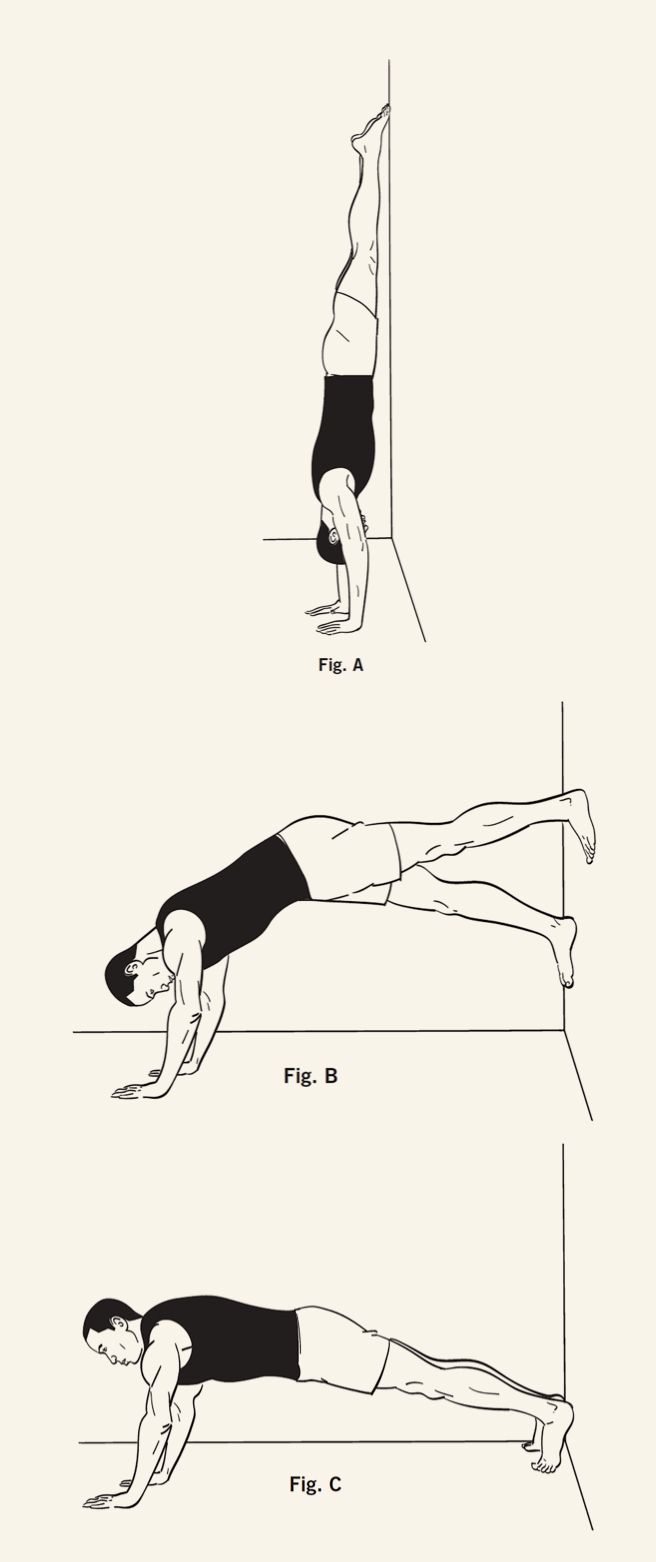
Get into a handstand position against a wall, nose facing toward the wall. (fig. A)
Keeping your body in one line, slowly walk your hands out and your feet down the wall simultaneously. (fig. B) Keep your knees straight and walk with your ankles. The steps should be small.
Reach the bottom with your feet on the floor in a push-up position. (fig. C) Correct your form to be maximally hollow and protracted.
Reverse and go back up the wall, returning to handstand position. That is 1 rep, my friend.
SLEEP
- A lack of sleep contributes to the following...
Impairs insulin sensitivity. Want to become diabetic overnight? Just sleep poorly. A night of poor or missed sleep can make one as insulin resistant as a type 2 diabetic… the effects of sleep deprivation on insulin sensitivity and thus glucose tolerance are profound and nearly immediate.
Increases gut permeability. Increased intestinal permeability itself impairs insulin sensitivity while increasing our reactivity to certain foods.
Increases systemic inflammation. Even with very little sleep loss we immediately see increases in C-reactive protein and the tendency of platelets to stick together (not great if you’re at risk for a stroke or heart attack). All modern degenerative diseases have a commonality of increased systemic inflammation
IMPAIRS IMMUNE FUNCTION.
Alters anabolic hormones.
Causes cravings. Sleep deprivation is a stress, and when a stress becomes chronic, one of the first adaptive mechanisms our bodies shift toward to deal with the stress is to seek out quick energy…. generally that comes in the form of highly processed foods
Lack of total sleep time suppresses your immune system and increases your risk of upper respiratory tract infections (URTI).
(Sheldon Cohen et al., “Sleep habits and susceptibility to the common cold,” Archives of Internal Medicine 169, no. 1 (2009), https://doi.org/10.1001/archinternmed.2008.505; Aric A. Prather et al., “Behaviorally assessed sleep and susceptibility to the common cold,” Sleep 38, no. 9 (2015), https://doi.org/10.5665/sleep.4968.)
- Now is the perfect time to work on improving our sleep hygiene. Start with the following tips and sleep soundly in your isolation chamber, aka room.
Go to bed at a similar time each night (even on the weekends). The body thrives on routine.
Stop using blue-lit screens (TV, Computer, or Mobile devices) 2 hours before bed. The blue light from the screen tricks your brain into thinking the sun is out, therefore suppressing melatonin — a hormone necessary for the onset of sleep.
Be sure to stop eating at least 2 hours before bedtime, as digestion can cause sleep interruptions.
If you must use a device with a screen, utilize "night mode" or blue-light blocking technology like F.lux to minimize your exposure.
Sleep in a cool, dark room. Research has shown that the best temperature to sleep at is around 68°F. And, the darker the room the better.
STRESS
- For sure we are in uncharted waters at the moment in history however that doesn't mean you have no control over the way you feel. Perception is a matter of choice. You can choose how you respond to anything. In any situation in life you have three options. You can change it, you can leave it, or you can accept it. What is not a good option is to sit around wishing you would change it but not changing it, wishing you would leave it but not, and not accepting it. Acceptance is the only way to mitigate the stress of this situation and move to make the best out of whats left.
- Something I find helpful in quieting the mind is the practice of gratefulness. Most people think you can only be grateful after something has happened, but if you are actively looking for things to appreciate you will find them. Establishing a habit of gratitude welcomes it into your consciousness, shifting awareness away from less desirable or stressful emotions. Get a journal, download an app, or simply open up a blank document on your computer. Set aside a few minutes each day and use the following prompts to ease your mind...
To be answered in the morning:
I am grateful for… 1._______ 2._______ 3.________
What would make today great? 1._______ 2._______ 3._______
Daily affirmations. I am…. 1._______ 2._______ 3.________
To be answered at night:
3 amazing things that happened today… 1._______ 2._______ 3.________
How could I have made today better? 1._______ 2._______ 3.________
ideas on what to be grateful for:
an old relationship that really helped you or that you valued highly.
an opportunity you have today
something great that happened yesterday, whether you experienced or witnessed it
something simple near you or within sight… the gratitude points shouldn’t all be “my career” and other abstract items
- Another thing that could have a positive impact is taking up Breathing Exercises or Meditation.

GUT HEALTH
- Since you have nothing else to do, think about fixing your shit, literally! 80% on your immune system lies in your gut. If you are not digesting your food optimally, your immune system may be compromised. Check out the following guide to assess your mess...

DETOXIFICATION
- The Environmental Working Group estimates that on average, each adult uses nine personal care products daily, with 126 different chemical ingredients. Women use more products than men, so the tally for women goes up to 168 chemicals from personal care products alone. Many of these products we use in, on, or around us are full of chemicals that are linked to serious health issues such as endocrine disruption or cancer. Take this time to review the ingredients of the personal care products you use — shampoo, toothpaste, cologne, perfume, make up, deodorant, lotion, etc. Enter anything you can't pronounce into the EWG's SKINDEEP rating system to see what you're being exposed to. Once you find the worst offenders, replace the item with a less toxic version when you run out.

EXTRA STUFF
- Take your ass outside in the sun and go for a walk (just avoid people). Going out in the sun is the easiest way to stay active, slim and boost immunity....
Sunlight's effect on Immunity: Vitamin D production, stimulated by exposure to the UVB portion of solar radiation, may improve immune system response, and thereby reduce risk of infections. One of the mechanisms by which this is accomplished is the production of antimicrobial peptides (AMPs), which can help to negate the effects of bacteria, fungi, and viruses. One of the most important AMPs is cathelicidin, which is under control of the vitamin D receptor (VDR), whose activity is regulated by the presence of the potent hormone form of vitamin D: 1,25-dihydroxyvitamin D (1,25(OH)2D). Research demonstrates that when disease causing microbes breach physical barriers, a class of proteins called toll-like receptors (TLRs) recognizes the invading pathogens and triggers the body's immune cells (white blood cells, such as macrophages) to respond in various ways, including the activation of the immune cell's vitamin D receptors (VDR). This response prompts the stored form of vitamin D, 25(OH)D, to be taken from the blood and hydroxylated to form 1,25(OH)2D (the potent hormone), which binds to the VDR of the immune cell. The cathelicidin gene is then activated and the human cathelicidin, LL-37, is synthesized within the immune cell in order to destroy the pathogen after the immune cell engulfs it. This reaction is totally dependent on the availability of the stored form of vitamin D. The cathelicidin also acts by destroying the integrity of the lipoprotein membranes of the pathogens, rendering them harmless. It also has a chemotactic effect, acting as a chemoattractant for immune cells in the immediate vicinity of the pathogen breach.
Can sun exposure help with body transformation?
A recent study from Northwestern Medicine demonstrates that timing and intensity of light correlate with BMI... Optimal BMI is between 18-25.
The study showed that exposure to bright morning light was directly related to BMI. After adjusting for confounders such as diet, exercise, and timing of sleep, it was determined that very early exposure to morning light correlated remarkably to lower BMI. Even when light intensity was equal at different times of the day, those who received the earliest bright light had lower BMI. In fact, for each hour later in the day when light exposure occurred, BMI increased by 1.3 units. This fact is exceptional, since a person who has a BMI of 25 (upper ideal range) could approach 30 (basically obese), over time, simply by the habit of receiving sun exposure later in the day, e.g. 10:00AM rather than 7:00AM.
The authors suggested that the mechanisms by which early light exposure could influence weight control could be the following: (1) resetting the circadian rhythm, (2) the greater quantity of blue light in the morning sun and (3) effects on melatonin production. Whatever the mechanisms, we now know that early-morning sun is important to weight control. It may also be important to other health issues. But before we begin to think sun exposure is the cure-all for obesity, we must address poor nutritional and exercise habits. Nevertheless, in these times of limited access to gyms, it is a simple addition to any routine.
ref: Reid KJ, Santostasi G, Baron KF, WIlson J, Kang J, Zee PC. Timing and intensity of light correlate with body weight in adults. PLoS One 2014;2;9(4)
Sun exposure is superior to Vitamin D supplements in prevention of weight gain.
Research conducted on mice with shaved backs were placed on a high-fat diet and then exposed to non-burning ultraviolet radiation (UVR) during a three-month experiment. The mice, without the benefit of UVR, would have been expected to gain weight rapidly on that diet, but when they were exposed to UVR, the weight gain was impressively reduced. The UVR treatment achieved a 30-40% reduction in weight gain, compared to the expected weight gain with the high-fat diet.
Other benefits included: significant reductions in glucose intolerance, insulin resistance and fasting insulin levels (all markers and predictors of diabetes), nonalcoholic fatty liver disease, and cholesterol. All of these factors, including obesity, are part of a cluster of maladies known as the metabolic syndrome which is indicative of deteriorating health and susceptibility to heart disease and diabetes.
ref: Geldenhuys S, Hart PH, Endersby R, Jacoby P, Feelisch M, Weller RB, Matthews V, Gorman S. Ultraviolet radiation suppresses obesity and symptoms of metabolic syndrome independently of vitamin D in mice fed a high-fat diet. Diabetes. 2014 Nov;63(11):3759-69
COMIC RELIEF via MEMES


High Protein Diet Has No Harmful Effects

Many people are under the impression that high protein diets are evil and cause all types of diseases, however a recent study says that notion is nonsense.
A study published in the Journal of Nutrition and Metabolism found that in resistance-trained men that consumed a high protein diet (~2.51–3.32 g/kg/d) for one year, there were no harmful effects on measures of blood lipids as well as liver and kidney function. In addition, despite the total increase in energy intake during the high protein phase, subjects did not experience an increase in fat mass.
A High Protein Diet Has No Harmful Effects: A One-Year Crossover Study in Resistance-Trained Males
The Liver & Detoxification (Part 1)
By Graeme Bradshaw
Did you ever want to know about how to look after your liver?
This is part of a detailed series of articles explaining liver metabolism related to detoxification. You will learn how and what to do to maintain optimal liver health.
Where is the liver?
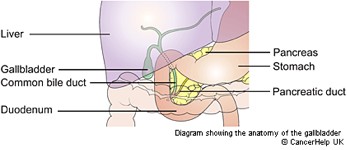
The Liver’s location is on the right side, at base of the ribs, shown in lilac color. The Gall Bladder sits under the liver.

Expanded view of the gall bladder ducts - the gall bladder is under the liver
The next diagram gives a better idea of the actual appearance of the liver, as well as how the blood flows into it from the intestines. It is the first place blood that having picked nutrients, like fats, amino acids, phyto-chemicals, vitamins and minerals and any wastes from the intestines and bowels. One of the liver's primary functions is filtering the blood. Almost 4 liters of blood pass through the liver every minute for detoxification. The blood then passes out to the heart.
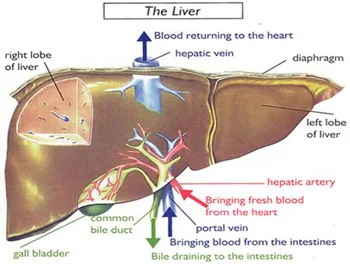
Bile from the liver is both a waste product, and it helps digesting and absorbing the fats and oils form food. Bile is especially released by fatty meals. Bile is necessary for bowel peristalsis, that is constipation may be caused by lack of bile.

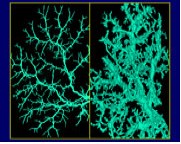
Green colors above indicate the “biliary tree”, which are the bile ducts draining the liver into the gall bladder. These may be blocked with fatty cholesterol-laden plaque, bilirubin and bile salts, as depicted on the picture on the right side. The gall bladder may become congested with this plaque if it is not released as well and is prone to crystallize into gall stones by mid-life if the diet is incorrect. Read on for how to prevent this.
What are the functions of the liver?
- It is responsible for the production of bile that is stored in the gallbladder and released when required for the digestion of fats
- The liver stores glucose in the form of glycogen that is converted back to glucose again when needed for energy
- It also plays an important role in the metabolism of protein and fats.
- It stores the vitamins A, D, K, B12 and folate and synthesizes blood clotting factors.
- Another important role is as a detoxifier, breaking down or transforming substances like ammonia, metabolic waste, drugs, alcohol and chemicals, so that they can be excreted. These may also be referred to as "xenobiotic" chemicals.
Filtering the Blood
The liver plays a key role in most metabolic processes, especially detoxification. The liver is a filter designed to remove toxic matter such as dead cells, microorganisms, chemicals, drugs and particulate debris from the bloodstream. The liver filter is called the sinusoidal system, and contains specialized cells known as Kupffer cells that are part of the white blood cell immune function. They make up 10% of liver weight, and function to ingest and break down toxic matter.
Filtration of toxins is absolutely critical as the blood from the intestines contains high levels of bacterial waste, (endotoxins from the bowels), antigen-antibody complexes, and various toxic pollutants. When working properly, the liver clears 99% of the bacterial toxins during the first pass. However, when the liver is damaged, such as in alcoholics, the passage of toxins increases by over a factor of 10. This is similar if your intestines are too permeable, a condition known as “leaky gut”. Allergies (especially to gluten) and parasites may cause this.
The liver neutralizes a wide range of toxic chemicals, both those produced internally and those coming from the environment. The normal metabolic processes produce a wide range of chemicals and hormones for which the liver has evolved efficient neutralizing mechanisms. However, the level and type of internally produced toxins increases greatly when metabolic processes go awry, typically as a result of nutritional deficiencies, pesticide laden foods, low fiber diets and high red meat or alcohol intake.
Many of the toxic chemicals the liver must detoxify come from the environment: the content of the bowels and the food, water, and air. The polycyclic hydrocarbons (DDT, dioxin, 2,4,5-T, 2,3-D, PCB, and PCP), which are components of various herbicides and pesticides, are on example of chemicals that are now found in virtually all fatty tissues of the body, including the brain. Even those eating unprocessed organic foods need an effective detoxification system because all foods contain naturally occurring toxic constituents, and bacterial or fungal activity in the bowel may produce more.
So far we’ve learned that liver plays several roles in detoxification: it filters the blood to remove large toxins, synthesizes and secretes bile full of cholesterol and other fat-soluble toxins, and now we move on to how it enzymatically disassembles unwanted chemicals. This enzymatic process usually occurs in two steps referred to as phase I and phase II. Phase I either directly neutralizes a toxin, or modifies the toxic chemical to form activated intermediates that are then neutralized by one of more of the several phase II enzyme systems.
Proper functioning of the liver's detoxification systems is especially important for the prevention of cancer, since phase II detoxification deactivates carcinogens. Around 70% of all cancers are thought to be due to the effects of environmental carcinogens, such as those in pesticides, trans and burned fats in food, plastics and other sources of environmental estrogens, as well as air pollutants, cigarette smoke, etcetera. Our own hormones that are poorly detoxified may be cancer inducing, notably some forms of estrogens, and we are especially at risk if there is insufficient liver detoxification and bowel elimination. When combined with deficiencies of the nutrients the body needs for proper functioning of the detoxification and immune systems this issue gets worse. The level of exposure to environmental carcinogens varies widely, as does the efficiency of the detoxification enzymes, particularly phase II. High levels of exposure to carcinogens coupled with slow phase II detoxification enzymes significantly increases susceptibility to cancer.
Bile Excretion
The liver's second detoxification process involves the synthesis and secretion of bile. Each day the liver manufactures approximately 2 liters of bile, which serves as a carrier in which many toxic substances are dumped into the intestines. In the intestines, the bile and its toxic load are absorbed by fiber (if there is any in the diet) and then excreted. However, a diet low in fiber results in inadequate binding and reabsorption of the toxins back from the intestines into the liver. This low fiber diet (especially soluble fiber like oats and flax seed lignans) is a major cause of gall stones. This problem is magnified when bacteria in the intestine modify these toxins to more damaging forms.
The Gall Bladder : What does it do?
The gallbladder's main purpose is to concentrate and store your bile. Bile is a fluid made in the liver that helps you to digest fats in your small intestine. It is made from cholesterol, water, bilirubin and bile salts.
Bilirubin is what gives bile its greenish colour – the color turns darker brown the longer it is in the intestines. Bilirubin comes from the breakdown of used red blood cells.
When you eat fatty foods, the fats are broken down (digested) in your stomach and intestines. To get the bile to the food in your gut, your body either:
- Releases it from the liver and down the bile ducts, straight into your small intestine
- Stores it first in your gallbladder, which releases bile into your common bile duct as you need it
- Fats and oils in the diet stimulate the release of bile following a meal
- Fiber, especially soluble fibre such as from oats causes more bile to be released from the bowel, reducing gall stone formation. A low fiber diet increases gall stone risks, especially if no breakfast is eaten.
Factors causing most gallstone formation:
- A low fiber diet. Low fiber from too few vegetables, fruits, and whole-grain foods and whole grains such as oats or flax seeds. Do you eat 5 serves of fruit and vegetables a day or have a high fiber cereal breakfast? If not add oats and flax seeds which have high lignan content that is a soluble fiber.
- Too much red meat, cheese, and other dairy, bacon, sausages and gravies which are all high in saturated fat, that increase triglycerides (TG’s) and cholesterol, affecting the liver and gall (makes more concentrated bile).
- Omega 3 oil deficiency makes the TG’s and cholesterol go higher as well. Omega-3 oil, found in fish or flax seed oil, blocks cholesterol formation in bile.
- Sugar (and lack of exercise) increases triglyceride (TG’s) levels in the blood – high TG’s create less soluble bile. High sugar intake increases insulin levels that increase cholesterol saturation in bile (a bad effect).
- Irregular meals, skipping breakfast (“coffee breakfast”) and crash dieting contribute.
- Estrogens (the pill and oral contraceptives, and pregnancy increase frequency of gall stones – hence women more common sufferers). Women with a family history of gallstones are best to avoid oral contraceptive pills.
- Some gastrointestinal diseases – including Crohns disease.
- Some cholesterol lowering drugs (fibric acid derivatives e.g. Cliofibrate).
- Incidence of liver fluke is able to precipitate a particular type of pigmented gallstone and is relatively common in Asia (common especially if raw fish is regularly eaten).
- Food allergies are another trigger factor for gall related symptoms – if the gall is partly blocked consumption of food allergens trigger symptoms. The most common offenders are: egg, pork, onions/garlic, chicken, chocolate, dairy products chili, coffee, oranges, wheat, corn, beans and nuts in descending order. The high fat dairy products and pork are not recommended whether you have allergy/intolerance to them or not because of their saturated fat content.
- Coffee contracts the gall bladder – even if de-caffeinated – so if you have gallstones coffee may cause pain.
- Finally an odd one - sun-burning increases risk of gallstones.
Helpful Supplements and Nutritional Measures:
- Drink two large glasses of water on rising, and midmorning and mid afternoon to maintain the water content of the bile. Sliced un-peeled lemon in hot water is a bile stimulant too, and a healthy way to start the day. Add honey and some turmeric powder for anti-inflammatory benefits
- Take 2 fruits and 3 - 4 vegetable serves daily, especially including the cabbage family. This is for the fiber and important anti-oxidant content. (Carrots, beets, prunes, cabbage, broccoli, brussels sprouts, kiwi, papaya, apples are all very useful).
Lose excess weight (low animal fats and/or low sugar/sweets diet)
- Take extra mg vitamin C and 200 of vitamin E daily - improves bile solubility (Innate Response Antioxidant is our best antioxidant supplement)
- Fish oil ideally as 3 or 4 Krill Oil capsules daily (providing 750 - 1000mg of EPA and contains fat mobilizing phosphatidyl choline). We recommend this also for Fatty Liver. Oily fish include salmon, sardine, halibut herring, trout – twice or more weekly.
- Initially you need herbal bile stimulating herbs: Artichoke Extract is best and simplest for this, slightly lowering cholesterol and helping bowel movement along.
- Milk thistle can be used alternatively, having more benefits on detoxification and liver protection. A product giving Milk Thistle, Globe Artichoke and further nutrients as well (choline, methionine) called Liver Support – is often given for optimal liver-gall function.
- Exercising three times per week reduces gall stone formation.
- Take a probiotic - Lactobacilus bowel flora. These stimulate excretion of bile from the intestine, as well as binding these as well as other intestinal toxins and removing them.
The Importance of Zinc

The human body absorbs approximately 400kg zinc over the average 70-year lifespan and at any one time there should be 2-4 gm zinc in the body. It is the second most abundant mineral ion ( Magnesium is the first) in the body and is the only metal that appears in all enzyme classes The body absorbs 20-40% of zinc in food, zinc from animal foods being more readily absorbed (twice as much ) than zinc from plant foods. Zinc is also more readily absorbed with a protein meal and although the body cannot store zinc and it is needed every day in small amounts (50mg or less), it may be held in metallothionine reserves and transferred in metal transporter proteins. Metallothionines in the intestinal cells are capable of adjusting the absorption of zinc by 15-40%. Thus control of cellular zinc homeostasis is maintained by zinc proteins and zinc binding metallothioneines. Zinc is needed for over 300 enzymes in the body and makes up part of 3000 different proteins in the body. Muscles (60%) and bones (30%) contain 90% of the body’s zinc. High concentrations of zinc are found in the prostate gland and semen and the choroid of the eye.
If bone is reabsorbed or muscle is broken down then some zinc can be reutilised and in cases of zinc depletion changes in immune status alter before any decrease in levels of plasma zinc. There is a small exchangeable pool of zinc (100-200mg ) that depends on recently absorbed zinc and the intestinal excretion of zinc. As with Magnesium, the efficiency of absorption of zinc is inversely related to the amount of zinc present in the body. The greater the level of body zinc, the less absorption occurs. Zinc, Magnesium Calcium and Iron all compete for transporters in the intestine for uptake above a threshold of approximately 800mg so consuming these minerals together below this level should not interfere with uptake Zinc is found in all cells in the body and the daily requirement is dependent on age and activity.
Zinc deficiency is due to
Soil deficiency.
Some drugs deplete zinc.
Vegetarian and vegan diets may be deficient.
High cereal based diets, containing high phytate foods which can bind with zinc and impair absorption.
Cooking with water can result in leaching of up to 50% of zinc levels of the food.
Refined processing of wheat and baked goods can result in up to 75% zinc loss
Tetracycline and quinolone antibiotics react with zinc in the intestines inhibiting the absorption of both the antibiotic and zinc. The antibiotic should be taken 2 hours or more before or at least 4-6 hours after the zinc supplement to avoid this.
In short over 300 enzymes are zinc dependent, including enzymes involved in the synthesis of certain proteins such as collagen and wound healing. Also needed for thymic hormone activation and maintaining a normal immune system, testosterone and oestrogen, fertility and reproduction including cell division. It is involved in gene regulation, maintaining acid/base balance in the body and normal carbohydrate, fat and protein metabolism. It is needed for normal bones, skin, hair and nails and normal brain function including maintenance of normal vision. It can also act as an antioxidant, protecting DNA, lipids and proteins in the body.
Zinc Contributes to
Normal DNA synthesis. Although the exact role of zinc in DNA synthesis is not fully understood but it does play a structural role in zinc fingers, which are finger shaped proteins. Due to their shape, these proteins can bind to DNA and RNA allowing them to function in Gene expression. These proteins are the most common transcription factors in living organisms, transcription factors are proteins that bind to DNA and control the transfer of genetic information to RNA Put simply Zinc is needed for reading genetic instructions and lack of zinc may mean that instructions get misread or not read at all.
Normal acid/base metabolism. Acid/Base balance is the balance between acid and alkaline to keep body fluids as close to a neutral pH (pH7) as possible. Carbon dioxide and water are rapidly converted to bicarbonate and water (and back again) to maintain acid base balance in the blood and other tissues. The enzyme responsible for this is the zinc dependent enzyme Carbonic Anhydrase. Studies have shown that dietary deficiency of zinc reduces red blood cell carbonic anhydrase activity
Normal carbohydrate metabolism. Deficiency of zinc results in a drop of metabolic rate. Zinc dependent messenger RNA is needed to synthesise the enzymes required for carbohydrate metabolism so zinc deficiency may result in lack of these enzymes. Zinc may also interact with insulin by controlling the uptake of glucose by adipocytes (fat cells). Zinc deficiency results in impaired carbohydrate metabolism.
Normal cognitive function Zinc is highly concentrated in the cerebral cortex, pineal gland and hippocampus and zinc deficiency is associated with impaired memory formation and mood disorders. In the hippocampus zinc can reach concentrations of 8% of the total brain zinc. Zinc ions are also NDMA (N-methyl-D –aspartate) antagonists (NDMAs control memory function and excessive NDMA activation results in cell death due to excess calcium influx into neuronal cells ) so zinc becomes important for normal neuronal function and memory and delaying brain cell death . Normal fertility and reproduction. Steroid hormones such as testosterone and oestrogen are derived from cholesterol and zinc plays an important role in cholesterol metabolism. Low dietary zinc is associated with low concentrations of several hormones including testosterone.
Testosterone. Circulating testosterone and free testosterone appears to increase with oral zinc intake. In one study supplementing with 250 mg zinc sulphate for 6 weeks increased testosterone by 85% in people on hemodialysis.
Free Testosterone is converted to DHT (dehydrotestosterone) by the enzyme 5alpha-reductase ) primarily in the prostate gland, testes , adrenal glands and hair follicles. DHT is increased in infertile men and as it has an affinity for the hair follicles can result in male pattern baldness. Zinc has been shown to inhibit ( up to 98%)the enzyme 5 alpha reductase.
Semen: Semen is very rich in zinc. Sperm count, motility and physical characteristics of sperm increase and improve with some groups of infertile men.
Zinc deficiency has also been associated with increased expression of oestrogen receptors. The enzyme aromatase converts testosterone to oestrogen and zinc decreases aromatase activity so preventing excessive conversion of testosterone to oestrogen. Zinc deficiency can cause testicular cell death, increase protein oxidation in the testes, dysregulating other enzymes and proteins resulting in degeneration of testicular structures and impaired testosterone secretion.
Why should I Take A Zinc Supplement?
Normal macronutrient metabolism. Macronutrients are carbohydrates, fats and proteins. Zinc is needed for the enzymes that metabolise carbohydrates, fats and proteins
Normal metabolism of fatty acids- zinc is needed for the conversion of linoleic acid to Gamma Linolenic acid (GLA) and for the synthesis of prostaglandins series 1 ( Anti inflammatory prostaglandins) Zinc also plays an essential role in maintaining a balance between to different forms of prostaglandins.
Maintenance of normal serum testosterone concentrations, so involved in fertility and reproduction. Zinc plays a role in cell signalling, influencing hormone release and nerve function.
Normal metabolism of vitamin A. Zinc is necessary to maintain normal concentrations of vitamin A in the plasma, being essential for normal mobilization of Vitamin A from the liver. Zinc deficiency decreases the synthesis of Retinol Binding protein (RBP) in the liver leading to lower levels of RBP in the plasma.It influences the absorption, transport and utilisation of Vitamin A. . Zinc is also required for the enzyme Alcohol dehydrogenase , responsible for converting retinol to retinal, essential for eye function.
Normal protein synthesis. One of the important zinc dependent proteins is Gustin which is involved in taste and smell. Poor or absent gustin levels results in impaired taste and smell. Other important zinc containing enzymes are carboxopeptidase which helps break down protein. Zinc deficiency also impairs the synthesis of the protein Opsin, the precursor of Rhodopsin, which if decreased, results in abnormal dark adaptation of the eye. Zinc is also required for the enzyme alcohol dehydrogenase , responsible for converting retinol to retinal, essential for eye function. Haemoglobin is a protein and zinc s important in haemoglobin synthesis.
Maintenance of normal bones. Zinc regulates the secretion of calcitonin from the thyroid gland and therefore influences bone turnover. Zinc appears to regulate the bone matrix calcification in osteoblasts. Zinc deficiency decreases the activity of matrix proteins, type 1 collagen and alkaline phosphatase decreasing Calcium and Phosphorus accumulation. Therefore zinc deficiency may become a risk factor for poor extra cellular matrix calcification.
Maintenance of normal hair and nails Zinc is needed for building keratin and formation of collagen and for facilitating cell division that makes hair growth possible.
Maintainance of normal skin. Collagen in skin is produced by zinc dependent enzymes , the collagenases. Type 1 collagen is produced in the skin and is a structural long lived protein produced by fibroblasts. Collagen constitutes 70% skin mass and give the skin its structure and resistance to traction and strains. Total collagen decreases 1% a year resulting in decreased elasticity and aging skin. Zinc is essential not only for the enzymes producing collagen but also the cross linking that give collagen its stability. Human studies have shown that decreased zinc resulted in decreased total collagen.
Maintenance of normal vision Zinc supplementation alone significantly reduced the risks of developing AMD in subjects at higher risk. Zinc deficiency also impairs the synthesis of the protein Opsin, the precursor of Rhodopsin, which if decreased, results in abnormal dark adaptation of the eye. Zinc is also required for the enzyme alcohol dehydrogenase , responsible for converting retinol to retinal, essential for eye function.
Contributes to normal function of the immune system. Plays a central role in the immune system affecting cellular and humoral immunity. It is essential for thymic dependent T cells . Zinc deficiency results in decreased levels of all types of white blood cells. It is also required for the production of Thymulin (thymic hormone) Zinc ions also exhibit direct anti microbial activity.
Contributes to protecting the cells from oxidative damage, protecting the DNA, lipids and proteins . Loss of zinc from biological membranes increases their susceptibility to oxidative damage. Zinc is also necessary for the antioxidant enzyme Super Oxide Dismutase (SOD)and low levels of zinc supplementation resulted in increased levels of glutathione peroxidase , SOD and decreased lipid peroxidation.
The process of cell division. Zinc contributes to normal DNA synthesis and cell division. Zinc appears to be essential for Insulin like growth factor (IGF) which induces cell proliferation. Reduced zinc availability appears to affect membrane signalling and secondary messengers that coordinate cell proliferation. Ref : The Role of Zinc in Growth and Cell Proliferation by Ruth MacDonald published In The American Society for Nutritional Sciences Reference
What Are The Symptoms Of A Mild Zinc Deficiency?
Loss of appetite.
Poor growth.
Weight loss.
Diminished taste or smell.
Poor wound healing.
Skin problems, acne, psoriasis atopic dermatitis.
Poor vision, night blindness.
White spots on finger nails.
Depression, apathy.
What Are The Symptoms Of A Severe Zinc Deficiency?
Delayed sexual and bone maturation
Skin lesions
Diarrhoea
Loss of appetite
Hair loss
Increased susceptibility to infections
Behavioural changes
The passage of zinc into the body
Studies involving direct comparison of bioavailability of different forms of zinc in humans are few. The important fact is that the form of zinc needs to become dissociated into zinc ions which then bind to ligands ( proteins ) that transport the zinc into the cells of the small intestine. There are specific transport proteins that carry zinc across the cell membrane into the portal circulation where it is transported directly to the liver before being released into the circulation for delivery to all tissues. Approximately 70% of zinc is bound to serum albumin ( a plasma protein ) and factors altering serum albumin in turn affect serum zinc levels. Serum zinc has a rapid turnover to meet tissue demands.
Zinc is lost through the skin and kidneys (combined loss of 0.5-0.8mg/day) , more zinc being lost when the body sweats more, as in hot climates and during strenuous exercise. Approximately half of all zinc eliminated from the body is lost through the shedding of epithelial cells in the gastro intestinal tract (0.5- 3mg/day) and although a considerable amount is secreted through both biliary and intestinal secretions, most of the secretions are reabsorbed regulating the zinc balance. Starvation and muscle breakdown also increase zinc loss through the urine.
As already mentioned, protein enhances the absorption of zinc and a phytate rich diet (from cereals, grains, corn and rice) inhibit the absorption of zinc.
There is a very fine balance between zinc and copper. Zinc reduces the amount of copper your body absorbs because copper competes with zinc to bind with metallothionein, the binding protein that brings zinc into the intestinal cells. The ratio of zinc : copper is arguably more important than the concentration of either copper or zinc, a common problem being excessive copper in water from copper pipes or copper cookware.
Zinc also competes with iron to bind with blood transferring, illustrating the importance of a balance of these minerals. The ECRDA for zinc is 10 mg less is required for babies, children and teenagers and more for pregnant and breastfeeding ladies.
Recommended Daily Allowance For Zinc Supplements

Bioavailability Of Different Forms Of Zinc Supplements
There are many forms of zinc compounds.
Zinc Picolinate 20%
Zinc Ascorbate 15%
Zinc Chloride 48%
Zinc Sulphate 22%
Zinc Carbonate 52%
Zinc Citrate 31%
Zinc Bisglycinate 25%
There is not much substantial evidence of greater effectivity of one form of zinc over another as absorption of zinc in the body is subject to so many variables.
However, a small research study (15 healthy young adults in a randomised, double blind three way cross over study, receiving 10mg of elemental zinc as a supplement without food just published (20 November 2013) found that the bioavailability of zinc citrate was 61.3% , of zinc gluconate was 60.9% and of zinc oxide was 49.9 % Previous zinc intake may affect zinc bioavailability studies. Variables include;
Existing zinc status of the individual. The lower the zinc status of the individual, the greater the absorption of zinc.
People that sweat a lot are subject to more zinc loss, for example athletes, those in hot climate, menopausal ladies experiencing night sweats.
Dosage of zinc- as zinc intake in dosages is increased , percentage absorption decreases probably due to the saturation of the transport mechanisms.
Zinc absorption appears to be decreased in the elderly.
Zinc absorption is increased with dietary protein intake.
The type of protein in a meal affects zinc bioavailability. Animal protein enhances absorption.
Phytates in cereals and soy inhibit absorption of zinc by binding with it ( except zinc bisglycinate found in Metabolics zinc formula).
Caesin in milk and calcium inhibit absorption by binding with zinc ions.
Iron inhibits absorption of zinc.
Copper ( in high amounts ) inhibits Zinc absorption. In studies using 15mg zinc combined with 2mg copper no inhibition of absorption was found.
Cadmium- toxic levels of cadmium can inhibit zinc absorption
Conclusion
Types of zinc supplements may remain a personal preference, although generally zinc should not be taken on an empty stomach (as it can result in nausea) should be taken with an animal protein meal , away from cereals and taken in conservative doses to increase absorption. Long term zinc intake is recommended with copper (see zinc formula) as this is zinc bisglycinate, the only form not affected by phytates and balanced with a small amount of copper.
Enter coupon code: SSSCZinc to save 10%
Dangers of NOT Detoxing
One of the world´s leading health and fitness experts, Charles Poliquin talks to Ninka-Bernadette Mauritson, founder of www.thedetoxtribe.com about the dangers of NOT doing a detox. Every year.
Hormones and Chronic Stress
Underlying Causes of Adrenal/Hormone Problems
Unhealthy lifestyle habits (poor diet, inadequate exercise, insufficient sleep, lack of relaxation, and internalizing emotional stress) are sources of chronic stress that may be underlying causes of adrenal fatigue and hormone imbalance. Other common sources of chronic stress include: food sensitivities, heavy metals, environmental toxins, radiation exposure, and regular use of prescription drugs. Chronic stress slowly erodes health and compromises longevity.
Under chronic stress, the adrenal glands increase their output of cortisol—often referred to as the “stress hormone.” The principal hormones produced by the adrenal glands—cortisol, DHEA, aldosterone, testosterone, estrogens, and progesterone—share a common precursor, the master hormone pregnenolone. When under stress, the adrenal glands are hyperstimulated and pregnenolone is diverted (stolen) from other pathways to produce cortisol.
Pregnenolone Steal
This increase in the production of cortisol (and the resulting diversion ofpregnenolone) causes fatigue and the general aches and pains associated with chronic stress. However, with time, pregnenolone steal has a much broader damaging effect on health. It exacerbates any developing or existing health problems because pregnenolone is not being adequately converted to other essential hormones. Refer to the following chart to see the dynamic of pregnenolone steal:

What stresses have become chronic, causing the body to divert pregnenolone to provide for the production of cortisol? The sooner you identify and deal with the offenders, the sooner you restore your patients’ health. Consider the following sources as a logical starting point:
- Lifestyle: Diet, Sleep, Exercise, Mental
- Environmental: Pathogen infections, chemicals, heavy metals, food sensitivities, mold, radiation.