
These articles explore the body, the mind, the environment, and the systems that shape human health. Each piece is written to make complex ideas easier to understand, whether the topic is training, nutrition, sleep, stress, digestion, symptoms, physiology, disease, or the way modern life affects how we feel and function.
Strength, Health, & the Art of Living Well
Food is Information

Photo by Pineapple Supply Co. on Unsplash
I've been mulling over this: our food isn't just fuel, it's information. Plants absorb their surroundings — sunlight, soil, water — and encode this into their very being, down to the electrons. Eating food grown elsewhere hands our bodies mismatched information, creating a disconnect between the food's origin and our current environment, which I think can subtly disrupt our system over time.
Imagine this: each meal carries the signature of its birthplace. A tomato ripened under the Sicilian sun isn't just different in taste from one grown in a Japanese greenhouse; it's fundamentally distinct. The light it absorbed, the soil it's rooted in, the seasons it endured all imprint an environmental code into its makeup. Our bodies evolved consuming local produce — foods that reflect the same light and air we're exposed to. Our gut, equipped with sensors — nerves, microbiome, the whole setup — is tuned to interpret this code. When the food's story aligns with our surroundings, everything's in sync. But munching on a tropical mango in a snowy urban apartment? That's like playing static through our system.
This "static" is the misaligned data I'm talking about. Picture being in Minnesota during midwinter: short days, dim light. Your eyes and skin register this, signaling your body to conserve energy. Then you eat a pineapple from Costa Rica, grown under intense equatorial sun. Your gut receives signals of abundance and heat — completely out of sync with what your eyes and skin are conveying. This desynchronization is likely causing the system to glitch. It's not science fiction; it's intuitive. Nature operates in harmony: food, place, and body speaking the same language. Disrupt this, and you invite chaos.
What does this chaos manifest as? Inflammation. It's the body's way of signaling, "Something's off." Perhaps your gut struggles to process that pineapple — enzymes don't match its profile, or your microbiome overreacts. A bit of irritation sparks, a few extra free radicals emerge, and inflammation simmers. Initially, it's subtle — maybe some bloating, a dip in energy, a vague sense of unease. But it's real. One meal like this isn't catastrophic, but make it a habit — like many of us do with globally sourced grocery aisles — and it's not just a blip. It's cumulative.
Health is a marathon, and this is where it gets tricky. A single imported avocado won't derail you, but over years or decades and things begin to add up. Assuming one meal a day with a mismatched food over 20 years, you're at 7,300 meals nudging your gut off balance, fostering inflammation, altering your metabolic processes. This could account for 20-30% of extra weight, dwindling energy, the uphill battles we're all promised to face health-wise. It's not headline-grabbing — "Imported Oranges Ruin Life" — but it's a slow leak, draining vitality bite by bite.
Here's the twist: it's not just about mismatched food, it's the entire system. Nothing in health exists in isolation. If you're excelling elsewhere — getting quality sleep, ample sunshine, staying active, managing stress — this might barely register. Your gut grumbles, inflammation ticks up slightly — maybe 1-5%— but you've got the resilience to brush it off. You're a well-oiled machine; a bit of bad data doesn't cause a breakdown. But if you're already struggling — sleepless nights, confined indoors under artificial lights, high stress, sedentary lifestyle — then that same out-of-place food hits harder. It could be a 20-30% impact, or more, because your system lacks a health buffer. The gut's already compromised, baseline inflammation is high, and that foreign pineapple is like rubbing salt in the wound. Everything's interconnected. Hammer the basics, and this is a footnote; neglect them, and it's probably a player in your decline.
Where are your studies? I don't have any. I don't need a stack of studies to grasp this — it makes sense. Step outside, observe: nature thrives on coherence. A deer grazes on the grass beneath its feet, not on feed shipped from another continent. Our ancestors consumed what grew around them — berries in summer, roots in fall. Their eyes saw the same sun as the plants; their skin felt the same breeze. Now? I'm eating Columbia bananas under fluorescent lights, and my body's confused. This mismatch delivers incorrect information — the gut anticipates one thing, eyes and skin report another — and inflammation ensues. How significant is this? It varies. For the average person — with mixed habits and a global diet — I'd estimate it's 10-15% of why we're heavier, more fatigued, and less healthy than we should be. Optimize your lifestyle, and it's less; let things slide, and it's more. Either way, it's a factor.
So, yes, I believe eating local, seasonal food matters — not just for the feel-good aspect, but because our bodies are designed for it. Transporting food across the globe disrupts a rhythm we're attuned to, and we pay the price, even if it's gradual. It's not the entire picture — sleep, exercise, stress all play roles — but it's a thread I can't ignore. What about you? What do you think?

Beyond Calories: Creating Transformative Awareness around Weight Loss

Weight loss is a simple formula: consume fewer calories than you burn, and you'll lose weight. This principle is undeniable as it is rooted in the laws of thermodynamics. Yet, for most people, the journey to achieving and sustaining weight loss is anything but simple. While science underscores the importance of energy balance, it also reveals the sobering reality of outcomes: 95% of individuals who embark on a weight loss journey fail [1] and less than 20% of those that succeed maintain their goal for more than a year [2]. These statistics aren't just a testament to the difficultly of the task — they highlight a critical gap between theoretical knowledge and practical application. The disconnect lies not in our understanding of metabolic processes but in the psychological and behavioral challenges that come with implementing this knowledge.
Why does something so simple prove to be so elusive in practice? The answer lies in how deeply our thoughts, habits, and perceptions shape our relationship with food, motivation, and the very concept of dieting.
For many, the very word "diet" triggers a cascade of negative associations — restriction, deprivation, and even punishment. Simply saying "I'm on a diet" can set up individuals for psychological conflict before they even begin. Consider research by Harris Lieberman and colleagues [3] where participants unknowingly consumed all their calories for the day via a slurried concoction totaling either 313 calories (practical starvation) or 2,294 calories (maintenance). Incredibly, participants reported no significant differences in mood, sleep quality, or mental performance between groups, underscoring the role perception has on shaping experience. The only clear variation was hunger, which makes sense due to it being a natural physiological response to a reduced caloric intake. This suggests that much of the hardship we associate with dieting stems not from physical deprivation, but from the knowledge we are on a diet. Just imagine how people would perceive their dieting experience if they were unaware of their caloric intake!
Reminiscent of the age-old maxim — "perception is reality" — how we interpret our experiences fundamentally shapes our emotional and physiological responses. An example of the power of perception can be seen in a study by Crum et al. [4], where participants were told they were either consuming a high-calorie "indulgent" milkshake or a low-calorie "sensible" one, though both shakes were identical. Those individuals who believed they consumed the indulgent shake reported greater satiety and experienced a larger decrease in the hunger hormone ghrelin. This further highlights a critical truth: how we perceive our actions, especially when it comes to weight loss, matters. When dieting is seen as a sacrifice, it can become an uphill battle. Therefore, framing dieting with purpose such as an act of proper nourishment or empowerment towards a new you instead of a form of deprivation can make the process a more rewarding and sustainable endeavor.
Adding to the psychological battle even further is the idea of "projection bias," a cognitive distortion where individuals overestimate their ability to handle future challenges. We inherently believe we will make the right choice when the time comes, however we often miscalculate our future discipline when the challenge presents itself, leading our resolve to crumble under the pressure of the moment. This creates a reinforcing cycle of frustration, highlighting the need for strategies that align our planning with realistic expectations of our future selves. In the moment, it's easy to plan on resisting tomorrow's temptations — the cookies in the office breakroom or choosing the sensible option over the indulgent one at dinner with friends — but when hunger and social pressures strike, resolve often crumbles like that cookie you are trying to avoid. The disconnect between the "now you" as you plan and "future you" as you are faced with executing of the plan explains why so many diets fail. Planning with overly optimistic assumptions about future discipline often leads to disappointment and derailment.
In the moment, even with a plan, traditional approaches to dieting frequently rely on willpower, yet this strategy is inherently flawed because it fails to account for the cognitive distortion of projection bias and the finite nature of self-control. By overestimating future discipline, we set ourselves up for repeated mental strain because we're forced to depend on a fatiguable muscle called willpower. Instead it would better serve us to emphasize approaches that minimize reliance on sheer determination. Because willpower is a finite resource, this constant mental tug-of-war between the logical — what we "should" do — and the impulsive desire of — what we "want" to do — is certain to deplete our mental energy over time. Therefore, success lies in designing systems and environments that reduce a reliance on willpower. For instance, removing high-calorie snacks from the home or preparing meals in advance minimizes moments of weakness and reduces decision fatigue, making healthy choices easier by default.
There are practical strategies to help reduce our need for willpower and bridge the gap between intention and action. For example, a study on the snacking behavior of secretaries revealed that proximity to, and, visibility of, foods significantly influenced their consumption [5]. Candy placed within arm's reach was consumed 1.8 times more frequently than candy placed a few feet away, and candy in an open bowl was eaten 2.2 times more often than candy in a closed container. The implication here is clear: reducing access or creating challenges to acquiring unhealthy options is more effective than relaying on sheer willpower or self-control. This can be applied to just about anything that doesn't serve our weight loss goal such as keeping high-calorie foods out of sight — or better yet, out of the house! We're much less likely to drive to the store if we desire something sweet than walking to the kitchen.
Another proven tactic to reduce mental strain is using implementation intentions or simple "if-then" rules to automate decision-making. For example, coming up with the rule of: "If I feel the urge to snack on a cookie at work, I'll drink a glass of water instead." This pre-planned response minimizes the mental effort required to make the most advantageous choice towards achieving your weight loss goal. And because satiety signals respond to volume, a full glass of water may satiate you more than a cookie, allowing you to feel that you're in charge of your weight loss journey.
Given the limitations of willpower, adopting strategies like pre-planned responses becomes essential in bridging the gap between intention and action. These pre-planned responses not only simplify decision-making but also align with a broader strategy of cultivating mindful habits around food, sharpening awareness of how we engage with our meals and environment.
One additional factor to help with closing the gap between intention and action is to understand our interaction with food itself. Our brains don't have an innate calorie counter; instead, they rely on contextual cues to estimate intake. Distractions, such as watching TV or scrolling on a phone during meals, dull satiety signals and increase the likelihood of overeating. By practicing mindful eating — focusing on each bite and savoring the experience — you can enhance satisfaction and reduce the risk of overconsumption [6].
Beyond these immediate tactics lies a powerful opportunity for deeper change. Reframing the journey as a path of identity transformation creates a bridge between strategies discussed and the mindset needed for long-term success. Rather than viewing weight loss as a temporary endeavor filled with restrictions, aligning it with a broader sense of who you want to become can fundamentally shift your approach. Instead of saying, “I’m on a diet,” consider saying something like, “I’m becoming a healthier person.” This subtle shift in mindset aligns actions with a larger purpose, redirecting the focus from temporary restriction to lasting growth. Carol Dweck, in her book entitled *Mindset *[7], speaks to this approach, emphasizing that "becoming is better than being." In other words, focusing on progress and self-improvement provides purpose to the journey leading to better outcomes than fixating on a specific goal. By prioritizing the establishment of sustainable healthy habits — like hitting a protein goal by eating more whole foods, moving your body regularly outside in the sun, and improving your sleep hygiene — you set the foundation for long-term success.
Purpose is uniquely important, serving as the strongest motivator for behavior change, tying together the psychological challenges and solutions. Victor Frankl, a Holocaust survivor and psychiatrist, observed that “those who have a ‘why’ to live can bear almost any ‘how.’” By connecting weight loss to a meaningful purpose — such as improving health, setting an example for loved ones, or building self-confidence — individuals can reframe their individual journey as one of empowerment rather than a burdensome sacrifice. Shifting the focus from what we are giving up to what we are gaining — such as vitality, strength, quality of life, longevity — makes the trials and tribulations of the process feel more worthwhile and rewarding. Purpose not only provides clarity but serves as a unifying thread that connects practical strategies to the psychological hurdles previously discussed. By rooting the process of weight loss in a meaningful "why," the journey shifts from one of mere behavior modification to a transformative pursuit.
While weight loss may be simple in theory, the practice definitely has its challenges. However, as we have seen, these challenges are not insurmountable. This discussion isn’t meant to be a definitive guide to effortlessly achieve your ideal body because, in truth, that journey is never easy. Instead, the aim here is to create awareness around ideas and systems that work. The first step being awareness — by understanding the hurdles, we can begin to navigate them. Recognizing these obstacles makes them less daunting and allows us to develop personalized strategies that can lead to success. Reframing weight loss as a transformative journey, designing systems to reduce reliance on willpower, creating an environment that supports your goals, and connecting actions to a meaningful purpose transforms the process from one of deprivation to one of empowerment. Success in weight loss, as in any endeavor, requires acknowledging that the sum of your actions has led you to your current position, and the only way forward is an intentional effort and willingness to rewrite your story.
Renew Bariatrics, Diet Failure Statistics, https://renewbariatrics.com/diet-failure-statistics/
Wing & Phelan, 2005, https://pubmed.ncbi.nlm.nih.gov/15798171/
Lieberman et al., 2008, https://pubmed.ncbi.nlm.nih.gov/18779282/
Crum et al., 2011, https://pubmed.ncbi.nlm.nih.gov/21574706/
Wansink et al., 2006, https://pubmed.ncbi.nlm.nih.gov/16418755/
Robinson et al., 2013, https://pubmed.ncbi.nlm.nih.gov/15010185/
Dweck, 2006, https://pubmed.ncbi.nlm.nih.gov/30008392/
The Power of Questions: Transforming Intentions into Actions for Healthier Habits
We all make commitments we fail to honor. How many times have you said, ‘I’ll stick to my diet plan this month’ or ‘I’ll cut down on sugar starting today’, only to find yourself straying from these goals? While we often intend to follow through, good intentions alone aren’t sufficient to create meaningful change. However, a well-designed question might just be the key.
After analyzing over 100 studies covering 40 years of research, a team of scientists from four US universities found that asking questions is more effective than making statements when it comes to influencing your own or someone else’s behavior.
David Sprott, a co-author of the research from Washington State University, noted: ‘If you question a person about performing a future behavior, the likelihood of that behavior happening will change.’ Questions trigger a psychological response that differs from the response to statements.
This means, for example, that a sign that says, ‘Please choose healthy food options’ is less likely to influence its viewers’ dietary choices than a sign that asks, ‘Will you choose healthy food options today?’ Telling yourself ‘I will drink more water’ is less effective in changing your behavior than asking yourself, ‘Will I drink more water today?’
Remarkably, the researchers discovered that transforming a statement into a question could influence a person’s behavior for up to six months.
The question/behavior effect is particularly potent with questions that can be answered with a simple yes or no.
The question/behavior effect is most powerful when questions are used to encourage behavior that aligns with the receiver’s personal health goals (answering yes to the question would bring them closer to their desired fitness and nutrition objectives).
Starting the question with ‘will’ implies ownership and action, making the question/behavior effect even stronger than beginning your question with words like ‘can’ or ‘could’, which suggest capability rather than action. It’s also more effective than starting your question with ‘would’, which is conditional and implies possibility rather than probability.
Why Nutrient Supplementation is Essential for Modern Diets
Our existence depends on what the earth offers.
The foundation of human nourishment comes from plants, which supply vital macronutrients such as proteins, fats, and carbohydrates, all generated through the nourishment obtained from the earth. Additionally, plants give us crucial micronutrients, including vitamins produced through photosynthesis and minerals extracted from the soil, both of which are essential for maintaining healthy cellular functions.
Vitamins and minerals play a crucial role in enzymes and coenzymes (enzyme helpers), acting as biological catalysts that accelerate chemical reactions needed for cellular operations. They collaborate to either combine molecules or break them down in countless chemical reactions that occur within living cells. In essence, life would not be possible without enzymes and their vital vitamins and minerals.
Considering this, the equation is straightforward: plants cannot produce minerals; they must absorb them from the soil. Thus, without minerals, vitamins cannot function effectively. As a result, if crucial minerals are depleted from our soil, they are also diminished in our bodies.
A continuous deficiency of minerals can lead to illness. Therefore, it is not surprising that any decline in the mineral and nutrient content of our soils results in a corresponding increase in nutrition-related diseases among both animal and human populations.
The alarming fact is that foods -- fruit, vegetables and grains -- now being raised on millions of acres of land that no longer contain enough of certain needed nutrients, are starving us -- no matter how much we eat of them.
—US Senate Document 264
Surprisingly, the statement mentioned earlier was made almost 80 years ago, in 1936. Since then, the United States and other industrialized countries have been experiencing an unprecedented loss of fertile land. Today, the topsoil in the US is eroding at a rate ten times faster than it can be replenished. In regions like Africa, India, and China, soil erosion surpasses the replenishment rate by 30 to 40 times. Current projections indicate that our global topsoil reserves will last less than 50 years. As topsoil diminishes, so do essential nutrients, and consequently, our health suffers.
Data presented at the 1992 RIO Earth Summit revealed that throughout the 20th century, mineral depletion of global topsoil reserves was widespread. During this period, agricultural soils in the US and Canada lost 85% of their mineral content; Asian and South American soils saw a 76% decrease; and in Africa, Europe, and Australia, soil mineral content declined by 74%. Since then, little has been done to prevent the inevitable depletion of these invaluable mineral resources.
In March 2006, the United Nations acknowledged a new form of malnutrition: multiple micronutrient depletion. According to Catherine Bertini, Chair of the UN Standing Committee on Nutrition, those who are overweight are just as malnourished as those who are starving. Ultimately, the problem lies not in the amount of food consumed, but in its quality.
Modern Agriculture Depletes Our Soil
The topsoils of the earth form a thin layer of mineral-rich, carbon-based material. They serve as buffers and filters for water and air pollutants, store vital moisture and essential minerals and micronutrients, and act as critical reservoirs for carbon dioxide and methane. Apart from global warming, soil degradation poses a severe threat to the long-term environmental sustainability of our planet.
Soil depletion was well recognized in ancient societies, which would either relocate to new lands every few years or enrich the soil with organic waste. In more recent history, the westward migration of Europeans to the New World saw families relocating frequently as their dry-land farming practices repeatedly exhausted the soil. The first indication of nutrient depletion was not crop failure but an increase in illness and disease among both animals and humans dependent on the land. Those who did not abandon their farms or practice soil replenishment experienced inevitable declines in crop production, eventually leading to complete land collapse, as seen in the Dust Bowl of the 1930s.
Now, there is nowhere else to go. We can no longer move to greener pastures because none remain. We must work with what we have; soil erosion, contamination from industrial pollutants, and depletion of our finite mineral resources have become global issues. Yet, modern agricultural practices continue to consume water, fuel, and topsoil at alarmingly unsustainable rates, seemingly disregarding nature's imperative to return what we have taken from the earth. Instead of renewing and restoring our soils, commercial agriculture has disrupted nature's natural cycles, and the consequences will be costly.
Depleted Soils, Depleted Crops
Soil depletion due to unsustainable agricultural practices leads to an inevitable decline in the nutrient content of our crops. Historical records indicate that the average mineral content of vegetables grown in US soils has decreased significantly over the last century. A 2004 study published in the Journal of the American College of Nutrition found considerable declines in the mineral and vitamin content of 43 garden crops grown in US markets. Additionally, a 2001 report by the Life Extension Foundation revealed that the vitamin and mineral content of various foods declined dramatically between 1963 and 2000. Collard greens experienced a 62% loss of vitamin C, a 41% loss of vitamin A, and a 29% loss of calcium, while potassium and magnesium decreased by 52% and 84%, respectively. Cauliflower lost nearly half of its vitamin C, thiamine, and riboflavin, and most of the calcium in commercial pineapples had almost vanished.
The US data supports findings for vegetable crops grown between 1940 and 2002 in Great Britain, which show mineral losses ranging from 15% to 62% for common minerals and trace elements. In an earlier study, harmful changes were found in the natural ratio of minerals, such as calcium and magnesium, in the foods tested. Similarly, a Canadian study found significant declines in the nutrient content of produce grown over a 50-year interval to 1999. During that time, the average Canadian potato lost 57% of its vitamin C and iron, 28% of its calcium, 50% of its riboflavin, and 18% of its niacin. The same trend was observed for all 25 fruits and vegetables analyzed. The Canadian data showed that nearly 80% of the foods tested displayed large drops in their calcium and iron content, three-quarters showed considerable decreases in vitamin A, half lost vitamin C and riboflavin, and one-third lost thiamine.
Selective breeding of new crop varieties prioritizing yield, appearance, and other commercially desirable traits has also contributed to the depletion of the nutritional value of our foods. Dr. Phil Warman of Nova Scotia's Agricultural College contends that the emphasis on appearance, storability, and yield, with little or no focus on nutritional content, has significantly exacerbated the overall nutrient depletion of our food. The USDA standards for fruits and vegetables only account for size, shape, and color, neglecting nutritional value. With such standards, it is not surprising that today, one would need to eat eight oranges to obtain the same amount of vitamin A that their grandparents got from a single orange.
Nutrient Depletion in Soils: Causes and Consequences
Soil erosion by wind and water is exacerbated by over-cultivating, over-grazing, and the destruction of natural ground cover. The loss of organic matter leads to a corresponding decline in nitrogen, minerals, and trace elements, as well as a reduction in the soil's ability to retain moisture and support healthy plant growth. High-yield crops further strain the limited nutritional capacity of our depleted soils. For instance, in 1930, an acre of land yielded about 50 bushels of corn, while by 1960, yields reached 200 bushels per acre—far exceeding the soil's capacity to sustain itself.
Erosion, combined with high-yield nutrient extraction, also depletes the soil of its alkalizing minerals (calcium, potassium, and magnesium), resulting in the loss of natural buffering capacity and an increase in soil acidity. Conversely, over-irrigation with hard (alkaline) water can cause some soils to leach essential minerals while accumulating others (such as calcium), making the soil too alkaline for crop growth.
Although nitrate, phosphate, and potassium (NPK) fertilizers, introduced in the early 1900s, substantially increase crop yield, they come at a high cost. Overuse of these chemical fertilizers has been found to accelerate the depletion of other vital macronutrients and trace elements while reducing their bioavailability to plants. NPK fertilizers gradually decrease soil pH, making soils too acidic to support beneficial bacteria and fungi. These symbiotic organisms aid plants in absorbing nutrients from the soil. Once absent, plants' micronutrient uptake is significantly impaired. Additionally, NPK application in acidic soils has been found to bind soil-based selenium, rendering it unavailable for root absorption.
Using NPK fertilizers to replenish primary growth-promoting nutrients fails to address the simultaneous losses of valuable micronutrients and trace elements (such as copper, zinc, and molybdenum) in intensively cultivated soils. According to Dr. William Albrecht of the University of Missouri, using NPK fertilizers ultimately leads to malnutrition, insect infestations, bacterial and fungal attacks, weed encroachment, and crop loss in dry weather. Albrecht argues that employing chemical fertilizers to increase yield weakens the crop, making it more vulnerable to pests and diseases. As a result, commercial farmers have no choice but to depend on a range of dangerous and harmful chemical pesticides to protect their crops and investments.
Nutrient Depletion Forces Pesticide Abuse: Consequences and Solutions
The decline of soil and crop health due to unsustainable commercial agricultural practices leads to a vicious cycle of dependence on pesticides and herbicides. The highly toxic organochlorine (OC) and organophosphorus (OP) derivatives damage our soils by killing symbiotic bacteria and fungi responsible for nutrient uptake in plants, inactivating essential enzyme systems within plant roots involved in mineral absorption, and destroying soil microorganisms needed to produce organic mineral complexes that naturally replenish the soil.
Moreover, these environmental toxins end up in our food, causing widespread human exposure to pesticides primarily through consumption. There is ongoing debate about whether low levels of exposure to these persistent environmental toxins and their residues can cause harm. Some studies have found harmful biological effects resulting from chronic environmental exposure, while others have reported harmful synergistic effects from combinations of pesticides and chemical agents at typical levels of environmental exposure.
Pesticides and herbicides have been linked to various human health effects, including immune suppression, hormone disruption, reduced intelligence, reproductive abnormalities, neurological and behavioral disorders, and cancer. They can also act as potent endocrine hormone disruptors and easily pass through the placenta to unborn infants, who are especially vulnerable to toxins that disrupt the developmental process. Children are particularly susceptible to these agents due to their higher food intake relative to body weight and their still-developing immune systems.
To protect ourselves and our children, it is crucial to choose sensible dietary alternatives to commercially grown and processed foods, which are the primary sources of pesticide and herbicide exposure. Some ways to reduce exposure include:
Buying organic produce: Organic farming practices avoid the use of synthetic pesticides and herbicides, reducing the potential for toxin exposure through food consumption.
Washing and peeling fruits and vegetables: Thoroughly washing and peeling produce can help remove some pesticide residues on the surface.
Eating a diverse diet: Consuming a variety of foods can help minimize the risk of exposure to a single pesticide or a group of related pesticides.
Supporting sustainable agriculture: Encourage and support agricultural practices that prioritize soil health, biodiversity, and environmental sustainability.
By making informed choices, we can help reduce our exposure to harmful pesticides and herbicides while promoting agricultural practices that preserve soil health and protect our environment.
Organic Agriculture Improves Nutrient Content: Benefits and Considerations
Throughout most of human history, agriculture has relied on organic growing practices. However, over the past 100 years, synthetic chemicals and their destructive consequences have been introduced to the food supply. Thankfully, more and more progressive growers are abandoning commercial growing techniques and returning to organic methods and traditional soil care.
Organic gardening utilizes natural mulching and cultivation techniques that nourish the soil rather than the plant. This approach replenishes nutrients lost through plant growth and fosters the growth of beneficial fungi, nitrogen-fixing bacteria, and other advantageous microorganisms. Healthy living soil encourages the symbiosis of plants with these soil microbes, enhancing the transfer of essential nutrients into the plants. Organic agriculture, unlike conventional agriculture, respects the natural replenishing cycles of nature.
A 2003 study in Seattle, Washington, found that children aged two to four who consumed organically grown fruits and vegetables had urine levels of pesticides six times lower than those who consumed conventionally grown foods. The study's authors concluded that consuming organic fruits, vegetables, and juices could reduce children's exposure levels to below the EPA's current guidelines, thus moving exposures from a range of uncertain risk to a range of negligible risk.
A growing body of evidence supports the health-promoting effects of organically grown foods. Studies have shown that organic crops have higher levels of vitamin C, iron, natural sugars, magnesium, phosphorus, and other minerals and lower levels of harmful nitrates than conventional crops. An independent review published in the Journal of Complementary Medicine found that organically grown crops had significantly higher levels of nutrients for all 21 nutrients evaluated compared to conventionally grown produce. Organically grown spinach, lettuce, cabbage, and potatoes exhibited particularly high mineral levels.
Research by the University of California (Davis) revealed that organically grown tomatoes and peppers had higher levels of flavonoids and vitamin C than conventionally grown tomatoes. The health-promoting effects of these secondary plant metabolites, produced by plants to protect themselves from oxidative damage caused by strong sunlight, are well-established. High-intensity conventional agricultural practices seem to disrupt the production of these natural plant metabolites, resulting in reduced flavonoid content in conventional crops. In contrast, organic growing practices stimulate the plant's defense mechanisms, leading to increased production of these vital botanical nutrients. Organic crops, which are not protected by pesticides, have higher levels of flavonoids than conventional crops, including up to 50% more antioxidants. A prime example is the polyphenol content of red wine: this heart-healthy nutrient is found in much higher concentrations in wine made from organically grown grapes, which produce the nutrients to protect against a naturally occurring fungus that attacks grape skins.
Conclusion
In conclusion, the modern lifestyle and reliance on commercial, chemically based agriculture have led to the degradation of the nutritional value of our food supply and increased our exposure to environmental toxins. As a result, many people are not meeting their daily nutritional requirements, even if they consume the recommended servings of fruits and vegetables.
To counter these challenges and ensure a healthy diet, consider the following recommendations:
Opt for organic produce whenever possible to reduce exposure to chemical pesticides and benefit from the higher nutrient content found in organically grown foods.
Complement your diet with high-quality nutritional supplements to ensure you meet your daily nutritional requirements, particularly if you struggle to consume the recommended servings of fruits and vegetables.
Practice mindful eating habits, including consuming a diverse and balanced diet rich in whole, unprocessed foods.
Stay informed about the source of your food and support sustainable and responsible agricultural practices that prioritize the health of the environment and consumers.
By making informed choices about the food we consume and the agricultural practices we support, we can help protect our health and the environment while enjoying the benefits of a nutrient-rich diet.
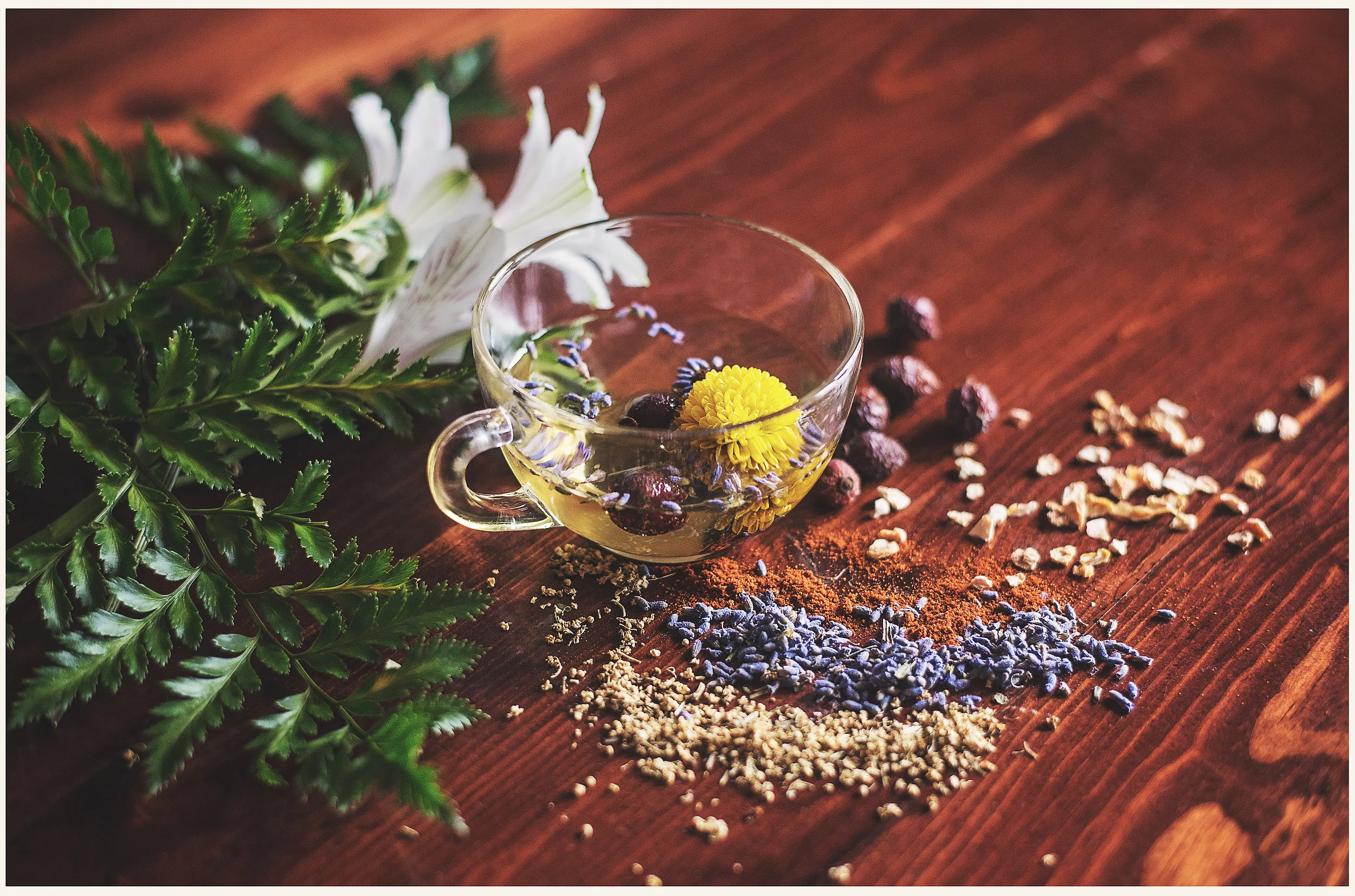
9 NATURAL WAYS TO REDUCE INSULIN RESISTANCE
1. Turmeric.
In a groundbreaking study published in the American Diabetes Association’s journal, Diabetes Care,*= 240 prediabetic adult patients were given either 250 milligrams of curcumin or a placebo every day. After nine months, none of the participants taking curcumin had developed diabetes, but 16.4 percent of the placebo group had, suggesting that curcumin was 100 percent effective at preventing Type 2 diabetes.
* Somlak Chuengsamarn et al., “Curcumin Extract for Prevention of Type 2 Diabetes,” Diabetes Care 35, no. 11 (November 2012): 2121–27, https://doi.org/10.2337/dc12-0116.
2. Ginger.
In a 2014 randomized, double-blind, placebo-controlled trial, 88 volunteers with diabetes were divided into two groups. Every day one group received a placebo while the other received three one-gram capsules of ginger powder. After eight weeks, the ginger group reduced their fasting blood sugar by 10.5 percent, but the placebo group increased their fasting blood sugar by 21 percent. In addition, insulin sensitivity increased significantly more in the ginger group.* In another study, researchers demonstrated that 1,600 milligrams per day of ginger improves eight markers of diabetes, including insulin sensitivity.** Since 1,600 milligrams amounts to about a quarter teaspoon, the results show you don’t necessarily need a high dose to get impressive results.
* Hassan Mozaffari-Khosravi et al., “The Effect of Ginger Powder Supplementation on Insulin Resistance and Glycemic Indices in Patients with Type 2 Diabetes: A Randomized, Double-Blind, Placebo-Controlled Trial,” Complementary Therapies in Medicine 22, no. 1 (February 2014): 9–16, https://doi.org/10.1016/j.ctim.2013.12.017.
** Tahereh Arablou et al., “The Effect of Ginger Consumption on Glycemic Status, Lipid Profile and Some Inflammatory Markers in Patients with Type 2 Diabetes Mellitus,” International Journal of Food Sciences and Nutrition 65, no. 4 (June 2014): 515–20, https://doi.org/10.3109/09637486.2014.880671.)
3. Cinnamon.
Cinnamon has been used for millennia as both a spice and a “warming” medicine to improve the blood. The Journal of Medicinal Food published a meta-analysis of eight studies that concluded that cinnamon (or cinnamon extract) lowers fasting blood sugar levels.* One way it works is by keeping your stomach from emptying too quickly after eating. Sprinkling just a half-teaspoon a day onto your meals or into your smoothies can reduce blood sugar levels, even if you have Type 2 diabetes.** Look for cinnamon labeled as Ceylon cinnamon, from the ancient name for Sri Lanka (Ceylon), where it was originally harvested. Anything else is likely not cinnamon at all but cassia, a mere cousin to real cinnamon.
* Paul A. Davis and Wallace Yokoyama, “Cinnamon Intake Lowers Fasting Blood Glucose: Meta-Analysis,” Journal of Medicinal Food 14, no. 9 (April 11, 2011): 884–89, https://doi.org/10.1089/jmf.2010.0180.
** Joanna Hlebowicz et al., “Effect of Cinnamon on Postprandial Blood Glucose, Gastric Emptying, and Satiety in Healthy Subjects,” The American Journal of Clinical Nutrition 85, no. 6 (June 2007): 1552–56, https://doi.org/10.1093/ajcn/85.6.1552.)
4. Olive leaf extract.
University of Auckland researchers proved that olive leaf extract increases insulin sensitivity. In a randomized, double-blind, placebo-controlled study, 46 overweight men were divided into two groups. One group received capsules containing olive leaf extract, and the other group received a placebo. After 12 weeks, olive leaf extract lowered insulin resistance by an average of 15 percent. It also increased the productivity of the insulin-generating cells in the pancreas by 28 percent. Supplementing with olive leaf extract yielded results “comparable to common diabetic therapeutics (particularly metformin).” *
* Martin de Bock et al., “Olive (Olea europaea L.) Leaf Polyphenols Improve Insulin Sensitivity in Middle-Aged Overweight Men: A Randomized, Placebo-Controlled, Crossover Trial,” PLOS ONE 8, no. 3 (2013): e57622, https://doi.org/10.1371/journal.pone.0057622.)
5. Berries.
If your meal includes berries, your body will need less insulin after eating. In a study of healthy women in Finland, volunteers were given white and rye bread to eat, either with or without a selection of pureed berries. The glucose level of the women who ate the plain bread spiked quickly after eating, but the women who ate the bread with berries had a much lower spike in their after-meal blood sugar. *
* Riitta Törrönen et al., “Berries Reduce Postprandial Insulin Responses to Wheat and Rye Breads in Healthy Women,” The Journal of Nutrition 143, no. 4 (January 30, 2013): 430–36, https://doi.org/10.3945/jn.112.169771.)
6. Black seed (Nigella sativa).
Black seed is also known as Roman coriander, black sesame, black cumin, and black caraway. Just two grams of black seed each day can significantly reduce blood sugar and glycation end-product formation. The same dose can also improve insulin resistance. *
* Abdullah Bamosa et al., “Effect of Nigella sativa Seeds on the Glycemic Control of Patients with Type 2 Diabetes Mellitus,” Indian Journal of Physiology and Pharmacology 54 (October 2010): 344–54; and Reza Daryabeygi-Khotbehsara et al., “Nigella sativa Improves Glucose Homeostasis and Serum Lipids in Type 2 Diabetes: A Systematic Review and Meta-Analysis,” Complementary Therapies in Medicine 35 (December 2017): 6–13, https://doi.org/10.1016/j.ctim.2017.08.016.)
7. Spirulina and soy.
Spirulina is a type of blue-green algae that’s an excellent source of protein, calcium, iron, and magnesium. It can be eaten as a food, though in the United States, it’s most often consumed in powder form and added to smoothies or shakes. In a study in Cameroon, spirulina and soy powder went head-to-head, as researchers tested which is better at controlling insulin sensitivity. In this randomized study consisting of volunteers suffering from insulin resistance related to treatment with antiretroviral drugs they were taking, one group received 19 grams of spirulina a day for eight weeks, while the other received 19 grams of soy. At the end of the trial, the soy group increased its insulin sensitivity by 60 percent, which is relatively good, but the spirulina group’s insulin sensitivity leaped by an average of 224.7 percent. And although 69 percent of the soy volunteers experienced increased sensitivity to insulin—which, again, is relatively good—all the volunteers in the spirulina group saw an improvement. * This is a strong endorsement of spirulina’s healing power, even when it’s under an extreme challenge such as living with adverse effects related to taking HIV drugs.
* Azabji-Kenfack Marcel et al., “The Effect of Spirulina platensis versus Soybean on Insulin Resistance in HIV-Infected Patients: A Randomized Pilot Study,” Nutrients 3, no. 7 (July 2011): 712–24, https://doi.org/10.3390/nu3070712.)
8. Berberine.
Perhaps the bitterness of berberine, a compound found in the roots of plants like goldenseal and barberry, is a clue to its effectiveness in stabilizing blood sugar. In a Chinese study of 36 patients, scientists found that three months of treatment with berberine was just as effective as metformin in bringing down blood sugar.* It should be noted that special caution should be taken with herbs like berberine, which, while generally far safer than pharmaceutical compounds, are not without side effects, and therefore should be used under the guidance of a medical herbalist or experienced integrative medical practitioner.
* Hui Dong et al., “Berberine in the Treatment of Type 2 Diabetes Mellitus: A Systemic Review and Meta-Analysis,” Evidence-Based Complementary and Alternative Medicine 2012 (October 15, 2012): 591654, https://doi.org/10.1155/2012/591654.)
9. Resistant starches.
Unlike other foods in their class, resistant starches are far lower on the glycemic index because they are broken down slowly in the large intestine. This “resistance” to digestion means that they are unlikely to cause spikes in blood sugar. And they have time to ferment, giving the beneficial gut bacteria of your microbiome an opportunity to flourish. As a source of fermentable fiber, resistant starches can help improve insulin sensitivity* and reduce body fat.**
* Gijs den Besten et al., “The Role of Short-Chain Fatty Acids in the Interplay between Diet, Gut Microbiota, and Host Energy Metabolism,” Journal of Lipid Research 54, no. 9 (September 2013): 2325–40, https://doi.org/10.1194/jlr.R036012.
** Jolene Zheng et al., “Resistant Starch, Fermented Resistant Starch, and Short-Chain Fatty Acids Reduce Intestinal Fat Deposition in Caenorhabditis elegans,” Journal of Agricultural and Food Chemistry 58, no. 8 (April 28, 2010): 4744–48, https://doi.org/10.1021/jf904583b.)
Resistant Starches to Include in Your Diet:
Amaranth
Cassava
Chickpeas
Millet
Muesli
Soaked beans (all varieties)
Unprocessed oats
Unripe bananas
Ballin' on a Budget? Here's the best bang for your buck

Marty Kendall over at OptimisingNutrition.com put a bunch of data together to show you how to get the most bang for your buck when it comes to shopping for the most nutritious foods!
Cost vs maximum nutrient density
As a starting point, the picture above shows cost vs nutrient density. As a general rule, foods that are more nutritious tend to be more expensive. But if funds are tight, you can get a better nutritional bang for your buck by focusing on foods towards the top by keeping to the left.
Some quick tips for interpreting the charts:
Foods towards the top are more nutritious.
Foods towards the left are cheaper.
Foods towards the right are more expensive (on a calorie for calorie basis). For example, it would cost you more than $100 per day to live on 2000 calories of fresh blueberries or asparagus. However, it might only cost you $1 per day to live on vegetable oil, sugar and oatmeal.
Foods towards the bottom left of the chart (e.g. fats, oils, flour and sugar) are cheap but are nutritionally very poor. While we don’t eat these foods by themselves, they often end up as ingredients for high profit margin processed foods.
The foods towards the bottom right are not a good investment in terms of either nutrient density or cost.
If you want to look at more popular foods check out the Tableau chart here (you’ll need to be on a computer with a screen not a phone for this, sorry).
If you’re super eager and want to check out ALL the data for all the foods that we have collected price and nutrient data you can check it out here.
Take Your Vitamins!

“Do you know that most of us today are suffering from certain dangerous diet deficiencies which cannot be remedied until depleted soils from which our food comes are brought into proper mineral balance? The alarming fact is that foods (fruits, vegetables and grains) now being raised on millions of acres of land that no longer contain enough of certain minerals are starving us — no matter how much of them we eat. The truth is that our food vary enormously in value, and some of them aren’t worth eating as food… Laboratory tests prove that the fruits, the vegetables, the grains, the eggs, and even the milk and the meats of today are not what they were a few generations ago.”
— 74th Congress, 2nd session (senate document no. 264) 1936
It has long been thought we can eat a balanced diet and remain healthy, yet, increasing rates of illness and disease have proven otherwise. The Department of Agriculture has estimated that 99% of Americans have some type of nutrient deficiency. This becomes important when we understand that our body’s require adequate nutrition to simply stay alive and significantly more nutrients if we wish to optimize our health and lifespan in this increasingly stressful and polluted world.
Why has this happened? Very simply, the food we eat — fruits, vegetables, grains, etc. — is being grown in soil which has become depleted in minerals from modern agricultural practices. In turn, our soil has become so impoverished that it has negatively effected the nutrient yield of the foods we consume. Research from the Life Extension Foundation in 2001 showed the vitamin and mineral content of several foods has dropped dramatically between 1963 and 2000. For example: Collard greens were shown to have a 62% loss of vitamin C, 41% loss of vitamin A, 29% loss of calcium, 52% loss of potassium and an 84% loss in magnesium! Furthermore, in 2004 the Journal of the American College of Nutrition found similarly significant declines in the vitamin and mineral content of over 43 crops grown in US markets.
Adding proof to the claims of nutrient insufficiency through dietary intake, lets take a look at a 2002 study in the Journal of the American Medical Association (JAMA). The authors examined several nutrients including vitamins A, B6, B12, C, D, E, K, Folic Acid and Carotenoids to which they concluded that the current US diet, while sufficient to prevent acute vitamin deficiency diseases, such as scurvy and pellagra, is inadequate to support long-term health. Continuing the theme, in a 2006 study from the journal Advances in Therapy it was stated: “Only supplementation was able to significantly boost nutrient levels and confer beneficial effects on general welfare, physical performance, and resistance to infections. Therefore, it appears that nutritional supplements are advisable for everyone.”
How can we optimize our nutrient intake? Along with eating as fresh, local and wild as possible, the incorporation of a high-quality, nutraceutical grade supplementation program is warranted. It is essential to find a supplement company which guarantees both potency and purity of their products, can provide proof of their effectiveness in human trials, with all ingredients are Generally Recognized As Safe. A good place to start is with The Comparative Guide to Nutritional Supplements by Lyle MacWilliam. This provides a comprehensive review of over 1,300 products in the United States and Canada.
What should I take? The following is a list of fundamental recommendations to get you started:
MultiVitamin
Most people do not meet their vitamin and mineral needs through diet alone, and as we have learned above, it would be hard to get all the nutrients we need from food alone. Supplementing with a MultiVitamin is essential to optimize health and performance, however most multivitamins you find in retail stores contain inefficacious, synthetic forms of vitamins and mineral that aren’t readily absorbed (or even usable) for your body. Therefore, it is imperative to find quality brands like NutriDyn or ATP.

Fruits & Greens Powder
A 2014 meta-analysis of 16 studies found that “higher consumption of fruits and vegetables is associated with a lower risk of all-cause mortality, particularly cardiovascular mortality.”* However, less than 10% of Americans consume sufficient amounts of fruits and vegetables per day. The NutriDyn Fruits & Greens provides 20+ servings of fruits and vegetables in a single scoop and tastes great.

Magnesium
Magnesium is the second most abundant mineral inside human cells, or at least it should be. It is essential for over 700 enzymatic reactions in the body, such as normal nerve and muscle function, supporting the immune system, keeping a steady heart beat, helps bones remain strong and it is also needed to regulate blood glucose levels. According to Carolyn Dean, author of The Magnesium Miracle, as much as 80% of Americans are magnesium deficient. This is largely due to unsustainable farming practices and the use of Roundup which binds magnesium, removing 50% of what little is left in the soil.

EPA/DHA Fish Oil (Omega-3)
The majority of animal protein — beef, poultry, pork — in America is fed an unnatural diet of grains containing soy/corn. The downstream effect of this is inferior quality meat that is higher in inflammatory Omega-6’s and lower in Omega-3’s. On top of this, the Standard American Diet consists of highly processed foods, also high in these same inflammatory oils. Historically, it has been estimated that humans evolved eating a diet close to equal in Omega-6 and 3 fatty acids**. However, the current ratio in the Western diet is closer to a 15:1 to 30:1 ratio. This is cause for a host of inflammatory diseases. Improving your Omega-3 ratio can improve insulin sensitivity, lower triglycerides, mitigate the effects of stress, and has the ability to turn on lipolytic genes (fat burning genes). Additionally, out of 14 omega-3 trials, which followed patients for an average of 2 years, the overall reduction in mortality was almost twice as good as statins, 25%. This is significant for at least 2 reasons: 1) that is a huge difference, and 2) the studies only lasted 2 years on average, meaning that the benefits of omega-3 fatty acids are fast-onset and robust. In other words, statins take ~50% longer and are only ~50% as good as omega-3 fatty acids.
References:
* https://www.cdc.gov/mmwr/preview/mmwrhtml/mm6426a1.htm
** Simopoulos AP. Omega-3 fatty acids in health and disease and in growth and development. Am J Clin Nutr. 1991 Sep; 54(3):438–63.)

7 Pillars of Health: Improving Health in The modern environment
The default in nature is health, so why are we fat, sick and broken? It is because our environment has change, our bodies have not. We share 99.7% of the same genetics as our relatively disease free hunter-gatherer ancestors yet eat worse, move less, sleep worse, encounter more stress and toxins, and wonder what the cause is of chronic disease. It's really not that hard! Take control of your health with the 7 Pillars of Health.

The default in nature is health, so why are we fat, sick and broken?
It is because our environment has changed, our bodies have not.
Looking back 10,000 years when we lived as hunter-gatherers people ate nutritious foods, got significant amounts of “exercise” outside in the sun as they carried out their daily activities. This was followed by an equal amount of downtime that provided for adequate rest and the development of remarkable social connections which literally extended from the cradle to the grave. Although running from the occasional tiger and lack of wi-fi made it far from an idyllic paradise, there is little evidence of obesity or chronic disease.
This is in stark contrast to our modern environment where there is an epidemic of poor health (diabetes, depression, cancer, obesity, heart disease etc.), yet we continue to wear our constant stress, long hours in the office, sleep deprivation and ability to eat like a garbage disposal as a badge of honor. Perhaps with the fact that we share 99.7% of the same genetics as our hunter-gatherer ancestors we can further understand that the problem is not us, but within the environment we live.
So, how can we affect change? Unfortunately, there is no magic pill, but there are pillars (seven to be exact!) that were created to serve as a guide to promote better health in our current environment. The follow is a brief overview of what will be covered in 7 Pillars of Health class:
Nutrition
Food is energy and we use the calories it contains along with the vitamins and minerals to carry out specific tasks like digestion, regeneration and repair (sleep), detoxification as well as managing our stress.
Questions to think about regarding Nutrition:
- What will it do to my blood sugar?
- Does it contain quality protein?
- What kind of dietary fat does it supply?
- What is our food’s nutritional status?
Movement
Movement is more than just exercise, it is the ability to demonstrate strength and ease throughout an entire range of motion. Movement is a dynamic process not a single event. Your day should be comprised of movement — squat, hinge, lunge, hang, climb, press, pull, carry — as opposed to separating it into a single hour of the day.
Questions to think about regarding Movement:
- What happens when we don’t move?
- How can we improve movement?
- Is one type of movement better than another?
Digestive Health
The health of the gut determines what nutrients are absorbed and it is often said that we are what we eat, but it is more accurate to say, we are what we absorb. Therefore, digestive health should be defined as the optimal digestion, absorption and assimilation of the food.
Questions to think about regarding Digestion:
- How is the digestive system supposed to work?
- How can your gut affect your overall health?
- What are common issues and how do we get them?
- How can we improve digestive health?
Sleep
Sleep is not the absence of wakefulness. Sleep acts as a barrier between the individual and the environment that allows the body to regenerate physically and recalibrate mentally. This is accomplished best with 8-9 hours of uninterrupted sleep, where it is as easy to fall asleep as it is to wake up at your scheduled time without the need for an alarm or stimulants.
Questions to think about regarding Sleep:
- Why is sleep important to our body and brain?
- How can we fix sleeping issues?
Stress
Stress is the response to any stressor in our internal or external environment that acts as a threat to knock our body out of balance. The purpose of stress is to help our body cope with stressors and survive. Your resiliency, energy, endurance and life all depend on the proper functioning of the stress response.
Questions to think about regarding Stress:
- What constitutes as stress?
- What happens when our homeostatic balance is threatened?
- What happens when we are faced with chronic stress?
- How can we alleviate stress?
Detoxification
Detoxification is an ongoing physiological process which involves the mobilization, transformation and elimination of toxins from external and internal sources.
Questions to think about regarding Detoxification:
- What is a toxin and how is it processed?
- Why is detoxification important?
- How can we lessen our toxin burden?
Community
A community is a shared environment with like-minded people in pursuance of similar goals where individuals included provide positive support system that allows for trust in one another and the freedom to express themselves freely.
Questions to think about regarding Community:
- Do you share similar values and goals with those around you?
- Do those around you provide a positive support system?
It is important to understand that no Pillar is more important than another. Instead, achieving optimal health is about proper balance between all Pillars. The sooner we can incorporate the lesson’s the 7 Pillars offer into our life's the better we will be able to live and thrive. When stress, sleep disruptors and environmental and emotional toxins are removed and replaced with balance, purpose, nutrient density, nontoxic products, rest, exercise and healthy relationship, the body becomes incredibly resilient. Our medical system has spent billions of dollars researching health, yet it's going to be hard to come up with a better health recommendation than the sum of what the 7 Pillars offer; eat whole, unprocessed foods, move frequently (preferably outside in the sun), avoid stress so you can sleep like you are on vacation and surround yourself with loving relationships. While we cannot (and probably would not) go back in time and sleep in caves again, we can begin to focus on resurrecting dietary and lifestyle approaches that are more in keeping with our genetics and our ancient metabolic systems, that have become disturbed by the environment we find ourselves in in modern life. It is the purpose of the 7 Pillars of Health to teach you how these disruptions are the cause of our poor health and how each of us can rectify it.
For class information please contact us!

You're Not Fat, You're Pre-Skinny! Tips to Get There

Fat is the common enemy, we all share, in modern society. Beach season is coming! We can’t live without it, as it is a necessary component of our health, yet we shun its existence at every glance. The issue of moderating weight gain, more specifically fat gain, is no longer thought to be as simple as “calories in, calories out.” Fat Chance by Robert Lustig addresses the full spectrum of how fat gain (a.k.a. obesity) is a combination of several factors: physics, biochemistry, endocrinology, neurology, psychology, social circles and environmental surroundings. The complexities around why we gain fat are far more complex than the weight loss industry would have you believe. That said, I want to give you my top take-a-way’s from this book:
Diet coupled with weight training works better for weight loss.
When you go on a diet to lose weight, do you know what you are losing? You lose some fat, but you’re actually losing more muscle unless you lift weights while you’re dieting in order to prevent muscle loss. Maintaining, and even adding muscle, is beneficial for weight loss because it improves your body’s ability to use incoming calories to fuel muscle instead of being stored as fat.
Our body seeks balance in order to maintain our current weight.
Therefore, a reduction in calories in an effort to lose weight will be unsuccessful as energy expenditure is reduced to meet the decreased energy intake. On a caloric deficit you will, at the onset begin to lose subcutaneous fat (the fat underneath the skin), however in a primal effort to save you from starvation, your body’s leptin (fullness hormone) levels will fall. This will create an overpowering sensation to reduce the activity of your metabolism and find something to eat. This is often why starvation diets do not work for very long—the body is looking to restore weight balance.
Evolutionarily, the metabolism of fat and carbohydrates developed separately.
We possess the ability to thrive on diets at opposite ends of the spectrum. The hunters ate fat, whereby the liver would beta-oxidize (the process by which fatty acids are broken down by the mitochondria) what it needed for its use and would then export any excess LDL to be taken up by the adipose tissue. Conversely, the gatherers ate carbohydrates (glucose) and upon absorption, the liver would extract what it needed. Insulin would clear the rest out of the bloodstream and drive it into the muscle for energy or adipose tissue for energy storage. Each system worked for the energy that came in, but when our modern diet combines these it is easy to get a caloric surplus.
Our entire society likes to consume both fats and carbohydrates at the same meal, for no other reason than it tastes good. Who doesn’t like steak and potatoes?! As food became more readily available, we began to overload both sides of our metabolic pathways with the breakdown of fat and the glycolysis of carbohydrates in the same meal. Both of these metabolic processes convert the food we eat into fuel for our mitochondria—the furnace that drives our metabolism—in the form of the compound acetyl-CoA. Our hypercaloric diet is wreaking havoc on the mitochondria as fuel is pouring in from both directions too fast to process efficiently. A single high-fat, high-carb meal is no problem but to keep this up for ten thousand meals in a row is most likely the cause of your creeping weight gain.
Alter your environment for systemic change.
The environment is what drives biochemistry—the hormones of insulin, ghrelin, PYY and cortisol—therefore, if you want to affect your weight you have to change the environment.
a. Get your insulin down to reduce your body fat and improve leptin resistance. You can do this by lifting weights to increase muscle mass, as well as by consuming whole foods that contain fiber.
b. Get your ghrelin down to reduce hunger. Start the day with a high protein (e.g., grass-fed meats) and fat (e.g., nuts or avocados) meal. This will reduce ghrelin and stabilize your blood sugar more than a meal consisting of high carbohydrates, so you will feel satiated longer and burn more calories just sitting. The protein has a higher thermic effect, than carbohydrates, which means that the body uses more energy to metabolize the protein we consume.
c. Get the PYY up to hasten your satiety. Putting food in our stomach lowers your ghrelin but doesn’t stop you from eating more. The signal for satiety, or the switch to turn off the meal is Peptide YY. Between the stomach and the PYY cells are a lengthy twenty-two feet of intestine. It takes time for the food to get there, so instead of shoveling the food down, practice patience. If you are still hungry at the end of the meal try waiting 20 minutes before going for seconds.
d. Get the stress down, to reduce your cortisol. Cortisol is your short-term friend by your long-term enemy. A stressful environment liberates stored glycogen, which in turn raises blood sugar that begins the cascade of insulin and eventual insulin resistance. Any bit of exercise will have a beneficial affect on your cortisol levels.
The moral of this story is that, there is way more to process of gaining and losing weight than those weight loss commercials would have you believe. If it were that easy, we would all be famous instagram models, however it is not. So don't beat yourself up if you haven't found the right process to get you where you want to be. It is out there and I'd be happy to help.

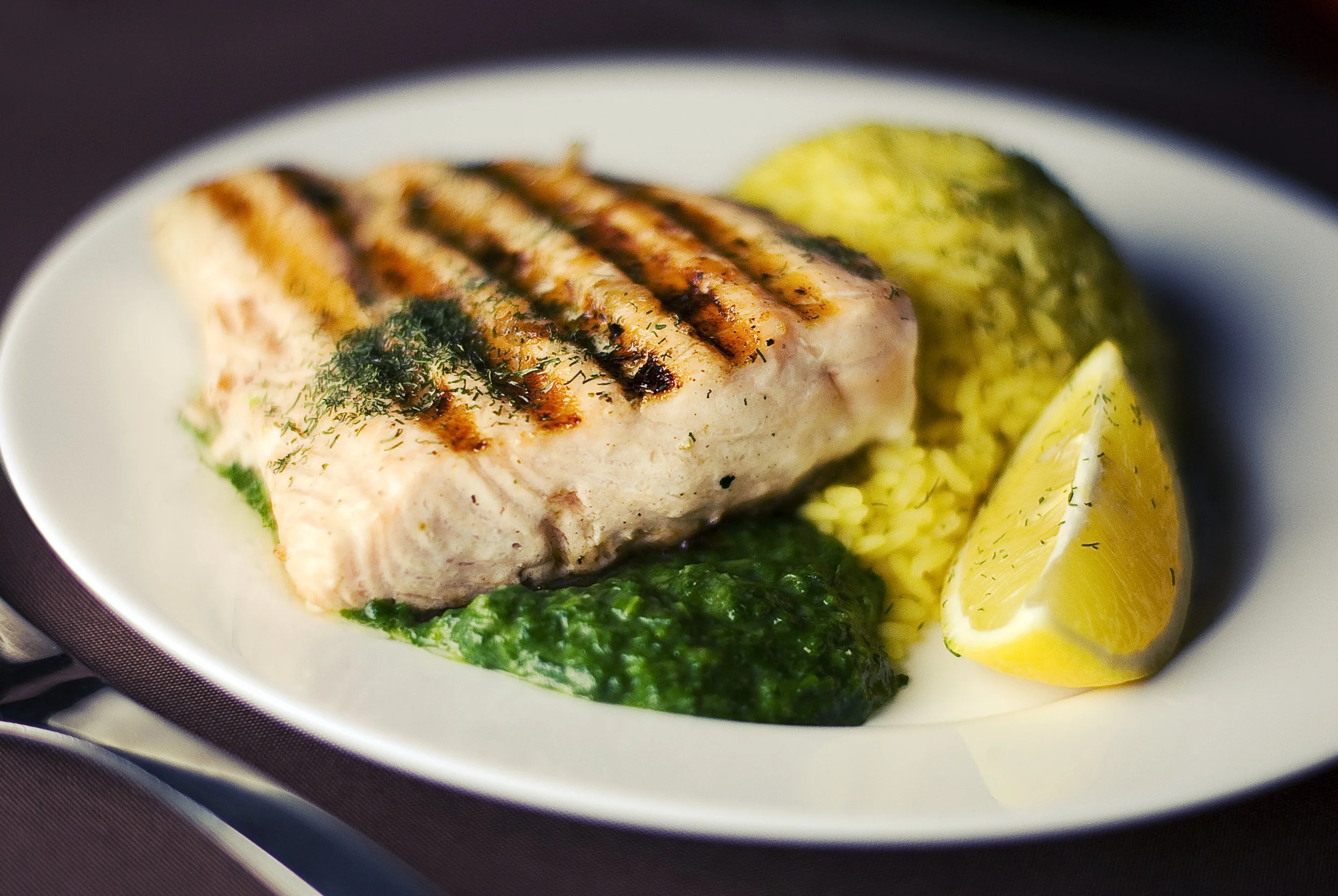
Nutrition Primer: How to Start Eating Better
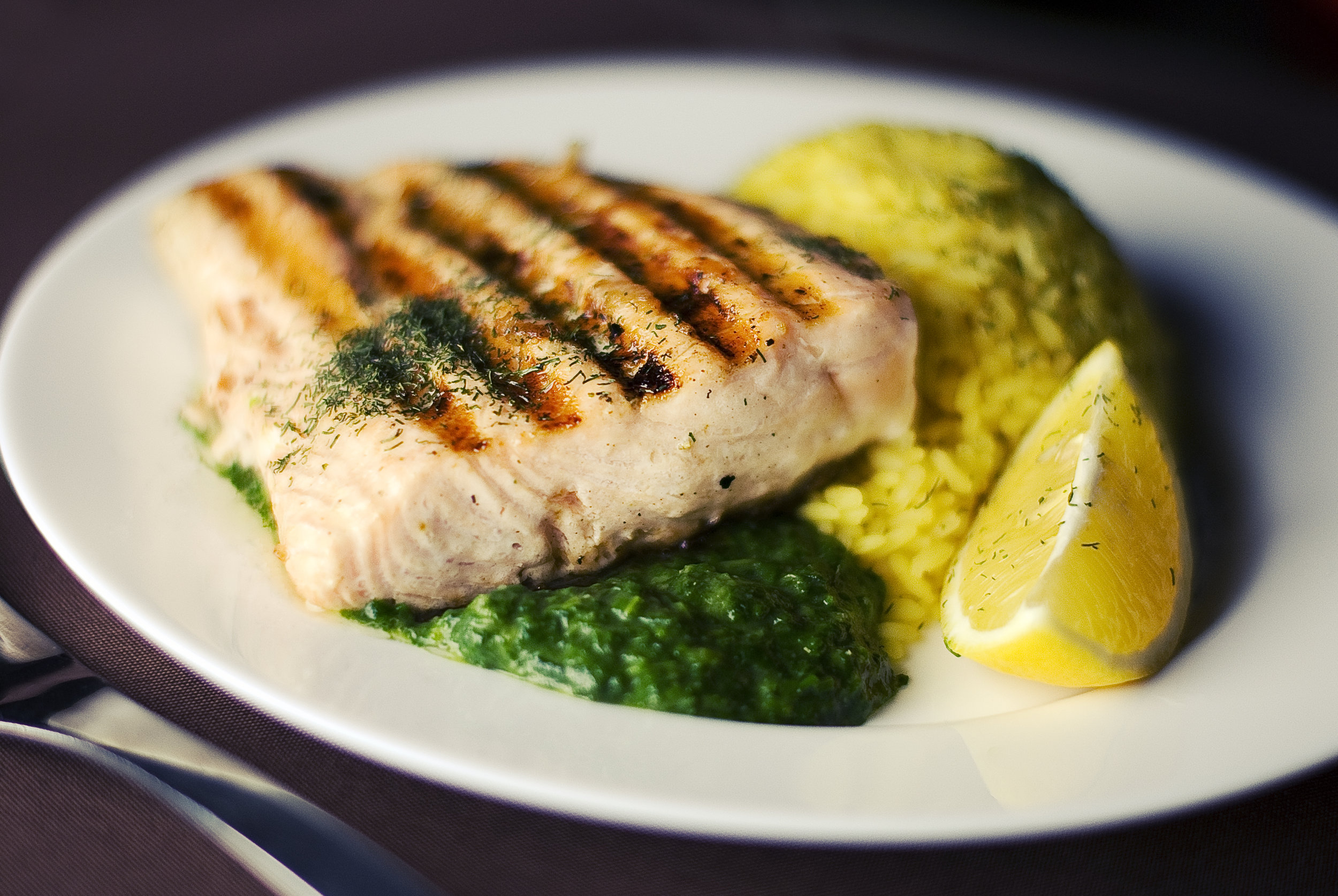
It hard to know where to start when it comes to bettering your health, but step one is always going to be about improving your nutritional habits. Take a look at the following questions to get an idea of where you should start.
Question #1: Where do I start when trying to improve my nutrition?
The first thing people often do is choose a diet they have be researching or one that their friend recommends, but jumping into any diet is not always the best choice. Food provides the body with energy, as well as information, and if you completely change what you are consuming chances are you are going to have a hard time adapting. Headaches, digestive issues and wild cravings are generally the mainstay of radical changes in diet. So instead of jumping on the Paleo, Ornish, low-fat, Mediterranean or vegetarian bandwagon, first address the issue of eliminating nutritional deficiencies.
Most people will be surprised to find out that they, in fact, have any deficiencies at all, but the research shows that more than 80% of the population has at least one. And who knows, the very reason you have sought out to read this article – weight gain, sleep disturbance, digestive issues, etc. -- could be rectified with a simple adjustment of your diet, without rushing into a full overhaul.
To eliminated any underlying deficiencies it is best to start with the following:
- Adding more quality proteins by using less lunch meat and favoring more free-range, wild caught or grass-fed meats
- Increasing vitamins and minerals by choosing a colorful variety of vegetables and fruits
- Allowing room for sufficient healthy fats by using coconut oil to cook, olive oil in salads, full-fat dairy or avocado as a snack
- Drinking more water. Try adding a cucumber or lime slice for some flavor.
Establishing optimal eating habits are done one step at a time. By making small changes over time you are positively altering your environment, ultimately creating a lifestyle change that is much better than any crash diet you can subscribe to.
Question #2: What’s the Best Diet to Follow?
There really is no “best diet.” What works best for one person, is probably not going to work for another. Those who have found success with a low-fat/high-carb diet (Jenny Craig) would probably find success with the equally restrictive high-fat/low-carb diet (Atkins). Macronutrient (carbohydrate/fat/protein) restrictive diets work well for weight-loss because they limit one of the body’s main sources of fuel — fat or carbohydrate. However, due to their intensive restrictions, when the majority of start to slip with temptation they tend to slip all the way off the diet and regain the weight.
A better way to ask the question would be; “What is the right nutritional approach that will create a positive long-term, systemic change in my life?” It is definitely a much harder question to answer correctly, which is why it is often not asked. As stated in question one, making small nutritional changes can have that positive affect and allow for insight as to what makes your body work more efficiently. The caveat to that is we all have limitations, whether they be financial or health related that will need to factor in to your nutritional choices. In the end, the best diet is one that is going to allow the individual to thrive in every endeavor.
Question #3: Is Counting Calories Important for Weight Loss?
No, counting calories is not something you should spend your time on when it comes to weight loss. Eating should be enjoyable, not reduced down to a math problem. When we choose to count calories with the intention of losing weight, the general approach is to take in less calories than we’re used to. Calories-in, calories-out right? Well, it’s not that simple as energy expenditure would be reduced to meet the decreased energy intake. So a calorie is not really a calorie because your caloric output is controlled by your body and is dependent on the quantity and quality of the calories ingested.
Besides, by counting calories you are essentially outsourcing appetite awareness to the food-label gods. Instead, think about regaining control of your portions with the hand-measuring system. Here is how it works:
- Your palm determines your protein portion
- Your fist determines your veggie portion
- Your cupped hand determines your carb portions
- Your thumb determines your fat portions.
Question #4: Should I Avoid Carbs?
Avoiding carbs is not necessary for weight management, nor achieving optimal health. However, if the majority of your dietary carbs come from a box – pastas, cereals, donuts, pizza – it would be best to reevaluate your choices in order to reach your goal. The quality of your carbohydrates is important in terms of nutritional content and the toll it play on our body.
When we eat a food containing carbohydrates, the digestive system will break them down into sugar allowing it to enter the blood. This causes our blood sugar to rise and in response the pancreas secretes insulin – a hormone that shuttles sugar out of the blood and into the cells to be stored at energy. When this happens we blunt our ability to burn fat and instead use the easily accessible energy within our blood.
Sugar is the biggest offender especially if it enters the blood stream as glucose, which doesn’t need to be broken down by enzymes, so it’s absorbed immediately. Starch can be in the same boat when it comes to raising blood sugar, sometimes worse if it's in the form of gluten-containing, nutrient-depleted grains (e.g., pastas, cereals, donuts, pizza). So where does that leave us?
Do not avoid carbs. Instead make better choices. The following is a list of possible replacements for when you are meal planning:
- Low Starch Vegetables such as baby corn, jicama, kohlrabi, rutabaga, water chestnuts, cauliflower, mushrooms, onions, turnips, green beans, cucumber, bean sprouts, Brussels sprouts, asparagus, artichokes, okra, zucchini, green peppers all have a high ratio of fiber and nutrients compared to the content of carbs present.
- Moderate Starch Veggies like sweet potatoes, beets, or carrots are still reasonable but it is wise to watch the serving sizes.
- Low-Sugar/Low-Fructose Fruits such as Kiwifruit, Blueberries and raspberries, Grapefruit/lemons/limes, melons, pears with skin, and coconuts are decent choices that have their place in a season context, however avoiding fructose altogether is likely a safe bet for most people especially those who are obese.
- Gluten-free grains are acceptable for people who have the genetic ability to process carbs, but grains often irritate the digestive system as well as blood sugar control mechanisms for a significant amount of people.
If you found these helpful and would like answers to more questions feel free to contact using the links below:
Can You Retrain Your Taste?
Sugar consumption and your tastebuds
A 2016 study published in the American Journal of Clinical Nutrition examined the effect of reduced simple sugar intake on a group of “healthy” men and women. The study broke the participants up into two groups, with one group assigned a low-sugar diet and the other group continuing to eat their usual high-sugar diet. After 3 months of this, both groups were left to eat however they pleased for yet another month. Each month during the study, participants were asked to rate the sweetness and “pleasantness” of vanilla puddings and raspberry beverages that varied in sugar concentration.
After the third month of dieting, the low-sugar group rated the pudding to be around 40 percent sweeter than the control group, regardless of how much sugar the pudding contained. The conclusion was simple: “changes in consumption of simple sugars influence perceived sweet taste intensity.” Meaning that the less sugar you eat over the long term, the more things taste sweeter and, therefore, tastier.
Researchers found that the low-sugar group took on average two months for their tastebuds to recognize any difference in sweetness and pleasantness—and yet another month for that sweetness to intensify.
The takeaway here? A little patience will yield long-term dividends.
But what about salt addiction?
If you’re a bit of a salt junkie, you might be keen on learning how to break the habit. It’s a perfectly reasonable goal to have, particularly if you’ve been diagnosed with hypertension. (You might want to find out if you’re among the “salt-sensitive” in the population—about 50% of those with hypertension by some estimates— before chalking up your high blood pressure to salt intake.)
Similar to sugar, lowering intake of sodium-rich foods has been shown to decrease your reliance on salt. An impressively long 1-year study found that “reduction in sodium intake and excretion accompanied a shift in preference toward less salt.” Researchers surmised that the mechanisms behind this reduction in salt addiction were varied, and included physiological, behavioral, and context effects. Not the ultra-conclusive reasoning you were hoping for, but it looks as if particularly overzealous salt cravings should drop significantly when you switch to a naturally salt-moderated, low processed-food diet.
Still, let’s not neglect some stubborn truths.
While the health and scientific community continues to hate on salt, very few studies have examined the importance of salt for maintaining a healthy body. While these studies may be relatively few, evidence suggests that salt may play an essential role in excreting cortisol (the “stress hormone”) from the body, thereby improving recovery time from stressful events and situations.
Salt has also been shown to decrease strain during exercise by increasing hydration. Studies indicate that knocking back a sodium-rich beverage prior to exercising increases plasma volume, which in turn reduces the strain on your body during exercise and helps you reach higher levels of performance.
And all those other clever uses…
And then there’s the point that salt just makes food taste better…. Just make a point of sticking with the good stuff—high quality sources like Himalayan pink salt, Real Salt, and Celtic sea salt. These natural, unrefined versions provide all of the taste of salt and, unlike table salt, still include all the essential minerals your body needs to rehydrate those cells and help to evenly distribute all that sodium.
The factors behind taste
If your body has been inundated with sugar-intensive processed foods for the last few years/decades, it may be a little confused as to what it actually wants to taste. Rewiring your tastebuds, then, is no small task for both your brain and your digestive system.
Luckily, all that’s required of you is to stay the course of good eating. That said, it’s helpful as always to understand the bigger picture.
Gut Health
There isn’t much it seems the gut isn’t involved in, and taste is no exception apparently. A team at the Department of Neuroscience at Mount Sinai School of Medicine discovered that the taste receptor T1R3 and the G protein gustducin are located in the gut, as well as the mouth. These taste receptors are essential to tasting sweetness in the foods we eat, and we now know that they play an important role in sensing glucose within our gastrointestinal tract.
This role goes far beyond simply “tasting” carbohydrates and other sugary or sweet foods within your gut. When you eat these foods, the sweet-sensing taste receptors in your large intestine activate the release of hormones that promote insulin secretion and regulate appetite. This means that if your gut health is lacking, its ability to sense carbs and produce insulin may be impaired.
Obesity
A 2012 study published in the British Medical Journal found that obese kids develop an insensitivity to taste. Researchers examined close to 200 children between the ages of 6 and 18, half of whom were a normal weight and half classified as obese. Each of the participants was asked to place 22 taste strips on their tongue, simulating each of the five levels of taste at varying intensities.
Obese children found it significantly more difficult to differentiate between the different taste sensations, and were particularly insensitive to salty, umami and bitter tastes. Children who were obese also gave lower intensity ratings to sweet foods, meaning they needed more sugar in foods to achieve the same sensation of sweetness.
The take-away is simple: the more weight we put on, the less likely we are to enjoy the food we eat or to recognize the mounting sugar or salt levels we likely take in for the same taste experience. There may be more of a lag time in rejuvenating full taste sensitivity if we’re reversing obesity as well as shifting our diets, but the end point is the same.
By Mark Sission

High Protein Diet Has No Harmful Effects

Many people are under the impression that high protein diets are evil and cause all types of diseases, however a recent study says that notion is nonsense.
A study published in the Journal of Nutrition and Metabolism found that in resistance-trained men that consumed a high protein diet (~2.51–3.32 g/kg/d) for one year, there were no harmful effects on measures of blood lipids as well as liver and kidney function. In addition, despite the total increase in energy intake during the high protein phase, subjects did not experience an increase in fat mass.
A High Protein Diet Has No Harmful Effects: A One-Year Crossover Study in Resistance-Trained Males
12 Clinical Pearls from Dr. Rakowski
1. People who thrive are the ones that make and metabolize acids correctly. Acid can be your friend if you manage it properly.
2. Here is a pearl from Dr. Rakowski, he showed a scientific paper on B12 absorption and brain aging. If you don't absorb B12, your brain ages 617% faster! As I have stated before, the greatest impact of not testing your HCl levels is compromising your brain health.
3. Growth hormone is a significant anti-depressant. Deep sleep is the real way to achieve optimal growth hormone levels.
4. The major benefit of using Arginine is boosting growth hormone during effort, besides boosting NO2.
5. Only fat people make too much estrogen.
6. People who have elevated triglycerides have low levels of growth hormone.
7. The body ignores constant stimuli. Changing everything constantly is one of the keys to success whether we are talking about training, diet, or supplements.
8. Brain derived neurotrophic factor is a strong anti-depressant produced by exercise that induces lactic acid production.
9. Learning improves 20% after exercise. Why are we canning Physical Education classes?
9. Charlie Chaplin fathered a child when he was 80. Sexual dysfunction is rampant because people are simply unhealthy.
10. Low-grade systemic inflammation (metaflammation) is associated with obesity, insulin resistance and chronic disease (Brithish Journal of Nutrition (2009) 102, 1238-1242
11. Friends do not let friends get fat.
12. Sleep is your most powerful anti-inflammatory agent
Correlation Between Food and Joint Pain
Patients with autoimmune diseases such as, rheumatoid arthritis, systemic lupus erythematosus, or Sjogren’s disease are typically given protocol-driven treatments with limited success because the symptoms are treated instead of the underlying problem.
The problem with this is everyone has their own unique biochemical individuality. This is a common problem with almost all autoimmune diseases. There is endless research on intestinal permeability, aka leaky gut. The gastrointestinal tract is 80% of our immune system. When inflammation is present, the tight junctions and intestinal mucosa can become damaged, causing gaps or “pores” in the lining of intestinal mucosa. Toxic byproducts in the digestive tract are then absorbed into the bloodstream and transported on to the liver. The molecules of food and toxins are “leaked” through the GI lining and then eventually affect systems throughout the body, causing inflammation in our joints and expressing toxins in autoimmune conditions and food sensitivities.
Patients with rheumatoid arthritis (RA) often have an association between food intake and rheumatoid disease severity. In 2008, in looking at this immunological link between gut immunity and RA, food IgG, IgA and IgM antibodies were measured. In the intestinal fluid of many RA patients, all three immunoglobulin classes showed increased food specific activities, including gliadin antibodies.
There are some tests to consider for those with an autoimmune disease, as great strides have been made in regards to what labs can test for today. There are labs that assess food sensitivities, which is different than the IgE RAST test performed by traditional allergists. There is also a lab that can test for intestinal permeability. Through the serum they are able to detect antibodies to LPS, occludin/zonulin and the actomyosin network to identify the breakdown of a healthy intestinal barrier. In addition, a comprehensive digestive stool analysis is essential for healing the gut.
It is also very important to check vitamin D levels and to test for gluten-associated antibodies and cross-reactive foods since they play a large role in inflammatory and autoimmune processes.
Eat the Whole Egg

An egg is superior to the same quantity of any other kind of food. People who order egg-white-only omelets are missing out on the most nutritious part of the egg: the yolk. Dr. Chris Masterjohn points out that of all the nutrients in an egg, the yolk contains 100% of the fat-soluble vitamins (A, E, D, and K) essential fatty acids DHA and AA, and carotenoids. The yolk contains over 80% of the nine nutrients (calcium, iron, phosphorus, zinc, thiamine, folate, B6, B12 and pantothenic acid), whereas the white contains over 80% of just three nutrients (magnesium, sodium and niacin). Six other nutrients are split more evenly between the two. Of course, the yolk also contains 99% of the fat, which is why people avoid it. Despite the widespread fear of cholesterol, eating eggs has not been shown to cause cardiovascular disease. Egg yolks from pastured hens are a deep orange, unlike the pale yellow of conventional yolks, and are richer in nutrients. as well as tasting better.
Problems from Omega-3 Fatty Acid Deficiency

According to a recent study at Harvard University - omega-3 fatty acid deficiency is officially one of the top 10 causes of death in America. Many deliberating health conditions such as cancer, osteoarthritis, metabolic and cardiovascular diseases can be traced from the imbalance of omega-3 and omega-6 consumption in our diets. Unhealthy or inadequate diet is often blamed and assumed to be the cause of omega-3 deficiency. Unfortunately, it's a much more complex problem than you might think.
1) Consuming adequate amounts of omega-3 through diet is difficult. Omega-3 fatty acids are primarily found in fish and shellfish. Studies have shown that if you take less than 2-3 portions of oily fish (cold-water fish) per week, having omega-3 deficiency is very likely.
2) Lifestyle and dietary factors influence the body's natural ability to produce omega-3 fatty acids. This includes drinking alcohol/coffee, smoking, stress, high saturated fat intake and diabetes.
Eating at least 2 portions of fish every week is not an easy task, let alone staying away from coffee and alcohol. To make things worse, not all fish are equally beneficial when it comes to omega-3 intake. Cold-water fish, such as mackerel, herring, salmon and tuna has the highest levels of omega-3 fatty acids. It's safe to bet that most of us are omega-3 deficient. No wonder omega-3 deficiency is the sixth biggest killer of Americans and more deadly than excess trans fat intake. Below are some of the signs and symptoms which may indicate that you are suffering from fatty acid deficiency:
*Sleep problems (difficulty in falling asleep and/or waking up in the morning) *Excessive thirst and/or frequent urination *Attention disorders (poor concentration levels, ADHD) *Emotional sensitivity (depression, mood swings, unexplained anxiety) *Rough or bumpy skin *Dry, dull or brittle hair and dandruff *Soft, peeling or brittle nails
Top 6 Health Benefits Of Fish Oil
Health benefits of fish oils come from the presence of omega-3 fatty acids like Docosahexaenoic (DHA) and Eicosapentaenoic acid (EPA). There has been a lot of hype about fish oil. One, because it's a powerful dietary supplement but two, fish oil manufacturers have marketed fish oil as a remedy for virtually everything. In fact, fish oil serves a huge market and there are countless brands and manufacturers that try to outsell one another. I will talk more on this subject later but first, let's have a look at the scientifically proven benefits of fish oil.
Anti-inflammation
Everyday foods like bacon, eggs, coffee and dairy products all cause inflammation in our bodies. Inflammation is present and occurs in us all the time. If we don't have this under control, things can get out of hand fast and result in serious health conditions.
Fish oil is effective in reducing inflammation in the bloodstream and tissues. According to the Cardiovascular Research Institute in Maastricht in Netherlands, "fish-oil fatty acids with anti-inflammatory properties can help prevent and reverse a plethora of cardiovascular diseases." Furthermore, fish oil is found to be effective in treating gastrointestinal disorders, celiac disease and irritable bowel disease (IBD). This comes without surprise as inflammation is known to cause all of these problems (and so much more). Unlike most other supplements, even the FDA recommends and allows claims for omega-3 for heart diseases!
Osteoarthritis
A study from the University of Bristol suggests that omega-3 fish oil significantly reduces the signs and symptoms of osteoarthritis. It was found that omega-3-rich diets fed to guinea pigs, which naturally develop osteoarthritis, reduced the disease by 50% compared to those who ate standard diets.
Cancer
Yes, there are actual scientific studies that suggest fish oil is great for cancer prevention and cancer treatment! This alone immediately qualifies fish oil as an essential part of our diet as approximately 39.6% of men and women will be diagnosed with cancer at some point during their lifetime. Studies have proven that fish oil helps to kill various cancers including colon, prostate and breast. What's more interesting is that DHA (omega-3 fatty acids found in fish oil) not only kills cancer cells as a standalone treatment, but can also enhance the effects of anti-cancer drug therapies.
Depression
Fish oil is known to relieve depression disorder symptoms, anxiety, restlessness and stress. In the journal of Nutritional Neuroscience, a paper was published testing the effects of fish oil on adolescents with major depressive disorders. It was found that fish oil intake resulted in 40% decrease in major depression symptoms along with marked improvements in the nutrition content in the brain. You would be interested to know that countries where fish is frequently consumed have the lowest incidences of depression!
Eye Disorders
Fish oil is also known to improve vision and help to avoid age-related eye disorders such as cataracts and age-related macular degeneration. Researchers from France evaluated 290 patients with age-related macular degeneration (AMD) and discovered that their dietary fish oil and seafood consumption were significantly lower in AMD patients. Today, the National Eye Institute at the National Institute of Health in the United States is planning a nationwide study to confirm the findings above. This study will provide even stronger evidence and allow government agencies and physicians to recommend fish oil for macular degeneration.
Brain Function
Researchers have found strong correlations between fish oil supplements and cognitive functioning. One study performed in Holland followed the dietary habits of 342 men from 1990 to 1993 and assessed their rate of cognitive decline during that period. Many different dietary factors were assessed and results clearly showed that only high fish consumption seemed to prevent a decrease in cognitive function. Another study performed on rats showed that there was a clear association between fish oil and brain volume in two important areas - the cerebral cortex and hippocampus - used for memory and thinking.
What To Look For When Shopping For Fish Oil Supplements
Not all health products are made equal and this is absolutely the case for fish oil supplements too. At Transforming Adjustments, one of our mission is to hand-curate a line of high-quality health products that simply works. Today's market for health products are seriously over-saturated and many consumers make the mistake of buying products that have no real value. So what's important to look for when shopping for fish oil supplements?
Fish oil is obtained from almost all fish. They can be from freshwater, farms, ocean, deep sea and shallow sea fish. What's important is that all of these can be heavily contaminated with traces of heavy metal wastes and other toxic compounds. Fish oil must be in their purest forms. Many companies now provide ultra refined or distilled fish oil, but you still need to check if their production standards have been followed. To save your time, we've done the homework for you. Check out OmegAvail Ultra below: