
These articles explore the body, the mind, the environment, and the systems that shape human health. Each piece is written to make complex ideas easier to understand, whether the topic is training, nutrition, sleep, stress, digestion, symptoms, physiology, disease, or the way modern life affects how we feel and function.
Strength, Health, & the Art of Living Well
Why More Exercise Doesn’t Always Burn More Calories

We’ve been taught that the more you exercise, the more calories you burn—and the more fat you lose. But Herman Pontzer’s research tells a different story. His work on constrained energy expenditure shows that humans operate within a relatively fixed daily energy budget, no matter how much we move.
In other words, when you crank up your physical activity, total energy expenditure doesn’t increase linearly. Instead, the body reallocates resources to stay within its set limit. What gets sacrificed? Things like muscle repair, hormone production, immune function, and even NEAT (non-exercise activity thermogenesis).
So while it feels like you're doing more, your body is quietly cutting corners to compensate. You burn calories during the workout—but recover less afterward. Hormones take a hit. Metabolism adapts. And the stress signals may even lead your body to shed muscle and hold onto fat.
The result? A system that’s overworked, under-recovered, and not nearly as efficient at changing your body as you hoped.
Your body isn’t trying to sabotage you—it’s trying to survive. But it can’t tell the difference between overtraining and famine. So it shifts into conservation mode, doing what it must to protect itself.
You thought you were being productive. Your body thought it was under threat. And it responded accordingly.
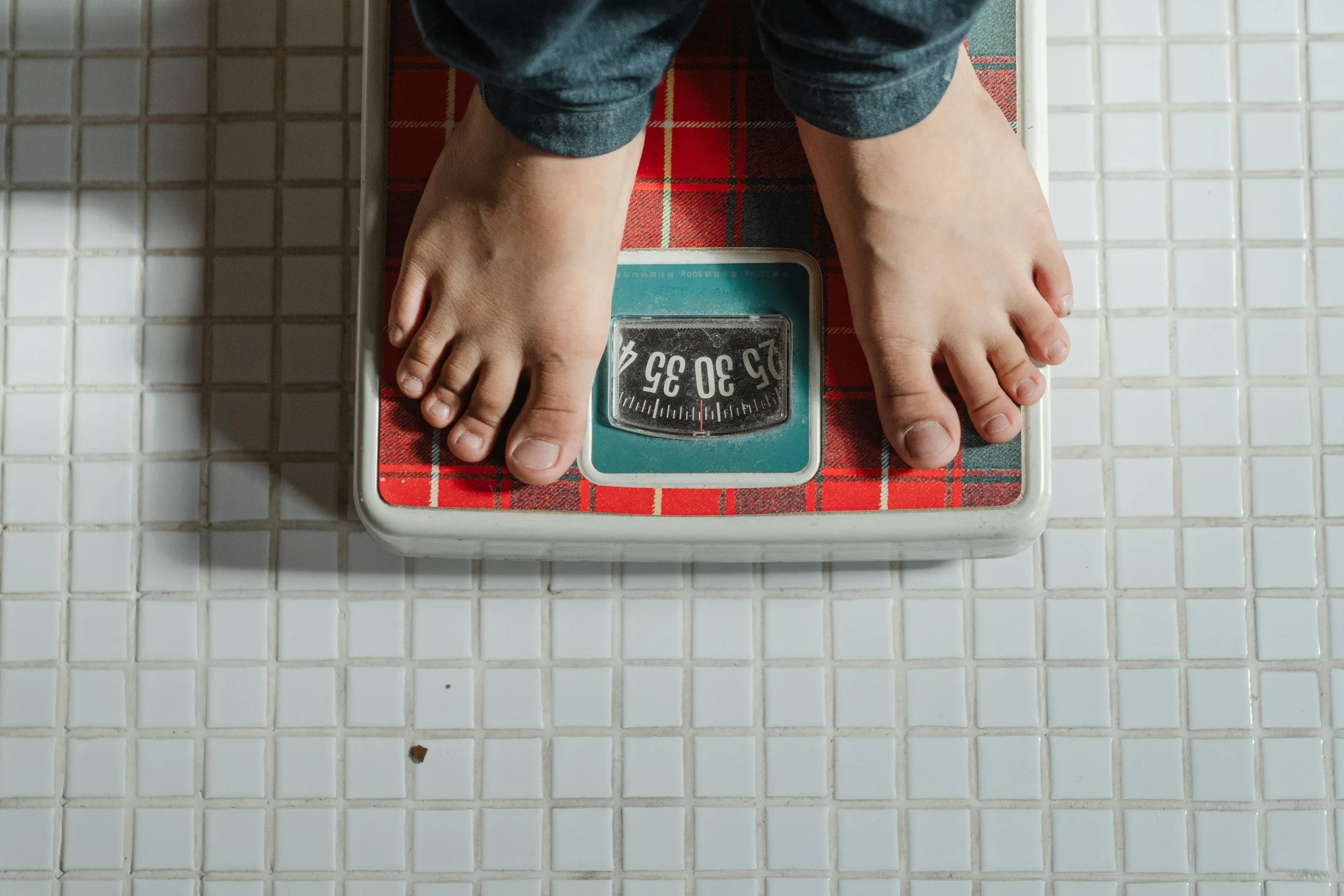
Beyond Calories: Creating Transformative Awareness around Weight Loss

Weight loss is a simple formula: consume fewer calories than you burn, and you'll lose weight. This principle is undeniable as it is rooted in the laws of thermodynamics. Yet, for most people, the journey to achieving and sustaining weight loss is anything but simple. While science underscores the importance of energy balance, it also reveals the sobering reality of outcomes: 95% of individuals who embark on a weight loss journey fail [1] and less than 20% of those that succeed maintain their goal for more than a year [2]. These statistics aren't just a testament to the difficultly of the task — they highlight a critical gap between theoretical knowledge and practical application. The disconnect lies not in our understanding of metabolic processes but in the psychological and behavioral challenges that come with implementing this knowledge.
Why does something so simple prove to be so elusive in practice? The answer lies in how deeply our thoughts, habits, and perceptions shape our relationship with food, motivation, and the very concept of dieting.
For many, the very word "diet" triggers a cascade of negative associations — restriction, deprivation, and even punishment. Simply saying "I'm on a diet" can set up individuals for psychological conflict before they even begin. Consider research by Harris Lieberman and colleagues [3] where participants unknowingly consumed all their calories for the day via a slurried concoction totaling either 313 calories (practical starvation) or 2,294 calories (maintenance). Incredibly, participants reported no significant differences in mood, sleep quality, or mental performance between groups, underscoring the role perception has on shaping experience. The only clear variation was hunger, which makes sense due to it being a natural physiological response to a reduced caloric intake. This suggests that much of the hardship we associate with dieting stems not from physical deprivation, but from the knowledge we are on a diet. Just imagine how people would perceive their dieting experience if they were unaware of their caloric intake!
Reminiscent of the age-old maxim — "perception is reality" — how we interpret our experiences fundamentally shapes our emotional and physiological responses. An example of the power of perception can be seen in a study by Crum et al. [4], where participants were told they were either consuming a high-calorie "indulgent" milkshake or a low-calorie "sensible" one, though both shakes were identical. Those individuals who believed they consumed the indulgent shake reported greater satiety and experienced a larger decrease in the hunger hormone ghrelin. This further highlights a critical truth: how we perceive our actions, especially when it comes to weight loss, matters. When dieting is seen as a sacrifice, it can become an uphill battle. Therefore, framing dieting with purpose such as an act of proper nourishment or empowerment towards a new you instead of a form of deprivation can make the process a more rewarding and sustainable endeavor.
Adding to the psychological battle even further is the idea of "projection bias," a cognitive distortion where individuals overestimate their ability to handle future challenges. We inherently believe we will make the right choice when the time comes, however we often miscalculate our future discipline when the challenge presents itself, leading our resolve to crumble under the pressure of the moment. This creates a reinforcing cycle of frustration, highlighting the need for strategies that align our planning with realistic expectations of our future selves. In the moment, it's easy to plan on resisting tomorrow's temptations — the cookies in the office breakroom or choosing the sensible option over the indulgent one at dinner with friends — but when hunger and social pressures strike, resolve often crumbles like that cookie you are trying to avoid. The disconnect between the "now you" as you plan and "future you" as you are faced with executing of the plan explains why so many diets fail. Planning with overly optimistic assumptions about future discipline often leads to disappointment and derailment.
In the moment, even with a plan, traditional approaches to dieting frequently rely on willpower, yet this strategy is inherently flawed because it fails to account for the cognitive distortion of projection bias and the finite nature of self-control. By overestimating future discipline, we set ourselves up for repeated mental strain because we're forced to depend on a fatiguable muscle called willpower. Instead it would better serve us to emphasize approaches that minimize reliance on sheer determination. Because willpower is a finite resource, this constant mental tug-of-war between the logical — what we "should" do — and the impulsive desire of — what we "want" to do — is certain to deplete our mental energy over time. Therefore, success lies in designing systems and environments that reduce a reliance on willpower. For instance, removing high-calorie snacks from the home or preparing meals in advance minimizes moments of weakness and reduces decision fatigue, making healthy choices easier by default.
There are practical strategies to help reduce our need for willpower and bridge the gap between intention and action. For example, a study on the snacking behavior of secretaries revealed that proximity to, and, visibility of, foods significantly influenced their consumption [5]. Candy placed within arm's reach was consumed 1.8 times more frequently than candy placed a few feet away, and candy in an open bowl was eaten 2.2 times more often than candy in a closed container. The implication here is clear: reducing access or creating challenges to acquiring unhealthy options is more effective than relaying on sheer willpower or self-control. This can be applied to just about anything that doesn't serve our weight loss goal such as keeping high-calorie foods out of sight — or better yet, out of the house! We're much less likely to drive to the store if we desire something sweet than walking to the kitchen.
Another proven tactic to reduce mental strain is using implementation intentions or simple "if-then" rules to automate decision-making. For example, coming up with the rule of: "If I feel the urge to snack on a cookie at work, I'll drink a glass of water instead." This pre-planned response minimizes the mental effort required to make the most advantageous choice towards achieving your weight loss goal. And because satiety signals respond to volume, a full glass of water may satiate you more than a cookie, allowing you to feel that you're in charge of your weight loss journey.
Given the limitations of willpower, adopting strategies like pre-planned responses becomes essential in bridging the gap between intention and action. These pre-planned responses not only simplify decision-making but also align with a broader strategy of cultivating mindful habits around food, sharpening awareness of how we engage with our meals and environment.
One additional factor to help with closing the gap between intention and action is to understand our interaction with food itself. Our brains don't have an innate calorie counter; instead, they rely on contextual cues to estimate intake. Distractions, such as watching TV or scrolling on a phone during meals, dull satiety signals and increase the likelihood of overeating. By practicing mindful eating — focusing on each bite and savoring the experience — you can enhance satisfaction and reduce the risk of overconsumption [6].
Beyond these immediate tactics lies a powerful opportunity for deeper change. Reframing the journey as a path of identity transformation creates a bridge between strategies discussed and the mindset needed for long-term success. Rather than viewing weight loss as a temporary endeavor filled with restrictions, aligning it with a broader sense of who you want to become can fundamentally shift your approach. Instead of saying, “I’m on a diet,” consider saying something like, “I’m becoming a healthier person.” This subtle shift in mindset aligns actions with a larger purpose, redirecting the focus from temporary restriction to lasting growth. Carol Dweck, in her book entitled *Mindset *[7], speaks to this approach, emphasizing that "becoming is better than being." In other words, focusing on progress and self-improvement provides purpose to the journey leading to better outcomes than fixating on a specific goal. By prioritizing the establishment of sustainable healthy habits — like hitting a protein goal by eating more whole foods, moving your body regularly outside in the sun, and improving your sleep hygiene — you set the foundation for long-term success.
Purpose is uniquely important, serving as the strongest motivator for behavior change, tying together the psychological challenges and solutions. Victor Frankl, a Holocaust survivor and psychiatrist, observed that “those who have a ‘why’ to live can bear almost any ‘how.’” By connecting weight loss to a meaningful purpose — such as improving health, setting an example for loved ones, or building self-confidence — individuals can reframe their individual journey as one of empowerment rather than a burdensome sacrifice. Shifting the focus from what we are giving up to what we are gaining — such as vitality, strength, quality of life, longevity — makes the trials and tribulations of the process feel more worthwhile and rewarding. Purpose not only provides clarity but serves as a unifying thread that connects practical strategies to the psychological hurdles previously discussed. By rooting the process of weight loss in a meaningful "why," the journey shifts from one of mere behavior modification to a transformative pursuit.
While weight loss may be simple in theory, the practice definitely has its challenges. However, as we have seen, these challenges are not insurmountable. This discussion isn’t meant to be a definitive guide to effortlessly achieve your ideal body because, in truth, that journey is never easy. Instead, the aim here is to create awareness around ideas and systems that work. The first step being awareness — by understanding the hurdles, we can begin to navigate them. Recognizing these obstacles makes them less daunting and allows us to develop personalized strategies that can lead to success. Reframing weight loss as a transformative journey, designing systems to reduce reliance on willpower, creating an environment that supports your goals, and connecting actions to a meaningful purpose transforms the process from one of deprivation to one of empowerment. Success in weight loss, as in any endeavor, requires acknowledging that the sum of your actions has led you to your current position, and the only way forward is an intentional effort and willingness to rewrite your story.
Renew Bariatrics, Diet Failure Statistics, https://renewbariatrics.com/diet-failure-statistics/
Wing & Phelan, 2005, https://pubmed.ncbi.nlm.nih.gov/15798171/
Lieberman et al., 2008, https://pubmed.ncbi.nlm.nih.gov/18779282/
Crum et al., 2011, https://pubmed.ncbi.nlm.nih.gov/21574706/
Wansink et al., 2006, https://pubmed.ncbi.nlm.nih.gov/16418755/
Robinson et al., 2013, https://pubmed.ncbi.nlm.nih.gov/15010185/
Dweck, 2006, https://pubmed.ncbi.nlm.nih.gov/30008392/
Strength Training works better than Cardio for fat loss
Men who do strength training keep their fat percentage lower in the long term than men who run, cycle or do other aerobic exercise. Epidemiologists at the University of Harvard came to this conclusion after following 10,500 men for 12 years.
Strength training fights belly fat better than aerobic training
Men who do strength training keep their fat percentage lower in the long term than men who run, cycle or do other aerobic exercise. Epidemiologists at the University of Harvard came to this conclusion after following 10,500 men for 12 years.
Strength training and body fat
At first glance you'd think that aerobic forms of exercise such as running, cycling and rowing would offer better protection against building up excess fat than strength sports do. A weights workout burns a couple of hundred kilocalories at most, while an hour of intensive aerobic training will easily help you burn eight hundred kilocalories.
On the other hand though: after the age of thirty you lose a little bit of muscle mass each year. Because every kilogram of muscle mass you lose also lowers your daily calorie burning by a couple of dozen kilocalories, the older you are, the more easily you put on weight. You can stop this process by doing strength training. If you train really hard and eat enough protein, you can even build up more muscle mass as you age. Aerobic forms of exercise contribute little to building up more muscle mass.
Study
The researchers used data on over 10,000 healthy men that had been gathered between 1996 and 2008 in the Health Professionals Follow-Up Study, including information on how the waist measurement of the participants had changed over the study period. When the study began in 1986, the participants were aged between 40-75.
"Because aging is associated with the loss of skeletal muscle mass, relying on body weight is insufficient for the study of healthy aging", explained Rania Mekary, the first author of the study, in a press release. [harvard.edu December 22, 2014] "Measuring waist circumference is a better indicator of healthy body composition among older adults."
The researchers divided the men up according to the amount of exercise they got. First the researchers looked at the amount of moderate to vigorous aerobic activity [MVAA] the men got daily. The norm is at least half an hour a day of this type of exercise.
Then the researchers looked at the number of minutes a day the men devoted to strength training.
Results
Strength training offered more protection against a growing waist circumference than moderate to vigorous aerobic activity did, according to the figure below.

During the period that the researchers monitored the men, their waist measurement increased by an average of 6.6 cm. Strength training reduces this increase by 3 cm. According to this study, that happens regardless of whether you adhere to the norm for moderate to vigorous aerobic activity or not.
The researchers even calculated that if the participants had done 20 minutes of strength training daily during the 12 years of the study instead of 30 minutes of aerobic activity, they would have lost another 0.34 cm from their waist measurement. It would have been even better if they had done 20 minutes strength training a day instead of of watching TV for 30 minutes: that would have resulted in a reduction of 0.76 cm on the waist measurement.

Conclusion
The leader of the project, Frank Hu, emphasised in a press release [harvard.edu December 22, 2014] that the study does not show that aerobic forms of exercise are therefore no longer necessary. Aerobic exercise has positive effects on the cardiovascular system that strength training does not have.
"This study underscores the importance of weight training in reducing abdominal obesity, especially among the elderly", said Hu. "To maintain a healthy weight and waistline, it is critical to incorporate weight training with aerobic exercise."
Top 9 Food Myths
Myth #1: Eating fat will make you fat.
Truth: It’s true that fat is denser in calories than carbohydrates and proteins (more than twice the calories per gram), but obesity is not primarily due to an excess of calories consumed. It is the type of calories consumed that is important. Recent science shows that most surplus weight and obesity is caused by excess carbohydrates in the diet. Fats are a main source of energy. They are also an important source of fat-soluble vitamins and provide much of the pleasurable flavor and texture in food. Some (the omega fats) are, in fact, essential in our diet, as we can’t produce our own.
Myth #2: Saturated fats are bad for your heart.
Truth: There has never been any robust, conclusive evidence that saturated fats cause chronic disease. In fact, saturated fats are the cleanest-burning fuel you can put in your body. From a health perspective, saturated fats are not only benign, they’re beneficial.
Myth #3: Carbohydrates are essential to our bodies.
Truth: There are no essential carbohydrates. Your body evolved to make its own blood glucose from non-carbohydrate sources. When it does so, it makes the optimum amount for the present needs of the body. There are beneficial carbohydrates—soluble and insoluble fibers—but you can get plenty of these without also burdening your body with sugars and starch.
Myth #4: Gluten-free eating is the healthiest option.
Truth: If you have celiac disease or are gluten sensitive, by all means avoid gluten in your diet. Otherwise, keep in mind that most processed, gluten-free foods use substitutes like rice flour, potato starch, and tapioca flour. These and other starches rapidly raise blood glucose and insulin, aggravating diabetes and other chronic diseases. Gluten-free does not mean low-carbohydrate. In fact, it’s sometimes quite the opposite.
Myth #5: Everything in moderation.
Truth: To quote Canadian physician Dr. Jay Wortman, “Everything in moderation is an excuse we use to eat the things we shouldn’t eat.” Like the notion of a “balanced diet,” “everything in moderation” gives us license to trade off nutritious calories for empty ones. This is doubly dangerous when that junk food contains sugar, which activates the opiate receptors in our brain, stimulating our reward center. Each time we eat something sweet, we’re reinforcing those neuropathways and hardwiring our brains to crave the stuff. So, next time you catch yourself using “moderation” and “balance” as a rationale to consume foods you know are bad for you, it helps to remember that you’re not only fooling yourself, you’re compromising your health in the process.
Myth #6: To lose weight, you need to cut calories.
Truth: Cutting calories means you eat less food, and eating less food means you have less of an opportunity to meet daily nutritional requirements. If you are restricting calories to less than your daily needs, you will not only be perpetually hungry, but you will also reduce your metabolic rate, making weight loss more difficult. What’s more, once you return to your regular diet, there is a high probability that you will regain the weight you lost and are likely to put on even more.
Myth #7: Fruit is good for you because it’s natural.
Truth: Newsflash: fruit did not evolve to be a health food. Its evolutionary imperative is to spread its seeds, and the best way to do that is to get animals to eat it, move on, and deposit the seeds, some distance away, embedded in a healthy dollop of fertilizer. Sweet fruit is more attractive to animals—including humans—so job well done on the dispersal-system front. But the sweetness comes at a high cost not only in terms of high-carbohydrate starches but also fructose—a known toxin. The same goes for honey and maple syrup. Don’t be persuaded to buy and eat food simply because it’s considered natural.
Myth #8: All vegetables are created equal.
Truth: Many vegetables—especially root vegetables, beans, and grains (and, yes, I include grains as vegetables because they are plants)—are high in starch and can contribute to obesity and insulin resistance. Choose wisely.
Myth #9: If you work out, you can eat whatever you want.
Truth: Working out does burn calories, so your food intake should increase proportionally. However, science tells us that about 80 percent of weight management is determined by what you eat, not how many calories you burn. You lose weight in the kitchen; you get fit in the gym. If you eat poorly, exercise will not help you outrun the negative health consequences.
via The Bio Diet
Running away from your gainz?
There are 4 metabolic ward studies — the gold standard of research — showing statistically significant reductions in resting metabolic rate when overweight subjects performed endurance exercise equivalent to a 300-600 caloric burn per day, for multiple weeks. In other words, when overweight humans do more than an hour of endurance exercise — otherwise known as steady-state cardio — daily, their resting metabolism declines an average of 5-15%.
This isn’t to say that exercise isn’t beneficial but their are better ways if you are trying to lose weight, such as sprinting or resistance training. Both of which will help to build muscle and INCREASE resting metabolic rates.
If you’re choosing cardio over weights, you’re literally running away from your gainz…
There are 4 metabolic ward studies — the gold standard of research — showing statistically significant reductions in resting metabolic rate when overweight subjects performed endurance exercise equivalent to a 300-600 caloric burn per day, for multiple weeks. In other words, when overweight humans do more than an hour of endurance exercise — otherwise known as steady-state cardio — daily, their resting metabolism declines an average of 5-15%.
This isn’t to say that exercise isn’t beneficial but their are better ways if you are trying to lose weight, such as sprinting or resistance training. Both of which will help to build muscle and INCREASE resting metabolic rates.
----
References:
- Bouchard C, Tremblay A, Despres JP, Theriault G, Nadeau A, Lupien PJ, Moorjani S, Prudhomme D, Fournier G: The response to exercise with constant energy intake in identical twins. Obes Res 1994, 2(5):400-410.
- Heymsfield SB, Casper K, Hearn J, Guy D: Rate of weight loss during underfeeding: relation to level of physical activity. Metabolism 1989, 38(3):215-223.
- Phinney SD, LaGrange BM, O'Connell M, Danforth E, Jr.: Effects of aerobic exercise on energy expenditure and nitrogen balance during very low calorie dieting. Metabolism 1988, 37(8):758-765.
- Woo R, Garrow JS, Pi-Sunyer FX: Voluntary food intake during prolonged exercise in obese women. Am J Clin Nutr 1982, 36(3):478-484.

Stop Jogging...
Most everyone exercises to look better naked, with health training someone behind. For a more effective workout — burning fat, building muscle — in a fraction of the time, substitute sprints for longer cardio bouts. No only will you improve your health, but will look better too!


Since the world is shutdown and very few people have access to weights, it seems like the go-to right now is jogging. While this is better than nothing, just be aware it will not give you the adonis body that you've been promised by fitness magazines. While long bouts of cardio may improve your endurance (however, not necessarily best for health — but that a story for another time), they don't do much for your waistline. One of the problems that many people find with jogging is an inability to shed fat. The reason is simple: distance running a.k.a. chronic cardio create a heightened state of metabolic efficiency. When you engage in aerobic exercise, your body wants to work as efficiently as possible while producing the greatest amount of physical output. Example, during long cardio session with increasing volume and frequency, your body will attempt to shed unnecessary, excess weight and store usable energy it can draw on during these sessions. Muscle mass is more or less unnecessary when you run because of its added weight and the additional energy it takes to be cooled. Alternatively, do you know what's a great source of stored, usable energy for cardio? BODY FAT. So when you perform increasingly longer bouts of cardio, your body gets rid of its muscle and stores fat to prepare for each bout of cardio, while also down-regulating anabolic hormones such as testosterone and growth hormone, as these are paradoxical to the demands being placed on your body. The classic example is to look at the comparison between a sprinter and a marathoner... which would you rather look like?
Most everyone exercises to look better naked, with health training someone behind. For a more effective workout — burning fat, building muscle — in a fraction of the time, substitute sprints for longer cardio bouts. No only will you improve your health, but will look better too!

"Eat Less & Move More" is Bad Advice

The conventional advice given to those who are trying to obtain a goal of weight-loss is to “eat less and move more.” This operates under the calories in, calories out model whereby you need to exercise off more calories than you have coming in. Sounds great in theory, but I am here to tell you that a calorie is not a calorie and exercise doesn’t really burn that many to begin with.
Eat less…
During a simple calorie restricted diet the weight lost is usually comprised of 2/3 fat and 1/3 muscle. So, if you lose 15 pounds, approximately 10 pounds would come from fat and the other 5 pounds from muscle. The loss of muscle is unfortunate and in a perfect world (e.g., prioritizing adequate amounts protein in the diet) would not be as significant, however if you are following the “eat less and move more” mantra this is pretty much to be expected.
Take a look at this example: a 200 pound woman with 30% body fat (200 x 30% = 60 pounds of fat mass), after losing 15 pounds would weigh 185 pound with 50 pounds of fat mass. She lost 10 pounds of fat and her total body fat was reduce from 30% to 27%.
While a total loss of 15 pounds is worth bragging about, as per the above example, the loss in muscle mass will cause a reduced metabolic rate, slowing down continued weight loss. In other words, because she burned off 5 pounds of muscle it will be harder to continue losing weight as easily as it would be if she hadn’t lost 5 pounds of muscle. Why? Muscle is an expensive tissue to maintain, it consumes nearly 40% of your body’s resting metabolism. To combat the negative effects of reduced muscle mass, while seeking a goal of body recomposition, it is important to increase total protein intake as to not hinder future progress,
Dietary protein requirements are largely affected by the amount of muscle mass you carry around as well as your total calorie intake. There is an inverse relationship between calories and protein, whereby increasing calorie intake reduces dietary protein requirements, while reducing calorie intake increases dietary protein intake. Applying this to the above situation, our 200 pound woman would make better long-term progress from an increased total protein intake of say 150-180 grams: 180 grams of protein x 4kcal/g = 720 kilocalories from protein; 720 calories is 36% on a 2000 kilocalorie diet and is 48% on a 1500 kilocalorie diet (this is purely for illustrative purposes as I am not a proponent of counting calories). Thus, the absolute and relative amounts of protein in the diet are increased. By doing this, muscle mass is much more likely to be retained, improving long-term weight loss and body recomposition goals. This is clearly supported by clinical trials; high protein diets consistently result in more successful long-term diets…
https://www.ncbi.nlm.nih.gov/pmc/articles/PMC4213385/
Move more…
Exercise is definitely beneficial for optimal health and longevity as it increases overall fitness, improves cardiovascular health, promotes a positive well-being and if done properly can increase muscle mass which can pave the way for a long life full of vitality. However, one thing exercise does not do is cause weight-loss. When someone starts an exercise regimen without a specific dietary intervention, long-term weight loss fails to occur in the majority of people because the calorie deficit produced from exercising is offset by the increased hunger and subsequent food intake. In other words, energy intake will rise to meet the level of energy expenditure. Another way “eat less and move more” falls short of optimal advice.
This is not to say that exercise is worthless when it comes to weight-loss because exercise has the ability to do one thing that dietary intervention cannot: it builds muscle. Learning from the above mentioned example, it is our ability to maintain muscle that creates a beneficial atmosphere around weight-loss because muscle is metabolically active — the more we have, the greater amount of energy we must expend to keep it, even at rest.
For conventional purposes, exercise can be broken down into two categories; aerobic and anaerobic. Aerobic training revolves around extended periods of heavy breathing which makes the heart work and improves cardiovascular fitness, generally at the expense of precious muscle. Examples are running and cycling. Anaerobic training is performed at a much higher intensity than aerobic exercise, albeit much shorter bouts with plenty of rest in between which promotes muscle growth and increase strength. Examples are sprinting and weight lifting/strength training.
While both forms of exercise will increase energy expenditure, the amount of calories expended when not exercising is much greater than those spent when exercising. Time spent not exercising is roughly 45 times greater than time spent exercising (60 minutes at the gym vs. 23 hours not at the gym). Office work, sitting in traffic, grocery shopping, cooking, watching television, and sleeping are all lower intensity activities than any exercise; having a substantial amount of your body composition comprised of muscle will allow you to utilize your calories for the health of that expensive tissue and not have it stored as fat. Therefore, it is important to prioritize your exercise regimen accordingly.
Anaerobic training, specifically strength training increases skeletal muscle mass. This has a positive affect on our metabolic rate allowing us to use energy more efficiently (e.g., burn fat), in addition to improving overall strength, coordination and quality of life. Having stronger muscles makes all activities easier, and thus of lower intensity. And lower intensity favors fat burning as a primary fuel source. In other words, to optimize the effect of exercise on fat burning, get in the weight room.
A better way to think about getting in shape would be to “Eat and Train.” This seems to be a much more productive piece of advice as I have hopefully illustrated above. The idea of “eat less and move more” is aesthetic whereas the other is functional. The former may not have a clear goal, but the latter always does.
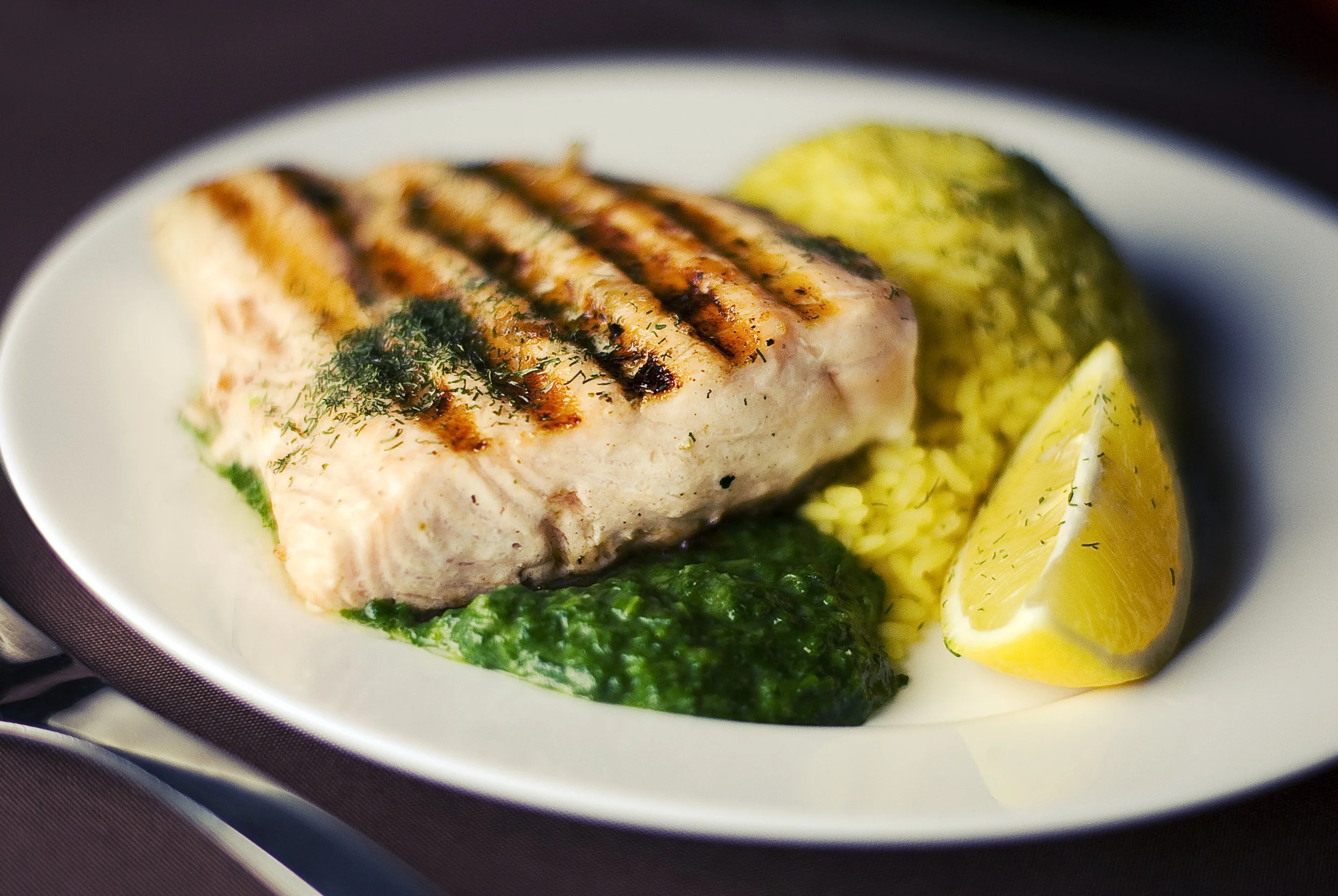
Nutrition Primer: How to Start Eating Better
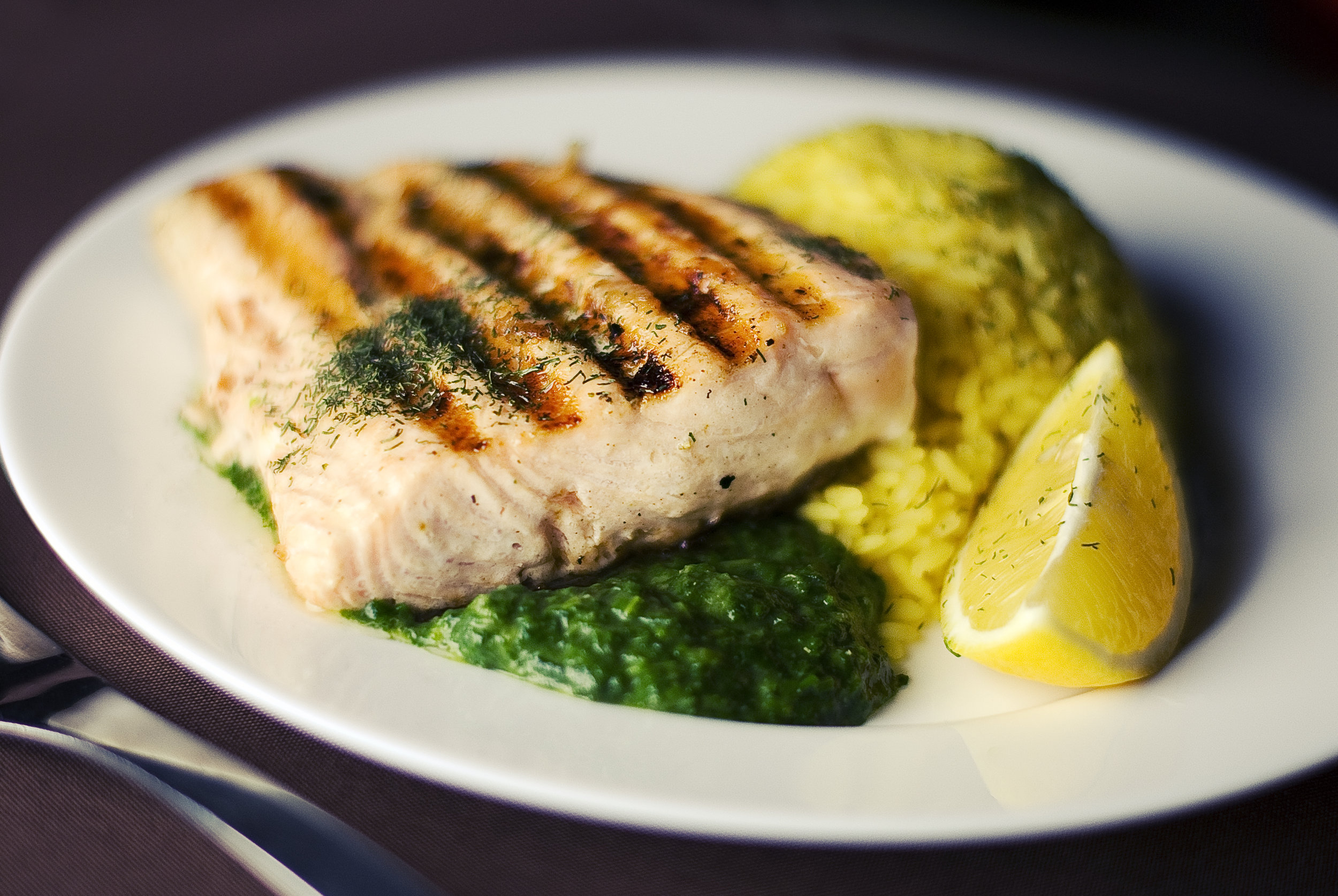
It hard to know where to start when it comes to bettering your health, but step one is always going to be about improving your nutritional habits. Take a look at the following questions to get an idea of where you should start.
Question #1: Where do I start when trying to improve my nutrition?
The first thing people often do is choose a diet they have be researching or one that their friend recommends, but jumping into any diet is not always the best choice. Food provides the body with energy, as well as information, and if you completely change what you are consuming chances are you are going to have a hard time adapting. Headaches, digestive issues and wild cravings are generally the mainstay of radical changes in diet. So instead of jumping on the Paleo, Ornish, low-fat, Mediterranean or vegetarian bandwagon, first address the issue of eliminating nutritional deficiencies.
Most people will be surprised to find out that they, in fact, have any deficiencies at all, but the research shows that more than 80% of the population has at least one. And who knows, the very reason you have sought out to read this article – weight gain, sleep disturbance, digestive issues, etc. -- could be rectified with a simple adjustment of your diet, without rushing into a full overhaul.
To eliminated any underlying deficiencies it is best to start with the following:
- Adding more quality proteins by using less lunch meat and favoring more free-range, wild caught or grass-fed meats
- Increasing vitamins and minerals by choosing a colorful variety of vegetables and fruits
- Allowing room for sufficient healthy fats by using coconut oil to cook, olive oil in salads, full-fat dairy or avocado as a snack
- Drinking more water. Try adding a cucumber or lime slice for some flavor.
Establishing optimal eating habits are done one step at a time. By making small changes over time you are positively altering your environment, ultimately creating a lifestyle change that is much better than any crash diet you can subscribe to.
Question #2: What’s the Best Diet to Follow?
There really is no “best diet.” What works best for one person, is probably not going to work for another. Those who have found success with a low-fat/high-carb diet (Jenny Craig) would probably find success with the equally restrictive high-fat/low-carb diet (Atkins). Macronutrient (carbohydrate/fat/protein) restrictive diets work well for weight-loss because they limit one of the body’s main sources of fuel — fat or carbohydrate. However, due to their intensive restrictions, when the majority of start to slip with temptation they tend to slip all the way off the diet and regain the weight.
A better way to ask the question would be; “What is the right nutritional approach that will create a positive long-term, systemic change in my life?” It is definitely a much harder question to answer correctly, which is why it is often not asked. As stated in question one, making small nutritional changes can have that positive affect and allow for insight as to what makes your body work more efficiently. The caveat to that is we all have limitations, whether they be financial or health related that will need to factor in to your nutritional choices. In the end, the best diet is one that is going to allow the individual to thrive in every endeavor.
Question #3: Is Counting Calories Important for Weight Loss?
No, counting calories is not something you should spend your time on when it comes to weight loss. Eating should be enjoyable, not reduced down to a math problem. When we choose to count calories with the intention of losing weight, the general approach is to take in less calories than we’re used to. Calories-in, calories-out right? Well, it’s not that simple as energy expenditure would be reduced to meet the decreased energy intake. So a calorie is not really a calorie because your caloric output is controlled by your body and is dependent on the quantity and quality of the calories ingested.
Besides, by counting calories you are essentially outsourcing appetite awareness to the food-label gods. Instead, think about regaining control of your portions with the hand-measuring system. Here is how it works:
- Your palm determines your protein portion
- Your fist determines your veggie portion
- Your cupped hand determines your carb portions
- Your thumb determines your fat portions.
Question #4: Should I Avoid Carbs?
Avoiding carbs is not necessary for weight management, nor achieving optimal health. However, if the majority of your dietary carbs come from a box – pastas, cereals, donuts, pizza – it would be best to reevaluate your choices in order to reach your goal. The quality of your carbohydrates is important in terms of nutritional content and the toll it play on our body.
When we eat a food containing carbohydrates, the digestive system will break them down into sugar allowing it to enter the blood. This causes our blood sugar to rise and in response the pancreas secretes insulin – a hormone that shuttles sugar out of the blood and into the cells to be stored at energy. When this happens we blunt our ability to burn fat and instead use the easily accessible energy within our blood.
Sugar is the biggest offender especially if it enters the blood stream as glucose, which doesn’t need to be broken down by enzymes, so it’s absorbed immediately. Starch can be in the same boat when it comes to raising blood sugar, sometimes worse if it's in the form of gluten-containing, nutrient-depleted grains (e.g., pastas, cereals, donuts, pizza). So where does that leave us?
Do not avoid carbs. Instead make better choices. The following is a list of possible replacements for when you are meal planning:
- Low Starch Vegetables such as baby corn, jicama, kohlrabi, rutabaga, water chestnuts, cauliflower, mushrooms, onions, turnips, green beans, cucumber, bean sprouts, Brussels sprouts, asparagus, artichokes, okra, zucchini, green peppers all have a high ratio of fiber and nutrients compared to the content of carbs present.
- Moderate Starch Veggies like sweet potatoes, beets, or carrots are still reasonable but it is wise to watch the serving sizes.
- Low-Sugar/Low-Fructose Fruits such as Kiwifruit, Blueberries and raspberries, Grapefruit/lemons/limes, melons, pears with skin, and coconuts are decent choices that have their place in a season context, however avoiding fructose altogether is likely a safe bet for most people especially those who are obese.
- Gluten-free grains are acceptable for people who have the genetic ability to process carbs, but grains often irritate the digestive system as well as blood sugar control mechanisms for a significant amount of people.
If you found these helpful and would like answers to more questions feel free to contact using the links below:
Alcohol & Weight Loss
Alcohol & Weight Loss | After Your First Two Drinks
After your first drink, your body starts to get rid of the alcohol quickly using the alcohol dehydrogenase (ADH) pathway.1 In this pathway, ADH converts the alcohol into acetaldehyde, which gets further broken down to acetate. These by-products (acetaldehyde and acetate) are considered to be highly reactive and can increase oxidation throughout the body, but especially in the liver.
Because your body sees these by-products as dangerous, it wants to use them as fuel.This means your body will significantly blunt fat-burning close to 75% after just one and a half drinks.2 And it will stop using carbs for energy. Therefore, although very little alcohol will be stored as fat (less than 5%), the fat and carbs you are eating have an increased risk of being stored as fat.
Your liver can process these toxins through the increased use of certain vitamins, such as the water soluble vitamins B1, B3, B6, folate and C, while also possibly depleting some of the fat-soluble vitamins, A, E and K1. Over-time these decreases in vitamins can play a secondary role in loss of motivation, energy, and well-being.
After your first couple of drinks, your brain also starts to increase its usage of GABA. GABA is an inhibitory neurotransmitter in the brain and is a large reason why alcohol is known as a “depressant.” Over time, the GABA receptors get used to the effects of alcohol, which is a reason why people may need more and more alcohol to feel the effects from alcohol consumption.3 GABA is also the neurotransmitter, principally responsible for allowing you to stay asleep. Therefore when your brain uses more of it before you go to sleep, you have less while you’re actually sleeping, causing a disruption in restful sleep.
Alcohol also affects the higher processing areas of the brain, the cerebral cortex, while leaving the lower areas of the brain somewhat unaffected. This leaves you more emotional than you would normally be. If you’ve ever experienced “drunk logic” while doing or saying things you would never think to do sober, then you’ve experienced the inhibitory effects of having your cerebral cortex taken out of the equation.
While your body has started to use the alcohol as energy, your body releases anti-diuretic hormone (ADH) to help your body rid itself of the alcohol. This basically means that your urine volume increases significantly (about 100 ml per 10 grams of alcohol).4 If you’ve ever “broken the seal,” you know that the more you continue to drink, the more frequently you use the restroom.
Since your kidneys are working over-time, your body releases an increase in certain minerals and electrolytes especially calcium, magnesium, copper, selenium and manganese. All of these play important roles not only in blood volume, but in bone health, blood pressure and the anti-oxidant pathways.
In addition to everything above, a small increase in cortisol typically occurs with moderate drinking while testosterone levels will drop about 6.8% in men (not so much in women).5 Aromatase will also increase. Aromatase is an enzyme that helps to convert testosterone to estrogen and is obviously not something that is welcomed by many guys.
Alcohol & Weight Loss | After Six to Eight Plus Drinks
If you’re drinking a moderate amount of alcohol, those things listed above are the main effects, at least short-term. If you drink heavily and drink often, another system called the Microsomal Ethanol-Oxidizing System (MEOS) system kicks in at the point when the ADH pathway becomes overwhelmed.
This system is interesting because it causes your body to generally burn off more energy as useless heat and probably saves your life from too high of a blood alcohol level. It is primarily controlled by a special enzyme that plays an important role in utilizing certain medications and the metabolism of fatty acids. This increased rate of medication breakdown can decrease their effectiveness, while the incomplete breakdown of fatty acids can cause an increase in oxidation. This increase in oxidation becomes exacerbated as the body’s main anti-oxidant (glutathione) is also impaired, decreasing your ability to fight the oxidation.
As your drinking levels continue to increase, testosterone levels drop from 6.8% with 4 drinks to 23% with 8 drinks.6 This drop, combined with a slowdown in protein synthesis, can cause havoc when trying to recover from a workout.
In addition to that, fluid loss will generally become more significant, causing dehydration that might affect you for days afterwards. Finally, with heavy drinking, the breakdown of alcohol can occur for up to 48 hours after your last drink. This means less glucose is reaching your brain and working muscles, making you both more tired and quicker to fatigue if you do exercise.
If You’re Going to Drink Alcohol, Drink in Moderation and Not Too Often
You would think after listing all that happens in your body after consuming alcohol, the no-brainer suggestion would be to not drink. What is missing though are some of the benefits from consuming moderate amounts of alcohol.
Alcohol is shown to increase insulin sensitivity, which basically means that your body needs less insulin to do its job. In addition to that, research has shown that women who drink a moderate amount will have the same or slightly lower BMI, as those who don’t drink.7 The same effect is not seen in men. Those who moderately drink are also at less risk of dying from heart disease and cancer while decreasing one’s risk of Alzheimer’s8and even slightly improving your immune system.9
In other words, complete abstinence may not be needed while trying to lose fat as long as it’s done in moderation and not very often (think one time per week). If you don’t drink, obviously don’t start, but if you want to have a couple of drinks on the weekend, there is nothing necessarily wrong with having one or two. In future articles, I will list some of the best and worst drinks to have when going out and 5 strategies you can implement to decrease the deleterious effects of having a night of heavy drinking.
Alcohol & Weight Loss | Wrapping It Up
In any fat loss plan, there are three main components that should be priority: Diet, Exercise, and Sleep.
As stated throughout the article, a moderate amount of alcohol can increase total calories, decrease your motivation for exercise, and negatively affect your sleep. Despite this, many people can enjoy a drink or two, without throwing those three components completely out of whack.
On the other hand, drinking heavily can significantly derail energy levels, has a larger influence on dehydration, negatively impacts hormonal levels, and can significantly disrupt your sleep. Therefore, limit your overall levels of alcohol and put yourself in the best position to reap some of the benefits of alcohol consumption, while not derailing your overall progress.
For Fat Loss & Building Strength - Sprint Don't Walk!

#1: Burn More Belly Fat with Sprint Intervals
A large number of convincing studies show that high-intensity interval training is the best conditioning strategy for losing belly fat. In contrast, one research group that has conducted a number of experiments comparing aerobic and anaerobic training for belly fat loss write, “Disappointingly, aerobic exercise protocols have led to negligible fat loss.”
The reason anaerobic interval training works so much better is that it requires the body to adapt metabolically—your body is forced to burn fat to sustain the level of intensity being asked of it. It also elevates energy use for more than 24 hours post-workout, which has a dramatic effect on belly fat loss.
For example, a 2008 showed that a 6-week program increased the amount of fat burned during exercise by 12 percent and decreased the oxidation of carbohydrates—obviously, a favorable result for losing fat. More impressive, a 2007 study showed that in as little as 2 weeks, active women who performed interval training experienced a 36 percent increase in the use of fat for fuel during exercise.
Interval training is so effective for fat loss because it taps into different energy pathways than aerobic exercise. Simply, aerobic exercise tends to burn carbohydrates first and activate pathways that are degrading to muscle, whereas high-intensity exercise such as weight lifting and sprinting will burn a greater percentage of fat, enhance the body’s production of enzymes involved in fat breakdown, and activate pathways that lead to muscle development.
The other reason anaerobic intervals are superior for belly fat loss is that they increase excess post-exercise oxygen consumption (EPOC) a huge amount. A 2006 review showed that protocols that are more anaerobic in nature produce higher EPOC values than steady-state aerobic training because the trained muscle cells must rest restore physiological factors in the cells, which translates to a lot of energy expenditure.
Additional research on high-intensity training (HIT) programs noted that “the effect of regular aerobic exercise on body fat is negligible” whereas research into high-intensity exercise “indicates that it may be more effective at reducing subcutaneous and abdominal (visceral) body fat than other types of exercise.”
One study that compared the effect of high-intensity exercise (60 sprints of 8 seconds each, 12 seconds rest) with aerobic exercise (60 percent of maximal oxygen uptake for 40 minutes) found thatHIT resulted in significant decreases in overall fat mass, while the aerobic exercise group had a fat gain of 0.44 kg on average. The HIT group also had a significant 9.5 percent decrease in visceral fat, whereas the aerobic group had a non-significant increase of 0.2 kg or 10.5 percent. Of related interest is that the HIT group decreased fasting insulin significantly more than the aerobic group (31 versus 9 percent).
A second study found that in men with type 2 diabetes, an eight-week program that mixed aerobic and anaerobic exercise (twice a week of 45 minutes of aerobic exercise at 75 percent of max, and once a week of 5 sprints for 2 minutes at 85 percent) had a significant 44 percent decrease in visceral fat, with a 58 percent improvement in insulin sensitivity. They had no change in bodyweight but did have a 24 percent increase in thigh muscle cross sectional area, indicating muscle development, which accounted for the fact that they didn’t decrease bodyweight.
A third study performed on obese women compared a 16-week low-intensity protocol with a high-intensity protocol, based on rating of perceived exertion—not a very scientific indicator, but I’ll mention it anyway. The protocols produced comparable volumes of work as well as almost equal calories burned and miles completed. Despite this, only the HIT protocol yielded significant changes in metabolic markers or visceral fat loss. They lost significantly more total and visceral fat than the low-intensity group. Interestingly, both groups had similar exercise adherence to the program with 80 percent of each group completing the study, indicating that the high-intensity protocol was not too demanding for an obese, previously untrained population.
High-intensity exercise is effective because it increases exercise and post-exercise fat burning and may yield decreased post-exercise appetite. During exercise and after HIT, fat burning increases to remove built up lactate and hydrogen ions. Elevated growth hormone also supports fat burning and is a result of HIT programs.
#2: Lose Belly Fat With Sprint Intervals: The Proof
The following are examples of the superiority of anaerobic interval training for belly fat loss from the research:
- A 12-week high-intensity interval training program produced a 17 percent decrease in belly fat in overweight young men. Subjects lost 1.5 kg of belly fat and 2 kg of total fat, while building 1 kg of muscle. Fat burning was increased by 13 percent due to the 3-day a week program of 20-minutes of cycling in which the subjects sprinted for 8 seconds and then did 12 seconds of recovery, repeating these intervals for a total of 60 sprints.
- The same 20-minute cycling interval program produced 2.5 kg of fat loss in young women in 15 weeks, and the majority of the fat loss come from the legs and abdominal area. The sprint intervals were compared to a steady-state aerobic program that produced no fat loss.
- A 16-week study had trained athletes perform either a sprint interval protocol or steady-state running four days a week. The sprint interval protocol varied each day, but an example of one of the workouts used was 10 intervals of 30-sec sprints with 90 seconds rest. The sprint interval group lost 16 percent or 1 kg of visceral fat as well as 2 kg of total fat, compared to the endurance group that lost no belly fat, but did lose 1.4 kg of lean mass. The belly fat loss appears to be small, but be aware that subjects were lean, trained athletes to begin with and had less belly fat to lose than overweight subjects.
- An 8-week interval program using both high- and moderate-intensity intervals decreased belly fat by 44 percent in middle-aged men with type 2 diabetes. Subjects increased quad muscle size by 24 percent and improved insulin sensitivity by 58 percent—a dramatic improvement that highlights the other mechanisms involved in belly fat loss (muscle building, insulin health & blood sugar management).
#3: Sprints Take Less Time than Aerobic Exercise
Not only do sprints help you lose MORE belly fat, they help you lose it FASTER and with LESS training time. Repeatedly, studies show that more fat loss is achieved in high-intensity programs that use 20 to 25 minutes of training time than those that use 45 or 50 minutes of aerobic training time.
Scientists write that anaerobic intervals are overwhelmingly preferable to aerobics for producing belly fat loss, and that the estimated optimal dose of aerobic exercise necessary to lose belly fat appears to be 3,780 calories expended per week. This is an enormous volume of exercise that would require 1 hour of moderate intensity aerobic cycling 7 days a week to burn 550 calories a day so that you could lose even a pound a week!
In less than half the time you can get better results with anaerobic training. A 1994 study is indicative of this: Participants did either 20 weeks of aerobic training or 15 weeks of intervals (15 sprints for 30 seconds each) and lost nine times more body fat and 12 percent more visceral belly fat than the aerobic group.
What is so interesting about this study is that the energy cost of the aerobic program over the whole study period was 28,661 calories, whereas for intervals it was less than half, at 13,614 calories. In less time, the interval group lost much more weight—nine times more weight. How do researchers explain it?
Aside from greater fat oxidation and higher EPOC, hormone response plays a major role…
#4: Sprints Improve Hormone Response for More Belly Fat Loss
Sprint intervals and anaerobic exercise in general improve your entire endocrine system. Both training modes enhance the cells’ sensitivity to insulin, making anaerobic training a successful treatment for diabetes.
Perhaps most important, anaerobic exercise also elevates growth hormone (GH) —a powerful fat burning hormone that helps restore tissue and build muscle—much more than aerobic training. GH is released by the body in greater quantities in response to physical stress above the lactate threshold, which is the reason heavy, sprints are so effective.
Another hormone called adiponectin that is released from fat tissue during exercise also helps burn fat. Emerging scientific evidence shows that any time you perform forceful muscle contractions, adiponectin is released, and then your body produces a substance called PGC1 that is like a “master switch” that enhances muscle and metabolic functions, thereby burning belly fat. Naturally, anaerobic training is most effective for increasing adiponectin and PGC1 to burn fat since sprints and especially weight lifting require extremely forceful muscle contractions.
#5: Anaerobic Training Produces Less Cortisol For More Belly Fat Loss
Cortisol is the stress hormone that is elevated when you are under both physical and psychological stress. Research shows cortisol is chronically higher in endurance athletes—one study found that aerobic athletes had significantly higher evidence of cumulative cortisol secretion in their hair than controls.
In addition, cortisol is generally elevated more following aerobic training than anaerobic training. Part of this has to do with the fact that strength training and intervals do elevate cortisol, but they also elevate anabolic hormones such as GH and testosterone that counter the negative effects of cortisol.
If GH and testosterone are not elevated, cortisol overwhelms tissue, having a catabolic effect that leads to gradual muscle loss and fat gain. By doing aerobic training without strength training, you will lose muscle, lower your metabolic, rate, and gain fat. Worst of all, high cortisol causes chronic inflammation, which lead to belly fat gain over time—all-around bad news!
#6. The more aerobic volume, the more your brain ages. Therefore, senile dementia in Olympic athletes is proportionate to the annual volume of aerobic works.
#7. Slow long distance aerobic work is not a guarantee of cardiac health. Actually top cardiologist Dr. Bijan Pourat considers it “junk exercise”. He espouses resistance training for cardiac patient.
#8. Aerobic training can help you lose fat if you are just starting to exercise. Although it is not the most effective type of exercise for fat loss, aerobic-style cardio can work if you are new to exercise.
The Duke study used sedentary, out of shape, overweight people. The aerobic training they did was fairly intense (80 percent of max heart rate), so it's no surprise that they lost body fat. Being overweight and out of shape, and then exercising at that intensity for 40 minutes 3 times a week for 8 months can clearly lead to fat loss.
#9: In the long run, aerobic training is useless for fat loss. In a Duke study the aerobic group only lost an average of 1.6 kg of fat (not much!) and they didn't build any muscle, which is where we see the fault in the plan. By decreasing body weight, the aerobic group lowered metabolism, while improving aerobic conditioning.
They were “in shape” and thinner, but no stronger, and they had decreased their resting energy expenditure. In order to maintain that fat loss, they would need to eat less, change their macronutrient proportions, or exercise longer and more intensely.
For example, in the 2006 study of runners, only the runners who tripled their weekly mileage from 16 km/week to 64 km/week did not gain fat over the 9-year study. That's a huge increase that would naturally triple the amount of training time required to prevent fat gain.
#10: Doing smart anaerobic training, you can lose more fat quicker, while building muscle so that you raise your metabolism. For example, in a study of women that compared an anaerobic resistance training program with an aerobic protocol, the heavy load training group lost nearly 5 kg of body fat, gained about 3 kg of muscle, and had dramatic increases in strength. The women who did the high rep, aerobic-style lifting program had no change in body composition.
The benefit of building muscle is that your hard work lasts longer if you quit exercising: A study that tested what happens when subjects stopped exercising for 3 months after doing aerobic or resistance exercise found that a resistance training group maintained improvements in strength, muscle, and cardiovascular fitness longer than an endurance group.
The benefit of resistance training is even more pronounced for people who are in shape. In trained male athletes, a 6-week heavy load strength training program with multi-joint lifts (deadlift, squat, military press, chin-up, and bench press) allowed them to lose 1 percent body fat , while gaining 1.3 percent muscle mass for a dramatic improvement in body composition.
Compare that to the Duke study: The aerobic group also lost 1 percent body fat but gained no muscle, resulting in a less valuable body composition; the resistance group lost 0.65 percent body fat percent and gained 2 percent muscle; the concurrent group lost 2 percent body fat and gained 1.4 percent muscle mass.
The most favorable body composition was seen with the concurrent group, but it took double the time. When you consider the long-term effect of such a time-consuming, stressful program, it certainly is suboptimal.