
These articles explore the body, the mind, the environment, and the systems that shape human health. Each piece is written to make complex ideas easier to understand, whether the topic is training, nutrition, sleep, stress, digestion, symptoms, physiology, disease, or the way modern life affects how we feel and function.
Strength, Health, & the Art of Living Well


The Benefits Of Dry Sauna Use

The use of dry saunas for athletic recovery isn’t necessarily something we’d call trendy. While plenty of people will duck into saunas casually in their own gyms, many view it as a vague relaxation measure, and others even look at it as something of an old-fashioned thing to do. Other forms of physical recovery are trendier these days; for instance, NBA players and teams have lately done a great deal to popularize the idea of cryotherapy (which, to be fair, has benefits beyond being popular).
With this said though, there do still tend to be plenty of people in the world of athletics, both within the public eye and otherwise, who believe in the benefits of dry saunas.
English football teams, for instance, have been associated with sauna usage fairly frequently over the years. Liverpool may come to mind first in this regard. The Reds are one of the most prominent teams in Europe, and currently appear to be on a fast track toward a Champions League title. In fact, the UK’s free betting services, which have all sorts of odds listings for an event this big, are almost universally picking Liverpool to win the Champions League this June. If those picks and odds come to fruition it will be at least in part because of the team’s exceptional fitness, which in turn appears to be somewhat due to recovery efforts. Liverpool’s players have at times been noted for using saunas, and the city itself is actually known for a few spas with, shall we say, more advanced sauna options (like infrared). Meanwhile, it’s not just the possible Champions League winners who are relevant here. Other football stars like Jeremy Vard
y and Harry Kane (the latter of whom will be facing off against Liverpool in the Champions League final) are among those who were known to favor saunas during England’s World Cup run last summer.
Meanwhile, sauna use also remains fairly popular outside of the public eye, among ordinary people in ordinary places. You need only look around at public gyms wherever you might live to discover that many if not most of them actually have saunas of one kind or another included within their facilities. It could be a local YMCA, a major chain like Planet Fitness or Lifetime Fitness, or even a gym associated with a hotel or resort - saunas are typically in place at all of the above, at least a significant portion of the time. It’s impossible for us to gather statistics as to how many people use them or when, the way we know that Harry Kane used a sauna during the World Cup. But it also stands to reason that these gyms and the organizations behind them wouldn’t keep including saunas in their plans if in fact they didn’t get quite a lot of use. By all indications, this is still a very popular activity during or after workouts.
Given these examples, from the local YMCA to the prospective Champions League winners' locker room, it’s safe to say people are still using dry saunas (as well as other kinds). But does this mean we should actually be using them more? What are the actual benefits all of these people are getting from their time in these wellness-oriented hot boxes?
As it turns out, for those who may never have looked into these questions, dry saunas carry numerous benefits, which we’ll briefly summarize here, as per Livestrong:
- Circulation - The heat of dry saunas raises the heart rate, which in turn increases blood flow, even in those who might typically have poorer circulation.
- Metabolism - Dry saunas speed up metabolism, which means weight loss efforts can be more effective.
- Flexibility - Blood vessels opening up and blood flow increasing can lead to invigorated feelings and improved flexibility.
- Relaxation - There’s a strong component of mental relaxation associated with time spent in a sauna as well.
Considering these benefits - as well as some possible others that are less scientifically based (such as releasing toxins through sweat or assisting muscle growth) - it could be that all those people still interested in using dry saunas are onto something after all. These saunas can still be very useful tools for workout recovery and general health, and should be taken advantage of.
Personal Training is Dead
I am ashamed to tell people what I do. And here’s why...
I once worked with a guy who tied a mini-band around a clients ankles and made him do Power Cleans while directing him to jump onto a box. Maybe he was into some kinky Franz Bosch training, but you cannot convince me this was relatively safe or even sound training. The bad part was this guy had a Master’s Degree in Exercise Physiology from a great school. (◔_◔)
This guy had 4+ years of education about exercise physiology, strength training, biomechanics, etc., and the best thing he could come up with can basically be classified as circus training. Degrees and certifications aside, it seems ridiculous to me why people go to college to learn how to become Personal Trainers or Strength Coaches to begin with. The concept of learning from a professor, who isn’t in a gym or weight room producing results that inevitably you are going to want for your clients but instead reading out of a book is completely backwards. Don’t get me wrong, I fully embrace education, but from reputable sources. For example, if you wanted to be the best carpenter in the world, would you rather go to carpentry school or apprentice with the top carpenters in the world? Given you had a choice to hire one or the other to craft the woodwork in your new house, who do you hire? My money would be on the guy who learned from the best people in the industry, not from a book or an online certification.

When I was in college, the last week or so we were having a discussion about what we were grateful for and I remember one girl say she was “grateful that she wouldn’t have to read anymore.” The fuck?!? If you aren’t reading like they are burning libraries down, then you don’t deserve to be in this industry. I don’t care what school you went to, you don’t know enough to stop learning. But let me be honest, after I got my Personal Training certification, I thought I was Einstein. I knew every-fucking-thing and was happy to hand out unsolicited advice to any and all gym goers. However, once the basic advice I learned stopped working and came across someone who knew the game better than me, I quickly begin to tumble down the Dunning-Kruger curve into a realization that I really know nothing. It is a necessary and humbling experience that all great coaches have had.
Perhaps that is why, no matter what gym you step into it seems like it is a revolving door for Personal Trainers. Every 6 months or so you have a whole new crew, using the same basic level of knowledge as the last. The ones that left, probably did so because they were facing challenges that Instagram didn’t prepare them for and thus had to further educate themselves. I think turnover is so high because knowledge is so low. Not everyone wants to put in extra work, however those that deliberately put in the time for continuing education and additional research make the best coaches. To be successful in this industry you have to have a desire to want to improve yourself everyday.
Another reason turnover is so high is that the pay is so low due to the highly competitive nature of the Personal Training/Gym business. Companies want to undercut the gym across the street so they slight the trainers pay so much that you need 40 clients to pay the bills which takes up all the time you have training, and leaves none for education. Yes, every certification has its requirements of continuing education but it’s all sponsored bullshit from the certifying body and besides, if you think that only completing the minimum amount of education to retain your cert is enough, you don’t deserve to be in this industry. Humblebrag, I did 64 hours of continuing education and read 57 books last year on everything from business, to sleep, strength training, anatomy, brain health, hormone imbalance, biomechanics, nutrition, to Alzheimer’s, all in hopes of expanding my base of knowledge on how to improve the health and performance of my clients.

Unfortunately, companies do not value knowledgeable employees or good training, because they would have to pay them more, so again turnover is favorable. They devalue the profession by taking an obscene % of the training rate charged to the client. You are lucky to get half of what they charge the client for an hour of training. And some companies take as as much as 85% of the revenue coming from the sales of training, which is asinine. Once trainer’s build a client base and realize they can basically double their income by working for themselves, their out. Personally I think it behooves you — the corporation or the client — to pay more money so that I don’t have to run around all across the city to make money to eat. Instead, pay me what I’m worth, then I will have enough time on my hands to invest into learning more about how to help you optimally achieve your goal or, even better, how to improve myself as a coach. It makes more sense for me to charge $100 an hour and have 10 clients, with 30 hours to invest into education, than to charge $10 an hour and have 40 clients with no time to invest in education. Anyone who has studied the body substantially will tell you that there is a LOT going on in there (and no one is the same, just check out the book Biochemical Individuality). If you have 40 people, you can bet your ass that you will never be able to optimally impact the individual health or even handle a client base that high.
Speaking of not being stretched too thin, if you’re walking around with a cup of coffee or another stimulant drink in your hand during each session, what do you think that tells your client? Their workout bores you to sleep or that you aren’t fully prepared to give them your full attention. It gives off a terrible vibe. Maybe, if you went to sleep earlier or didn’t need to have 8 clients back-to-back to pay the bills, you wouldn’t need a stimulant and you’d have a free hand to actually write down the workout so that you can track the progress of your client, or better yet be awake enough to provide safe and sound training for your client.
Not too long ago, I was working out next to the Personal Training manager at a large gym chain who was “training” his client. He had this poor girl, who was obviously new to lifting, doing Split Squats at near maximal weight with poor technique. Needless to say it didn’t end well. She fell over and busted her ass and the trainer made it seem like it was her fault. Perhaps, if this guy wasn’t sitting on the nearest bench observing with a fucking Bang in his hand, he could have seen the faults in her execution and adjusted accordingly. The scary thing is this guy is a manager and suppose to set the example for the fleet of trainers he is in charge of.

Here’s another thing, if you’re in charge of a Personal Training department, I would expect you to look like you workout. I don’t think that is asking too much. You don’t need to be jacked or ripped or flawless, just look like you practice what you preach. I say all that to say this… I once worked with a guy who was a Metabolic Specialist. He ran a national program that sought to improve the efficiency of people’s fat-burning through a “specialized” heart-rate training. He was obese. I feel that this is akin to taking advice from a overweight dietician. The program obviously had some flaws!
Now, I’m not perfect, but I feel that physical appearance should play a part in being the face of a company wide program about weight-loss. Powerlifting and Strongman aside, your physique should have some semblance of what your clients desire because after all the majority of Personal Training clients are simply looking to lose weight to look better naked. This just speaks to the fact that people really don’t know what they are doing, whether it be metabolic assessments, nutrition or even lifting, which leads me into my next gripe...
Last time I checked, no one cares how much you can Lat Pull, but that didn’t stop this one trainer from trying to impress a potential client by attempting to pull the whole weight stack. Obviously, it was too heavy, but fortunately for him he lifts like he’s having an epileptic fit. Even with him swinging, rocking, slamming and bouncing the weight, he only gets a few half-reps but does manage to make a complete fool of himself. I don’t understand how, as a trainer who is supposed to teach proper movement, this is acceptable. behavior.
It’s shit like that that has made me jaded. Terrible training is everywhere and people refuse to listen to common sense or learn simple biomechanics. Case in point; I had a trainer tell me that the best way to “isolate the hamstring” (like it’s one fucking muscle) is by doing an undulating single-leg half squat with a weight in the contralateral hand placed in the midline of the body. Last time, I checked, the Hamstrings either a primary knee flexor or assist in hip extension. Now you can argue for the Hamstrings being worked with the aforementioned movement, but by no means are they working hard as if you were to use an exercise that mirrors knee flexion or hip extension — a Leg Curl or an RDL, respectively. The funny part is, the trainer had the client holding onto the Leg Curl machine for balance while she was “isolating the hamstring” with this ridiculous movement.
Speaking of Hamstrings, I knew a trainer who had a 4-year degree in Kinesiology, along with multiple certifications on top of an internship who couldn’t tell me the muscles that make up the Hamstrings. I’m not an anatomy wiz by any stretch of the imagination, but I know that medially to laterally the muscles consist of Semimembranosus, Semitendinosus, and the Biceps Femoris (Long head and Short head). And I know their actions. It is a major muscle group, so the lack of understanding is just baffling.

To go further, if you aren’t well versed in the basic anatomy of a major muscle group, what makes you think you have any business helping people break up scar tissue or “release” a tight muscle? Because you bought a Hypervolt?!? Scar tissue probably wasn’t even on your radar before you saw the advertisement. Without a fundamental understanding of anatomy, using a tool such as a Hypervolt or a Theragun, is at best a shotgun approach to a more complicated problem. Your power to use this tool has successfully educated you beyond your intellect. Your clients deserve a more informed approach and so does the industry.
Another thing plaguing the industry is professional athletes thinking they know how to train, when in fact they make the worst trainers. Due to their freakish genetics, pretty much anything they have been instructed to do in the weightroom, whether considered good or bad training, has worked for them. So when they retire from their sport or are forced out from injury, some of them revert to Personal Training because they are so “familiar” with the gym. I’ve worked with two NFL guys. One swore up and down that Speed Ladders were the key to his on-field success, which led me to write this: Ladder Drills DO NOT Increase Sport Performance. To my dismay, he refused to respond after I sent him the article. And as for the other guy, he had the bright idea to do Power Cleans… with chains on the bar. It wasn’t long before he realized why no one else was doing it when he smacked himself in the face. It may be surprising to hear but there are very few novel things in the world of strength training.
It’s not just the people within the industry, but the clients as well. The majority of people who hire Personal Trainers do not want to work hard. They just want to be babysat and talk. These are the worst clients because they not only get zero results but it’s your fault and their attitude toward training will drag you down with them. How can I, as a coach, improve my craft if all a client wants to do is sit and talk about the Bachelor? I got into this industry because I think the human body is fucking fascinating. I read and learn constantly so that I can get better at what I do. I am not a conversationalist, I am a coach. I haven’t watched TV in months, so I give zero shits about a reality show where you can vicariously live out your fantasies of being whisked away. You know what my fantasy is? Someone who wants to listen, work hard and get results. That is really the only way I am able to get better, but maybe I’m selfish.
I’ve gone on far too long so I want to finish by saying that I no longer consider myself a Personal Trainer. That is not what I am because I am better. I have seen too much fuckery in this industry to allow myself to be associated with the halfass attempts, low paying jobs, lack of effort, disrespect and ignorance. I am henceforth known as a Health and Performance Coach. I am facilitator, not a motivator. I didn’t get into this industry to tell you you can do it, I got into this industry to show you how. I’m not a cheerleader, nor do I desire to be one. I am a coach. It’s simple; do the work, get results.
7 Counterintuitive Tips to get Healthy, Lean & Strong
1. CARDIO IS NOT THE BEST WAY TO BURN FAT

Cardio is easy, that is why it is everyone’s go to. However, your body doesn’t care how easily you can jog away from something. Ease of use is not a priority for the body’s growth or energy expenditure. If you move easy, your body will take it easy and progress will be slow. The body is built through adaptation and stress applied from external sources, as such it prioritizes what it needs. If you jog, it sees no need to use energy to build muscle and thus your lack of effort and hyper caloric intake leads you to gain fat instead of burn fat. The body priorities what it needs. If you do easy workouts it will not grow and you will not lose weight. Instead, prioritize higher intensity bouts of cardio like sprint intervals (e.g., 10 seconds all out followed by 50 seconds recovery pace). Not only will you get better results and body composition, but you will do it in a fraction of the time. For even better results, combined your sprint intervals with moderately-heavy weight training sessions with only 30-60 seconds rest in between sets.
2.BLINDLY RESTRICTING CALORIES IS NOT THE BEST WAY TO LOSE WEIGHT

The conventional advice given to those trying to lose weight is to simply limit calories. Initially, this will produce desirable weight-loss, however progress will quickly stall because during calorie restricted diet a significant percentage of the weight lost comes form muscle mass. Muscle is important to hold onto as it is metabolically expensive, requiring as much as 40% of your body’s resting metabolism. Blindly restricting all calories will only serve to hinder further weight-loss progress. To combat the negative effect of losing muscle mass, it is important to increase you caloric intake from protein to maintain a greater amount of muscle mass. To optimize weight-loss by preserving muscle mass just remember there is an inverse relationship between calories and protein, whereby decreasing calories will result in an increase need for protein. Aim for .08 to 1.2 grams of protein per pound of body weight.
For more information, check out the article: Eat Less & Move More is Bad Advice
3. IT’S NOT WHAT YOU CAN DO IN THE GYM, BUT WHAT YOU CAN RECOVER FROM

Working out comes with a host of negative consequences — higher blood pressure, muscular weakness due to muscle fiber breakdown, a compromised hormonal profile, fatigue, etc. It’s the recovery phase in between the workouts where your body adapts, heals and as a result allows you to become leaner and stronger. Prioritizing rest and recovery is a key to optimizing progress, regardless of your goal. Remember, it is not what you can do in the gym, but what you can recover from. One thing to keep in mind, is that the more fit you get the longer it takes to recover due to you being able to push yourself further and harder than before.
4. YOU ARE NOT WHAT YOU EAT, YOU ARE WHAT YOU CAN ABSORB

Good thing you are not what you eat because if you’re like most people you’d be fast, cheap and easy! Seriously though, the health of the gut determines what nutrients are absorbed and it is directly linked to the health of the total organism. It is often said that we are what we eat, but it is more accurate to say we are what we absorb. A strong gut barrier, diverse microbiome and sufficient levels of stomach acid is necessary to breakdown food, assimilate their nutrients and keep bad things from entering the body. When either of these things go awry, problems other than micronutrient (vitamins and minerals) deficiencies can arise. For example, if the integrity of the gut is compromised it can lead to joint pain and inflammation throughout the body, a microbial imbalance can lead to mood disorders or cause intense cravings, and insufficient stomach acid production can lead to heartburn or unwanted bacteria entering our body.
To help the processes of the gut heal:
Try an Elimination Diet. Remove suspect foods from your diet for a period of 2-3 weeks to see if symptoms subside.
Take a Digestive Enzyme with meals to improve the digestive fire and assist with the breakdown of food.
Supplement with L-Glutamine (20-30 grams, taken in 5-10 gram doses throughout the day) to mend the intestinal lining.
Improve your microbiome with a Multi-Strain Probiotic.
For more on joint inflammation check out: Correlation between Food and Joint Pain
5. THE TWO BIGGEST STRESSORS IN LIFE COME FROM OUR MOUTH

What comes out of your mouth is as important as what you decide to put in it. Choose your words as carefully as your food. Both can have negative consequences.
6. CHOOSE ORGANIC TO REDUCE YOUR TOXIC LOAD

It is no secret that large agricultural companies spray their crops and add a host of chemicals so that they will be able to increase their product yield. What is less known is the damage a lifetime intake of pesticide laden food can have. In addition to possible endocrine disruption, nerve disorders, reproductive issues, and birth defects it can cause us to gain unsightly fat! This is largely due to the overall toxic load we are up against. If the toxic burden is too much for our body to get rid of or exposure becomes chronic our body simply stores toxins in fat cells to be dealt with later. An easy way to reduce your exposure to pesticides is to utilize the Environmental Working Group’s (EWG) Dirty Dozen list when selecting produce. Each year the EWG selects the most sprayed foods and compile them for you. If you pick all organic versions of the following fruits and vegetables you can reduce your exposure to chemicals and pesticides by as much as 74%.
Strawberries
Spinach
Nectarines
Apples
Grapes
Peaches
Cherries
Pears
Tomatoes
Celery
Potatoes
Bell Peppers
For more information check out: Will Eating Organic for 2 Weeks Make a Difference?
7. A NEGATIVE MINDSET CAN NEVER LEAD TO A POSITIVE LIFE

The way we see the world shapes our personality which develops our personal reality. A personal reality cultivated by an unconscious process of negativity can never lead to a positive life because thinking the same negative thoughts lead to making the same choices. Making the same choices leads to practicing the same behaviors. Practicing the same behaviors lead to creating the same experiences. Creating the same experiences lead to producing the same emotions that lead to the same negative thoughts. Nothing can change unless you break the cycle. If you exist in the same negative mindset, think the same negative thoughts, experience the same negative emotions, how can you expect to positively change your life? As long as you view the world the same way, you are bound to create the same life. To truly change, you have to shift the way you view the world and believe you are destined for a better life.
For more tips purchase the ebook
21 Tips to Become Healthier, Leaner & Stronger
Take-a-ways from the past week
1. Essential Amino Acid’s (EAA’s) are better than Branched Chain Amino Acid’s (BCAA’s).
When it comes to making gains you want the full amino acid profile because it has been found that loading up on Leucine, Isoleucine and Valine can have a negative effect on neurotransmitter balance effecting drive and recovery. BCAA’s lack essential amino acids like L-Tryptophan and L-Tyrosine (precursors to dopamine and serotonin) which can throw off neurotransmitter balance over time. Also, net protein utilization are profoundly affected by the limitations of the complete amino acid profile, therefore it is important to have all essential amino acids present to make optimal gains.
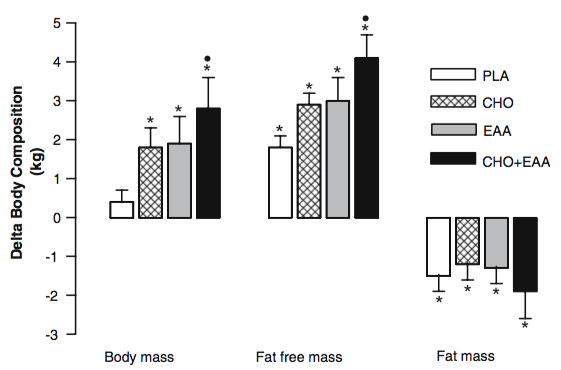
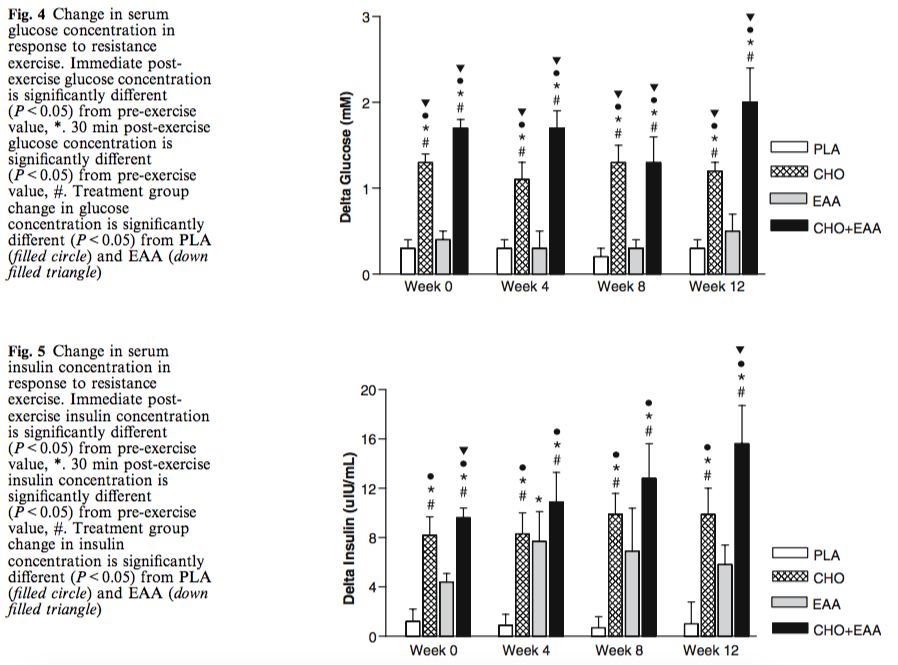
2. Essential Amino Acid’s (EAA’s) combined with a Carbohydrate source are best for making strength and hypertrophy gains.
A 2006 study called “Independent and Combined Effects of Liquid Carbohydrate/Essential Amino Acid Ingestion on Hormonal and Muscular Adaptations following Resistance Training in Untrained Men” showed surprising results in that Carbohydrates alone outperformed EAA’s in almost all categories including, Muscle Fiber (Type I, Type IIa and Type IIb) improvements; Post-Workout Glucose Uptake, Insulin response and favorable reduction in Cortisol response. Yet, when EAA’s were combined with Carbohydrates for intra-workout nutrition, the positive effects on all categories were greater than either EAA’s or Carbohydrates alone. The best results for Body Composition were also seen in the EAA/Carb group. Moral of the story, to optimize your workout use EAA’s and Carbohydrates together.


3. The more carbohydrate sources you take in before/during/after your workout the better the absorption rate.
Your body can absorb 1g of carbohydrates from a single source from dextrose, maltodextrin, fructose, cluster dextrine, etc. per minute. However, if you combine sources you can increase carbohydrate uptake into the muscle by a factor of 5. Products like PentaCarb are formulated for this specific purpose and as the name implies, it has five different carbohydrate sources.
4. Improve insulin sensitivity for optimal hypertrophy.
The easiest way to recognize that you are not insulin sensitive is that you do not feel the “pump” when you are working out. The more insulin sensitive you are the better able you are to increase glucose and amino acid uptake into the muscle cells, thereby suppressing cortisol and reducing muscle breakdown. Plus, if you are insulin sensitive, when you eat carbohydrates the are better able to be used for fueling your muscles rather than storing them as fat.
5. Don’t have a bolus dose of Antioxidants around your workout.
This can turn off your insulin sensitivity and reduce the amount of hormetic stress placed on your mitochondrial which are both drivers of growth.
6. Fasting is beneficial, even for those seeking hypertrophy.
Due to the amount of calories one must consume to put on size, the gut can take quite a beating. Fasting allows the gastrointestinal tract to relax and have time to heal so that when the fast is over, nutrients can be better absorbed. A 24 hour fast once a week can offer improvements. Also, intermittent fasting for 3 days a week has the same benefits as intermittent fasting for 7 days a week.
7. Over 90% of athletes are deficient in Iodine.
This fundamental nutrient is often lost through sweat and can cause hydrochloric acid (stomach acid) deficiencies, migraines, insomnia or brain fog if not repleted through supplemental or dietary means.
8. When it comes to nutrition, the 80/20 Rule is Bullshit.
You have to take into account the inflammatory affects of food and the cumulative effect it can have on your body. A study recently produced a study that said 100% of people who consume gluten have intestinal inflammation within 30 minutes!
9. The first step towards success is taken when you refuse to be a captive of the environment in which you first found yourself.
This is the basis of all change, and fundamental to my 7 Pillars of Health. Realizing that the environment that surrounds you makes you who you are; the people, the food, the job, the situation all have an effect, whether good or bad. To make a change, start by changing your environment.
10. The things that are done to you or for you are rarely as effective as the things you do for yourself.
Read that over a few times.

"Eat Less & Move More" is Bad Advice

The conventional advice given to those who are trying to obtain a goal of weight-loss is to “eat less and move more.” This operates under the calories in, calories out model whereby you need to exercise off more calories than you have coming in. Sounds great in theory, but I am here to tell you that a calorie is not a calorie and exercise doesn’t really burn that many to begin with.
Eat less…
During a simple calorie restricted diet the weight lost is usually comprised of 2/3 fat and 1/3 muscle. So, if you lose 15 pounds, approximately 10 pounds would come from fat and the other 5 pounds from muscle. The loss of muscle is unfortunate and in a perfect world (e.g., prioritizing adequate amounts protein in the diet) would not be as significant, however if you are following the “eat less and move more” mantra this is pretty much to be expected.
Take a look at this example: a 200 pound woman with 30% body fat (200 x 30% = 60 pounds of fat mass), after losing 15 pounds would weigh 185 pound with 50 pounds of fat mass. She lost 10 pounds of fat and her total body fat was reduce from 30% to 27%.
While a total loss of 15 pounds is worth bragging about, as per the above example, the loss in muscle mass will cause a reduced metabolic rate, slowing down continued weight loss. In other words, because she burned off 5 pounds of muscle it will be harder to continue losing weight as easily as it would be if she hadn’t lost 5 pounds of muscle. Why? Muscle is an expensive tissue to maintain, it consumes nearly 40% of your body’s resting metabolism. To combat the negative effects of reduced muscle mass, while seeking a goal of body recomposition, it is important to increase total protein intake as to not hinder future progress,
Dietary protein requirements are largely affected by the amount of muscle mass you carry around as well as your total calorie intake. There is an inverse relationship between calories and protein, whereby increasing calorie intake reduces dietary protein requirements, while reducing calorie intake increases dietary protein intake. Applying this to the above situation, our 200 pound woman would make better long-term progress from an increased total protein intake of say 150-180 grams: 180 grams of protein x 4kcal/g = 720 kilocalories from protein; 720 calories is 36% on a 2000 kilocalorie diet and is 48% on a 1500 kilocalorie diet (this is purely for illustrative purposes as I am not a proponent of counting calories). Thus, the absolute and relative amounts of protein in the diet are increased. By doing this, muscle mass is much more likely to be retained, improving long-term weight loss and body recomposition goals. This is clearly supported by clinical trials; high protein diets consistently result in more successful long-term diets…
https://www.ncbi.nlm.nih.gov/pmc/articles/PMC4213385/
Move more…
Exercise is definitely beneficial for optimal health and longevity as it increases overall fitness, improves cardiovascular health, promotes a positive well-being and if done properly can increase muscle mass which can pave the way for a long life full of vitality. However, one thing exercise does not do is cause weight-loss. When someone starts an exercise regimen without a specific dietary intervention, long-term weight loss fails to occur in the majority of people because the calorie deficit produced from exercising is offset by the increased hunger and subsequent food intake. In other words, energy intake will rise to meet the level of energy expenditure. Another way “eat less and move more” falls short of optimal advice.
This is not to say that exercise is worthless when it comes to weight-loss because exercise has the ability to do one thing that dietary intervention cannot: it builds muscle. Learning from the above mentioned example, it is our ability to maintain muscle that creates a beneficial atmosphere around weight-loss because muscle is metabolically active — the more we have, the greater amount of energy we must expend to keep it, even at rest.
For conventional purposes, exercise can be broken down into two categories; aerobic and anaerobic. Aerobic training revolves around extended periods of heavy breathing which makes the heart work and improves cardiovascular fitness, generally at the expense of precious muscle. Examples are running and cycling. Anaerobic training is performed at a much higher intensity than aerobic exercise, albeit much shorter bouts with plenty of rest in between which promotes muscle growth and increase strength. Examples are sprinting and weight lifting/strength training.
While both forms of exercise will increase energy expenditure, the amount of calories expended when not exercising is much greater than those spent when exercising. Time spent not exercising is roughly 45 times greater than time spent exercising (60 minutes at the gym vs. 23 hours not at the gym). Office work, sitting in traffic, grocery shopping, cooking, watching television, and sleeping are all lower intensity activities than any exercise; having a substantial amount of your body composition comprised of muscle will allow you to utilize your calories for the health of that expensive tissue and not have it stored as fat. Therefore, it is important to prioritize your exercise regimen accordingly.
Anaerobic training, specifically strength training increases skeletal muscle mass. This has a positive affect on our metabolic rate allowing us to use energy more efficiently (e.g., burn fat), in addition to improving overall strength, coordination and quality of life. Having stronger muscles makes all activities easier, and thus of lower intensity. And lower intensity favors fat burning as a primary fuel source. In other words, to optimize the effect of exercise on fat burning, get in the weight room.
A better way to think about getting in shape would be to “Eat and Train.” This seems to be a much more productive piece of advice as I have hopefully illustrated above. The idea of “eat less and move more” is aesthetic whereas the other is functional. The former may not have a clear goal, but the latter always does.

7 Pillars of Health: Improving Health in The modern environment
The default in nature is health, so why are we fat, sick and broken? It is because our environment has change, our bodies have not. We share 99.7% of the same genetics as our relatively disease free hunter-gatherer ancestors yet eat worse, move less, sleep worse, encounter more stress and toxins, and wonder what the cause is of chronic disease. It's really not that hard! Take control of your health with the 7 Pillars of Health.

The default in nature is health, so why are we fat, sick and broken?
It is because our environment has changed, our bodies have not.
Looking back 10,000 years when we lived as hunter-gatherers people ate nutritious foods, got significant amounts of “exercise” outside in the sun as they carried out their daily activities. This was followed by an equal amount of downtime that provided for adequate rest and the development of remarkable social connections which literally extended from the cradle to the grave. Although running from the occasional tiger and lack of wi-fi made it far from an idyllic paradise, there is little evidence of obesity or chronic disease.
This is in stark contrast to our modern environment where there is an epidemic of poor health (diabetes, depression, cancer, obesity, heart disease etc.), yet we continue to wear our constant stress, long hours in the office, sleep deprivation and ability to eat like a garbage disposal as a badge of honor. Perhaps with the fact that we share 99.7% of the same genetics as our hunter-gatherer ancestors we can further understand that the problem is not us, but within the environment we live.
So, how can we affect change? Unfortunately, there is no magic pill, but there are pillars (seven to be exact!) that were created to serve as a guide to promote better health in our current environment. The follow is a brief overview of what will be covered in 7 Pillars of Health class:
Nutrition
Food is energy and we use the calories it contains along with the vitamins and minerals to carry out specific tasks like digestion, regeneration and repair (sleep), detoxification as well as managing our stress.
Questions to think about regarding Nutrition:
- What will it do to my blood sugar?
- Does it contain quality protein?
- What kind of dietary fat does it supply?
- What is our food’s nutritional status?
Movement
Movement is more than just exercise, it is the ability to demonstrate strength and ease throughout an entire range of motion. Movement is a dynamic process not a single event. Your day should be comprised of movement — squat, hinge, lunge, hang, climb, press, pull, carry — as opposed to separating it into a single hour of the day.
Questions to think about regarding Movement:
- What happens when we don’t move?
- How can we improve movement?
- Is one type of movement better than another?
Digestive Health
The health of the gut determines what nutrients are absorbed and it is often said that we are what we eat, but it is more accurate to say, we are what we absorb. Therefore, digestive health should be defined as the optimal digestion, absorption and assimilation of the food.
Questions to think about regarding Digestion:
- How is the digestive system supposed to work?
- How can your gut affect your overall health?
- What are common issues and how do we get them?
- How can we improve digestive health?
Sleep
Sleep is not the absence of wakefulness. Sleep acts as a barrier between the individual and the environment that allows the body to regenerate physically and recalibrate mentally. This is accomplished best with 8-9 hours of uninterrupted sleep, where it is as easy to fall asleep as it is to wake up at your scheduled time without the need for an alarm or stimulants.
Questions to think about regarding Sleep:
- Why is sleep important to our body and brain?
- How can we fix sleeping issues?
Stress
Stress is the response to any stressor in our internal or external environment that acts as a threat to knock our body out of balance. The purpose of stress is to help our body cope with stressors and survive. Your resiliency, energy, endurance and life all depend on the proper functioning of the stress response.
Questions to think about regarding Stress:
- What constitutes as stress?
- What happens when our homeostatic balance is threatened?
- What happens when we are faced with chronic stress?
- How can we alleviate stress?
Detoxification
Detoxification is an ongoing physiological process which involves the mobilization, transformation and elimination of toxins from external and internal sources.
Questions to think about regarding Detoxification:
- What is a toxin and how is it processed?
- Why is detoxification important?
- How can we lessen our toxin burden?
Community
A community is a shared environment with like-minded people in pursuance of similar goals where individuals included provide positive support system that allows for trust in one another and the freedom to express themselves freely.
Questions to think about regarding Community:
- Do you share similar values and goals with those around you?
- Do those around you provide a positive support system?
It is important to understand that no Pillar is more important than another. Instead, achieving optimal health is about proper balance between all Pillars. The sooner we can incorporate the lesson’s the 7 Pillars offer into our life's the better we will be able to live and thrive. When stress, sleep disruptors and environmental and emotional toxins are removed and replaced with balance, purpose, nutrient density, nontoxic products, rest, exercise and healthy relationship, the body becomes incredibly resilient. Our medical system has spent billions of dollars researching health, yet it's going to be hard to come up with a better health recommendation than the sum of what the 7 Pillars offer; eat whole, unprocessed foods, move frequently (preferably outside in the sun), avoid stress so you can sleep like you are on vacation and surround yourself with loving relationships. While we cannot (and probably would not) go back in time and sleep in caves again, we can begin to focus on resurrecting dietary and lifestyle approaches that are more in keeping with our genetics and our ancient metabolic systems, that have become disturbed by the environment we find ourselves in in modern life. It is the purpose of the 7 Pillars of Health to teach you how these disruptions are the cause of our poor health and how each of us can rectify it.
For class information please contact us!
lean and strong: Am I Doing it Wrong?

Who doesn’t want to look lean and have the strength to back it up?
There is plenty of research to show that aerobic exercise, or cardio, produces negligible results when it comes to fat loss whereas anaerobic modes of exercise such as strength training and sprint interval training are exponentially better tools for optimizing body composition because they burn fat and build muscle. Yet it is still a common practice for people to go for a nice jog. Why is that? In order to avoid the continued confusion, the following four points clarify how to use different types of exercise to achieve the best results.
#1: Aerobic training can only help you lose fat if you are just starting to exercise or significantly overweight.
This isn’t the most effective type of exercise for fat loss but if you are just starting out, this is better than nothing. However, the window of results for this is relatively short; you can expect to see composition changes for about six weeks, beyond that progress tapers rapidly.
A recent study from Duke University took sedentary, out of shape, overweight people through a fairly intense (roughly 80% of max heart rate) aerobic exercise for 40 minutes 3 times a week for 8 weeks and they lost a significant amount of weight. The total weight lost should be examined as sustained aerobic training is detrimental to strength and muscle gain (which helps burn fat). So yes, they lost weight, but how much of that weight was wasted muscle?
The key to getting results with aerobic training if you are a novice is to be consistent and monitor food intake to make sure you don’t compensate for the exercise by eating more. Additionally, adding a strength training program to your routine will help you keep off any fat you lose after those first six weeks.
#2: In the long run, aerobic training is useless for fat loss (pun intended).
In the Duke study the aerobic group only lost an average of 3.5lbs of fat and they weren’t able to build any muscle to keep that fat away, which is where we begin to see the faultiness in this method. By decreasing their body weight and improving their “fitness” the aerobic group actually lowered metabolic rate (ie how fast we burn calories). They were “in shape” and thinner but no less frail and in turn decreased their resting energy expenditure. In order to maintain that fat loss, they would need to eat less, change their ratio of fats/carbs/proteins proportions accordingly or exercise longer and more intensely. No fun!
In a 2006 study of runners, it was found that only the runners who tripled their weekly mileage from 10 miles/week to 30 miles/week did not gain fat over the 9-year study. That’s a huge increase, in not only mileage but time spent training.
#3: Anaerobic training burns fat quicker, while building muscle so that you raise your metabolism.
In a study of women that compared an anaerobic training program with an aerobic protocol, those that were in the anaerobic training program who lifted moderately heavy weights, lost nearly 10lbs of body fat, gained about 6lbs of muscle and had a dramatic increase in strength. The women who did the high rep, aerobic-style lifting program with the light weights had no change in body composition, and no increases in strength.
The benefit of building muscle is that your hard work lasts longer if you quit exercising. A study that tested what happens when subjects stopped exercising for a period of 3 months after doing a cardio/endurance or a resistance/strength training protocol found that the resistance training group maintained improvements in strength, muscle and cardiovascular fitness longer than the endurance training group.
The benefits of resistance training are even more pronounced in people who are in shape. In trained male athletes, a 6-week heavy load strength training program with multi-joint lifts (deadlift, squat, military press, chin-up and bench press) allowed them to lose 1% of body fat, while gaining 1.3% muscle mass for a dramatic improvement in body composition.
If we compare that to the Duke study: the aerobic group lost 1% of body fat but gained no muscle, resulting in less than favorable body composition change.
#4: The bottom line is to lift weights and do anaerobic intervals to improve your physique.
It’s pretty simple really, focus only on an anaerobic style of training and give it all you’ve got. It will not only take you significantly less time to accomplish but the results are exponentially greater.
Resistance training paired with anaerobic intervals, or sprint training, appears to be the most effective way to not only look good naked but to develop your strength optimally. A popular 20-minute sprint cycling workout has been found to lead to between 3-5lbs of fat loss in the overweight, untrained men and women. This is the protocol that was used: 8-second sprints with 12 seconds rest. Its very simple, but grueling. Try it!
More experience trainees will benefit from running sprints on a track. A Canadian study found that trained individuals who did six 30-second all-out sprints with 4 minutes rest lost an impressive 12.4% body fat after spending less than 45 minutes of actual work. Compared to an aerobic group only lost 5.8% body fat but they spent a total of 13.5 hours training:
Suggestions for developing the best resistance program include the following:
Multi-joint lifts such as squats, deadlifts, lunges, split squats, step-ups, chin-ups and chest presses in every training session.
Training with a higher volume – work up to more than 4 sets per exercise. Shoot for between 20 and 30 total reps per training session.
Train with a higher intensity – include some training in the 70-85% of your one rep max range.
Include short rest periods (30-60seconds) and count tempo for every lift so that you apply a specific amount of tension to the muscles. In general, opt for longer than (4-seconds) eccentric tempos and short or explosive concentric tempos.
Shoot for 3 to 4 hours of total training time per week, which includes resistance training and a few short sprint sessions.

Stop Icing Your Injuries
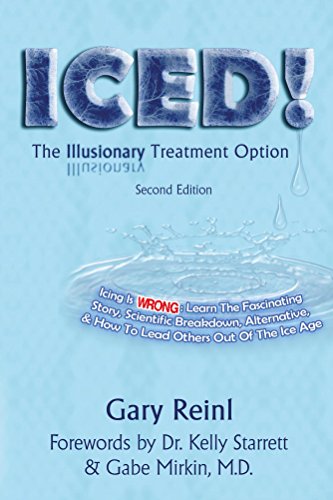
People have been perpetuating a myth over the last 50 years that claims ice is an effective treatment for acute soft tissue injuries (e.g.; sprains and strains) because it assists in recovery. The commonly accepted acronym R.I.C.E. – standing for Rest, Ice, Compression and Elevation – has been applied erroneously by athletic trainers and soccer moms alike! If your goal after a soft tissue injury is to heal as fast as possible, using ice is not going to be your best strategy.
The widespread use of ice with the intent to heal soft tissue injuries has no scientific backing, no peer reviewed research. In fact, it has the exact opposite!
In a 2012 article in the British Journal of Sports Medicine called Cooling an Acute Muscle Injury: can basic scientific theory translate into the clinical setting? it was stated: “ice is commonly used after acute muscle strains, but there are not clinical studies of its effectiveness.”
The Journal of Emergency Medicine published a study in February 2008 entitled: Is ice right? Does cryotherapy improve outcome for acute soft tissue injury? The research concluded that “there is insufficient evidence to suggest that cryotherapy [i.e. icing] improves clinical outcome in the management of soft tissue injuries.”
If those two didn’t solidify the argument in your mind, check out this last study entitled Topical Cooling (Icing) Delays Recovery from Eccentric Exercise Induced Muscle Damage from the May 2013 edition from the Journal of Strength and Conditioning Research. It was found that “topical cooling [i.e. icing], a commonly used intervention appears to not improve but rather delay recovery from eccentric exercise induced muscle damage.”
With such surmountable evidence against the case of icing post injury, one will wonder why the application of ice has been so pervasive over the last 50 years. My thought is that since it does numb the nerves around the injury, thereby decreasing the pain, this perpetuates the myth. However, as the research has stated above it does not help with the recovery process and has been shown to effectively slow down the healing process as the cooling mechanism causes blood vessels to constrict. This constriction keeps the swelling and inflammation – the crux of the body’s healing response, brining more immune activity to a place of injury – from doing its job properly by slowing down the process and dragging out the painful swelling and inflammation.
So if icing is wrong, what can we do to properly treat acute soft tissue injuries? We will need a new acronym or MECHanism to address this situation properly…
Move. Elevate. Compress. Heat. (and never ice symptoms anymore)
Movement of the affected body part prevents the formation of adhesions and increases circulation which transport in nutrients and carries away metabolic waste. Moving allows the body to lay down new tissue along the lines of stress or normal ranges of motion. In contrast, the old suggestion of Rest causes tissue to be laid down in a disorganized pattern resulting in poor function and reducing ranges of motion. Whether your movement is an active or passive range of motion activity or manual manipulation of tissues it will stimulate the nerves that communicate pain inhibition to the brain. Think of the time when you fell and skinned your knee and your mother rubbed the area and it magically felt better, this is the idea behind movement. A TENS unit will also facility movement in an elevated position.
Elevate the injured area above the heart to increase the circulation of swelling and inflammation away from the injured area. Most likely you will be sitting while elevating the area but should still make an effort to move. An example would be if it is an ankle sprain, think about moving it up and down, side to side, and clockwise and counter-clockwise. If it is a groin or larger muscle strain, think about applying a TENS unit to stimulate movement of the tissues.
Compress with an ACE bandage to facilitate increased circulation. Pair movement with compression.
Heat augments the benefits of movement by causing the blood vessels to open up, or vasodilate, which increases the movement of swelling and inflammation away from damaged tissue and promotes the introduction of white blood cells and other healing mechanisms to the area.
Demystifying Cholesterol
Cholesterol, an animal sterol, is a waxy substance found in every cell in our body. Cholesterol is used as a base for the production of steroid hormones, bile salts, and vitamin D as well as maintaining cell membrane fluidity. Without cholesterol we would not be able to properly digest foods, our cell structure would not be able to withstand any changes in temperature, and a significant number of important hormones such as estrogen, and testosterone could not be produced.
Our cholesterol is produced in the liver, from the molecule acetyl-coenzyme-A, through a number of complicated reactions that I won’t bore you with. A key step is a conversion that is controlled by the enzyme HMG-CoA (3-hydroxy-3-methyl-glutaryl-CoA) reductase. This enzyme can block the production of cholesterol making it an important target for cholesterol lowering drugs called statins, but it also controls the production of many other molecules such as co-enzyme-q10. That’s why there are so many side effects of taking these drugs. Nearly 10-12% of patients on statin drugs will experience statin induced muscle pain. Other potential adverse reactions to statin drug use include elevated liver enzymes, lung disease, and in a small subset of patients can even increase risk for Type 2 Diabetes Mellitus.
But back to cholesterol synthesis. The majority of cholesterol is synthesized, recycled, and degraded in the liver. So how does the water fearing cholesterol molecules that you eat get to the liver from the gut? And then how does it go from the liver to the cells if it cannot travel through the bloodstream alone?
Well, first cholesterol molecules are transported to the liver via the lymph in complexes called chylomicrons. When it gets to the liver it is repackaged and the cholesterol is “chaperoned” around the body by the lipoprotein complexes. There are a number of lipoprotein complexes, which are classified based on the ratio of proteins to fat and cholesterol. Think of these as cholesterol carriages, moving it all around the body. LDL takes the cholesterol to tissues and HDL brings cholesterol back to the liver when we have too much. Low density lipoproteins (LDL), very low density lipoproteins (vLDL) and chylomicrons all have very high fat and cholesterol content as compared with the protein rich high density lipoprotein (HDL). Once packaged into vLDL, the cholesterol enters circulation and some of the cholesterol is deposited to the tissues along with fatty acids. Once it drops the cholesterol off, the LDL complexes should be taken up by liver cells after attaching to the LDL receptor on their surface. Meanwhile, HDL scavenges blood vessels and tissues for free-form excess cholesterol. It then returns to the liver where cholesterol can be excreted through the bile or recycled.
Cholesterol and Cardiovascular Health
High cholesterol, triglycerides, LDL, and trans fats are linked to increased risk of cardiovascular events such as heart attacks and strokes. Cholesterol can build up due to increased production, increased consumption, or decreased excretion. The cause of the build-up as well as the form of cholesterol in the plasma is important when determining risk and treatment.
Genetic disorders can affect the LDL receptors in the surface of liver cells causing an increased amount of LDL in circulation. High LDL levels in circulation lead to an increased risk of cardiovascular events irrespective of diet and lifestyle in these patients. However, genetic causes affect a small percent of the population diagnosed with high cholesterol. The majority of cases in North America can be linked to diet and lifestyle.
Increased consumption of cholesterol rich foods result in increased levels of LDL in circulation. Excess LDL-C can attach onto and infiltrate the walls of blood vessels. When the LDL infiltrates it will form a reactive oxidative species that will attract immune cells. From the complexes formed, more white blood cells will congregate and an inflammatory cascade will be initiated. As more and more cells are attracted to this middle layer of a blood vessel, the plaque will begin to disrupt blood flow and may eventually fully block the vessel, or a piece of the plaque can rupture and travel around the body. All of these scenarios can have very serious consequences.
The “arthrogenic triad” are lab findings that show an increased risk for the development of atherosclerosis (or hardening of arteries) this includes high serum LDL, low HDL and high triglycerides. Risks are increased with low fiber diets as this prevents the excretion of cholesterol. A somewhat inactive lifestyle can also increase the risk of the LDL adhering to the vessels.
Procrastination
THE MISCONCEPTION: You procrastinate because you are lazy and can’t manage your time well.
THE TRUTH: Procrastination is fueled by weakness in the face of impulse and a failure to think about thinking.
Want never goes away. Procrastination is all about choosing want over should because you don’t have a plan for those times when you can expect to be tempted. You are really bad at predicting your future mental states. In addition, you are terrible at choosing between now and later. Later is a murky place where anything could go wrong...
If you fail to believe you will procrastinate or become idealistic about how awesome you are at working hard and managing your time, you never develop a strategy for outmaneuvering your own weakness.
Procrastination is an impulse; it’s buying candy at the checkout. Procrastination is also hyperbolic discounting, taking the sure thing in the present over the caliginous prospect someday far away. You must be adept at thinking about thinking to defeat yourself at procrastination. You must realize there is the you who sits there now reading this, and there is the you some time in the future who will be influenced by a different set of ideas and desires; a you for whom an alternate palette of brain functions will be available for painting reality.
The now-you may see the costs and rewards at stake when it comes time to choose studying for the test instead of going to the club, eating the salad instead of the cupcake, writing the article instead of playing the video game. The trick is to accept that the now-you will not be the person facing those choices, it will be the future-you—a person who can’t be trusted. Future-you will give in, and then you’ll go back to being now-you and feel weak and ashamed. Now-you must trick future-you into doing what is right for both parties. This is why food plans like Nutrisystem work for many people. Now-you commits to spending a lot of money on a giant box of food that future-you will have to deal with.
What Enzymes Does Mercury Inhibit?
Mercury is a heavy metal that has been used for centuries as a medicine and a poison. Common exposures come from contaminated seafood, dental amalgams, and vaccines for infants. Mercury can exist in 11 different chemical states or compounds. At the molecular level, it forms bonds with sulfhydryl groups on an enzyme, which are parts of the enzyme that contain a sulfur atom that is attached to a hydrogen atom (SH). Binding of mercury can change the shape of the enzyme and block its activity. Enzymes inhibited by mercury include acetylcholinesterase, catalase, dipeptyl peptidase (CD26), amylase, lipase, lactase and glucose-6-phosphatase.
Acetylcholinesterase
Acetylcholine is one of the main neurotransmitters that nerves use to control muscle movement. After release, acetylcholine must be degraded in order to stop the “go” signal from continuing to stimulate the receiving cell. Acetylcholine is degraded by an enzyme called acetylcholinesterase. This enzyme is found in the synaptic cleft, which is the space between the "fingertips" of a nerve cell and the neighboring cell that the nerve activates. Mercury inhibits this enzyme differently in different species, depending on whether it can easily find a sulfhydryl group to latch onto. For human acetylcholinesterase, it takes millimolar amounts of mercuric chloride (HgCl2) to inhibit the enzyme.
Catalase
Catalase is an enzyme that converts hydrogen peroxide into water and oxygen. Hydrogen peroxide is regularly produced by cells as they make energy in a process called cellular respiration. Hydrogen peroxide is toxic at high levels, so cells get rid of it via the enzyme catalase. Though it is widely known that mercury inhibits catalase, it may do so by binding to sites other than sulfhydryl groups. It is interesting to note that when a person absorbs elemental mercury, which causes brain damage, catalase is the enzyme in the red blood cells that converts elemental mercury into an ionic form (mercuric salt).
Creatine Kinase
Mercury also inhibits the enzyme found in skeletal muscle called creatine kinase. Muscle cells contract by using an energy molecule called adenosine triphosphate (ATP), a molecule with three -- thus the “tri” prefix -- phosphates. Energy is released for an enzyme when the enzyme grabs ATP and breaks off one phosphate, resulting in adenosine diphosphate (ADP) -- “di” means two. A quick way of making ATP is to take a phosphate from a sugar molecule called phosphocreatine and add it to ADP. Creatine kinase is the enzyme that recharges ADP into ATP in this way. Mercury inhibits creatine kinase in several ways. Mercury blocks creatine kinase’s ability to bind ADP or the magnesium ion that the enzyme needs in order to function properly.
Digestive Enzymes
Mercury binds to sulfhydryl groups, which is found on the amino acid cysteine. Since cysteine is a common amino acid in many enzymes, mercury inhibits a whole host of enzymes. The "Journal of Applied Toxicology" reported the effects of inorganic mercury in the liver tissue of freshwater fish. Mercury inhibited many enzymes involved in digestion of food molecules, such as protein, carbohydrate and fat: amylase, lipase, lactase and maltase. Mercury also inhibited glucose-6-phosphatase, an enzyme involved in the production and export of glucose in cells.
A Heads-Up Look at Brain Health
Medical advances of today and the very near future — gene therapies, nanotechnology, targeted monoclonal antibodies, cloning, and more — will allow us to “repair” or “replace” damaged and diseased body parts and raise the average life expectancy to 100 years or more. The problem with this magnificent advancement is the studies which suggest that 40% of those reaching 85, and nearly 100% of those reaching 120, will be senile. Of what use is living to a ripe old age if we cannot enjoy it, or even be aware that we’re alive?
Brain Studies
Some 2000 years ago the ancient Greeks attributed all behavior to four temperaments: Hot, Dry, Moist, and Cold. The Romans attributed all symptoms and behaviors to four body fluids, which they called humors: Phlegm, Yellow Bile, Black Bile, and Blood. While Hippocrates, Galen, and hundreds of others slowly advanced the understanding of human anatomy and physiology, the brain sat unstudied for over 1500 years. It was not until the 18th and 19th centuries that brain anatomical science progressed to the point that four distinct lobes were identified, with specific behaviors and body functions ascribed to each.
Over the next 100 years, biochemical and pharmaceutical researchers discovered four separate brain chemicals, called neurotransmitters, that were used by the brain. Somewhat later, four distinct brain waves, or patterns of electrical activity, were discovered and correlated with specific lobes in the brain. Only fairly recently have researchers started to understand this most mysterious organ.
From the 1950s to present, psychiatrists and phychologists have described four broad classifications of human behavior: extroverted or introverted, intuitive or sensing, thinking or feeling, and perceiving or judging. If you suspect that these four primary behaviors can be assigned to a specific lobe, you’d be right!
Brain malfunctions, as manifested by psychiatric problems or unacceptable behavior, can be largely attributed to an imbalance of neurotransmitters within the brain. Unfortunately, discovering these levels within a living brain was not an easy task. (If you think a spinal tap is a risky procedure, just imagine a “brain tap” gone wrong!) What was needed was a simple, noninvasive test to measure the levels of neurotransmitters in a functioning human brain. Various scans of the brain can be employed, but they cannot show actual brain function. For example, an MRI of a patient’s brain right before death and right after death would be identical.
After 25 years of painstaking work, neurological researchers have finally uncovered a long-hidden piece of the puzzle — the relationship between the brain’s chemicals and the brain’s electricity. This discovery allowed clinicians to diagnose brain dysfunction with a simple, noninvasive assessment of the brain’s electrical activity. By measuring the four electrical components of brain activity, doctors can determine the levels of the four neurotransmitters and initiate treatment protocols to correct a deficiency of one or more of them.
Correlation Times Four
Four temperaments; four humors; four neurotransmitters; four lobes; four classes of human behavior; four brain waves; four electrical measurements of brain function. How do these relate? The following table shows the relationship between brain lobes, neurotransmitters, behaviors or personality types, and electrical measurements.

The table above shows the electrical measurements used to determine neurotransmitter levels. As a person ages, his brain goes through a slow decline, or “electropause,” in which the voltage, speed, rhythm, and synchrony change. By measuring these four electrical characteristics, a person’s “brain age” can be determined, which may be younger or older than typical for his chronological age. More importantly, a deficiency in one or more neurotransmitters can be detected and steps taken to restore normal levels.
A computerized diagnostic device called a Brain Electrical Activity Map (BEAM) measures these four values and creates a “picture” of the brain’s electrical activity. It records and tracks the progression of the positive wave created in the brain by an external stimulus, such as a sound (auditory evoked potential) or a flash of light (visual evoked potential).
Speed. A “normal” brain takes about 300 msec (milliseconds) plus a person’s age in years to “think.” This is the measurement of the time delay, or latency, between a stimulus given and the recognition of that stimulus in the brain. As the latency increases (speed decreases), a person moves from mild cognition deficits to severe dementia.
Voltage. A “normal” brain creates an electrical potential of about 10 µv (microvolts). The voltage generated in a person’s brain is related to his ability to concentrate, and low voltage can result in memory impairment, obesity, addictions, or schizophrenia.
Rhythm refers to the regularity of a person’s brain waves. Like cardiac rhythm, the more smooth the rhythm, the better. Brain-wave arrhythmias yield a spectrum of disorders from anxiety and recurring headaches to manic depression and seizures.
Synchrony is a comparison of the electrical activity in each of the hemispheres of the brain. It is common for a person to be dominant in one hemisphere or the other, but a severe imbalance in the electrical activity of the right vs. left hemisphere can lead to sleep disorders, IBS, somatization disorders, or phobias.
Acetylcholine
Review: A “normal” brain takes about 300 msec (milliseconds) plus a person’s age in years to “think.” This is the measurement of the time delay, or latency, between a stimulus given and the recognition of that stimulus in the brain. As the latency increases (speed decreases), a person moves from mild cognition deficits to severe dementia.
Acetylcholine-associated disease states
A diagnostic evaluation of a person’s brain speed can give objective evidence of disturbances in cognition, memory, attention, and behavior. After subtracting the patient’s age, the baseline latency measurement indicates the following: 300 msec is “normal”; 350 msec indicates mild to moderate disturbances in cognitive function (“muddled thinking”); 360 to 370 msec indicates ADD or variability of attention, errors of omission or commission, and delayed reaction time; 380 msec is typically found in Parkinson patients; 420 msec is the threshold for Alzheimer disease, with increasing latency as the dementia progresses. Early detection of deficiencies in the speed at which the brain operates can allow early intervention to slow or reverse the decline, possibly delaying or preventing the onset of Alzheimer and other dementias.
Beyond detecting a frank disease state associated with severe acetylcholine deficiency, physicians can analyze thebalance of the four neurotransmitters to determine a patient’s personality type.
The acetylcholine-dominant personality
Acetylcholine is produced in the parietal lobes, which are responsible for thinking functions such as language processing, intelligence, and attention. People with an excess of acetylcholine (about 17% of the world’s population) are adept at working with their senses and view the world in sensory terms. They are quick thinkers, highly creative, and open to new ideas. Flexibility, creativity, and impulsivity open them up to trying almost anything, as long as it offers the promise of excitement and something new; they are not afraid of failure. They love to travel and have a quest for lifelong learning. These people also tend to be extremely sociable, even charismatic. They love making new friends and put a lot of energy into all of their relationships, whether at work, at home, or in the community. They are eternally optimistic, romantic with their significant other, and attentive to the needs of their children. They are quite popular with a broad range of people. People with extremely high levels of acetylcholine, however, risk giving too much of themselves to others, even to the point of being masochistic. They may feel that the world is taking advantage of them, or they may become paranoid. Too much acetylcholine can drive a person into isolation.
The acetylcholine-deficient personality
Low levels of acetylcholine result when either the brain burns too much or produces too little. Shifts in personality occur at a much milder deficiency than the dementia- producing deficiencies mentioned earlier. These personality traits can, in fact, manifest when the acetylcholine level is only slightly lower than the levels of the other three neurotransmitters. And remember, we’re looking at the relative balance of neurotransmitters. A deficiency in one neurotransmitter is usually offset by an excess of another, which typically produces the personality traits associated with a dominance of that other neurotransmitter.
The eccentric. The absence of thought connections to other people and the world makes this person’s behavior seem odd. The eccentric usually steers away from human interaction and keeps himself isolated. Outwardly, he appears bland and inexpressive. When even mildly stressed, however, he can become a danger to himself and others.
The perfectionist. This person is usually hard working, detail oriented, devoted, and exacting. Self-discipline is a hallmark of this personality type, which can be either a plus or a minus, depending on the severity of the imbalance and which other neurotransmitter is dominant. This person can be an excellent worker, or he can be rigid and obsessive to the point that nothing is actually accomplished. The perfectionist’s life is usually lacking in enjoyment, relaxation, and warmth, which can make that person unapproachable.
Dopamine
Review: A “normal” brain creates an electrical potential of about 10 µv (microvolts). The voltage generated in a person’s brain is related to his ability to concentrate, and low voltage can result in memory impairment, obesity, addictions, or schizophrenia.
Dopamine-associated disease states
A person’s ability to concentrate can be directly correlated with his dopamine level. A diagnostic evaluation of the voltage in a person’s brain can give objective evidence of disturbances in concentration and memory. Low dopamine levels can be involved in difficulty performing routine tasks, a variety of sexual disorders such as loss of libido or anorgasmy, various addictions, from caffeine to opiates, and decreased physical activity due to fatigue. Obesity is a common result of the combination of sugar cravings and low physical activity associated with suboptimal dopamine levels in the brain.
Brain voltage can vary within the range of 0 µv (dead) to 20 µv (super concentration), with 10 µv being classified as “normal.” The voltage range correlates as follows: 0-2 µv is typically found in cocaine babies; 2-4 µv can indicate severe addictions, severe attention deficit disorder, or schizophrenia; 5-6 µv indicates a chronic brain disorder; 7 µv is found in those with moderate addictive behavior, such as caffeine and sugar cravings; 8-9 µv is typical for mild to moderate memory and thinking disturbances, including mild attention deficit; 10 µv is “normal”; and above 10 µv indicates an increased ability to concentrate, even to the rejection of external stimuli at the high end of the range.
Drugs that increase dopamine levels have been used as adjunctive therapy for schizophrenia and opiate addiction. Beyond detecting and treating frank disease states associated with a severe dopamine deficiency, physicians can analyze the balance of the four neurotransmitters to determine a patient’s personality type.
The dopamine-dominant personality
Dopamine is the source of the brain’s power and energy. People with an excess of dopamine (about 17% of the world’s population) thrive on energy. They are likely to be strong-willed individuals who know what they want and how to get it. They are highly rational, more comfortable with facts and figures than feelings and emotions. They can be self-critical, but do not accept criticism or negative feedback from others. These people function well under stress, focusing intently on the task at hand. They are tireless and typically need less sleep than average. Strategeic thinking, invention, and problem-solving are the hallmarks of these individuals. In their personal lives, they like activities related to knowledge and intellect. They can be competitive in sports, but prefer individualized sports over group sports. They tend to establish personal relationships easily, but may have trouble nurturing them. As highly rational people, they have trouble understanding that many people believe feelings are more important than reason. They have a tendency to want to exert control over their spouse and children, and a successful marriage depends on the loyalty and goodwill of the spouse.
People with extremely high levels of dopamine, however, can be overly intense, driven, and impulsive. They may turn to violence as a way of creating controlled environments of excitement and power. Teens may be driven to shoplifting, street racing, or date rape. Criminals — especially repeat sexual offenders — often have extreme dopamine levels and a heightened libido that frequently accompanies it.
The dopamine-deficient personality
Low levels of dopamine result when either the brain burns too much or produces too little. Shifts in personality occur at a much milder deficiency than the disease- producing deficiencies mentioned earlier. Personality shifts can, in fact, manifest when the dopamine level is only slightly lower than the levels of the other three neurotransmitters. And remember, we’re looking at the relative balance of neurotransmitters. A deficiency in one is usually offset by an excess of another, which typically produces the personality traits associated with a dominance of that other neurotransmitter.
Dopamine production determines the brain’s power, as measured by voltage. As the voltage becomes suboptimal, the person literally slows down, mentally and physically. Minor deficiencies can produce a range of mental and physical symptoms, such as mild memory loss, mild depression (“the blues”), panic disorder, PMS, insomnia, fatigue, mild hypertension, nicotine addiction, and obesity. Sexual side effects, such as loss of libido and difficulty achieving orgasm, are common among people with a dopamine deficiency.
The previous two neurotransmitters — acetylcholine and dopamine — can be thought of as the brain’s “on” switch, providing energy, power, and speed. The next two — gamma-aminobutyric acid (GABA) and serotonin — function as the brain’s “off” switch, providing calmness, rest, and sleep. A balance of the “on” and “off” neurotransmitters is necessary for proper brain function.
GABA
Review: Rhythm refers to the regularity of a person’s brain waves. Like cardiac rhythm, the more smooth the rhythm, the better. Brain-wave arrhythmias, or dysrhythmias, yield a spectrum of disorders from anxiety and recurring headaches to manic depression and seizures.
GABA-associated disease states
Gamma-aminobutyric acid (GABA) is the major inhibitory neurotransmitter in the brain. It has a calming, stabilizing effect. It controls the brain’s rhythm, which allows a person to function at a steady pace and prevent him from becoming too “hyper.” As the brain’s GABA level declines, brain waves begin to become less rhythmic. This can bring on a multitude of symptoms, both psychological and physical.
Mild brain-wave dysrhythmias can produce anxiety and its accompanying physical manifestations: restlessness, sweating, cold or clammy hands, butterflies in the stomach, and a lump in the throat. Other physical symptoms that can appear with a moderate GABA deficiency include carbohydrate cravings, an abnormal sense of smell, and unusual allergies. As GABA levels further decrease, anxiety can become more pronounced and produce attention-deficit disorders, PMS, flushing, trembling, hypertension, cystitis, and gastrointestinal disorders. At the most extreme deficiency, this can become full-blown panic attacks, manic depression, migraine headaches, hyperventilation, palpitations, tachycardia, blurred vision, tinnitus, twitching, and seizures. Advanced psychological symptoms can include severe delusions, feelings of dread, and a short temper that can progress into full-blown rage reactions and violence. Chronic marijuana and alcohol abuse can signal an acute GABA deficiency.
Beyond detecting and treating frank disease states associated with GABA deficiencies, physicians can analyze thebalance of the four neurotransmitters to determine a patient’s personality type.
The GABA-dominant personality
People with high GABA levels (about 50% of the world’s population) share the common attributes of stability, consistency, sociability, and concern for others. They are nature’s most dependable people. They can be counted on to show up at work every day and be there when others need them. At work, GABA- dominant people are the ones who set goals, organize projects, schedule activities, and keep others on task. Their punctuality, objectivity, practicality, and confidence make them excellent employees. Organization is paramount to them — at work, at home, and in their social life. It’s no wonder that these people gravitate to careers as administrators, accountants, air-traffic controllers, meeting planners, nurses, EMTs, and yes, medical transcriptionists. They’re the ones in the group who stay focused on the matter at hand. They are the consummate team player, both metaphorically and literally. In their personal life, such people derive pleasure from taking care of their family and friends. They can be a serene island in a sea of chaos. Although they like group activities, they cherish one- on- one relationships. Their friends are forever, and their marriage is a long- term commitment. Nurturing and making others happy is their ultimate goal. They tend to be religious and believe in traditions, especially where friends and family are involved, such as holiday gatherings.
As with the other neurotransmitters, it is possible to have too much of a good thing. People who produce too much GABA can be organizational to the point of setting rigid schedules and micromanaging others, whether as a boss, a coworker, a friend, or spouse. Excess GABA can dramatically increase a person’s nurturing tendencies. They can spend enormous amounts of time and energy looking for opportunities to give love and care to others, at the cost of their own needs not being met.
The GABA-deficient personality
Low levels of GABA result when either the brain burns too much or produces too little. Shifts in personality occur at a much milder deficiency than the disease- producing deficiencies mentioned earlier. Personality shifts can, in fact, manifest when the GABA level is only slightly lower than the levels of the other three neurotransmitters. And remember, we’re looking at the relative balance of neurotransmitters. A deficiency in one is usually offset by an excess of another, which typically produces the personality traits associated with a dominance of that other neurotransmitter.
Unlike a balanced brain that creates energy in a smooth, steady flow, a person with low GABA creates energy in bursts. This brain dysrhythmia can upset the body in a number of ways, but none is more pronounced than in the realm of emotional well- being. Specifically, he can lose the ability to effectively deal with life’s stresses. He may begin to feel nervous, anxious, and irritable. He may demonstrate poor emotional stability, lack impulse control, and resort to childish behavior. It can also manifest as poor verbal memory and difficulty concentrating. Physically, low GABA levels can bring on a variety of subacute conditions such as allergies, transient aches, instability while walking, diarrhea or constipation, and insomnia or hypersomnia. Usually, such physical annoyances occur one after another to the point that a person begins to wonder about his general state of health.
Serotonin
Review: Synchrony is a comparison of the electrical activity in each of the hemispheres of the brain. It is common for a person to be dominant in one hemisphere or the other, but a severe imbalance in the electrical activity of the right vs. left hemisphere can lead to sleep disorders, IBS, somatization disorders, or phobias.
Serotonin-associated disease states
Correlating with delta waves in the brain, serotonin affects your ability to rest, regenerate, and find serenity. Adequate serotonin allows the brain to recharge and rebalance itself each night, so that you can begin each morning with a fresh start. Serotonin is produced in the occipital lobes, which is also the center of sight.
As serotonin levels drop, the right and left hemispheres become desynchronized, producing feelings of being out of control. Moderately low levels can produce depression, mild hypertension, arthritis, poor temperature regulation, sexual disturbances such as premature ejaculation or delayed arousal response, bowel disturbances, mild PMS with emotional outbursts, learning disorders, obsessive- compulsive behavior, and insomnia, which tends to further lower serotonin levels. As levels drop further, hypertension can become uncontrolled, arthritis can intensify, PMS can become severe, and a wide range of perimenopausal symptoms can occur. With a severe shortage of serotonin, physical and psychological disturbances may become life threatening, with bingeing, masochism, severe depression and other serious mood disorders, addictions including alcoholism and drug abuse, somatization disorders, schizoaffective disorders, and schizophrenia with hallucinations. Physically, a severe serotonin deficiency can cause insomnia/ hypersomnia sleep cycles measured in days and increase hypertension to the point of producing a stroke.
Beyond detecting and treating frank disease states associated with serotonin deficiencies, physicians can analyze the balance of the four neurotransmitters to determine a patient’s personality type.
The serotonin-dominant personality
People with high serotonin levels (about 17% of the world’s population) know how to live in the moment. Realistic and impulsive, they are highly responsive to sensory input. They’re active participants in life who thrive on change. They take their vacations at a different spot each year. They try new foods, new hobbies, and new friends, and they have a natural disdain for order, structure, and authority. They’re optimistic, cheerful, easygoing, and the life of the party. A serotonin-dominant person gravitates to trades or professions that offer a variety of tasks, an ever-changing environment, and interactions with different people. Their keen hand-eye coordination makes them well suited to using various tools to accomplish their tasks. Construction workers, truck drivers, military personnel, hairstylists, pilots, surgeons, chiropractors, movie stars, fashion models, photographers, and professional athletes likely owe their skills to ample serotonin levels. Preferred sports can include mountain climbing, hunting, skydiving, hang gliding, scuba diving — just about anything that offers a personal challenge along with a certain level of excitement. They play hard and have the time of their life when doing activities that others would consider too dangerous. In relationships, they can be romantic and passionate, but they also love their independence and often refuse to be tied down. Due to their impulsivity and desire for change, they tend to move away from people before deep relationships develop. In fact, their friendships are typically many and varied — wide instead of deep. They have a fondness for children, but make better aunts and uncles than parents.
As with the other neurotransmitters, it is possible to have too much. An excess of serotonin can make a person extremely nervous. He can become hesitant, distracted, hypersensitive to criticism, and morbidly afraid of being disliked. Excessive serotonin can make a person believe he is inadequate and inferior. Sadness and anger are constant companions, and although he may have a desperate desire for interpersonal interaction, he is too fearful to even make an attempt.
The serotonin-deficient personality
Serotonin deficiency can occur from experiencing too much excitement (thereby metabolizing large amounts of serotonin) and/or not getting sufficient sleep (causing the brain to generate less serotonin). Shifts in personality occur at a much milder deficiency than the disease- producing deficiencies mentioned earlier. Personality shifts can, in fact, manifest when the serotonin level is only slightly lower than the levels of the other three neurotransmitters. And remember, we’re looking at the relative balance of neurotransmitters. A deficiency in one is usually offset by an excess of another, which typically produces the personality traits associated with a dominance of that other neurotransmitter.
A common sign of serotonin deficiency is depression and fatigue. The chronic lack of sufficient sleep means that the brain is unable to rest, regenerate, and resynchronize. This can manifest in the personality as a flat affect (a classic sign of depression) and a lack of pleasure, artistic appreciation, and common sense. The person may become codependent, obsessive- compulsive, or exhibit loner tendencies. He can be impulsive or perfectionistic, painfully shy or masochistic. Someone with multiple phobias is typically serotonin deficient. The frequent use of ecstasy, PCP, and LSD also signals a serotonin deficiency.
Lettin’ the good guys in,
Keepin’ the bad guys out
We have been made with a wonderful mechanism to prevent harmful substances from entering the brain. Not everything that circulates in the blood stream is allowed entry into the brain. There is a barrier between the blood and the brain, logically called the blood-brain barrier, that allows only glucose and certain nutrients selective access to the brain. This membrane protects the brain from toxins and other substances that would cause it damage. It also “holds in” certain substances manufactured by the brain, notably neurotransmitters, that would be lost through diffusion throughout the rest of the body if allowed to pass into the blood stream. Therefore, the same membrane that prevents toxins from passing through also prevents neurotransmitters from passing through. This characteristic of the blood-brain barier is the reason why a Parkinson disease patient, for example, cannot receive an injection of dopamine to restore the dopamine level in his brain and reverse the disease. So the dilemma is how to raise the level of specific neurotransmitters in the brain, when simple supplementation with those neurotransmitters is ineffective.
The answer lies in finding a way to “coax” the brain to produce more endogenous neurotransmitters. It turns out that the answer is fairly simple — give the brain more raw material, and it will make more neurotransmitters. Fortunately, the mechanism by which the brain makes each neurotransmitter is well known. Like most substances in the body, they are made through a series of chemical reactions. Notice that I said the blood-brain barrier allows only glucose and certain nutrients selective access to the brain. It is those “certain nutrients” that the brain uses to make neurotransmitters. If there is a deficiency in any of the nutrients needed to make a specific neurotransmitter, there will be a corresponding deficiency of that neurotransmitter. Supplementing the deficient nutrient(s) will allow the brain to resume full production of the neurotransmitter.
Building a better brain
So what are the “certain nutrients” that the brain must have? Without going into the chemistry of neurotransmitter manufacture, suffice it to say that the brain’s supply of amino acids is the most common limiting step in their production. Amino acids, the basic building blocks of protein, are also the basic raw material the brain uses to function. As such, they easily cross the blood-brain barrier. All amino acids can cross the blood-brain barrrier, in fact, but not all are used to make neurotransmitters. The problem is that all the amino acids circulating in the blood stream at any given time compete for passage through the “amino acid channels” in the blood-brain barrier, and passage of a specific amino acid is granted in proportion to its concentration in the blood. If you eat a steak or other complete protein source, all 20 amino acids are simultaneously competing for entry into the brain. Supplementing with, say, 1 gram of a certain amino acid won’t do much if you chase it with a glass of milk (15 grams of protein in 12 oz.) or take it with a meal. To be effective, amino acid supplements should be taken on an empty stomach with plain water or fruit juice (the fructose in juice helps escort the amino acid to the brain).
In the paragraphs that follow, I will tell you which amino acids are used to boost which neurotransmitter, and the primary food sources for that amino acid. Food sources are complex, however, and foods that boost the production of one neurotransmitter can also contain substances that boost the production of another. Eggs, for example, provide a tremenous boost for acetylcholine, but they also have a component that supports GABA. This is one reason why a change of diet takes longer to produce an effect than supplementation with pure amino acids. You should know that prescription drugs are also available to boost the production of a specific neurotransmitter or slow its destruction, but that is beyond the scope of this article. They are listed in detail in the reference given at the end of the article. (Note: numbers shown after the supplements listed below refer to the relative efficacy in boosting the neurotransmitter, on a scale of [1]=best to [4]=least effective.)
Boosting acetylcholine
- Pure amino acid precursors: serine, carnitine.
- Amino acid-boosting supplements: DMAE (dimethylaminoethanol) [1], phosphatidylcholine [1], phosphatidylserine [2], acetyl-L-carnitine [2], GPC (glycerol phosphocholine) [3].
- Supporting supplements: huperzine A [1], nicotine [1], lipoic acid (alpha-lipoic acid) [3], fish oils [3], manganese [4], conjugated linoleic acid [4].
- Hormonal supplements: DHEA (dehydroepiandrosterone) [2].
- Illegal supplements: LSD, PCP, psychotropic mushrooms.
- Dietary support: choline-rich foods, including avocado, cucumber, zucchini, lettuce, most fruit, bacon, bologna, hot dogs, chicken, turkey, pork, liver, fish, beef, milk, ice cream, sour cream, yogurt, cheese, eggs, and various nuts.
- Lifestyle support: aerobic exercise.
Boosting dopamine
- Pure amino acid precursors: phenylalanine, tyrosine.
- Amino acid-boosting supplements: N-acetyl tyrosine [2], L-tyrosine [3], phenylalanine [3]. (Note: most ingested phenylalanine is hydroxylated to tyrosine in the body. Tyrosine supplements, therefore, need one less chemical conversion step to be used by the body.)
- Supporting supplements: caffeine [1], guarana [1], yohimbe [1], ephedra[2], nicotine [2], Rhodiola rosea[3], thiamine [4], chromium [4], folic acid [4].
- Hormonal supplements: DHEA [2].
- Illegal supplements: cocaine, ecstasy, mescaline.
- Dietary support: phenylalanine- and tyrosine-rich foods, including wild game, duck, turkey, pork, chicken, luncheon meats, cottage cheese, ricotta, milk, yogurt, walnuts, soybeans, wheat germ, granola, rolled oats, dark chocolate, and eggs.
- Lifestyle support: sexual activity (for women), weight-bearing exercise, aerobic exercise.
Boosting GABA
- Pure amino acid precursor: glutamine.
- Amino acid-boosting supplements: L-glutamine [1].
- Supporting supplements: inositol [1], alcohol [1], B vitamins [2], glycine [3], kava [3], BCAA (branched-chain amino acids) [4], taurine [4].
- Hormonal supplements: progesterone [2].
- Illegal supplements: opioids, ketamine, marijuana, quaaludes.
- Dietary support: glutamine-rich foods (especially complex carbohydrates), including almonds, walnuts, and other tree nuts, whole-grain wheat and oats, rice bran, brown rice, lentils, potatoes, broccoli, spinach, bananas, citrus fruit, halibut, and beef liver.
- Lifestyle support: sexual activity (for men and women), sleep, aerobic exercise.
Boosting serotonin
- Pure amino acid precursor: tryptophan.
- Amino acid-boosting supplements: L-tryptophan [2], 5-HTP (5-hydroxytryptophan) [3].
- Supporting supplements: St. John’s wort [2], vitamin B6 [4], fish oils [4].
- Hormonal supplements: melatonin [1], progesterone [2].
- Illegal supplements: LSD, PCP, GHB, ecstasy.
- Dietary support: tryptophan-rich foods, including wild game, pork, luncheon meats, duck, turkey, chicken, wheat germ, cottage cheese, and eggs.
- Lifestyle support: aerobic exercise, psychotherapy, sleep.
To learn more
This series of articles is a synopsis of the groundbreaking research of Eric R. Braverman, MD, as presented at the American Academy of Anti-Aging Medicine (A4M) Annual Conference, June 2003. Dr. Braverman was a member of the pioneering research team at Havard University that developed the BEAM (Brain Electrical Activity Map), a noninvasive device to measure neurotransmitter levels in functioning brains through electrical activity. For more information, his book, The Edge Effect, is highly recommended reading.
Understanding Cholesterol
Cholesterol is one of the least understood molecules and truly gets a "bad rap." Although people understand that cholesterol is only present in animal-based foods, what many do not know is that we produce cholesterol just like any other animal, and it is a very necessary molecule used to form all of the cell membranes in the body. Cholesterol is also the building-block molecule from which all of the steroid hormones are made. If there is more cholesterol in the diet than is needed, then the body synthesizes less. If the diet does not provide enough cholesterol then the body makes more.
Since cholesterol is used by the body to manufacture hormones such as cortisol, we can look at what cortisol is and make some logical connections. Cortisol is widely regarded as a "stress hormone" since the body needs and produces more of it in response to stress. This stress response takes many forms; one of them is lowering inflammation--useful if your version of stress involves hand-to-hand combat with large carnivores or fighting for your life. The lowering of inflammation is why the pharmaceutical versions of cortisol (Hydrocortizone and other glucocorticoids) are used to reduce inflammation in cases of massive trauma or major surgery. Other effects of cortisol are the elevation of blood pressure, release of glucose from the liver, inhibition of the immune system, retaining of water/reducing kidney function (probably useful if the combat with the large carnivores leads to bleeding form flesh wounds, as retaining water would help to maintain blood volume when bleeding profusely) and other effects. Taken together, when stress levels remain high, lots of cortisol is produced. It would then make sense that making a lot of cortisol requires a lot of what is made from, which is cholesterol. Therefor, during periods of high stress (a lifetime for many people), the levels of cholesterol can become very elevated. When the stress is long-term, the stress will end up raising the inflammation level through other mechanisms; effectively, stress reduces inflammation in the short-term only. Cholesterol has many other uses in the body, including the formation of myelin--the insulating/speeding sheath that wraps around the nerves, like rubber coating surrounding a copper wire, that increases their conduction velocity (and is damaged in multiple sclerosis).
Dietary modifications to reduce cholesterol has been met with mixed results. Some people can follow a strict no-cholesterol diet and achieve a lowering of their plasma cholesterol levels, while other are not able to accomplish this. This failure of dietary regimen to achieve the desired goal may be because of the body's production of cholesterol to meet the necessary levels for the amount of stress the individual is experiencing. The failure may also be because of reduced utilization of cholesterol. The gut bacteria play a role here also with Lactobacillus bacteria actively consuming cholesterol. Lactobacillus not only consumes cholesterol, but it makes bile acids that aid in the digestion of fats out of the cholesterol that it consumes. It therefore makes sense that if a person has altered gut bacteria demographies and Lactobacillus are in the minority, that person will not use up as much cholesterol and the cholesterol levels may accumulate. Elevated levels of stress reduce the levels of Lactobacillus, providing the pathway for stress to reduce the beneficial effects of a healthy diet. The same imbalance may also predispose the person to inflammation, which is the real cause of heart disease.
The use of probiotics in dairy products to control cholesterol greatly predates modern science, as the Maasai tribe in Kenya use a probiotic fermented milk in their diet. The Maasai diet is composed almost entirely of meat, milk and blood. This diet includes several times the recommended level of cholesterol, and yet the Maasai have no problems with atherosclerosis or other degenerative diseases that could be related to their diet. What has been found is that their fermented milk (no refrigeration, so it all gets fermented if not immediately consumed!) contains probiotic bacterial population s that help to consume and lower cholesterol. Other sources of probiotics, such as yogurt, have been found to lower cholesterol levels also.
Many people incorporate yogurt into their diet because they like it or they think that it is healthy--but what makes it healthy? Much of the yogurt on store shelves has no bacterial colony whatsoever, so it is important to read the ingredients! If it has no "live active cultures," then it has little if any health benefit to our good bacteria and subsequent immune function.
Eggs have often been the poster child of high cholesterol food, if the yolk is used. However, consuming eggs may not have as much to do with elevated cholesterol level as initially thought. Similarly, fats were implicated in the disease process, as it has been observed that people with high triglycerides (fats) in their blood are at increased risk of developing heart disease. There are other variables in this equation, as is often the case. For example, abnormal populations of gut bacteria promote atherosclerosis by causing inflammatory changes and altered metabolism of lipids. The presence of abnormal gut bacteria that cause irritable bowel syndrome is directly linked to the development of thickening of the wall of arteries, which is of course the actual structural change that is at the center of what we call atherosclerosis.
Excerpt from The Symboint Factor by Richard Matthews DC DACNB FACFN
Healthcare: Treating the Symptoms and Not the Problem
We experience symptoms of illness (ie high blood pressure or dysbiosis) as a sign that something within the body is not working as it should. The presence of symptoms should alert a person that the body has become imbalanced in some way, so that action can be taken to restore balance and function. Instead, most people are taught to treat the symptoms only. Examples would be taking pain relievers to control pain or using muscle relaxers for muscle spasms or even blood pressure pills and statin drugs to help with risk factors for heart disease. This unfortunately does not correct the underlying imbalance that caused the dysfunction and symptom to result. The true problem may continue creating imbalances in the body's system until more serious conditions manifest.
There are few cases of "one cause, one cure" that happen in the human body. Pursuing health means maximizing the function of all the body's intrinsic systems as well as the brain. This is a completely different concept than what we usually encounter in healthcare. Often asked is the question: "will my insurance cover that?" when explaining health-building strategies, and the answer is almost always a "no." The reason is that insurance companies sell disease care policies, not health care policies. The number of pure health building interventions that are covered, if any, can often be counted on one hand. For example, does insurance cover nutritional supplements, gym memberships, yoga classes, new bicycles, probiotic foods, kitchen tools such as a VitaMix and similar items? Perhaps some of these are covered items in some countries, but not in the United States. Nothing that prevents cancer is covered, but annual early detection is, to see if your have it yet. The "system" is geared toward specific treatment for a specific disease, and yet almost all diseases have several factors or circumstances as causes. If a person falls and breaks a wrist, the doctor that treats that wrist has a very specific job. If the patient instead has arthritis and migraines, what are the causes? Inflammation, poor diet, biomechanical issues, lifestyle, genetics--four out of five of these are variables that we have control over and yet often do nothing about.
Adapted from The Symboint Factor by Richard Matthews DC DACNB FACFN