
These articles explore the body, the mind, the environment, and the systems that shape human health. Each piece is written to make complex ideas easier to understand, whether the topic is training, nutrition, sleep, stress, digestion, symptoms, physiology, disease, or the way modern life affects how we feel and function.
Strength, Health, & the Art of Living Well
Hormones and Chronic Stress
Underlying Causes of Adrenal/Hormone Problems
Unhealthy lifestyle habits (poor diet, inadequate exercise, insufficient sleep, lack of relaxation, and internalizing emotional stress) are sources of chronic stress that may be underlying causes of adrenal fatigue and hormone imbalance. Other common sources of chronic stress include: food sensitivities, heavy metals, environmental toxins, radiation exposure, and regular use of prescription drugs. Chronic stress slowly erodes health and compromises longevity.
Under chronic stress, the adrenal glands increase their output of cortisol—often referred to as the “stress hormone.” The principal hormones produced by the adrenal glands—cortisol, DHEA, aldosterone, testosterone, estrogens, and progesterone—share a common precursor, the master hormone pregnenolone. When under stress, the adrenal glands are hyperstimulated and pregnenolone is diverted (stolen) from other pathways to produce cortisol.
Pregnenolone Steal
This increase in the production of cortisol (and the resulting diversion ofpregnenolone) causes fatigue and the general aches and pains associated with chronic stress. However, with time, pregnenolone steal has a much broader damaging effect on health. It exacerbates any developing or existing health problems because pregnenolone is not being adequately converted to other essential hormones. Refer to the following chart to see the dynamic of pregnenolone steal:

What stresses have become chronic, causing the body to divert pregnenolone to provide for the production of cortisol? The sooner you identify and deal with the offenders, the sooner you restore your patients’ health. Consider the following sources as a logical starting point:
- Lifestyle: Diet, Sleep, Exercise, Mental
- Environmental: Pathogen infections, chemicals, heavy metals, food sensitivities, mold, radiation.
The Agility Training Fallacy
This video explains why foot turnover speed is impressive but has no transfer of training to agility. Here it is explained in depth so as to put an end to pointless ladder drills that are not making you a better athlete. Video courtesy of Sport Science Collective
If you enjoyed the video check out this article: LADDER DRILLS DO NOT INCREASE SPORT PERFORMANCE UNLESS PERFORMANCE IS YOUR SPORT
Adrenal Fatigue is Not a Recognized Disease
A doctor's acute skills of observation, physical examination and deductive reasoning, which used to be considered his most essential diagnostic tool, have now been replaced by reliance on narrowly interpreted lab-tests and lists of numerical diagnoses allowable by insurance plans. The health insurance industry has forced the entire practice of medicine to restrict itself to pre-approved numbered codes for both the diagnosis and the treatment of all health conditions. Drugs or even surgery are usually the only therapies offered by modern medicine, even when they are inappropriate. So if an illness does not show up clearly on a lab test or fit a diagnostic code, and if there is no known surgical or drug treatment for the symptoms, then it is as though the problem is not real.
Medical doctors of today are constricted by medical licensing boards, the health insurance and pharmaceutical industries, and their patients' expectation of quick recovery. As a result of these influences and a certain bias in their training, they think and practice primarily pharmaceutical medicine, seeking to prescribe the appropriate drug for the condition. Because of the ever-present threat of a malpractice suit and the conservative influence of peer review boards, medical doctors have become much less willing and able to try something different to help their patients...
...In addition to the fact that medical training is now dependent on huge pharmaceutical corporation for funding, modern medicine is currently in the stranglehold of insurance companies. Under our present medical system, most physicians' incomes come primarily from insurance companies. Paperwork created by the insurance industry and licensing boards that required of therapists, physicians, clinics and hospitals demands that each patient be given what is called an "ICD" (International Classification of Disease) code for their medical condition. This ICD code puts a name on your disease or condition. No one can fit in the cracks. You must have an ICD code to classify your illness. Despite the fact that it is absurd to assume that all patients will fit into a description found in some pre-designed code-book, everyone is required to have an ICD. If there is no ICD the financial medicine wheel quickly comes to a halt for that patient and for the doctor treating them. Records are incomplete without codes and bills cannot be submitted to insurance companies without them. Consequently, physicians must identify the patient's with an ICD code or the insurance companies will not pay for them.
Because adrenal fatigue is not a recognized disease, it is not in the ICD code book and is often misdiagnosed.
Speed Notes
Speed is king for athletic performance, and the development of power is crucial. The athlete must “close the gap” between their maximal force output and their limit strength, and the faster they can achieve this, the more explosively they can perform. This can be achieved by utilizing Dr. Hatfield’s C.A.T. (Compensatory Acceleration Training) method. Essentially, this means completing reps explosively throughout the entire range of motion, so as leverages become more advantageous, the trainee continues to move the bar as fast and as hard as they can. A rep performed in this manner should not take more than ¾ of a second and one should use at least 60% of their 1RM, but not be so heavy as to slow down the rep speed.
How does Histamine aid in the secretion of gastric acid?
This is a very interesting question. As I’m sure you are aware, the regulation of stomach acid/enzyme production and secretion is a necessarily complex subject. The stomach has to be able to be turned off when we aren’t eating, but be rapidly turned on when we do eat a meal. In short, histamine acts to increase hydrochloric acid (HCl) secretion by cells in the stomach lining called parietal cells. The story is a little more involved though.
There are lots of cells that make up the lining of the stomach. One kind of cell is the G cell. The G cells are directly innervated by the vagus nerve (one of the cranial nerves). Special nerve fibers in the vagus nerve secrete a chemical called gastrin-releasing peptide. This tells the G cells to release a paracrine (a chemical reeased by one cell that affects cells nearby) hormone called gastrin. The gastrin is detected by enterochromaffin-like (ECL) cells by receptors on their membranes (one of these receptors is the CKK2 receptor). When they detect the gastrin they begin to synthesize and release histamine. Parietal cells then come into play. They have several different kinds of receptors on their surface. One, the H2 receptor, detects histamine. When the ECL cells flood the lining of the stomach with histamine, the parietal cells are cued to release HCl. They also have receptors for gastrin (the same chemical released by the G cells) and acetylcholine, a neurotransmitter. Any of these chemicals can stimulate the parietal cells to secrete HCl into the stomach. The website links below offer some great illustrations of this admittedly complex pathway.
Like many activities our body must carry out, stomach acid production is highly regulated. Many stomach diseases (such as ulcers and GERD) are either directly or indirectly caused by a lack of regulation of HCl in the stomach. In this way, stomach acidity can be decreased by blocking vagus nerve stimulation, by blocking gastrin- releasing peptide release, by blocking gastrin release, or by blocking histamine release. Neat, huh?
Links (Reputable):
A. K. Sandvik and H. L. Waldum. "CCK-B (gastrin) receptor regulates gastric histamine release and acid secretion." Am J Physiol Gastrointest Liver Physiol, Jun 1991; 260: 925 - 928.
Erik Lindström, Duan Chen, Per Norlén, Kjell Andersson and Rolf Håkanson. "Control of gastric acid secretion:the gastrin-ECL cell- parietal cell axis." Comparative Biochemistry and Physiology - Part A: Molecular & Integrative Physiology. Volume 128, Issue 3 , March 2001, Pages 503-511
R. Bowen. Enterochromaffin-Like (ECL) Cells. The Stomach. A: 15 January 2007, P: 31 January 2003.http://www.vivo.colostate.edu/hbooks/pathphys/digestion/stomach/ecl_cells.html.
Histamine Intolerance
It Feels Like Allergy ... It Looks Like Allergy ... But It’s Not An Allergy! Dr Dr Janice Joneja reveals a histamine intolerance case study, and has some advice for sufferers.
Dr Joneja will also answer any questions you may have on the condition. (See here for her answers to other questioners.) Please email FoodsMatter with your queries and we will pass them on to her.Laura is a 37 year old teacher, who came to me with the following problem:
“About two years ago I started to break out in hives, and my face became red and puffy, mostly after I ate in restaurants. Now I am often itchy, and break out in hives for no reason. Sometimes I get hives and a swollen face after eating; sometimes I wake up in the morning with my eyes swollen and my whole body itches. I seem to have heart palpitations, even when I am not particularly active. My heart races and I feel hot and clammy as if I might have a heart attack, or perhaps I’m having a panic attack. I also seem to have headaches more often than before. I thought I was allergic to food so I went for allergy testing, but everything came back negative. I have never had allergies, but I wonder what is happening? – and why now when I am 37 years old and have always been healthy except for a bad infection I had about 3 years ago.”
This was my answer:
The symptoms you describe, and the type of pattern of onset, seems to suggest that you are dealing with histamine excess. Excessive histamine, from a variety of different sources, will result in symptoms often indistinguishable from allergy. This is not surprising since the early symptoms of an allergic reaction are mediated by the histamine released during the progress of the allergic response. The question is, of course, why are you experiencing symptoms of histamine excess now?
The key to your problem is possibly the “bad infection” you had about three years ago. I assume you had at least one course of antibiotics, although you do not give details of the infective micro-organism and the treatment you received. It is possible that the infective organism, and/or any antibiotics you may have taken at the time, caused a change in the bacteria that inhabit your large bowel. The bacteria now in your intestines may be the types that make histamine from incompletely digested food materials that pass into the bowel. This can result in more histamine entering your body than previously, and augmenting both your natural histamine (that we require for a various functions in the brain and digestive tract as well as processes in the immune system), and histamine in your diet.
Of course, there may be a number of other reasons why you are suddenly faced with excessive histamine in your body – a situation that we sometimes refer to as “histamine intolerance”. It is a complex process, and we are only just beginning to understand the various aspects of the problem, but I’ll explain what we know so far, and what you can do to help your symptoms.
Let us start at the beginning with the question ...
What is Histamine?
Histamine is an extremely important bioactive chemical (a natural chemical that acts in the body) that is indispensable in the efficient functioning of many body systems. It is a neurotransmitter (a chemical that conveys messages between cells of the nervous system) and is involved in the regulation of stomach (gastric) acid, the permeability of blood vessels, muscle contraction, and brain function. Histamine appears in various concentrations in a range of mammalian tissues. In humans, the highest histamine concentrations are found in the skin, lung, and stomach, with smaller amounts in the brain and heart.
Histamine is also essential in defending the body against invasion by potentially disease-causing agents such as bacteria, viruses and other foreign bodies.
Histamine is made and stored within white blood cells (leukocytes) such as mast cells in tissues and basophils that circulate in blood. When the immune system is activated in response to foreign material entering the body, histamine is the first "defense chemical", or more correctly, inflammatory mediatorreleased in the process called inflammation. Inflammation is the clinical evidence that the immune system is responding to a potential threat to the body. Histamine is always present when inflammation occurs, and excess histamine will result in symptoms that resemble inflammation.
In addition to its role in controlling vital body processes and defending against foreign invaders, histamine is a key mediator in the symptoms of an allergic reaction. Since allergy is essentially an inflammatory reaction, histamine, together with other protective inflammatory mediators is released in response to the allergen. Allergens are components of living cells that in themselves are harmless, such as plant pollens, animal dander, mould spores, dust particles, dust mites, and foods. An allergic reaction to these "foreign but harmless" substances occurs when the immune system mistakes these innocuous materials for a potential threat.
How Much Histamine is Excessive?
Histamine levels of 0.3 to 1.0 nanograms per millilitre (ng/mL) in plasma are considered to be normal. Everyone has a level of histamine that they tolerate without symptoms. Exceeding that level (called a person’s “limit of tolerance” or “tolerance threshold”) can result in symptoms. Even healthy persons may develop severe headache, or flushing as a result of consuming massive amounts of histamine in a meal, but if ingested at lower concentrations only a few sensitive individuals will experience an adverse reaction. It has been speculated that the differences in the level of histamine that people can tolerate may be of genetic origin. In addition, disease, various abnormal physiological conditions, hormone changes, especially in women at various stages in the menstrual cycle and at menopause, and medications, can reduce the tolerance threshold of any individual. People with a low tolerance threshold are designated “histamine intolerant”.
What Causes an Individual to be Histamine Intolerant?
Several abnormal physiological conditions may lead to histamine intolerance, in particular a defect in the process of histamine breakdown (called catabolism). Under normal physiological conditions excess histamine is degraded by two enzyme systems: histamine N-methyl transferase (HMT), and in the intestine by the mucosal enzyme diamine oxidase (DAO). Of the two systems, it is deficiency in the DAO enzyme system that has received most attention as the probable cause of "histamine intolerance".
Under normal conditions, when histamine levels from any source rise above a certain level, these enzymes rapidly degrade the excess. However, when the rate of breakdown of excess histamine is insufficient to deal with the excess, the total level of histamine in the body rises. At a certain critical level, signs and symptoms occur that are the result of histamine coupling with histamine receptors on specific cells, producing a clinical picture that is often indistinguishable from allergy.
Symptoms of Histamine Excess
Whatever the source of histamine, when the total body level exceeds the enzymes' capacity to break it down, symptoms of histamine excess occur. Histamine intolerance manifests itself in a variety of signs and symptoms such as:
- Pruritus (itching especially of the skin, eyes, ears, and nose)
- Urticaria (hives) (sometimes diagnosed as “idiopathic urticaria”)
- Tissue swelling (angioedema) especially of facial and oral tissues and sometimes the throat, the latter causing the feeling of “throat tightening” (sometimes diagnosed as “idiopathic angioedema”)
- Hypotension (drop in blood pressure)
- Tachycardia (increased pulse rate, “heart racing”)
- Symptoms resembling an anxiety or panic attack
- Chest pain
- Nasal congestion and runny nose
- Conjunctivitis (irritated, watery, reddened eyes)
- Some types of headaches that differ from those of migraine
- Fatigue, confusion, irritability
- Very occasionally loss of consciousness usually lasting for only one or two seconds
- Digestive tract upset, especially heartburn, "indigestion", and reflux
Not all of these symptoms occur in any single individual, and the severity of symptoms varies, but the pattern of symptoms seems to be consistent for each person.
Histamine and Eczema
In addition to the symptoms listed above, excess histamine can make some existing conditions worse. Eczema is an example. Eczema is an inflammatory condition in the skin, sometimes called atopic (allergic) dermatitis. When high histamine foods are consumed, people with less than efficient histamine tolerance may experience an increase in the severity of their eczema.
Histamine and Anaphylaxis
There is some evidence to suggest that people who are prone to recurrent anaphylactic (severe allergic) reactions may be experiencing histamine intolerance in addition to their allergies. In such situations the histamine released in the allergic response quickly rises to a dangerously high level, leading to a situation that may be life-threatening.
Histamine and Hormones
Histamine-intolerant women often suffer from the symptoms listed above, especially headaches and menstrual pain, during certain phases of their menstrual cycle. Histamine levels tend to fluctuate with the level of hormones, especially oestrogen, at ovulation and just prior to the onset of menstruation. In contrast, many women with both allergies and histamine intolerance find significant relief of their symptoms during pregnancy; this is because the placenta makes a great deal of DAO, the enzyme that breaks down histamine. The result is that the level of histamine no longer exceeds the woman’s tolerance threshold, and she remains blissfully free from her symptoms throughout her pregnancy. Unfortunately, the symptoms tend to recur once the DAO from the placenta is no longer available after the birth of her child.
Histamine and Medications
Some medications can release histamine; others can reduce the effectiveness of the enzyme (diamine oxidase) that breaks down histamine. As a result, the level of histamine rises and may cause symptoms, even in a person who has shown no signs of histamine intolerance in the past. Common pain killers such as aspirin, non-steroidal anti-inflammatory drugs (NSAIDs), some diuretics (“water pills”), antibiotics, and antidepressants are among the medications that can affect the functioning of DAO. A list of medications that either release histamine, or decrease the effectiveness of DAO can be found in Reference 6.
How Can Histamine Intolerance be Distinguished from Food Allergy?
Food allergy is a hypersensitivity reaction of the immune system that is caused when antibodies of the IgE type are produced against a specific food protein, called an allergen. When the allergenic food is consumed by the person who is sensitised to it (i.e. whose immune system has produced IgE to the food on a previous occasion in an inappropriate attempt to protect the body from a perceived threat), inflammatory mediators (chemicals that cause or mediate inflammation) are immediately released. This results in the onset of symptoms usually within minutes of the food entering the body. So an allergic reaction to a food leads to the immediate appearance of symptoms, and in response to the mere presence of the allergen, however small the dose might be. In contrast, symptoms of histamine intolerance, although they may be the same in type, take time to appear and are not evident immediately after histamine-rich foods and beverages are consumed. This is because the level of histamine needs to reach a certain critical level before the tissues respond. Thus, a small amount of histamine will not cause a response – it is the total amount of histamine in the body, in excess of the body’s requirements, that causes the reaction. It is like filling a bucket with water. Everything is fine until the water level reaches the top of the bucket and overflows. Then your feet get wet! It is the overflowing of histamine that results in the symptoms. For this reason, tests designed to provoke and measure an immediate response, such as the “gold standard for allergy”, the double-blind, placebo-controlled food challenge (DBPCFC), will not detect histamine intolerance. Often symptoms will appear several hours after consumption of histamine-rich foods, as the total level of histamine in the body gradually rises and overwhelms the enzymes’ capacities to break it down. Thus the association between cause and effect is often difficult to demonstrate in histamine intolerance.
Where Does Histamine Come From?
Body Cells and Systems (Intrinsic histamine)
Histamine is a biogenic amine (sometimes referred to asa vasoactive amine) that, in mammals, including humans, is produced primarily by the action of the enzyme histidine decarboxylase on the amino acid histidine. Histidine is one of the 20 or so amino acids that combine together to make a protein. Histidine decarboxylase is present in large quantities in leukocytes known as granulocytes (granule-containing cells), especially tissue mast cells and blood basophils. In these cells it converts histidine to histamine. The newly formed histamine is then stored in structures within the cell (the intracellular granules) in readiness for release in response to signals from a variety of body systems. In inflammation, whether produced in defending the body from injury or infection, or as a result of an allergic reaction, these signals come from lymphocytes, cytokines and antibodies. However, this is not the only source of histamine in our bodies.
Microorganisms in the Large Bowel
There are a large number of microorganisms that are capable of producing histamine. Many of the bacteria that live in the human large bowel produce histidine decarboxylase and are capable of converting the histidine in any protein that enters the bowel into histamine. Therefore, the more microorganisms that produce histidine decarboxylase that are present in the colon, and the greater the amount of protein material that enters the bowel, the higher the level of histamine in the digestive tract. From here, histamine can be conveyed through the bowel wall to various sites in the body.
Histamine in Natural Foods (Extrinsic histamine)
Another source of pre-formed histamine is the food we eat. Microorganisms capable of converting histidine to histamine exist ubiquitously in nature, so histamine can arise from various sources. For example, histidine decarboxylase-producing bacteria colonise the gut of fish. As soon as a fish dies, the gut bacteria start to break down the tissue proteins, releasing histidine, which is then rapidly converted to histamine. Since bacteria multiply rapidly, it is possible that the level of histamine in the ungutted fish can double every twenty minutes. The longer a fish remains ungutted after it dies, the higher the level of histamine in its tissues. Furthermore, since shellfish are not gutted after harvesting, the bacteria in their gut will produce histamine as long as the fish remain uncooked. Many a reaction to fish or shellfish has been blamed on allergy, when in reality it was a reaction to an exceedingly high level of histamine in an incorrectly processed fish.
Histamine in Manufactured Foods
There are a number of food manufacturing processes that depend on the production of amines and similar chemicals for the flavour and nature of the food. Any process that requires microbial fermentation will result in the production of relatively high levels of amines, especially histamine. Cheese of all types, alcoholic beverages, vinegar, fermented vegetables such as sauerkraut, fermented soy products such as soy sauce, and processed meats such as pepperoni, bologna, salami, and frankfurters that are produced by a process of fermentation, all contain substantial levels of histamine.
Other Food Sources of Histamine
Certain foods seem to contain high levels of histamine in conditions where microbial fermentation is an unlikely event. Histamine has been consistently detected in fruits such as citrus fruits, berries such as strawberry and raspberry, tomatoes, several types of tree fruits such as apricot, cherry and plums, and some vegetables, particularly aubergine, and pumpkin. Some preliminary research studies have indicated that histamine may be produced during ripening in tomatoes, and it may be that some, if not all fruits that go through a similar process produce histamine in the course of ripening. It remains for future research to explain this phenomenon.
Histamine derived from foods by unknown mechanisms
Traditionally, certain foods have been said to have "histamine-releasing" properties because ingestion of the food tends to result in symptoms of histamine. For example, egg white is a food that is frequently referred to as "histamine-releasing", separate and distinct from its activity as an allergen. Strawberries, raspberries and shellfish were previously similarly designated, but more recent research has uncovered evidence of physiological and biochemical processes as the origin of histamine from these foods (see above). However, a non-allergic mechanism of histamine release by egg white remains to be determined.
Another mode of histamine release associated with food materials is suggested by research into the mechanisms of intolerance associated with food additives. Azo (nitrogen-containing) food dyes such as tartrazine, and preservatives such as benzoates, sorbates, and possibly sulphites have been suggested to release histamine by as yet undisclosed processes. Clinical experiments have demonstrated that persons sensitive to these chemicals experience an increase in plasma histamine that remains elevated long after histamine levels in the non-reactive person have returned to normal. Again, an understanding of the way in which histamine is released in such reactions will depend on future research.
How Can Diet Help in Reducing Excess Histamine?
The degree of improvement or resolution of the symptoms of histamine excess that can be achieved by diet alone will depend on whether the food sources of histamine can be reduced below a person's limit of tolerance. The histamine-restricted diet detailed below is designed to exclude all known food sources of histamine. However, some people will not achieve relief by diet alone because even by excluding all of the histamine-rich foods their total level of histamine still exceeds their enzymes’ capacity to break it down. In these cases taking antihistamines often helps.
A person with histamine intolerance will typically experience a constant fluctuation in the signs and symptoms of histamine excess in response to changing conditions. For example, when a person is experiencing allergy to air-borne allergens such as seasonal pollens, the histamine released in the allergic response alone might put them into the symptom range. In such a case, avoiding histamine-associated foods will no longer relieve their symptoms because their total level of histamine will remain above their limit of tolerance. This explains the observation that during their "pollen allergy season" many people find themselves reacting to foods (usually histamine-rich foods) that they could normally eat with impunity.
As a result of the multiple factors contributing to excess histamine, combined with each individual's capacity to deal with histamine excess, symptoms of histamine intolerance are constantly changing in incidence and severity. Unlike an allergy in which the presence of the antigen results in an immediate immunological response and development of typical symptoms, histamine intolerance is frequently baffling because a specific food does not always result in clinical symptoms. Therefore, it is not possible to eliminate just those foods that cause a reaction. It is necessary to restrict a person's intake of histamine-associated foods to a total that remains below their personal limit of tolerance. This usually requires following the histamine-restricted diet for the long term if a histamine-intolerant person wishes to remain symptom-free.
The guidelines for the histamine-restricted diet are provided in the Table. It is important for anyone following a diet that restricts important nutrients to obtain complete balanced nutrition by substituting foods of equal nutritional value to those restricted. It is a good idea to enlist the help of a registered dietitian in this process. Full details of the histamine-restricted diet with suggestions for substitutions can be found in Reference 4.
Provided that the issue is an excess of histamine rather than an allergy to it, DAO supplements may also be helpful. You can buy them under the trade namesDAOSiN and Histame in the UK and Swanson's DAOSiNin the US.
The Histamine Restricted Diet
DO NOT EAT THE FOLLOWING FOODS
Meat, Poultry, Fish
Fish and shellfish whether fresh, frozen, smoked, or canned, if processing is unknown
- If the fish is freshly caught, gutted and cooked within ½ hour, it may be eaten
Egg
- a small quantity of cooked egg in a baked product such as pancakes, muffins, cakes is allowed
Meat
- Processed, smoked and fermented meats such as luncheon meat, sausage, wiener, bologna, salami, pepperoni, smoked ham, cured bacon
- Avoid left-overs: freeze any uneaten protein-based food. Bacteria will quickly act on protein at room and refrigerator temperatures, resulting in histamine production
Milk and Milk Products
All fermented milk products, including:
- Cheese: any kind of fermented cheese such as Cheddar, Cheshire, Colby, Blue cheese, Brie, Camembert, Feta, Romano, etc.
- Cheese products such as processed cheese, cheese slices, cheese spreads
- Cottage cheese
- Ricotta cheese
- Yoghurt
- Buttermilk
- Kefir
Fruit
- Orange, grapefruit, lemon, lime, cherries, grapes, strawberries, apricots
- Raspberries, pineapple
- Cranberries, prunes
- Loganberries, Dates
- Raisins, currants (fresh or dried)
Vegetables
- Tomatoes, tomato sauces, ketchup, soy and soy products
- Spinach, red beans
- Eggplant, olives in vinegar or brine
- Pumpkin, avocado
- Pickles, relishes and other foods containing vinegar
Food Additives
- Tartrazine and other artificial food colours
- Preservatives, especially Benzoates and Sulphites
Note: Many medications and vitamin pills contain these additives; ask your physician or chemist to recommend additive-free supplements and medications
Seasonings
- Cinnamon, cloves, vinegar
- Chilli powder, anise
- Curry powder, nutmeg
Miscellaneous
- Fermented soy products (such as soy sauce, miso)
- Fermented foods (such as sauerkraut)
- Tea (regular or green)
- Chocolate, cocoa, and cola drinks
- Alcoholic beverages of all types
- “Dealcoholised” beverages (e.g. beer, ale, wine, etc)
First published in March 2010; updated 2015
This article occurs by the kind permission of Action Against Allergy in whose newsletter it first appeared.
You can buy all of Dr Joneja's books here in the UK orhere in the US and you can buy DAO supplements here in the UK or here in the US.
If you found this article interesting you can find a number of other articles on histamine intolerance both by Dr Joneja and others here, reports on histamine research here and a Q & A section on histamine with Dr Joneja here.
For many, many other articles on every type of food allergy and intolerance click here; for coeliac disease and other food related conditions, go here.
References
1. Dyer J, Warren K, Merlin S, Metcalfe DD, Kaliner M. Measurement of plasma histamine: description of an improved method and normal values. J Allergy Clin Immunol 1982;70:82-87
2. Hershko AY, Dranitzki Z, Ulmanski R, Levi-Schaffer F, Naparstek Y. Constitutive hyperhistaminaemia: a possible mechanism for recurrent anaphylaxis. Scand J Clin Lab Invest 2001;61:449-452
3. Jarisch R, Wantke F. Wine and headache. Int Arch Allergy Immunol 1996;110:7-12
4. Joneja, J.M.Vickerstaff Biogenic Amines Intolerance; Histamine. In: Dealing with Food Allergies: A Practical Guide to Detecting Culprit Foods and Eating a Healthy, Enjoyable Diet Bull Publishing Company, Boulder, Colorado. May 2003 ISBN 0-923521-64-X Pages 233-246
5. Joneja JMV and Carmona Silva C. Outcome of a histamine-restricted diet based on chart audit. Journal of Nutritional and Environmental Medicine 2001;11(4):249-262
6. Maintz L, Novak N. Histamine and histamine intolerance. Am J Clin Nutr 2007;85:1185-1196
7. Wohrl S, Hemmer W, Focke M, Rappersberger K, Jarisch R. Histamine intolerance-like symptoms in healthy volunteers after oral provocation with liquid histamine. Allergy and Asthma Proc 2004;25(5):305-311
8. Worm M, Fiedler EM, Dolle S, Schink T, Hemmer W, Jarisch R, Zuberbier T. Exogenous histamine aggravates eczema in a subgroup of patients with atopic dermatitis. Acta Derm Venereol 2009;89(1):52-56


Alcohol & Weight Loss
Alcohol & Weight Loss | After Your First Two Drinks
After your first drink, your body starts to get rid of the alcohol quickly using the alcohol dehydrogenase (ADH) pathway.1 In this pathway, ADH converts the alcohol into acetaldehyde, which gets further broken down to acetate. These by-products (acetaldehyde and acetate) are considered to be highly reactive and can increase oxidation throughout the body, but especially in the liver.
Because your body sees these by-products as dangerous, it wants to use them as fuel.This means your body will significantly blunt fat-burning close to 75% after just one and a half drinks.2 And it will stop using carbs for energy. Therefore, although very little alcohol will be stored as fat (less than 5%), the fat and carbs you are eating have an increased risk of being stored as fat.
Your liver can process these toxins through the increased use of certain vitamins, such as the water soluble vitamins B1, B3, B6, folate and C, while also possibly depleting some of the fat-soluble vitamins, A, E and K1. Over-time these decreases in vitamins can play a secondary role in loss of motivation, energy, and well-being.
After your first couple of drinks, your brain also starts to increase its usage of GABA. GABA is an inhibitory neurotransmitter in the brain and is a large reason why alcohol is known as a “depressant.” Over time, the GABA receptors get used to the effects of alcohol, which is a reason why people may need more and more alcohol to feel the effects from alcohol consumption.3 GABA is also the neurotransmitter, principally responsible for allowing you to stay asleep. Therefore when your brain uses more of it before you go to sleep, you have less while you’re actually sleeping, causing a disruption in restful sleep.
Alcohol also affects the higher processing areas of the brain, the cerebral cortex, while leaving the lower areas of the brain somewhat unaffected. This leaves you more emotional than you would normally be. If you’ve ever experienced “drunk logic” while doing or saying things you would never think to do sober, then you’ve experienced the inhibitory effects of having your cerebral cortex taken out of the equation.
While your body has started to use the alcohol as energy, your body releases anti-diuretic hormone (ADH) to help your body rid itself of the alcohol. This basically means that your urine volume increases significantly (about 100 ml per 10 grams of alcohol).4 If you’ve ever “broken the seal,” you know that the more you continue to drink, the more frequently you use the restroom.
Since your kidneys are working over-time, your body releases an increase in certain minerals and electrolytes especially calcium, magnesium, copper, selenium and manganese. All of these play important roles not only in blood volume, but in bone health, blood pressure and the anti-oxidant pathways.
In addition to everything above, a small increase in cortisol typically occurs with moderate drinking while testosterone levels will drop about 6.8% in men (not so much in women).5 Aromatase will also increase. Aromatase is an enzyme that helps to convert testosterone to estrogen and is obviously not something that is welcomed by many guys.
Alcohol & Weight Loss | After Six to Eight Plus Drinks
If you’re drinking a moderate amount of alcohol, those things listed above are the main effects, at least short-term. If you drink heavily and drink often, another system called the Microsomal Ethanol-Oxidizing System (MEOS) system kicks in at the point when the ADH pathway becomes overwhelmed.
This system is interesting because it causes your body to generally burn off more energy as useless heat and probably saves your life from too high of a blood alcohol level. It is primarily controlled by a special enzyme that plays an important role in utilizing certain medications and the metabolism of fatty acids. This increased rate of medication breakdown can decrease their effectiveness, while the incomplete breakdown of fatty acids can cause an increase in oxidation. This increase in oxidation becomes exacerbated as the body’s main anti-oxidant (glutathione) is also impaired, decreasing your ability to fight the oxidation.
As your drinking levels continue to increase, testosterone levels drop from 6.8% with 4 drinks to 23% with 8 drinks.6 This drop, combined with a slowdown in protein synthesis, can cause havoc when trying to recover from a workout.
In addition to that, fluid loss will generally become more significant, causing dehydration that might affect you for days afterwards. Finally, with heavy drinking, the breakdown of alcohol can occur for up to 48 hours after your last drink. This means less glucose is reaching your brain and working muscles, making you both more tired and quicker to fatigue if you do exercise.
If You’re Going to Drink Alcohol, Drink in Moderation and Not Too Often
You would think after listing all that happens in your body after consuming alcohol, the no-brainer suggestion would be to not drink. What is missing though are some of the benefits from consuming moderate amounts of alcohol.
Alcohol is shown to increase insulin sensitivity, which basically means that your body needs less insulin to do its job. In addition to that, research has shown that women who drink a moderate amount will have the same or slightly lower BMI, as those who don’t drink.7 The same effect is not seen in men. Those who moderately drink are also at less risk of dying from heart disease and cancer while decreasing one’s risk of Alzheimer’s8and even slightly improving your immune system.9
In other words, complete abstinence may not be needed while trying to lose fat as long as it’s done in moderation and not very often (think one time per week). If you don’t drink, obviously don’t start, but if you want to have a couple of drinks on the weekend, there is nothing necessarily wrong with having one or two. In future articles, I will list some of the best and worst drinks to have when going out and 5 strategies you can implement to decrease the deleterious effects of having a night of heavy drinking.
Alcohol & Weight Loss | Wrapping It Up
In any fat loss plan, there are three main components that should be priority: Diet, Exercise, and Sleep.
As stated throughout the article, a moderate amount of alcohol can increase total calories, decrease your motivation for exercise, and negatively affect your sleep. Despite this, many people can enjoy a drink or two, without throwing those three components completely out of whack.
On the other hand, drinking heavily can significantly derail energy levels, has a larger influence on dehydration, negatively impacts hormonal levels, and can significantly disrupt your sleep. Therefore, limit your overall levels of alcohol and put yourself in the best position to reap some of the benefits of alcohol consumption, while not derailing your overall progress.
Eat the Whole Egg

An egg is superior to the same quantity of any other kind of food. People who order egg-white-only omelets are missing out on the most nutritious part of the egg: the yolk. Dr. Chris Masterjohn points out that of all the nutrients in an egg, the yolk contains 100% of the fat-soluble vitamins (A, E, D, and K) essential fatty acids DHA and AA, and carotenoids. The yolk contains over 80% of the nine nutrients (calcium, iron, phosphorus, zinc, thiamine, folate, B6, B12 and pantothenic acid), whereas the white contains over 80% of just three nutrients (magnesium, sodium and niacin). Six other nutrients are split more evenly between the two. Of course, the yolk also contains 99% of the fat, which is why people avoid it. Despite the widespread fear of cholesterol, eating eggs has not been shown to cause cardiovascular disease. Egg yolks from pastured hens are a deep orange, unlike the pale yellow of conventional yolks, and are richer in nutrients. as well as tasting better.
L-Glutamine vs. Glutamine
Q. What is the difference between L-glutamine and glutamine, and the same for the other amino acids? Is one more effective as a supplement than the other?
A. Unfortunately the answer to this question will involve some chemistry, though it may not be necessary to completely understand all the chemistry to understand the gist of the answer.
All the amino acids in our bodies have a common structure that enables them to link up to one another by what is known as a peptide bond, producing the long strands of amino acids that we define as proteins. Without these long protein chains we could not survive. Amino acids are constructed so that two mirror images can exist, like your right and left hands. If you have ever tried to put a left-handed glove on your right hand you can see how difficult it would be for a "right-handed" amino acid to connect to a "left-handed" amino acid.
Louis Pasteur observed the "handedness" of amino acids and many other molecules in our bodies. He found that when you shine a beam of polarized light through a solution of amino acids, the light beam would be rotated counterclockwise. The amino acids are thus designated "levo" (left) or " " amino acids. A minor problem was that not every amino acid rotates light counterclockwise even though they all had the common chemical structure that allows them to link up. Pasteur solved the problem by calling all amino acids "L" amino acids (the capital letter is important) whether they actually rotated light clockwise or counterclockwise.
Whether the "L" prefix is present or not, all the glutamine that is found in our food or food supplements is L-glutamine because the mirror image of L-glutamine (called D-glutamine for "dextro" or right) has no nutritional value and is useful only for chemical lab research.
D-Amino acids occur in nature in small amounts. All the amino acids that are made into proteins are L-amino acids, but some bacteria use D-amino acids in their cell walls to help them resist the natural antibiotics that are produced by other bacteria. Mostly D-amino acids in foods are the product of bacterial fermentation and so are found in products such as yogurt and cheese. D-Amino acids in the amounts found in food are generally thought to be harmless to humans.
One D-amino acid has been proposed to have benefits in the human body, not for protein synthesis but as a pain reliever. D-Phenylalanine, the mirror image of L-phenylalanine, is not normally found in the body but may have a pharmacological effect on the production of enkephalins, the natural pain relievers our bodies produce in high-stress situations. The third World Congress on Pain recommended trials of D-Phenylalanine for pain relief, but unfortunately there have as yet been no "double-blind-placebo-controlled" studies, which are necessary to establish the credibility of a treatment for most clinicians. A mixture, DL-phenylalanine, is much more readily available than D-phenylalanine because it is cheaper and easier to make. DL-phenylalanine may also be an effective antidepressant drug on a par with imipramine, one of the first and, for a long time, the standard antidepressant in psychiatry. In clinical studies, DL-Phenylphenyl worked faster and with fewer side effects and was about as effective as imipramine. You should always check with your health care provider before trying DL-phenylalanine.
Calcium
The recommendation of calcium for the prevention of osteoporosis is one of a multitude of examples of how often the current practice of mainstream medicine is missing the mark. Many people are deficient in calcium because the standard acidic processed diet is high in hidden phosphates from processed foods which inhibit the absorption of calcium. In addition, by eating large quantities of meats and sweets, this makes the body acidic. This acid requires a huge amount of buffering. When the plasma buffer reserves are exhausted, the body calls upon calcium from the bone to buffer. Hence, eating phosphate laden processed foods causes calcium loss from bones.
To build bone, calcium is laid down in bone only when enough of the complementary minerals are present, such as zinc, copper, boron, and magnesium. When these are not present in optimal amounts, taking extra calcium merely deposits the calcium in the toxic waste heap of the body, the blood vessel wall. So instead of building bone, the calcium is used to accelerate arteriosclerosis, aging and disease.
In other words, by haphazardly recommending calcium to a nation of people who are already consuming vast quantities of cheese, milk, ice cream and meats, and without measuring the blood levels of zinc, copper, magnesium, we are potentiating the development of vascular calcifications instead of bone calcification. We are enhancing the deposition of extra calcium in the vessels of the heart and brain that hastens coronary artery disease, arteriosclerotic and nutrient-deficient depression, and senile brain disease.
Beware if you are supplementing with Calcium as it cannot get into the bone unless you have enough of the other minerals needed to incorporate it and hold it in the bone. These include magnesium, manganese, selenium, molybdenum, zinc, copper, etc. Taking calcium without assessing and correcting for deficiencies of these minerals, forces the calcium into the arteries of the body in the brain and in the heart. When you are deficient in the minerals that hold calcium in the bone, calcium cannot be taken up into the bone. SO instead it gets taken up by the toxic waste site; the cholesterol patches of damaged arteries. Hence the term hardening (calcification) of the arteries.
Problems from Omega-3 Fatty Acid Deficiency

According to a recent study at Harvard University - omega-3 fatty acid deficiency is officially one of the top 10 causes of death in America. Many deliberating health conditions such as cancer, osteoarthritis, metabolic and cardiovascular diseases can be traced from the imbalance of omega-3 and omega-6 consumption in our diets. Unhealthy or inadequate diet is often blamed and assumed to be the cause of omega-3 deficiency. Unfortunately, it's a much more complex problem than you might think.
1) Consuming adequate amounts of omega-3 through diet is difficult. Omega-3 fatty acids are primarily found in fish and shellfish. Studies have shown that if you take less than 2-3 portions of oily fish (cold-water fish) per week, having omega-3 deficiency is very likely.
2) Lifestyle and dietary factors influence the body's natural ability to produce omega-3 fatty acids. This includes drinking alcohol/coffee, smoking, stress, high saturated fat intake and diabetes.
Eating at least 2 portions of fish every week is not an easy task, let alone staying away from coffee and alcohol. To make things worse, not all fish are equally beneficial when it comes to omega-3 intake. Cold-water fish, such as mackerel, herring, salmon and tuna has the highest levels of omega-3 fatty acids. It's safe to bet that most of us are omega-3 deficient. No wonder omega-3 deficiency is the sixth biggest killer of Americans and more deadly than excess trans fat intake. Below are some of the signs and symptoms which may indicate that you are suffering from fatty acid deficiency:
*Sleep problems (difficulty in falling asleep and/or waking up in the morning) *Excessive thirst and/or frequent urination *Attention disorders (poor concentration levels, ADHD) *Emotional sensitivity (depression, mood swings, unexplained anxiety) *Rough or bumpy skin *Dry, dull or brittle hair and dandruff *Soft, peeling or brittle nails
Top 6 Health Benefits Of Fish Oil
Health benefits of fish oils come from the presence of omega-3 fatty acids like Docosahexaenoic (DHA) and Eicosapentaenoic acid (EPA). There has been a lot of hype about fish oil. One, because it's a powerful dietary supplement but two, fish oil manufacturers have marketed fish oil as a remedy for virtually everything. In fact, fish oil serves a huge market and there are countless brands and manufacturers that try to outsell one another. I will talk more on this subject later but first, let's have a look at the scientifically proven benefits of fish oil.
Anti-inflammation
Everyday foods like bacon, eggs, coffee and dairy products all cause inflammation in our bodies. Inflammation is present and occurs in us all the time. If we don't have this under control, things can get out of hand fast and result in serious health conditions.
Fish oil is effective in reducing inflammation in the bloodstream and tissues. According to the Cardiovascular Research Institute in Maastricht in Netherlands, "fish-oil fatty acids with anti-inflammatory properties can help prevent and reverse a plethora of cardiovascular diseases." Furthermore, fish oil is found to be effective in treating gastrointestinal disorders, celiac disease and irritable bowel disease (IBD). This comes without surprise as inflammation is known to cause all of these problems (and so much more). Unlike most other supplements, even the FDA recommends and allows claims for omega-3 for heart diseases!
Osteoarthritis
A study from the University of Bristol suggests that omega-3 fish oil significantly reduces the signs and symptoms of osteoarthritis. It was found that omega-3-rich diets fed to guinea pigs, which naturally develop osteoarthritis, reduced the disease by 50% compared to those who ate standard diets.
Cancer
Yes, there are actual scientific studies that suggest fish oil is great for cancer prevention and cancer treatment! This alone immediately qualifies fish oil as an essential part of our diet as approximately 39.6% of men and women will be diagnosed with cancer at some point during their lifetime. Studies have proven that fish oil helps to kill various cancers including colon, prostate and breast. What's more interesting is that DHA (omega-3 fatty acids found in fish oil) not only kills cancer cells as a standalone treatment, but can also enhance the effects of anti-cancer drug therapies.
Depression
Fish oil is known to relieve depression disorder symptoms, anxiety, restlessness and stress. In the journal of Nutritional Neuroscience, a paper was published testing the effects of fish oil on adolescents with major depressive disorders. It was found that fish oil intake resulted in 40% decrease in major depression symptoms along with marked improvements in the nutrition content in the brain. You would be interested to know that countries where fish is frequently consumed have the lowest incidences of depression!
Eye Disorders
Fish oil is also known to improve vision and help to avoid age-related eye disorders such as cataracts and age-related macular degeneration. Researchers from France evaluated 290 patients with age-related macular degeneration (AMD) and discovered that their dietary fish oil and seafood consumption were significantly lower in AMD patients. Today, the National Eye Institute at the National Institute of Health in the United States is planning a nationwide study to confirm the findings above. This study will provide even stronger evidence and allow government agencies and physicians to recommend fish oil for macular degeneration.
Brain Function
Researchers have found strong correlations between fish oil supplements and cognitive functioning. One study performed in Holland followed the dietary habits of 342 men from 1990 to 1993 and assessed their rate of cognitive decline during that period. Many different dietary factors were assessed and results clearly showed that only high fish consumption seemed to prevent a decrease in cognitive function. Another study performed on rats showed that there was a clear association between fish oil and brain volume in two important areas - the cerebral cortex and hippocampus - used for memory and thinking.
What To Look For When Shopping For Fish Oil Supplements
Not all health products are made equal and this is absolutely the case for fish oil supplements too. At Transforming Adjustments, one of our mission is to hand-curate a line of high-quality health products that simply works. Today's market for health products are seriously over-saturated and many consumers make the mistake of buying products that have no real value. So what's important to look for when shopping for fish oil supplements?
Fish oil is obtained from almost all fish. They can be from freshwater, farms, ocean, deep sea and shallow sea fish. What's important is that all of these can be heavily contaminated with traces of heavy metal wastes and other toxic compounds. Fish oil must be in their purest forms. Many companies now provide ultra refined or distilled fish oil, but you still need to check if their production standards have been followed. To save your time, we've done the homework for you. Check out OmegAvail Ultra below:
The Core. What is it? And why should you care?
Core exercises are an important part of any strength training program, especially for those just starting out. Many people think that the occasional crunch will be enough to solve any issues they have when it comes to a lack of core strength, however this approached leaves many muscles of the core neglected. Let’s find out why…
What is the Core?
The core is often thought of as just the abs, which makes it understandable as to why sit-ups are seen as the go-to exercise. Unfortunately, it is not that simply. Think about the core as a muscular box where the abdominals make up the front, the paraspinals and gluteals sure up the back, the diaphragm as the roof, and the pelvic floor and hip girdle musculature as the floor.

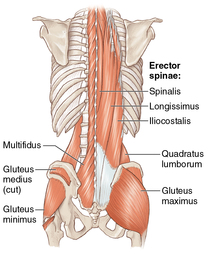


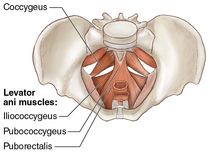
This intricate construction can be understood simply as the body’s foundation for movement. It is the central region providing a girdle of strength and connecting the abdomen with the lower back and hips. These muscles, together with the spinal muscles, create a stable base for generating strength and providing support for all movement.
Core Anatomy:
- Abdominals – the abdomen is a group consisting of four muscles: The rectus abdominis, also known as the “six-pack” is a superficial muscle sitting on the outermost layer of the core and is mainly involved in flexion. The transversus abdominis, which rests under the rectus abdominis, wraps around the core holding it together like a girdle and works to maintain good posture. Often times the in people with lower back pain the transversus abdominis is very weak. The internal obliques are deep muscles that help the body to rotate and flex to the side. The external obliques are another superficial musculature of the core just above the internal obliques which are important for rotational movements and side flexion.
- Paraspinals – made up of two major groups of lumbar extensors: the erector spinae and the “local” muscles (multifidus, rotatores, and intertransveri). The erector spinae is a group of three long tendinous muscles that run the entire length of the spine which provide support for spinal flexion (bending forward), extension (bending backwards) and aid in stabilizing the spine against lateral movement. The “local” muscles, mainly the multifidus is set deep and attached to the spine so that they may work to keep the spine straight and help stabilize through maintaining good posture.
- Hip Girdle & Gluteal Musculature – playing an important role within ambulatory activities such as stabilization of the trunk and pelvis and by transferring force from the legs to the pelvis and spine. The hip musculature consists of the psoas muscle group and the gluteus muscle group. The psoas, also referred to as the hip flexors, control flexion movements at the hip such as walking, running and climbing stairs. And for the gluteal musculature is made up of three muscles: the smallest being gluteus minimus, which lies beneath the gluteus medius, and works to lift the leg outward (abduction) as well as to internally rotate the hip. The gluteus medius sits just above the minimus, it assists with abduction, rotation (both internal and external) and provides stability to the pelvic region. The gluteus maximus is the largest of the three, it works to abduct and extend the hips in addition to stabilizing the pelvic region.
- Diaphragm & Pelvic Floor – The diaphragm serves as the roof of the core by providing stability to the lumbar spine via contraction during breathing. The pelvic floor musculature is coactivated with any transversus abdominis contraction and assists in stabilizing during movement.
- Quadratus Lumborum – A large, thin, quadrangular-shaped muscles that directly inserts into the lumbar spine. The quadratus lumborum works to stabilize the spine against lateral movement, lifting heavy objects and carrying items in one hand.
Why should we care about strengthening the core?
Strengthening the core musculature fights structural imbalances leading to such discomforts as low back pain which is one of the major forms of musculoskeletal degeneration in the adult population, affecting upwards of 80% of all adults. Research has shown that lower back pain is predominant among those who work at a desk, as sitting for long of time in a chair can cause the important muscles of the core to atrophy. Therefore, developing strength within this musculature is essential for maintaining a healthy posture, and leading a pain-free life.
What is an example of a core strengthening exercise?

Sliding Rollout from Knees
- Assume a kneeling position. Place both hands out in front of you on something that can move freely. An ab wheel, a Swiss ball, floor sliding discs or small hand towels will work. Think about squeezing all those muscles we just learned about and keep the head and neck in a neutral position.
- Lower your body under control by extending the hips and flexing the arms until your body approaches the floor. Keep the core and especially the gluteals contracted forcefully.
- Rise back to the starting position.
*The rollout is one of the best core strengthening exercises for beginners. If you use proper form and keep the core contracted, preventing the pelvis from rotating forward, your lower abdominals will receive even more of a workout. Break into this exercise gradually and make sure you keep the body in a straight line at the bottom of the movement. Many people sag at the hips or allow too much anterior pelvic tilt during the rollout exercise.
Just remember, core exercises should be seen as ones that not only help your “six-pack” but strengthen your lower back and pelvis. Having all these work together in harmony leads to better balance and stability, whether you’re on the field playing or completing daily activities.
What is Functional Strength Training?

Do you live to exercise? Unless you are an athlete, you probably answered no to that question. Most people are simply looking to improve their quality of life and would likely say that they exercise to live. And that is the focus of Functional Strength Training – to develop a foundation of strength and mobility within the body so that it may accomplish daily activities more easily.
What is Functional Strength Training?
Functional Strength Training exercises are designed to train and develop your muscles to make it easier and safer to perform everyday activities, such as carrying groceries, picking objects up off the ground, or playing a pick-up game of basketball. A typical workout will incorporate various movements using muscles from the upper and lower body, as well as everything in between.
What is an example of a Functional Strength Training movement?
Functional exercises tend to be multi-joint, multi-muscle movements.

A squat is a functional strength exercise because it trains the muscles used when you rise up and down from a chair or pick up low objects. You can see that it is both multi-joint and multi-muscle; incorporating the joints of the ankles, knees and hips, and the muscles such as the quadriceps and gluteal muscles. By training your muscles to work the way they do in everyday tasks, you prepare your body to perform well in a variety of tasks.
What are the benefits?
The benefits are multifaceted. Functional Strength Training, properly applied, will allow for a better quality of life by making everyday activities easier. With an increase in muscular strength, your body will become more functionally sound leading to improvements in balance, agility and help reduce the risk of falls.
Is Functional Strength Training for everyone?
Yes! Functional Strength Training is for everyone, as it can be adapted to any fitness level. If you are just starting out, you may only need to use your own body weight for resistance. As you become more fit and ready for more of a challenge, you can progress to using weights as your primary form of resistance.
What is the payoff?
As you add more functional strength exercises to your workout, you should see improvements in your ability to perform your everyday activities, and, thus in your quality of life. That is quite a return on your exercise investment.
For more information on how you can get started with a Functional Strength Training routine please contact: Stay Strong | Strength & Conditioning today!
For Fat Loss & Building Strength - Sprint Don't Walk!

#1: Burn More Belly Fat with Sprint Intervals
A large number of convincing studies show that high-intensity interval training is the best conditioning strategy for losing belly fat. In contrast, one research group that has conducted a number of experiments comparing aerobic and anaerobic training for belly fat loss write, “Disappointingly, aerobic exercise protocols have led to negligible fat loss.”
The reason anaerobic interval training works so much better is that it requires the body to adapt metabolically—your body is forced to burn fat to sustain the level of intensity being asked of it. It also elevates energy use for more than 24 hours post-workout, which has a dramatic effect on belly fat loss.
For example, a 2008 showed that a 6-week program increased the amount of fat burned during exercise by 12 percent and decreased the oxidation of carbohydrates—obviously, a favorable result for losing fat. More impressive, a 2007 study showed that in as little as 2 weeks, active women who performed interval training experienced a 36 percent increase in the use of fat for fuel during exercise.
Interval training is so effective for fat loss because it taps into different energy pathways than aerobic exercise. Simply, aerobic exercise tends to burn carbohydrates first and activate pathways that are degrading to muscle, whereas high-intensity exercise such as weight lifting and sprinting will burn a greater percentage of fat, enhance the body’s production of enzymes involved in fat breakdown, and activate pathways that lead to muscle development.
The other reason anaerobic intervals are superior for belly fat loss is that they increase excess post-exercise oxygen consumption (EPOC) a huge amount. A 2006 review showed that protocols that are more anaerobic in nature produce higher EPOC values than steady-state aerobic training because the trained muscle cells must rest restore physiological factors in the cells, which translates to a lot of energy expenditure.
Additional research on high-intensity training (HIT) programs noted that “the effect of regular aerobic exercise on body fat is negligible” whereas research into high-intensity exercise “indicates that it may be more effective at reducing subcutaneous and abdominal (visceral) body fat than other types of exercise.”
One study that compared the effect of high-intensity exercise (60 sprints of 8 seconds each, 12 seconds rest) with aerobic exercise (60 percent of maximal oxygen uptake for 40 minutes) found thatHIT resulted in significant decreases in overall fat mass, while the aerobic exercise group had a fat gain of 0.44 kg on average. The HIT group also had a significant 9.5 percent decrease in visceral fat, whereas the aerobic group had a non-significant increase of 0.2 kg or 10.5 percent. Of related interest is that the HIT group decreased fasting insulin significantly more than the aerobic group (31 versus 9 percent).
A second study found that in men with type 2 diabetes, an eight-week program that mixed aerobic and anaerobic exercise (twice a week of 45 minutes of aerobic exercise at 75 percent of max, and once a week of 5 sprints for 2 minutes at 85 percent) had a significant 44 percent decrease in visceral fat, with a 58 percent improvement in insulin sensitivity. They had no change in bodyweight but did have a 24 percent increase in thigh muscle cross sectional area, indicating muscle development, which accounted for the fact that they didn’t decrease bodyweight.
A third study performed on obese women compared a 16-week low-intensity protocol with a high-intensity protocol, based on rating of perceived exertion—not a very scientific indicator, but I’ll mention it anyway. The protocols produced comparable volumes of work as well as almost equal calories burned and miles completed. Despite this, only the HIT protocol yielded significant changes in metabolic markers or visceral fat loss. They lost significantly more total and visceral fat than the low-intensity group. Interestingly, both groups had similar exercise adherence to the program with 80 percent of each group completing the study, indicating that the high-intensity protocol was not too demanding for an obese, previously untrained population.
High-intensity exercise is effective because it increases exercise and post-exercise fat burning and may yield decreased post-exercise appetite. During exercise and after HIT, fat burning increases to remove built up lactate and hydrogen ions. Elevated growth hormone also supports fat burning and is a result of HIT programs.
#2: Lose Belly Fat With Sprint Intervals: The Proof
The following are examples of the superiority of anaerobic interval training for belly fat loss from the research:
- A 12-week high-intensity interval training program produced a 17 percent decrease in belly fat in overweight young men. Subjects lost 1.5 kg of belly fat and 2 kg of total fat, while building 1 kg of muscle. Fat burning was increased by 13 percent due to the 3-day a week program of 20-minutes of cycling in which the subjects sprinted for 8 seconds and then did 12 seconds of recovery, repeating these intervals for a total of 60 sprints.
- The same 20-minute cycling interval program produced 2.5 kg of fat loss in young women in 15 weeks, and the majority of the fat loss come from the legs and abdominal area. The sprint intervals were compared to a steady-state aerobic program that produced no fat loss.
- A 16-week study had trained athletes perform either a sprint interval protocol or steady-state running four days a week. The sprint interval protocol varied each day, but an example of one of the workouts used was 10 intervals of 30-sec sprints with 90 seconds rest. The sprint interval group lost 16 percent or 1 kg of visceral fat as well as 2 kg of total fat, compared to the endurance group that lost no belly fat, but did lose 1.4 kg of lean mass. The belly fat loss appears to be small, but be aware that subjects were lean, trained athletes to begin with and had less belly fat to lose than overweight subjects.
- An 8-week interval program using both high- and moderate-intensity intervals decreased belly fat by 44 percent in middle-aged men with type 2 diabetes. Subjects increased quad muscle size by 24 percent and improved insulin sensitivity by 58 percent—a dramatic improvement that highlights the other mechanisms involved in belly fat loss (muscle building, insulin health & blood sugar management).
#3: Sprints Take Less Time than Aerobic Exercise
Not only do sprints help you lose MORE belly fat, they help you lose it FASTER and with LESS training time. Repeatedly, studies show that more fat loss is achieved in high-intensity programs that use 20 to 25 minutes of training time than those that use 45 or 50 minutes of aerobic training time.
Scientists write that anaerobic intervals are overwhelmingly preferable to aerobics for producing belly fat loss, and that the estimated optimal dose of aerobic exercise necessary to lose belly fat appears to be 3,780 calories expended per week. This is an enormous volume of exercise that would require 1 hour of moderate intensity aerobic cycling 7 days a week to burn 550 calories a day so that you could lose even a pound a week!
In less than half the time you can get better results with anaerobic training. A 1994 study is indicative of this: Participants did either 20 weeks of aerobic training or 15 weeks of intervals (15 sprints for 30 seconds each) and lost nine times more body fat and 12 percent more visceral belly fat than the aerobic group.
What is so interesting about this study is that the energy cost of the aerobic program over the whole study period was 28,661 calories, whereas for intervals it was less than half, at 13,614 calories. In less time, the interval group lost much more weight—nine times more weight. How do researchers explain it?
Aside from greater fat oxidation and higher EPOC, hormone response plays a major role…
#4: Sprints Improve Hormone Response for More Belly Fat Loss
Sprint intervals and anaerobic exercise in general improve your entire endocrine system. Both training modes enhance the cells’ sensitivity to insulin, making anaerobic training a successful treatment for diabetes.
Perhaps most important, anaerobic exercise also elevates growth hormone (GH) —a powerful fat burning hormone that helps restore tissue and build muscle—much more than aerobic training. GH is released by the body in greater quantities in response to physical stress above the lactate threshold, which is the reason heavy, sprints are so effective.
Another hormone called adiponectin that is released from fat tissue during exercise also helps burn fat. Emerging scientific evidence shows that any time you perform forceful muscle contractions, adiponectin is released, and then your body produces a substance called PGC1 that is like a “master switch” that enhances muscle and metabolic functions, thereby burning belly fat. Naturally, anaerobic training is most effective for increasing adiponectin and PGC1 to burn fat since sprints and especially weight lifting require extremely forceful muscle contractions.
#5: Anaerobic Training Produces Less Cortisol For More Belly Fat Loss
Cortisol is the stress hormone that is elevated when you are under both physical and psychological stress. Research shows cortisol is chronically higher in endurance athletes—one study found that aerobic athletes had significantly higher evidence of cumulative cortisol secretion in their hair than controls.
In addition, cortisol is generally elevated more following aerobic training than anaerobic training. Part of this has to do with the fact that strength training and intervals do elevate cortisol, but they also elevate anabolic hormones such as GH and testosterone that counter the negative effects of cortisol.
If GH and testosterone are not elevated, cortisol overwhelms tissue, having a catabolic effect that leads to gradual muscle loss and fat gain. By doing aerobic training without strength training, you will lose muscle, lower your metabolic, rate, and gain fat. Worst of all, high cortisol causes chronic inflammation, which lead to belly fat gain over time—all-around bad news!
#6. The more aerobic volume, the more your brain ages. Therefore, senile dementia in Olympic athletes is proportionate to the annual volume of aerobic works.
#7. Slow long distance aerobic work is not a guarantee of cardiac health. Actually top cardiologist Dr. Bijan Pourat considers it “junk exercise”. He espouses resistance training for cardiac patient.
#8. Aerobic training can help you lose fat if you are just starting to exercise. Although it is not the most effective type of exercise for fat loss, aerobic-style cardio can work if you are new to exercise.
The Duke study used sedentary, out of shape, overweight people. The aerobic training they did was fairly intense (80 percent of max heart rate), so it's no surprise that they lost body fat. Being overweight and out of shape, and then exercising at that intensity for 40 minutes 3 times a week for 8 months can clearly lead to fat loss.
#9: In the long run, aerobic training is useless for fat loss. In a Duke study the aerobic group only lost an average of 1.6 kg of fat (not much!) and they didn't build any muscle, which is where we see the fault in the plan. By decreasing body weight, the aerobic group lowered metabolism, while improving aerobic conditioning.
They were “in shape” and thinner, but no stronger, and they had decreased their resting energy expenditure. In order to maintain that fat loss, they would need to eat less, change their macronutrient proportions, or exercise longer and more intensely.
For example, in the 2006 study of runners, only the runners who tripled their weekly mileage from 16 km/week to 64 km/week did not gain fat over the 9-year study. That's a huge increase that would naturally triple the amount of training time required to prevent fat gain.
#10: Doing smart anaerobic training, you can lose more fat quicker, while building muscle so that you raise your metabolism. For example, in a study of women that compared an anaerobic resistance training program with an aerobic protocol, the heavy load training group lost nearly 5 kg of body fat, gained about 3 kg of muscle, and had dramatic increases in strength. The women who did the high rep, aerobic-style lifting program had no change in body composition.
The benefit of building muscle is that your hard work lasts longer if you quit exercising: A study that tested what happens when subjects stopped exercising for 3 months after doing aerobic or resistance exercise found that a resistance training group maintained improvements in strength, muscle, and cardiovascular fitness longer than an endurance group.
The benefit of resistance training is even more pronounced for people who are in shape. In trained male athletes, a 6-week heavy load strength training program with multi-joint lifts (deadlift, squat, military press, chin-up, and bench press) allowed them to lose 1 percent body fat , while gaining 1.3 percent muscle mass for a dramatic improvement in body composition.
Compare that to the Duke study: The aerobic group also lost 1 percent body fat but gained no muscle, resulting in a less valuable body composition; the resistance group lost 0.65 percent body fat percent and gained 2 percent muscle; the concurrent group lost 2 percent body fat and gained 1.4 percent muscle mass.
The most favorable body composition was seen with the concurrent group, but it took double the time. When you consider the long-term effect of such a time-consuming, stressful program, it certainly is suboptimal.
The Facts About Strength Training and Managing Chronic & Age Related Conditions

If you have a chronic or age related conditions such as heart disease, arthritis, diabetes, depression, asthma, osteoporosis or back or joint, strength training can have positive benefits. However, it is always important to talk with your doctor before starting any exercise routine as they may have advice on what exercises are safe and any precautions you may need to take while exercising.
How can strength training improve my condition?
If you have a chronic or age related condition, regular exercise accompanied with strength training can help you manage symptoms and improve your health.
Being physically active can help you improve your heart health and endurance. Strength training can improve muscle strength and make it easier to accomplish daily activities, slow disease-related declines in muscle strength, and provide stability to joints. Mobility or flexibility exercises may help you to achieve a greater range of motion within your joints so they can function better.
For example:
- Heart disease: Regular exercise can help improve your heart health. Recent studies have shown that interval training is often tolerated well in people with heart disease and can produce significant benefits.
- Diabetes: Regular exercise can help insulin more effectively lower your blood sugar level. Physical activity also can help you control your weight and boost your energy. 2
- Asthma: Often, exercise can help control the frequency and severity of asthma attacks.
- Back Pain: Regular low-impact activities can increase strength and endurance in your back and improve muscle function. Abdominal and back muscle exercises (core-strengthening exercises) have been shown to reduce symptoms by strengthening the muscles around your spine. 3
- Arthritis: Exercise can reduce pain, help maintain muscle strength in affected joints and reduce joint stiffness. 4
- Depression: Regular exercise has been proven to be beneficial for symptoms of depression, resulting in a happier mood. 5
- Osteoporosis: Incorporating resistance training, such as lifting weights has been proven to build bone density and reduces the risk of falls by improving stability. 6
What exercises are safe?
Your doctor might recommend specific exercises to reduce pain or build strength. Depending on your condition, you might also need to avoid certain exercise altogether or during flare-ups. In some cases, you may need to consult a physical or occupational therapist before starting to exercise.
If you have low back pain, for example, your best bet is to start with low-impact activities such as walking or swimming. Strength exercises are more specific but could consist of back extensions or abdominal work.
If you have diabetes, for example, you can start with a basic body-weight strength training routine that includes chair squats, or farmer walks.
If you have osteoporosis, for example, the exercises that will be best for you all depend on if one area of the body is more affected than another. A hip issue is different than a back issue. Just remember resistance is the key to success — weighted exercises are always going to be better than resistance bands.
How often, how much and at what intensity can I safely exercise?
It should always be understood that before starting an exercise routine, it is important to consult your doctor about what is best for you. If your doctor clears you to start exercising here are a couple things to keep in mind.
- How often: Beginners, of good health, can generally tolerate more work than more advanced trainees. It is important to be active in some way every day. Walking can be done daily, while strength training should be kept to 2-3 workouts a week.
- How much: If you haven’t been active for a while, start slowly and build up gradually. Your body is the best barometer, rest when you are tired and workout when you’ve recovered. The more you engage in exercising the better you will feel.
- What about intensity: Start moderate, don’t overdo it!
Do I need to take special steps before getting started?
Depending on your condition, your doctor might recommend certain precautions before exercising.
If you have diabetes, for example, keep in might that physical activity lowers blood sugar. Check your blood sugar level before any activity. If you take insulin or diabetes medications that lower blood sugar, you might need to eat a snack before exercising to help prevent low blood sugar.
If you have arthritis, be sure to never skip a warm-up before you exercise. The heat the body generates from warming up can relax your joints and muscles and relieve any pain you might have before you begin.
What else do I need to know?
Starting a regular exercise routine isn’t as tough as it may seem.
To help you get started, consider seeking a professional, like the ones at Stay Strong | Strength & Conditioning.

Getting Started with Weight Training
You see your friends are going to the local gym and getting results from their hard work — improved physique and muscle tone. You’d like to start a program to replicate the results, but do not know if you have the time or where to start. It’s not as hard as you think!
What is Weight Training?
Weight training is a type of strength training that uses weights for resistance. Weight training provides a stress to the muscles that causes them to adapt and get stronger, similar to the way aerobic conditioning makes you more fit.
Weight training can be performed with free weights, such as barbell and dumbbells, or by using weight machines. You can also increase your strength through other types of resistance exercises, such as by using your body weight or resistance bands.
When it comes to Weight Training, how much is enough?
You do not have to be in the weightroom for 2 hours a day to see results. For most people, short weight training sessions a couple times a week are more practical than extended daily workouts. Chances are, if you are at the gym for more than an hour you are making friends and not working out!
You can see significant improvement in strength with just two or three 30 minute weight training sessions a week. This frequency also meets activity recommendations for healthy adults.
The Department of Health and Human Services recommends incorporating strength training exercises of all the major muscle groups into a fitness routine at least two times a week.
Weight Training is all about technique?
Weight training offers important health benefits when done properly. But it can lead to injuries, such as sprains, strains and fractures if it is not done correctly.
For best results, consider these basic weight training principles:
- Learn proper technique: If you are new to weight training, work with a trainer to learn correct form and technique. However, even advanced athletes can benefit from an occasional brush up on their form.
- Warm up: Cold muscles are more prone to injury than are warm muscles. Try a moderate aerobic activity such as riding on a stationary bike or elliptical for 5 minutes prior to engaging in a weight training routine. Other equally effective warm-ups consist of dynamic stretching or simply doing a few light weight sets of a giving exercise to get the body primed to use a heavier weight.
- Looking at repetitions: Theories on the best way to approach weight training abound, including countless repetitions and hours at the gym. But research shows that novice weight trainees can benefit from 2-3 sets of 12 repetitions.
- Use the proper weight: The proper weight to lift will be heavy enough to tire your muscles within those 10 repetitions. If you get to rep 12 and feel like you can do another 5 reps, the weight is too light! You should be exerting a high level of effort to get up that last rep.
- Start slowly: If you’re a beginner, you may find that you’re able to lift only a few pounds. That is okay, we all need to start somewhere. Once your muscles, tendons and ligaments get used to weight training exercises, you may be surprised at how quickly you progress. Once you can easily do 12 repetitions with a particular weight, you are ready to gradually increase the weight.
- Take time to rest: To give your muscles enough time to rest, take one full day between exercising each specific muscle group.
What are the rewards of weight training?
Lean muscle mass naturally decreases with age. If you don’t do anything to replace the muscle loss, it’ll be replaced with fat. But Stay Strong is here to help you reverse the trend, no matter your age.
As your muscle mass increases, you’ll be able to lift weight more easily and for longer periods of time. You’ll also help to maintain your bone density, better manage your weight, and improve your body’s metabolism. So don’t wait. Get started today!
Stay Strong | Strength & Conditioning
21690 Red Rum Drive Suite 117
Ashburn, Virginia 20147
Sitting Will Not Kill You... But Inactivity Can Hurt
Let's get this out of the way at the beginning and say that while sitting isn't an ideal way to spend the day it isn't going to kill you. Unless, that is, you park your ass somewhere it shouldn't be, like this guy.

Aside from this being a genius spot to place your favorite in-laws for the upcoming holiday dinner get-togethers, it isn't the sitting that is going to kill Uncle Rico, it is his inaction. Perhaps this is a bit of an extreme example but nonetheless illustrates the looming dangers of inactivity.
The average cubical commando powers through long bouts of sitting unbeknownst to the fact that for every hour you sit at a desk you spend about 20 fewer calories than if you were to stand. This is because you are using less muscles; you are no longer tensing muscles in your legs, back or shoulders as you support and shift your weight. Standing for eight-hours a day adds up to 160 calories, which is the equivalent to a half-hour walk. Extrapolate this over weeks and years and you can see that the energetic difference between mostly sitting versus standing presents a significant difference.
Diving further into the problems affecting Uncle Rico and the prime reason he can't throw a pigskin a quarter mile like he did back in 82, is the result that sitting for hours upon hours has on muscle atrophy, especially those which support the back and abdomen enabling stability of the trunk. If we look at it in terms of muscle activity, sitting in a comfortable chair isn't much different than lying in bed and it is universally accepted that prolonged bed rest has many deleterious effects on the body, including a weaker heart, muscle degeneration, bone loss and elevated levels of tissue inflammation. Sitting in a comfortable chair with a backrest, a headrest and an armrest should be seen as a very similar scenario and while this will not kill you it does nothing to promote optimal health. The price you pay for comfort is paid in the deterioration of those muscles within the buzz worthy "core," all of which are minimally active for the duration of sitting.

Another kind of atrophy plaguing Uncle Rico and those enduring endless hours of sitting, is muscle shortening. As you sit in a fixed position for a lengthy period of time immobilizing joints, the muscles that are no longer stretched can become shorter or tight. When sitting in a chair, your hips and knees are flexed at right angles, a position which shortens the hip flexor muscles that cross the front of you hip. Sitting in this position repeatedly, day in and out can functionally shorten the hip flexors. Then, when you stand your shortened hip flexors are so tight they they tilt the pelvis forward leading to an exaggerated lumbar curve and low back pain.

Fortunately, none of the aforementioned problems are permanent and can be overcome with a properly instituted program of stretching and mobility work, as well as strengthening those muscles that have become weak. And remember that while sitting will not kill you, inactivity can. It is always a good idea for anyone spending long hours in a chair to get up, move and stretch regularly.
Stay Strong | Strength & Conditioning
21690 Red Rum Drive Suite 117
Ashburn, Virginia 20147
Don't fear the future. Don't regret the past.
"Don't fear the future and don't regret the past."
This seems like an easy aphorism to apply to life, but never really has the impact it should as everyone inevitably thinks about the choices they made. However, if we think about it in terms of bettering ourselves in the gym, rarely do we find anyone who regrets where they started and instead embraces all aspects of progress, including the choices they have made, that took them from the place where they may have thought less of themselves.
Life shouldn't be any different. So no matter what you do, every decision and subsequent outcome is simply the sum of every prior decision you have ever made. Hence, every decision you made was the "right" one and everything that happened after that was supposed to happen so you can be the person you are. So live your life and never look back because it's all working out how it was meant to be.
Stay Strong