
These articles explore the body, the mind, the environment, and the systems that shape human health. Each piece is written to make complex ideas easier to understand, whether the topic is training, nutrition, sleep, stress, digestion, symptoms, physiology, disease, or the way modern life affects how we feel and function.
Strength, Health, & the Art of Living Well

Quarantine & Chill
With social-distancing in full swing, it may seem like options for improving your health are down to Quarantine and Chill, or participating in the scourge of bodyweight workouts that are woefully ineffective at promoting long-term results. Instead let's look at some options that can be completed within the isolation of your own home!

With social-distancing in full swing, it may seem like options for improving your health are down to Quarantine and Chill, or participating in the scourge of bodyweight workouts that are woefully ineffective at promoting long-term results. Instead let's look at some options that can be completed within the isolation of your own home!
NUTRITION
- When stocking your pandemic pantry you should select foods that consist of the greatest nutrient density, with the lowest impact on blood sugar, have the ability to be stored for a relatively extended period. Selecting foods that are highly satiating will be your best option in these times. Look for high in protein (such as meat, dairy, eggs, or protein powder), high in fat (coconut cream, olives, olive oil, nuts or nut butters), and lower starch/fructose containing fruits and veggies (such as all colors of sweet potatoes and carrots, or frozen berries). For more info check out the Fundamentals of Food.
- If you are having trouble piecing together an easy meal use this SUPER SIMPLE MEAL PLANNER.
Combine: 1 Fat + 1 Protein + 1 Veggie + 1 Spice = Delicious and healthy meal!

Combine: 1 Fat + 1 Protein + 1 Veggie + 1 Spice = Delicious and healthy meal!
- Now would be a great time to start a practice of Intermittent Fasting (IF), or choosing a feeding window that is shorter than you're used to. This will not only allow you to conserve on food but also give your body a break from digesting food. Because the body is never dormant it will use the extra time to complete a process called autophagy, which clears out senescent or old defective cells that could cause health problems. Additionally, IF promotes the clearance of pathogens and infectious bacteria, protect against the negative effects of stress and provides time for our gut lining to rest and repair.

- Incorporating a practice of IF is as simple as selecting a window of time you'd like to eat within whether 6,8,10, or 12 hours. Whichever time you pick, you have that long to get all your calories in and then you're done! Example, if you have an 8-hour window and you eat your first bite of food at 6AM, you'll have to get all your calories in by 2PM.

- Supplementation that will help with boosting Immunity are:
- NAC
- Vitamin C
- Zinc
- Glycine
- Glutamine
- Multi Vitamin/Mineral
- Protein
- Immune Support (probably the best choice overall)
To save 5% on the purchase of any or all of these go here: NutriDyn
MOVEMENT
- During this quarantine it looks like we have to be sequestered to sitting on the couch, however I have a better idea. We can make time to focus on improving movement in our daily lives and how we interact with the environment we consistent find ourselves in. WHY WE SHOULD SIT ON THE FLOOR is an article I wrote about how incorporating sitting in different archetypal postures can improve mobility with very little effort. Here is an excerpt:
"Achieving better tune, thus less pain and freer movement, is as easy as adopting a floor based lifestyle, just like those used by our ancestors. Instead of sitting on a chair or couch while watching television, transition to sitting on the floor. Floor sitting encourages normal movement patterns across the biggest joints and muscles of the biomechanical system. Archetypal postures are also valuable to use in a post-exercise setting, as the body finds the usual 30-second calf stretch to be an insignificant task of little benefit after running up a hill for the last 30-minutes. Returning to the floor in various archetypal postures will reestablish fundamental relationships between muscle compartments as they cool and set. After exercise go back to the floor as people have always done."
- Many are probably under the impression that stretching is the best way to improve mobility, however this notion completely leaves out the fact that mobility without strength equates to being a spaghetti noodle, and you'll never be able to fight your way through the toilet paper isle like that. In an article entitled REFINING TUNE THROUGH MOVEMENT I address this very issue and go over ways to improve mobility for the comfort of your quarantine. Here is an excerpt:
"Why can’t I stretch my way to tune, like we used to do in gym class? Before you bend over to touch your toes, listen to what former U.S. National Gymnastics coach and author of Building the Gymnastic Body, Christopher Sommers has to say; “flexibility can be passive, whereas mobility requires that you can demonstrate strength throughout the entire range of motion.” The individual muscle concept presented in traditional anatomy class gives a purely mechanical model of movement by separating things into discrete, executable functions that fail provide an accurate picture of the seamless integration seen in a living body – when one part moves, the body responds as a whole. Thus, the ability to transition into and out of a squat requires more than any one muscle being flexible. The approach to mobility parallels biomechanical tune, in that they engender a systemic or whole-body foundation. Efficient structural relationships, therefore, must be exposed and resolved within the individual so that one can grow out of a the dysfunctional pattern."
- The following are my contributions for what to do for workouts at home...
- Here is a link for bodyweight movements... or take a look at the following gif

- Here is a minimalist workout for those with limited equipment... if you want to order some adjustable dumbbells check out this review

- Don't forget about your abs...

- Bored with the regular shit?? Learn how to do a HandStand...
First, let’s define the position you need to maintain.
Torso “Hollow”: Sit on a chair, back straight, with your hands on your knees. Now, try to bring your sternum (chest bone) to your belly button; “shorten” your torso by 3 to 4 inches by contracting and pulling in your abs. You’ll maintain this position throughout the entire exercise. No lower-back arch or sag permitted.
Shoulders “Protracted”: Keep your torso “hollow” per the above. Now, pretend you’re hugging a telephone pole. Your shoulders should be well in front of your chest, sternum pulled back strongly. Straighten your arms but maintain this position. Next, without losing any of the aforementioned, lift your arms overhead as high as you can. There you go. Now we can begin.
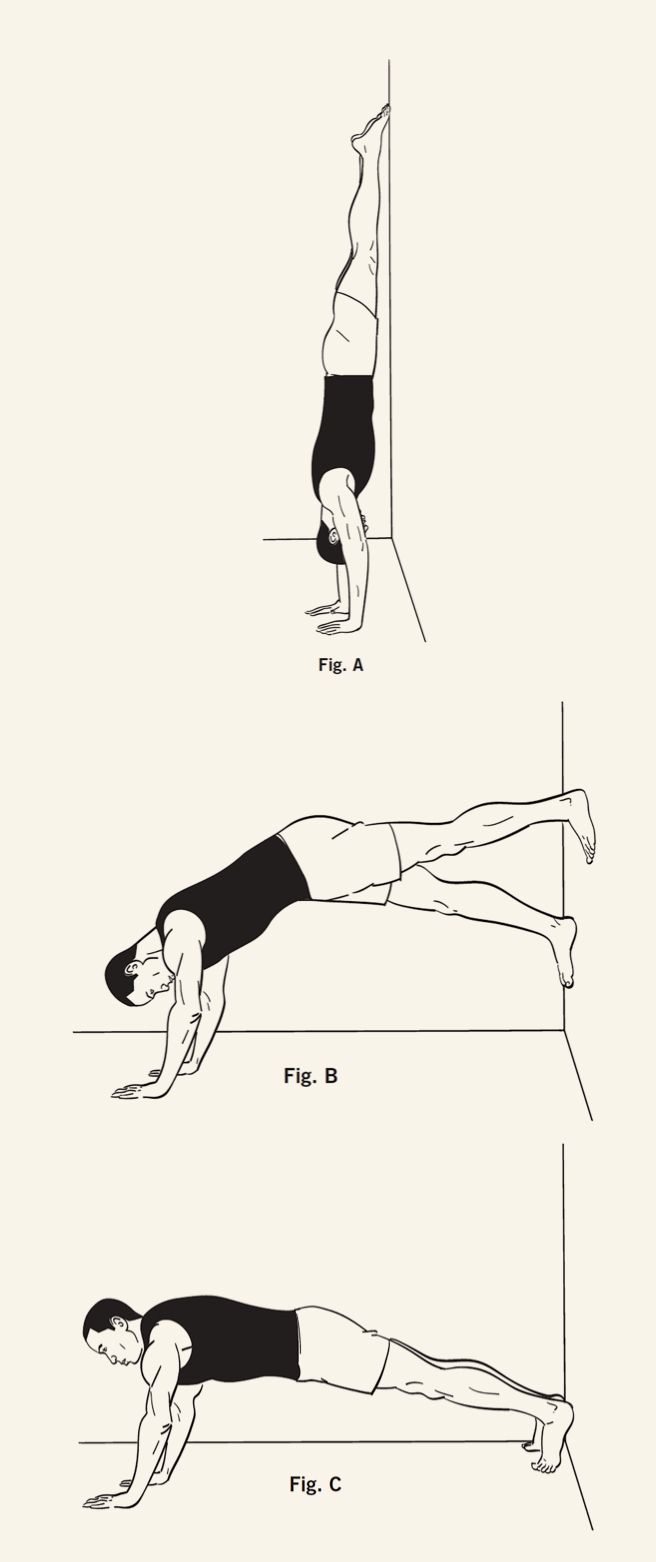
Get into a handstand position against a wall, nose facing toward the wall. (fig. A)
Keeping your body in one line, slowly walk your hands out and your feet down the wall simultaneously. (fig. B) Keep your knees straight and walk with your ankles. The steps should be small.
Reach the bottom with your feet on the floor in a push-up position. (fig. C) Correct your form to be maximally hollow and protracted.
Reverse and go back up the wall, returning to handstand position. That is 1 rep, my friend.
SLEEP
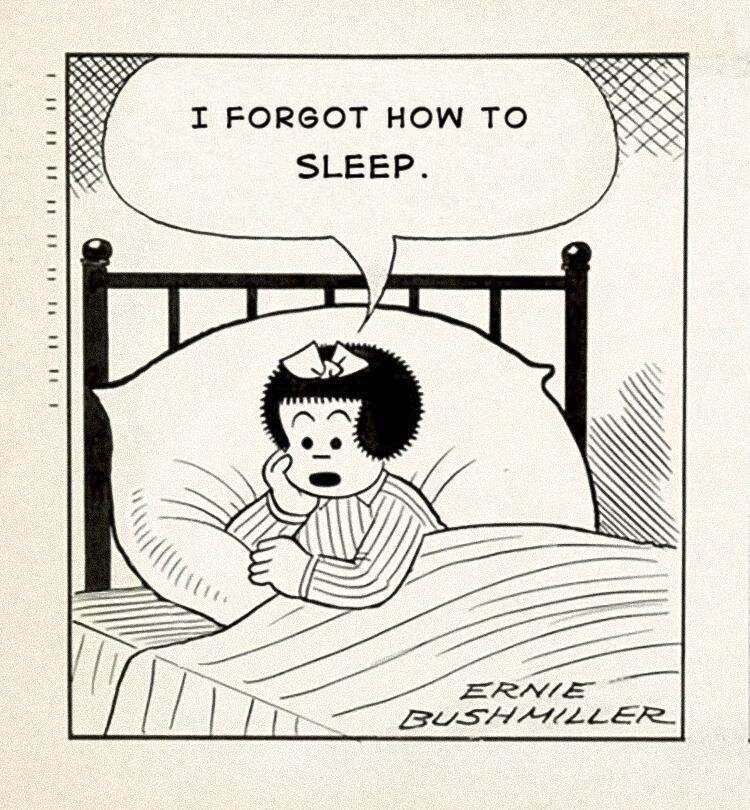
- A lack of sleep contributes to the following...
Impairs insulin sensitivity. Want to become diabetic overnight? Just sleep poorly. A night of poor or missed sleep can make one as insulin resistant as a type 2 diabetic… the effects of sleep deprivation on insulin sensitivity and thus glucose tolerance are profound and nearly immediate.
Increases gut permeability. Increased intestinal permeability itself impairs insulin sensitivity while increasing our reactivity to certain foods.
Increases systemic inflammation. Even with very little sleep loss we immediately see increases in C-reactive protein and the tendency of platelets to stick together (not great if you’re at risk for a stroke or heart attack). All modern degenerative diseases have a commonality of increased systemic inflammation
IMPAIRS IMMUNE FUNCTION.
Alters anabolic hormones.
Causes cravings. Sleep deprivation is a stress, and when a stress becomes chronic, one of the first adaptive mechanisms our bodies shift toward to deal with the stress is to seek out quick energy…. generally that comes in the form of highly processed foods
Lack of total sleep time suppresses your immune system and increases your risk of upper respiratory tract infections (URTI).
(Sheldon Cohen et al., “Sleep habits and susceptibility to the common cold,” Archives of Internal Medicine 169, no. 1 (2009), https://doi.org/10.1001/archinternmed.2008.505; Aric A. Prather et al., “Behaviorally assessed sleep and susceptibility to the common cold,” Sleep 38, no. 9 (2015), https://doi.org/10.5665/sleep.4968.)
- Now is the perfect time to work on improving our sleep hygiene. Start with the following tips and sleep soundly in your isolation chamber, aka room.
Go to bed at a similar time each night (even on the weekends). The body thrives on routine.
Stop using blue-lit screens (TV, Computer, or Mobile devices) 2 hours before bed. The blue light from the screen tricks your brain into thinking the sun is out, therefore suppressing melatonin — a hormone necessary for the onset of sleep.
Be sure to stop eating at least 2 hours before bedtime, as digestion can cause sleep interruptions.
If you must use a device with a screen, utilize "night mode" or blue-light blocking technology like F.lux to minimize your exposure.
Sleep in a cool, dark room. Research has shown that the best temperature to sleep at is around 68°F. And, the darker the room the better.
STRESS
- For sure we are in uncharted waters at the moment in history however that doesn't mean you have no control over the way you feel. Perception is a matter of choice. You can choose how you respond to anything. In any situation in life you have three options. You can change it, you can leave it, or you can accept it. What is not a good option is to sit around wishing you would change it but not changing it, wishing you would leave it but not, and not accepting it. Acceptance is the only way to mitigate the stress of this situation and move to make the best out of whats left.
- Something I find helpful in quieting the mind is the practice of gratefulness. Most people think you can only be grateful after something has happened, but if you are actively looking for things to appreciate you will find them. Establishing a habit of gratitude welcomes it into your consciousness, shifting awareness away from less desirable or stressful emotions. Get a journal, download an app, or simply open up a blank document on your computer. Set aside a few minutes each day and use the following prompts to ease your mind...
To be answered in the morning:
I am grateful for… 1._______ 2._______ 3.________
What would make today great? 1._______ 2._______ 3._______
Daily affirmations. I am…. 1._______ 2._______ 3.________
To be answered at night:
3 amazing things that happened today… 1._______ 2._______ 3.________
How could I have made today better? 1._______ 2._______ 3.________
ideas on what to be grateful for:
an old relationship that really helped you or that you valued highly.
an opportunity you have today
something great that happened yesterday, whether you experienced or witnessed it
something simple near you or within sight… the gratitude points shouldn’t all be “my career” and other abstract items
- Another thing that could have a positive impact is taking up Breathing Exercises or Meditation.

GUT HEALTH
- Since you have nothing else to do, think about fixing your shit, literally! 80% on your immune system lies in your gut. If you are not digesting your food optimally, your immune system may be compromised. Check out the following guide to assess your mess...

DETOXIFICATION
- The Environmental Working Group estimates that on average, each adult uses nine personal care products daily, with 126 different chemical ingredients. Women use more products than men, so the tally for women goes up to 168 chemicals from personal care products alone. Many of these products we use in, on, or around us are full of chemicals that are linked to serious health issues such as endocrine disruption or cancer. Take this time to review the ingredients of the personal care products you use — shampoo, toothpaste, cologne, perfume, make up, deodorant, lotion, etc. Enter anything you can't pronounce into the EWG's SKINDEEP rating system to see what you're being exposed to. Once you find the worst offenders, replace the item with a less toxic version when you run out.

EXTRA STUFF
- Take your ass outside in the sun and go for a walk (just avoid people). Going out in the sun is the easiest way to stay active, slim and boost immunity....
Sunlight's effect on Immunity: Vitamin D production, stimulated by exposure to the UVB portion of solar radiation, may improve immune system response, and thereby reduce risk of infections. One of the mechanisms by which this is accomplished is the production of antimicrobial peptides (AMPs), which can help to negate the effects of bacteria, fungi, and viruses. One of the most important AMPs is cathelicidin, which is under control of the vitamin D receptor (VDR), whose activity is regulated by the presence of the potent hormone form of vitamin D: 1,25-dihydroxyvitamin D (1,25(OH)2D). Research demonstrates that when disease causing microbes breach physical barriers, a class of proteins called toll-like receptors (TLRs) recognizes the invading pathogens and triggers the body's immune cells (white blood cells, such as macrophages) to respond in various ways, including the activation of the immune cell's vitamin D receptors (VDR). This response prompts the stored form of vitamin D, 25(OH)D, to be taken from the blood and hydroxylated to form 1,25(OH)2D (the potent hormone), which binds to the VDR of the immune cell. The cathelicidin gene is then activated and the human cathelicidin, LL-37, is synthesized within the immune cell in order to destroy the pathogen after the immune cell engulfs it. This reaction is totally dependent on the availability of the stored form of vitamin D. The cathelicidin also acts by destroying the integrity of the lipoprotein membranes of the pathogens, rendering them harmless. It also has a chemotactic effect, acting as a chemoattractant for immune cells in the immediate vicinity of the pathogen breach.
Can sun exposure help with body transformation?
A recent study from Northwestern Medicine demonstrates that timing and intensity of light correlate with BMI... Optimal BMI is between 18-25.
The study showed that exposure to bright morning light was directly related to BMI. After adjusting for confounders such as diet, exercise, and timing of sleep, it was determined that very early exposure to morning light correlated remarkably to lower BMI. Even when light intensity was equal at different times of the day, those who received the earliest bright light had lower BMI. In fact, for each hour later in the day when light exposure occurred, BMI increased by 1.3 units. This fact is exceptional, since a person who has a BMI of 25 (upper ideal range) could approach 30 (basically obese), over time, simply by the habit of receiving sun exposure later in the day, e.g. 10:00AM rather than 7:00AM.
The authors suggested that the mechanisms by which early light exposure could influence weight control could be the following: (1) resetting the circadian rhythm, (2) the greater quantity of blue light in the morning sun and (3) effects on melatonin production. Whatever the mechanisms, we now know that early-morning sun is important to weight control. It may also be important to other health issues. But before we begin to think sun exposure is the cure-all for obesity, we must address poor nutritional and exercise habits. Nevertheless, in these times of limited access to gyms, it is a simple addition to any routine.
ref: Reid KJ, Santostasi G, Baron KF, WIlson J, Kang J, Zee PC. Timing and intensity of light correlate with body weight in adults. PLoS One 2014;2;9(4)
Sun exposure is superior to Vitamin D supplements in prevention of weight gain.
Research conducted on mice with shaved backs were placed on a high-fat diet and then exposed to non-burning ultraviolet radiation (UVR) during a three-month experiment. The mice, without the benefit of UVR, would have been expected to gain weight rapidly on that diet, but when they were exposed to UVR, the weight gain was impressively reduced. The UVR treatment achieved a 30-40% reduction in weight gain, compared to the expected weight gain with the high-fat diet.
Other benefits included: significant reductions in glucose intolerance, insulin resistance and fasting insulin levels (all markers and predictors of diabetes), nonalcoholic fatty liver disease, and cholesterol. All of these factors, including obesity, are part of a cluster of maladies known as the metabolic syndrome which is indicative of deteriorating health and susceptibility to heart disease and diabetes.
ref: Geldenhuys S, Hart PH, Endersby R, Jacoby P, Feelisch M, Weller RB, Matthews V, Gorman S. Ultraviolet radiation suppresses obesity and symptoms of metabolic syndrome independently of vitamin D in mice fed a high-fat diet. Diabetes. 2014 Nov;63(11):3759-69
COMIC RELIEF via MEMES





The Benefits Of Dry Sauna Use

The use of dry saunas for athletic recovery isn’t necessarily something we’d call trendy. While plenty of people will duck into saunas casually in their own gyms, many view it as a vague relaxation measure, and others even look at it as something of an old-fashioned thing to do. Other forms of physical recovery are trendier these days; for instance, NBA players and teams have lately done a great deal to popularize the idea of cryotherapy (which, to be fair, has benefits beyond being popular).
With this said though, there do still tend to be plenty of people in the world of athletics, both within the public eye and otherwise, who believe in the benefits of dry saunas.
English football teams, for instance, have been associated with sauna usage fairly frequently over the years. Liverpool may come to mind first in this regard. The Reds are one of the most prominent teams in Europe, and currently appear to be on a fast track toward a Champions League title. In fact, the UK’s free betting services, which have all sorts of odds listings for an event this big, are almost universally picking Liverpool to win the Champions League this June. If those picks and odds come to fruition it will be at least in part because of the team’s exceptional fitness, which in turn appears to be somewhat due to recovery efforts. Liverpool’s players have at times been noted for using saunas, and the city itself is actually known for a few spas with, shall we say, more advanced sauna options (like infrared). Meanwhile, it’s not just the possible Champions League winners who are relevant here. Other football stars like Jeremy Vard
y and Harry Kane (the latter of whom will be facing off against Liverpool in the Champions League final) are among those who were known to favor saunas during England’s World Cup run last summer.
Meanwhile, sauna use also remains fairly popular outside of the public eye, among ordinary people in ordinary places. You need only look around at public gyms wherever you might live to discover that many if not most of them actually have saunas of one kind or another included within their facilities. It could be a local YMCA, a major chain like Planet Fitness or Lifetime Fitness, or even a gym associated with a hotel or resort - saunas are typically in place at all of the above, at least a significant portion of the time. It’s impossible for us to gather statistics as to how many people use them or when, the way we know that Harry Kane used a sauna during the World Cup. But it also stands to reason that these gyms and the organizations behind them wouldn’t keep including saunas in their plans if in fact they didn’t get quite a lot of use. By all indications, this is still a very popular activity during or after workouts.
Given these examples, from the local YMCA to the prospective Champions League winners' locker room, it’s safe to say people are still using dry saunas (as well as other kinds). But does this mean we should actually be using them more? What are the actual benefits all of these people are getting from their time in these wellness-oriented hot boxes?
As it turns out, for those who may never have looked into these questions, dry saunas carry numerous benefits, which we’ll briefly summarize here, as per Livestrong:
- Circulation - The heat of dry saunas raises the heart rate, which in turn increases blood flow, even in those who might typically have poorer circulation.
- Metabolism - Dry saunas speed up metabolism, which means weight loss efforts can be more effective.
- Flexibility - Blood vessels opening up and blood flow increasing can lead to invigorated feelings and improved flexibility.
- Relaxation - There’s a strong component of mental relaxation associated with time spent in a sauna as well.
Considering these benefits - as well as some possible others that are less scientifically based (such as releasing toxins through sweat or assisting muscle growth) - it could be that all those people still interested in using dry saunas are onto something after all. These saunas can still be very useful tools for workout recovery and general health, and should be taken advantage of.
Personal Training is Dead
I am ashamed to tell people what I do. And here’s why...
I once worked with a guy who tied a mini-band around a clients ankles and made him do Power Cleans while directing him to jump onto a box. Maybe he was into some kinky Franz Bosch training, but you cannot convince me this was relatively safe or even sound training. The bad part was this guy had a Master’s Degree in Exercise Physiology from a great school. (◔_◔)
This guy had 4+ years of education about exercise physiology, strength training, biomechanics, etc., and the best thing he could come up with can basically be classified as circus training. Degrees and certifications aside, it seems ridiculous to me why people go to college to learn how to become Personal Trainers or Strength Coaches to begin with. The concept of learning from a professor, who isn’t in a gym or weight room producing results that inevitably you are going to want for your clients but instead reading out of a book is completely backwards. Don’t get me wrong, I fully embrace education, but from reputable sources. For example, if you wanted to be the best carpenter in the world, would you rather go to carpentry school or apprentice with the top carpenters in the world? Given you had a choice to hire one or the other to craft the woodwork in your new house, who do you hire? My money would be on the guy who learned from the best people in the industry, not from a book or an online certification.

When I was in college, the last week or so we were having a discussion about what we were grateful for and I remember one girl say she was “grateful that she wouldn’t have to read anymore.” The fuck?!? If you aren’t reading like they are burning libraries down, then you don’t deserve to be in this industry. I don’t care what school you went to, you don’t know enough to stop learning. But let me be honest, after I got my Personal Training certification, I thought I was Einstein. I knew every-fucking-thing and was happy to hand out unsolicited advice to any and all gym goers. However, once the basic advice I learned stopped working and came across someone who knew the game better than me, I quickly begin to tumble down the Dunning-Kruger curve into a realization that I really know nothing. It is a necessary and humbling experience that all great coaches have had.
Perhaps that is why, no matter what gym you step into it seems like it is a revolving door for Personal Trainers. Every 6 months or so you have a whole new crew, using the same basic level of knowledge as the last. The ones that left, probably did so because they were facing challenges that Instagram didn’t prepare them for and thus had to further educate themselves. I think turnover is so high because knowledge is so low. Not everyone wants to put in extra work, however those that deliberately put in the time for continuing education and additional research make the best coaches. To be successful in this industry you have to have a desire to want to improve yourself everyday.
Another reason turnover is so high is that the pay is so low due to the highly competitive nature of the Personal Training/Gym business. Companies want to undercut the gym across the street so they slight the trainers pay so much that you need 40 clients to pay the bills which takes up all the time you have training, and leaves none for education. Yes, every certification has its requirements of continuing education but it’s all sponsored bullshit from the certifying body and besides, if you think that only completing the minimum amount of education to retain your cert is enough, you don’t deserve to be in this industry. Humblebrag, I did 64 hours of continuing education and read 57 books last year on everything from business, to sleep, strength training, anatomy, brain health, hormone imbalance, biomechanics, nutrition, to Alzheimer’s, all in hopes of expanding my base of knowledge on how to improve the health and performance of my clients.

Unfortunately, companies do not value knowledgeable employees or good training, because they would have to pay them more, so again turnover is favorable. They devalue the profession by taking an obscene % of the training rate charged to the client. You are lucky to get half of what they charge the client for an hour of training. And some companies take as as much as 85% of the revenue coming from the sales of training, which is asinine. Once trainer’s build a client base and realize they can basically double their income by working for themselves, their out. Personally I think it behooves you — the corporation or the client — to pay more money so that I don’t have to run around all across the city to make money to eat. Instead, pay me what I’m worth, then I will have enough time on my hands to invest into learning more about how to help you optimally achieve your goal or, even better, how to improve myself as a coach. It makes more sense for me to charge $100 an hour and have 10 clients, with 30 hours to invest into education, than to charge $10 an hour and have 40 clients with no time to invest in education. Anyone who has studied the body substantially will tell you that there is a LOT going on in there (and no one is the same, just check out the book Biochemical Individuality). If you have 40 people, you can bet your ass that you will never be able to optimally impact the individual health or even handle a client base that high.
Speaking of not being stretched too thin, if you’re walking around with a cup of coffee or another stimulant drink in your hand during each session, what do you think that tells your client? Their workout bores you to sleep or that you aren’t fully prepared to give them your full attention. It gives off a terrible vibe. Maybe, if you went to sleep earlier or didn’t need to have 8 clients back-to-back to pay the bills, you wouldn’t need a stimulant and you’d have a free hand to actually write down the workout so that you can track the progress of your client, or better yet be awake enough to provide safe and sound training for your client.
Not too long ago, I was working out next to the Personal Training manager at a large gym chain who was “training” his client. He had this poor girl, who was obviously new to lifting, doing Split Squats at near maximal weight with poor technique. Needless to say it didn’t end well. She fell over and busted her ass and the trainer made it seem like it was her fault. Perhaps, if this guy wasn’t sitting on the nearest bench observing with a fucking Bang in his hand, he could have seen the faults in her execution and adjusted accordingly. The scary thing is this guy is a manager and suppose to set the example for the fleet of trainers he is in charge of.

Here’s another thing, if you’re in charge of a Personal Training department, I would expect you to look like you workout. I don’t think that is asking too much. You don’t need to be jacked or ripped or flawless, just look like you practice what you preach. I say all that to say this… I once worked with a guy who was a Metabolic Specialist. He ran a national program that sought to improve the efficiency of people’s fat-burning through a “specialized” heart-rate training. He was obese. I feel that this is akin to taking advice from a overweight dietician. The program obviously had some flaws!
Now, I’m not perfect, but I feel that physical appearance should play a part in being the face of a company wide program about weight-loss. Powerlifting and Strongman aside, your physique should have some semblance of what your clients desire because after all the majority of Personal Training clients are simply looking to lose weight to look better naked. This just speaks to the fact that people really don’t know what they are doing, whether it be metabolic assessments, nutrition or even lifting, which leads me into my next gripe...
Last time I checked, no one cares how much you can Lat Pull, but that didn’t stop this one trainer from trying to impress a potential client by attempting to pull the whole weight stack. Obviously, it was too heavy, but fortunately for him he lifts like he’s having an epileptic fit. Even with him swinging, rocking, slamming and bouncing the weight, he only gets a few half-reps but does manage to make a complete fool of himself. I don’t understand how, as a trainer who is supposed to teach proper movement, this is acceptable. behavior.
It’s shit like that that has made me jaded. Terrible training is everywhere and people refuse to listen to common sense or learn simple biomechanics. Case in point; I had a trainer tell me that the best way to “isolate the hamstring” (like it’s one fucking muscle) is by doing an undulating single-leg half squat with a weight in the contralateral hand placed in the midline of the body. Last time, I checked, the Hamstrings either a primary knee flexor or assist in hip extension. Now you can argue for the Hamstrings being worked with the aforementioned movement, but by no means are they working hard as if you were to use an exercise that mirrors knee flexion or hip extension — a Leg Curl or an RDL, respectively. The funny part is, the trainer had the client holding onto the Leg Curl machine for balance while she was “isolating the hamstring” with this ridiculous movement.
Speaking of Hamstrings, I knew a trainer who had a 4-year degree in Kinesiology, along with multiple certifications on top of an internship who couldn’t tell me the muscles that make up the Hamstrings. I’m not an anatomy wiz by any stretch of the imagination, but I know that medially to laterally the muscles consist of Semimembranosus, Semitendinosus, and the Biceps Femoris (Long head and Short head). And I know their actions. It is a major muscle group, so the lack of understanding is just baffling.

To go further, if you aren’t well versed in the basic anatomy of a major muscle group, what makes you think you have any business helping people break up scar tissue or “release” a tight muscle? Because you bought a Hypervolt?!? Scar tissue probably wasn’t even on your radar before you saw the advertisement. Without a fundamental understanding of anatomy, using a tool such as a Hypervolt or a Theragun, is at best a shotgun approach to a more complicated problem. Your power to use this tool has successfully educated you beyond your intellect. Your clients deserve a more informed approach and so does the industry.
Another thing plaguing the industry is professional athletes thinking they know how to train, when in fact they make the worst trainers. Due to their freakish genetics, pretty much anything they have been instructed to do in the weightroom, whether considered good or bad training, has worked for them. So when they retire from their sport or are forced out from injury, some of them revert to Personal Training because they are so “familiar” with the gym. I’ve worked with two NFL guys. One swore up and down that Speed Ladders were the key to his on-field success, which led me to write this: Ladder Drills DO NOT Increase Sport Performance. To my dismay, he refused to respond after I sent him the article. And as for the other guy, he had the bright idea to do Power Cleans… with chains on the bar. It wasn’t long before he realized why no one else was doing it when he smacked himself in the face. It may be surprising to hear but there are very few novel things in the world of strength training.
It’s not just the people within the industry, but the clients as well. The majority of people who hire Personal Trainers do not want to work hard. They just want to be babysat and talk. These are the worst clients because they not only get zero results but it’s your fault and their attitude toward training will drag you down with them. How can I, as a coach, improve my craft if all a client wants to do is sit and talk about the Bachelor? I got into this industry because I think the human body is fucking fascinating. I read and learn constantly so that I can get better at what I do. I am not a conversationalist, I am a coach. I haven’t watched TV in months, so I give zero shits about a reality show where you can vicariously live out your fantasies of being whisked away. You know what my fantasy is? Someone who wants to listen, work hard and get results. That is really the only way I am able to get better, but maybe I’m selfish.
I’ve gone on far too long so I want to finish by saying that I no longer consider myself a Personal Trainer. That is not what I am because I am better. I have seen too much fuckery in this industry to allow myself to be associated with the halfass attempts, low paying jobs, lack of effort, disrespect and ignorance. I am henceforth known as a Health and Performance Coach. I am facilitator, not a motivator. I didn’t get into this industry to tell you you can do it, I got into this industry to show you how. I’m not a cheerleader, nor do I desire to be one. I am a coach. It’s simple; do the work, get results.

Optimizing Vegetable Selection

All food is not created equal! Appearance matters when it comes to selecting the most nutritious foods at the super market. Use the following tips to select and prepare your veggies.
Artichoke:
The Globe or French artichoke is the most common variety as well as one of the most nutritious.
Artichokes are one of the highest antioxidant valued vegetables in the supermarket. You would have to eat 18 servings of corn or 30 servings of carrots to get the same benefits.
Due to their high respiration rate, it is important to buy the freshest artichokes you can find as both their flavor and health benefits decline with each passing day.
If you must store them, place them in the crisper drawer as soon as you get home and eat them within 1 or 2 days.
It’s not often that the inside of a vegetable is as nutritious as the outside but recent research has shown hat the artichoke heart is as nutritious as the leaves.
Steaming artichokes retains more nutrients than all other cooking methods.
Canned or jarred artichoke hearts are nutritious as well.
Asparagus:
When selecting asparagus, choose the bunch with the straightest spears. When asparagus is stored in a dark warehouse for a week or more, the spears length and bend upward in search of light giving them a contorted appearance. Additionally, if tips are starting to separate, have a yellowish cast, or mushy consistency these asparagus have been stored far too long. Once you select healthy looking spears, flip the bunch over; the cut end of the stalk should be smooth and moist.
Green asparagus has 7x more antioxidant than the colorless white variety.
Asparagus has a high respiration rate, similar to broccoli or artichokes. It loses much of its flavor and nutritional value within a day or two of harvest.
Cooked asparagus is more nutritious for you than raw. If you steam asparagus it will increase the antioxidant value by 30%.
For storing asparagus for more than a day, it is best to place the bunch in a microperforated bag and keep them in the crisper drawer.
Beets:
Beets are more nutritious after you steam, microwave or roast them.
If you cook them with the skin on and remove after they will retain more nutrients. The skin acts to keep water-soluble nutrients inside the beets.
Beet greens are more nutritious than the beets themselves, add them to salad or in a green smoothie.
Broccoli:
To increase nutrient absorption use Extra Virgin Olive Oil as part of your cooking of vegetables or as a dressing for salads will increase the absorption of fat-soluble vitamins.
Whole heads of broccoli are more nutritious than the pretrimmed florets. Sectioning broccoli into florets doubles its respiration rate, using up much of its antioxidant reserve in response to the “injury” of being cut into pieces. This leaves little for you, so buy whole head and trim them yourself before cooking.
Eating broccoli raw will give you 20x more of the compound called sulforaphane than cooked broccoli. Sulforaphane has been shown to reduce inflammation, slow again and fight cancer.
Frozen broccoli is convenient but is less nutritious.
Cooking broccoli in boiling water will cause half the nutrients to leach out into the water. Microwaving isn’t a good idea either as you can destroy have the nutrients in two minutes.
The best cooking method to retain the most nutrients for broccoli is to steam it for about 4 minutes. Or sauté them in extra virgin olive oil, this way they don’t lose any water-soluble nutrients because they are in contact with oil, not water.
If you keep broccoli for more than a day, place it is a resealable plastic bag, prick 10-20 small holes and then store in the crisper drawer for the best retention of nutrients and flavor.
Brussels Sprouts:
When selecting Brussels Sprouts, look for bright green, tight heads. Browning shows their age and reduced nutrient value.
Brussels Sprouts respire rapidly so treat them as you would Broccoli. Purchase them as needed. Use them when you get them or store in the refrigerator for the next day.
Frozen Brussels Sprouts have been shown to only contain 20% of the beneficial compounds of fresh Brussels Sprouts.
The best cooking method for the preservation of nutrients is to steam them for 6-8 minutes. Brussels Sprouts become less sweet and more bitter the longer they cook.
Cabbage:
Cabbage is lower in antioxidant than other crucifers, however still nutritious. The deeper the color the more nutritious.
Cabbage does not respire quickly and as such can be stored in the refrigerator for a week or two without losing many of its nutrients.
The longer the storage, the more compromise comes in flavor. In only a few days of refrigeration, 30% of its sugar will be gone along with the freshest flavor.
Prepare cabbage by cutting it and steaming it briefly to reduce odor and increase nutrient yield.
Carrots:
Deeper colored carrots are more nutritious than fairer varieties. Purple carrots have more antioxidant activity and potentially more health promoting benefits than the beta-carotene in orange carrots.
For the freshest, most nutritious and flavorful carrots, select those with their green tops still attached. Before refrigerating, cut the tops off to preserve the moisture in the carrot. Be weary, of purchasing carrots without the top as they are often several months old which will give them less flavor and nutritional content overall.
Baby carrots, while convenient, are just larger misshapen carrots that have their outer-skin whittled away. Like potatoes or Apples, the skin or outermost part of the vegetable or fruit is the most nutritious because it has to pump up the phytonutrient and antioxidant content in that regions to defend against UV rays, mold, insects, fungus and disease. When the outer most part of a carrot is whittled away, 1/3 of its phytonutrients go along with it.
Cooking carrots whole, then chopping them before plating will allow the carrots to hold onto more nutrients than if you chopped them beforehand.
Cauliflower:
Colorful varieties are higher in antioxidants than less colorful varieties. Purple cauliflower has been shown to have 2.5x more antioxidants, and Romanesca cauliflower has as much as 4x glucosinolates — the beneficial sulfur-containing compound that gives cruciferous vegetables their bitter taste and high nutrient density — than the standard white variety. However, white cauliflower has more cancer fighting compounds than either green or purple.
Frozen cauliflower, like most frozen vegetables has fewer nutrients than fresh varieties. The processing and freezing of cauliflower can destroy up to 40% of their phytonutrients.
Prepare cauliflower as you would broccoli, by steaming for 4 minutes or sautéing with a quality extra virgin olive oil.
Chives:
Garlic chives have more antioxidants than the most potent of onions
Corn:
Go for organic corn as it will have 50% more phytonutrients than conventionally raised corn.
Choose colorful varieties if possible; look for deep yellow, red, blue, black or purple as they are higher in phytonutrients than pale yellow or white corn. The same goes when searching for cornmeal.
Frozen corn has the same nutritional content as fresh yellow corn. It is better to steam frozen corn without thawing to retain more nutritional value.
Steam, grill or microwave corn but don’t boil it as nutrients will be lost in the water. Corn cooked in the husk will retain the most nutrients overall.
If you have no time for prep, canned corn can be as nutritious as fresh corn. The canning process reduces the vitamin C content, however it does not alter the phytonutrients with some even becoming more potent. Studies show that during the process of canning, the heat applied transforms certain phytonutrients into more active forms, making them easier to absorb. This may explain why canned corn has higher carotenoid content than fresh corn.
Garlic:
There has been no concerted effort to improve garlic for conventional farming and selling practices, therefore it contains most of its wild nutrients and anything you come across at the store is a great find. Look for garlic with plump, firm cloves with a tight outer wrapper.
Optimizing the nutrients of garlic is dependent on how you prepare it. To get the full benefit of garlic it is best to chop, crush or use a garlic press, then let the garlic rest for 5-10 minutes before use. Different enzymatic reactions occur when garlic is prepared this way allowing for the powerful compound called allicin to have it’s full effect.
Allicin has been found to have health promoting effects on atherosclerosis, diabetes, high blood pressure and high cholesterol.
Kale:
Kale is one of the few vegetables that exceed the nutritional values of some wild greens.
Red-leaved varieties have a higher antioxidant value than green-leaves.
For those who are prone to kidneys or gallstones, the variety known as “Dino Kale” or Lacinato Kale are lower in oxalates.
Lettuce:
The most nutritious lettuce greens aren’t green, but red, purple, or reddish brown and then dark green — the deeper the hue the higher the phytonutrient content.
The arrangement of leaves on a lettuce plant plays a role in the phytonutrient content. Tightly wrapped plants like iceberg lettuce have less phytonutrient content than plants with loose or open leaves like romaine or red lettuce. If given a chose seek out the looseleaf varieties
As soon as you get home, separate the individual leaves, rinse and then soak them for about 10 minutes in very cold water. In addition to increasing the internal moisture of the greens which allows them to remain crisp longer, the cold water will reduce their temperature, slowing the aging process. Next, it is important to dry them, with a dry paper towel or salad spinner, as any moisture left on the surface will hasten their decay. Store in a plastic bag with 10-20 tiny prick holes, then place in the crisper drawer.
If you tear your greens into bite-sized pieces it will increase the antioxidant content, however if you do this make sure to eat it within a day or two.
Whole heads of greens are always fresher than bagged greens, this goes for all varieties. The longer the leaves stay in a bag the greater the reduction in antioxidants. If you do buy greens in a bag, look for mixtures that contain both red and dark green varieties. Be sure to check the “use-by” date and reject anything that has yellow, brown or withered leaves.
Onions:
The more strongly flavored the onion, the better for your health.
Red and Yellow onions pack more nutrients than White onions
Small onions have more nutrients per pound than their larger siblings
Potatoes:
The most colorful potatoes with the darkest skin and flesh — blue, purple, and red — will give you more antioxidants than yellow potatoes.
The Purple Peruvian potato has 28x more bionutrients than the Russet Burbank and 166x more than the Kennebec white potato
However, the Russet Burbank potato is still a good choice as it is higher in phytonutrients than most white potatoes.
Another good option is the Purple Majesty. It has been said that this potato has twice the anthocyanin amount of any other fruit or vegetable
Don’t peel your potatoes, if you do you’ll lose 50% of the antioxidant value
Store your potatoes in a cool dark place with plenty of ventilation. New potatoes can be stored in the refrigerator for a week or two but after than find a cool dark storage area with a temperature between 45-50° to prolong nutritional life of the potato.
Scallions (Green Onions):
Scallions are more like wild onions than any other variety, as such they are more nutritious than most other allumins
The long green leaves have a greater concentration of nutrients than the small white bulbs
Shallots:
Ounce for ounce shallots have six times more phytonutrients than the typical onion.
Spinach:
Bunches are fresher than bagged leaves. Spinach that’s been in a bag for only one week has just half the antioxidant benefits of freshly harvested.
Mid-sized leaves have more phytonutrients than baby spinach or large spinach leaves.
Compared to Spinach, Dandelion Greens have eight times more antioxidants, twice the calcium, three times the vitamin A and five times more vitamin K and E. Try mixing in Dandelion Greens to your next salad, just be careful as adding too much can make the salad a little too bitter for some. If this is the case add come acid from balsamic vinegar or fresh squeezed lemon.
As soon as you get home, separate the individual leaves, rinse and then soak them for about 10 minutes in very cold water. In addition to increasing the internal moisture of the greens which allows them to remain crisp longer, the cold water will reduce their temperature, slowing the aging process. Next, it is important to dry them, with a dry paper towel or salad spinner, as any moisture left on the surface will hasten their decay. Store in a plastic bag with 10-20 tiny prick holes, then place in the crisper drawer.
Sweet Potatoes:
Sweet potatoes are higher in antioxidants than regular potatoes.
The most nutritious varieties have purple and dark orange flesh, but remember you still need to consume the skin for the full benefits.
Avoid storing sweet potatoes in the refrigerator as they can develop a distinctly “off” flavor. Like normal potatoes, store sweet potatoes in a cool dark location.
Tomatoes:
Choose tomatoes that are deep red in color, they will have more antioxidants than yellow, gold or green tomatoes.
Size is equally as important as color, when selecting tomatoes. Small, dark red tomatoes are sweeter and more flavorful as well as having the most lycopene — the phytonutrient that gives tomatoes their red color and has been show to have benefical effect on the heart, blood pressure, osteoporosis and skin — per ounce. The red-colored cherry, grape and currant varieties are the most flavorful and carry the highest amount of lycopene. Additionally, smaller tomatoes will have more vitamin C than their heftier relatives.
Storing tomatoes in the refrigerator is not a good idea because when the internal temperature drops below 50°, it stops producing and exacerbates the loss of flavor and aromatic compounds. The longer the duration of refrigeration will make the tomatoes increasing less sweet and more bitter. Store at room temperature to preserve taste.
The longer you cook tomatoes the more health benefits you get. The heat breaks down cell walls and transforming nutrient compounds making them more available and easier to absorb. Just 30 minutes of cooking can double the lycopene content.
As such, canned tomatoes are the most nutritious sources of lycopene, due to the heat required in the canning process. Canned tomatoes are also more flavorful than what you would find in the produce section because they are picked when ripe and then processed immediately. Therefore, no flavor is lost along the way.
Tomato paste is the most concentrated source of lycopene you can find, with up to 10x more than a raw tomato.

New Research Shows Benefits of Collagen for Skin Conditions

Not all collagen is considered equal. Supplementation sources can vary from porcine, bovine or marine — all variations in quality and molecular weight can affect absorption and efficacy.
Collagen is broken down in the digestive tract, whereafter it enters the bloodstream and accumulates in various tissues depending on it's molecular weight. For superior absorption, a collagen supplement with low molecular weight is key.
Collagen is the most abundant protein in the human body, making it the most prevalent structural material in the human body after water. This is important when we understand that collagen is a necessary component for building beautiful skin. As much as 75% of the extracellular matrix is comprised of collagen.
In a recent research review the efficacy of collagen supplementation was tested for dermatological applications. The researchers looked at 8 studies using collagen hydrolysate (which has a low molecular weight) at doses ranging from 2.5-10 grams per day for a period of 6-24 weeks. These studies found a reduction of wrinkle volume, improved skin elasticity, increased skin moisture and a significant reduction in the degree of cellulite.
Additionally, The use of collagen has also expanded into treating such dermatological conditions as atopic and allergic contact dermatitis. The aforementioned review also looked at one 12-week study that sought to examine the effect of collagen supplementation with atopic dermatitis with a dose of 3.9 grams a day. Those who supplemented with collagen saw a significant decrease in immune response and inflammation after 12 weeks. Severity of skin eruption areas, skin hydration and itchiness were all reduced with collagen supplementation.
Collagen is effective in supporting various dermatological conditions such as wound healing, skin elasticity, and suppleness. Other applications for collagen supplementation include osteoarthritis, osteoporosis, improving blood pressure and insulin resistance. As with all things, quality is important. It is necessary to use a high-quality collagen supplement that is supported by clinical research and is of a low molecular weight in order to optimize absorption and intended results.
Source: Choi FD, Sung CT, et al. Oral Collagen Supplementation: A Systemic Review of Dermatological Applications. J Drugs Dermatol. 2019 Jan 1;18(1):9-16.
Share and Use Discount Code: 1AJJNI3 to save 15%
7 Counterintuitive Tips to get Healthy, Lean & Strong
1. CARDIO IS NOT THE BEST WAY TO BURN FAT

Cardio is easy, that is why it is everyone’s go to. However, your body doesn’t care how easily you can jog away from something. Ease of use is not a priority for the body’s growth or energy expenditure. If you move easy, your body will take it easy and progress will be slow. The body is built through adaptation and stress applied from external sources, as such it prioritizes what it needs. If you jog, it sees no need to use energy to build muscle and thus your lack of effort and hyper caloric intake leads you to gain fat instead of burn fat. The body priorities what it needs. If you do easy workouts it will not grow and you will not lose weight. Instead, prioritize higher intensity bouts of cardio like sprint intervals (e.g., 10 seconds all out followed by 50 seconds recovery pace). Not only will you get better results and body composition, but you will do it in a fraction of the time. For even better results, combined your sprint intervals with moderately-heavy weight training sessions with only 30-60 seconds rest in between sets.
2.BLINDLY RESTRICTING CALORIES IS NOT THE BEST WAY TO LOSE WEIGHT

The conventional advice given to those trying to lose weight is to simply limit calories. Initially, this will produce desirable weight-loss, however progress will quickly stall because during calorie restricted diet a significant percentage of the weight lost comes form muscle mass. Muscle is important to hold onto as it is metabolically expensive, requiring as much as 40% of your body’s resting metabolism. Blindly restricting all calories will only serve to hinder further weight-loss progress. To combat the negative effect of losing muscle mass, it is important to increase you caloric intake from protein to maintain a greater amount of muscle mass. To optimize weight-loss by preserving muscle mass just remember there is an inverse relationship between calories and protein, whereby decreasing calories will result in an increase need for protein. Aim for .08 to 1.2 grams of protein per pound of body weight.
For more information, check out the article: Eat Less & Move More is Bad Advice
3. IT’S NOT WHAT YOU CAN DO IN THE GYM, BUT WHAT YOU CAN RECOVER FROM

Working out comes with a host of negative consequences — higher blood pressure, muscular weakness due to muscle fiber breakdown, a compromised hormonal profile, fatigue, etc. It’s the recovery phase in between the workouts where your body adapts, heals and as a result allows you to become leaner and stronger. Prioritizing rest and recovery is a key to optimizing progress, regardless of your goal. Remember, it is not what you can do in the gym, but what you can recover from. One thing to keep in mind, is that the more fit you get the longer it takes to recover due to you being able to push yourself further and harder than before.
4. YOU ARE NOT WHAT YOU EAT, YOU ARE WHAT YOU CAN ABSORB

Good thing you are not what you eat because if you’re like most people you’d be fast, cheap and easy! Seriously though, the health of the gut determines what nutrients are absorbed and it is directly linked to the health of the total organism. It is often said that we are what we eat, but it is more accurate to say we are what we absorb. A strong gut barrier, diverse microbiome and sufficient levels of stomach acid is necessary to breakdown food, assimilate their nutrients and keep bad things from entering the body. When either of these things go awry, problems other than micronutrient (vitamins and minerals) deficiencies can arise. For example, if the integrity of the gut is compromised it can lead to joint pain and inflammation throughout the body, a microbial imbalance can lead to mood disorders or cause intense cravings, and insufficient stomach acid production can lead to heartburn or unwanted bacteria entering our body.
To help the processes of the gut heal:
Try an Elimination Diet. Remove suspect foods from your diet for a period of 2-3 weeks to see if symptoms subside.
Take a Digestive Enzyme with meals to improve the digestive fire and assist with the breakdown of food.
Supplement with L-Glutamine (20-30 grams, taken in 5-10 gram doses throughout the day) to mend the intestinal lining.
Improve your microbiome with a Multi-Strain Probiotic.
For more on joint inflammation check out: Correlation between Food and Joint Pain
5. THE TWO BIGGEST STRESSORS IN LIFE COME FROM OUR MOUTH

What comes out of your mouth is as important as what you decide to put in it. Choose your words as carefully as your food. Both can have negative consequences.
6. CHOOSE ORGANIC TO REDUCE YOUR TOXIC LOAD

It is no secret that large agricultural companies spray their crops and add a host of chemicals so that they will be able to increase their product yield. What is less known is the damage a lifetime intake of pesticide laden food can have. In addition to possible endocrine disruption, nerve disorders, reproductive issues, and birth defects it can cause us to gain unsightly fat! This is largely due to the overall toxic load we are up against. If the toxic burden is too much for our body to get rid of or exposure becomes chronic our body simply stores toxins in fat cells to be dealt with later. An easy way to reduce your exposure to pesticides is to utilize the Environmental Working Group’s (EWG) Dirty Dozen list when selecting produce. Each year the EWG selects the most sprayed foods and compile them for you. If you pick all organic versions of the following fruits and vegetables you can reduce your exposure to chemicals and pesticides by as much as 74%.
Strawberries
Spinach
Nectarines
Apples
Grapes
Peaches
Cherries
Pears
Tomatoes
Celery
Potatoes
Bell Peppers
For more information check out: Will Eating Organic for 2 Weeks Make a Difference?
7. A NEGATIVE MINDSET CAN NEVER LEAD TO A POSITIVE LIFE

The way we see the world shapes our personality which develops our personal reality. A personal reality cultivated by an unconscious process of negativity can never lead to a positive life because thinking the same negative thoughts lead to making the same choices. Making the same choices leads to practicing the same behaviors. Practicing the same behaviors lead to creating the same experiences. Creating the same experiences lead to producing the same emotions that lead to the same negative thoughts. Nothing can change unless you break the cycle. If you exist in the same negative mindset, think the same negative thoughts, experience the same negative emotions, how can you expect to positively change your life? As long as you view the world the same way, you are bound to create the same life. To truly change, you have to shift the way you view the world and believe you are destined for a better life.
For more tips purchase the ebook
21 Tips to Become Healthier, Leaner & Stronger
Calm Down! CBD Oil for Anger and Stress

Guest post authored by Madeline Taylor from SundayScaries.com
Emotions are part of human life and throughout the course of our lives, we will go through the entire spectrum of feelings. There are some emotions that are directly related to events such as post-traumatic stress disorder and others that seem to pop up from nowhere. Anger and stress are two of the most powerful feelings that we can experience and if one is present, the other will be too.
Stress and anger are often accompanied by underlying anxiety and this is what makes it difficult to find an appropriate treatment. When these three emotions are all present in someone’s life, things can get out of control rather quickly and your quality of life is in jeopardy, especially if you don’t seek treatment. It is easy to overlook the fact that your anger could be a side effect of anxiety, especially if you haven’t been eating or sleeping properly and you may find that even the smallest of issues will suddenly seem like the end of the world is nigh.
Stress shouldn’t be taken lightly as, in severe cases, it can kill you. It causes hypertension, affects your nervous system, and can lead to depression. Furthermore, as there is still a stigma attached to those who seek medical treatment for seemingly minor emotional issues, many people choose to ignore the symptoms of stress and anger and hope that they will go away on their own.
The Effect of Pharmaceuticals on Mental Health Issues
When we feel like we are under a high level of stress or anxiety, there will likely come a point where a friend or colleague will point us in the direction of a physician to help us address our issues. It could be caused by a social anxiety disorder, increased stress levels through work, Post-traumatic stress (PTSD), or even because of chronic pain. And one of the most commonly prescribed treatments for anxiety is a benzodiazepine like Xanax. These pills will treat your symptoms almost immediately, but they are accompanied by a long list of harmful side effects—especially when used for long periods of time. Benzodiazepines are highly addictive and they can cause the following symptoms:
Nausea
Depression
Dry Mouth
Incontinence
Headaches
Shaking
Paranoia
Loss of appetite
Acne
How CBD Works for Anger and Stress
The past couple of years have seen the rise of alternative medicines such as CBD products like hemp seed oil, cannabis oil, and medical cannabis becoming increasingly popular. Medical marijuana and hemp oil (and all their derivatives) have been proven for use as an efficient and effective natural treatment for disorders like anxiety, depression, and stress and it is currently a hot topic in the medical industry. This has led to more studies being performed on cannabinoids and its potential therapeutic uses, as well as much more research scheduled to take place in 2019. While CBD oil is relatively new to the medical market, it has been used in ancient traditions for thousands of years to cure illness and provide relief from emotional issues like anger, stress, and anxiety.
Here are some of the ways that CBD is thought to alleviate the symptoms of anger and stress:
CBD is thought to cause pleasure hormones in the body to be released. These particular hormones are incredibly powerful, as they are responsible for inducing feelings of calm, reducing stress, and eliminating underlying anxiety.
Research has shown us that CBD positively affects the basolateral amygdala receptors that we naturally have in our bodies in order to process most of our sensory information.
The hippocampus is the part of our brain that is basically an emotional control center. CBD interacts with receptors in the hippocampus to stimulate positive emotions and the necessary chemicals to provide us with therapeutic comfort.
A daily dose of CBD oil has been found to reduce cognitive impairment.
CBD has powerful anti-inflammatory properties that help eliminate the effects that stress can have on our heart and arteries.
Another major factor to take into account, when looking at CBD as a viable treatment for emotional disorders, is the effect that CBD has on Serotonin levels in the brain. Science and anecdotal evidence have both demonstrated the positive effect that CBD has on the mood-enhancing chemicals in our brain. It triggers the release of these necessary chemicals and works to ensure that they are balanced in an entirely natural way. As an added bonus, it is not accompanied by any nasty side effects.
CBD Is not Addictive
CBD oil is a cumulative substance, meaning that it builds up in our body and works away behind the scenes. This is why it should be taken as a routine supplement each day, instead of when you are right in the clutches of a panic attack. Good quality CBD oil is extracted and processed in a way that allows it to override the psychoactive effects of THC (another important compound in the cannabis plant—the one that gets you high) this means that you won’t be walking around like a zombie and CBD oil is perfectly safe to take at work and it won’t impair your ability to drive or be productive. One of the primary risks of treating anxiety with traditional pharmaceuticals is an addiction and this, in turn, contributes to even more stress! CBD is completely non-addictive and you can take as much or as little as you like, without experiencing withdrawal symptoms.
Final Thoughts
While CBD oil is an incredibly powerful natural substance, not all oils are created equal. Before making a purchase, always check that the oil you are looking at is full spectrum and extracted in a chemical-free process. One of the biggest appeals of using CBD oil is the fact that it is completely non-toxic, so making sure that it is as pure as possible is going to be the key to success. It is also not a quick fix and should ideally be taken as part of a balanced diet and combined with exercise, which is also another incredibly effective way of eliminating stress from our lives. Finally, know that it is completely safe to experiment with dosage. What works for one person, might not be effective for another. Therefore, always start by taking a lower dose and increase it until you notice a positive change with regards to your anger and stress.
SOURCES:
Additional Notes on CBD:
While THC, the psychoactive chemical found in cannabis, is a restricted substance that is not legal in several states and countries, the compound cannabidiol is: Mary Barna Bridgeman and Daniel T. Abazia, “Medicinal Cannabis: History, Pharmacology, And Implications for the Acute Care Setting,” Physical Therapy 42, no. 3 (March 2017): 180–188, https://www.ncbi.nlm.nih.gov/pmc/articles/PMC5312634/
CBD is a cannabinoid that composes up to 40 percent of the marijuana plant: Alline Cristina Campos et al., “Multiple Mechanisms Involved in the Large-Spectrum Therapeutic Potential of Cannabidiol in Psychiatric Disorders,” Philosophical Transactions of the Royal Society B: Biological Sciences 367, no. 1607 (December 2012): 3364–3378, https://doi.org/10.1098/rstb.2011.0389
CBD acts as an antagonist of THC by turning off or turning down anything that would activate the receptors through which THC exerts its effects. CBD itself does not, like THC, attach to receptors associated with addiction, so it is neither addictive or habit-forming: Shenglong Zou and Ujendra Kumar, “Cannabinoid Receptors and the Endocannabinoid System: Signaling and Function in the Central Nervous System,” International Journal of Molecular Sciences 19, no. 3 (March 2018): 833, https://doi.org/10.3390/ijms19030833; Expert Committee on Drug Dependence, “Cannabidiol (CBD) Critical Review Report,” World Health Organization, June 2018, https://www.who.int/medicines/access/controlled-substances/CannabidiolCriticalReview.pdf
CBD also has no psychoactive effects, and there is a growing body of research to support CBD use for recovery: Bridgeman and Abazia, “Medicinal Cannabis: History,” 180–188, https://www.ncbi.nlm.nih.gov/pmc/articles/PMC5312634/
CBD is particularly potent against inflammation, which is one of the leading contributors to conditions like heart disease, cancer, chronic lower respiratory disease, stroke, Alzheimer’s, diabetes, and nephritis: Natalya M. Kogan and Raphael Mechoulam, “Cannabinoids in Health and Disease,” Dialogues in Clinical Neuroscience 9, no. 4 (December 2007): 413–430, https://www.ncbi.nlm.nih.gov/pmc/articles/PMC3202504/; Martin Frisher et al., “The Role of Cannabis and Cannabinoids in Diabetes,” The British Journal of Diabetes & Vascular Disease 10, no. 6 (2010): 267–273, https://doi.org/10.1177/1474651410385860; Claudia Ho, Dan Martinusen, and Clifford Lo, “A Review of Cannabis in Chronic Kidney Disease Symptom Management,” Canadian Journal of Kidney Health and Disease 6 (2019): 2054358119828391, https://doi.org/10.1177/2054358119828391
CBD is also effective against acute inflammation, which you might encounter, say, after a long day of racing or working out… CBD can also reduce levels of the inflammatory compound interleukin-6: Prakash Nagarkatti et al., “Cannabinoids as Novel Anti-Inflammatory Drugs,” Future Medicinal Chemistry 1, no. 7 (October 2009): 1333–1349, https://doi.org/10.4155/fmc.09.93
The problem with CBD is that it is not naturally highly bioavailable because CBD oils, capsules, and powders are not water soluble. Considering that your body is over 60 percent water, you have to find a way to overcome this problem to enjoy the benefits of this cannabinoid: Natascia Bruni et al., “Cannabinoid Delivery Systems for Pain and Inflammation Treatment,” Molecules 23, no. 10 (October 2018): 2478, https://doi.org/10.3390/molecules23102478
Turmeric plays a significant role here because the isolated curcuminoids (which are the active ingredients of a high-curcumin-containing turmeric plant) mix with the cannabinoids and terpenoids of CBD, causing their bioavailability to explode: Bruni et al., “Cannabinoid Delivery Systems,” 2478, https://doi.org/10.3390/molecules23102478
When you take CBD with curcumin or turmeric high in curcumin, you can get five to ten times the effects: Grant Hosking, “The Synergistic Effects of Turmeric and CBD,” Modern Nature, February 12, 2019, https://modernnature.com/blogs/articles/the-synergistic-effects-of-turmeric-and-cbd; Kelly Harrington, “Combining Hemp Extract and Curcumin,” Healthy Goods, April 12, 2019, https://healthygoods.com/blog/combining-hemp-extract-and-curcumin/
CBD topical lotions can be just as effective as or more effective than oral CBD supplementation for spot-targeting joints: D.C. Hammell et al., “Transdermal Cannabidiol Reduces Inflammation and Pain-Related Behaviours in a Rat Model of Arthritis,” European Journal of Pain 20, no. 6 (July 2016): 936–948, https://doi.org/10.1002/ejp.818
recommend just 10 to 20 mg of CBD if you have never used it before: Kerstin Iffland and Franjo Grotenhermen, “An Update on Safety and Side Effects of Cannabidiol: A Review of Clinical Data and Relevant Animal Studies,” Cannabis and Cannabinoid Research 2, no. 1 (2017): 139–154, https://doi.org/10.1089/can.2016.0034
How to Run Faster: Mental and Physical Techniques

Guest post authored by Nate Martins from HVMN.com
What is speed? If we’re opening the dictionary, it’s a measurement of the rate at which someone or something is able to move; it also means to move quickly. Speed is both relative and concrete. It’s both an exact measure and a feeling with wholly different meanings depending on the context.
Speed is inexorably linked to time: seconds, minutes, mile splits, PRs. It can be easy to forget the idea of being fast, the heavy breathing, wind-through-your-hair, quad-burning sensation in which runners know they are hitting the ground but feel as if they’re floating.
Sam Robinson is a writer and marathoner–he has a PhD in history, has been featured in Outside Magazine, and is a fixture in the Bay Area running community. He recently discussed the idea of running philosophy on the HVMN Podcast.
“Fast is relative. It’s always good to keep that in mind.” — Sam Robinson
Fast is a feeling, one that maybe can’t be associated with time for all athletes.
Keeping Pace with the World’s Fastest Runners
During the 100m dash at the 2009 Berlin World Championships, sprinter Usain Bolt hit 27.8mph. Marathoner Dennis Kimetto ran the 2014 Berlin Marathon in 2:02:57 which was the fastest marathon of all time–until Eliud Kipchoge smashed that record on September 16, 2018 (also at Berlin) with a time of 2:01:39.
These runners exhibit different kinds of speed, each fast in their relative events. While Bolt hit a top speed of nearly 28mph, Kipchoge maintained over 13mph during his world-record setting marathon. The result was an average mile time of 4:38, faster than the max speed of the average treadmill (5 minutes per pace). These are the two extremes: sprints and marathons are almost entirely different sports and ways to exhibit speed.
Between these two efforts, middle distance running (800m, most commonly) provides a unique physiological middle ground.
One study cites the contribution from aerobic and anaerobic variables as allowing a runner to maintain speed during middle distance races. These runners are able to produce velocity without impairment from things like VO2 max (long-distance running), and lactate threshold (sprints).1
The world’s fastest 800m runner is David Rudisha, who holds the world and Olympic record set at London in 2012 with a time of 1:40. That effort broke his own record, set in 2010. Before that? The record was set in 1997 by Wilson Kipketer (who broke his own record several times). And before that? The record was set by Sebastian Coe in 1981. This is interesting when compared to marathon records (broken every few years) and 100m world records (broken even more frequently).
This is all to say that fast doesn’t exist in a vacuum. It depends on things like distance, event, output, and maybe most importantly for the casual runner, personal goal: a number, denoted in time, less than your previous run.
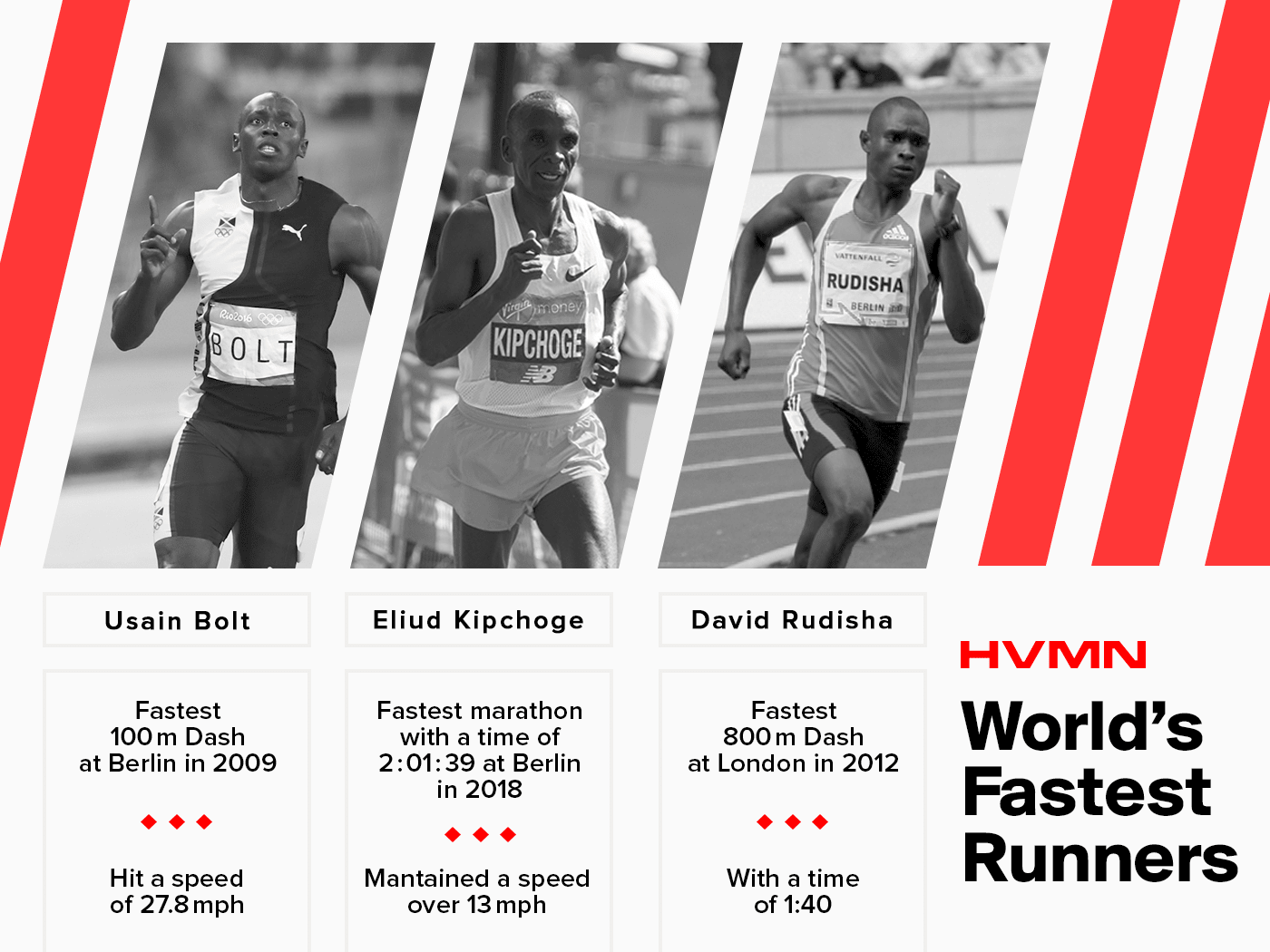
We are not Bolt or Kipchoge. But we share a desire to run faster, whatever that may mean to you as a runner.
Mental Techniques
Running faster is something that must be achieved through physical ability–the body is what propels us forward. But now more than ever, the mental aspect of endurance exercise is being considered a powerful tool to push the body to extreme lengths.
“We’re so fixated on screens. Running is one of the times I can get away from that and be in my own head.” — Sam Robinson
The body and mind are linked; while we’ll explore physical aspects of technique and pacing, we’ll also address mental strategies to employ while on the road or the course.
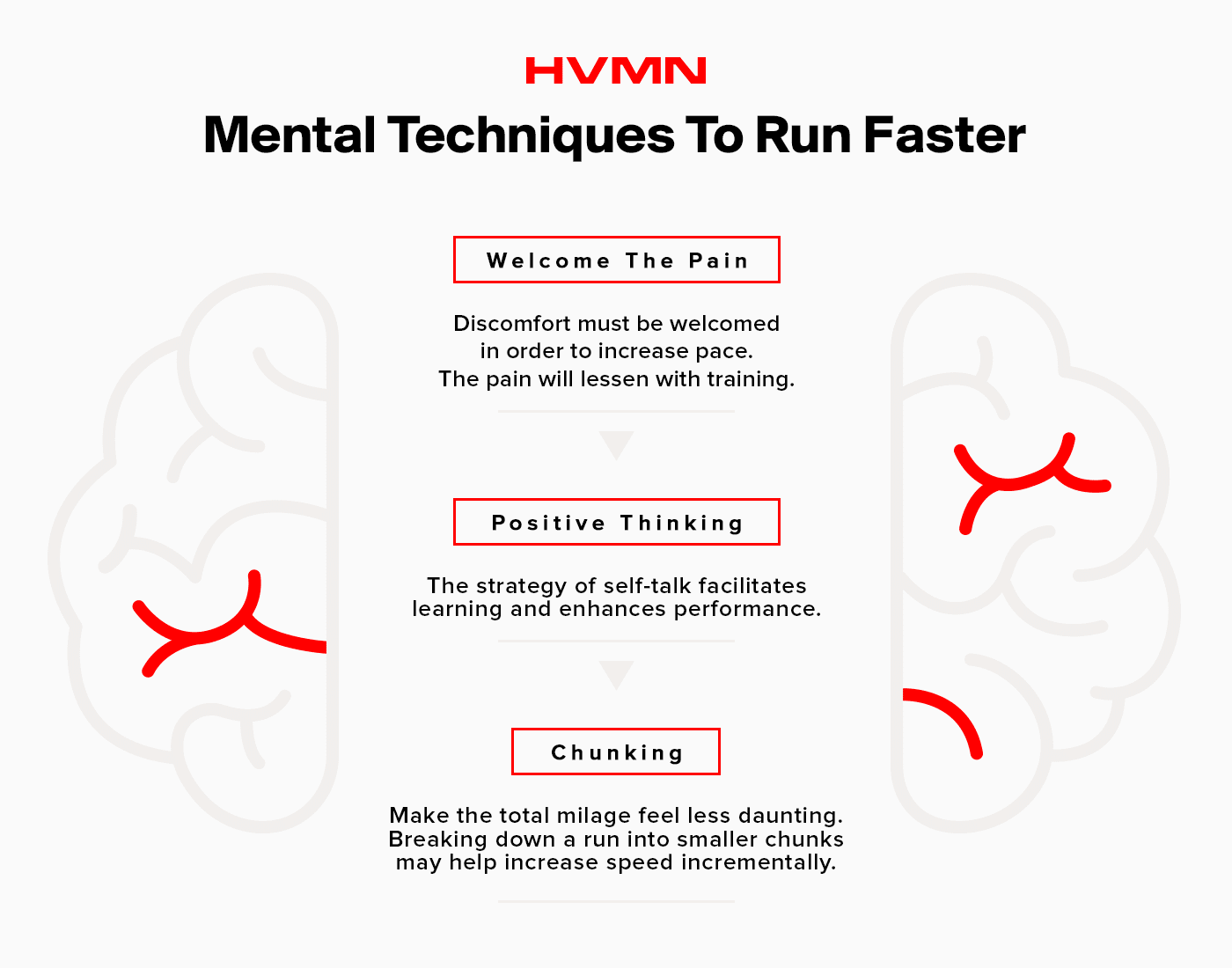
Welcome the Pain
We previously discussed motivational techniques for runners, which points to embracing pain as a way runners can push themselves to log miles every day. The same is true for running faster. There’s an element of discomfort that must be welcomed in order to increase pace.
“Try not to see it as pain, just an intense sensation like spicy food or dark chocolate.” — Michael Brandt, HVMN Co-founder and COO
This is especially difficult for runners who are just starting because they’re not used to the feeling of pain. During workouts like speed training, the pain will come–it’s about being ready for it, anticipating it, and eventually, embracing it.
The pain will lessen with training. Crossing the lactate threshold is the point at which the body cannot recycle the lactic acid accumulated in the blood–it’s then that the body begins sending pain and nausea signals in an effort to make you slow down and thus recycle all that lactic acid. But you can train to increase that lactic threshold and decrease the pain.
With training also comes a knowledge of your body and an understanding of pain, remembering how it feels and at what point in the run it’ll hit.
Positive Thinking
The power of the mind can’t be understated–being aware of your thinking, and how those thoughts make you feel, can have a positive or negative impact on performance outputs. Sometimes telling yourself “you’re great” is the first step to actually making that happen.
One meta-analysis concluded the strategy of self-talk facilitates learning (so it can also help training) and enhance performance.2 Since self-talk has an impact on performance, it’s important to make that self-talk positive.
Cindra Kamphoff has a Ph.D in performance psychology, and she is a performance coach to professional athletes, executives and championships teams from all over the US. She understands the power of the mind and helps athletes harness it. When speaking about the mental aspect of sport, she had this to say: “The negativity is going to come, the disempowering thoughts are going to come because you’re pushing your body. You don’t have to believe them.”
While talking to yourself during a run, it also helps to be mindful. Many runners reach a flowstate of zen or a meditation-like experience. This happens during the run, but its power can be harnessed while off the trail. One study showed that several weeks of mindfulness training could help elite athletes adapt better to stressful situations.3
The ability to harness the connection between body and mind may lead to better results.
Chunking
No, this isn’t adding carbs to your pre-workout.
Breaking a casual run or race into chunks can help–especially for longer runs. This technique can help by making the total mileage feel less daunting. For a marathon distance, a popular way to break it down is into two 10-mile runs and a 10k.
Even on a smaller scale, chunking can be similar to gamifying the run. If you’re running in a city, you might push yourself to the end of the block. During a race, it’s undeniable that seeing the finish line can allow you to tap into a new running gear and push to the end.
Breaking down a run into smaller sections may help increase speed incrementally, which will likely lead to a better overall time.
Training Smart
Training is like juggling. Breathing, form, power–all these things are on your mind with each stride. When one is dropped, the others tend to follow. But it’s during this training process that the best habits are built. And remember, it’s a process.
“Running is about playing the long game. Think of it like a house. A good race or bad race is a single brick in the edifice of your long-term fitness.” — Sam Robinson
Things like intervals and tempo runs can help. It’s also important to track your progress: keep a training log to see how you’ve been able to increase speed after all that hard training.
Intervals
Intervals are great speed workouts for both the aerobic and anaerobic system. They consist of short, high-intensity bursts followed by slow recovery phases which are repeated one after the other. One of the earliest forms of interval training was the Fartlek method (Swedish for “speed play”), and today, many athletes use high-intensity interval training (HIIT). Sometimes, running fast means actually running fast.
Generally, these workouts are ten seconds to several minutes long, run nearly at maximum effort, followed by a rest period of up to four times the length of the effort itself. The shorter the interval, the more of them you’ll likely do.
But the length of intervals (time and distance), power of those intervals, and the rest period, should be optimized for the specific runner. Elite runners can do four intervals of ten minute runs at their 5k pace. Most runners won’t be able to maintain that. An average interval workout is an 8x4: eight repeats of a 400m run done in 90 seconds with a two-minute recovery.
One study in soccer players found that HIIT improved maximal aerobic speed.4 And recreational runners can improve their running economy by replacing aspects of their conventional training with long-interval running.5
Hills
Hill training usually targets power in the legs, meaning higher output. One study found that six weeks of hill workouts increased top speed for runners, while also allowing them to sustain that speed 32% longer.6
Hill repeats are similar to interval training in that they’re usually conducted in short bursts. First, warm up. Then find a hill that’s about 100m long and run hard to the top, with the jog downhill serving as the recovery period. Start with two or four repeats, and work your way up to six or eight.

Tempo Runs
Tempo runs are also known as lactate threshold runs–this is the point at which your body is unable to recycle accumulated lactate in the blood. This is a pace that’s anywhere between ten and 30 seconds slower than a 5k or 10k pace.
The goal of tempo runs is to increase your anaerobic threshold, thus allowing your body to sustain an effort that was previously unsustainable. This training technique tends to benefit longer-distance runners more than sprinters.
Tempo runs should be part of a weekly running routine, and can vary depending on experience level and training needs. One way to incorporate this into training is to start by running 15 - 20 minutes at 75% of maximum heart rate, then build up to 30 - 45 minutes by adding about five minutes to these runs weekly.
Strength Training
While many runners are laser-focused on logging miles, time in the gym can lead to time off your mile splits.7
Two areas of strength training are often employed by runners: leg and core workouts. Weight training can both improve strength and lead to greater running economy (as it did for female runners in this study).8
Exercises like lunges and squats can strengthen those leg muscles used more frequently on runs. And for core workouts, even simple additions like planks and leg raises and weighted sit-ups can positively impact form and posture. Don’t discount yoga and stretching–on days where you’re looking for some active recovery, yoga is perfect for both developing strength in core muscle groups and stretching tight muscles.
Fix Your Form
Essential to running efficiently, improving running form and technique can lead to faster speed. The way you run affects the way force is applied to your muscles and joints. Correcting form can be help injury prevention, as improper execution can cause injury if you’re a beginner;9 if you aren’t running, you aren’t getting faster.
“People assume that running is running is running, but it's not true. Especially when we sit at our desks all day, or aren't used to it.” — Michael Brandt, HVMN Co-founder and COO
Good overall form can feel like a unicorn; it’s best broken down into a few manageable techniques to consider on each run.
Stride Turnover
Changing stride turnover–how my steps taken during one minute of running–may have an impact on speed.10
The goal is to have a higher stride turnover, meaning to take shorter, quicker steps; these reduce the impact on your joints because you’ll hit the ground with less force. Longer strides have the opposite effect, and can create more impact because you’re in the air for longer. Sprinters will typically need to lift their knees higher to achieve maximum leg power, but distance runners won’t need as much lift.
Figuring out your stride turnover is easy. Just run for one minute at your 5k pace and count the number of times your right foot hits the ground. To improve stride turnover, jog for one minute to recover, trying to increase your stride count by one. Repeat this several times with the goal of increasing strides each time.
At the proper stride length, your feet should land directly under your body. And when your foot strikes the ground, your knee should be slightly flexed, bending naturally to the impact. Keep in mind that the middle of your foot should be making contact with the ground–not your heel.
Heel Striking
It’s a very common problem for runners.11 Landing on your heel can mean too long of a stride, which wastes energy and may cause running injuries (hello, shin splints).12 Avoid landing on toes too–this can also increase fatigue and wear out your calves.
You want to be a mid-foot striker. Hitting the ground mid-foot allows you to roll through to the front of your toes. Changing your footstrike takes practice, but the results can show up both in speed and in reduced joint pain. One study of runners from habitually barefoot populations showed an increase in speed when mid-foot or front-foot striking.13
Overstriding is usually the culprit–try increasing your number of strides. Your next run, focus on striking on the balls of your feet. Interestingly, that’s where most people strike when running barefoot; try running on grass (or another soft surface) without any shoes on, translating that muscle memory to other runs. Also, running drills can help. Skipping, high knees, side shuffling, butt kicks–with all these, it’s almost impossible to land on the heel.
One last thing. It may seem obvious, but keep those toes pointed in the direction you want to travel. As fatigue sets in, form gets wonky–you may find your toes are turning in or out, which can lead to joint pain.
Relax
It goes from top to bottom and will have an impact on running posture.
Relax your shoulders. Relax your arms. Relax your hands.
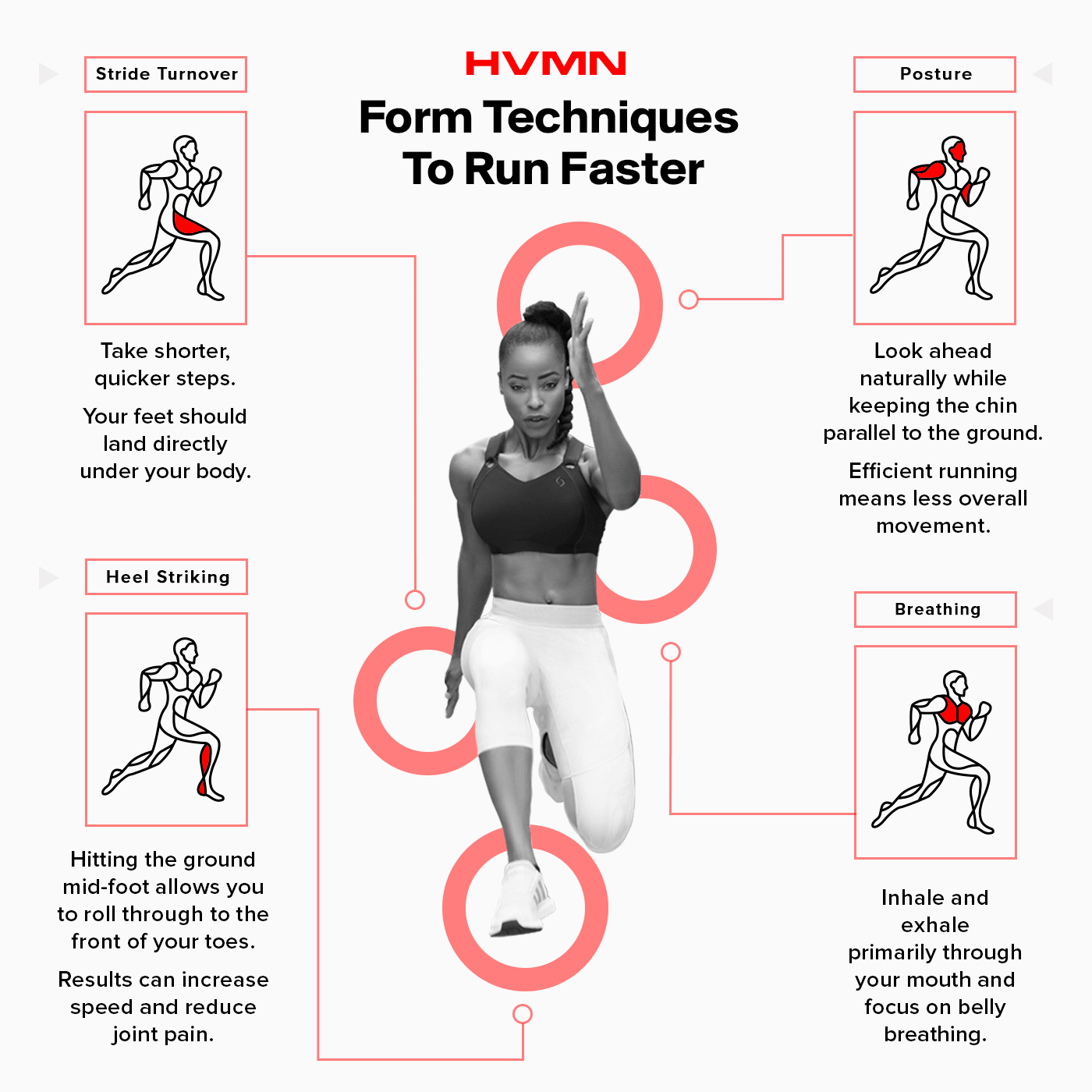
Posture
“Running tall” is a repeated mantra meant to encourage good running posture.
It starts with the head: look ahead naturally while keeping the chin parallel to the ground, and avoid looking down at the feet. This should improve posture in your neck, shoulders and back–which, remember, should be relaxed.
Avoid hiking up your shoulders, which can happen naturally with stress. Upon feeling your shoulders close your ears, try giving them a good shake to relax and keep them level.
Efficient running means less overall movement. Arms, at a 90-degree angle, should swing back and forth around the waist, powering the lower body. Think of yourself as two halves: left and right, and keep each arm on that side of the body. Tension in the upper body is controlled by the hands, so relaxed hands are also important. You may notice tension developing throughout the run as it gets more difficult–imagine you’re carrying an egg in each hand and watch that tension disappear.
The torso and back should be naturally straight, as this promotes optimal lung capacity and stride length. Slouching during a run? Try a deep, realigning breath and hold position.
Breathing
We’ve discussed VO2 max, and its impact on the body’s ability to use oxygen efficiently. Since oxygen is feeding those muscles, it’s important to understand how to take in the most air possible.
Inhale and exhale primarily through your mouth–it’s the most effective way to take in oxygen. Your nose can join the party too, but it can be difficult for some to breathe through both simultaneously. Practice makes perfect here; you can try it throughout the day to help get the body adapted to the technique.
And focus on belly breathing, with the force of the inhale extending to the diaphragm with the stomach expanding. These should be deep, slow, rhythmic breaths. Overall, you should see a decrease in cramps and an increased ability to pace yourself.
Sleep & Recovery
The importance of rest cannot be understated–but it’s often forgotten or unaccounted for in a training plan.
“Our culture has a ‘no pain, no gain’ mindset. But that’s not how the body works exactly. You need to recover properly.” — Sam Robinson
Sleep and recovery days are important to give tired muscles a chance to rebuild tissues that have been broken down during exercise.14 That breakdown is meant to cause muscles to adapt and become stronger, thus potentially leading to increased speed. Sleep is also part of this process. It’s important to encourage good sleep: set a sleep schedule and get some screenless time before bed, because screens can negatively impact rest.15 One study found that lack of sleep can lead to muscle degradation.16
Recovery runs are a must. These should be done at a slower, less-strenuous pace that allows the body to recycle lactate as its produced. This pace per mile should be about one minute or 1:30 more than your average pace.
Consuming Your Way to Speed
What you eat, and the supplements you take, can have an impact on how fast you run. A body operating on high-octane fuel will undoubtedly perform better than one with a less-optimized fuel source.
Diet
Diet can have a roundabout effect on speed through a few different avenues.
It directly impacts body composition, which affects speed. It can also determine the body’s fuel source, meaning that a diet low in carbohydrates can lead to fat-adaptation, allowing the body to tap into fat stores. If you aren’t a fat burner, carbs are essential to keep running pace, as glycogen depletion leads to bonking. And after a run, diet can help with recovery, enabling the body to train again faster.
VO2 max is a measure of one’s running fitness; it’s the maximum amount of oxygen that can be delivered to working muscle per unit of body mass. Those with higher VO2 maxes are better runners. And because body weight impacts VO2 max, the lighter the runner means a higher VO2 max which can mean a lighter runner is a better runner.
Many distance runners are employing the ketogenic diet for weight loss. The low-carb, high-fat diet can force a metabolic adaptation allowing the runner to burn fat as fuel (as opposed to carbs). And the restricting of carbohydrates often leads to better body composition.
Counting calories may help you lose weight. While the macronutrient composition of food can be more important than the amount of calories, counting calories while on keto might lead to greater results.

Supplements
We’ve covered supplements for runners extensively, providing you with a toolkit from training to race day to recovery. You’ll want to focus on those for race day, as they’re the supplements that can have a direct correlation to speed.
Many runners drink coffee and consume carbohydrates before a race, giving the body fuel sources to immediately tap into. Buffers are also useful, and may delay the onset of muscle pain associated with the building up lactic acid in the blood (but really it’s the proton associated with lactate)–check out sodium bicarbonate, Beta-alanine and HVMN Ketone.
HVMN Ketone
Ketones are a fundamentally different fuel source from carbohydrates and fats that cells normally use for energy.
Taken before or during exercise, D-BHB (the ketone body in HVMN Ketone) is 28% more efficient than carbohydrates alone, helping your body do more work with the same amount of oxygen.17 In one study, cyclists went ~2% further in a 30-minute time trial.18
When taken with carbs, the glycogen-sparing effect of HVMN Ketone helps many runners–the body will preferentially use the ketones as fuel first, saving glycogen for later in the race, when the need it most.
"By consuming exogenous ketones, athletes give themselves an additional source of fuel that they can burn first, thus preserving glycogen." — Allison Goldstein, Runner’s World
HVMN Athlete and professional cyclists, Vittoria Bussi, recently broke the world record for the women’s Hour: riders see how far they can cycle in a velodrome in one hour. Vittoria used HVMN Ketone before her attempt, citing its effectiveness later in the race.
Read more about Vittoria’s story here.
Running Fast: a Personal Pursuit
With countless ways to measure and track and compare and share statuses, it’s important to remember that on a run, it’s just you and the road. You should want to improve. You should want to get faster. You should expect to work to get there.
Running isn’t about taking shortcuts, if you want to get faster, you have to train. Aspire to some of the world’s best runners, and use that as motivation each time you lace up your shoes to run.
Want to get even faster?
We're currently exploring nutritional techniques to improve performance. Subscribe, and be first to know when our guides are published.
Scientific Citations
1.Brandon LJ. Physiological factors associated with middle distance running performance. Sports Med. 1995 Apr;19(4):268-77.
2.Hatzigeorgiadis A, Zourbanos N, Galanis E, Theodorakis Y. Self-Talk and Sports Performance: A Meta-Analysis. Perspectives on Psychological Science. 2011 July; 6(4): 348-356. https://doi.org/10.1177/1745691611413136
3.Haase L, May AC, Falahpour M, et al. A pilot study investigating changes in neural processing after mindfulness training in elite athletes. Front. Behav. Neurosci., 27 August 2015 | https://doi.org/10.3389/fnbeh.2015.00229
4.Dupont G, Akakpo, K, Berthoin, S. The Effect of In-Season, High-Intensity Interval Training in Soccer Players. Journal of Strength and Conditioning Research: 2004; 18(3): 584–589.
5.Franch J, Madsen K, Djurhuus MS, Pedersen PK. Improved running economy following intensified training correlates with reduced ventilatory demands. Medicine and Science in Sports and Exercise [01 Aug 1998, 30(8):1250-1256].
6.Ferley D, Hopper DT, Vukovich M. Incline Treadmill Interval Training: Short vs. Long Bouts and the Effects on Distance Running Performance. International Journal of Sports Medicine 2016 Aug; 37(12). DOI: 10.1055/s-0042-109539
7.Storen O, Helgerud J, Stoa EM, Hoff J. Maximal Strength Training Improves Running Economy in Distance Runners. Med. Sci. Sports Exerc., Vol. 40, No. 6, pp. 1089–1094, 2008.
8.Johnston RE, Quinn TJ, Kertzer R, Vroman NB. Strength training in female distance runners: Impact on running economy. J. Strength and Cond. Res. 11(4):224-229. 1997
9.Kluitenberg B, van Middelkoop M, Diercks R, van der Worp H. What are the Differences in Injury Proportions Between Different Populations of Runners? A Systematic Review and Meta-Analysis. Sports Med. 2015; 45(8): 1143–1161. doi: 10.1007/s40279-015-0331-x
10.Hogberg, P. Arbeitsphysiologie (1952) 14: 437. https://doi.org/10.1007/BF00934423
11.Larson P, Higgins E, Kaminski J, et al. Foot strike patterns of recreational and sub-elite runners in a long-distance road race, Journal of Sports Sciences. 2011;29:15, 1665-1673, DOI: 10.1080/02640414.2011.610347
12.Daoud, AI, Geissler GJ, Wang F, Saretsky J, Daoud YA, Lieberman DE. Foot Strike and Injury Rates in Endurance Runners: A Retrospective Study. Med. Sci. Sports Exerc., Vol. 44, No. 7, pp. 1325–1334, 2012
13.Hatala KG, Dingwall HL, Wunderlich RE, Richmond BG (2013) Variation in Foot Strike Patterns during Running among Habitually Barefoot Populations. PLoS ONE 8(1): e52548. https://doi.org/10.1371/journal.pone.0052548
14.Parra J, Cadefau J A, Rodas G, Amigo N, Cusso R. The distribution of rest periods affects performance and adaptations of energy metabolism induced by high‐intensity training in human muscle. Acta Physiologica Scandinavica, 169: 157-165.
15.Exelmans L, Van den Bulck J .Bedtime mobile phone use and sleep in adults. Soc Sci Med. 2016 Jan;148:93-101.
16.Dattilo M, Antunes H K M, Medeiros A, Mônico Neto M, Souza H S, Tufika S, de Mello M T. Sleep and muscle recovery: Endocrinological and molecular basis for a new and promising hypothesis. Medical Hypotheses Volume 77, Issue 2, August 2011, Pages 220-222.
17.Sato, K., Kashiw.aya, Y., Keon, C.A., Tsuchiya, N., King, M.T., Radda, G.K., Chance, B., Clarke, K., and Veech, RL. (1995). Insulin, ketone bodies, and mitochondrial energy transduction. FASEB J. 9, 651-658.
18.Cox, P.J., Kirk, T., Ashmore, T., Willerton, K., Evans, R., Smith, A., Murray, Andrew J., Stubbs, B., West, J., McLure, Stewart W., et al. (2016). Nutritional Ketosis Alters Fuel Preference and Thereby Endurance Performance in Athletes. Cell Metabolism 24, 1-13.

The Importance of Strength Training in Combat Sports
Strength is an attribute that cannot be significantly improved through the practice of participating in Combat Sports, therefore it makes strength training a wise investment, particularly if you want to win. The purpose of increasing strength is to develop physical capacities necessary to handle the unpredictable nature and stressors of the sport. Athletes need to be prepared for all aspects of physical combat including punching, kicking, takedowns, takedown defense, arm bars, guillotine, grappling, and clinching, not to mention proper conditioning and muscle endurance. A simpler way to say it would be, to achieve victory an athlete needs to be faster, more explosive and last longer than their opponent. Also, let me make it clear before I go any further, strength does not replace technique — wrestlers should prioritize wrestling, just as martial artists should ultimately work to perfect their discipline — but improving strength will transfer to better technical performance (e.g., technique) on the mat or in the cage.

As a Strength Coach I look at strength training as a way to improve performance by increasing strength, whereas those who participate in Combat Sports look to improve performance through perfecting technique. Classically, there has been little crossover combining the two disciplines — with the exception of people like Bruce Lee, who found technique more useful in concert with strength — however, as Combat Sports like Wrestling and Mixed Martial Arts (MMA) continue to grow in popularity, attracting ever more skilled fighters, the sole focus on advancing technique without increasing strength is misguided. There will plenty of people who disagree, yet for those, I challenge you to find one detriment that comes with being stronger. I couldn’t find any, which is why I believe that strength is the mother of all qualities.
“Helen Maroulis defeated Saori Yoshia to win a gold medal in Women’s Wrestling at the 2016 Olympics in Rio after incorporating strength training into her regimen. Yoshia hadn’t lost in 10 years prior to her match with Maroulis; upon walking off the mat after her loss, she was overheard as saying “[Helen] is too strong for me.” Only six months prior, Maroulis was unable to do something as fundamental as a pull-up. Despite advancing to the highest level in her sport — US Olympic Wrestling Team — her technical skill lacked the expression of strength, which was her literal weakness and the one thing holding her back from success on the world’s highest stage.”
Strength is an attribute that cannot be significantly improved through the practice of participating in Combat Sports, therefore it makes strength training a wise investment, particularly if you want to win. The purpose of increasing strength is to develop physical capacities necessary to handle the unpredictable nature and stressors of the sport. Athletes need to be prepared for all aspects of physical combat including punching, kicking, takedowns, takedown defense, arm bars, guillotine, grappling, and clinching, not to mention proper conditioning and muscle endurance. A simpler way to say it would be, to achieve victory an athlete needs to be faster, more explosive and last longer than their opponent. Also, let me make it clear before I go any further, strength does not replace technique — wrestlers should prioritize wrestling, just as martial artists should ultimately work to perfect their discipline — but improving strength will transfer to better technical performance (e.g., technique) on the mat or in the cage.
Traditionally, combat sport athletes have defined their approach to strength training through one of the following misplaced excuses:
“I don’t want to lift weights because I will get too big and bulky, it will make me slow”
Avoiding the weightroom for fear of it making you big, bulky and slow, fly’s in the face of basic physiology. This misguided idea has lead to a heavy reliance on bodyweight exercises or kettlebell circuit training as their primary methods of physical preparation. This style of training works primarily against strength and power development by prioritizing slow-twitch/endurance based muscle fibers at the expense of fast-twitch/explosive muscle fiber development which would provide the power to deliver a knockout or the explosiveness to execute a takedown.
“I don’t want to lift weights because I only need to prioritize my cardio”
Improving strength makes all imposed demands easier, this includes those placed upon the cardiovascular system. Simply put, having stronger muscles allows the athlete to complete any task with less effort (i.e., less energy) and therefore have more reserve. More specifically, when developing the cardiovascular system it is necessary to understand that energy systems are optimized given the demands of the sport. Prioritizing only one energy system with long-slow distance running works against high threshold muscle fibers making explosive movements more taxing and decreases the ability to withstand a blow to the head due to losses in strength. Furthermore, the over-reliance on easy work generally comes with a sacrificing of quality for quantity, further increasing injury risk. A study on American Boxers published in 1990 concluded that an association could be made between lower body overuse injuries and the jogging and rope jumping the boxer did for preparation.
“I don’t want to lift weights because it will decrease my flexibility”
Flexibility is passive, what difference does it make if you’re athlete can stretch themselves in to a position. What really matters is that an athlete is able to demonstrate strength throughout the entire range of motion. You can spend hours doing static stretching or you can perform full range of motion exercises during your strength training. With proper range of motion and antagonistic muscle group training an athlete can optimize range of motion throughout a joint as there is equal balance between muscle groups.
“I don’t want to lift weights because I can get hurt”

Guess what, you’re in a full contact sport! Seriously though, many sport-related injuries stem from muscular imbalances — discrepancies in strength between opposing muscle groups — due to the repetitive stress of consistently overloading the same patterns without addressing the importance of structural balance. There is an optimal balance of strength between muscle groups that control a joint, but if the muscles on one side of the joint are disproportionately stronger than muscle on the opposing side, injury risk can increase. For more on structural balance, check out: Importance of Structural Balance for Injury Prevention.
“I don’t want to lift weights because it is not sport’s specific”
Many people get into trouble by thinking traditional strength training exercises and methods don’t translate well into improving performance because they don’t use the same movements that are part of an athletes technique and skill. Somewhere along the line “functional training” became interchangeable with “specificity” or “sport’s specific training” which tries to replicate the specific motor patterns and skill from the sport and add some component of resistance or instability to it. They argue that such efforts are necessary to make an exercise more transferable to on the mat performance. While goodhearted, this is a misguided attempt. For example Boxing Strength Coach Moritz Klatten had the following to say about using bands to simulate punching movements…
it is a terrible idea because the bands provide the most tension at the end of the movement, and as such they will negatively impact coordination patterns by decelerating the arms toward the end of the movement rather than the biceps. When the fighter goes back to punching without bands, they often decelerate too early or late — deceleration too late causes harmful hyperextension of the elbow, and too early reduces punching power.
The last thing you want to do as a Strength Coach is to work against the progress of your athlete or increase risk of injury. The same logic can be applied to the flawed theories behind unstable surface training or the belief that ladder drills will make an athlete more agile (see Ladder Drills Do Not Increase Sport Performance).
We need to get away from the idea that “sport specific” exercises are necessary for Combat Sport training — or most sports, for that matter — because the only sports where specific exercises directly translate to performance are Olympic Weightlifting (Snatch and Clean & Jerk), Gymnastics (Pull-Ups and Dips) and Powerlifting (Squat, Bench and Deadlift). It is important to understand that while slight variabilities in origin or insertions may exist from person to person, muscles function fundamentally the same across all populations, whether you are an elite UFC fighter or an office worker. Therefore, improving a combat athlete’s performance with strength training is not a matter of finding the best “functional” exercise to replicate a “sport’s specific movement,” but instead it is developing a proper understanding of biomechanics and applying that knowledge towards a strength training program that selects exercises to train muscles in the best way possible… for this fundamentals work best.
Push. Pull. Hinge. Extend. Rotate. Carry. Sprint.
While wrestling requires greater isometric strength because of the holds, Judo requires greater eccentric strength to complete throws and Boxing/MMA requires powerful concentric contractions for striking, the fundamentals are undeniably the best place to start. The following are a fundamental list of exercises that will better prepare the Combat Sport athlete for their next competition:
Push: Incline Press
The Incline Press is key to building strength in the chest and elbow extensors. Pressing motions are necessary for the development of punching power as they are powerful internal rotators of the Humerus (as well as the Lats!). and assisting with defense movements.
Primary muscle groups worked: Chest Musculature, Elbow Extensors, Deltoids
Pull: Pull-Up
The Pull-Up is one of the best upper body exercises to develop strength. Pulling motions are important when trying to controlling an opponent as Lats are used in pulling to pass guard.
Primary Muscles groups worked: Latissimus Dorsi, Biceps Brachii (long head, short head), Brachioradialis, Forearm Flexors
Hinge: Conventional Deadlift
The Conventional Deadlift is the best bang for your buck exercise as it trains the most muscles in the body out of all exercises. It preferentially works the muscles of the Posterior Chain — Hamstrings, Spinal Erectors, Lats, Traps — which is where power is derived from. Traps are used in the shrugging of your shoulders to defend against a rear naked choke.
Primary muscle groups worked: Hamstrings, Gluteal musculature, Spinal Erectors, Latissimus Dorsi, Rhomboids, Trapezius (upper and mid fibers), Core Musculature (Transversus abdominis, Multifidus, Internal and External obliques, Rectus abdominis), Forearm Flexors
Extend: Back Squat
The Back Squat trains the entirely of the legs, hips as well as the low back and core. Anytime you extend your hips or knees, you are using some percentage of what you can squat – Hips extend to apply force on the elbow in an arm bar.
Primary muscle groups worked: Quadriceps, Adductors, Gluteal Musculature, Spinal Erectors, Core Musculature (Transversus abdominis, Multifidus, Internal and External obliques, Rectus abdominis), Gastrocnemius, Soleus
Rotate: External Rotation
The External Rotation exercise is often overlooked but necessary for optimal Structural Balance of the shoulder. Optimal ratios of strength across musculature can improve punching power and the isometric contraction of a clinch.
Primary muscles works: Infraspinatus and Teres Minor
Carry: Heavy Carry
The Heavy Carry challenges the body to move under load. Remaining upright under a heavy load forces strength adaptations in the lower back and core musculature that translate to holding your position on the mat or in the cage. Additionally, grip strength is developed from carrying the weight enabling an athlete to easily establish wrist control.
Primary muscle groups worked: Trapezius (upper and mid fibers), Core Musculature (Transversus abdominis, Multifidus, Internal and External obliques, Rectus abdominis), Spinal Erectors, Forearm Flexors, Gluteal Musculature
Sprint
The Sprint helps to build explosive power through repeated effort. Combat sports revolve around the ability to execute a powerful movement, followed by a brief “rest” usually under an isometric contraction, they deliver another quick movement. While endurance is necessary for this exchange, long-slow distance is not the way to optimally train for such an event. Sprints of long, medium and short distance should be utilized in 400m, 200m, 60m respective.
Primary Energy Systems used: ATP-PC and Lactic
Whether it be pushing, pulling, or extending from a standing position to the same biomechanical patterns from a laying position, combat sport athletes cannot have any weak muscle groups. The stronger athlete with better technique and stamina will win. Therefore, the future of combat sports is not going to be dictated by past practices of bodyweight exercises or distance running, but by those who seek to optimize power and performance as well as injury prevention through structural balancing by adopting a strength training program that allows them to elevate the expression of their technical expertise in a way the competition isn’t ready for… Besides no one ever lost because they said they were “too strong.”
Success Stories

Kristy Wolterbeek - Amateur MMA Fighter

Wantuir Spenciere - PanAm World Champion & Amateaure MMA Figther

Herica Tibrucio - Pro Invicta Fighter
Take-a-ways from the past week
1. Essential Amino Acid’s (EAA’s) are better than Branched Chain Amino Acid’s (BCAA’s).
When it comes to making gains you want the full amino acid profile because it has been found that loading up on Leucine, Isoleucine and Valine can have a negative effect on neurotransmitter balance effecting drive and recovery. BCAA’s lack essential amino acids like L-Tryptophan and L-Tyrosine (precursors to dopamine and serotonin) which can throw off neurotransmitter balance over time. Also, net protein utilization are profoundly affected by the limitations of the complete amino acid profile, therefore it is important to have all essential amino acids present to make optimal gains.
2. Essential Amino Acid’s (EAA’s) combined with a Carbohydrate source are best for making strength and hypertrophy gains.
A 2006 study called “Independent and Combined Effects of Liquid Carbohydrate/Essential Amino Acid Ingestion on Hormonal and Muscular Adaptations following Resistance Training in Untrained Men” showed surprising results in that Carbohydrates alone outperformed EAA’s in almost all categories including, Muscle Fiber (Type I, Type IIa and Type IIb) improvements; Post-Workout Glucose Uptake, Insulin response and favorable reduction in Cortisol response. Yet, when EAA’s were combined with Carbohydrates for intra-workout nutrition, the positive effects on all categories were greater than either EAA’s or Carbohydrates alone. The best results for Body Composition were also seen in the EAA/Carb group. Moral of the story, to optimize your workout use EAA’s and Carbohydrates together.
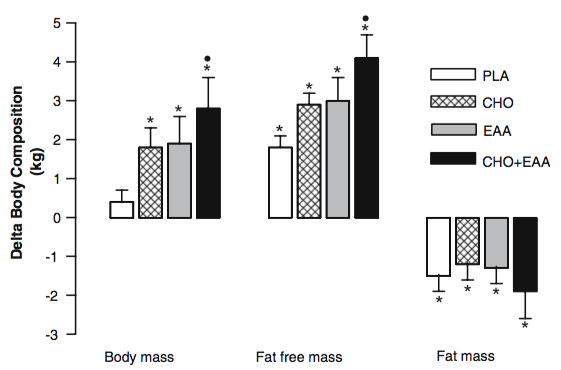
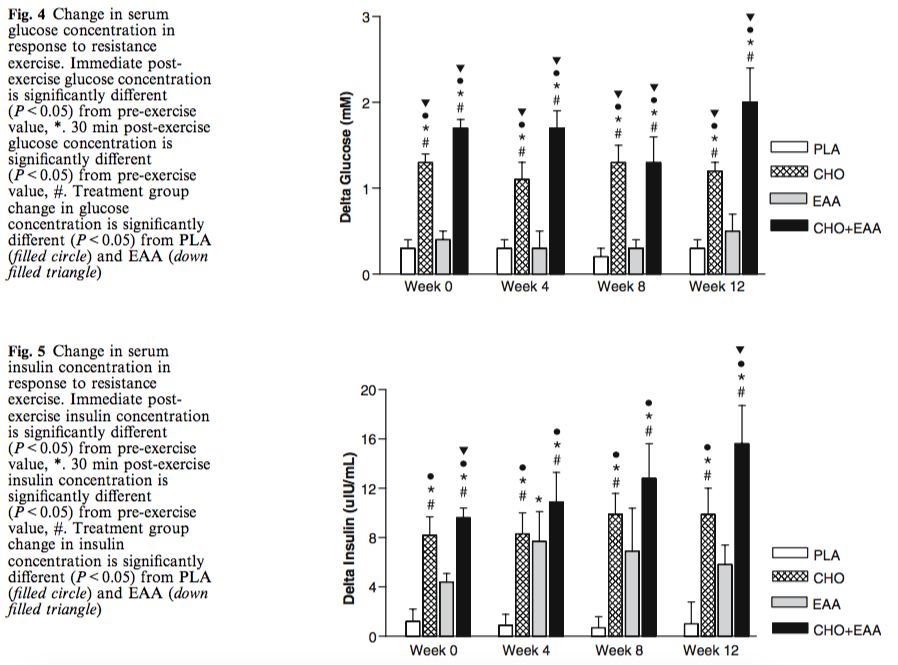


3. The more carbohydrate sources you take in before/during/after your workout the better the absorption rate.
Your body can absorb 1g of carbohydrates from a single source from dextrose, maltodextrin, fructose, cluster dextrine, etc. per minute. However, if you combine sources you can increase carbohydrate uptake into the muscle by a factor of 5. Products like PentaCarb are formulated for this specific purpose and as the name implies, it has five different carbohydrate sources.
4. Improve insulin sensitivity for optimal hypertrophy.
The easiest way to recognize that you are not insulin sensitive is that you do not feel the “pump” when you are working out. The more insulin sensitive you are the better able you are to increase glucose and amino acid uptake into the muscle cells, thereby suppressing cortisol and reducing muscle breakdown. Plus, if you are insulin sensitive, when you eat carbohydrates the are better able to be used for fueling your muscles rather than storing them as fat.
5. Don’t have a bolus dose of Antioxidants around your workout.
This can turn off your insulin sensitivity and reduce the amount of hormetic stress placed on your mitochondrial which are both drivers of growth.
6. Fasting is beneficial, even for those seeking hypertrophy.
Due to the amount of calories one must consume to put on size, the gut can take quite a beating. Fasting allows the gastrointestinal tract to relax and have time to heal so that when the fast is over, nutrients can be better absorbed. A 24 hour fast once a week can offer improvements. Also, intermittent fasting for 3 days a week has the same benefits as intermittent fasting for 7 days a week.
7. Over 90% of athletes are deficient in Iodine.
This fundamental nutrient is often lost through sweat and can cause hydrochloric acid (stomach acid) deficiencies, migraines, insomnia or brain fog if not repleted through supplemental or dietary means.
8. When it comes to nutrition, the 80/20 Rule is Bullshit.
You have to take into account the inflammatory affects of food and the cumulative effect it can have on your body. A study recently produced a study that said 100% of people who consume gluten have intestinal inflammation within 30 minutes!
9. The first step towards success is taken when you refuse to be a captive of the environment in which you first found yourself.
This is the basis of all change, and fundamental to my 7 Pillars of Health. Realizing that the environment that surrounds you makes you who you are; the people, the food, the job, the situation all have an effect, whether good or bad. To make a change, start by changing your environment.
10. The things that are done to you or for you are rarely as effective as the things you do for yourself.
Read that over a few times.
Take Your Vitamins!

“Do you know that most of us today are suffering from certain dangerous diet deficiencies which cannot be remedied until depleted soils from which our food comes are brought into proper mineral balance? The alarming fact is that foods (fruits, vegetables and grains) now being raised on millions of acres of land that no longer contain enough of certain minerals are starving us — no matter how much of them we eat. The truth is that our food vary enormously in value, and some of them aren’t worth eating as food… Laboratory tests prove that the fruits, the vegetables, the grains, the eggs, and even the milk and the meats of today are not what they were a few generations ago.”
— 74th Congress, 2nd session (senate document no. 264) 1936
It has long been thought we can eat a balanced diet and remain healthy, yet, increasing rates of illness and disease have proven otherwise. The Department of Agriculture has estimated that 99% of Americans have some type of nutrient deficiency. This becomes important when we understand that our body’s require adequate nutrition to simply stay alive and significantly more nutrients if we wish to optimize our health and lifespan in this increasingly stressful and polluted world.
Why has this happened? Very simply, the food we eat — fruits, vegetables, grains, etc. — is being grown in soil which has become depleted in minerals from modern agricultural practices. In turn, our soil has become so impoverished that it has negatively effected the nutrient yield of the foods we consume. Research from the Life Extension Foundation in 2001 showed the vitamin and mineral content of several foods has dropped dramatically between 1963 and 2000. For example: Collard greens were shown to have a 62% loss of vitamin C, 41% loss of vitamin A, 29% loss of calcium, 52% loss of potassium and an 84% loss in magnesium! Furthermore, in 2004 the Journal of the American College of Nutrition found similarly significant declines in the vitamin and mineral content of over 43 crops grown in US markets.
Adding proof to the claims of nutrient insufficiency through dietary intake, lets take a look at a 2002 study in the Journal of the American Medical Association (JAMA). The authors examined several nutrients including vitamins A, B6, B12, C, D, E, K, Folic Acid and Carotenoids to which they concluded that the current US diet, while sufficient to prevent acute vitamin deficiency diseases, such as scurvy and pellagra, is inadequate to support long-term health. Continuing the theme, in a 2006 study from the journal Advances in Therapy it was stated: “Only supplementation was able to significantly boost nutrient levels and confer beneficial effects on general welfare, physical performance, and resistance to infections. Therefore, it appears that nutritional supplements are advisable for everyone.”
How can we optimize our nutrient intake? Along with eating as fresh, local and wild as possible, the incorporation of a high-quality, nutraceutical grade supplementation program is warranted. It is essential to find a supplement company which guarantees both potency and purity of their products, can provide proof of their effectiveness in human trials, with all ingredients are Generally Recognized As Safe. A good place to start is with The Comparative Guide to Nutritional Supplements by Lyle MacWilliam. This provides a comprehensive review of over 1,300 products in the United States and Canada.
What should I take? The following is a list of fundamental recommendations to get you started:
MultiVitamin
Most people do not meet their vitamin and mineral needs through diet alone, and as we have learned above, it would be hard to get all the nutrients we need from food alone. Supplementing with a MultiVitamin is essential to optimize health and performance, however most multivitamins you find in retail stores contain inefficacious, synthetic forms of vitamins and mineral that aren’t readily absorbed (or even usable) for your body. Therefore, it is imperative to find quality brands like NutriDyn or ATP.

Fruits & Greens Powder
A 2014 meta-analysis of 16 studies found that “higher consumption of fruits and vegetables is associated with a lower risk of all-cause mortality, particularly cardiovascular mortality.”* However, less than 10% of Americans consume sufficient amounts of fruits and vegetables per day. The NutriDyn Fruits & Greens provides 20+ servings of fruits and vegetables in a single scoop and tastes great.

Magnesium
Magnesium is the second most abundant mineral inside human cells, or at least it should be. It is essential for over 700 enzymatic reactions in the body, such as normal nerve and muscle function, supporting the immune system, keeping a steady heart beat, helps bones remain strong and it is also needed to regulate blood glucose levels. According to Carolyn Dean, author of The Magnesium Miracle, as much as 80% of Americans are magnesium deficient. This is largely due to unsustainable farming practices and the use of Roundup which binds magnesium, removing 50% of what little is left in the soil.

EPA/DHA Fish Oil (Omega-3)
The majority of animal protein — beef, poultry, pork — in America is fed an unnatural diet of grains containing soy/corn. The downstream effect of this is inferior quality meat that is higher in inflammatory Omega-6’s and lower in Omega-3’s. On top of this, the Standard American Diet consists of highly processed foods, also high in these same inflammatory oils. Historically, it has been estimated that humans evolved eating a diet close to equal in Omega-6 and 3 fatty acids**. However, the current ratio in the Western diet is closer to a 15:1 to 30:1 ratio. This is cause for a host of inflammatory diseases. Improving your Omega-3 ratio can improve insulin sensitivity, lower triglycerides, mitigate the effects of stress, and has the ability to turn on lipolytic genes (fat burning genes). Additionally, out of 14 omega-3 trials, which followed patients for an average of 2 years, the overall reduction in mortality was almost twice as good as statins, 25%. This is significant for at least 2 reasons: 1) that is a huge difference, and 2) the studies only lasted 2 years on average, meaning that the benefits of omega-3 fatty acids are fast-onset and robust. In other words, statins take ~50% longer and are only ~50% as good as omega-3 fatty acids.
References:
* https://www.cdc.gov/mmwr/preview/mmwrhtml/mm6426a1.htm
** Simopoulos AP. Omega-3 fatty acids in health and disease and in growth and development. Am J Clin Nutr. 1991 Sep; 54(3):438–63.)

"Eat Less & Move More" is Bad Advice

The conventional advice given to those who are trying to obtain a goal of weight-loss is to “eat less and move more.” This operates under the calories in, calories out model whereby you need to exercise off more calories than you have coming in. Sounds great in theory, but I am here to tell you that a calorie is not a calorie and exercise doesn’t really burn that many to begin with.
Eat less…
During a simple calorie restricted diet the weight lost is usually comprised of 2/3 fat and 1/3 muscle. So, if you lose 15 pounds, approximately 10 pounds would come from fat and the other 5 pounds from muscle. The loss of muscle is unfortunate and in a perfect world (e.g., prioritizing adequate amounts protein in the diet) would not be as significant, however if you are following the “eat less and move more” mantra this is pretty much to be expected.
Take a look at this example: a 200 pound woman with 30% body fat (200 x 30% = 60 pounds of fat mass), after losing 15 pounds would weigh 185 pound with 50 pounds of fat mass. She lost 10 pounds of fat and her total body fat was reduce from 30% to 27%.
While a total loss of 15 pounds is worth bragging about, as per the above example, the loss in muscle mass will cause a reduced metabolic rate, slowing down continued weight loss. In other words, because she burned off 5 pounds of muscle it will be harder to continue losing weight as easily as it would be if she hadn’t lost 5 pounds of muscle. Why? Muscle is an expensive tissue to maintain, it consumes nearly 40% of your body’s resting metabolism. To combat the negative effects of reduced muscle mass, while seeking a goal of body recomposition, it is important to increase total protein intake as to not hinder future progress,
Dietary protein requirements are largely affected by the amount of muscle mass you carry around as well as your total calorie intake. There is an inverse relationship between calories and protein, whereby increasing calorie intake reduces dietary protein requirements, while reducing calorie intake increases dietary protein intake. Applying this to the above situation, our 200 pound woman would make better long-term progress from an increased total protein intake of say 150-180 grams: 180 grams of protein x 4kcal/g = 720 kilocalories from protein; 720 calories is 36% on a 2000 kilocalorie diet and is 48% on a 1500 kilocalorie diet (this is purely for illustrative purposes as I am not a proponent of counting calories). Thus, the absolute and relative amounts of protein in the diet are increased. By doing this, muscle mass is much more likely to be retained, improving long-term weight loss and body recomposition goals. This is clearly supported by clinical trials; high protein diets consistently result in more successful long-term diets…
https://www.ncbi.nlm.nih.gov/pmc/articles/PMC4213385/
Move more…
Exercise is definitely beneficial for optimal health and longevity as it increases overall fitness, improves cardiovascular health, promotes a positive well-being and if done properly can increase muscle mass which can pave the way for a long life full of vitality. However, one thing exercise does not do is cause weight-loss. When someone starts an exercise regimen without a specific dietary intervention, long-term weight loss fails to occur in the majority of people because the calorie deficit produced from exercising is offset by the increased hunger and subsequent food intake. In other words, energy intake will rise to meet the level of energy expenditure. Another way “eat less and move more” falls short of optimal advice.
This is not to say that exercise is worthless when it comes to weight-loss because exercise has the ability to do one thing that dietary intervention cannot: it builds muscle. Learning from the above mentioned example, it is our ability to maintain muscle that creates a beneficial atmosphere around weight-loss because muscle is metabolically active — the more we have, the greater amount of energy we must expend to keep it, even at rest.
For conventional purposes, exercise can be broken down into two categories; aerobic and anaerobic. Aerobic training revolves around extended periods of heavy breathing which makes the heart work and improves cardiovascular fitness, generally at the expense of precious muscle. Examples are running and cycling. Anaerobic training is performed at a much higher intensity than aerobic exercise, albeit much shorter bouts with plenty of rest in between which promotes muscle growth and increase strength. Examples are sprinting and weight lifting/strength training.
While both forms of exercise will increase energy expenditure, the amount of calories expended when not exercising is much greater than those spent when exercising. Time spent not exercising is roughly 45 times greater than time spent exercising (60 minutes at the gym vs. 23 hours not at the gym). Office work, sitting in traffic, grocery shopping, cooking, watching television, and sleeping are all lower intensity activities than any exercise; having a substantial amount of your body composition comprised of muscle will allow you to utilize your calories for the health of that expensive tissue and not have it stored as fat. Therefore, it is important to prioritize your exercise regimen accordingly.
Anaerobic training, specifically strength training increases skeletal muscle mass. This has a positive affect on our metabolic rate allowing us to use energy more efficiently (e.g., burn fat), in addition to improving overall strength, coordination and quality of life. Having stronger muscles makes all activities easier, and thus of lower intensity. And lower intensity favors fat burning as a primary fuel source. In other words, to optimize the effect of exercise on fat burning, get in the weight room.
A better way to think about getting in shape would be to “Eat and Train.” This seems to be a much more productive piece of advice as I have hopefully illustrated above. The idea of “eat less and move more” is aesthetic whereas the other is functional. The former may not have a clear goal, but the latter always does.

7 Pillars of Health: Improving Health in The modern environment
The default in nature is health, so why are we fat, sick and broken? It is because our environment has change, our bodies have not. We share 99.7% of the same genetics as our relatively disease free hunter-gatherer ancestors yet eat worse, move less, sleep worse, encounter more stress and toxins, and wonder what the cause is of chronic disease. It's really not that hard! Take control of your health with the 7 Pillars of Health.

The default in nature is health, so why are we fat, sick and broken?
It is because our environment has changed, our bodies have not.
Looking back 10,000 years when we lived as hunter-gatherers people ate nutritious foods, got significant amounts of “exercise” outside in the sun as they carried out their daily activities. This was followed by an equal amount of downtime that provided for adequate rest and the development of remarkable social connections which literally extended from the cradle to the grave. Although running from the occasional tiger and lack of wi-fi made it far from an idyllic paradise, there is little evidence of obesity or chronic disease.
This is in stark contrast to our modern environment where there is an epidemic of poor health (diabetes, depression, cancer, obesity, heart disease etc.), yet we continue to wear our constant stress, long hours in the office, sleep deprivation and ability to eat like a garbage disposal as a badge of honor. Perhaps with the fact that we share 99.7% of the same genetics as our hunter-gatherer ancestors we can further understand that the problem is not us, but within the environment we live.
So, how can we affect change? Unfortunately, there is no magic pill, but there are pillars (seven to be exact!) that were created to serve as a guide to promote better health in our current environment. The follow is a brief overview of what will be covered in 7 Pillars of Health class:
Nutrition
Food is energy and we use the calories it contains along with the vitamins and minerals to carry out specific tasks like digestion, regeneration and repair (sleep), detoxification as well as managing our stress.
Questions to think about regarding Nutrition:
- What will it do to my blood sugar?
- Does it contain quality protein?
- What kind of dietary fat does it supply?
- What is our food’s nutritional status?
Movement
Movement is more than just exercise, it is the ability to demonstrate strength and ease throughout an entire range of motion. Movement is a dynamic process not a single event. Your day should be comprised of movement — squat, hinge, lunge, hang, climb, press, pull, carry — as opposed to separating it into a single hour of the day.
Questions to think about regarding Movement:
- What happens when we don’t move?
- How can we improve movement?
- Is one type of movement better than another?
Digestive Health
The health of the gut determines what nutrients are absorbed and it is often said that we are what we eat, but it is more accurate to say, we are what we absorb. Therefore, digestive health should be defined as the optimal digestion, absorption and assimilation of the food.
Questions to think about regarding Digestion:
- How is the digestive system supposed to work?
- How can your gut affect your overall health?
- What are common issues and how do we get them?
- How can we improve digestive health?
Sleep
Sleep is not the absence of wakefulness. Sleep acts as a barrier between the individual and the environment that allows the body to regenerate physically and recalibrate mentally. This is accomplished best with 8-9 hours of uninterrupted sleep, where it is as easy to fall asleep as it is to wake up at your scheduled time without the need for an alarm or stimulants.
Questions to think about regarding Sleep:
- Why is sleep important to our body and brain?
- How can we fix sleeping issues?
Stress
Stress is the response to any stressor in our internal or external environment that acts as a threat to knock our body out of balance. The purpose of stress is to help our body cope with stressors and survive. Your resiliency, energy, endurance and life all depend on the proper functioning of the stress response.
Questions to think about regarding Stress:
- What constitutes as stress?
- What happens when our homeostatic balance is threatened?
- What happens when we are faced with chronic stress?
- How can we alleviate stress?
Detoxification
Detoxification is an ongoing physiological process which involves the mobilization, transformation and elimination of toxins from external and internal sources.
Questions to think about regarding Detoxification:
- What is a toxin and how is it processed?
- Why is detoxification important?
- How can we lessen our toxin burden?
Community
A community is a shared environment with like-minded people in pursuance of similar goals where individuals included provide positive support system that allows for trust in one another and the freedom to express themselves freely.
Questions to think about regarding Community:
- Do you share similar values and goals with those around you?
- Do those around you provide a positive support system?
It is important to understand that no Pillar is more important than another. Instead, achieving optimal health is about proper balance between all Pillars. The sooner we can incorporate the lesson’s the 7 Pillars offer into our life's the better we will be able to live and thrive. When stress, sleep disruptors and environmental and emotional toxins are removed and replaced with balance, purpose, nutrient density, nontoxic products, rest, exercise and healthy relationship, the body becomes incredibly resilient. Our medical system has spent billions of dollars researching health, yet it's going to be hard to come up with a better health recommendation than the sum of what the 7 Pillars offer; eat whole, unprocessed foods, move frequently (preferably outside in the sun), avoid stress so you can sleep like you are on vacation and surround yourself with loving relationships. While we cannot (and probably would not) go back in time and sleep in caves again, we can begin to focus on resurrecting dietary and lifestyle approaches that are more in keeping with our genetics and our ancient metabolic systems, that have become disturbed by the environment we find ourselves in in modern life. It is the purpose of the 7 Pillars of Health to teach you how these disruptions are the cause of our poor health and how each of us can rectify it.
For class information please contact us!
lean and strong: Am I Doing it Wrong?

Who doesn’t want to look lean and have the strength to back it up?
There is plenty of research to show that aerobic exercise, or cardio, produces negligible results when it comes to fat loss whereas anaerobic modes of exercise such as strength training and sprint interval training are exponentially better tools for optimizing body composition because they burn fat and build muscle. Yet it is still a common practice for people to go for a nice jog. Why is that? In order to avoid the continued confusion, the following four points clarify how to use different types of exercise to achieve the best results.
#1: Aerobic training can only help you lose fat if you are just starting to exercise or significantly overweight.
This isn’t the most effective type of exercise for fat loss but if you are just starting out, this is better than nothing. However, the window of results for this is relatively short; you can expect to see composition changes for about six weeks, beyond that progress tapers rapidly.
A recent study from Duke University took sedentary, out of shape, overweight people through a fairly intense (roughly 80% of max heart rate) aerobic exercise for 40 minutes 3 times a week for 8 weeks and they lost a significant amount of weight. The total weight lost should be examined as sustained aerobic training is detrimental to strength and muscle gain (which helps burn fat). So yes, they lost weight, but how much of that weight was wasted muscle?
The key to getting results with aerobic training if you are a novice is to be consistent and monitor food intake to make sure you don’t compensate for the exercise by eating more. Additionally, adding a strength training program to your routine will help you keep off any fat you lose after those first six weeks.
#2: In the long run, aerobic training is useless for fat loss (pun intended).
In the Duke study the aerobic group only lost an average of 3.5lbs of fat and they weren’t able to build any muscle to keep that fat away, which is where we begin to see the faultiness in this method. By decreasing their body weight and improving their “fitness” the aerobic group actually lowered metabolic rate (ie how fast we burn calories). They were “in shape” and thinner but no less frail and in turn decreased their resting energy expenditure. In order to maintain that fat loss, they would need to eat less, change their ratio of fats/carbs/proteins proportions accordingly or exercise longer and more intensely. No fun!
In a 2006 study of runners, it was found that only the runners who tripled their weekly mileage from 10 miles/week to 30 miles/week did not gain fat over the 9-year study. That’s a huge increase, in not only mileage but time spent training.
#3: Anaerobic training burns fat quicker, while building muscle so that you raise your metabolism.
In a study of women that compared an anaerobic training program with an aerobic protocol, those that were in the anaerobic training program who lifted moderately heavy weights, lost nearly 10lbs of body fat, gained about 6lbs of muscle and had a dramatic increase in strength. The women who did the high rep, aerobic-style lifting program with the light weights had no change in body composition, and no increases in strength.
The benefit of building muscle is that your hard work lasts longer if you quit exercising. A study that tested what happens when subjects stopped exercising for a period of 3 months after doing a cardio/endurance or a resistance/strength training protocol found that the resistance training group maintained improvements in strength, muscle and cardiovascular fitness longer than the endurance training group.
The benefits of resistance training are even more pronounced in people who are in shape. In trained male athletes, a 6-week heavy load strength training program with multi-joint lifts (deadlift, squat, military press, chin-up and bench press) allowed them to lose 1% of body fat, while gaining 1.3% muscle mass for a dramatic improvement in body composition.
If we compare that to the Duke study: the aerobic group lost 1% of body fat but gained no muscle, resulting in less than favorable body composition change.
#4: The bottom line is to lift weights and do anaerobic intervals to improve your physique.
It’s pretty simple really, focus only on an anaerobic style of training and give it all you’ve got. It will not only take you significantly less time to accomplish but the results are exponentially greater.
Resistance training paired with anaerobic intervals, or sprint training, appears to be the most effective way to not only look good naked but to develop your strength optimally. A popular 20-minute sprint cycling workout has been found to lead to between 3-5lbs of fat loss in the overweight, untrained men and women. This is the protocol that was used: 8-second sprints with 12 seconds rest. Its very simple, but grueling. Try it!
More experience trainees will benefit from running sprints on a track. A Canadian study found that trained individuals who did six 30-second all-out sprints with 4 minutes rest lost an impressive 12.4% body fat after spending less than 45 minutes of actual work. Compared to an aerobic group only lost 5.8% body fat but they spent a total of 13.5 hours training:
Suggestions for developing the best resistance program include the following:
Multi-joint lifts such as squats, deadlifts, lunges, split squats, step-ups, chin-ups and chest presses in every training session.
Training with a higher volume – work up to more than 4 sets per exercise. Shoot for between 20 and 30 total reps per training session.
Train with a higher intensity – include some training in the 70-85% of your one rep max range.
Include short rest periods (30-60seconds) and count tempo for every lift so that you apply a specific amount of tension to the muscles. In general, opt for longer than (4-seconds) eccentric tempos and short or explosive concentric tempos.
Shoot for 3 to 4 hours of total training time per week, which includes resistance training and a few short sprint sessions.
Deep Thoughts, Even Deeper Squats
Are deep squats bad for my knees? The prevailing wisdom on this topic would lead you to believe that squatting below parallel will cause injury to your knees by placing an unusual strain on your ligaments leaving the knee unstable and prone to injury. This theory was brought to light in the late 1950’s when Dr. Karl Klein was trying to understand why there happened to be a rise in the number of colligate football players sustaining serious knee injuries. He suspected it was due to the use of full ROM squats in university strength programs so he crafted a special instrument to analyze the knees of several of these football players who frequently performed deep squats.
In 1961, Dr. Klein released his findings, which recommended the squat be limited to a parallel depth. His reasoning stated that the use of deep squatting is detrimental to athletic development and “should be discouraged from the standpoint of its debilitative effect on the ligamental structures of the knee.” The following year, Dr. Klein’s findings were picked up by Sports Illustrated which became the catalyst to spread the fear of deep squatting. Next the American Medical Association weighed in on the topic cautioning against the use of deep squatting. It went so far as the Marine Corps even eliminated the squat-jumper exercise from its physical conditioning programs.
There has been a lot of pushback on this theory ever since its inception almost 60 years ago. Dr. Klein’s findings have failed clinical replication, even with the use of his special instrument. Fortunately, now in the present day we can use the advancement in exercise science and biomechanics research to settle this debate once and for all.
When we squat, our knee sustains two inversely related forces – shear and compressive – meaning that when the knee flexes during the squat, compressive forces increase while shear forces decrease. These shear forces are measured by how much our bones – femur and tibia – want to slide over one another in opposite directions. These forces challenge the small ligaments of ACL and PCL to hold our knees together and limited excessive forward and backward movement. In contrast, compressive force is determined by the amount of pressure the body is pushing on two parts. There are two areas that sustain this compressive force; 1) the meniscus as it absorbs the opposing stress between the tibia and the femur, and 2) the backside of the patella (kneecap) as pressure increases through the descent of a squat.
Science tells us that the ligaments inside our knees are under very little stress at the bottom of a squat due to the mechanics of this inverse relationship. Harmful shear forces are dramatically decreased due to an increase in compression and it seems that the deeper we squat the safer it is on the ligaments of the knee. The most well-known ligament, the ACL (Anterior Cruciate Ligament), is under little stress in the bottom of a squat. In fact the stress to the ACL during a squat is actually highest during the first four inches of the squat decent (around 15-30° of knee flexion)* and continues to decrease the deeper the descent. The lesser known ligament, the PCL (Posterior Cruciate Ligament) sustains it’s max forces just above a parallel squat (around 90° of knee flexion).
It seems that Dr. Klein’s detrimental claims of the deep squat stretching out our ligaments, ultimately leaving them unstable is but a myth that just wont die. Science has since shown repeatedly that squatting deep may have a protective effect on our knees by increasing stability. In 1986, researchers compared knee stability among powerlifters, basketball players and runners. After a heavy squat workout, the powerlifters actually had more stability in their knees than did the basketball players did. In 1989, another group of researchers were able to show that competitive weightlifters and powerlifters had knee ligaments that were less lax than those who never squatted. The prevailing research continues to show that the deep squat is a sage exercise to include in a healthy athlete’s training program.
-Adapted from The Squat Bible by Aaron Horschig

Stop Icing Your Injuries
People have been perpetuating a myth over the last 50 years that claims ice is an effective treatment for acute soft tissue injuries (e.g.; sprains and strains) because it assists in recovery. The commonly accepted acronym R.I.C.E. – standing for Rest, Ice, Compression and Elevation – has been applied erroneously by athletic trainers and soccer moms alike! If your goal after a soft tissue injury is to heal as fast as possible, using ice is not going to be your best strategy.
The widespread use of ice with the intent to heal soft tissue injuries has no scientific backing, no peer reviewed research. In fact, it has the exact opposite!
In a 2012 article in the British Journal of Sports Medicine called Cooling an Acute Muscle Injury: can basic scientific theory translate into the clinical setting? it was stated: “ice is commonly used after acute muscle strains, but there are not clinical studies of its effectiveness.”
The Journal of Emergency Medicine published a study in February 2008 entitled: Is ice right? Does cryotherapy improve outcome for acute soft tissue injury? The research concluded that “there is insufficient evidence to suggest that cryotherapy [i.e. icing] improves clinical outcome in the management of soft tissue injuries.”
If those two didn’t solidify the argument in your mind, check out this last study entitled Topical Cooling (Icing) Delays Recovery from Eccentric Exercise Induced Muscle Damage from the May 2013 edition from the Journal of Strength and Conditioning Research. It was found that “topical cooling [i.e. icing], a commonly used intervention appears to not improve but rather delay recovery from eccentric exercise induced muscle damage.”
With such surmountable evidence against the case of icing post injury, one will wonder why the application of ice has been so pervasive over the last 50 years. My thought is that since it does numb the nerves around the injury, thereby decreasing the pain, this perpetuates the myth. However, as the research has stated above it does not help with the recovery process and has been shown to effectively slow down the healing process as the cooling mechanism causes blood vessels to constrict. This constriction keeps the swelling and inflammation – the crux of the body’s healing response, brining more immune activity to a place of injury – from doing its job properly by slowing down the process and dragging out the painful swelling and inflammation.
So if icing is wrong, what can we do to properly treat acute soft tissue injuries? We will need a new acronym or MECHanism to address this situation properly…
Move. Elevate. Compress. Heat. (and never ice symptoms anymore)
Movement of the affected body part prevents the formation of adhesions and increases circulation which transport in nutrients and carries away metabolic waste. Moving allows the body to lay down new tissue along the lines of stress or normal ranges of motion. In contrast, the old suggestion of Rest causes tissue to be laid down in a disorganized pattern resulting in poor function and reducing ranges of motion. Whether your movement is an active or passive range of motion activity or manual manipulation of tissues it will stimulate the nerves that communicate pain inhibition to the brain. Think of the time when you fell and skinned your knee and your mother rubbed the area and it magically felt better, this is the idea behind movement. A TENS unit will also facility movement in an elevated position.
Elevate the injured area above the heart to increase the circulation of swelling and inflammation away from the injured area. Most likely you will be sitting while elevating the area but should still make an effort to move. An example would be if it is an ankle sprain, think about moving it up and down, side to side, and clockwise and counter-clockwise. If it is a groin or larger muscle strain, think about applying a TENS unit to stimulate movement of the tissues.
Compress with an ACE bandage to facilitate increased circulation. Pair movement with compression.
Heat augments the benefits of movement by causing the blood vessels to open up, or vasodilate, which increases the movement of swelling and inflammation away from damaged tissue and promotes the introduction of white blood cells and other healing mechanisms to the area.
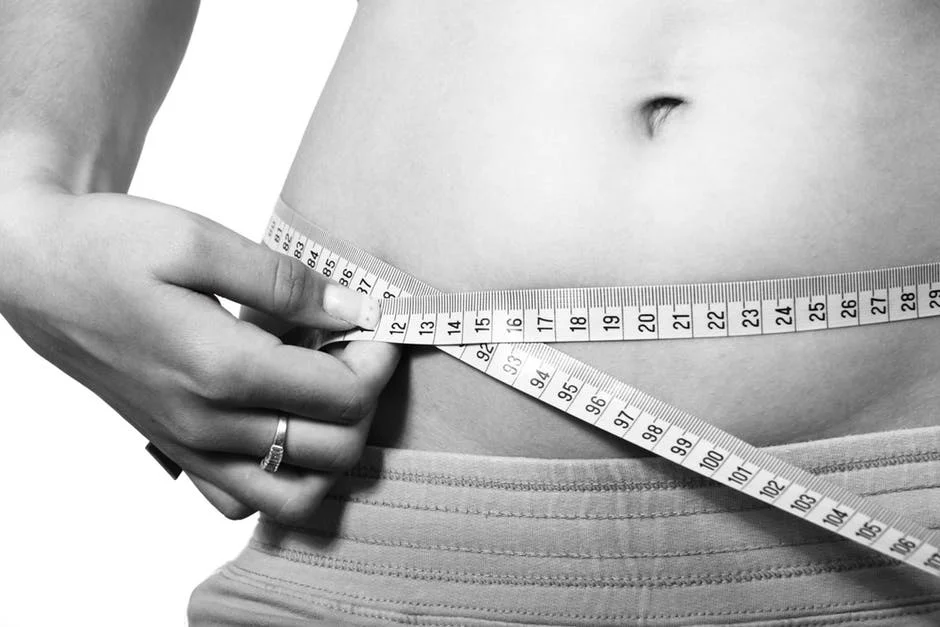
You're Not Fat, You're Pre-Skinny! Tips to Get There

Fat is the common enemy, we all share, in modern society. Beach season is coming! We can’t live without it, as it is a necessary component of our health, yet we shun its existence at every glance. The issue of moderating weight gain, more specifically fat gain, is no longer thought to be as simple as “calories in, calories out.” Fat Chance by Robert Lustig addresses the full spectrum of how fat gain (a.k.a. obesity) is a combination of several factors: physics, biochemistry, endocrinology, neurology, psychology, social circles and environmental surroundings. The complexities around why we gain fat are far more complex than the weight loss industry would have you believe. That said, I want to give you my top take-a-way’s from this book:
Diet coupled with weight training works better for weight loss.
When you go on a diet to lose weight, do you know what you are losing? You lose some fat, but you’re actually losing more muscle unless you lift weights while you’re dieting in order to prevent muscle loss. Maintaining, and even adding muscle, is beneficial for weight loss because it improves your body’s ability to use incoming calories to fuel muscle instead of being stored as fat.
Our body seeks balance in order to maintain our current weight.
Therefore, a reduction in calories in an effort to lose weight will be unsuccessful as energy expenditure is reduced to meet the decreased energy intake. On a caloric deficit you will, at the onset begin to lose subcutaneous fat (the fat underneath the skin), however in a primal effort to save you from starvation, your body’s leptin (fullness hormone) levels will fall. This will create an overpowering sensation to reduce the activity of your metabolism and find something to eat. This is often why starvation diets do not work for very long—the body is looking to restore weight balance.
Evolutionarily, the metabolism of fat and carbohydrates developed separately.
We possess the ability to thrive on diets at opposite ends of the spectrum. The hunters ate fat, whereby the liver would beta-oxidize (the process by which fatty acids are broken down by the mitochondria) what it needed for its use and would then export any excess LDL to be taken up by the adipose tissue. Conversely, the gatherers ate carbohydrates (glucose) and upon absorption, the liver would extract what it needed. Insulin would clear the rest out of the bloodstream and drive it into the muscle for energy or adipose tissue for energy storage. Each system worked for the energy that came in, but when our modern diet combines these it is easy to get a caloric surplus.
Our entire society likes to consume both fats and carbohydrates at the same meal, for no other reason than it tastes good. Who doesn’t like steak and potatoes?! As food became more readily available, we began to overload both sides of our metabolic pathways with the breakdown of fat and the glycolysis of carbohydrates in the same meal. Both of these metabolic processes convert the food we eat into fuel for our mitochondria—the furnace that drives our metabolism—in the form of the compound acetyl-CoA. Our hypercaloric diet is wreaking havoc on the mitochondria as fuel is pouring in from both directions too fast to process efficiently. A single high-fat, high-carb meal is no problem but to keep this up for ten thousand meals in a row is most likely the cause of your creeping weight gain.
Alter your environment for systemic change.
The environment is what drives biochemistry—the hormones of insulin, ghrelin, PYY and cortisol—therefore, if you want to affect your weight you have to change the environment.
a. Get your insulin down to reduce your body fat and improve leptin resistance. You can do this by lifting weights to increase muscle mass, as well as by consuming whole foods that contain fiber.
b. Get your ghrelin down to reduce hunger. Start the day with a high protein (e.g., grass-fed meats) and fat (e.g., nuts or avocados) meal. This will reduce ghrelin and stabilize your blood sugar more than a meal consisting of high carbohydrates, so you will feel satiated longer and burn more calories just sitting. The protein has a higher thermic effect, than carbohydrates, which means that the body uses more energy to metabolize the protein we consume.
c. Get the PYY up to hasten your satiety. Putting food in our stomach lowers your ghrelin but doesn’t stop you from eating more. The signal for satiety, or the switch to turn off the meal is Peptide YY. Between the stomach and the PYY cells are a lengthy twenty-two feet of intestine. It takes time for the food to get there, so instead of shoveling the food down, practice patience. If you are still hungry at the end of the meal try waiting 20 minutes before going for seconds.
d. Get the stress down, to reduce your cortisol. Cortisol is your short-term friend by your long-term enemy. A stressful environment liberates stored glycogen, which in turn raises blood sugar that begins the cascade of insulin and eventual insulin resistance. Any bit of exercise will have a beneficial affect on your cortisol levels.
The moral of this story is that, there is way more to process of gaining and losing weight than those weight loss commercials would have you believe. If it were that easy, we would all be famous instagram models, however it is not. So don't beat yourself up if you haven't found the right process to get you where you want to be. It is out there and I'd be happy to help.

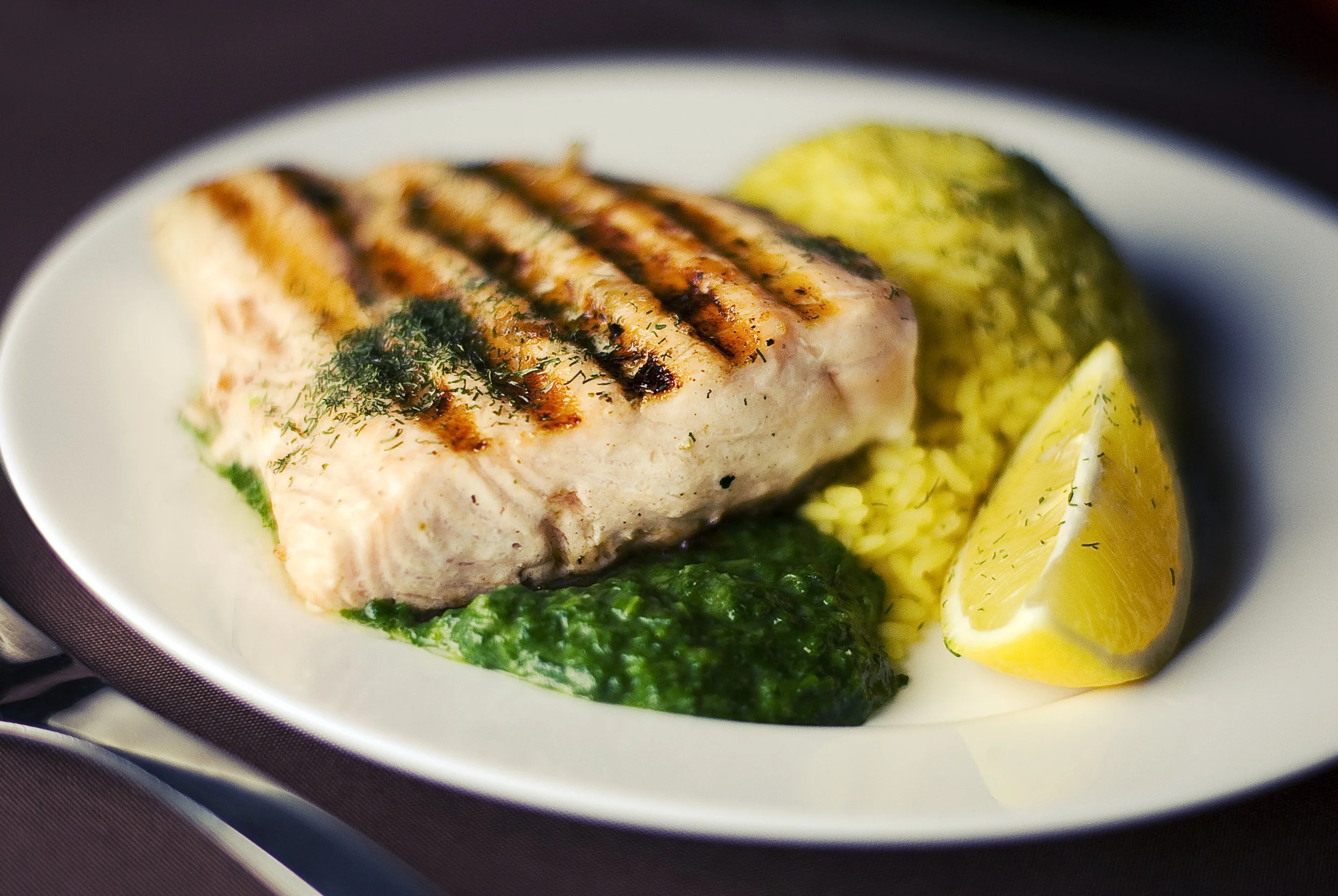
Nutrition Primer: How to Start Eating Better
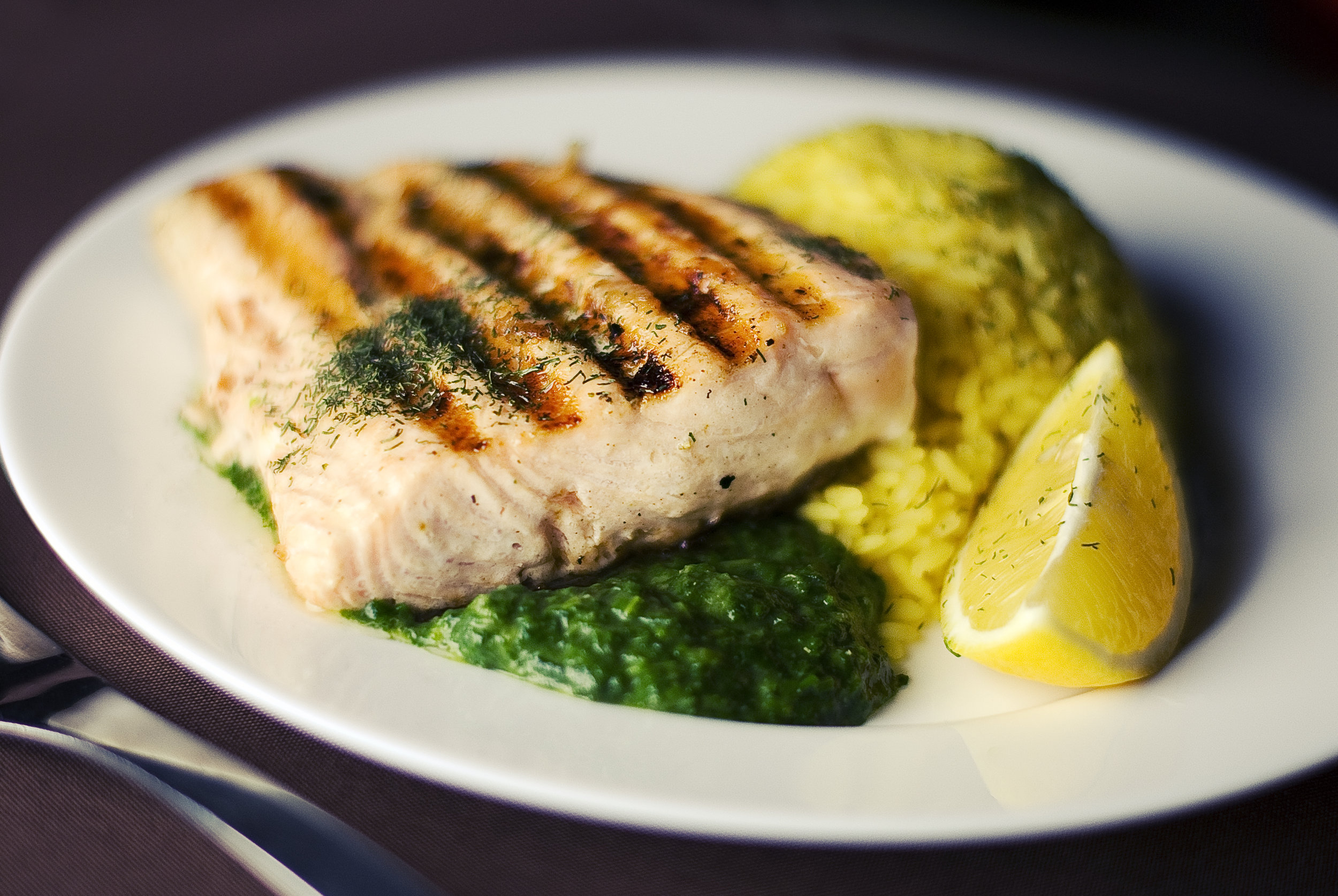
It hard to know where to start when it comes to bettering your health, but step one is always going to be about improving your nutritional habits. Take a look at the following questions to get an idea of where you should start.
Question #1: Where do I start when trying to improve my nutrition?
The first thing people often do is choose a diet they have be researching or one that their friend recommends, but jumping into any diet is not always the best choice. Food provides the body with energy, as well as information, and if you completely change what you are consuming chances are you are going to have a hard time adapting. Headaches, digestive issues and wild cravings are generally the mainstay of radical changes in diet. So instead of jumping on the Paleo, Ornish, low-fat, Mediterranean or vegetarian bandwagon, first address the issue of eliminating nutritional deficiencies.
Most people will be surprised to find out that they, in fact, have any deficiencies at all, but the research shows that more than 80% of the population has at least one. And who knows, the very reason you have sought out to read this article – weight gain, sleep disturbance, digestive issues, etc. -- could be rectified with a simple adjustment of your diet, without rushing into a full overhaul.
To eliminated any underlying deficiencies it is best to start with the following:
- Adding more quality proteins by using less lunch meat and favoring more free-range, wild caught or grass-fed meats
- Increasing vitamins and minerals by choosing a colorful variety of vegetables and fruits
- Allowing room for sufficient healthy fats by using coconut oil to cook, olive oil in salads, full-fat dairy or avocado as a snack
- Drinking more water. Try adding a cucumber or lime slice for some flavor.
Establishing optimal eating habits are done one step at a time. By making small changes over time you are positively altering your environment, ultimately creating a lifestyle change that is much better than any crash diet you can subscribe to.
Question #2: What’s the Best Diet to Follow?
There really is no “best diet.” What works best for one person, is probably not going to work for another. Those who have found success with a low-fat/high-carb diet (Jenny Craig) would probably find success with the equally restrictive high-fat/low-carb diet (Atkins). Macronutrient (carbohydrate/fat/protein) restrictive diets work well for weight-loss because they limit one of the body’s main sources of fuel — fat or carbohydrate. However, due to their intensive restrictions, when the majority of start to slip with temptation they tend to slip all the way off the diet and regain the weight.
A better way to ask the question would be; “What is the right nutritional approach that will create a positive long-term, systemic change in my life?” It is definitely a much harder question to answer correctly, which is why it is often not asked. As stated in question one, making small nutritional changes can have that positive affect and allow for insight as to what makes your body work more efficiently. The caveat to that is we all have limitations, whether they be financial or health related that will need to factor in to your nutritional choices. In the end, the best diet is one that is going to allow the individual to thrive in every endeavor.
Question #3: Is Counting Calories Important for Weight Loss?
No, counting calories is not something you should spend your time on when it comes to weight loss. Eating should be enjoyable, not reduced down to a math problem. When we choose to count calories with the intention of losing weight, the general approach is to take in less calories than we’re used to. Calories-in, calories-out right? Well, it’s not that simple as energy expenditure would be reduced to meet the decreased energy intake. So a calorie is not really a calorie because your caloric output is controlled by your body and is dependent on the quantity and quality of the calories ingested.
Besides, by counting calories you are essentially outsourcing appetite awareness to the food-label gods. Instead, think about regaining control of your portions with the hand-measuring system. Here is how it works:
- Your palm determines your protein portion
- Your fist determines your veggie portion
- Your cupped hand determines your carb portions
- Your thumb determines your fat portions.
Question #4: Should I Avoid Carbs?
Avoiding carbs is not necessary for weight management, nor achieving optimal health. However, if the majority of your dietary carbs come from a box – pastas, cereals, donuts, pizza – it would be best to reevaluate your choices in order to reach your goal. The quality of your carbohydrates is important in terms of nutritional content and the toll it play on our body.
When we eat a food containing carbohydrates, the digestive system will break them down into sugar allowing it to enter the blood. This causes our blood sugar to rise and in response the pancreas secretes insulin – a hormone that shuttles sugar out of the blood and into the cells to be stored at energy. When this happens we blunt our ability to burn fat and instead use the easily accessible energy within our blood.
Sugar is the biggest offender especially if it enters the blood stream as glucose, which doesn’t need to be broken down by enzymes, so it’s absorbed immediately. Starch can be in the same boat when it comes to raising blood sugar, sometimes worse if it's in the form of gluten-containing, nutrient-depleted grains (e.g., pastas, cereals, donuts, pizza). So where does that leave us?
Do not avoid carbs. Instead make better choices. The following is a list of possible replacements for when you are meal planning:
- Low Starch Vegetables such as baby corn, jicama, kohlrabi, rutabaga, water chestnuts, cauliflower, mushrooms, onions, turnips, green beans, cucumber, bean sprouts, Brussels sprouts, asparagus, artichokes, okra, zucchini, green peppers all have a high ratio of fiber and nutrients compared to the content of carbs present.
- Moderate Starch Veggies like sweet potatoes, beets, or carrots are still reasonable but it is wise to watch the serving sizes.
- Low-Sugar/Low-Fructose Fruits such as Kiwifruit, Blueberries and raspberries, Grapefruit/lemons/limes, melons, pears with skin, and coconuts are decent choices that have their place in a season context, however avoiding fructose altogether is likely a safe bet for most people especially those who are obese.
- Gluten-free grains are acceptable for people who have the genetic ability to process carbs, but grains often irritate the digestive system as well as blood sugar control mechanisms for a significant amount of people.
If you found these helpful and would like answers to more questions feel free to contact using the links below: