
These articles explore the body, the mind, the environment, and the systems that shape human health. Each piece is written to make complex ideas easier to understand, whether the topic is training, nutrition, sleep, stress, digestion, symptoms, physiology, disease, or the way modern life affects how we feel and function.
Strength, Health, & the Art of Living Well
Sugar Burns Through Magnesium
Sugar does not enter the body for free. It has to be metabolized, and that process requires nutrients.
One molecule of sugar requires 56 molecules of magnesium, along with other minerals, for the body to metabolize it properly. That matters because magnesium is already involved in hundreds of biological processes, including energy production, muscle function, nervous system regulation, blood sugar control, and overall metabolic health.
This is one reason whole fruit is different from added or concentrated sugar.
Whole fruits grown naturally contain the sugar they provide along with the minerals, fiber, water, and plant compounds that help the body handle that sugar. In this view, naturally grown whole fruit contains the approximate 1:56 ratio needed to metabolize its sugar without creating the same mineral burden.
Added and concentrated sugars are different. When sugar is removed from its natural context and added to processed foods, sweet drinks, desserts, candy, syrups, or other refined products, it no longer comes packaged with the same support system.
That means the body still has to metabolize the sugar, but now it may need to pull magnesium from other biological processes in order to do so.
This is the real problem with added sugar. It is not only that it adds calories. It is that it can create a nutrient cost. The body may have to use minerals it needs elsewhere just to process the sugar coming in.
Over time, that can matter. If someone regularly eats added or concentrated sugar while failing to replenish minerals through a nutrient-dense diet, the body may be pushed toward deficiency. Magnesium is too important to waste on a constant stream of refined sugar.
The simple takeaway is this: sugar in whole food form is not the same as sugar stripped from its natural context.
Whole fruit comes with support. Added sugar creates demand.
If the goal is better energy, blood sugar control, and mineral balance, reducing added and concentrated sugars is one of the simplest places to start.
Take Your Vitamins!

“Do you know that most of us today are suffering from certain dangerous diet deficiencies which cannot be remedied until depleted soils from which our food comes are brought into proper mineral balance? The alarming fact is that foods (fruits, vegetables and grains) now being raised on millions of acres of land that no longer contain enough of certain minerals are starving us — no matter how much of them we eat. The truth is that our food vary enormously in value, and some of them aren’t worth eating as food… Laboratory tests prove that the fruits, the vegetables, the grains, the eggs, and even the milk and the meats of today are not what they were a few generations ago.”
— 74th Congress, 2nd session (senate document no. 264) 1936
It has long been thought we can eat a balanced diet and remain healthy, yet, increasing rates of illness and disease have proven otherwise. The Department of Agriculture has estimated that 99% of Americans have some type of nutrient deficiency. This becomes important when we understand that our body’s require adequate nutrition to simply stay alive and significantly more nutrients if we wish to optimize our health and lifespan in this increasingly stressful and polluted world.
Why has this happened? Very simply, the food we eat — fruits, vegetables, grains, etc. — is being grown in soil which has become depleted in minerals from modern agricultural practices. In turn, our soil has become so impoverished that it has negatively effected the nutrient yield of the foods we consume. Research from the Life Extension Foundation in 2001 showed the vitamin and mineral content of several foods has dropped dramatically between 1963 and 2000. For example: Collard greens were shown to have a 62% loss of vitamin C, 41% loss of vitamin A, 29% loss of calcium, 52% loss of potassium and an 84% loss in magnesium! Furthermore, in 2004 the Journal of the American College of Nutrition found similarly significant declines in the vitamin and mineral content of over 43 crops grown in US markets.
Adding proof to the claims of nutrient insufficiency through dietary intake, lets take a look at a 2002 study in the Journal of the American Medical Association (JAMA). The authors examined several nutrients including vitamins A, B6, B12, C, D, E, K, Folic Acid and Carotenoids to which they concluded that the current US diet, while sufficient to prevent acute vitamin deficiency diseases, such as scurvy and pellagra, is inadequate to support long-term health. Continuing the theme, in a 2006 study from the journal Advances in Therapy it was stated: “Only supplementation was able to significantly boost nutrient levels and confer beneficial effects on general welfare, physical performance, and resistance to infections. Therefore, it appears that nutritional supplements are advisable for everyone.”
How can we optimize our nutrient intake? Along with eating as fresh, local and wild as possible, the incorporation of a high-quality, nutraceutical grade supplementation program is warranted. It is essential to find a supplement company which guarantees both potency and purity of their products, can provide proof of their effectiveness in human trials, with all ingredients are Generally Recognized As Safe. A good place to start is with The Comparative Guide to Nutritional Supplements by Lyle MacWilliam. This provides a comprehensive review of over 1,300 products in the United States and Canada.
What should I take? The following is a list of fundamental recommendations to get you started:
MultiVitamin
Most people do not meet their vitamin and mineral needs through diet alone, and as we have learned above, it would be hard to get all the nutrients we need from food alone. Supplementing with a MultiVitamin is essential to optimize health and performance, however most multivitamins you find in retail stores contain inefficacious, synthetic forms of vitamins and mineral that aren’t readily absorbed (or even usable) for your body. Therefore, it is imperative to find quality brands like NutriDyn or ATP.

Fruits & Greens Powder
A 2014 meta-analysis of 16 studies found that “higher consumption of fruits and vegetables is associated with a lower risk of all-cause mortality, particularly cardiovascular mortality.”* However, less than 10% of Americans consume sufficient amounts of fruits and vegetables per day. The NutriDyn Fruits & Greens provides 20+ servings of fruits and vegetables in a single scoop and tastes great.

Magnesium
Magnesium is the second most abundant mineral inside human cells, or at least it should be. It is essential for over 700 enzymatic reactions in the body, such as normal nerve and muscle function, supporting the immune system, keeping a steady heart beat, helps bones remain strong and it is also needed to regulate blood glucose levels. According to Carolyn Dean, author of The Magnesium Miracle, as much as 80% of Americans are magnesium deficient. This is largely due to unsustainable farming practices and the use of Roundup which binds magnesium, removing 50% of what little is left in the soil.

EPA/DHA Fish Oil (Omega-3)
The majority of animal protein — beef, poultry, pork — in America is fed an unnatural diet of grains containing soy/corn. The downstream effect of this is inferior quality meat that is higher in inflammatory Omega-6’s and lower in Omega-3’s. On top of this, the Standard American Diet consists of highly processed foods, also high in these same inflammatory oils. Historically, it has been estimated that humans evolved eating a diet close to equal in Omega-6 and 3 fatty acids**. However, the current ratio in the Western diet is closer to a 15:1 to 30:1 ratio. This is cause for a host of inflammatory diseases. Improving your Omega-3 ratio can improve insulin sensitivity, lower triglycerides, mitigate the effects of stress, and has the ability to turn on lipolytic genes (fat burning genes). Additionally, out of 14 omega-3 trials, which followed patients for an average of 2 years, the overall reduction in mortality was almost twice as good as statins, 25%. This is significant for at least 2 reasons: 1) that is a huge difference, and 2) the studies only lasted 2 years on average, meaning that the benefits of omega-3 fatty acids are fast-onset and robust. In other words, statins take ~50% longer and are only ~50% as good as omega-3 fatty acids.
References:
* https://www.cdc.gov/mmwr/preview/mmwrhtml/mm6426a1.htm
** Simopoulos AP. Omega-3 fatty acids in health and disease and in growth and development. Am J Clin Nutr. 1991 Sep; 54(3):438–63.)
Dr. Chris Bump: Magnesium—The King of Minerals
In this presentation Dr Christopher J Bump discusses the value of magnesium supplementation for those individuals who experience anxiety, poor quality of sleep and acute joint pain. Magnesium is critical to muscle relaxation, energy metabolism and protein synthesis and in the US over 55% of adults are deficient in magnesium.
Link to Video Presentation
Calcium
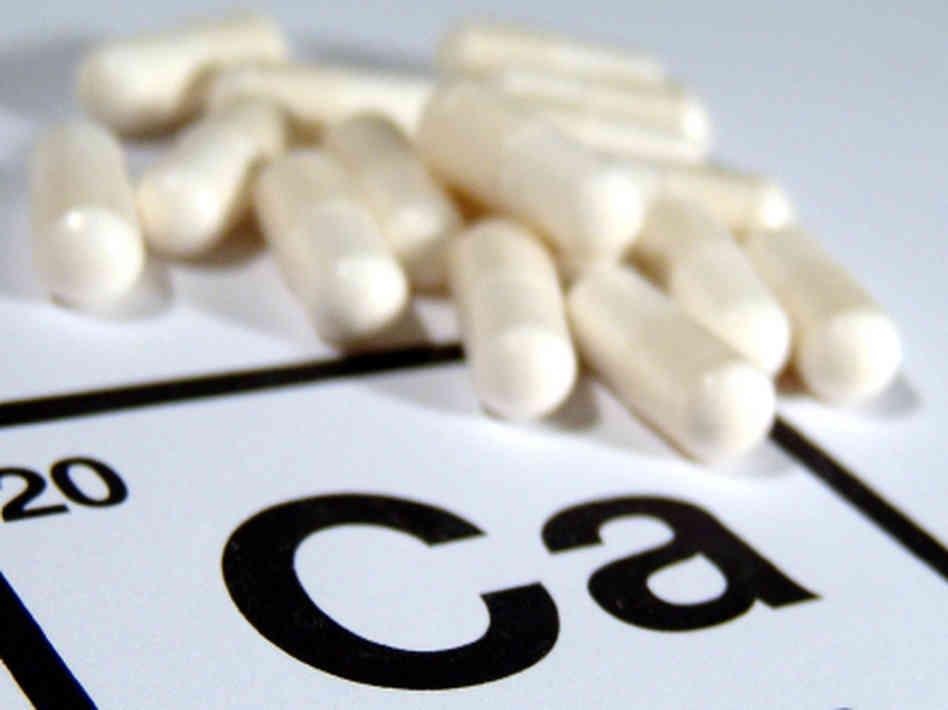
The recommendation of calcium for the prevention of osteoporosis is one of a multitude of examples of how often the current practice of mainstream medicine is missing the mark. Many people are deficient in calcium because the standard acidic processed diet is high in hidden phosphates from processed foods which inhibit the absorption of calcium. In addition, by eating large quantities of meats and sweets, this makes the body acidic. This acid requires a huge amount of buffering. When the plasma buffer reserves are exhausted, the body calls upon calcium from the bone to buffer. Hence, eating phosphate laden processed foods causes calcium loss from bones.
To build bone, calcium is laid down in bone only when enough of the complementary minerals are present, such as zinc, copper, boron, and magnesium. When these are not present in optimal amounts, taking extra calcium merely deposits the calcium in the toxic waste heap of the body, the blood vessel wall. So instead of building bone, the calcium is used to accelerate arteriosclerosis, aging and disease.
In other words, by haphazardly recommending calcium to a nation of people who are already consuming vast quantities of cheese, milk, ice cream and meats, and without measuring the blood levels of zinc, copper, magnesium, we are potentiating the development of vascular calcifications instead of bone calcification. We are enhancing the deposition of extra calcium in the vessels of the heart and brain that hastens coronary artery disease, arteriosclerotic and nutrient-deficient depression, and senile brain disease.
Beware if you are supplementing with Calcium as it cannot get into the bone unless you have enough of the other minerals needed to incorporate it and hold it in the bone. These include magnesium, manganese, selenium, molybdenum, zinc, copper, etc. Taking calcium without assessing and correcting for deficiencies of these minerals, forces the calcium into the arteries of the body in the brain and in the heart. When you are deficient in the minerals that hold calcium in the bone, calcium cannot be taken up into the bone. SO instead it gets taken up by the toxic waste site; the cholesterol patches of damaged arteries. Hence the term hardening (calcification) of the arteries.